Project Design: BATH HOUSE
Week one-Bath House Site
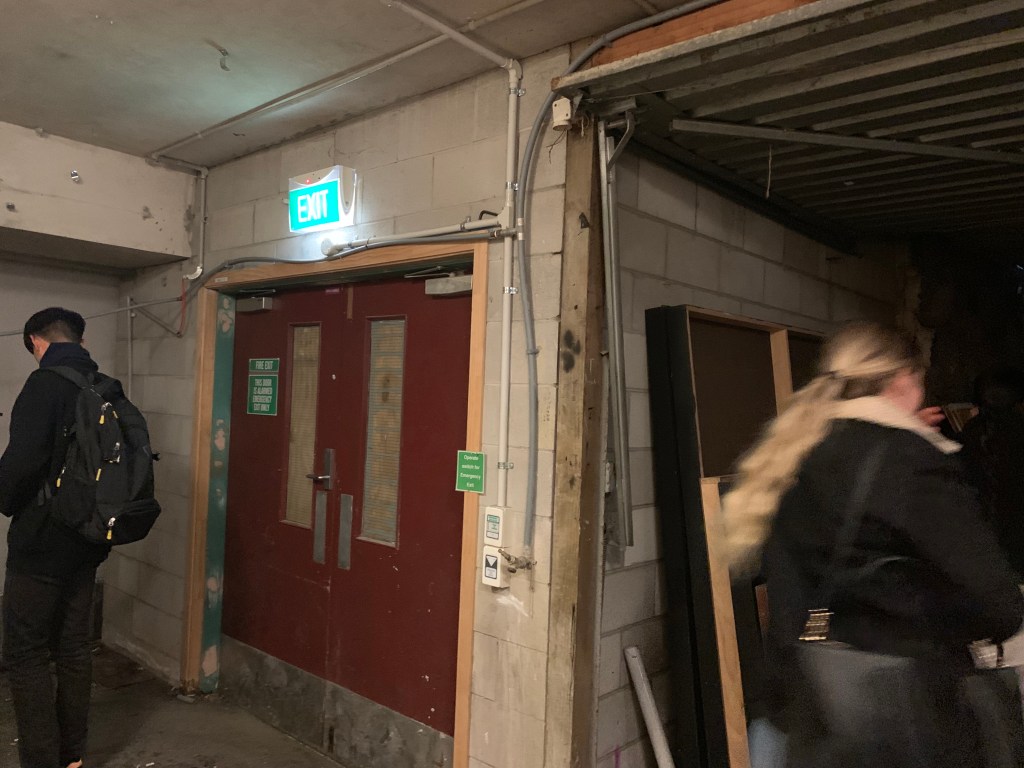
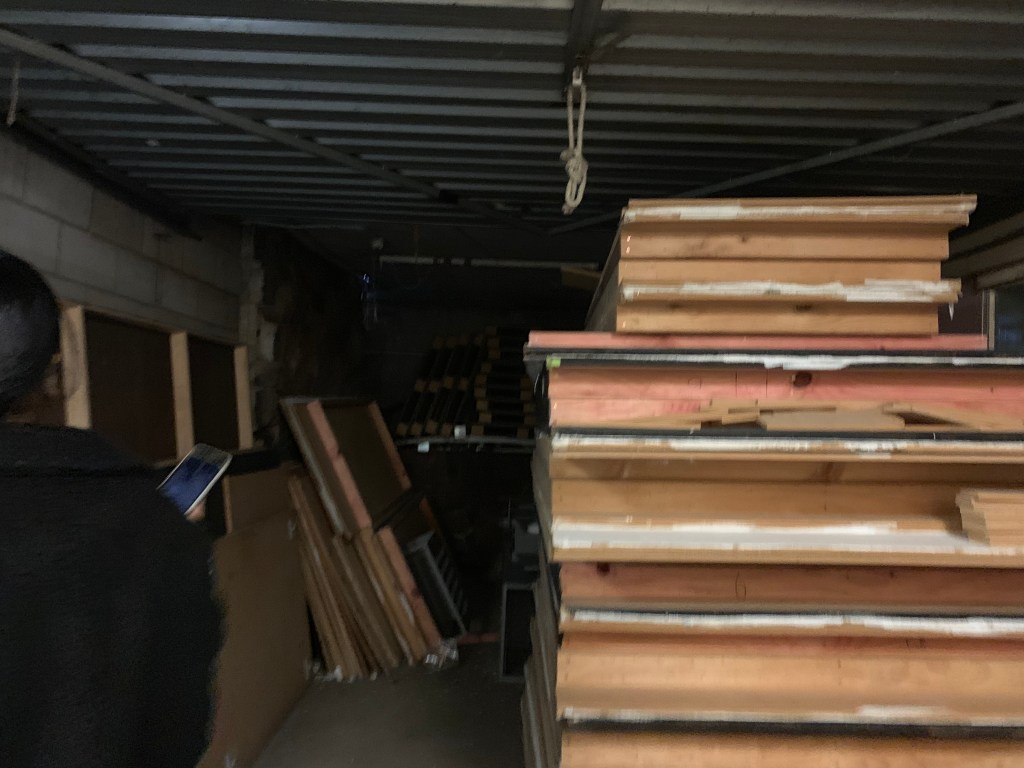
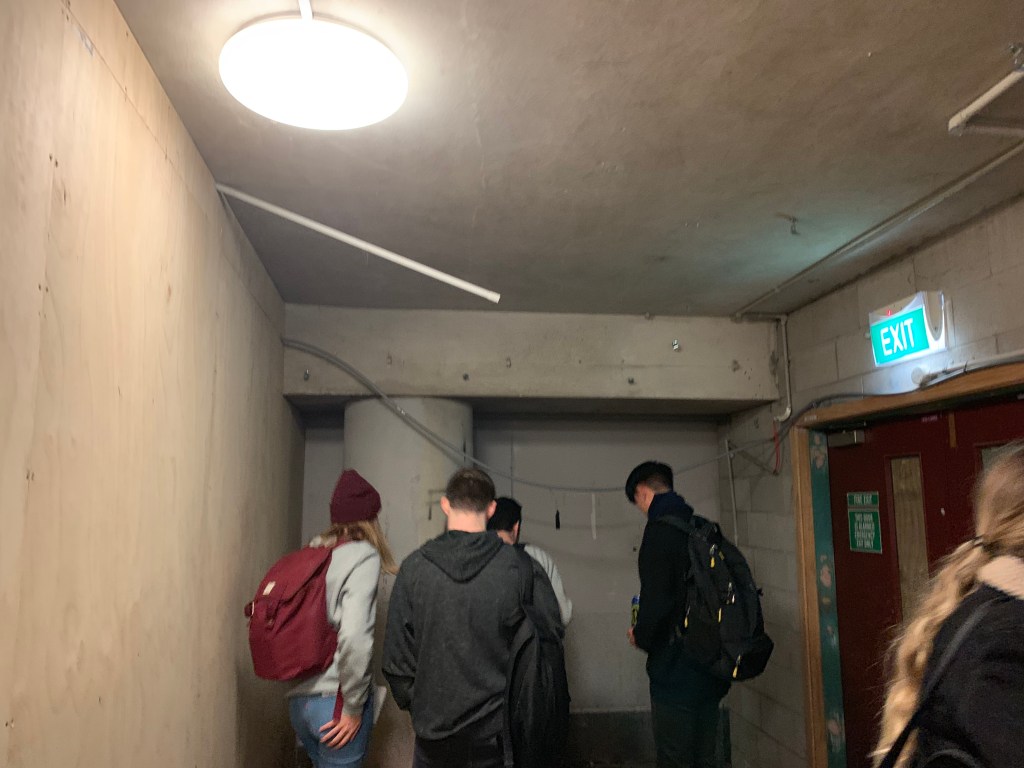
Introduction:In this term, we were continuing along the theme of ‘intimate space’ and start new designing with the theme bath. We will design from the WW building due to WZ building of AUT. Before we started designing, we visiting the environment inside and outside and conducted filed measurements of the building and get some pictures. Also, got some historical information. For example, it was a swimming pool itself before being developed by the AUT building. We will design the bath in the interior for outside forest design. In this project, the bath-house for the public and inside load-bearing walls cannot be removed. But we can continue to extend downwards. In this project, I will around this three-point to design that the close environment, feel a comfortable and cultural union.
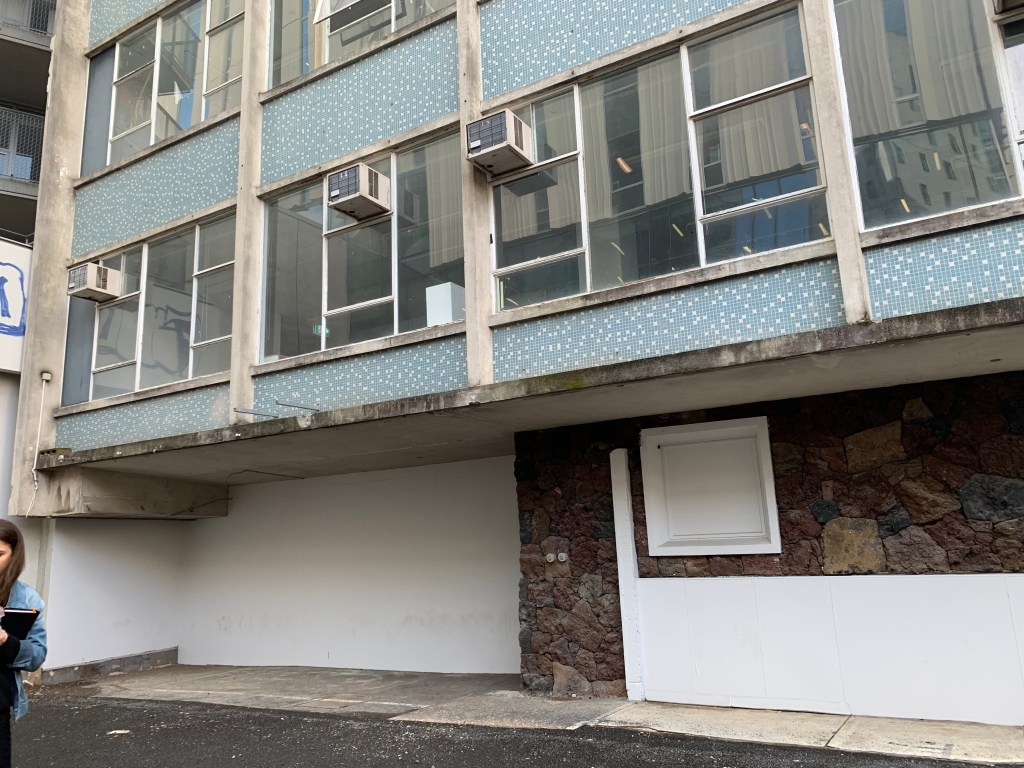
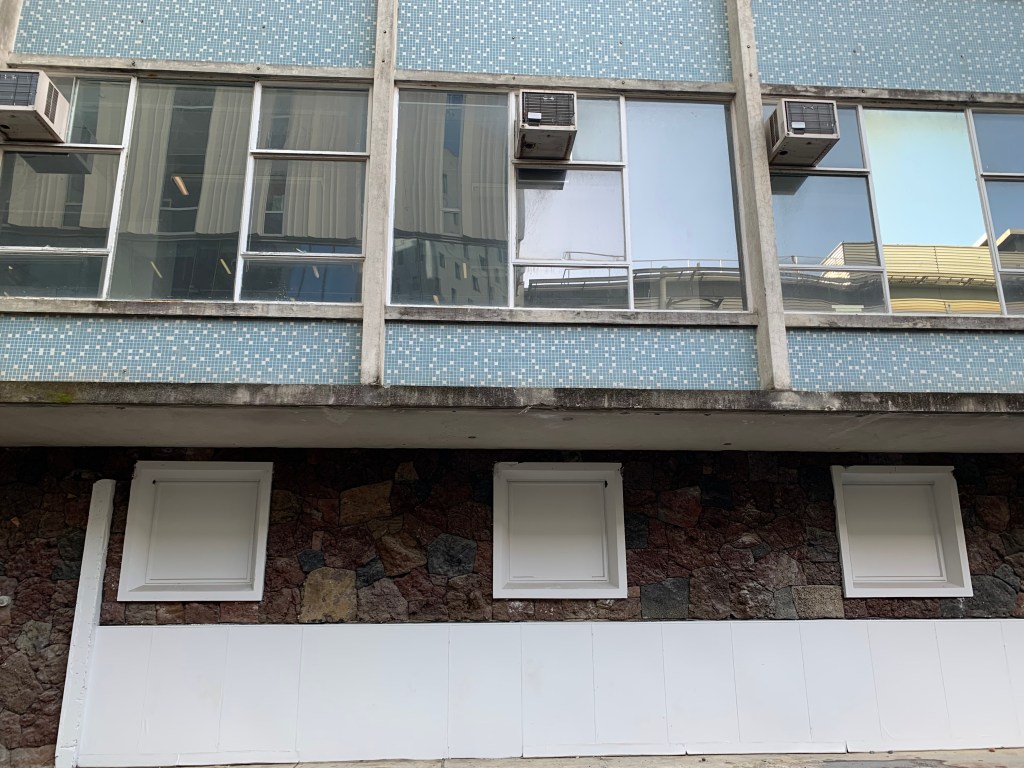
When we start the design, this wall can be move. To ensure that there is enough sunshine in the bath-house, I will remove the wall. In our life, we often feel troubled by lack of indoor lighting. So I think interior lighting is very important. This will be the focus of my design.
Week two-Research
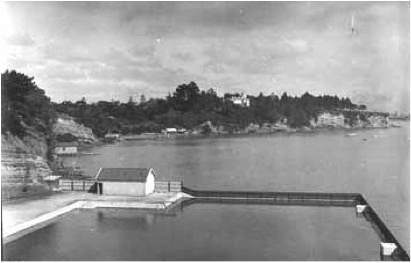
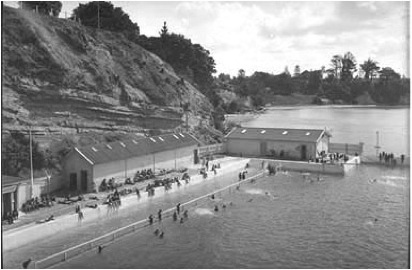
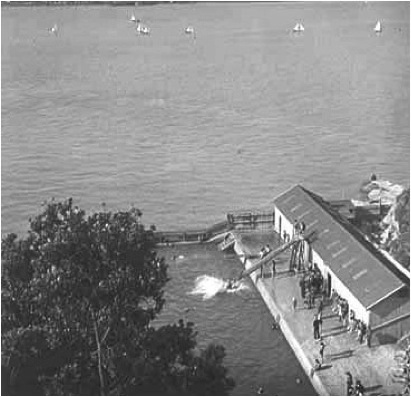
Auckland Bathing History:Parnell Baths
Public baths were constructed in Auckland during the 1880s and this led to a growing interest by adults in swimming.Parnell Baths were Auckland’s first salt water baths. Constructed at Judge’s Bay in 1914 by the council, the baths have become an iconic and well loved location for swimmers of all ages. The baths opened during the summer season of 1914-1915. Since the pool is unheated, the baths are closed for part of the year year and when they reopen in around November time, people eagerly await the first dip in the icy waters. Up until the 1940s, improvements were made to the baths and it wasn’t until the 1950s that major works were undertaken. This re-modelling of the baths in the 50s created the outdoor seaside feel, that has made this such a landmark location.
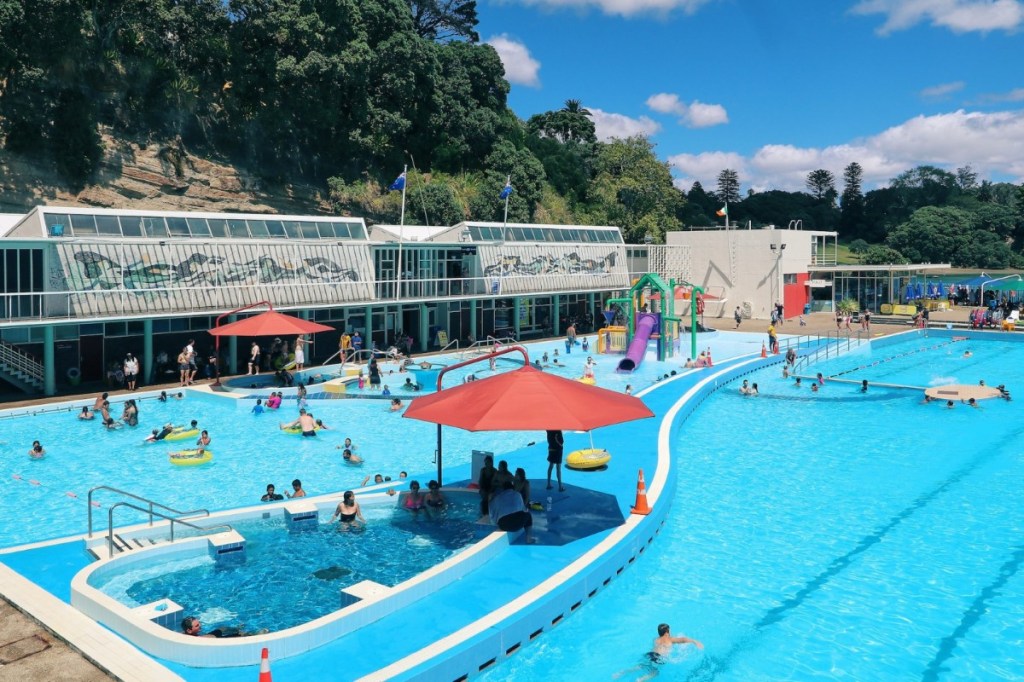
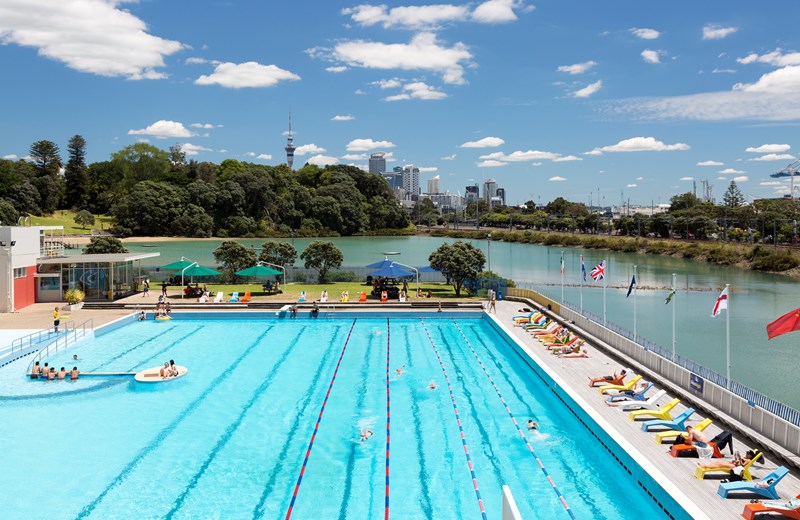
http://heritageetal.blogspot.com/2013/10/parnell-baths-seafront-bathing.html
Personal Bathing Experience
Two years ago, I have experienced hot spring culture of New Zealand in Rotorua. The first impression is that it’s natural. The hot spring is located high. People can sit in the pool and see the distant scenery. The inside of the pool is made up of many different stones, People can sit on the stone. There are many trees around the pool. In the functional area, there is a shower room, toilet, changing room, sauna, recreation area.
Hot spring in China are usually built in the mountains, this is to make people more relaxed and close to nature.
Forestry in New Zealand
80% of our trees, ferns and flowering plants are endemic (found only in New Zealand).
About 10–15% of the total land area of New Zealand is covered with native flora, from tall kauri and kohekohe forests to rainforest dominated by rimu, beech, tawa, matai and rata; ferns and flax; dunelands with their spinifex and pingao; alpine and subalpine herb fields; and scrub and tussock.
- Beech forests are the largest remaining indigenous forest type in New Zealand, mainly because beech forests are found on mountainous land not generally regarded as the best for agriculture.
New Zealand has five species of beech, each prefer different soil and climate conditions.Hard Beech (Fuscospora truncata) and black beech (Fuscospora solandri) are found in the lowland areas of the North Island and northern South Island.
Red beech (Fuscospora fusca) prefers the foothills and inland river valley floors particularly where soils are fertile and well drained. Silver beech (Lophozonia menziesii) prefers higher, wetter conditions.
Silver beech is the most widespread tall tree in Fiordland.
Mountain beech (Fuscospora cliffortioides) grows in the mountains and on less fertile soils than silver beech, often forming the tree line at high altitudes.
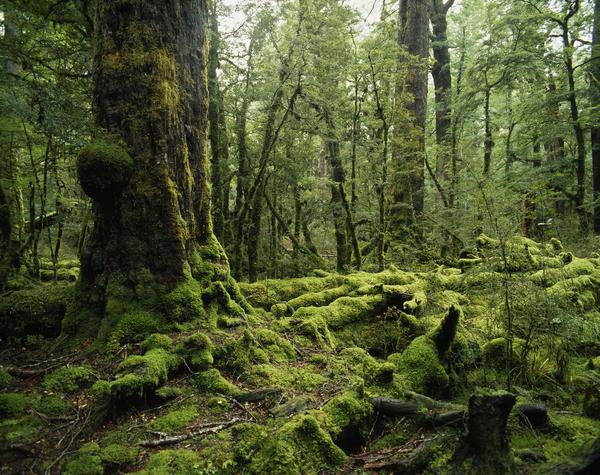
https://www.doc.govt.nz/nature/native-plants/beech-forest/
- Cabbage tree: The cabbage tree is one of the most distinctive trees in the New Zealand landscape, especially on farms. They grow all over the country, but prefer wet, open areas like swamps.
Growing 12 to 20 metres high, cabbage trees (Cordyline australis) have long narrow leaves that may be up to a metre long. It has lovely scented flowers in early summer, which turn into bluish-white berries that birds love to eat.
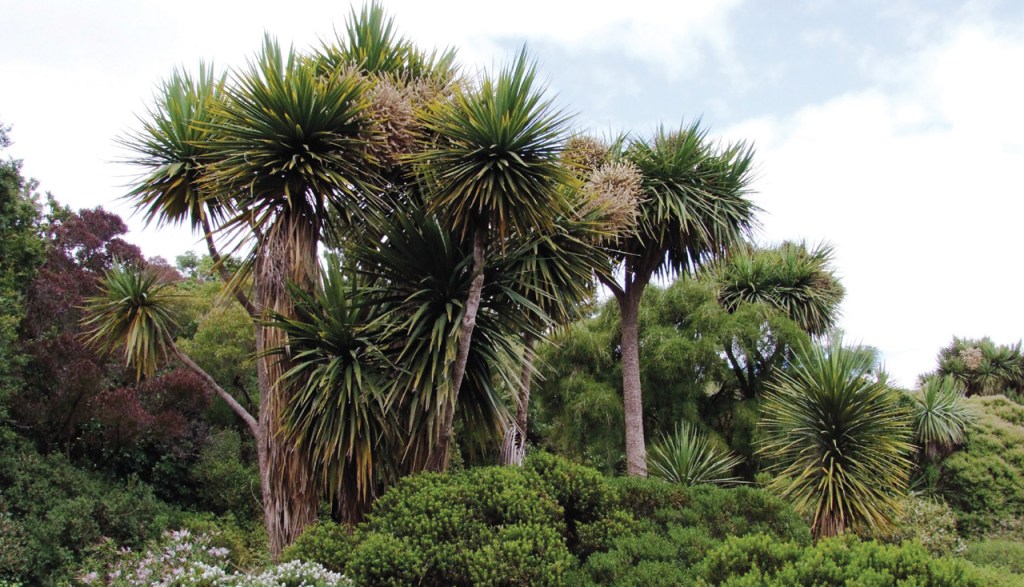
https://www.doc.govt.nz/nature/native-plants/cabbage-tree-ti-kouka/
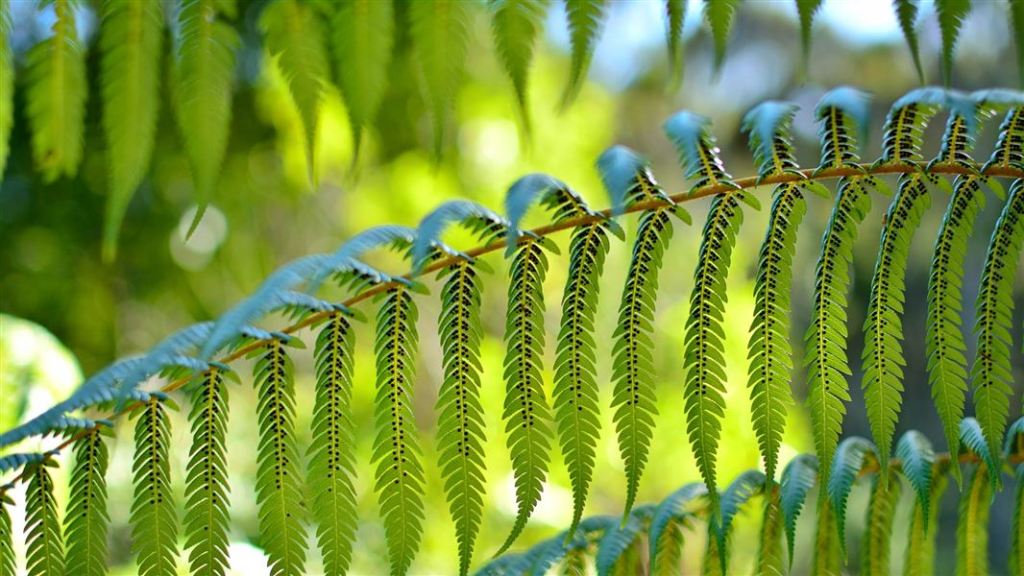
- New Zealand Ferns
Ferns are mostly a tropical group, and New Zealand has an unusually high number of species for a temperate country. We have about 200 species, ranging from 10 m high tree ferns to filmy ferns just 20 mm long. About 40% of these species occur nowhere else in the world.
https://www.doc.govt.nz/nature/native-plants/ferns/
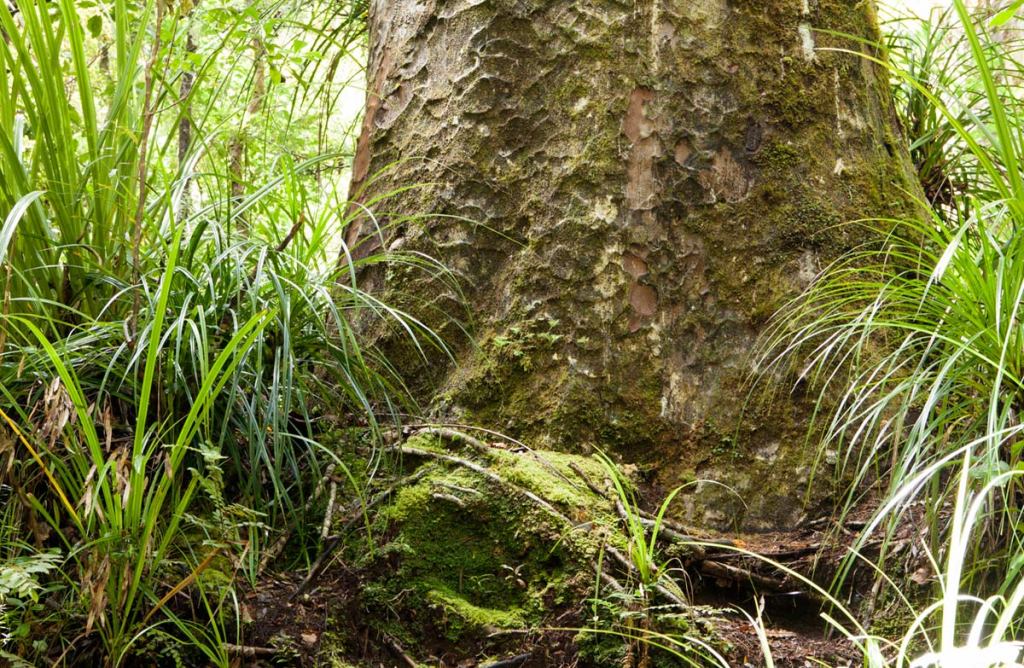
- Kauri:Kauri forests once covered 1.2 million ha from the Far North of Northland to Te Kauri, near Kawhia and were common when the first people arrived around 1,000 years ago.
https://www.doc.govt.nz/nature/native-plants/kauri/
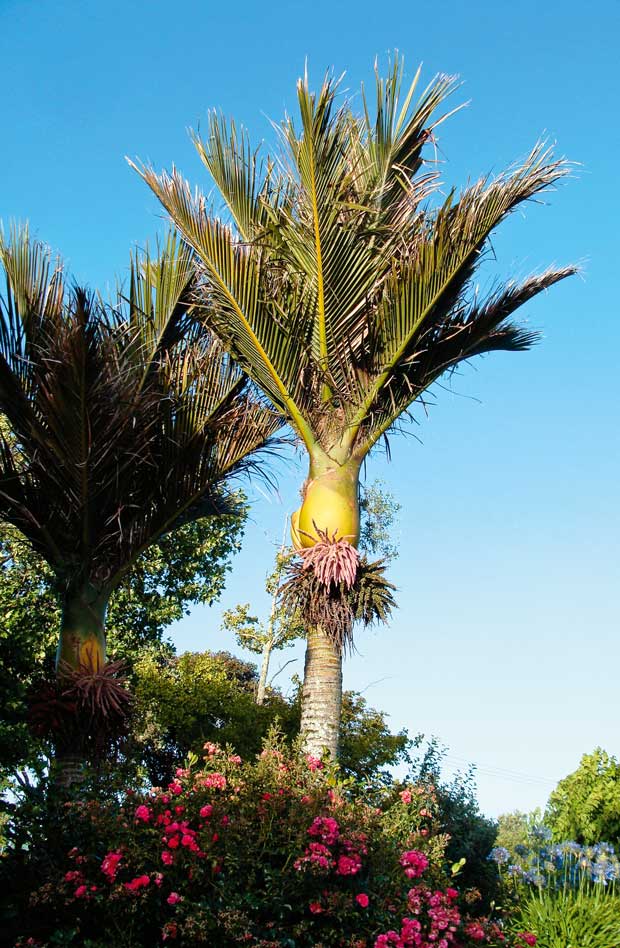
- nīkau palm:The nīkau palm is the southernmost member of the palm family, a group that is usually tropical or sub-tropical. There are over 1,100 palm species around the world, including some of the world’s most useful plants such as the oil palm, banana, coconut, and sago palm. Although a number of palms have been introduced to New Zealand and are planted around our towns and gardens, the nīkau palm is our only native palm species.
A nīkau palm usually grows about 10-15 m tall. It is easy to recognise in the bush with its circular trunk, which is ringed with evenly spaced scars from fallen leaves. The fronds are up to 3 m in length.
https://www.doc.govt.nz/nature/native-plants/nikau-palm/
Research
Auckland’s main water sources
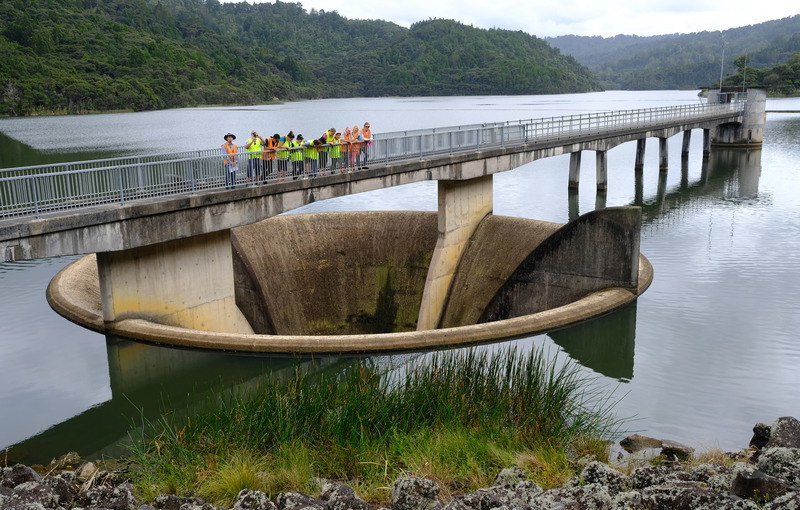
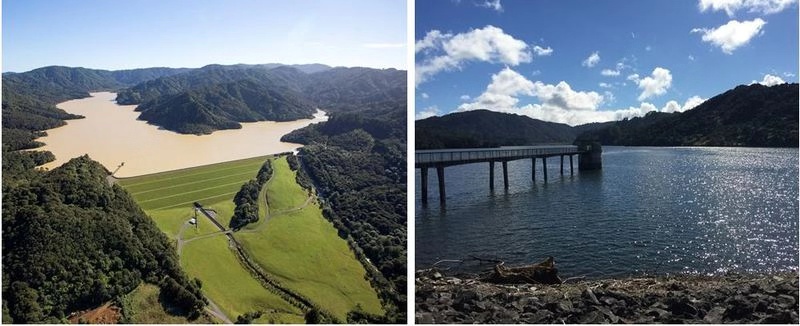
Auckland’s water is largely derived from dams in the Hunua and Waitakere ranges, about 80 percent, with the Waikato River making up the rest.
Much of Auckland’s water supply comes from dams such as Mangatangi (Built 1977), Mangatawhiri (1965), Cosseys (1955), Wairoa (1975) and Hays Creek (1967) which are in the Hunua Ranges in South Auckland. The water from these dams are treated at Ardmore Water Treatment Plant in South Auckland.
Auckland also has Waitakere and Waitakere Saddle (1910), Upper Nihotupu (1923), Lower Nihotupu (1948), Upper Huia (1929), & Lower Huia (1971) dams which are treated at three water treatment plants in West Auckland: Huia, Huia Village, and Waitakere. We also source from the Waikato River which is treated at Waikato Water Treatment Plant in Tuakau (2002) as well as source from groundwater supply at Onehunga, Muriwai, Hamiltons Road (Algies Bay/Snells Beach), Waiuku, and Bombay.
https://www.greaterauckland.org.nz/2017/06/27/three-waters-infrastructure-auckland-need-part-2/
Week three-Group Work
Base and Building
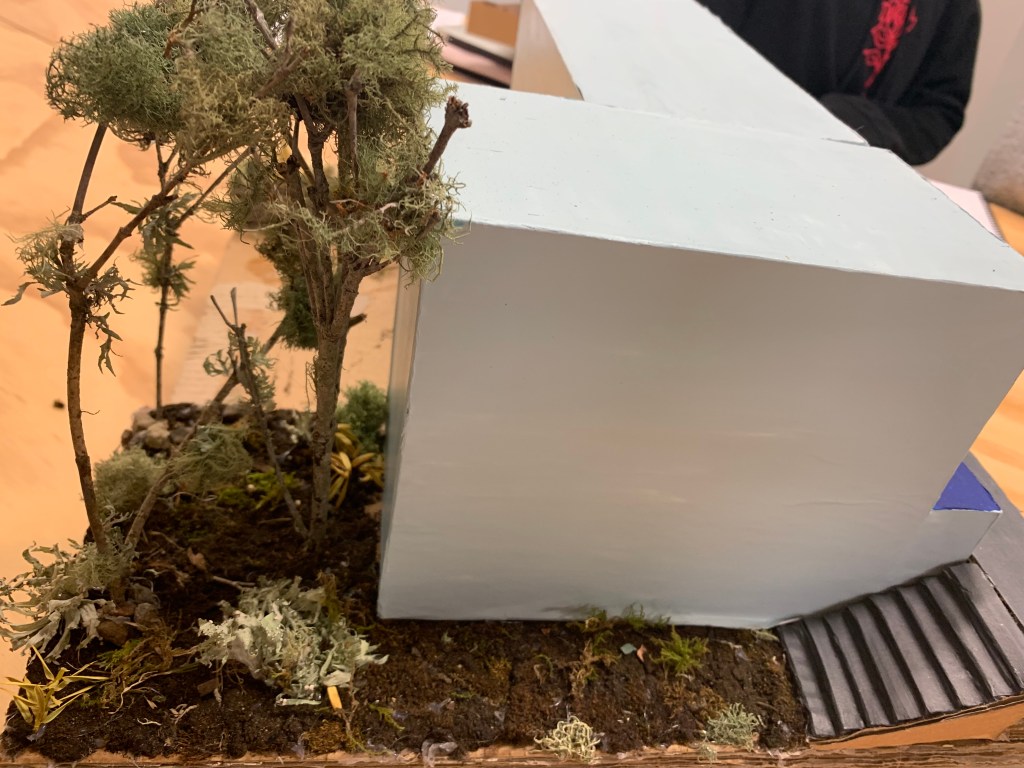
In the class, we start making our base and building. Because we lost our first base, we must start production again. Start measuring the building’s data first and then determine the size and height of the base. We use waste cardboard to overlap until we reach the height we want.
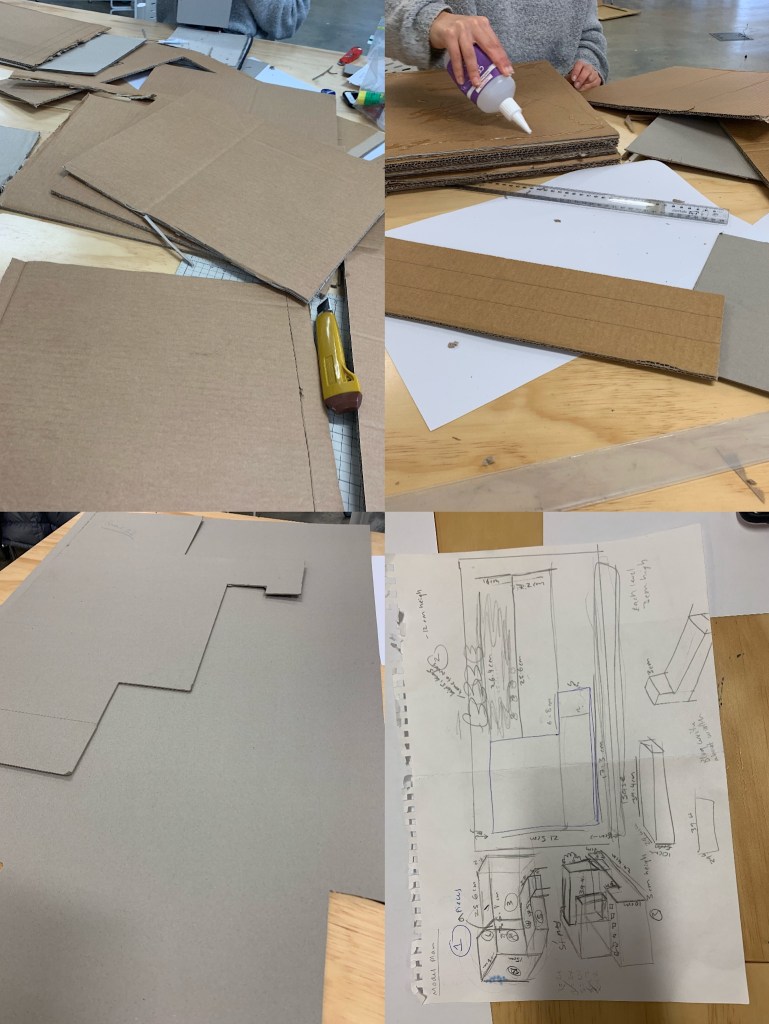
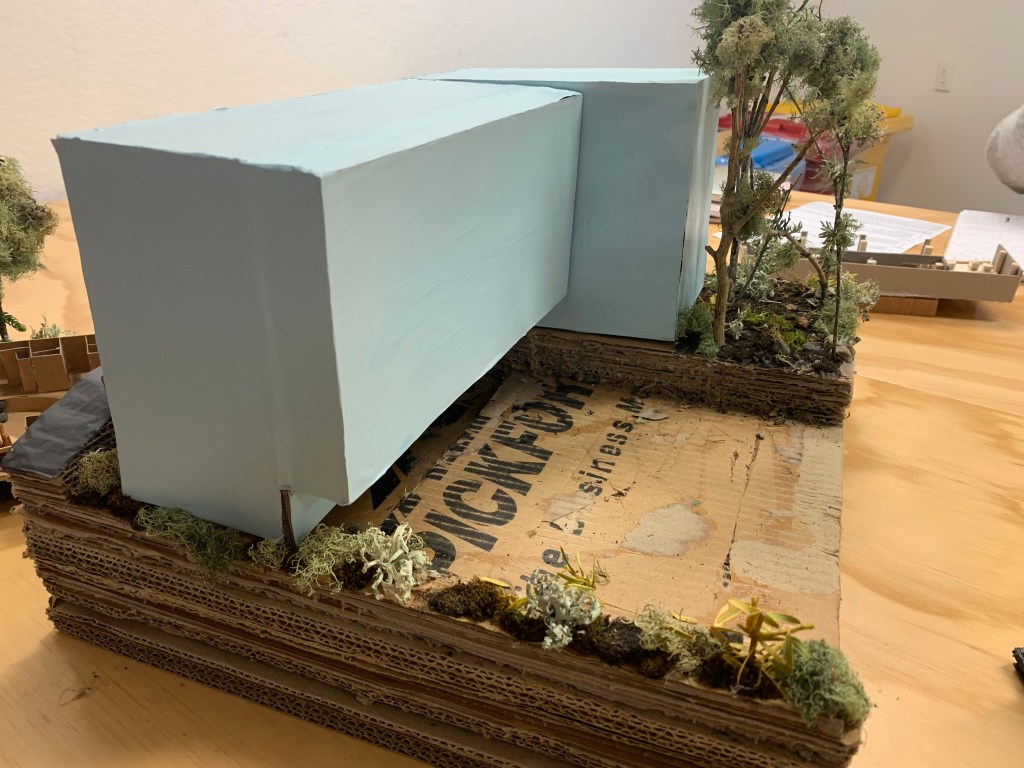
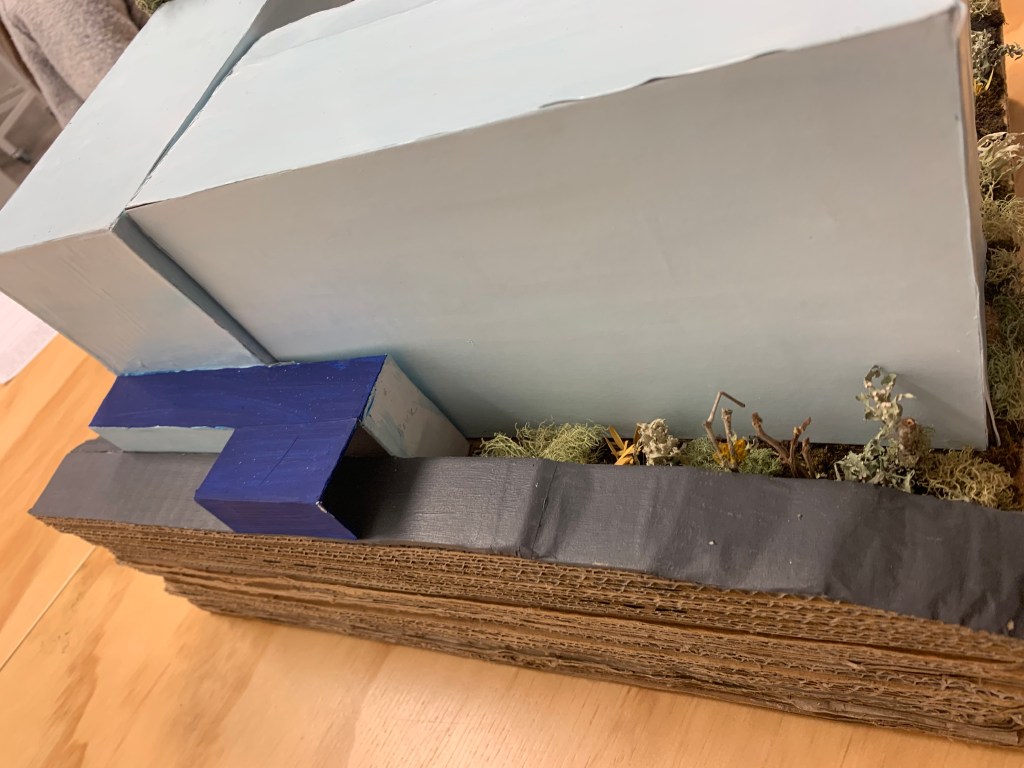
We cut the position of the forest and the bottom of the building so that the bottom of the pool can extend to the ground underground. The bottom of the forest and pool will match the ground more.
Week four-Forest Making
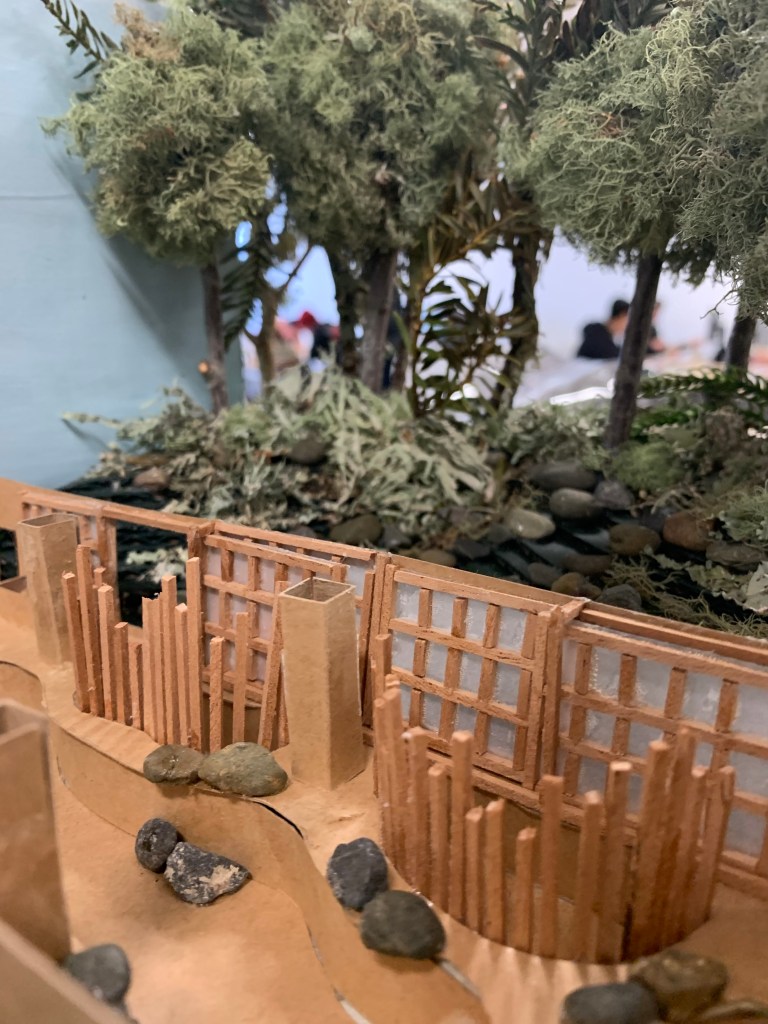
When I start making the forest model, I picked some moss, fallen leaves and dry branches in the forest mad the tree. The cardboard at the bottom was what I picked up at the supermarket. To be close to nature, I designed a forest from high to low. Gradient levels allow people to see different landscapes from different angles. In the middle of the forest, there is a small road stone on both sides to guide the road.
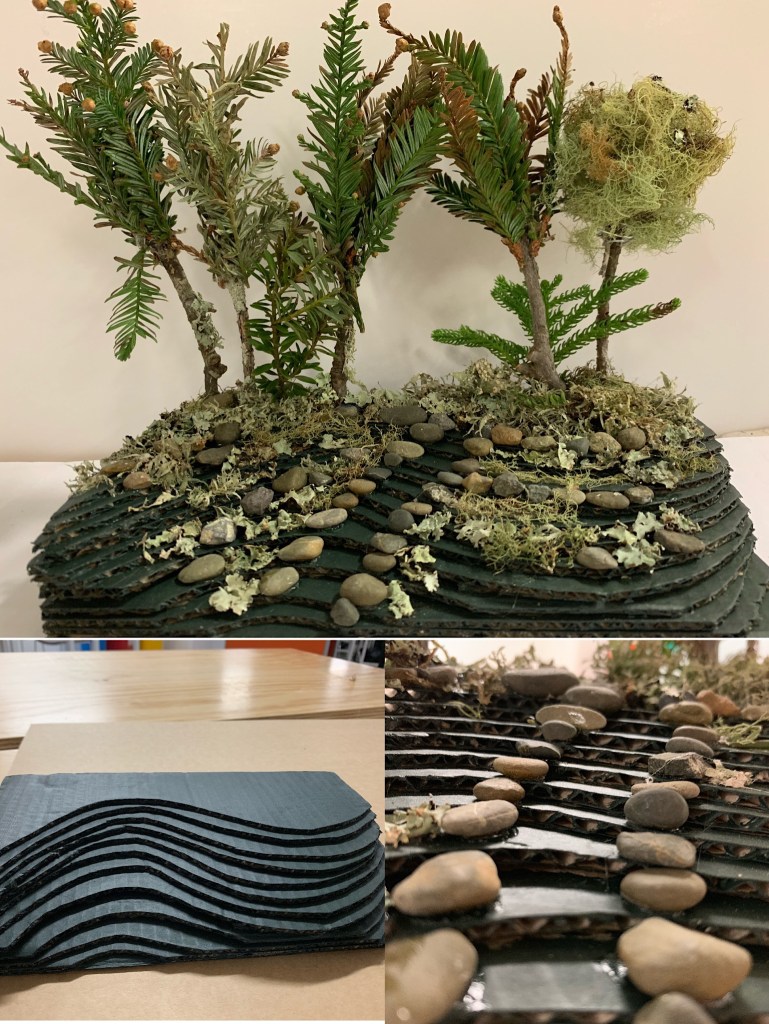
This one is the first text model since there is no previous production forest experience. So I think this does not look like a forest. The first impression of the forest is very lush and there are has a lot of different vegetation inside. On the roadside, I found a lot of small stones to make my path.
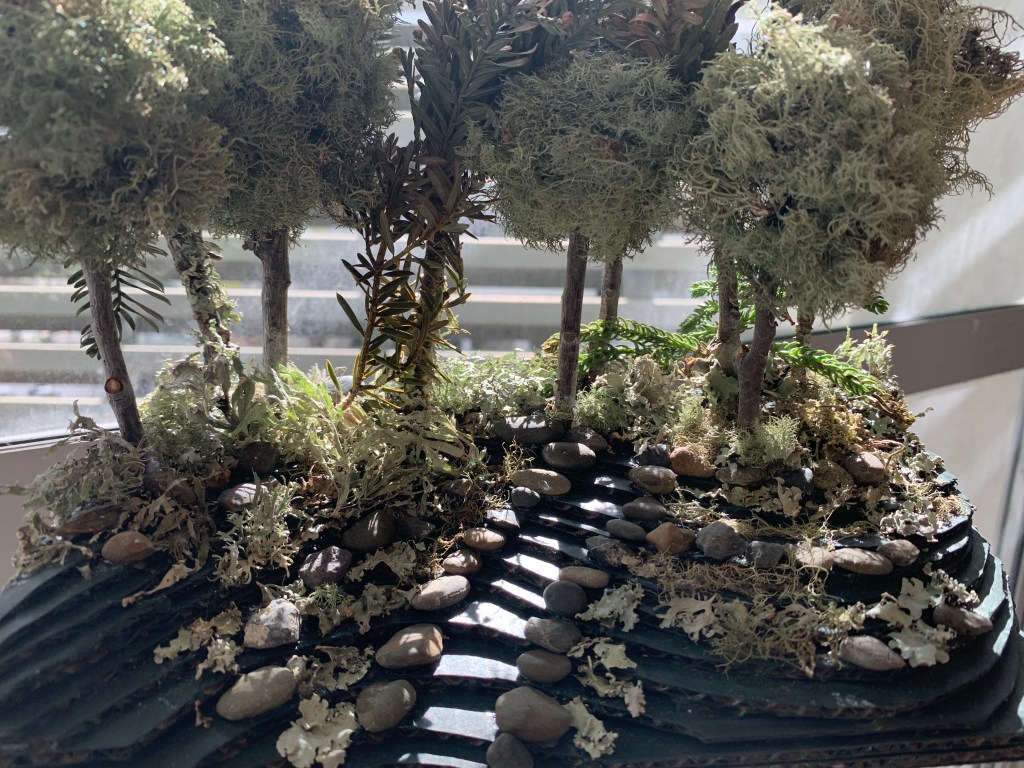
This one is the final forest model, I used the first text model to the development. I used a lot of moss and out more hay on the ground. I got some new ideas and production experience from the first failed experience. Making trees of different sizes at different levels, which will make the effect better.
Week four-Model Making
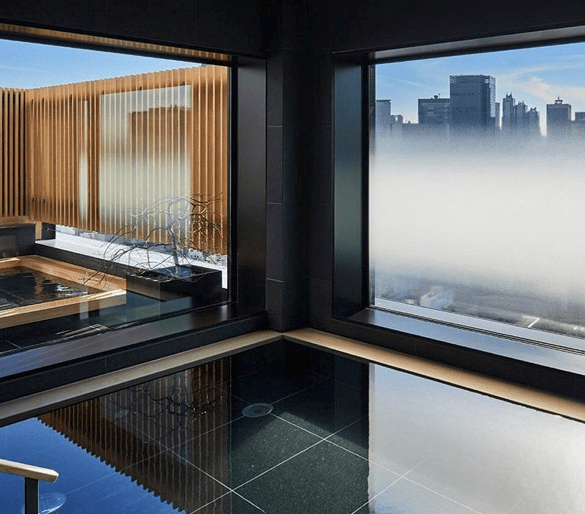
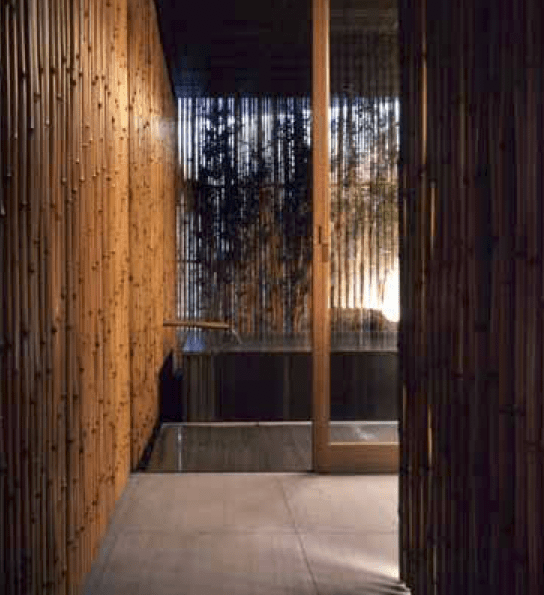
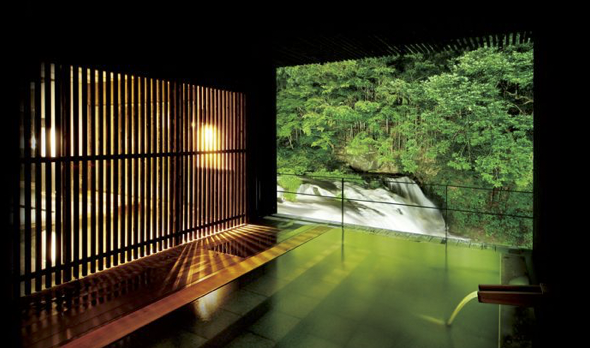
The work of other designers has given me a lot of inspiration and I am looking forward to combining different cultures.
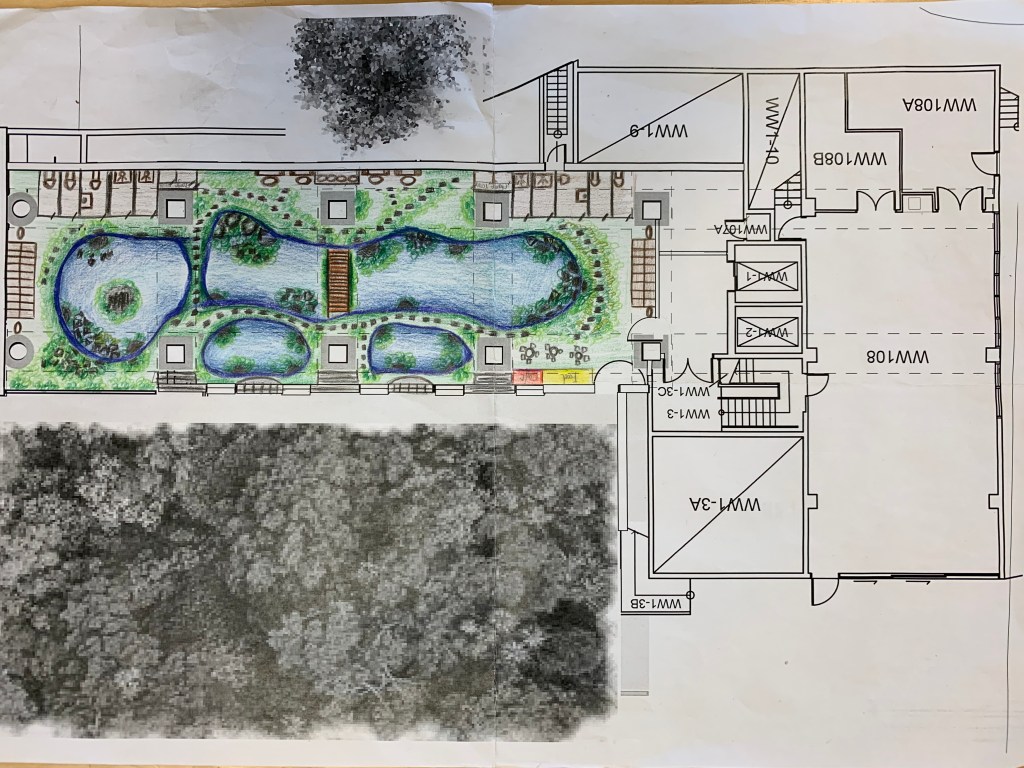
I modified it many times before the final design was released. And I used different colours of colour lead to clearly mark different areas. But what has plagued me in that I need to design several pools. Because I want the people to feel very relaxed inside and not feel crowded. Second, the free indoor landscape design is very important to me. In the end, I decided to design a door on the side close to the forest. The people can walk into the forest and feel the nature.
Indoor plants
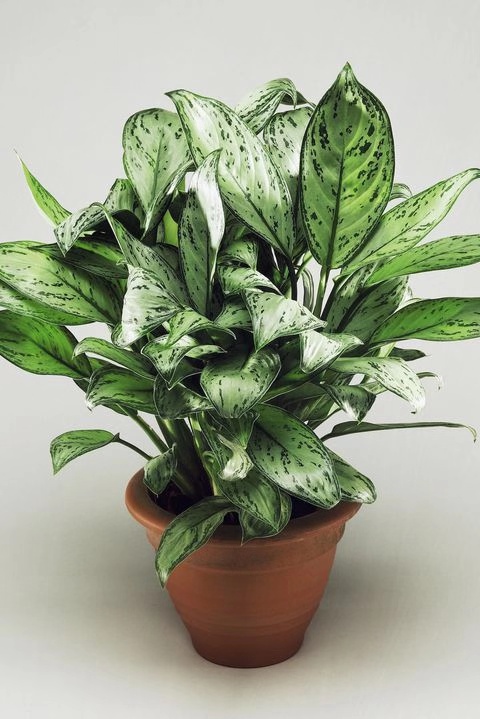
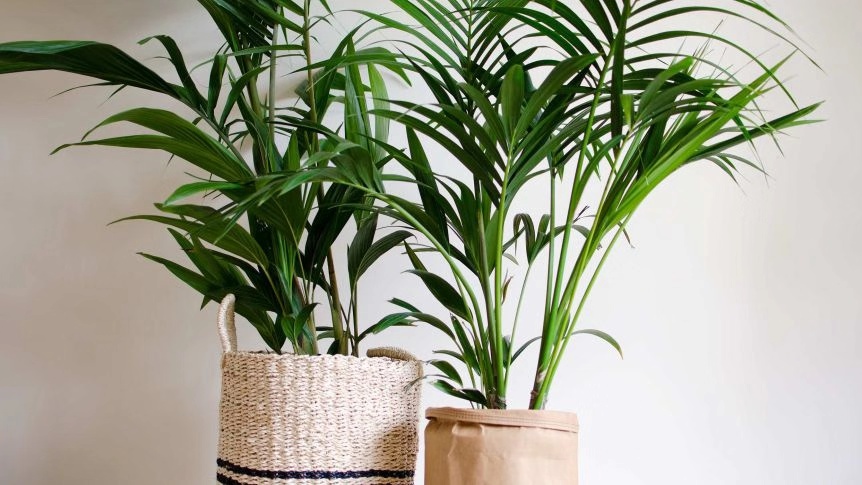
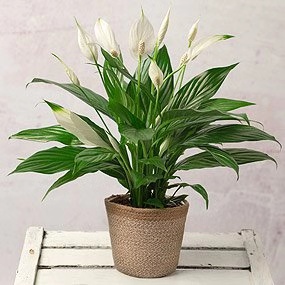
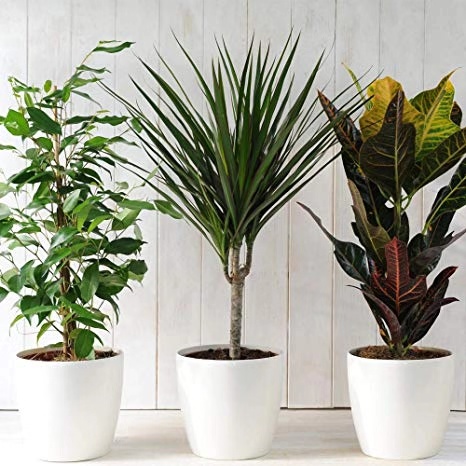
Indoor plants can improve indoor air quality and contribute to human health.
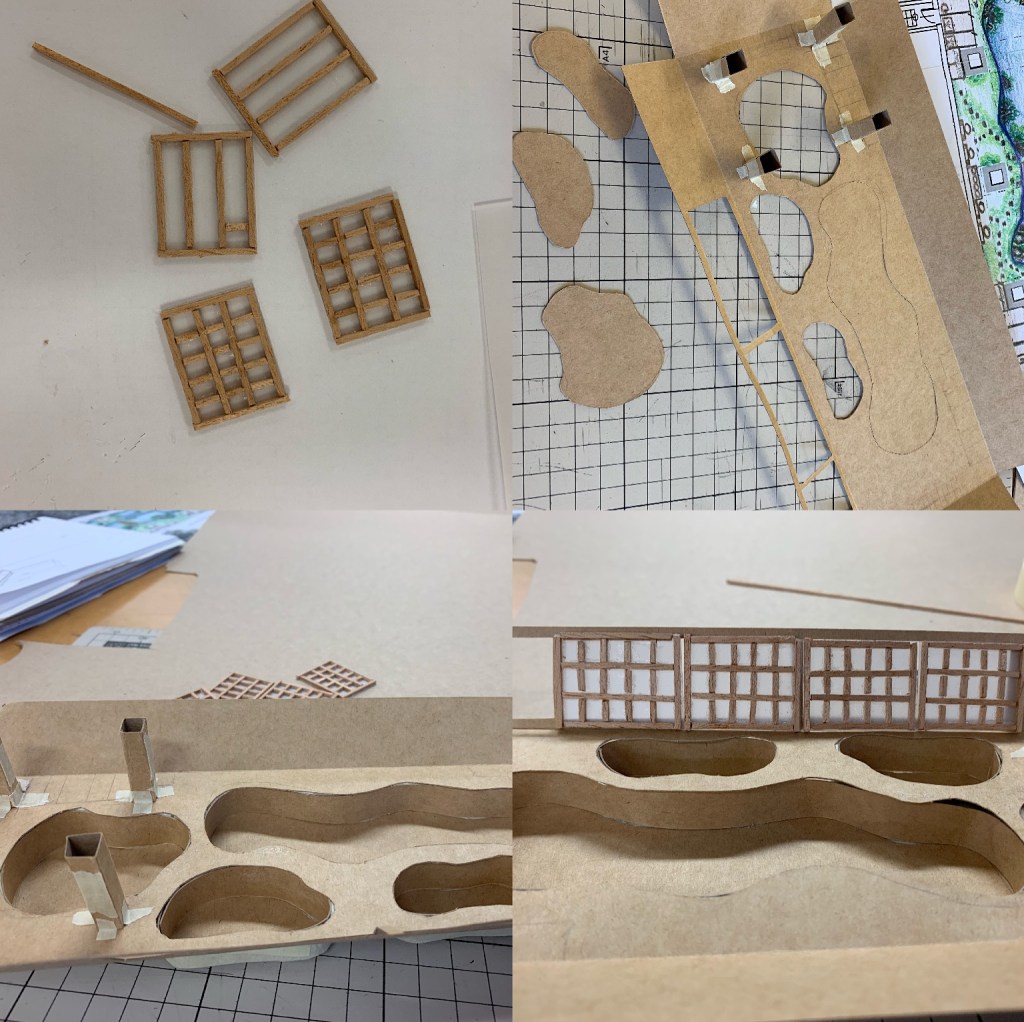
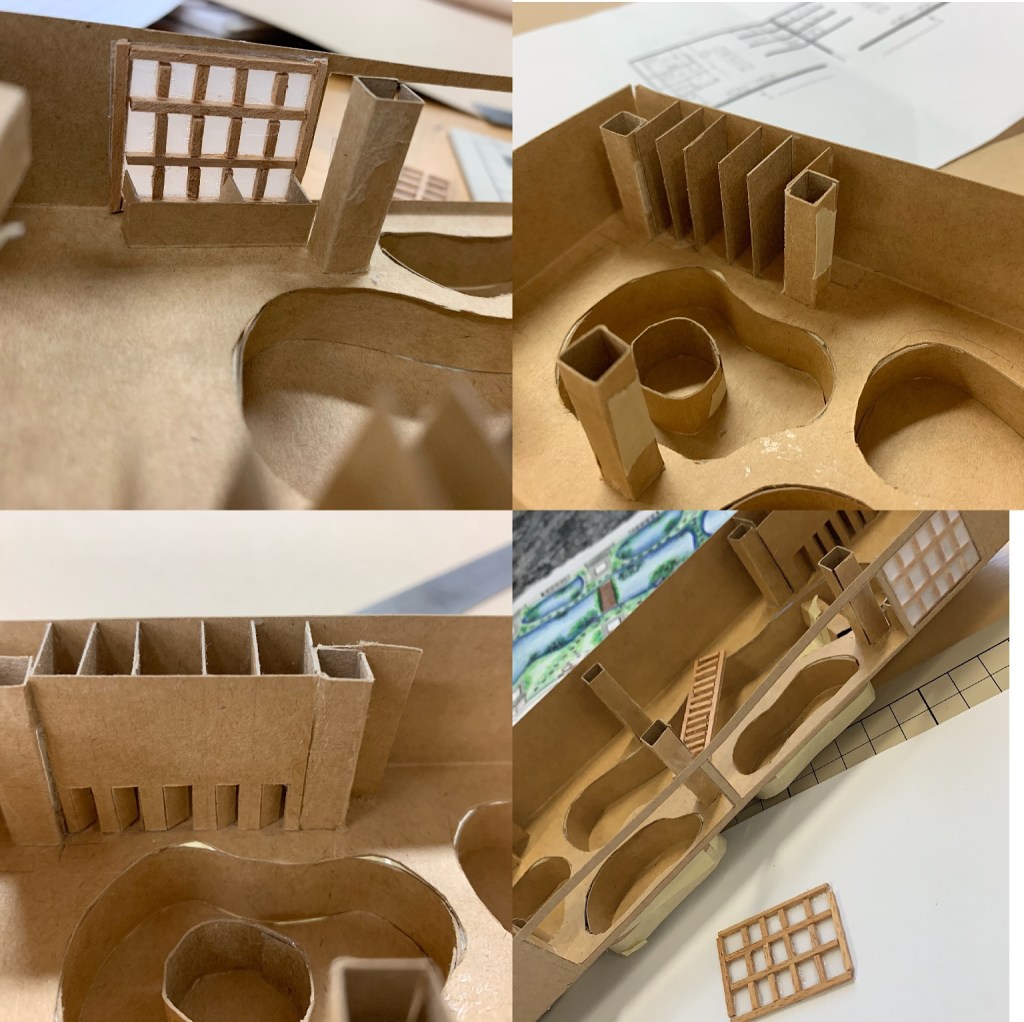
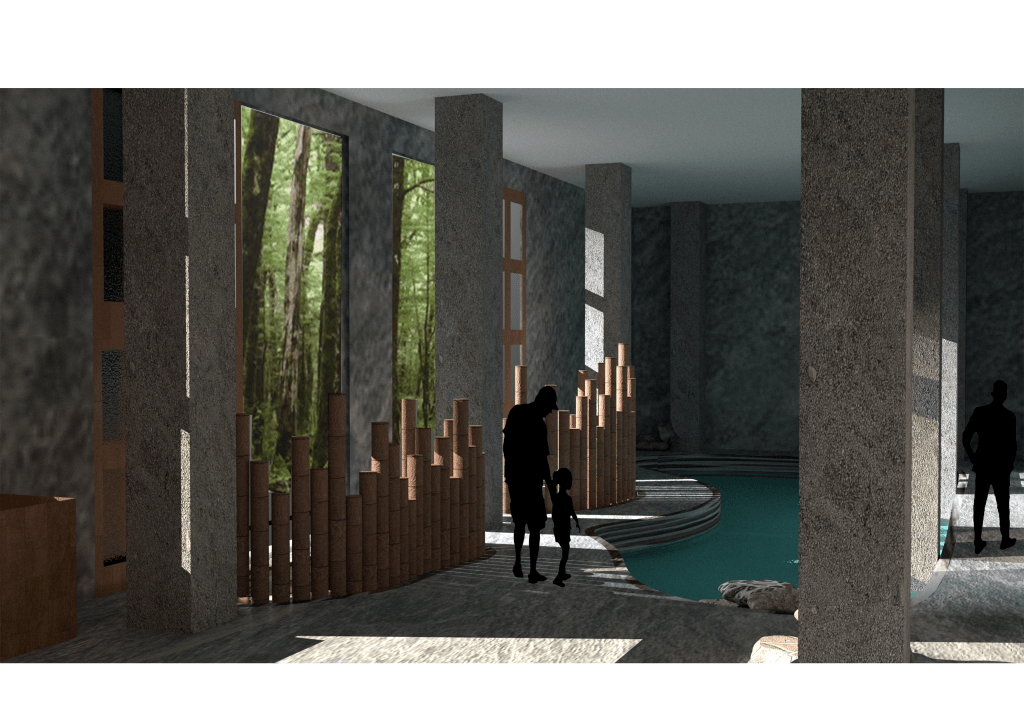
Removing the outer wall, I used a wooden strip and transparent paper to make a sliding door. The first is to ensure that there is plenty of sunshine in the room. Second, the largest door can make the internal people feel more close nature. In the end, I decided to make four pools. The location near the window can see the best scenery and the privacy will be very good. The largest pool temperature in the middle is hot and the innermost small pool is cold. Different temperatures and size give people more choices. In the functional area, I design the toilet together in two disabled toilets and four toilets. The right-most design dressing room is next to the shower room. This makes it very convenient.
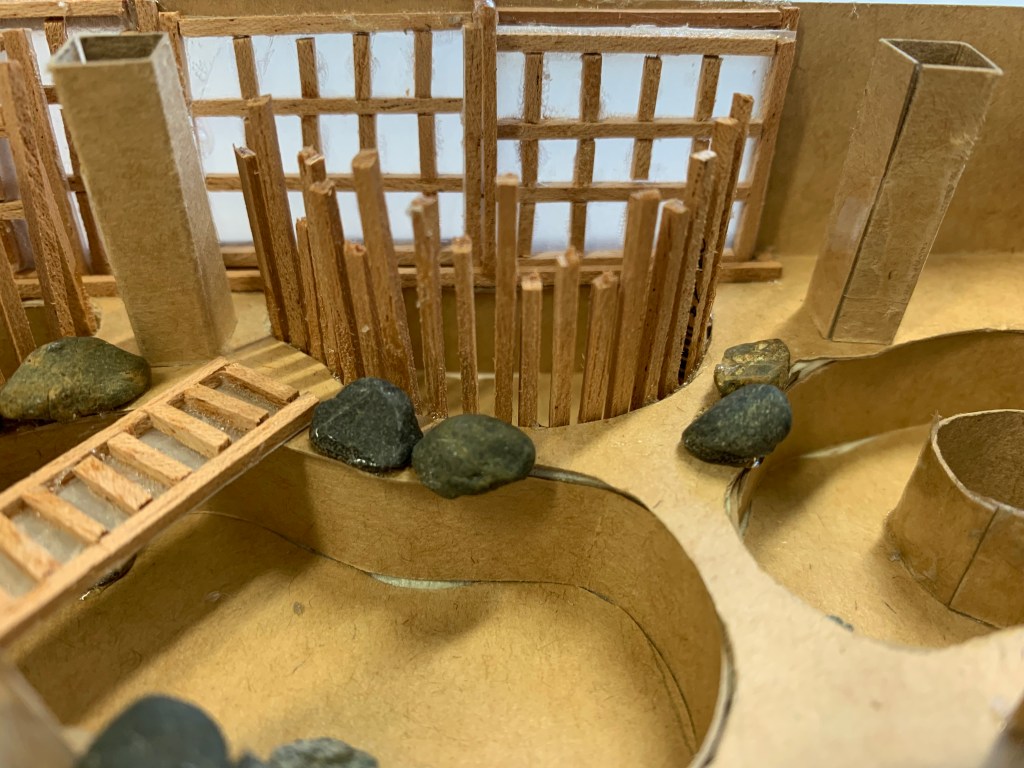
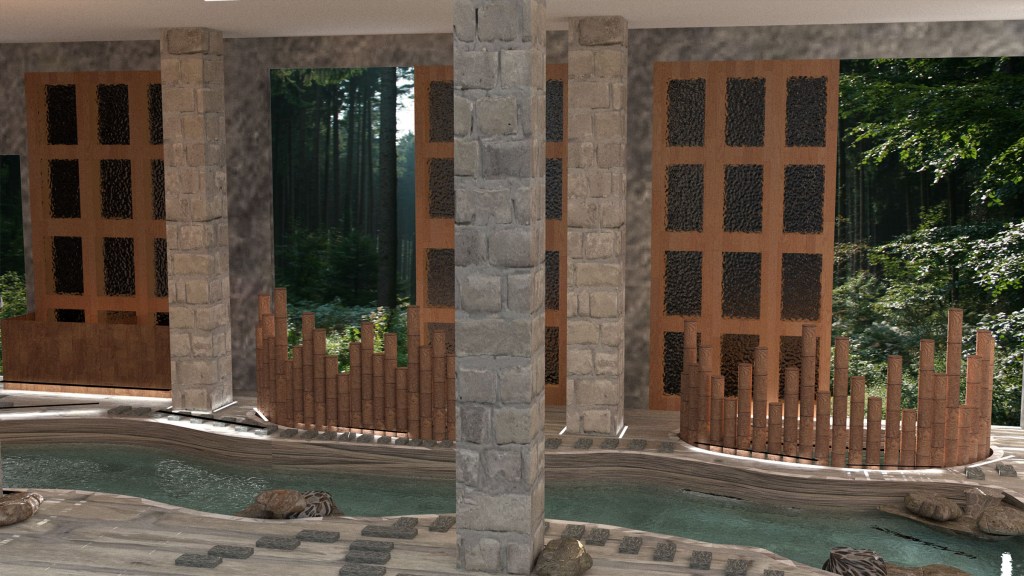
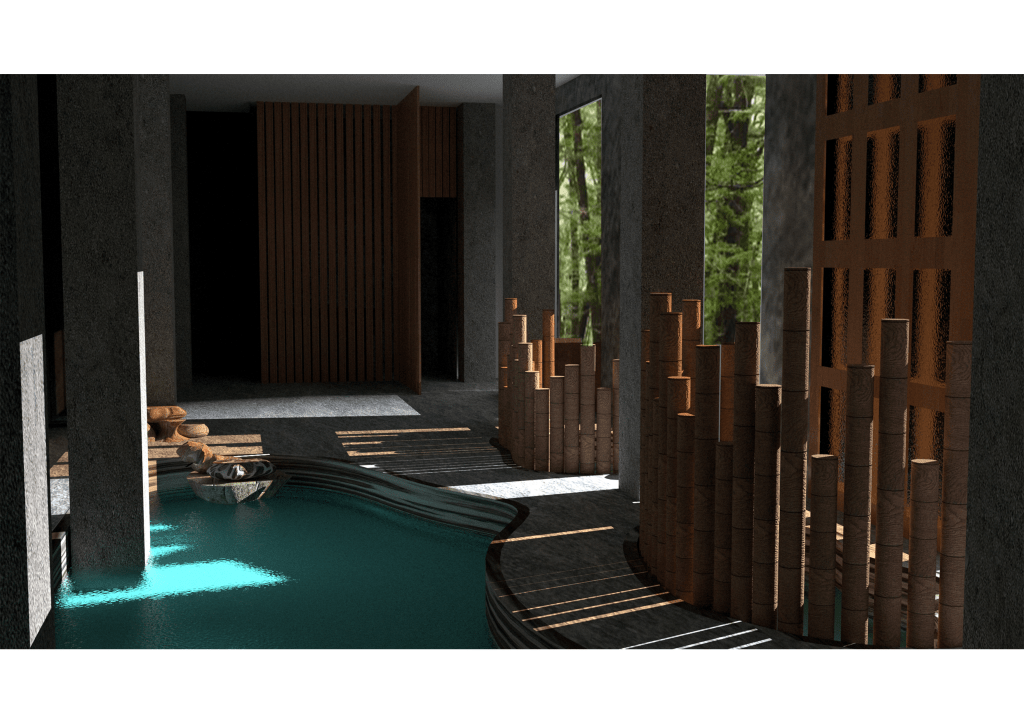
I use the bamboos to make privacy design on the edge of the two pools near the window. The different styles make the insiders have higher privacy and the shadows will look good under the sun. Second, these branches are not high. People who do not affect the interior see the scenery outside. Close to the pool, I designed some stones and green plants. They will be stacked with stones of different sizes. Some in the pool are some by the pool. People can sit on the stones in the pool.
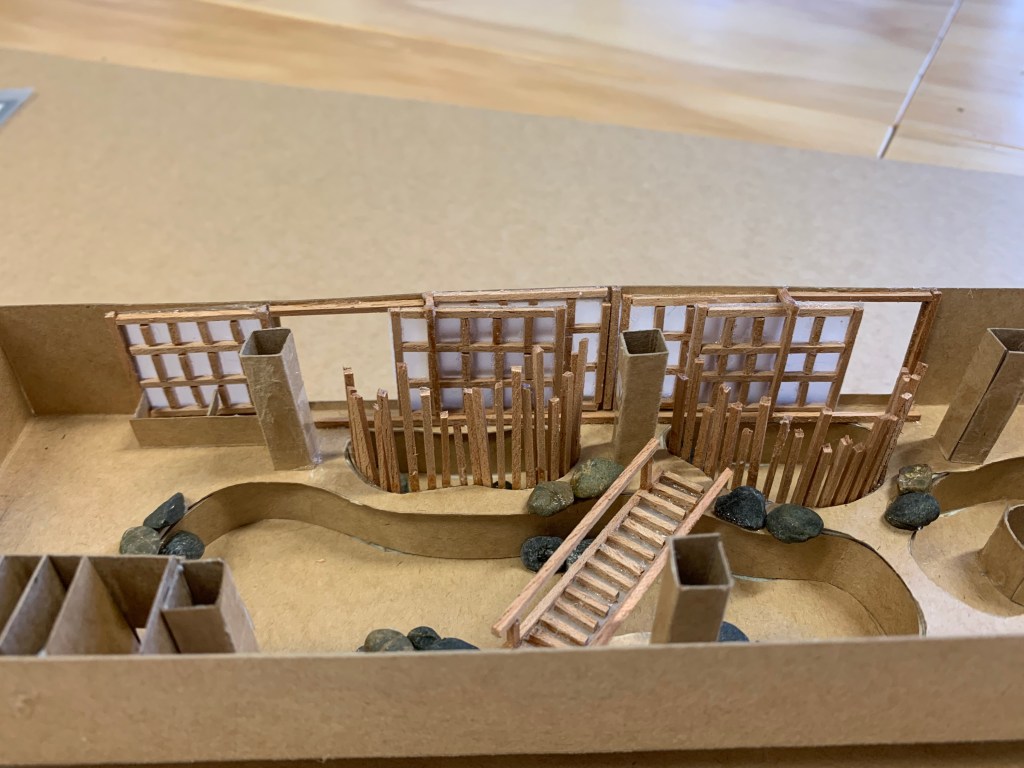
Week six-Presentation preparing
In this project, I will combine Japanese hot spring culture with Maori culture. Japanese hot spring culture is very famous in the world. Before I started to conceive, I browsed a lot of Japanese hot spring culture and design, Which made me very attractive. Combine my previous hot spring experience in Rotorua I started the Original design.
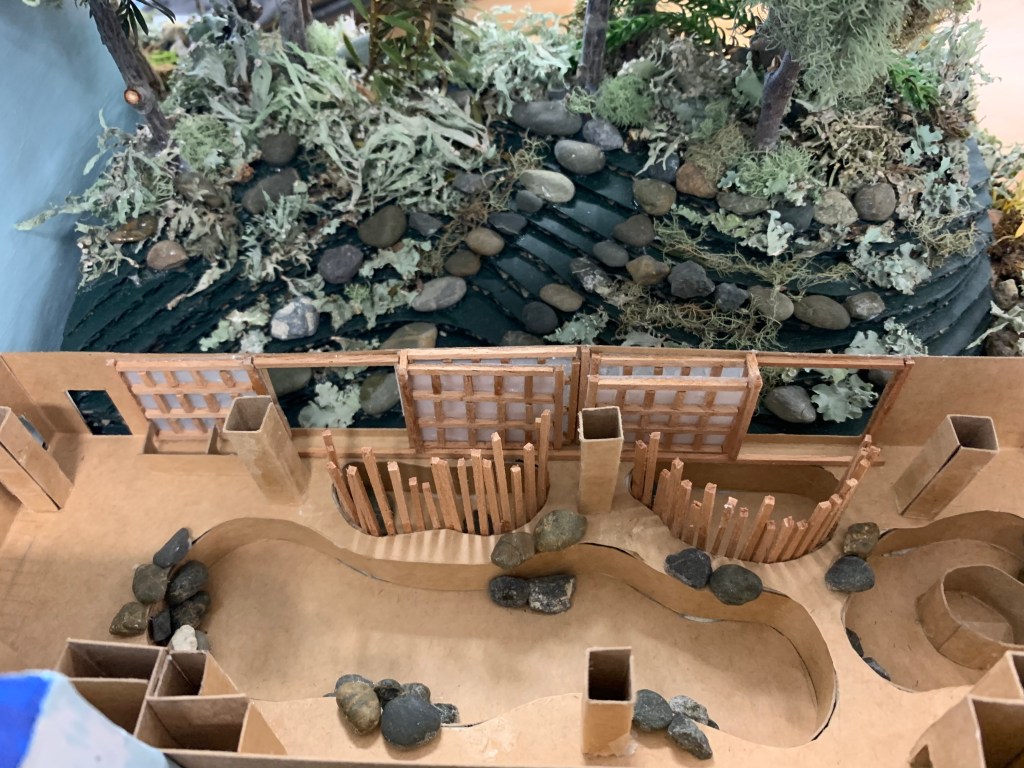
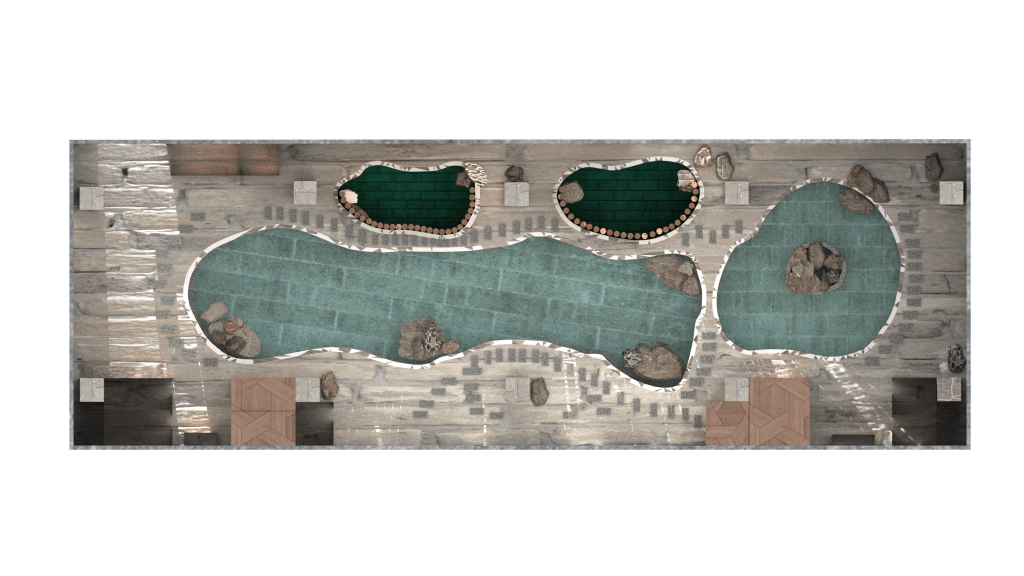
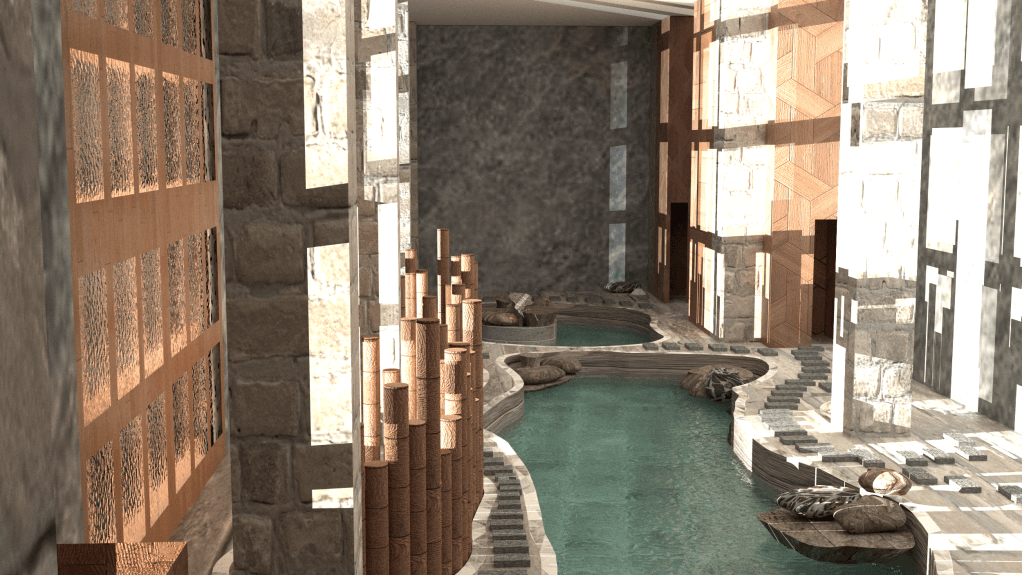
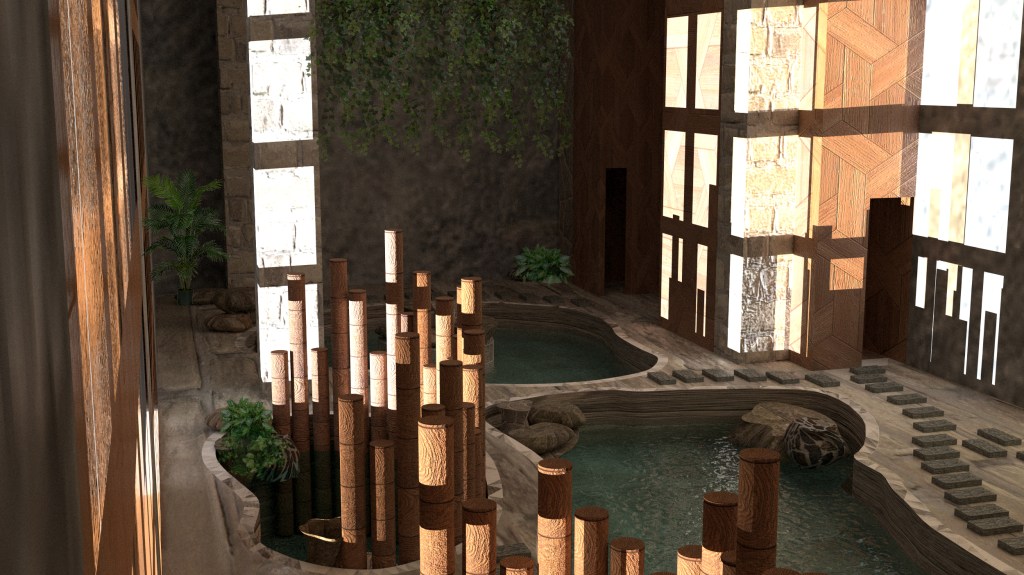
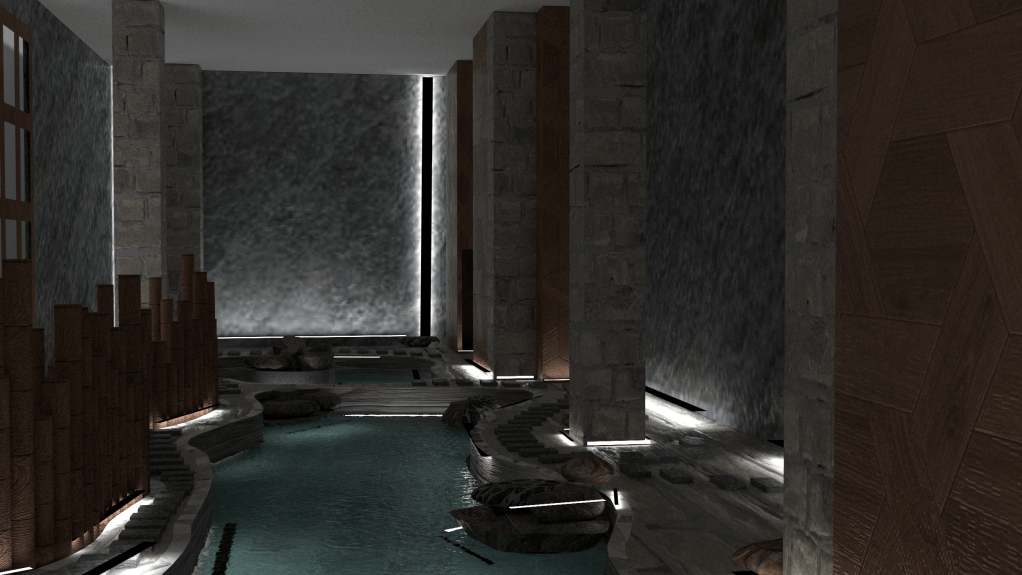
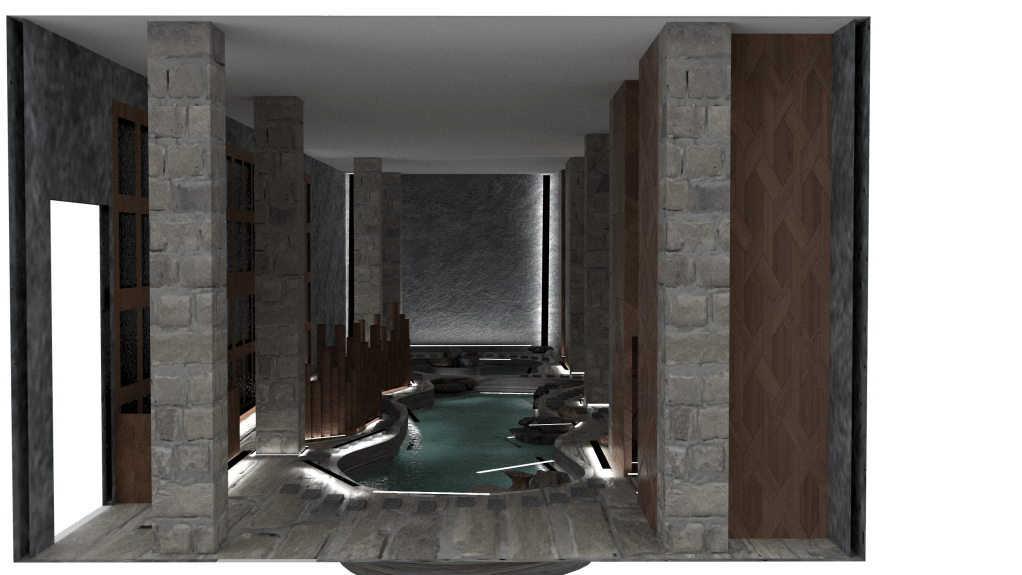
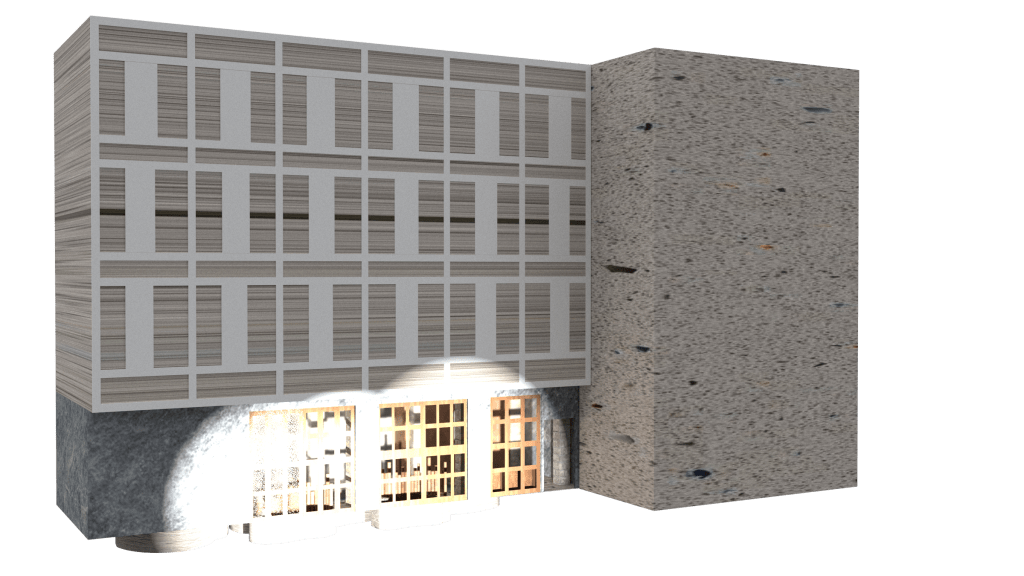
I realized some problems after our first presentation was completed. The design of the four pools makes the interior space very crowded and messy.
Week seven- Model Making
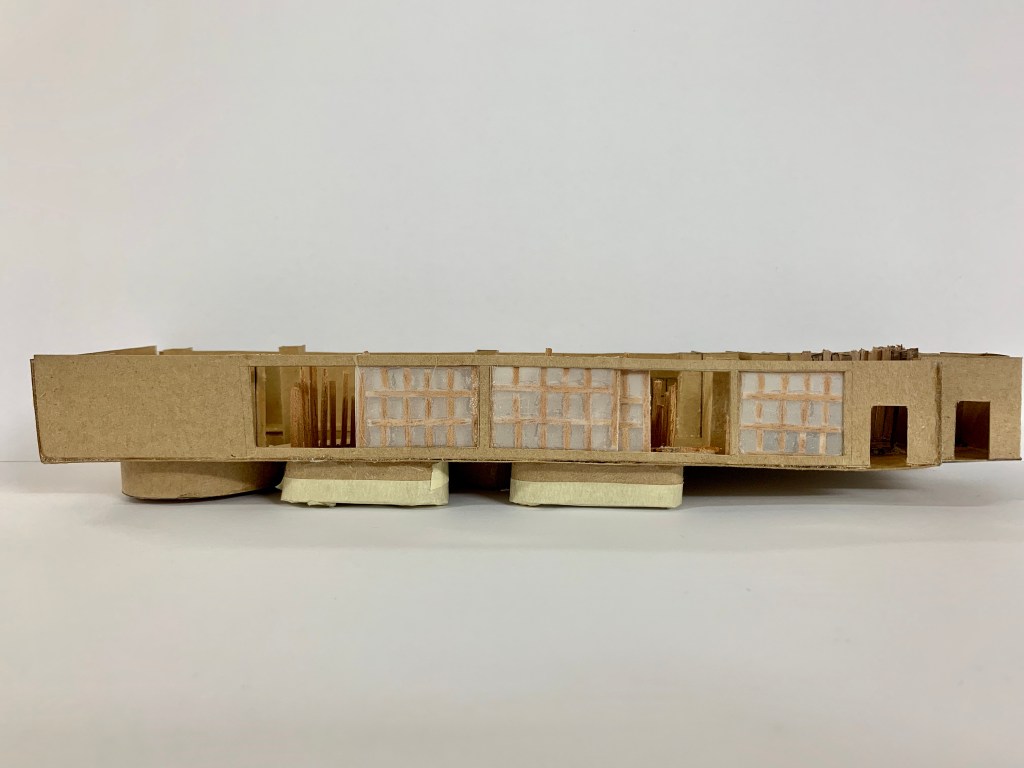
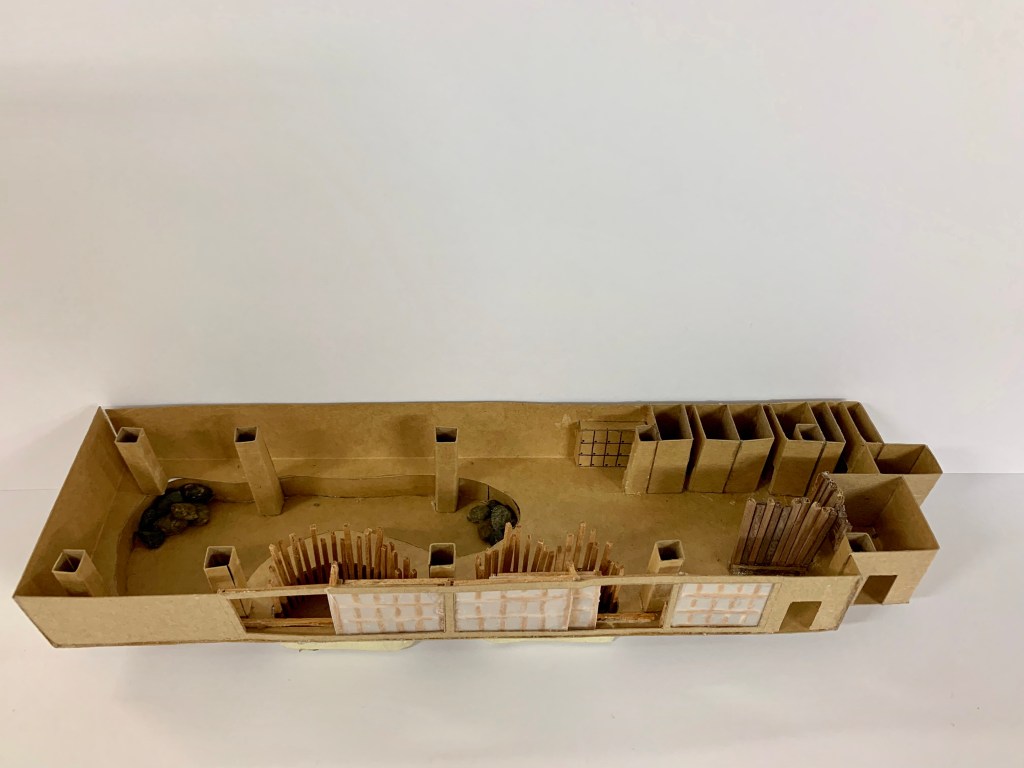
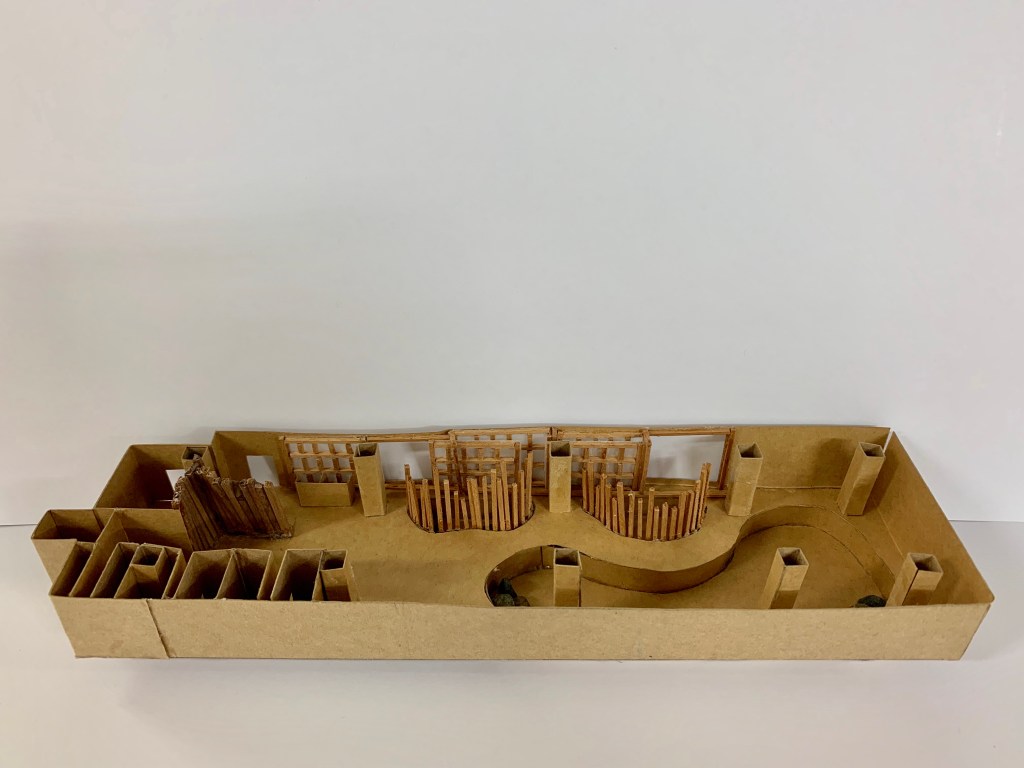
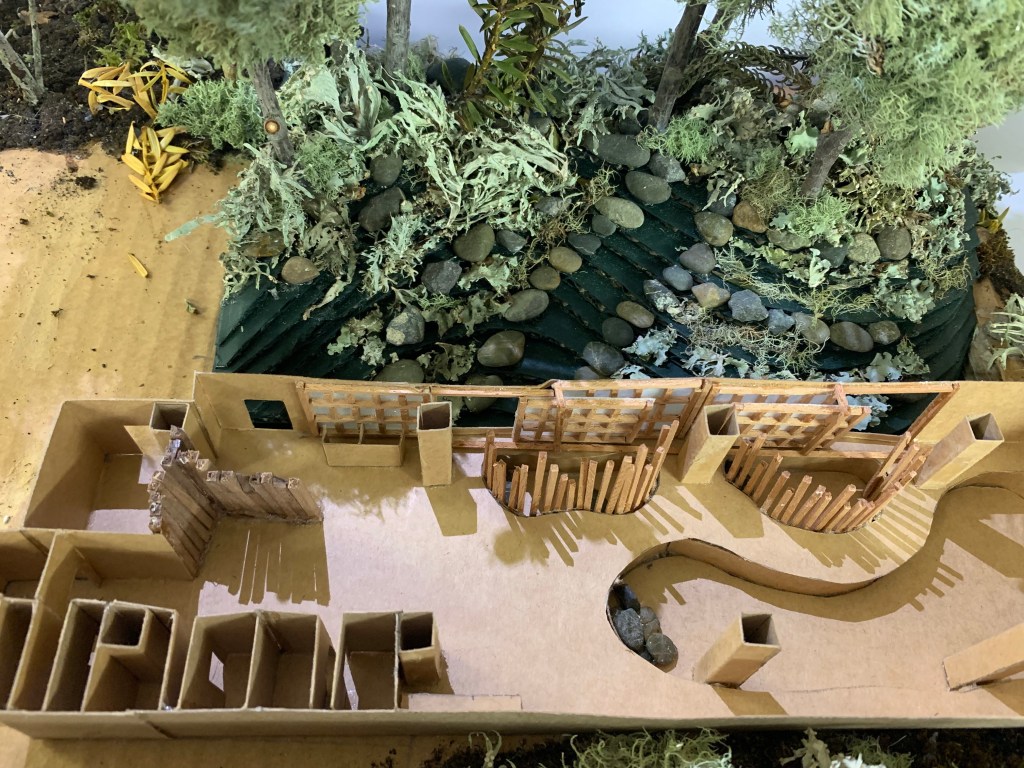
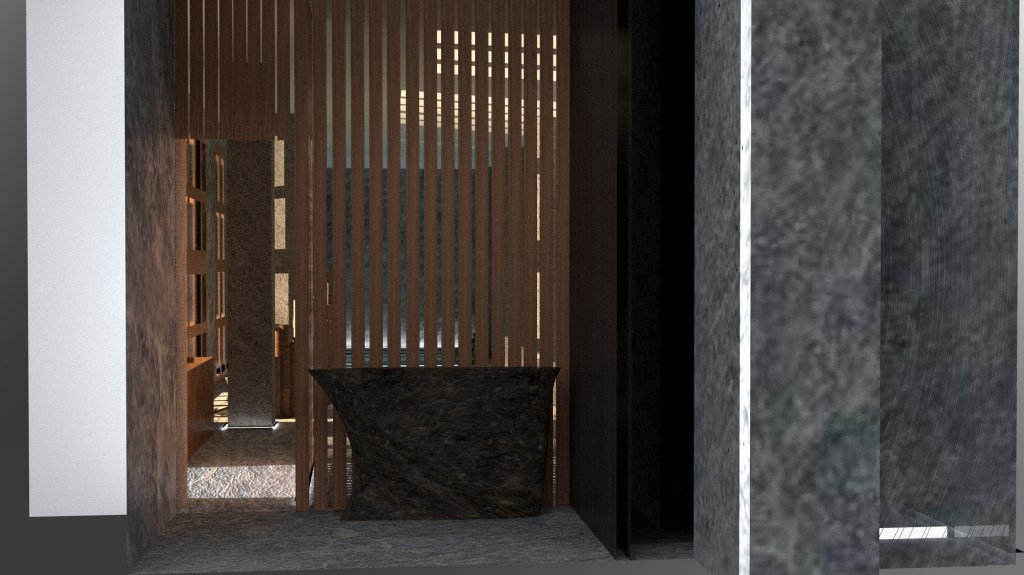
I tried to develop the interior pattern with a new angle, remove a pool and re-establish a main pool, Re-planning the toilet area. Make the indoor space as big as possible. So I made the new model. During my development of the new model, I found that I ignored the reception area before. In new model, I choose wooden and stone to design reception area. There are two reason that nature stones will show nature as much as possible and When the sun is projected onto the shadow of the wood, it will be very attractive.
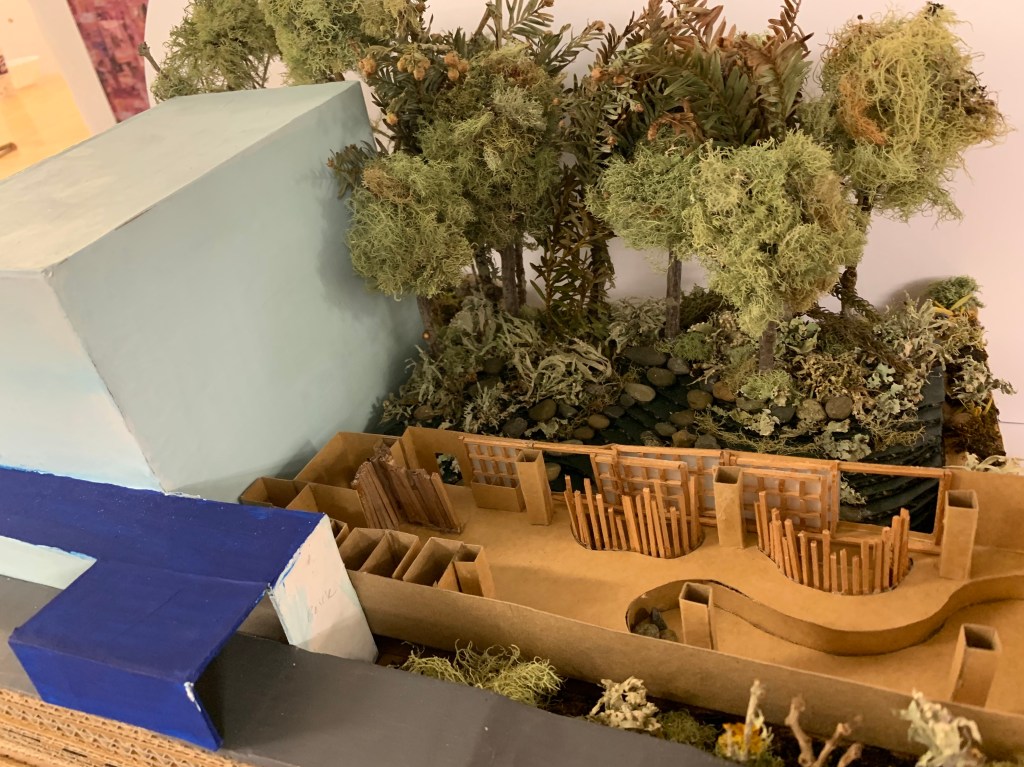
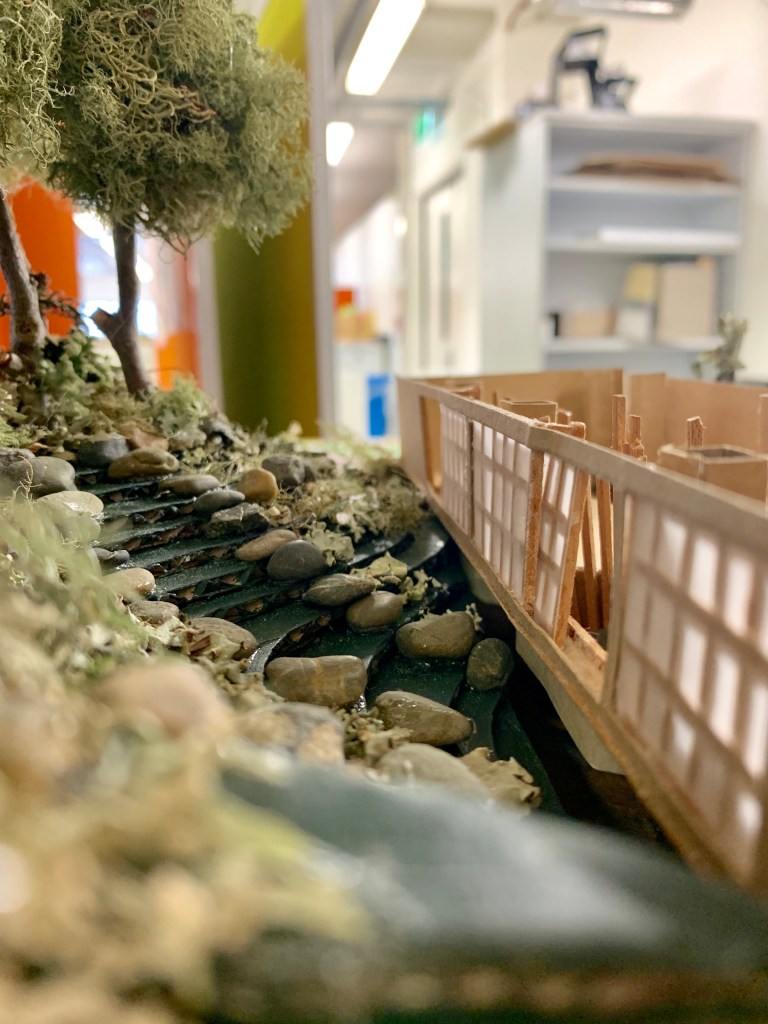
Outside of bathhouse connect forest and people can come out from the door or the internal sliding door. This is to let people have different experiences and get close to nature.
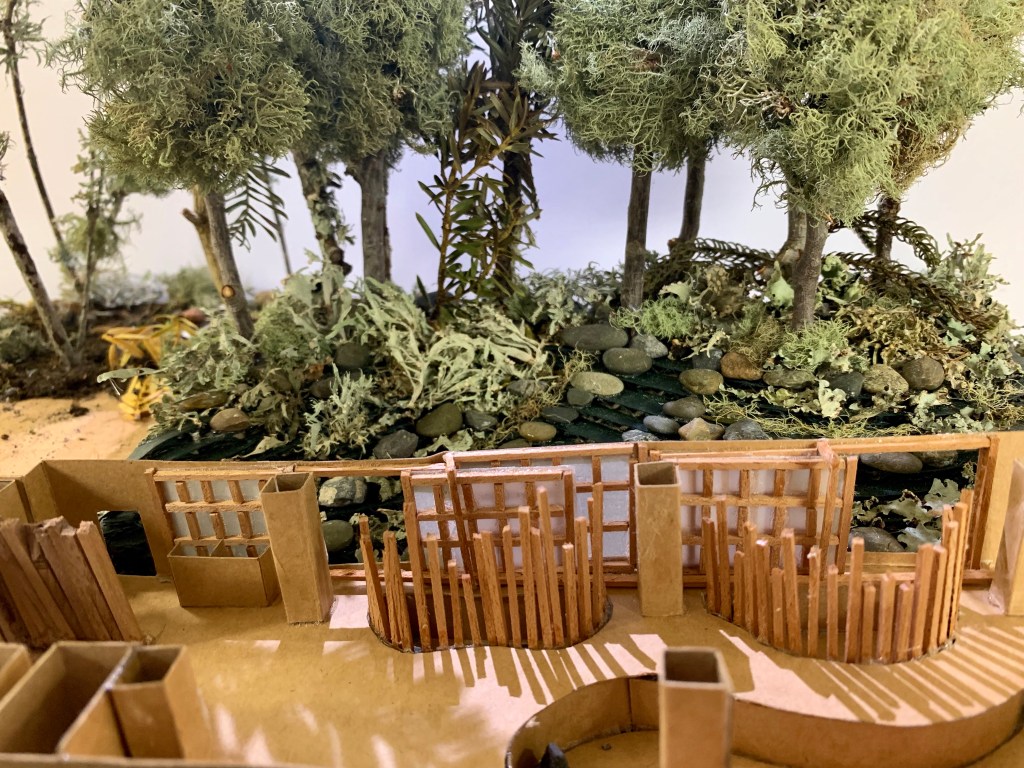
The shadow of bamboo projected on the ground will be very attractive and allow people to feel the sun. People can feel the passage of time through the change of shadow.
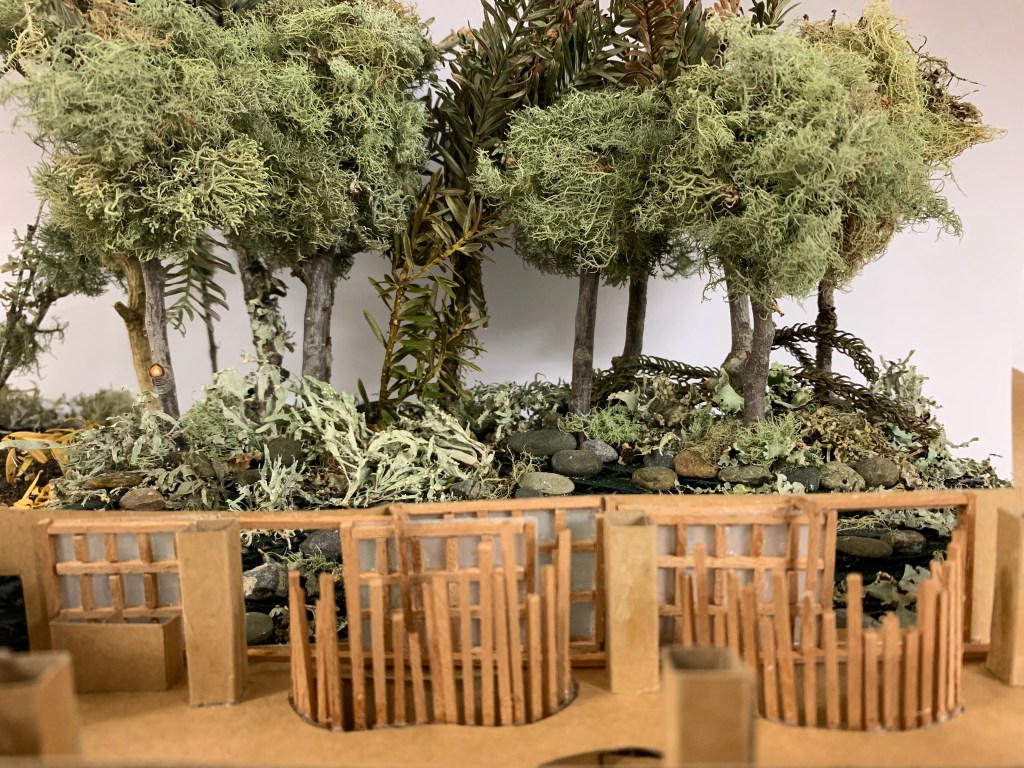
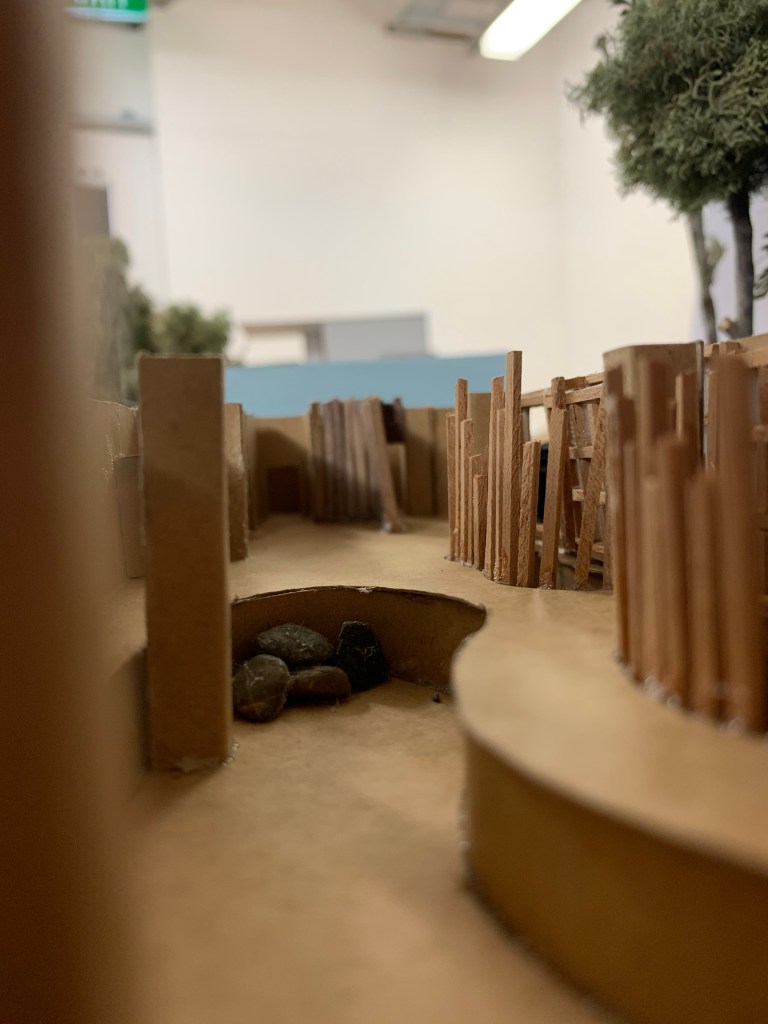
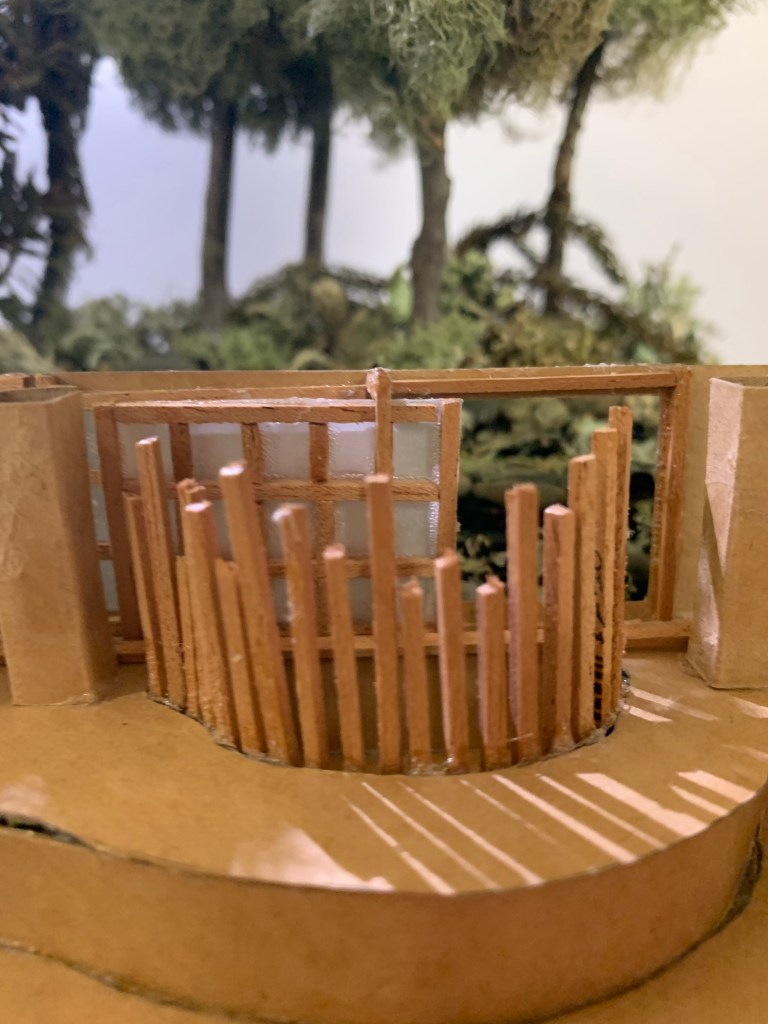
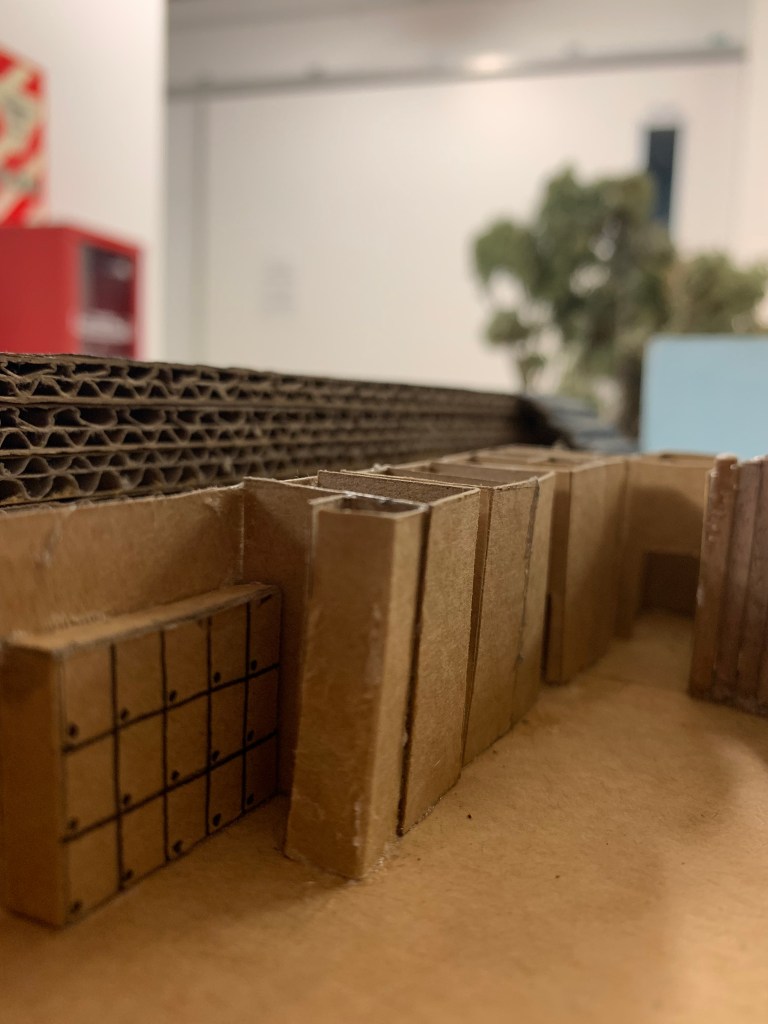
There are two all gender toilet, changing room, shower room and one toilet for the disabled. Locker is next to the changing room. This layout is to make it easier for customers to use.
Week eight- Materials choose
Research of materials
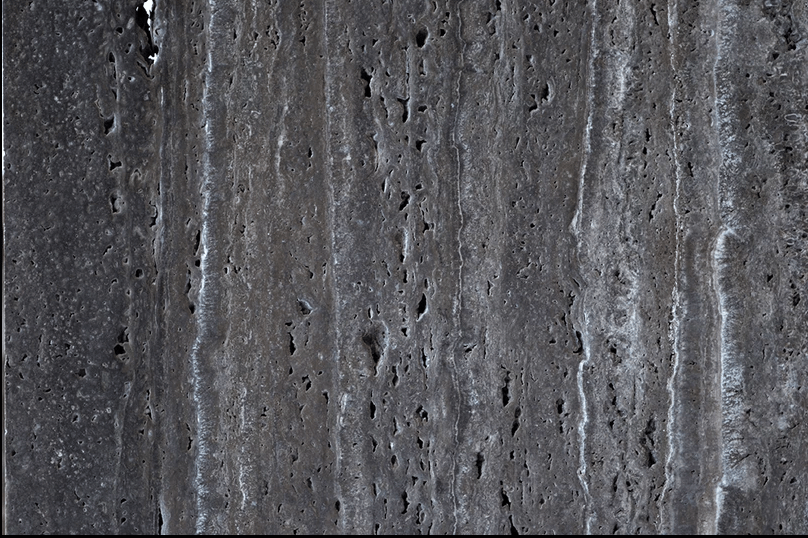
The interior walls use travertine-coffee which makes people feel close to the natural environment.
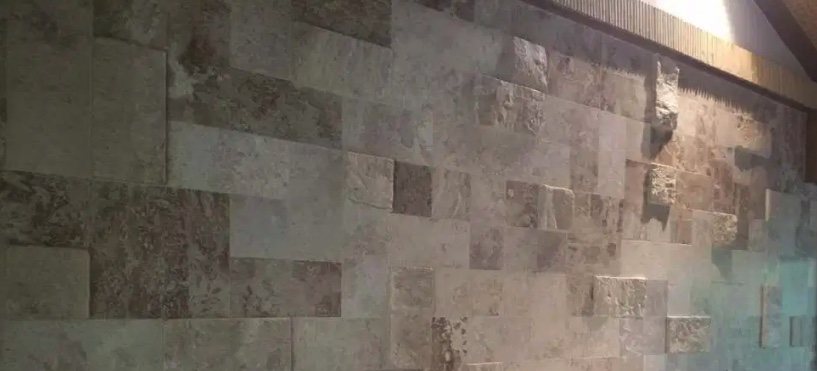
Travertine is a stone that began as Limestone with a hardness rating comparable to Marble.
Available in a range of neutral earthy tones, Travertines key characteristics are the holes within the stone which are caused by carbon dioxide evasion as the stone is setting.
Coffee Travertine has quite large variances – some pieces are more cream, others more orange and others more brown which gives it a very Mediterranean feel.
Suitable for indoor &outdoor applications.
Suitable applications:
- Pool Coping
- Paving
- Tiles
- Cladding
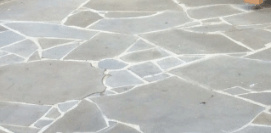
The ground used irregularly spliced stones of different sizes to make people feel outside. The colour of stone is the same colour system with the wall.
The wood of reception area I used Australian oak to design.

SPECIES NAME
Eucalyptus regnans & delegatensis
OTHER NAMES
Mountain Ash, Alpine ash, Australian oak, Victorian Ash, Tasmanian Oak
COUNTRY OF ORIGIN
Victoria, Australia
MAINLY USED FOR
Flooring
Interior joinery & furntiure
Mouldings, panelling
Sliding door wood I use kwila and frosted glass combined.
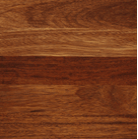
SPECIES NAME
Intsia Bijuga
OTHER NAMES
Intsia Palembanica, Merbau, Vesi, Ipil
COUNTRY OF ORIGIN
Indonesia, Papua New Guinea
MAINLY USED FOR
Landscaping & heavy construction
Flooring
Decking
Exterior joinery & construction
Interior joinery & furniture
Mouldings
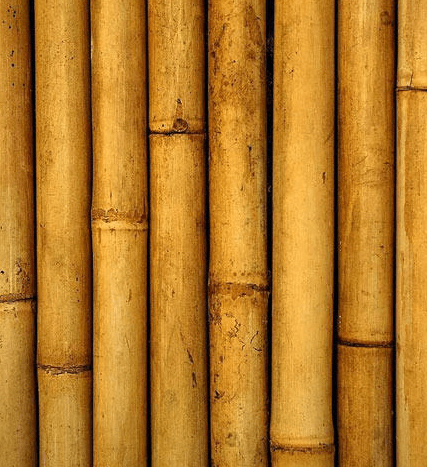
Bamboo is used outside the pool to better reflect the Japanese hot spring culture and close to nature.
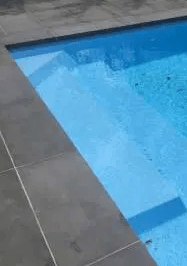
Bluestone is a basalt; a volcanic rock that has formed and hardened over millions of years. It offers a natural palette of grey, blue and charcoal tones.
Suitable applications:
- Pool coping
- Paving
- Tiles
- Cladding
- Cobbles (splitface, tumbled, sawn)
- Stone-top furniture
The white tile on the toilet floor will be used for better cleaning and keep it clean.
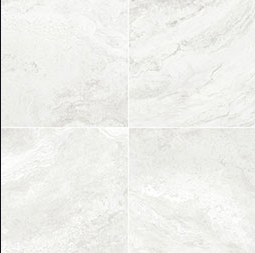
This stone will be used on the walls of toilet because the material itself looks very natural, Which makes the interior look more advanced and mystery.
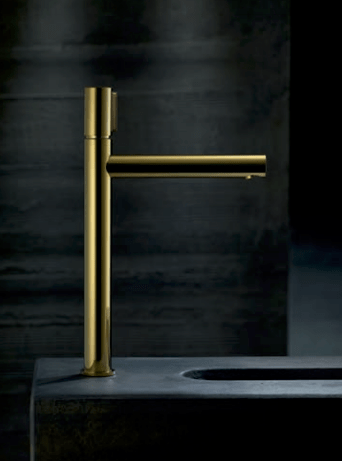
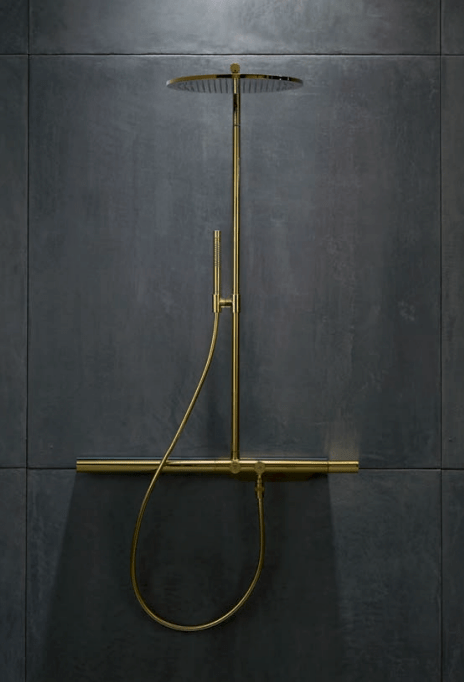
Fluid shower column with 250 mm shower rose and Stilo handshower, integrated water elbow with lower bracket. Available in Chrome and Brushed Nickel (BN).
Click to access AXOR_Uno_brochure_.pdf
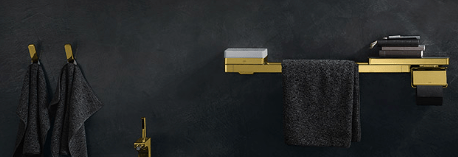
https://flowimports.co.nz/brand/axor
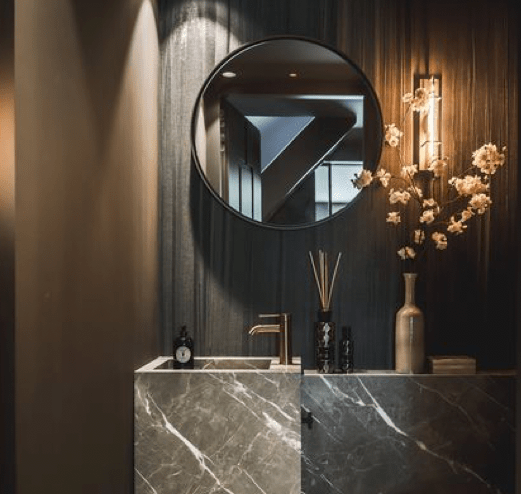
Lighting
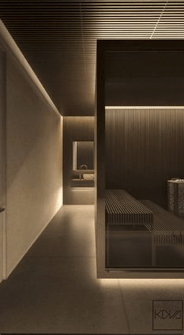
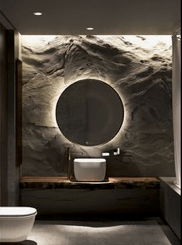
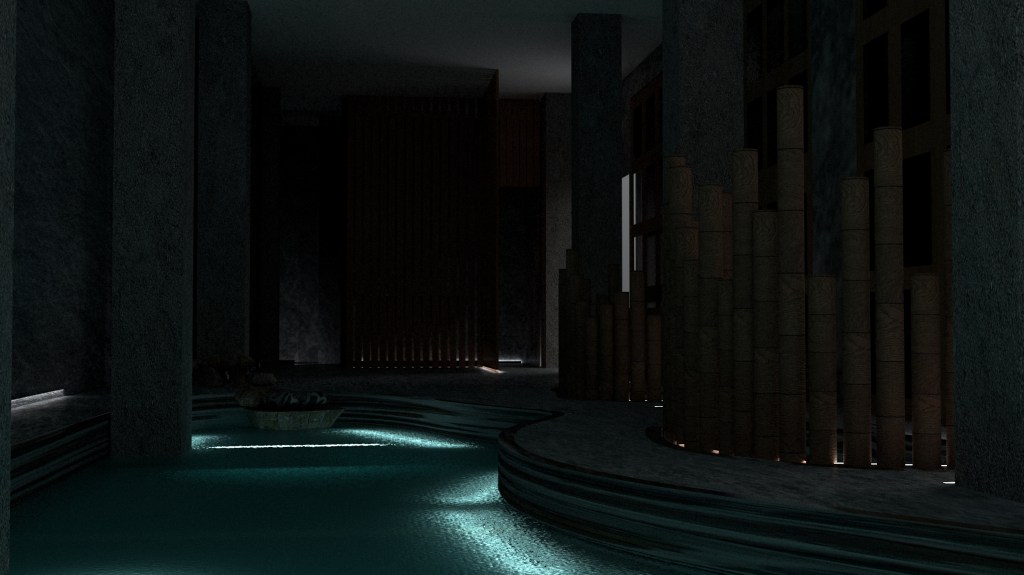
I chose the floor lamp and the light bar on the ceiling and it is a warm colour.
Research
Temperature of bath
The most relaxing and soothing baths are warm baths in temperature from 90 to 98 degrees Fahrenheit. A comfortable zone is 98 to 100 degrees for most people. The Japanese believe in keeping their water over 104 degrees.
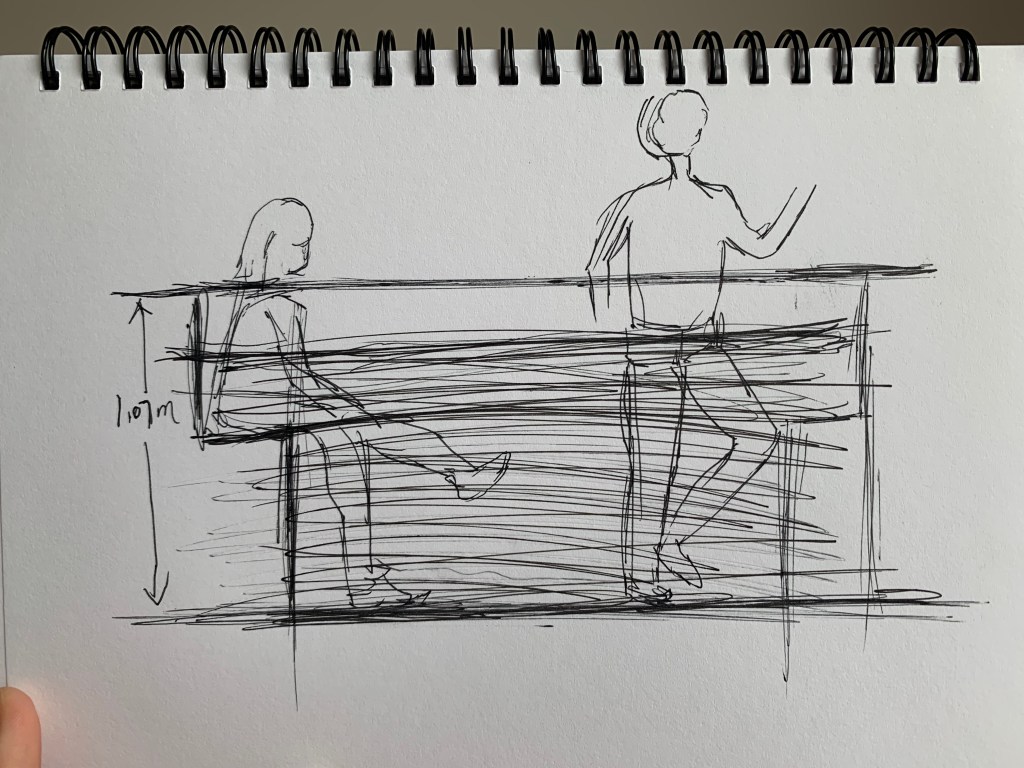
The depth of the pool is 1.1 meters. This is to prevent the water from exceeding the heart and avoid feeling uncomfortable.
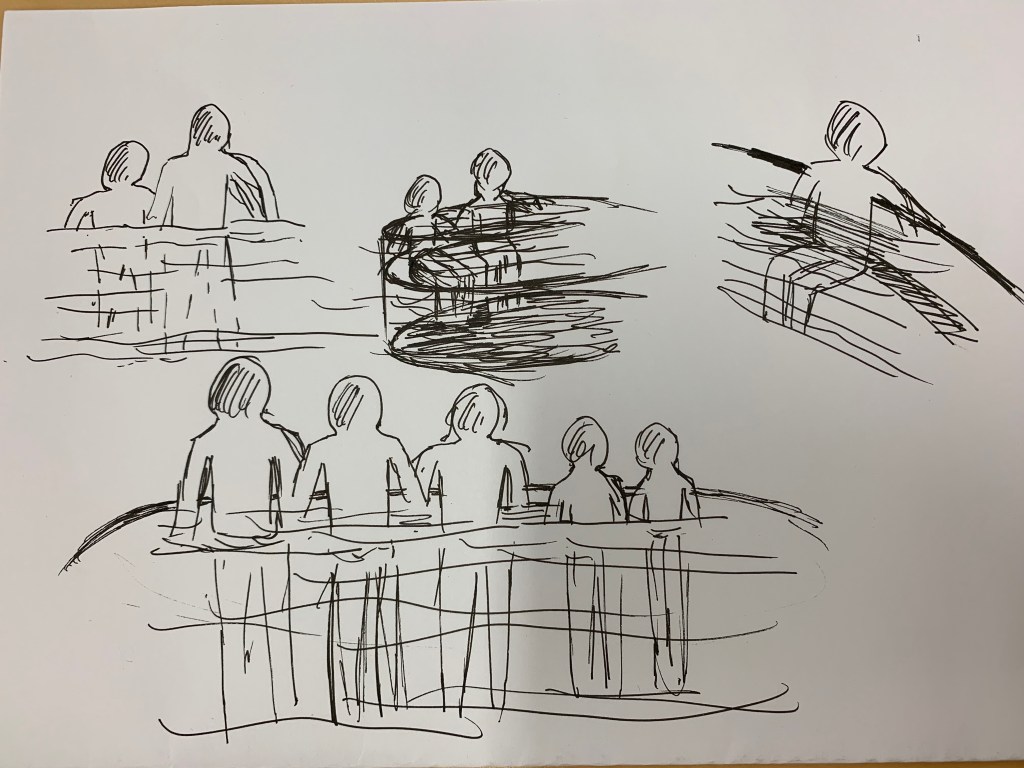
The water temperature should be between 38° C and 42° C.
https://hypertextbook.com/facts/2005/LouisWilliamTullo.shtml
Week nine-ten-Perspective drawing
Hand Drawing
Abstract:In this project, I combine Japanese hot spring culture with Maori culture. Japanese hot springs are very famous in the world. Before I started designing, I browsed some designer works and were attracted by Japanese spa design,Combine my previous hot spring experience in Rotorua to start the original design.
I have developed around the three themes of nature, comfort, and culture. Japanese-style sliding doors allow people in the room to walk into the pocket forest to feel nature and make people feel relax. The extensive use of natural stone was inspired by the previous spa experience. The use of natural materials can create a sense of nature to the utmost. The Pocket Forest is designed to match the design of the bathhouse, with the main purpose of allowing people to see different scenery at different heights. Close to nature design can make people relieve stress and fatigue to the greatest extent.
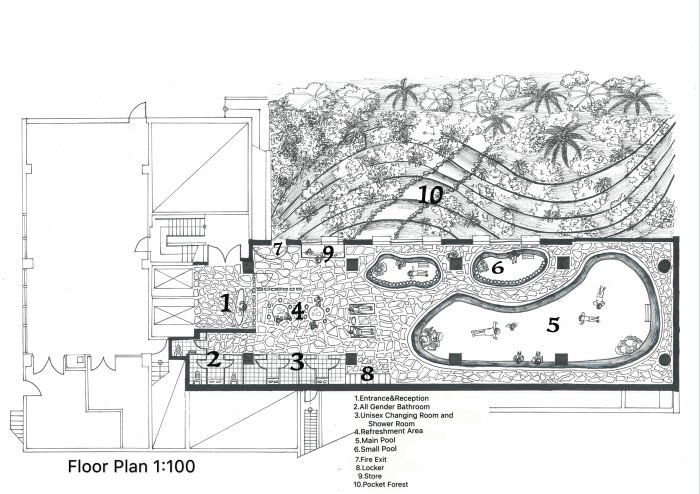
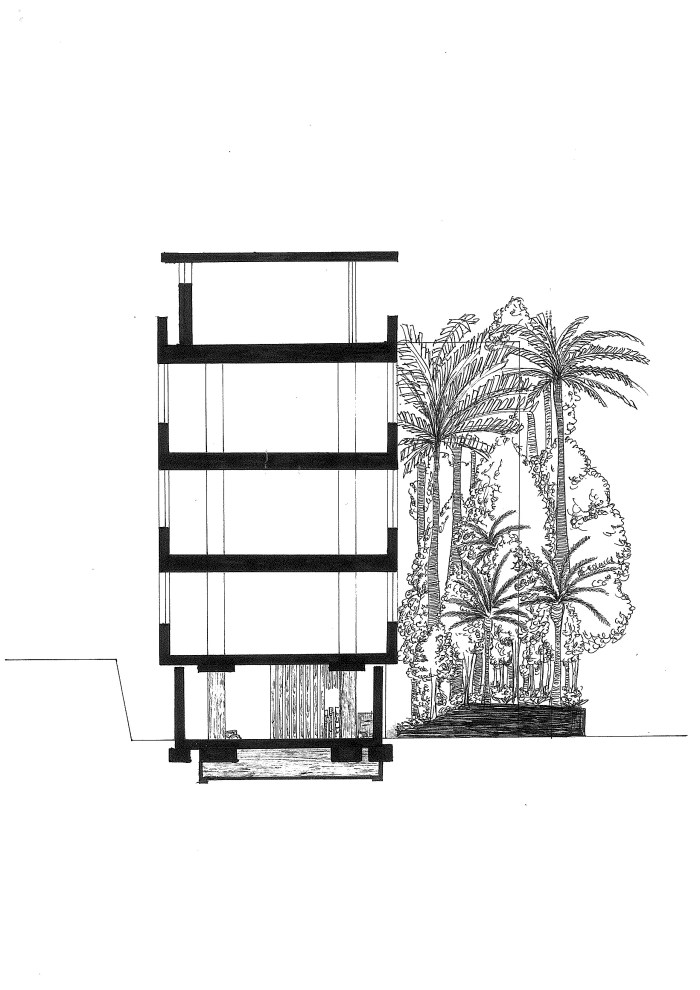
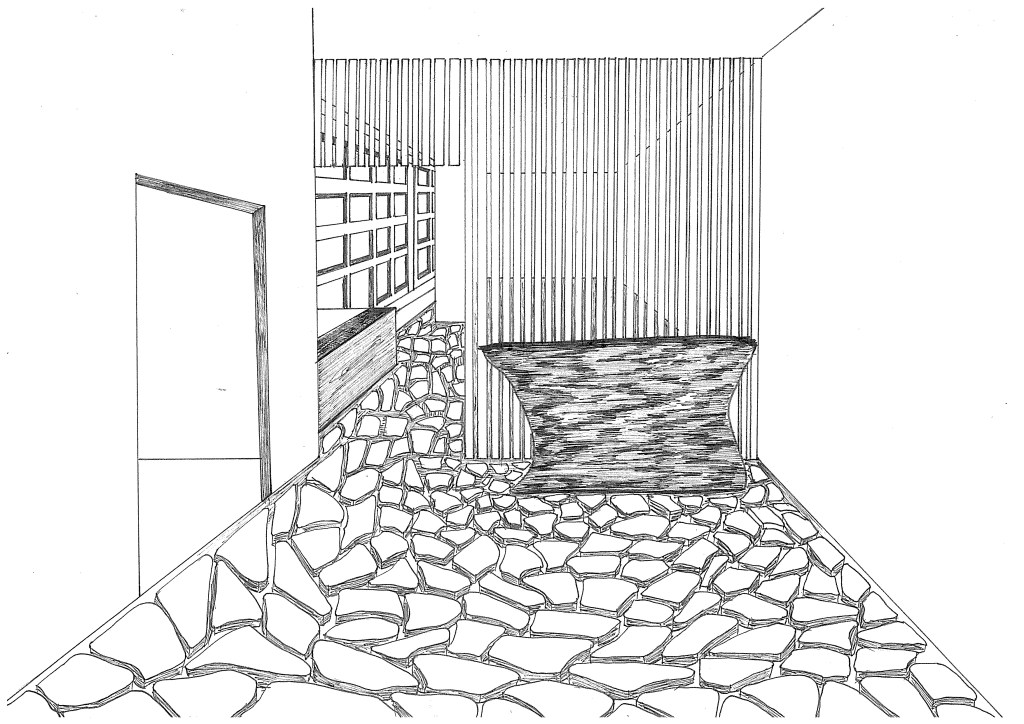
Entry into the space – wayfinding.
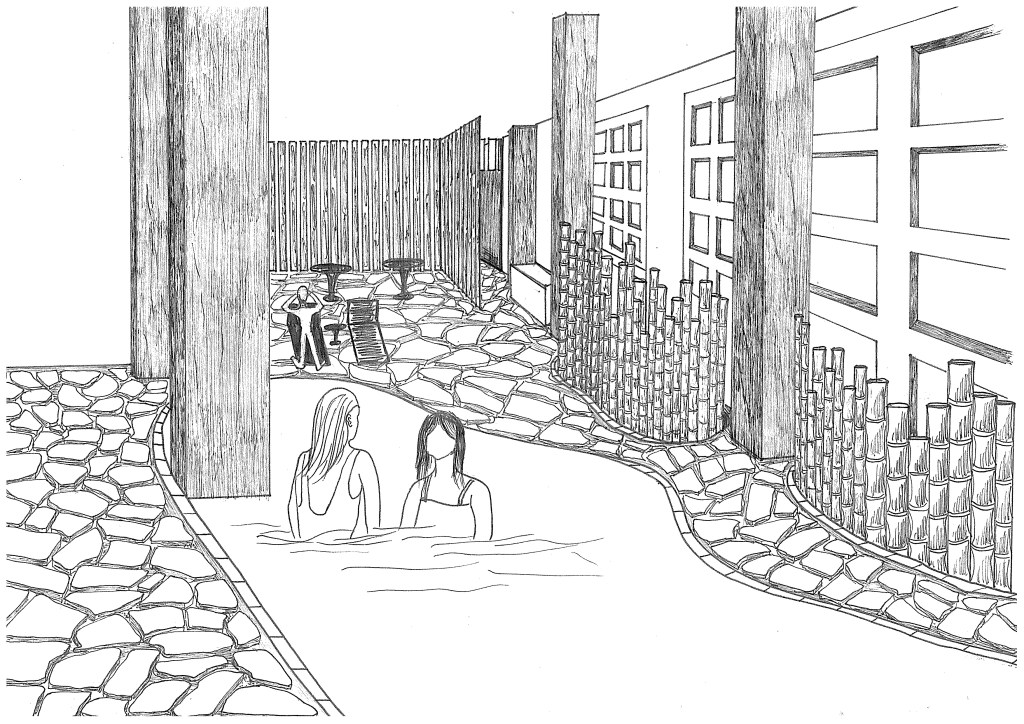
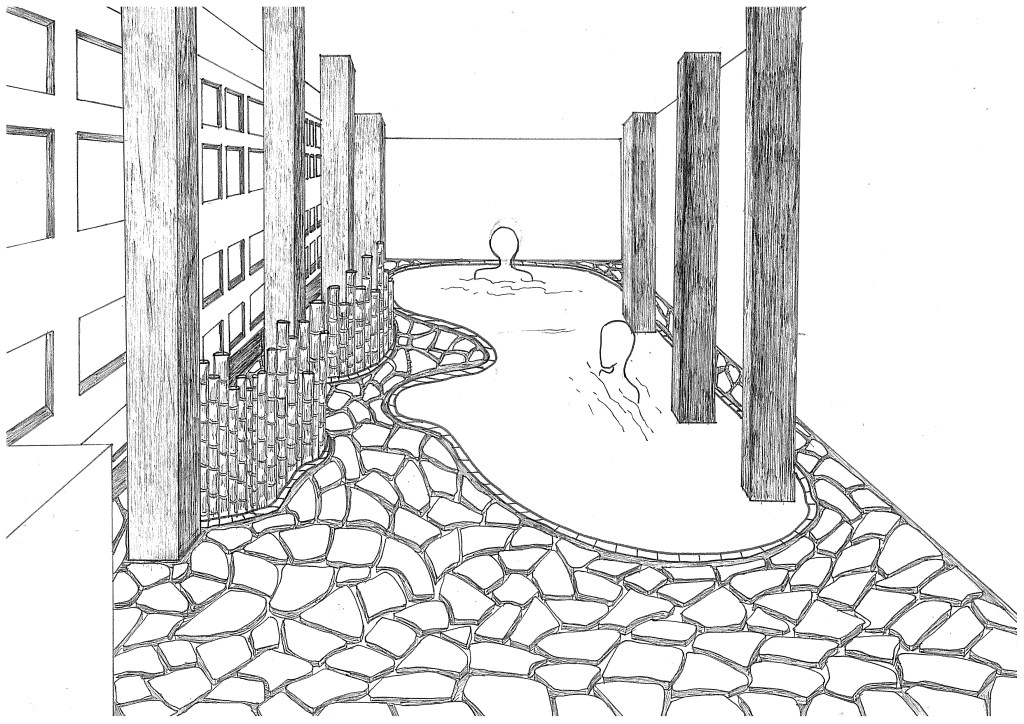
Looking from the entry into the bathing area.
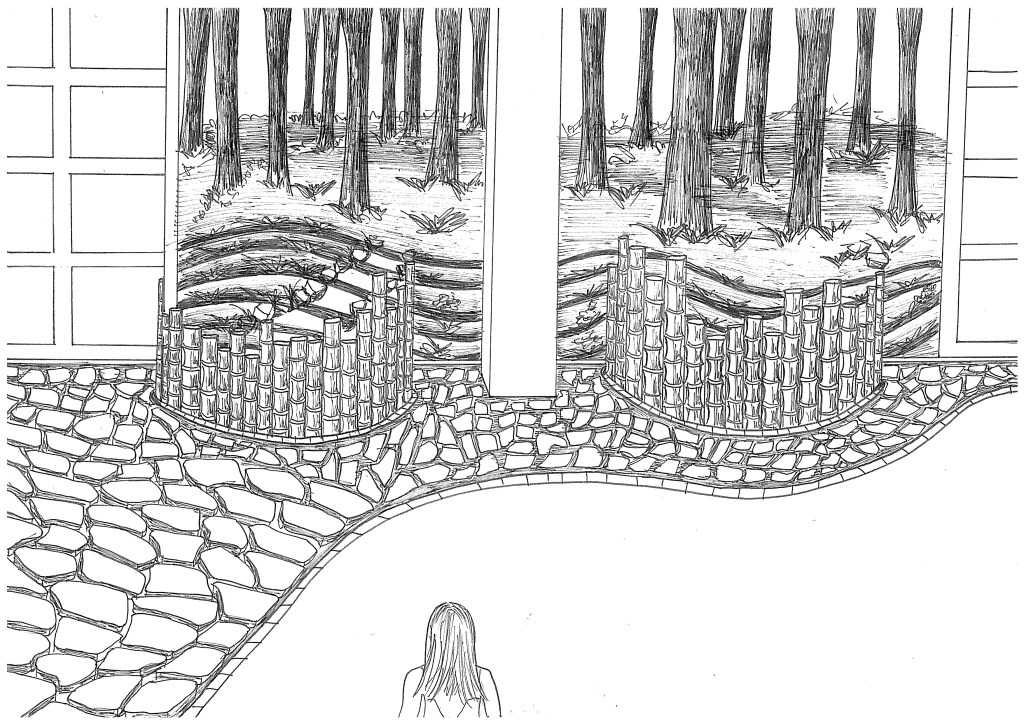
Looking from the point of view of a bather into the pocket forest.
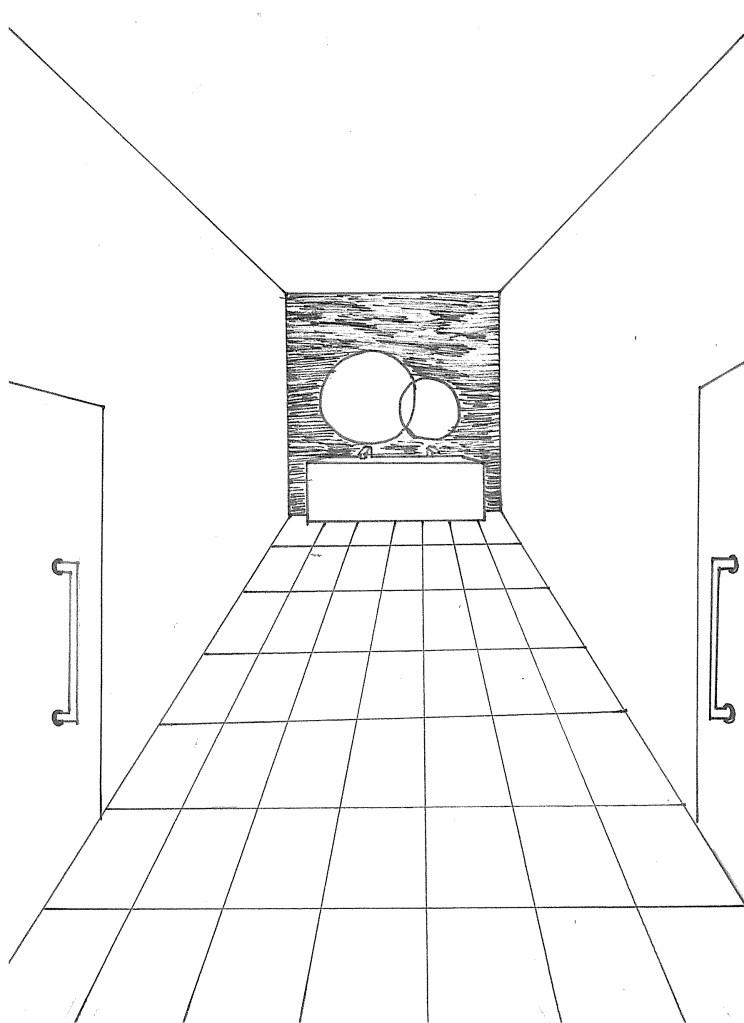
Within the hand washing area.
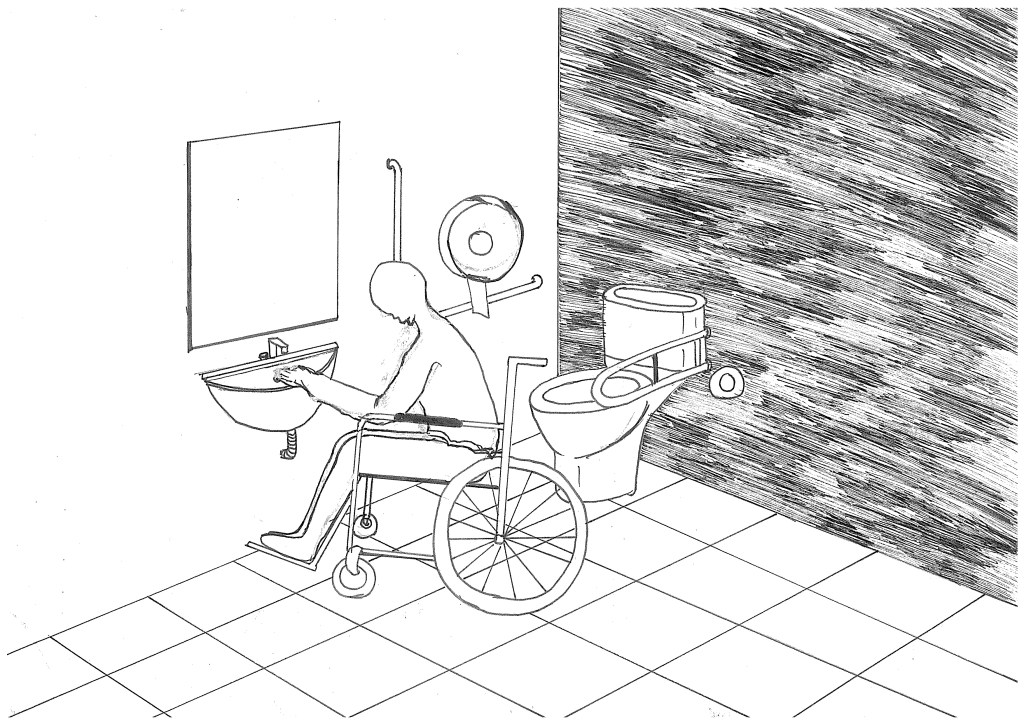
Within the toilet.
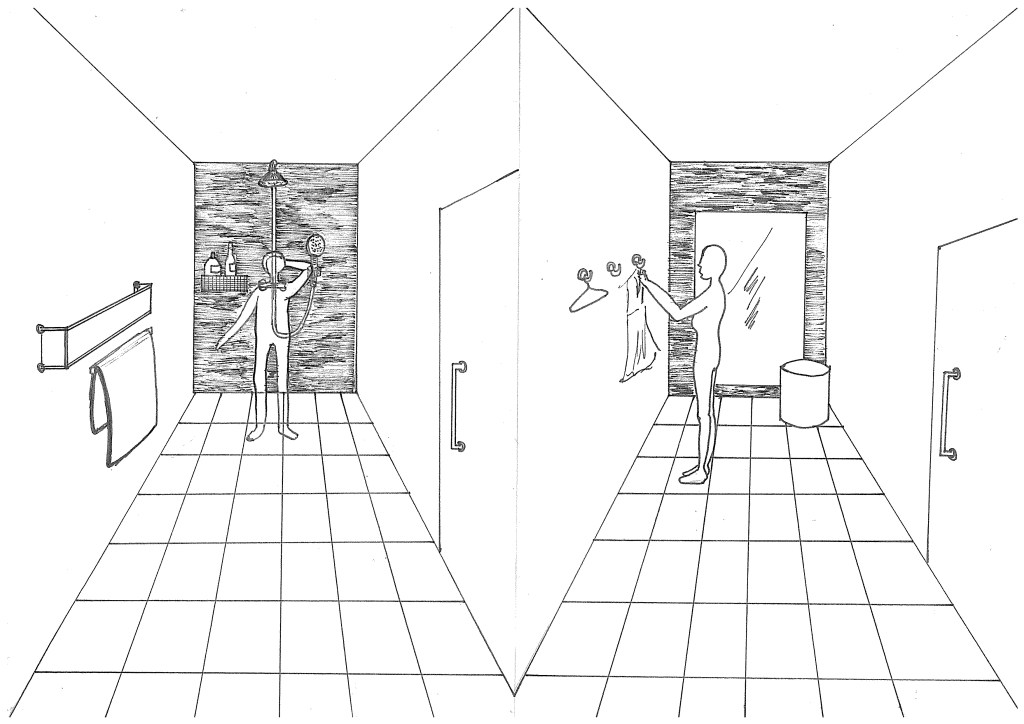
Within the changing room, shower room.
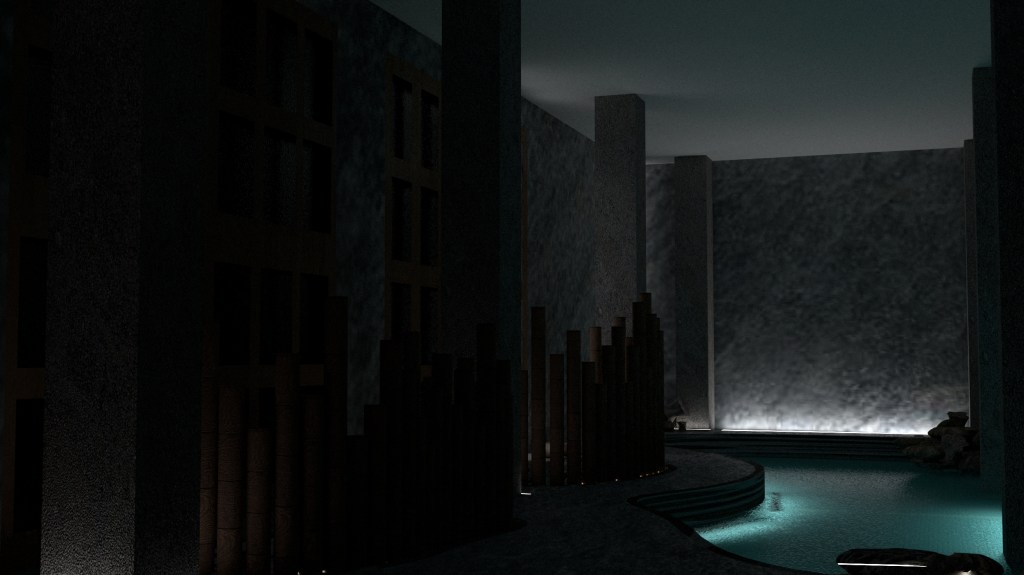
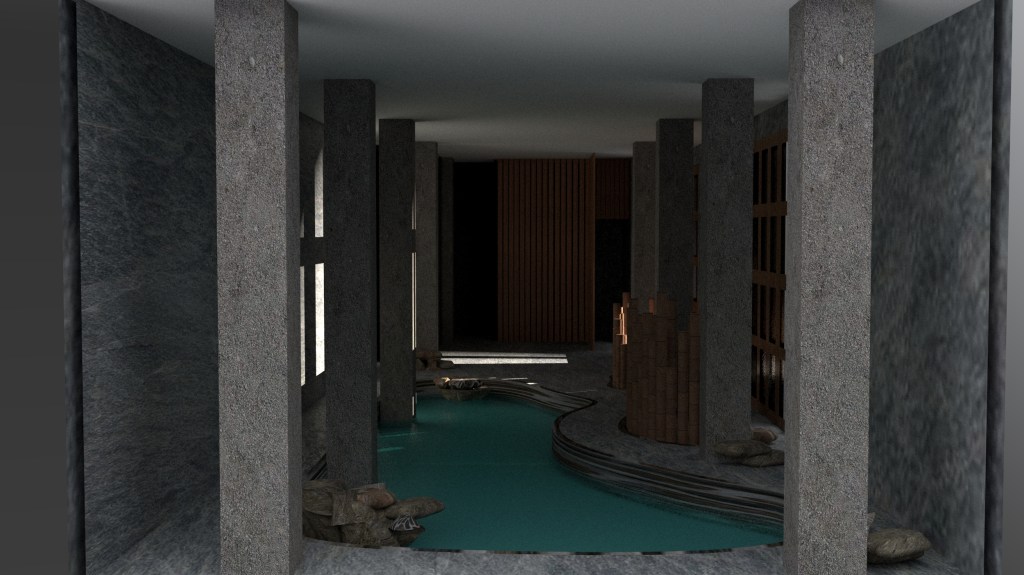
Rhino
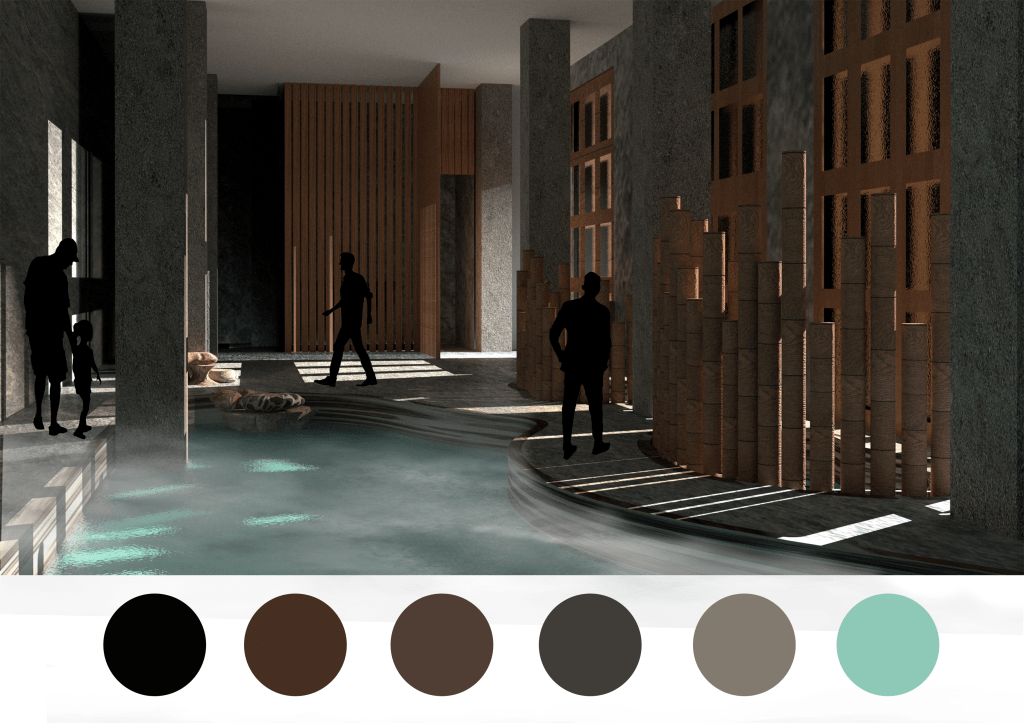
Xiaxia Zhai(Summer)/ 17975801
 SUMMER’S Blog