PART ONE
Week 1: The Commons and Social Spaces
My social spaces:
- WG Building
- WA library
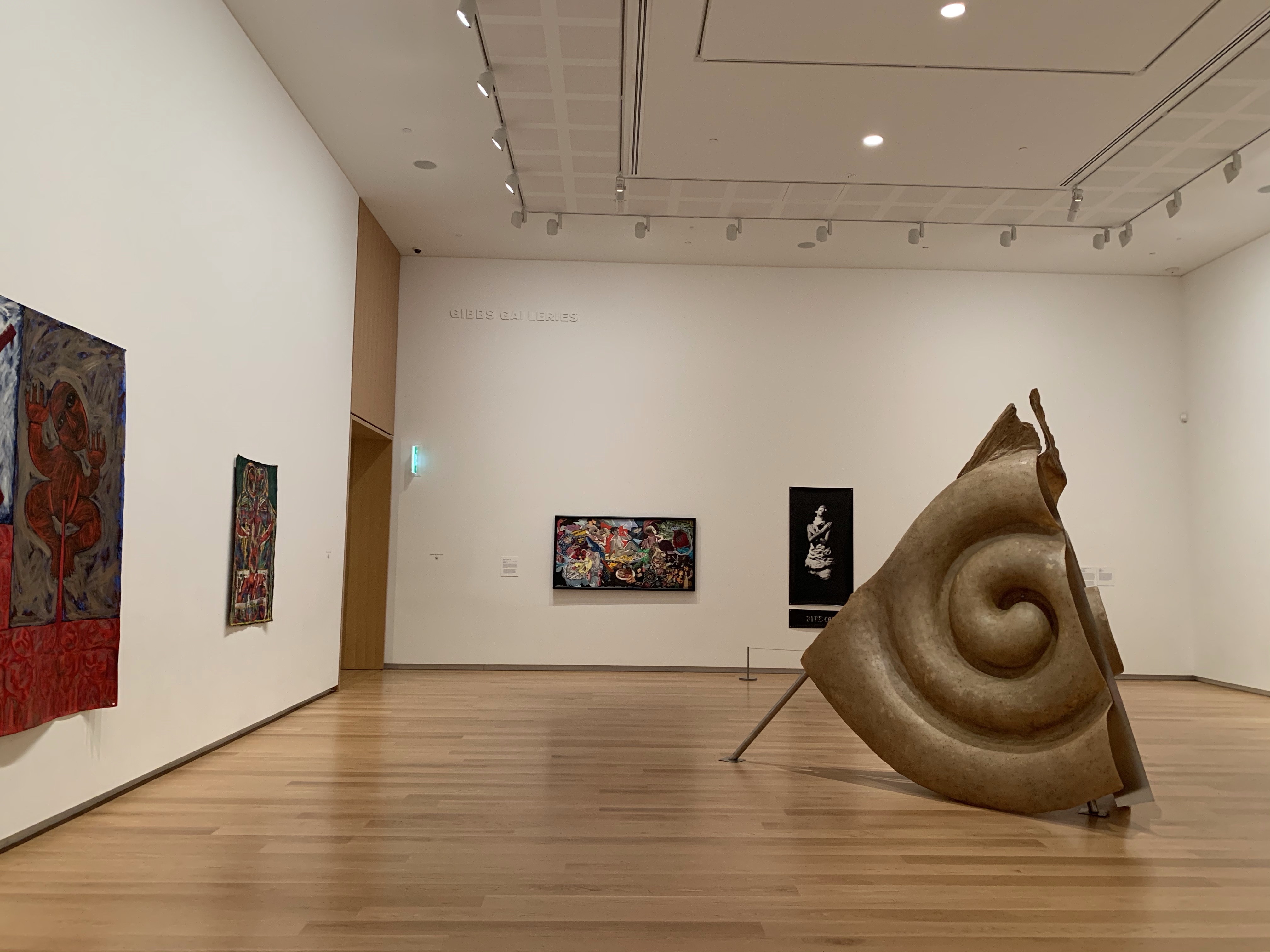
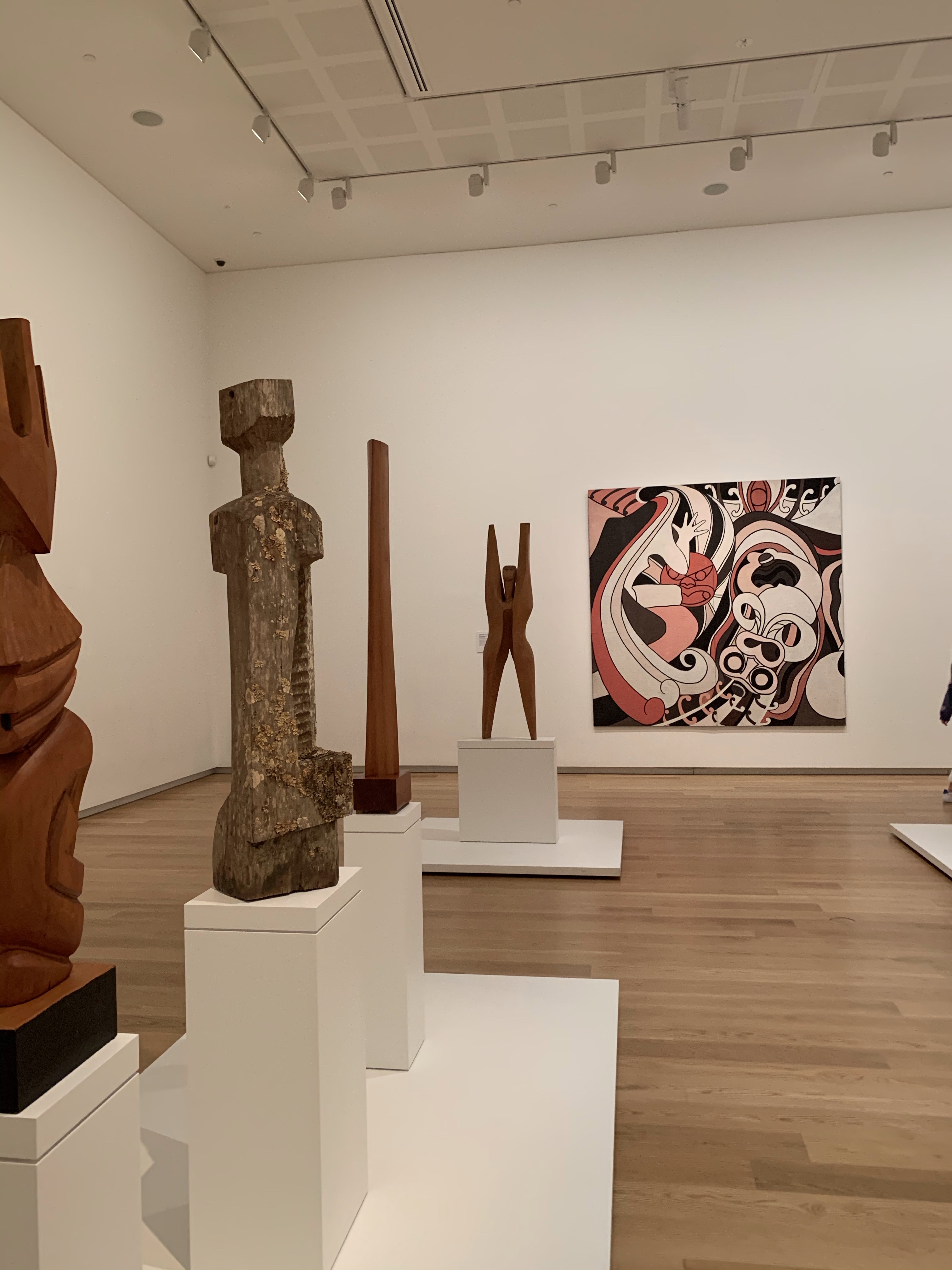
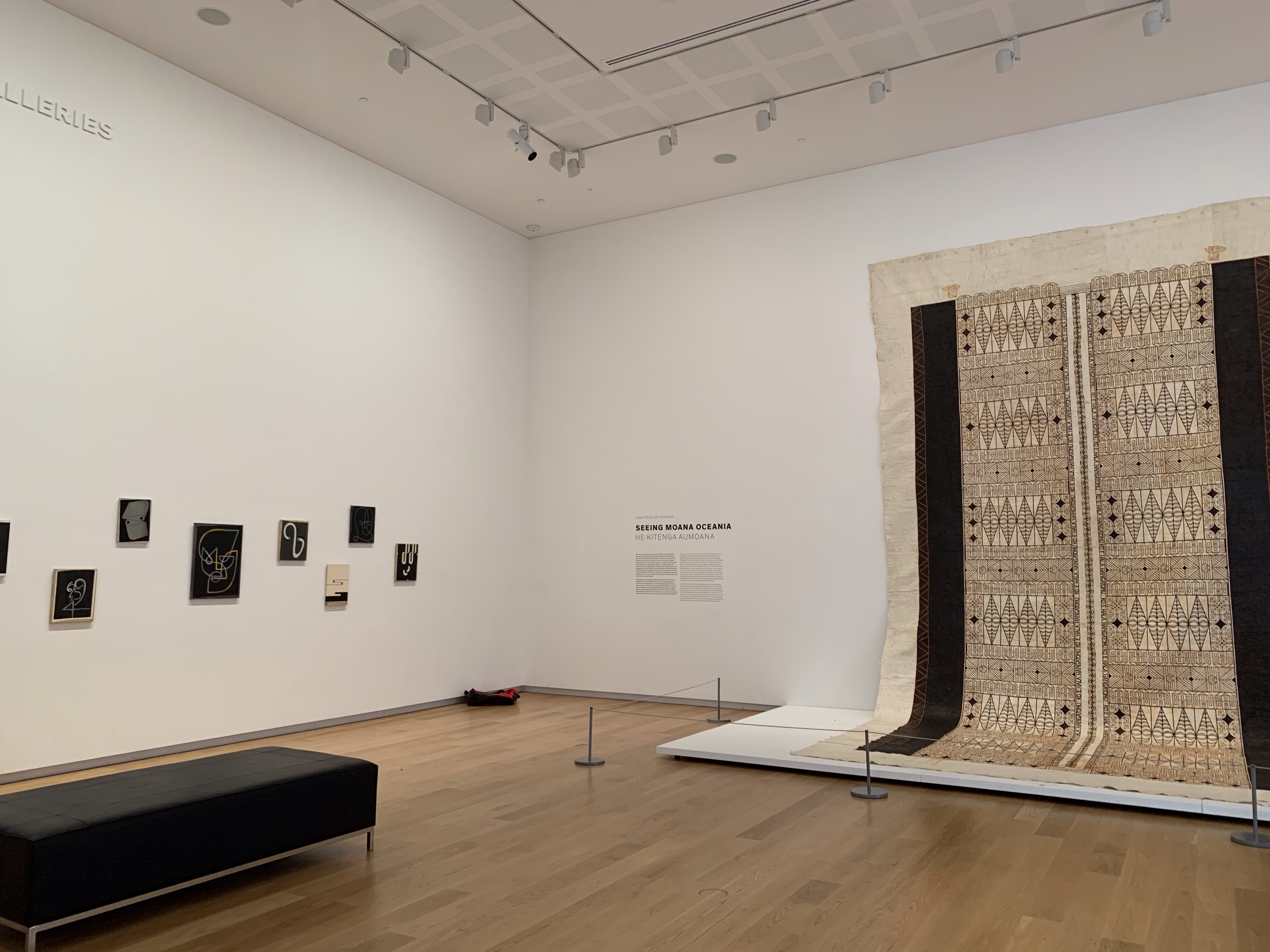
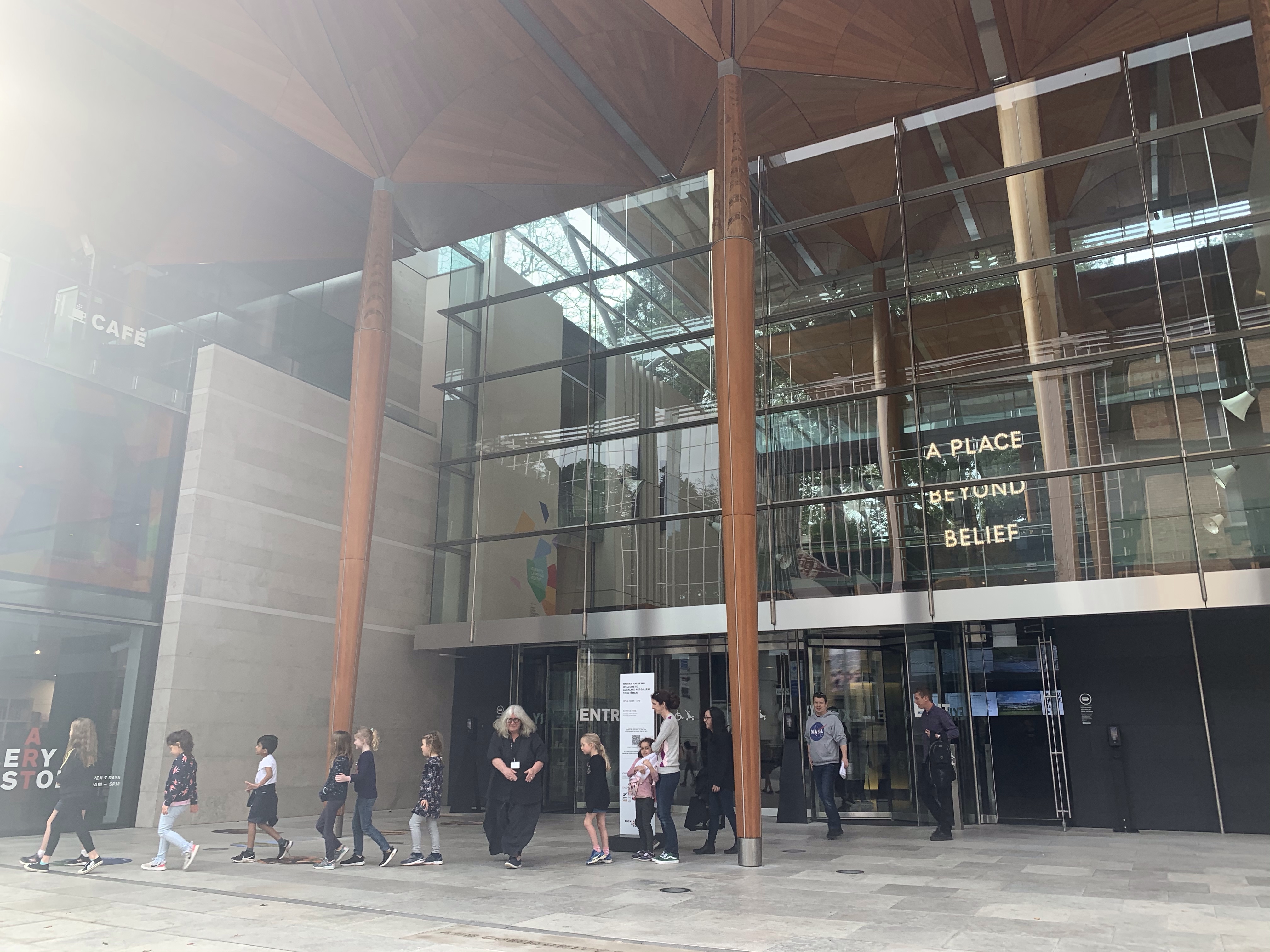
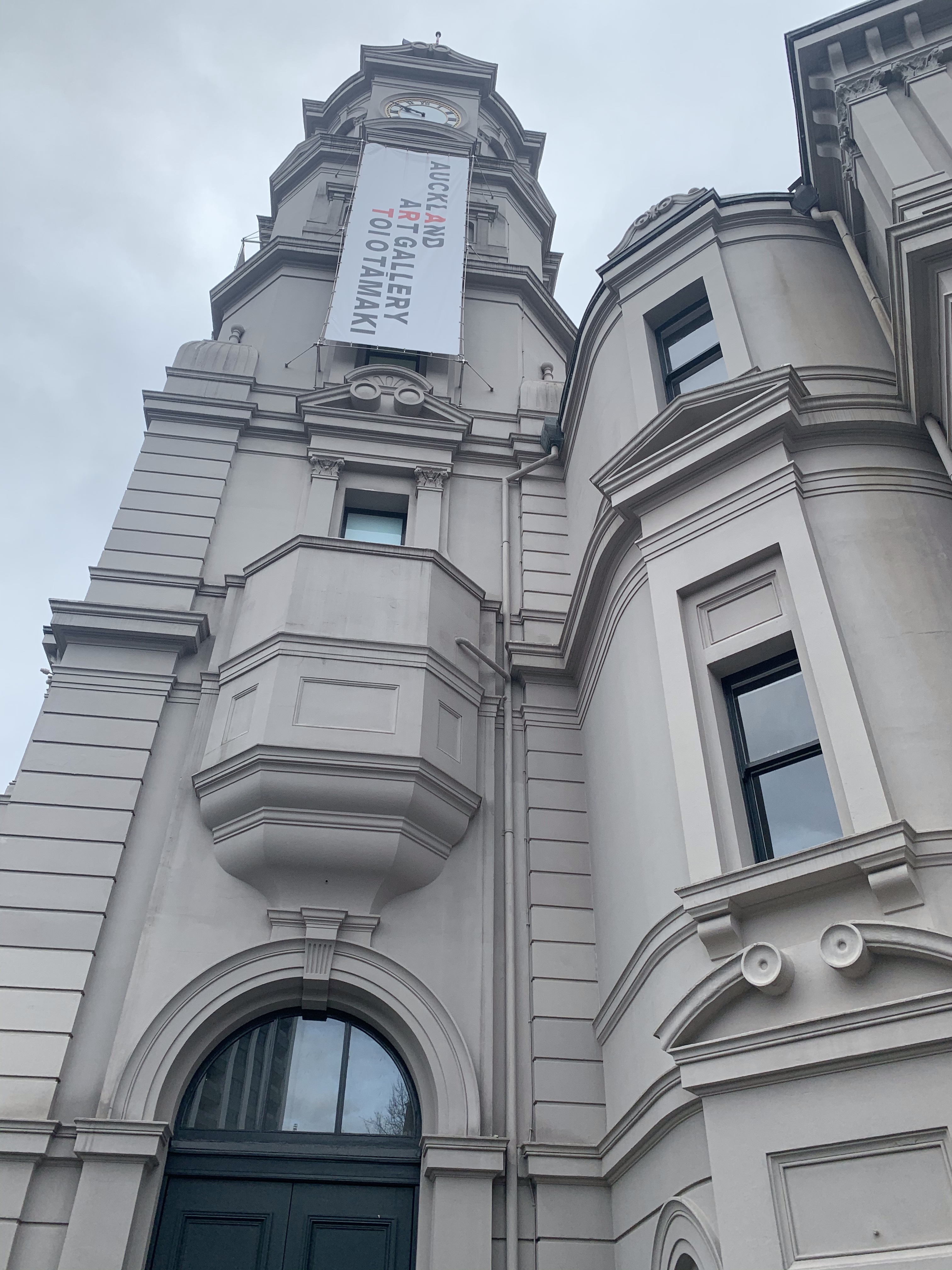
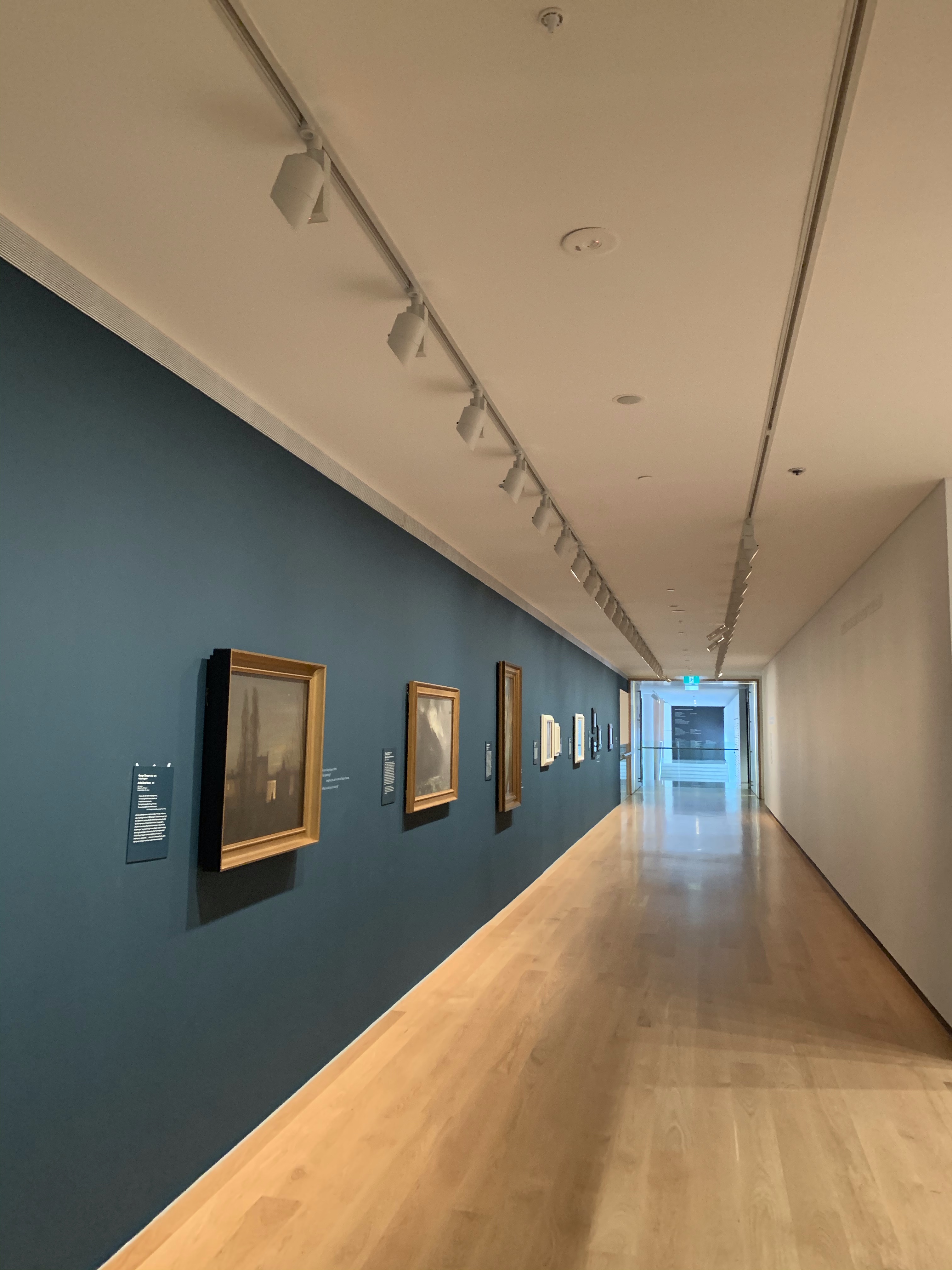
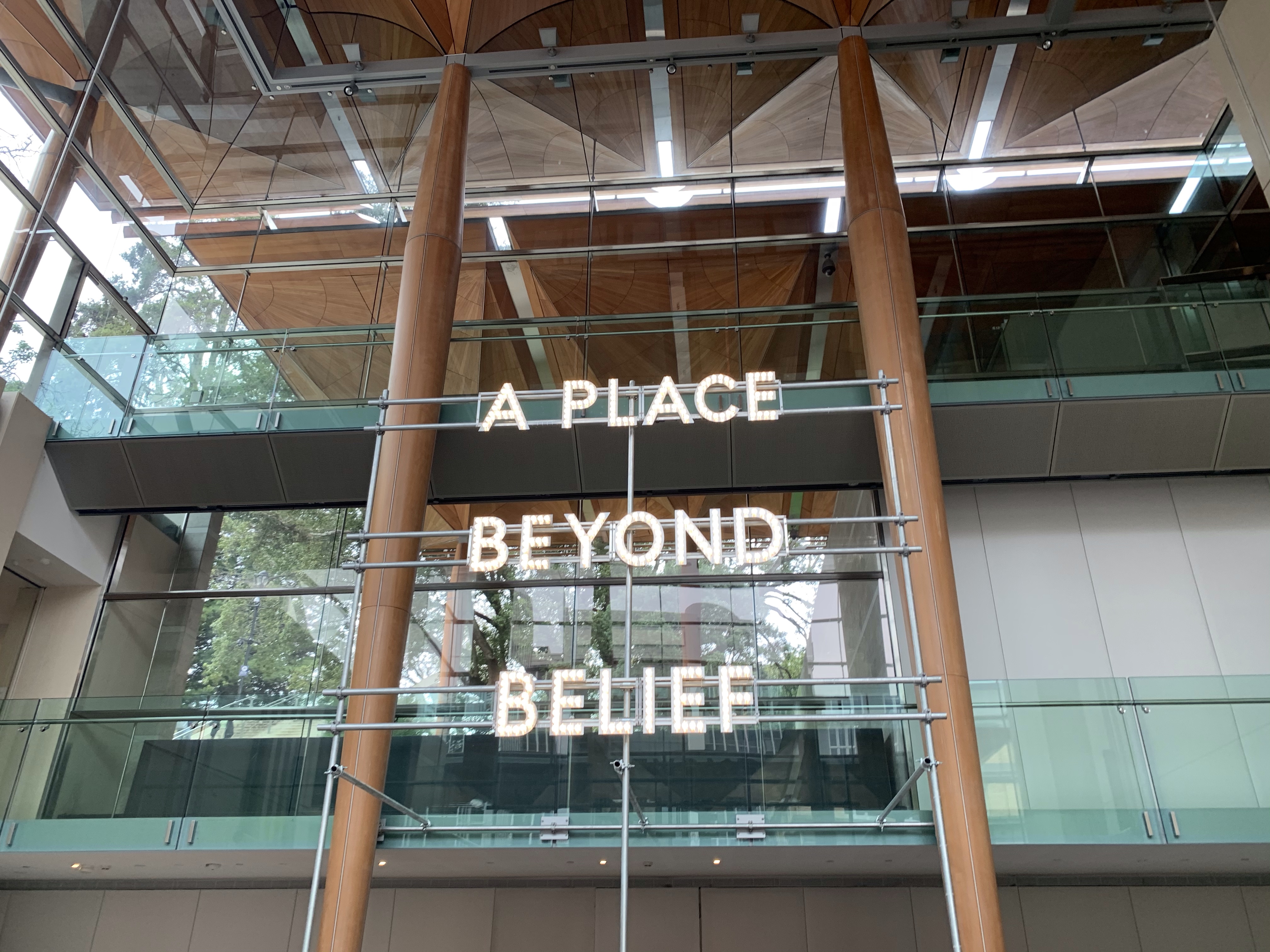
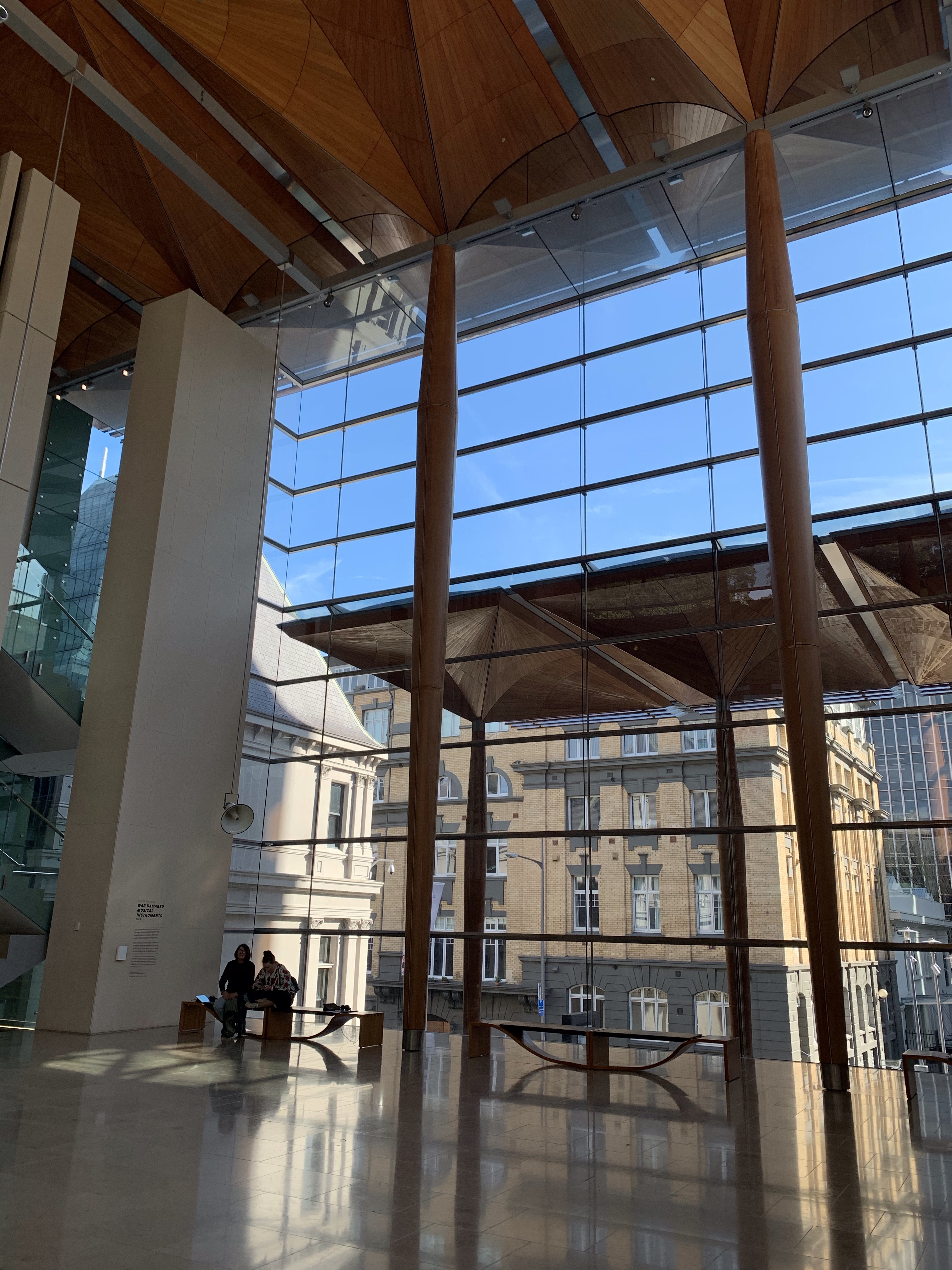
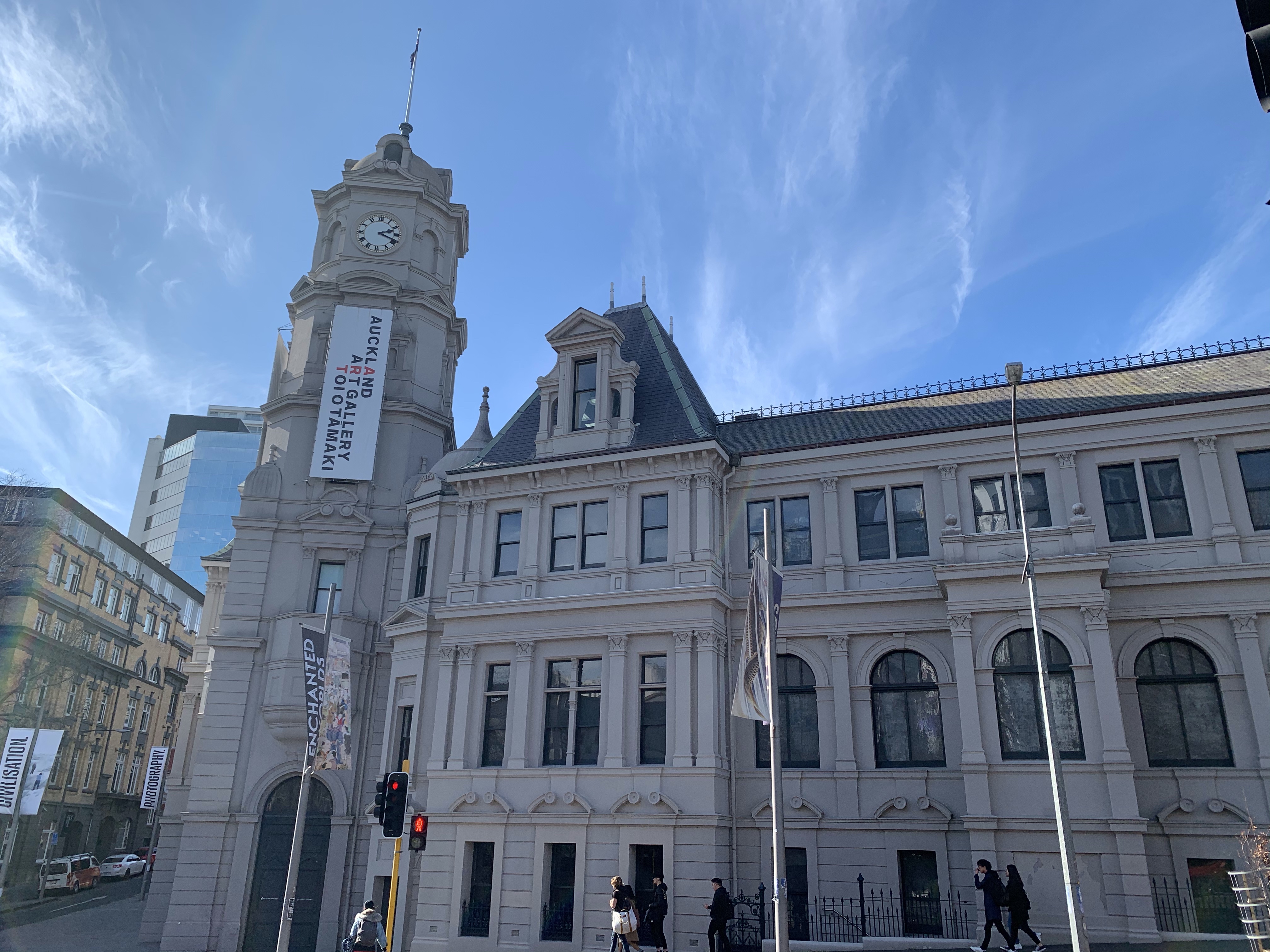
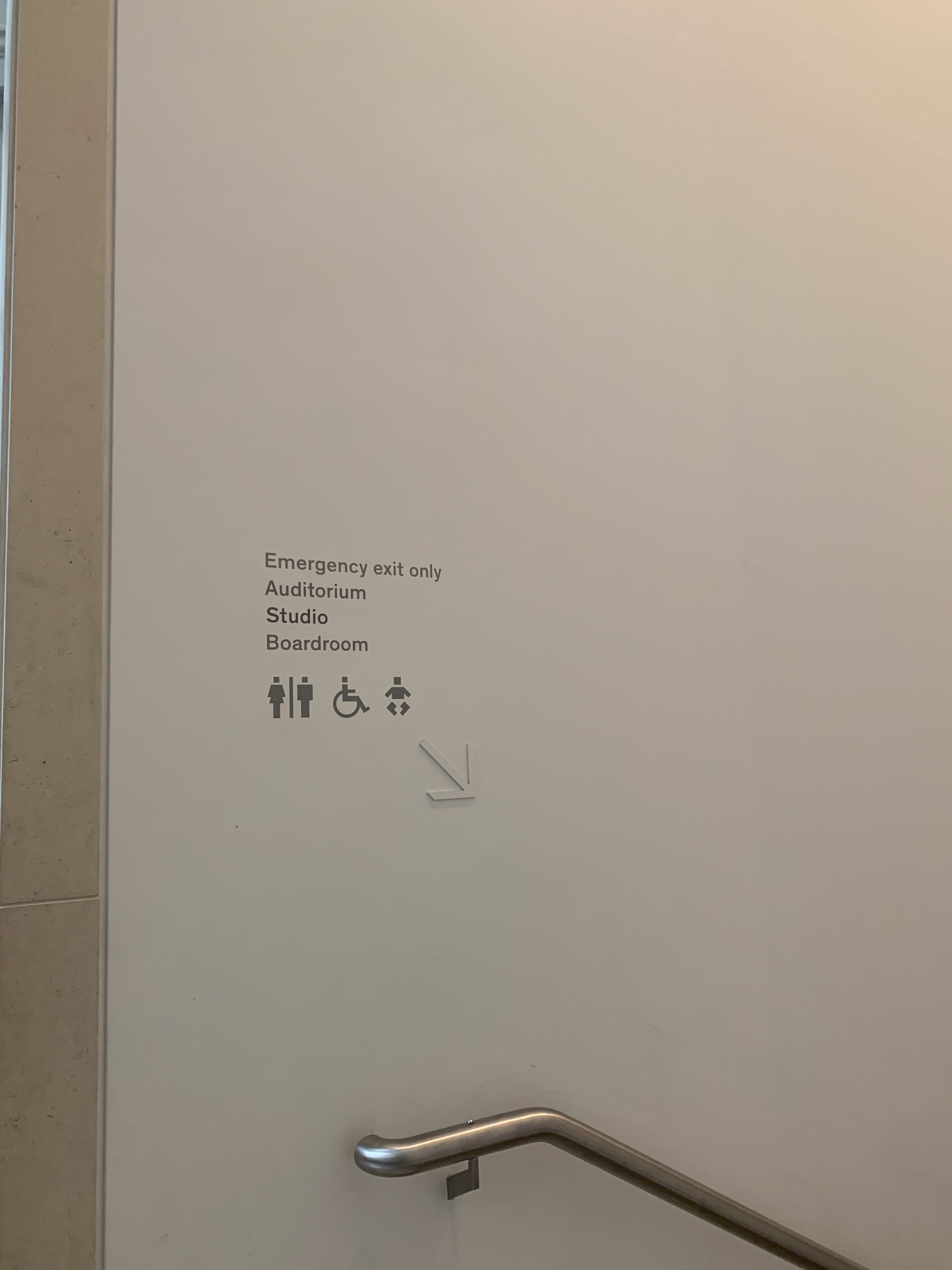
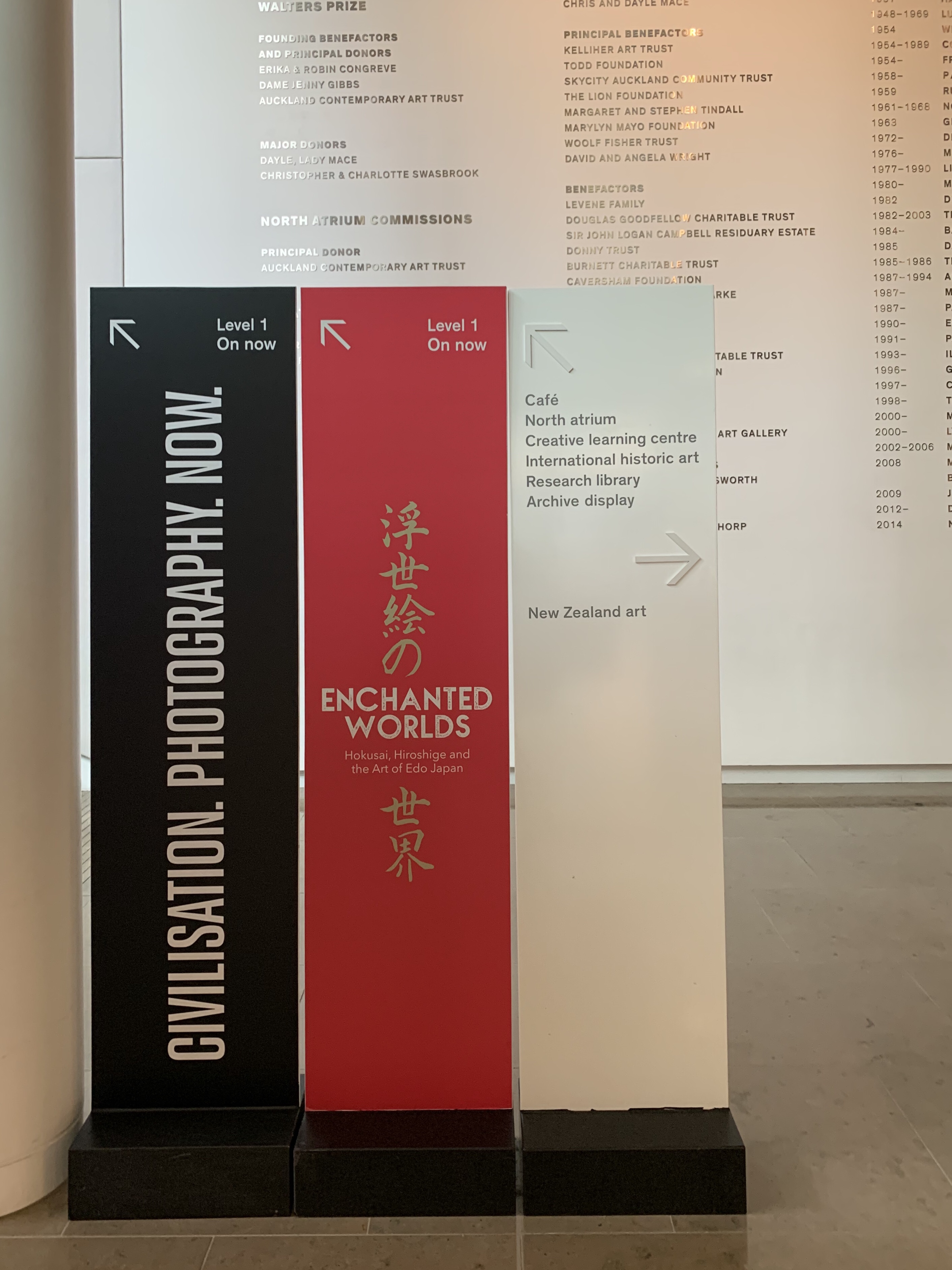
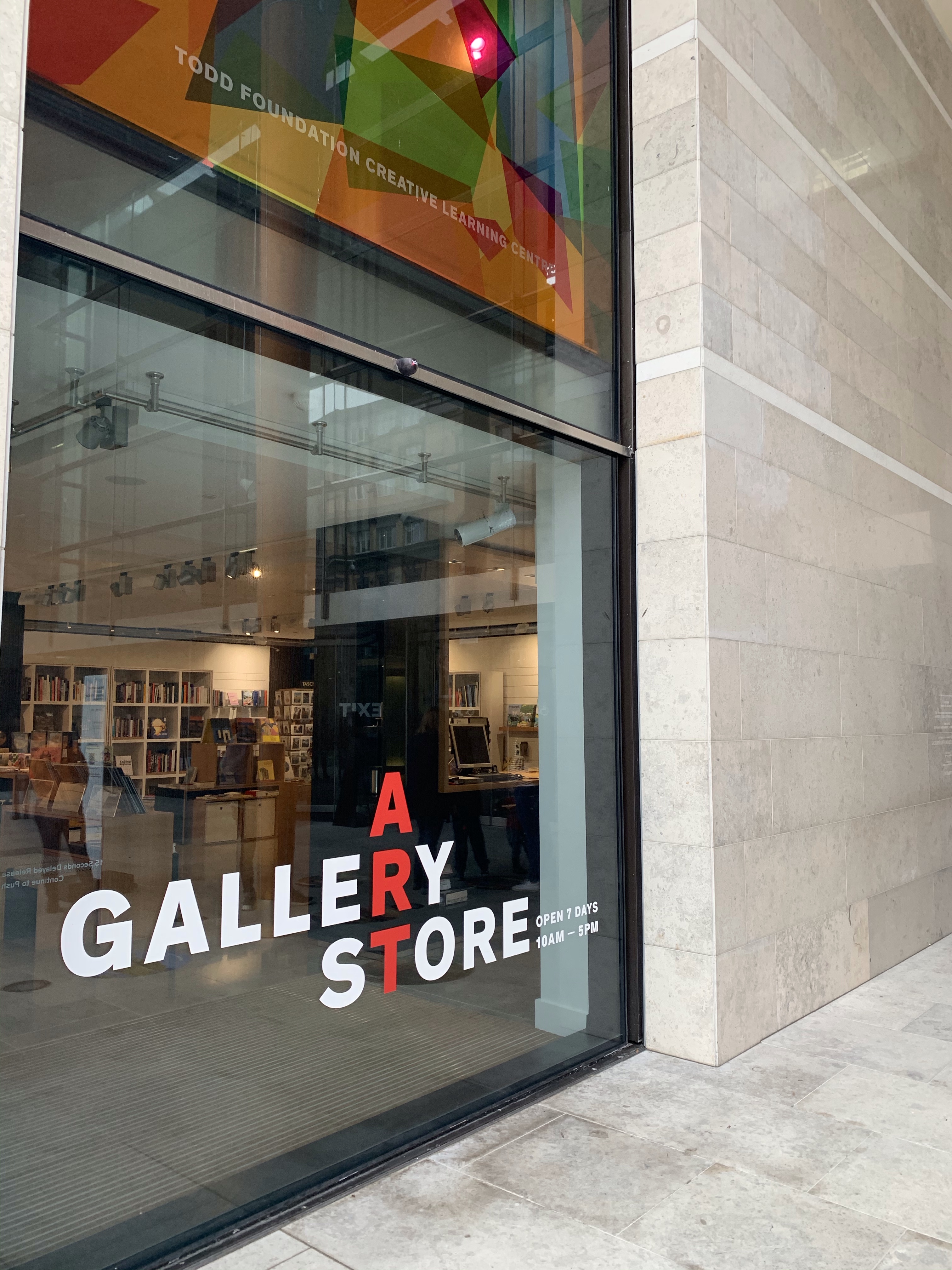
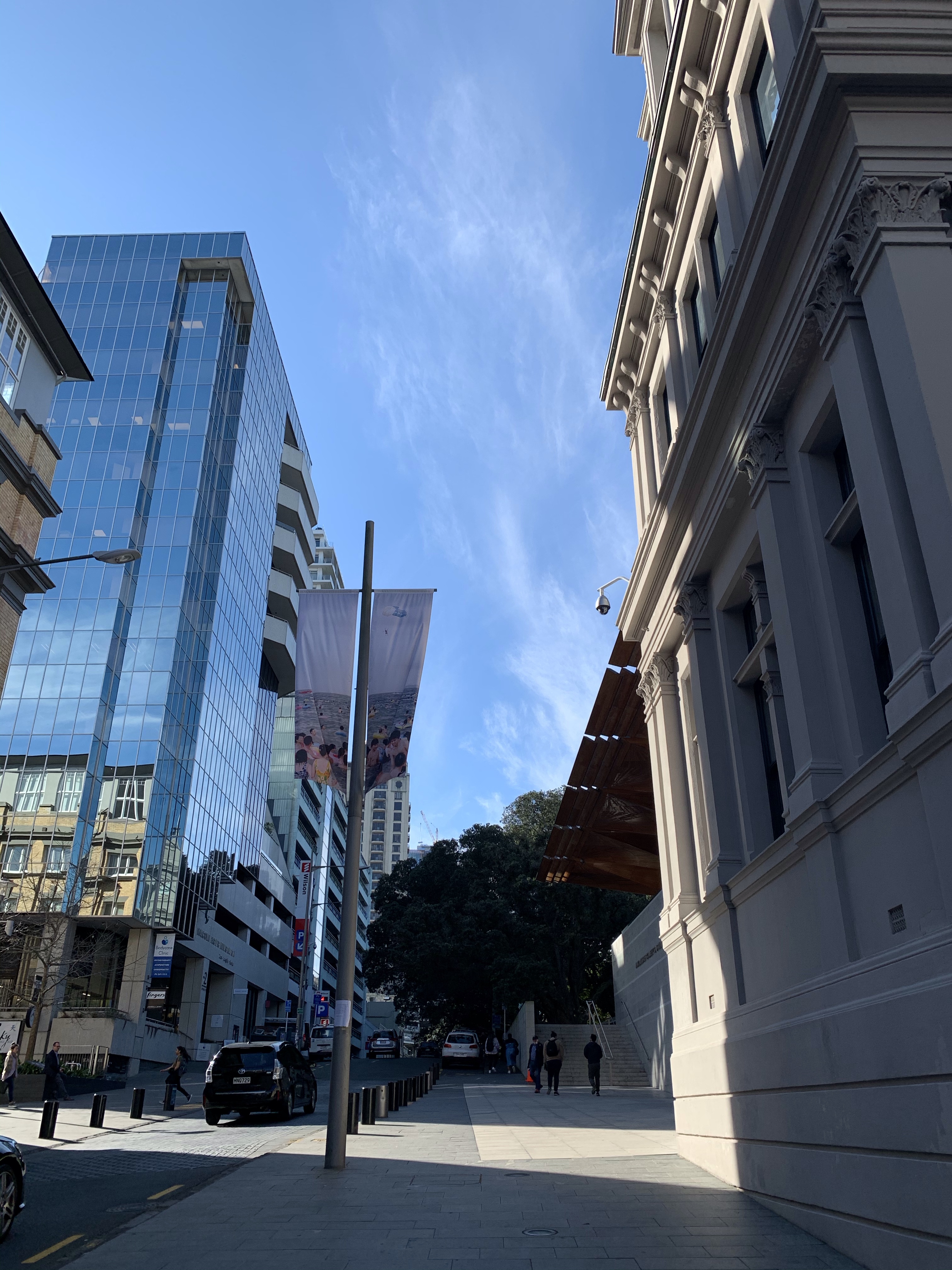
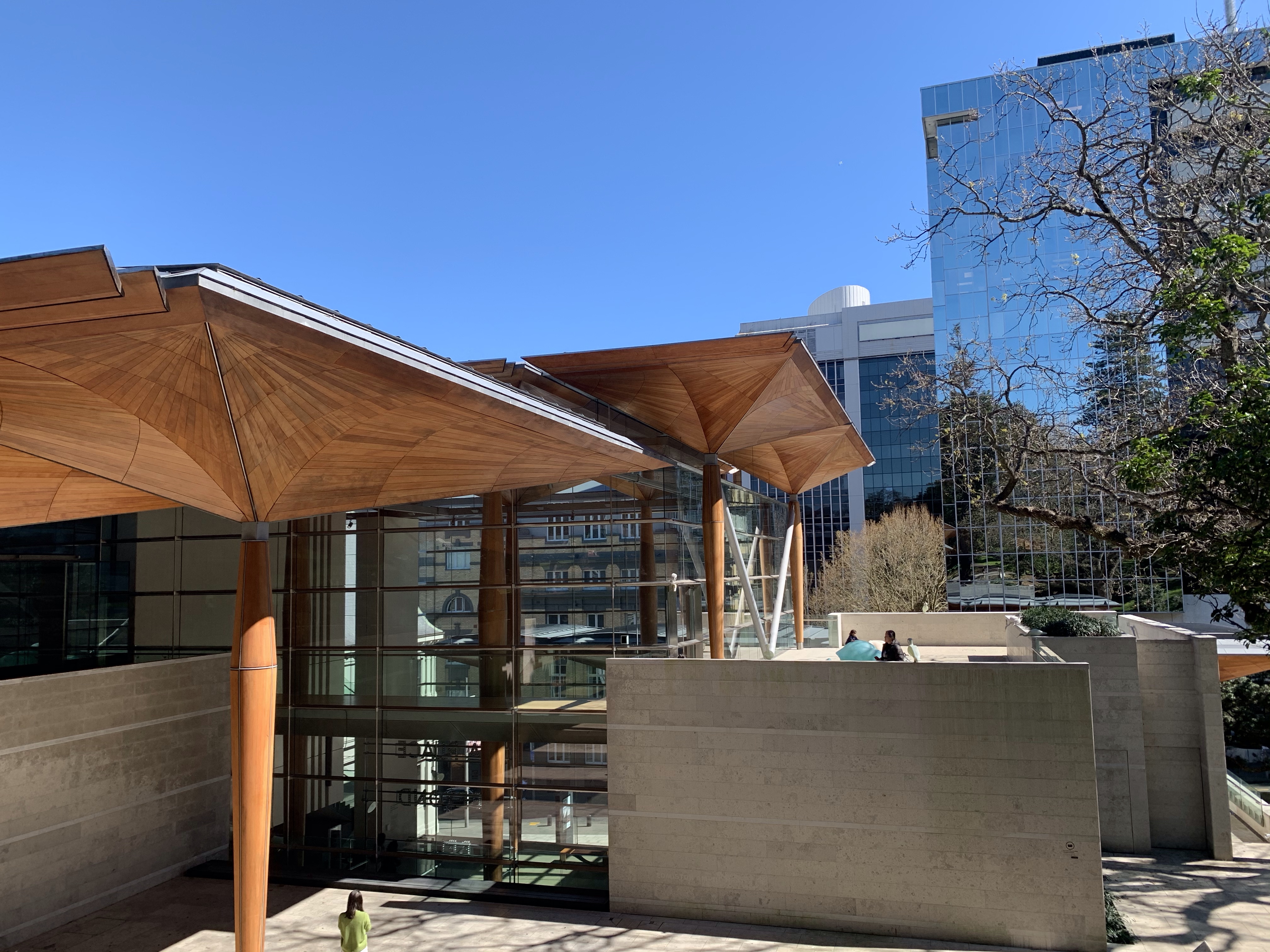
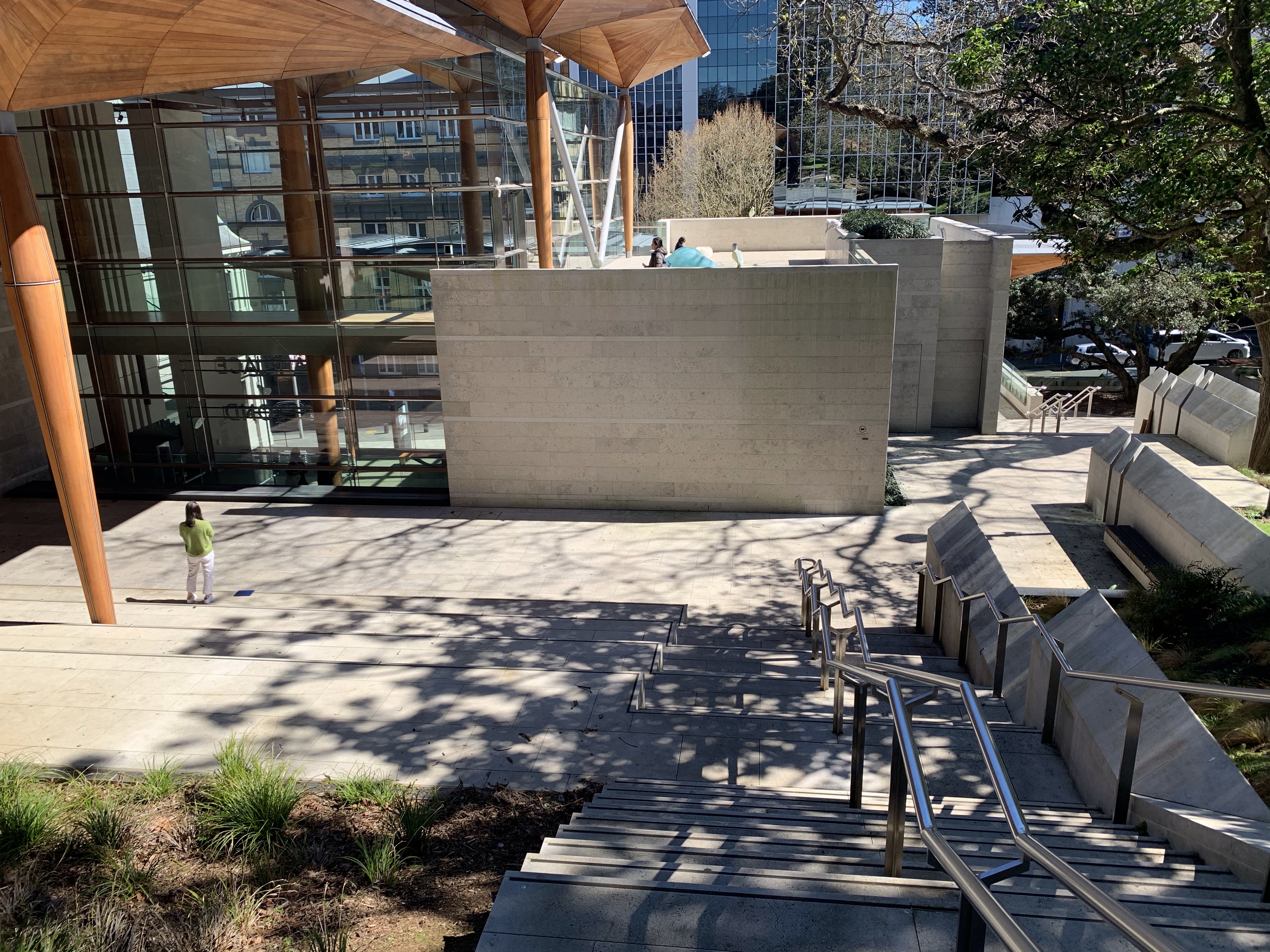
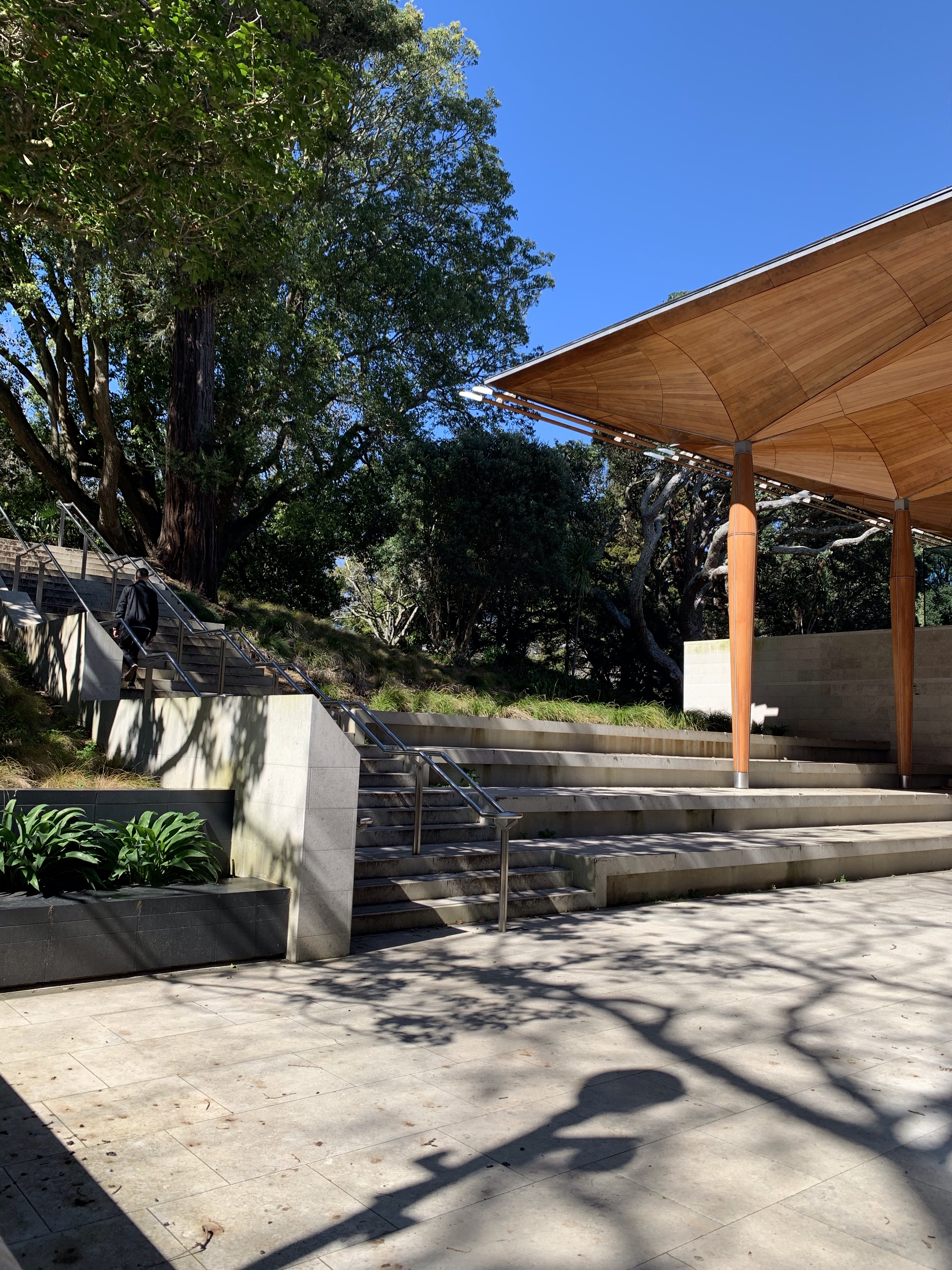
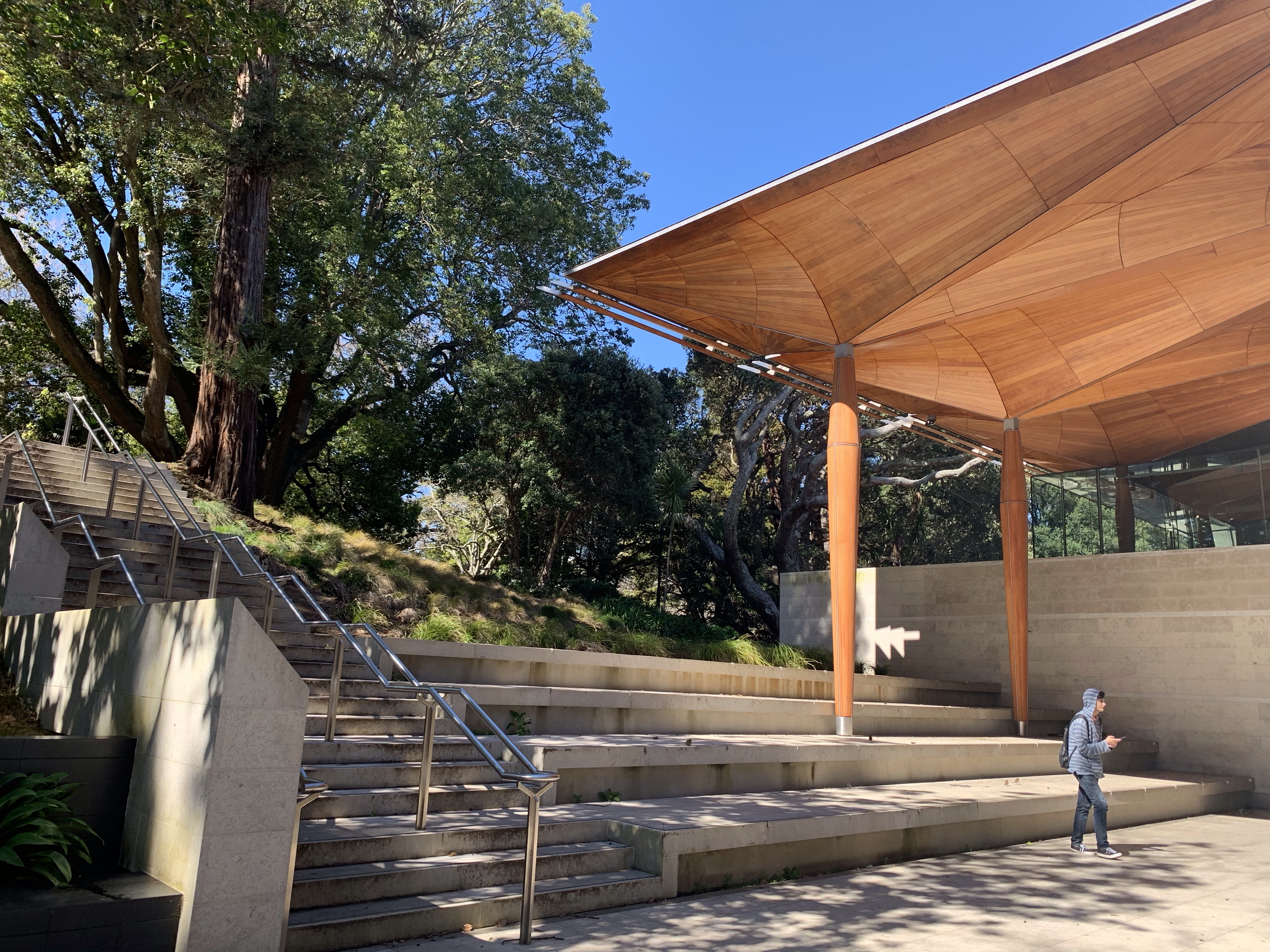
- Auckland Art Gallery
- Restaurant
- Market


Where is the social space I chose?
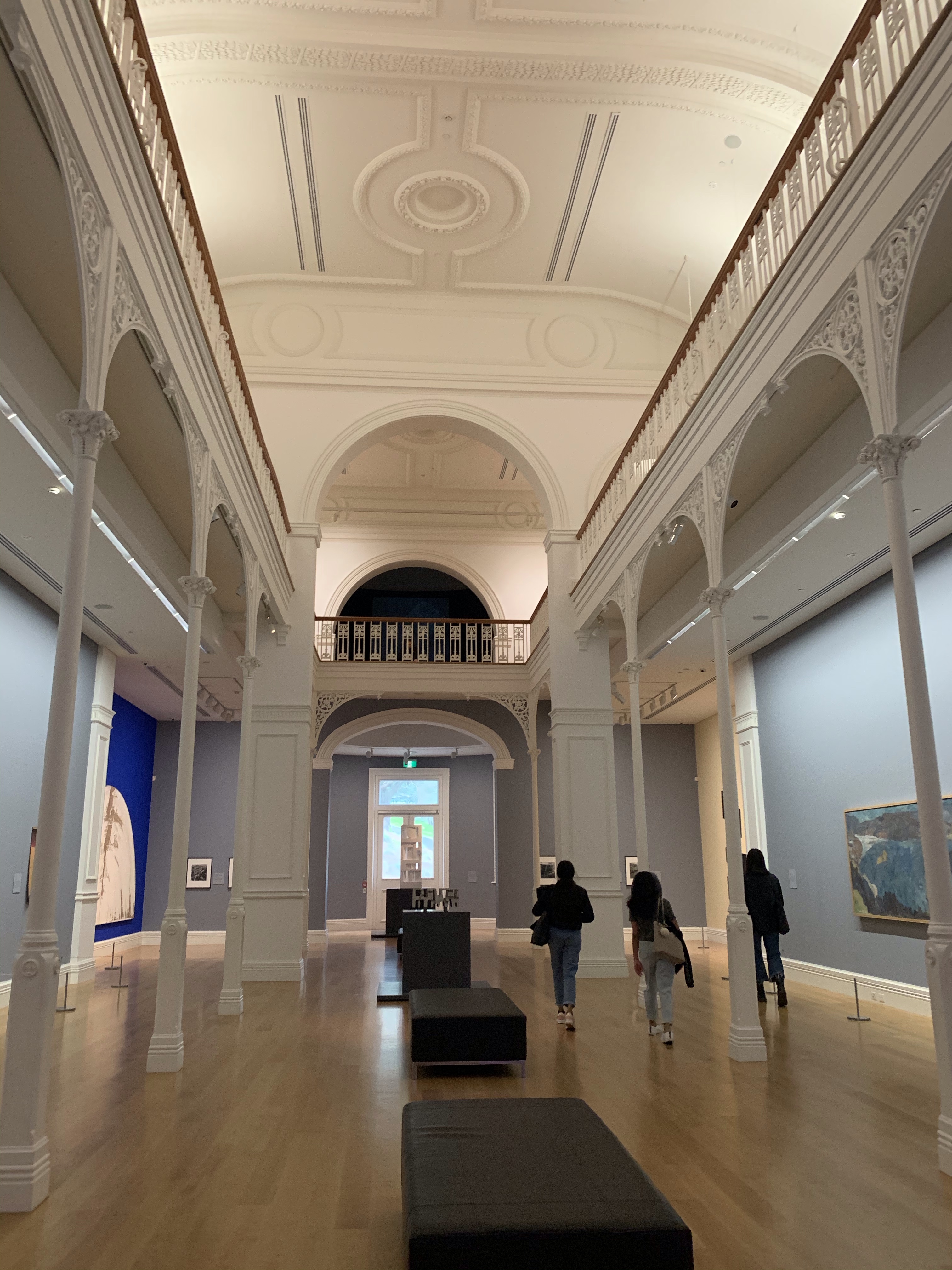
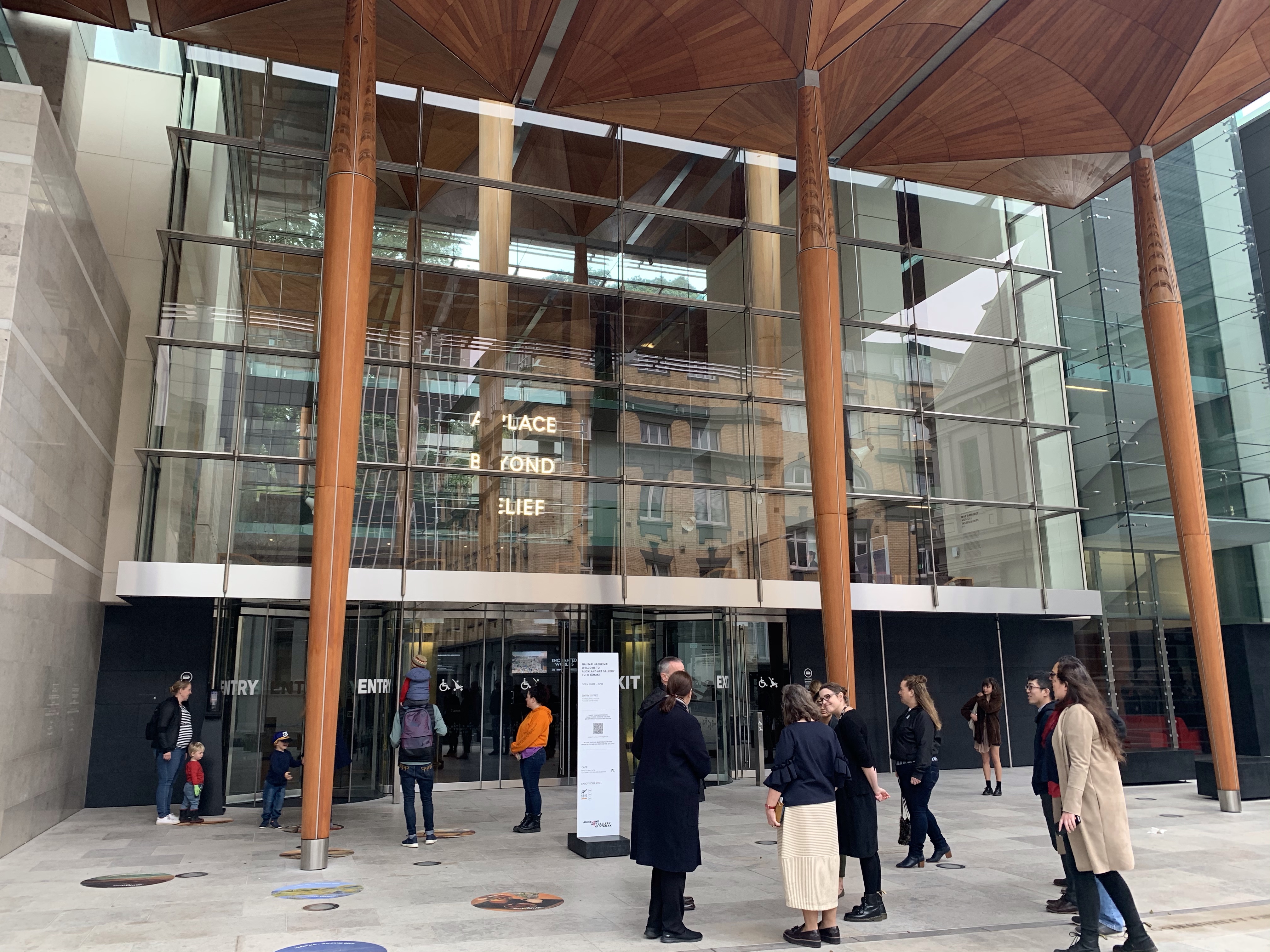
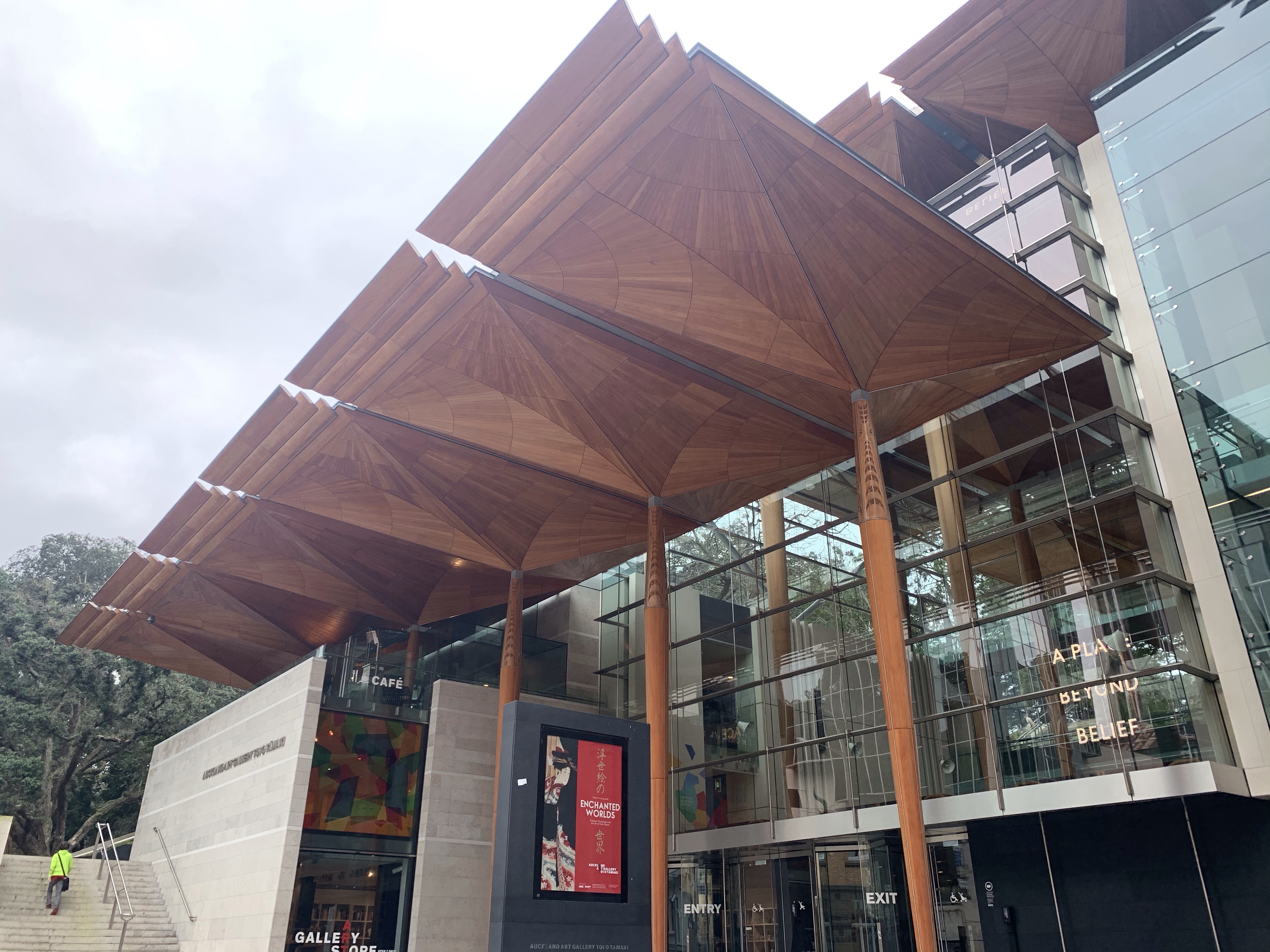
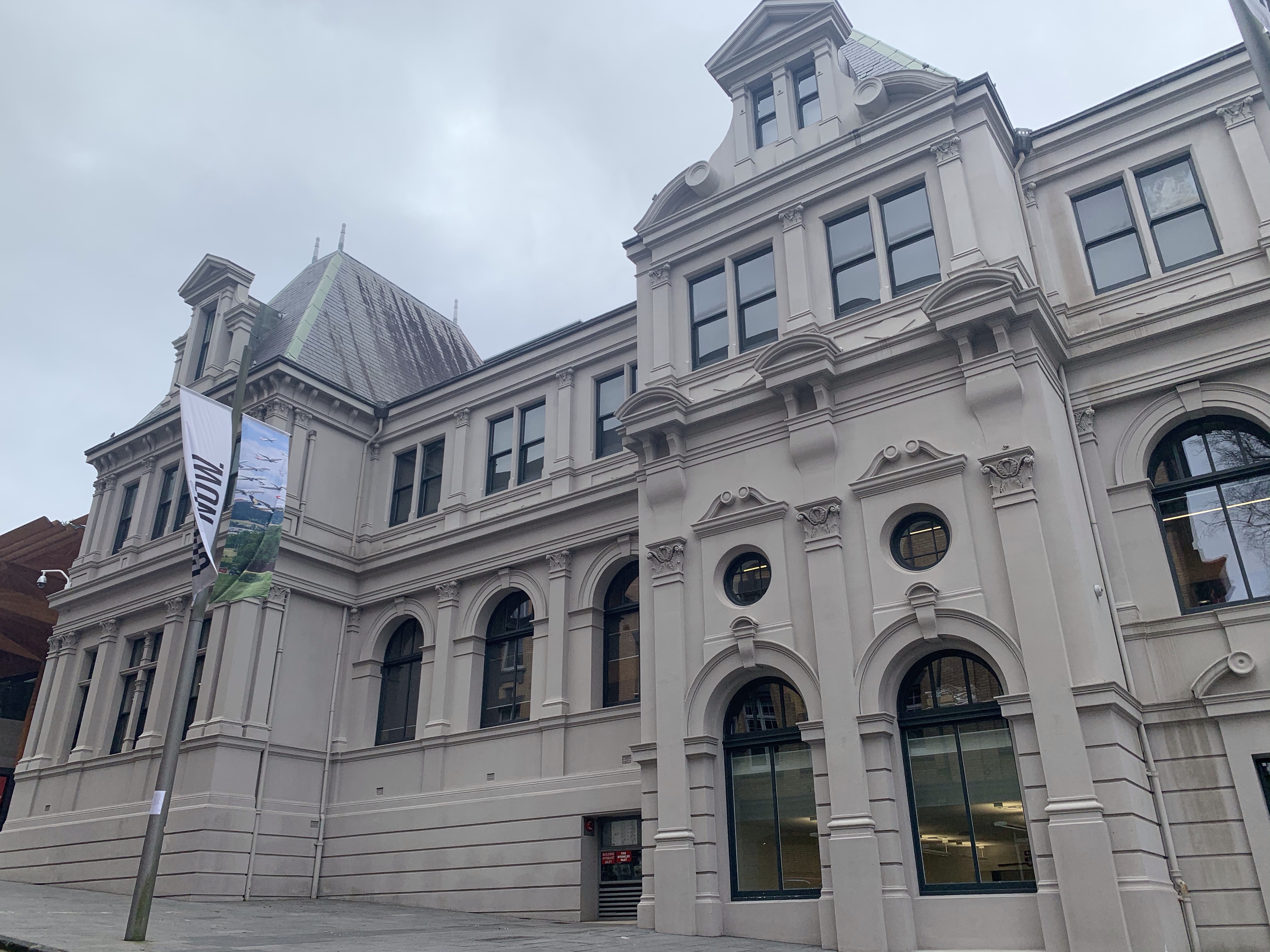
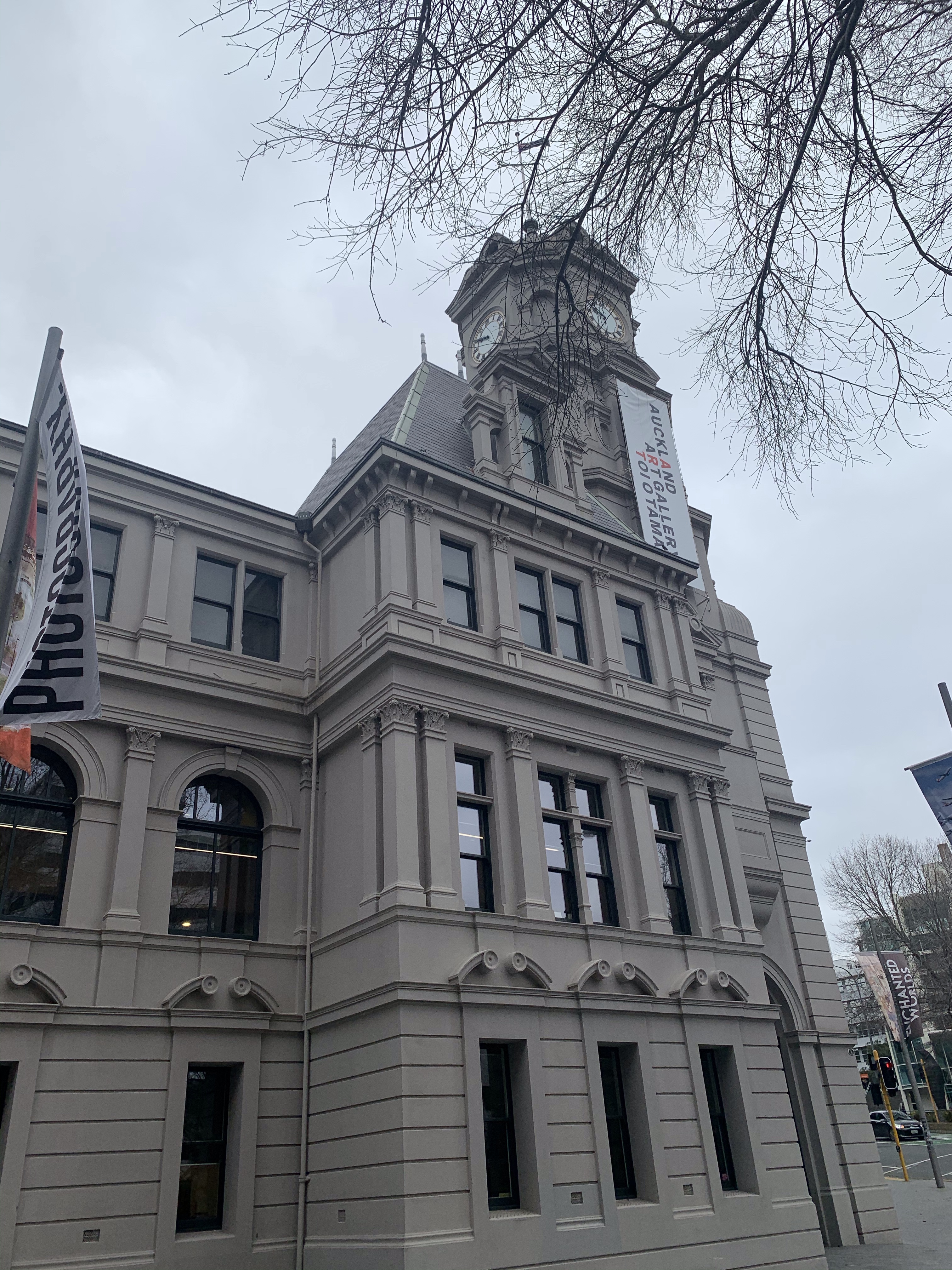
My social space is the Auckland Art Gallery.
Why is my social space is Auckland art gallery?
As a student who is studying design, visiting exhibitions is a very important way to gain knowledge. I want to improve my artistic aesthetics and appreciation skills in this way. And visiting the exhibition allows me to have more ideas such as using more methods and materials to show my works. Wait so I often visit different galleries. Auckland art gallery is the place I go most often, and it is also the place that provides me with inspiration.
As a participant and observer of the social space, how do I analyze?
As a participant, I see myself as someone who visits the gallery. How did I begin to enter this space and how to join this space? Who did I communicate with? What does this space bring to me?
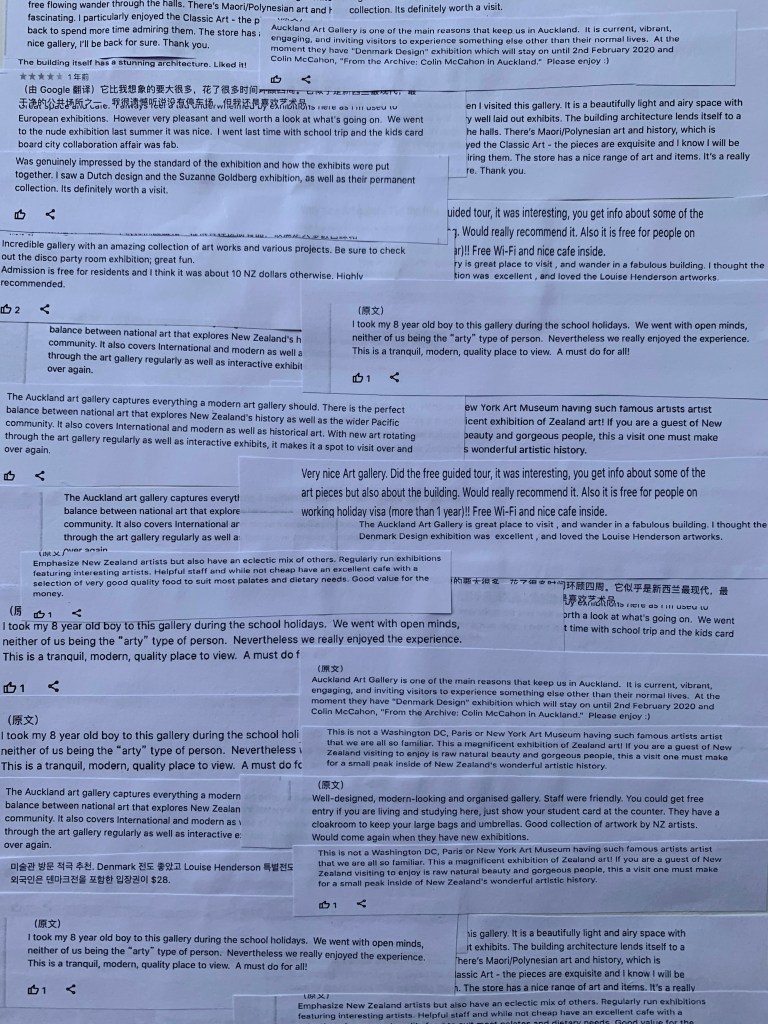
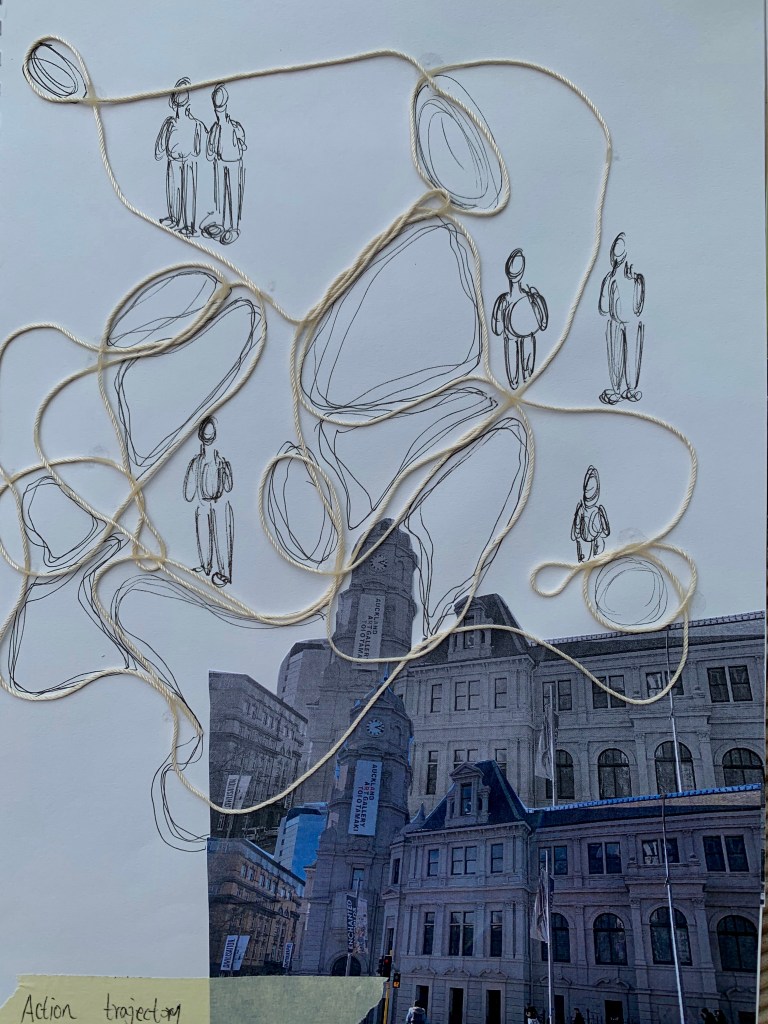
As an observer, I pull myself out of this space and observe the people who go to this space? Their purpose? The direction of action? Will they communicate with other people?
How do galleries constitute a social space?
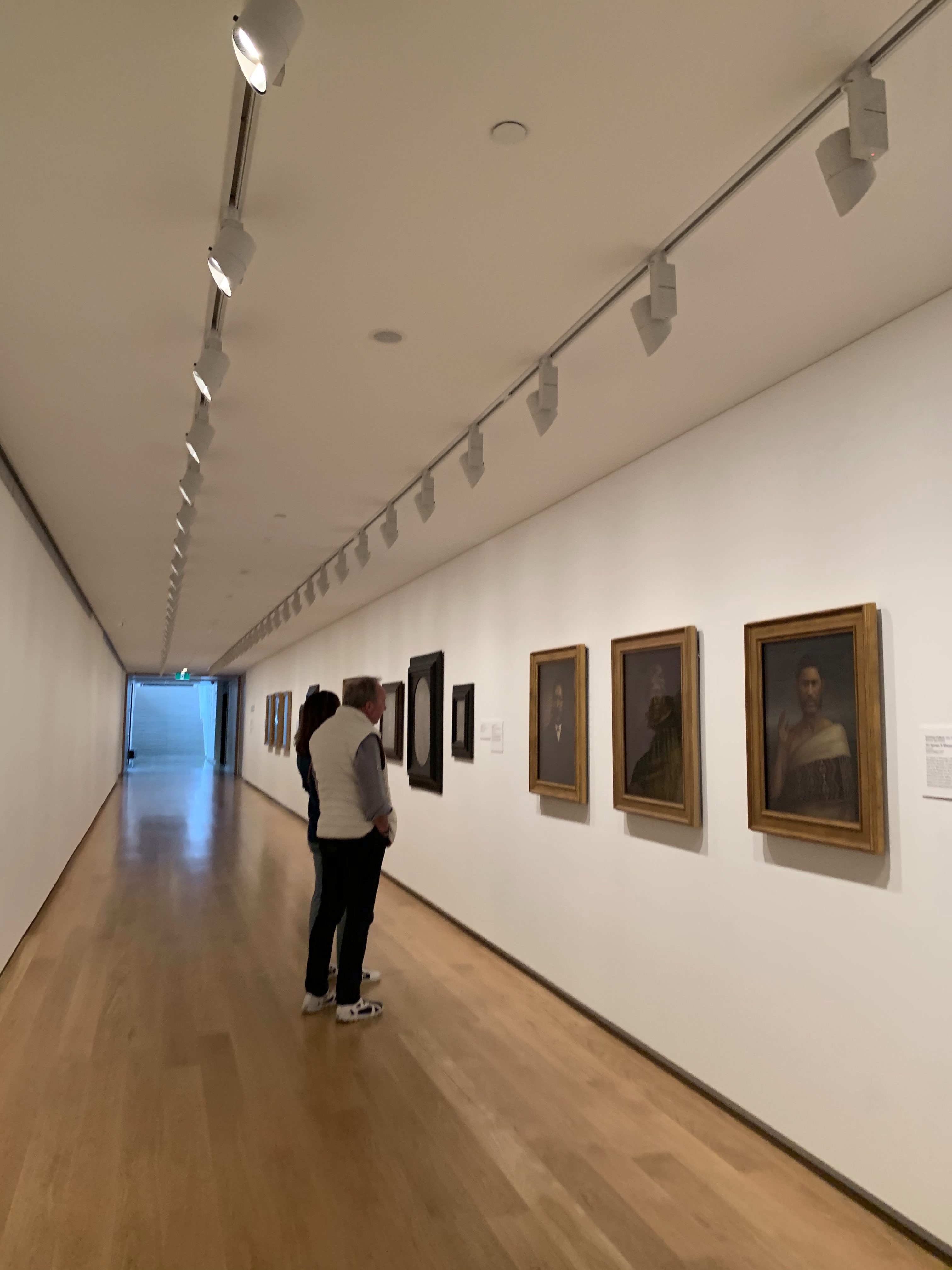
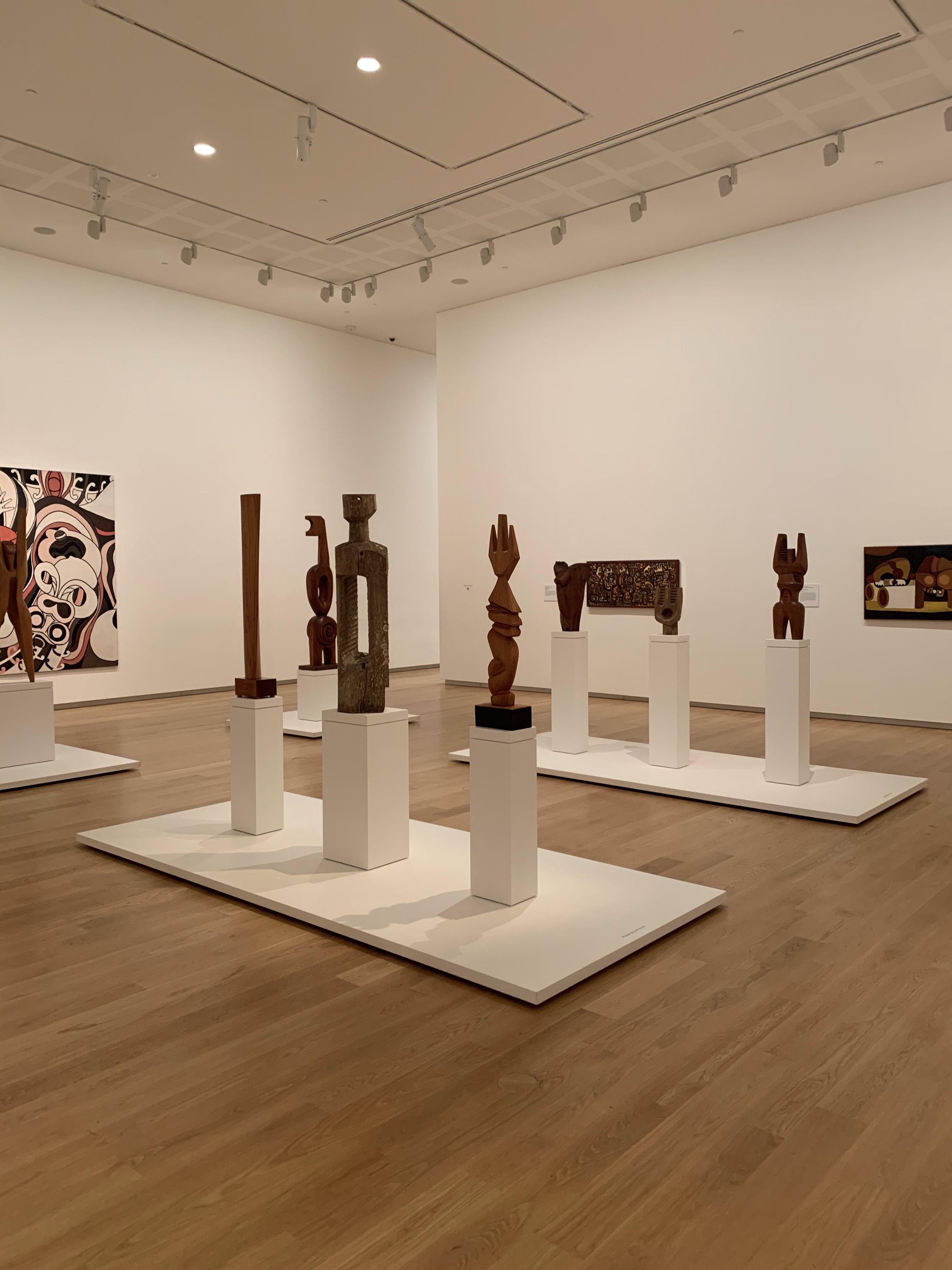
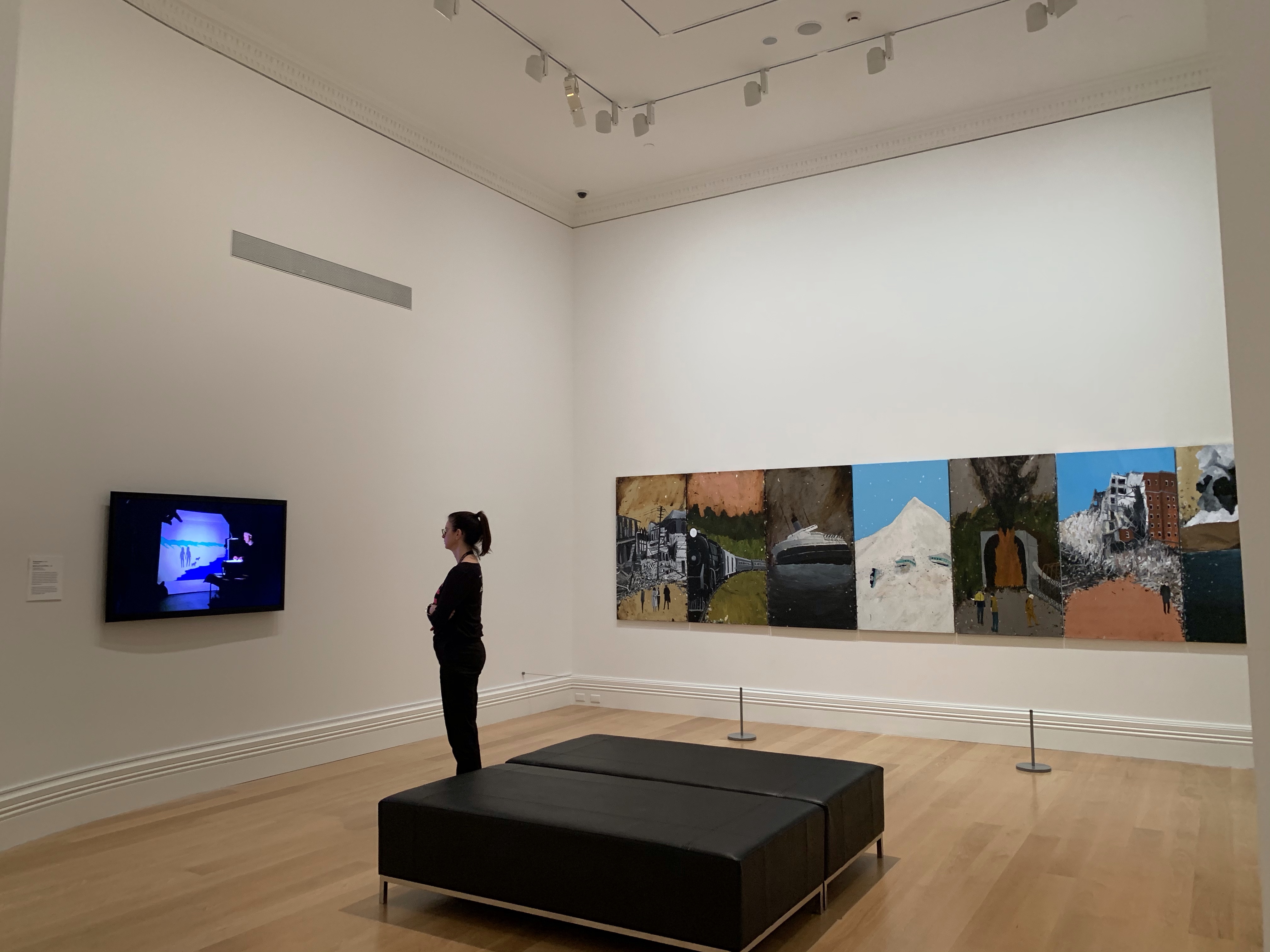
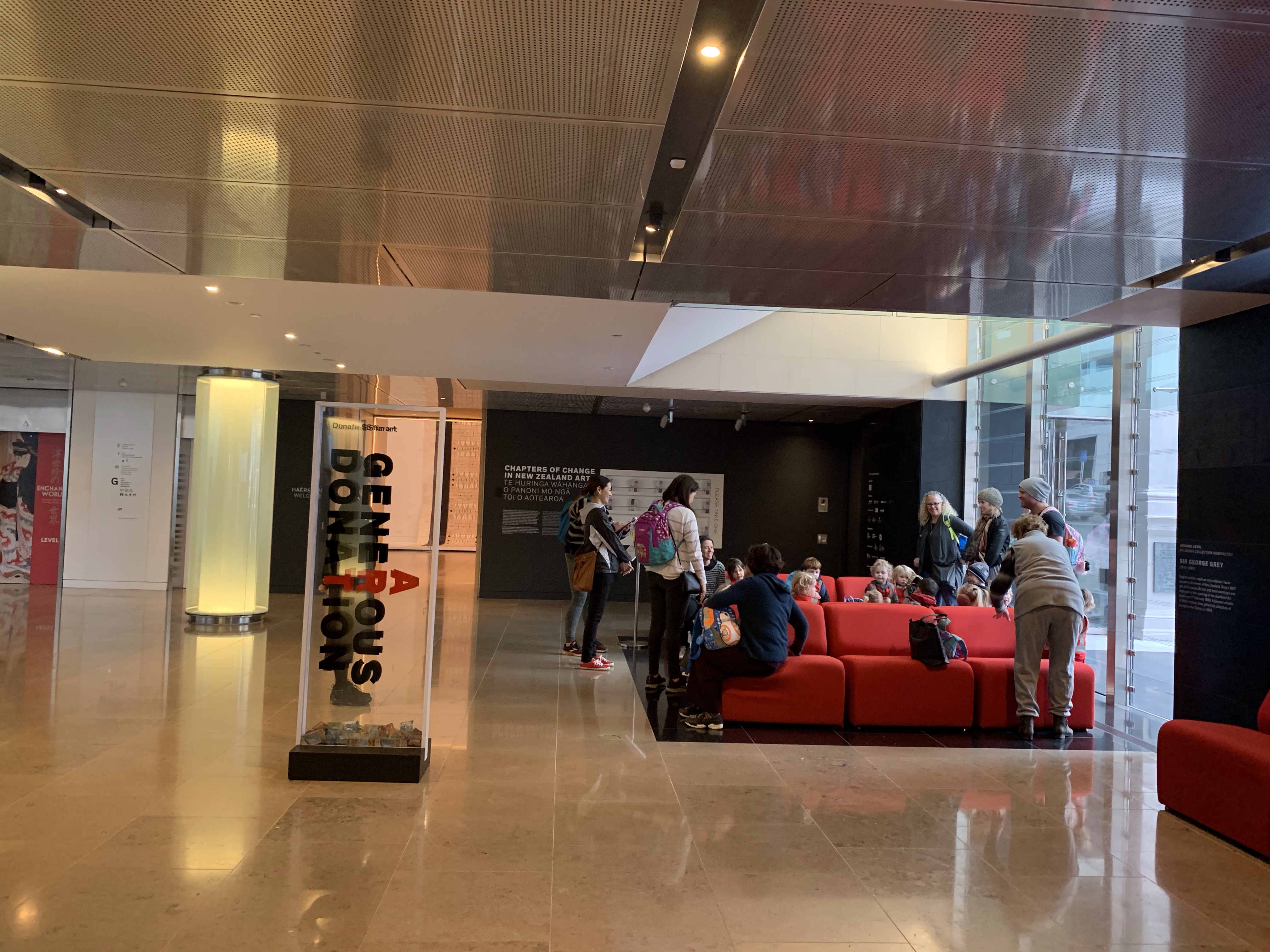
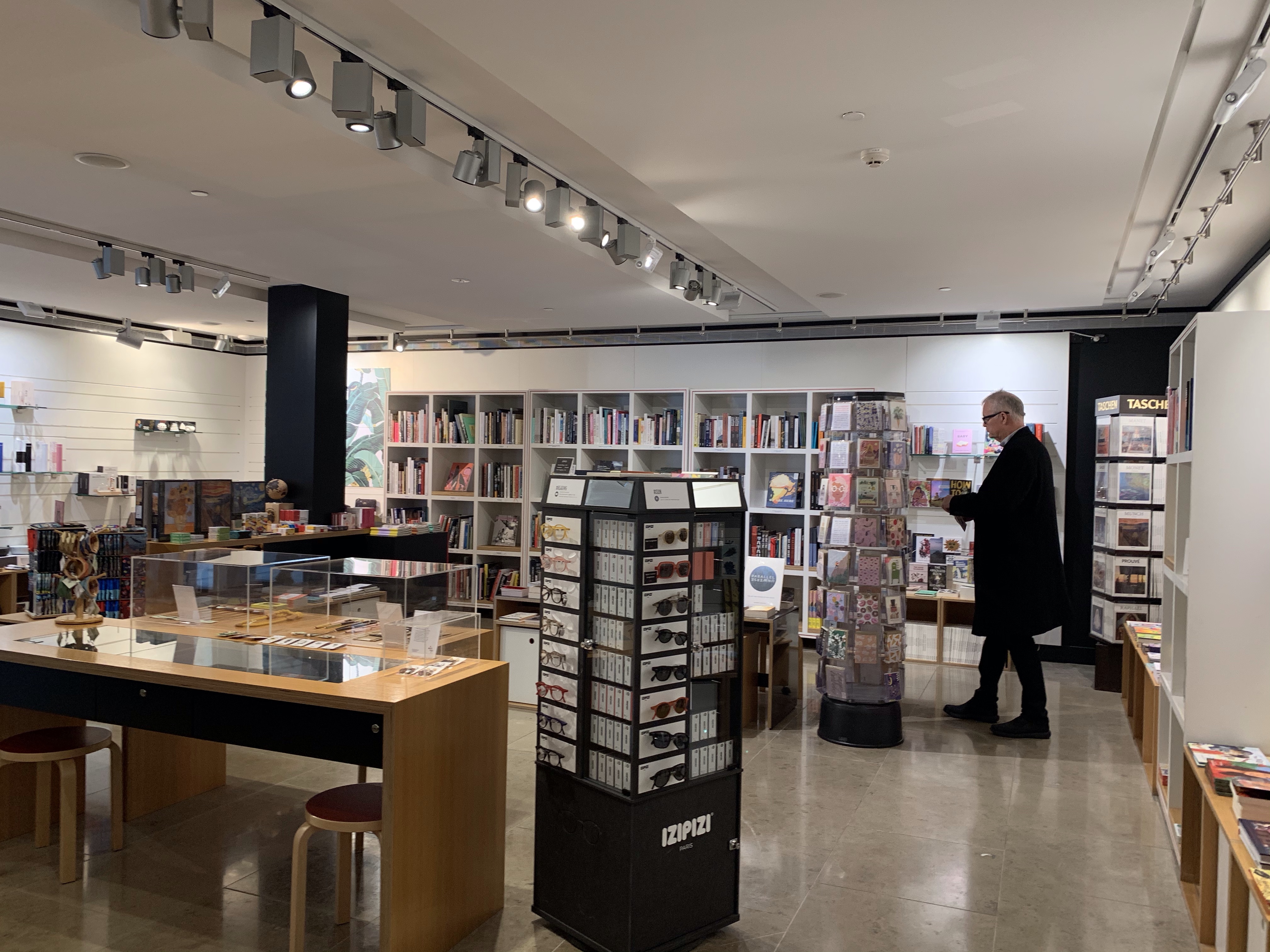
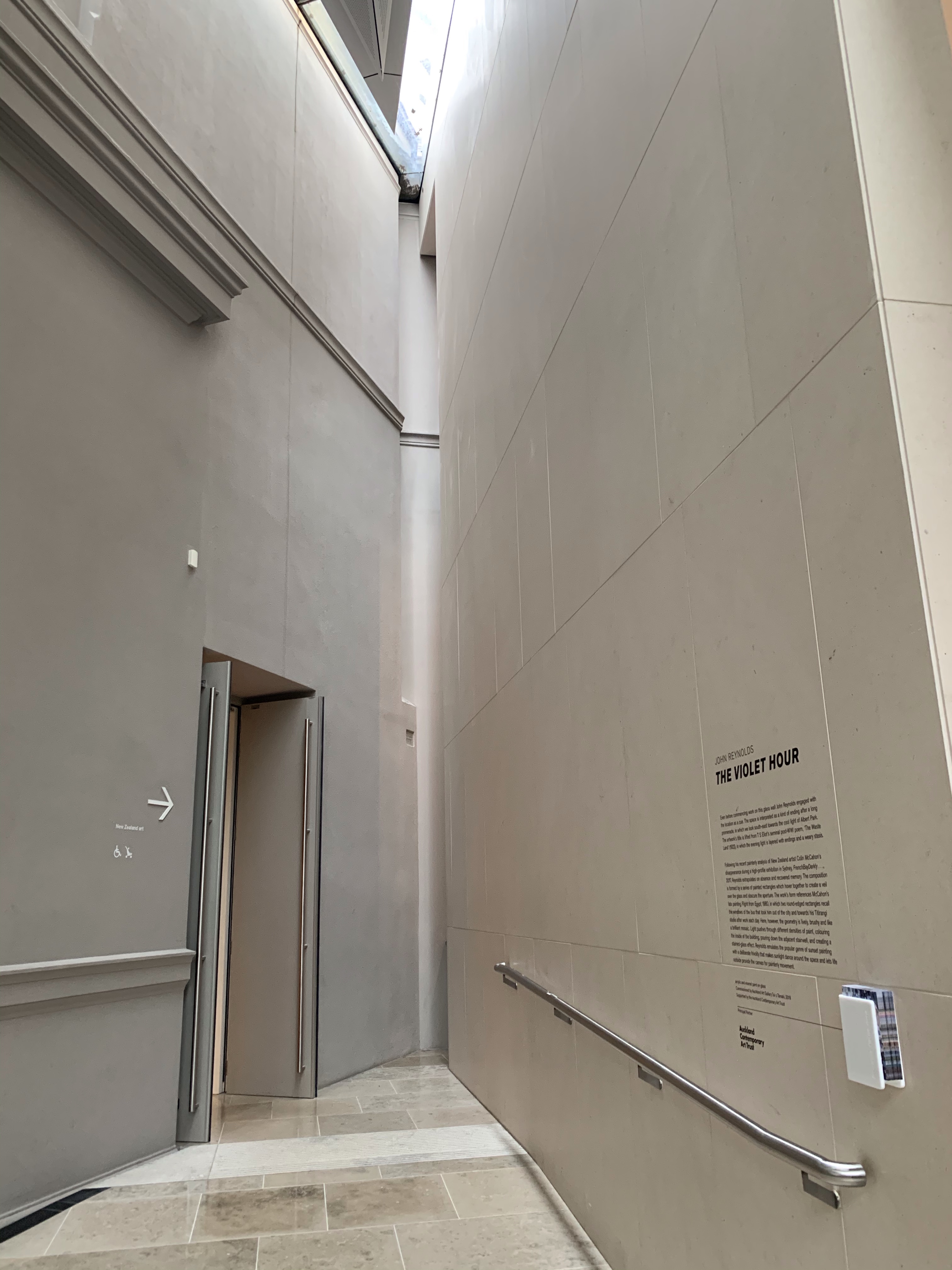
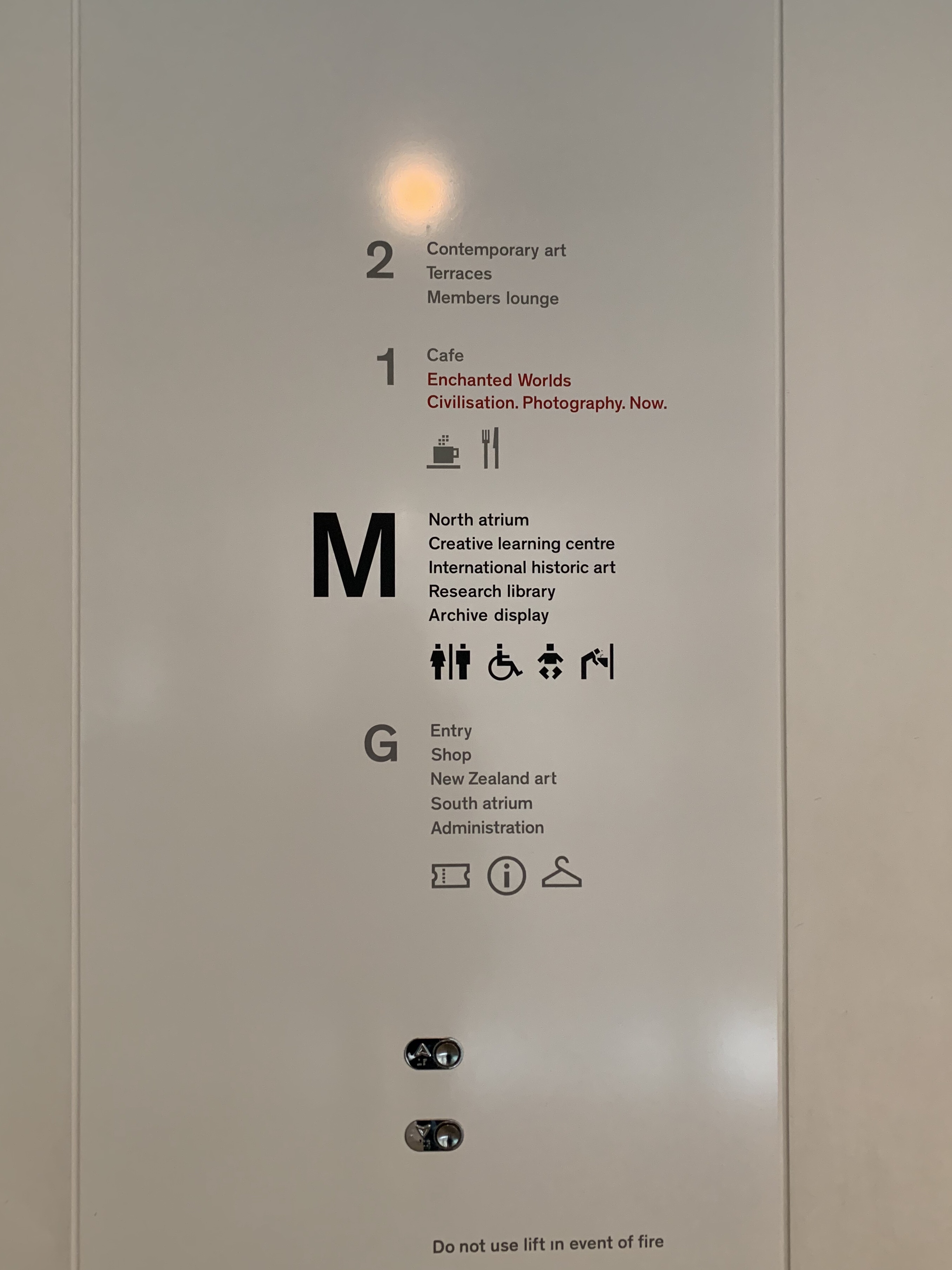
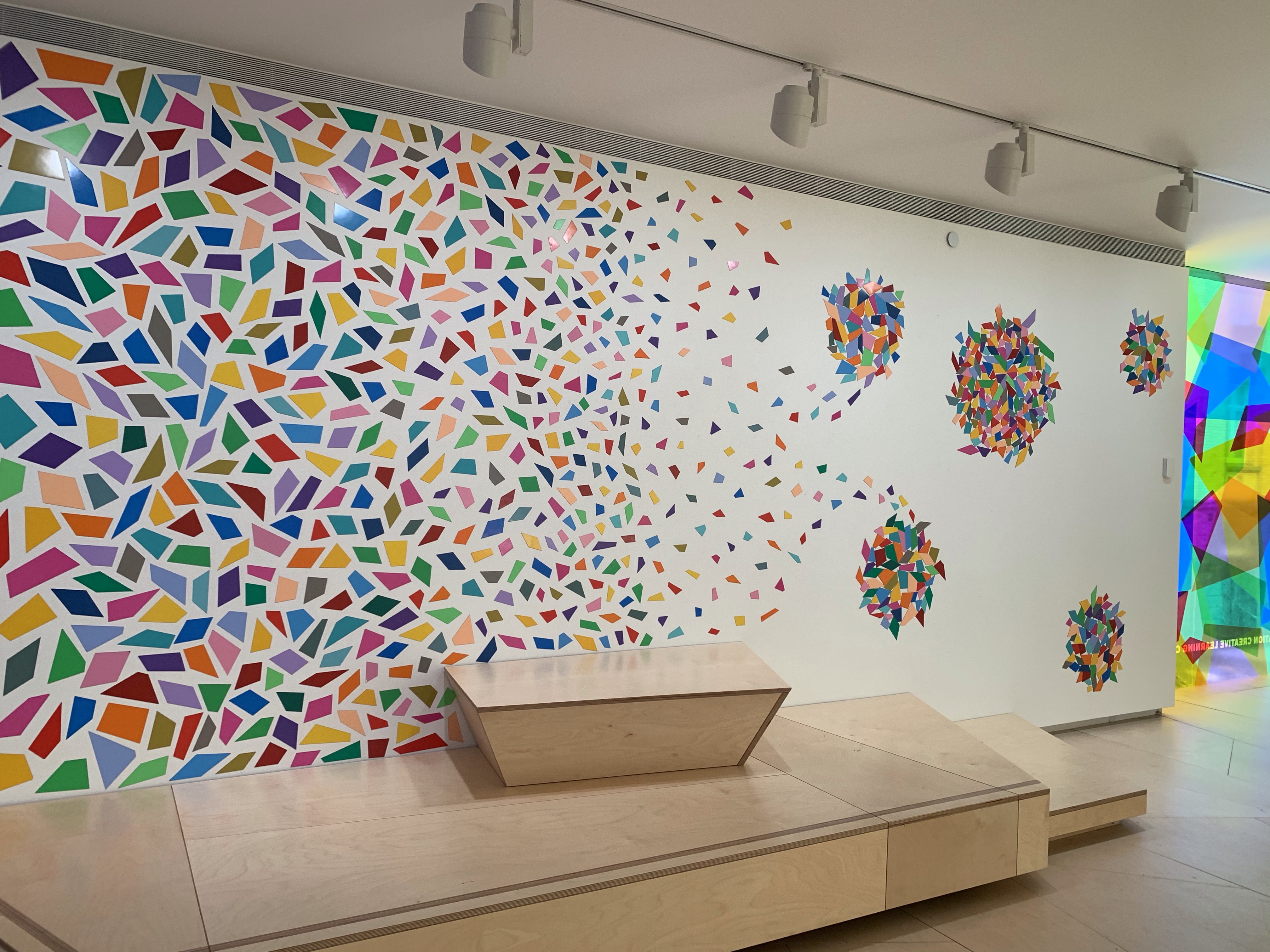
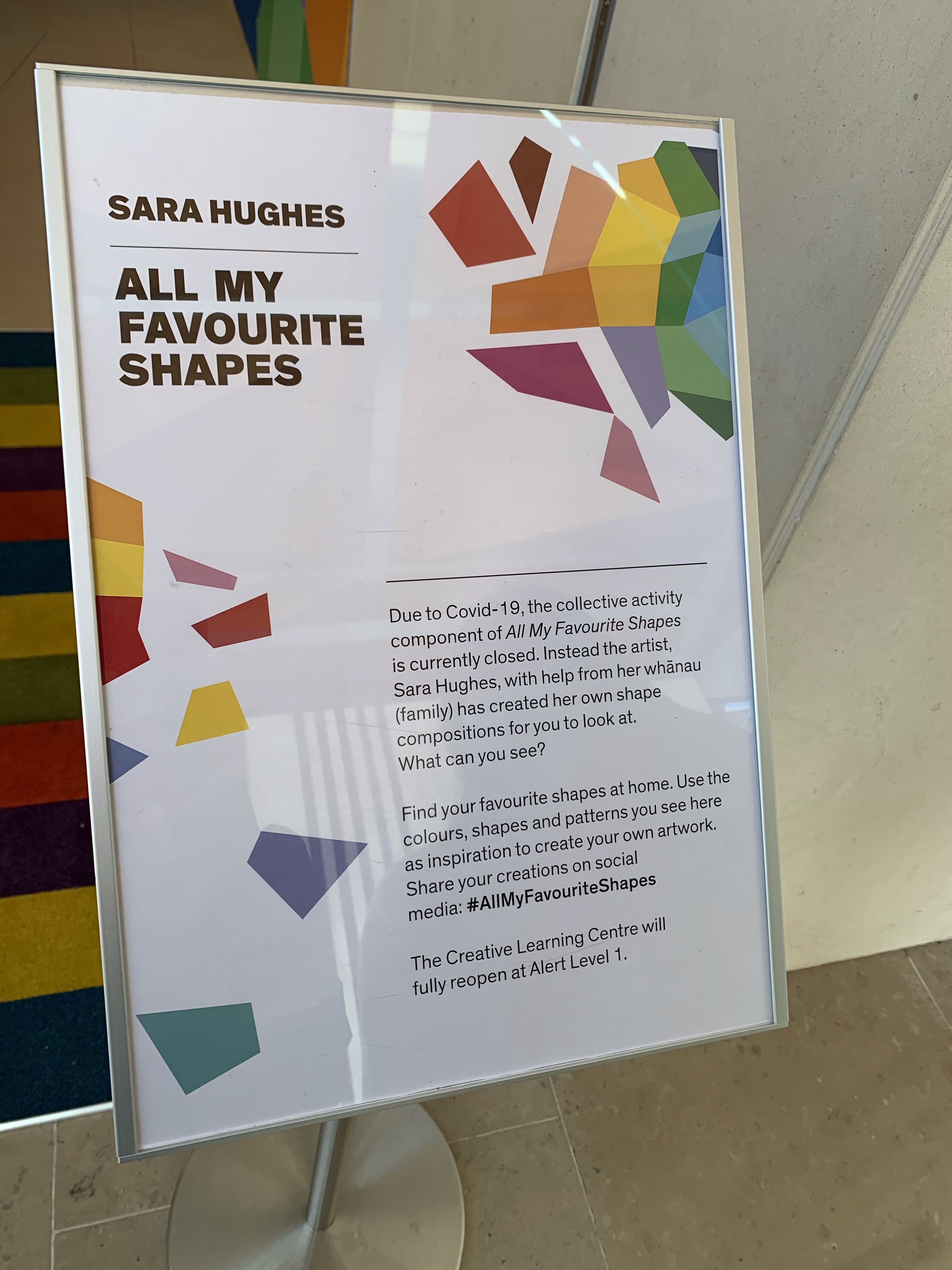
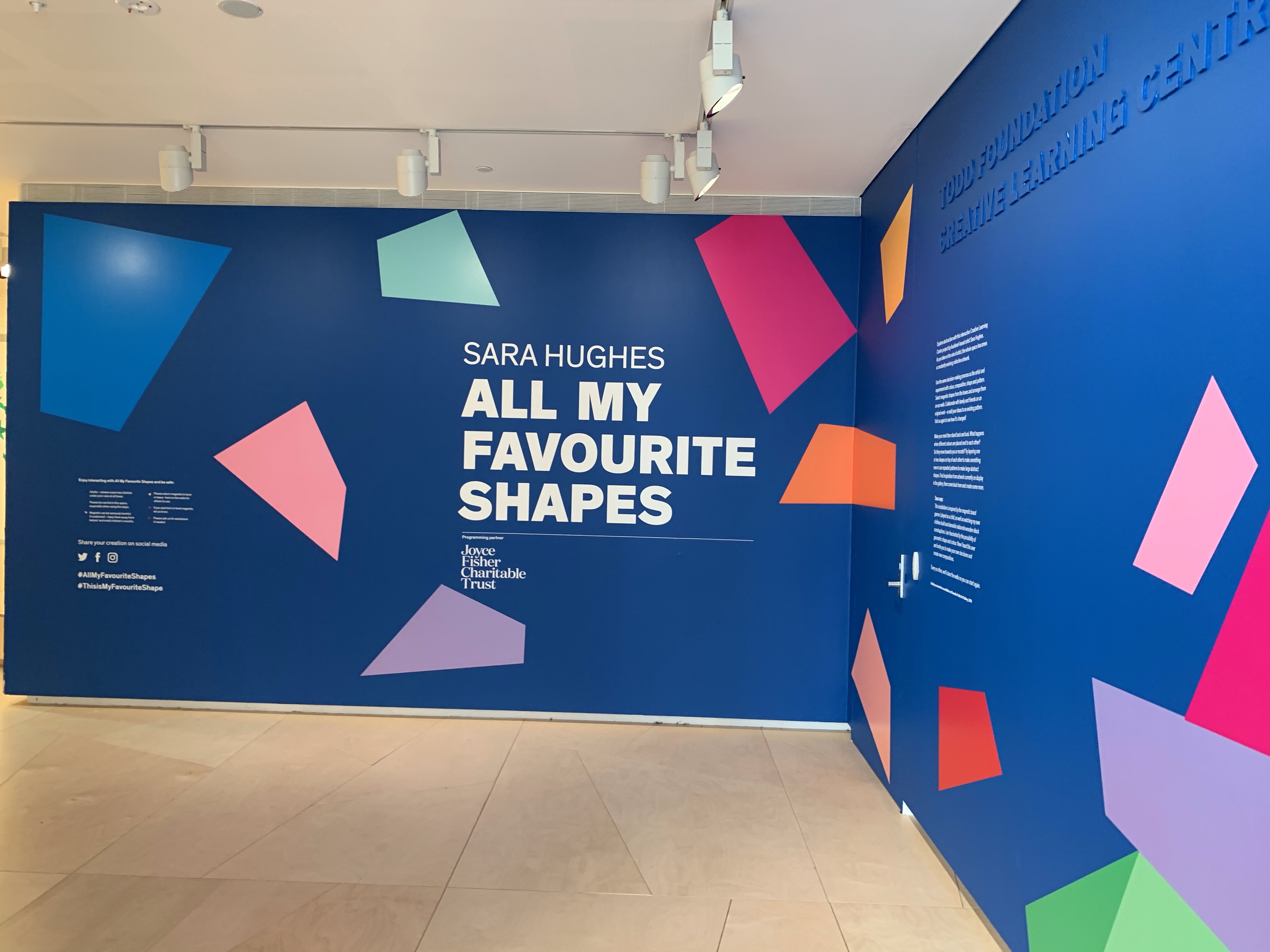
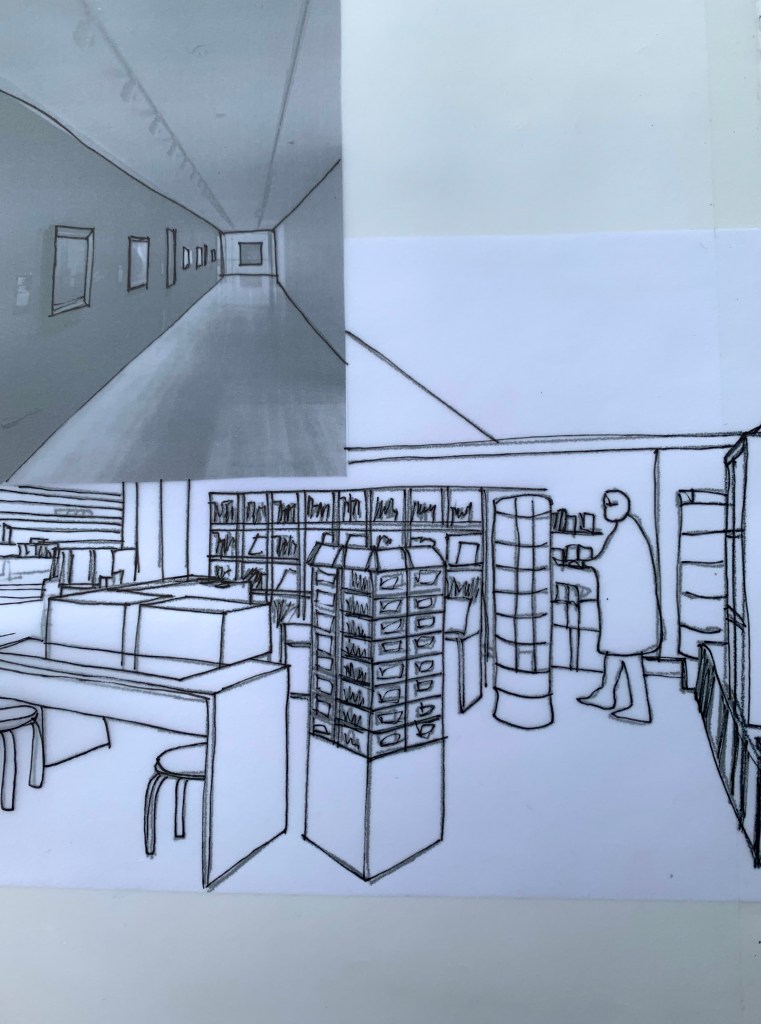
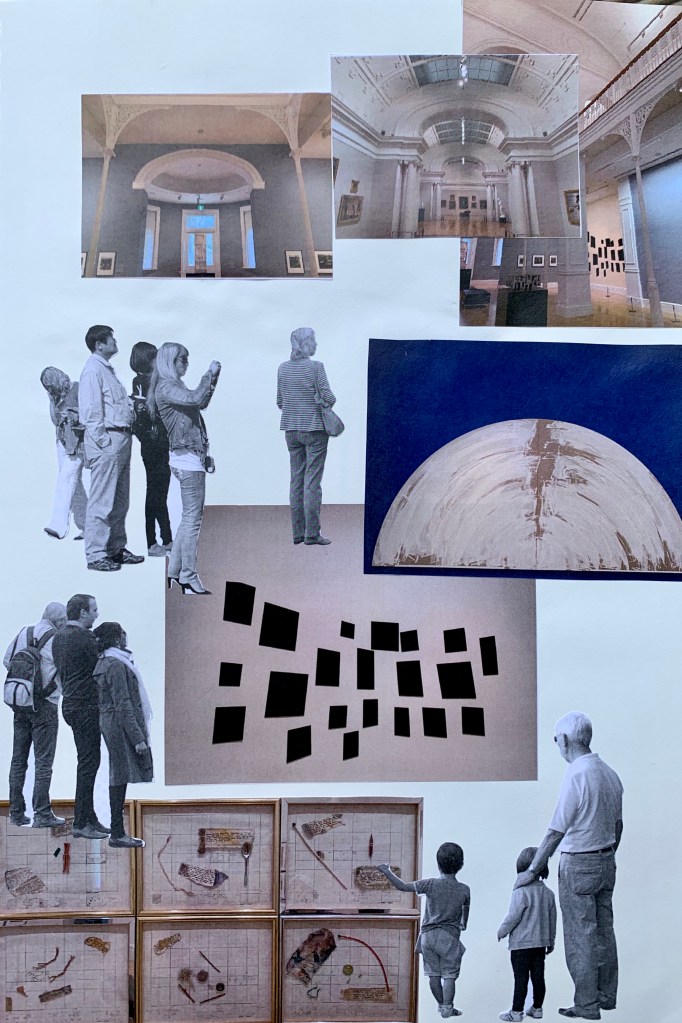
First of all, the gallery is a public space, which provides a rest area, exhibition area, coffee shop, gift shop and so on. The gallery will hold individual exhibitions of some artists from time to time. An art exhibition is a social event that brings people who are interested in art together to discuss, appreciate, buy, etc. together.
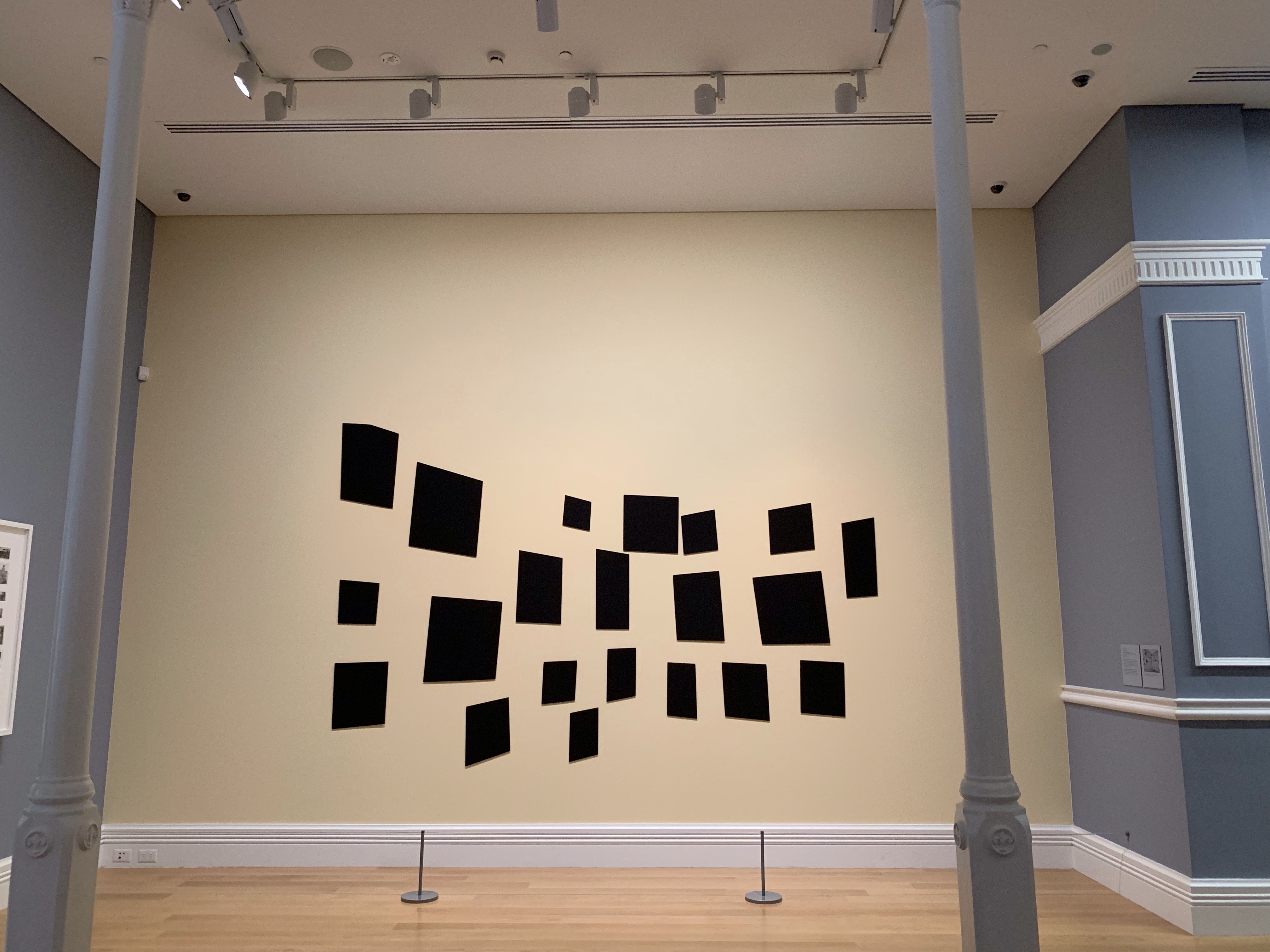
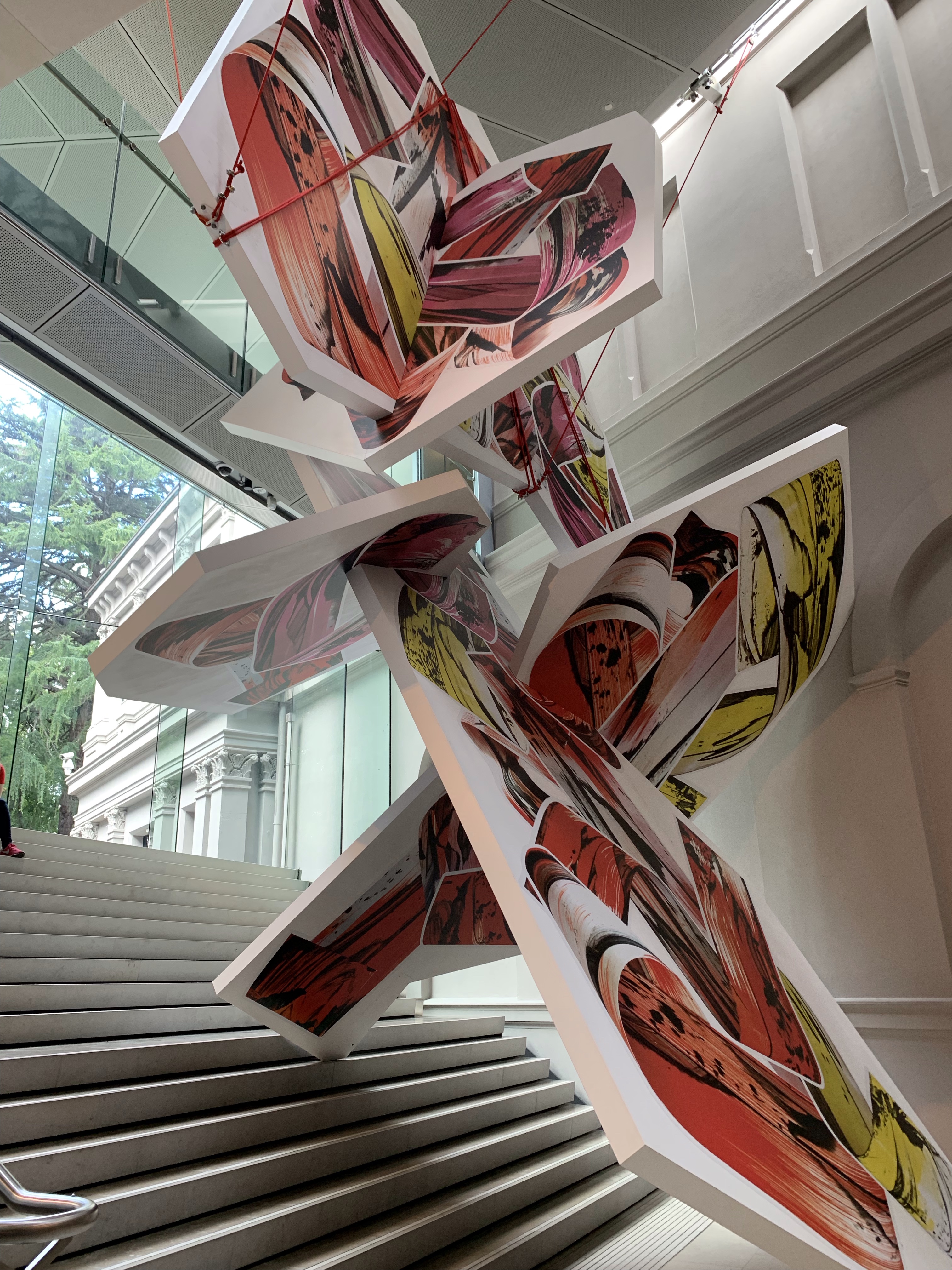
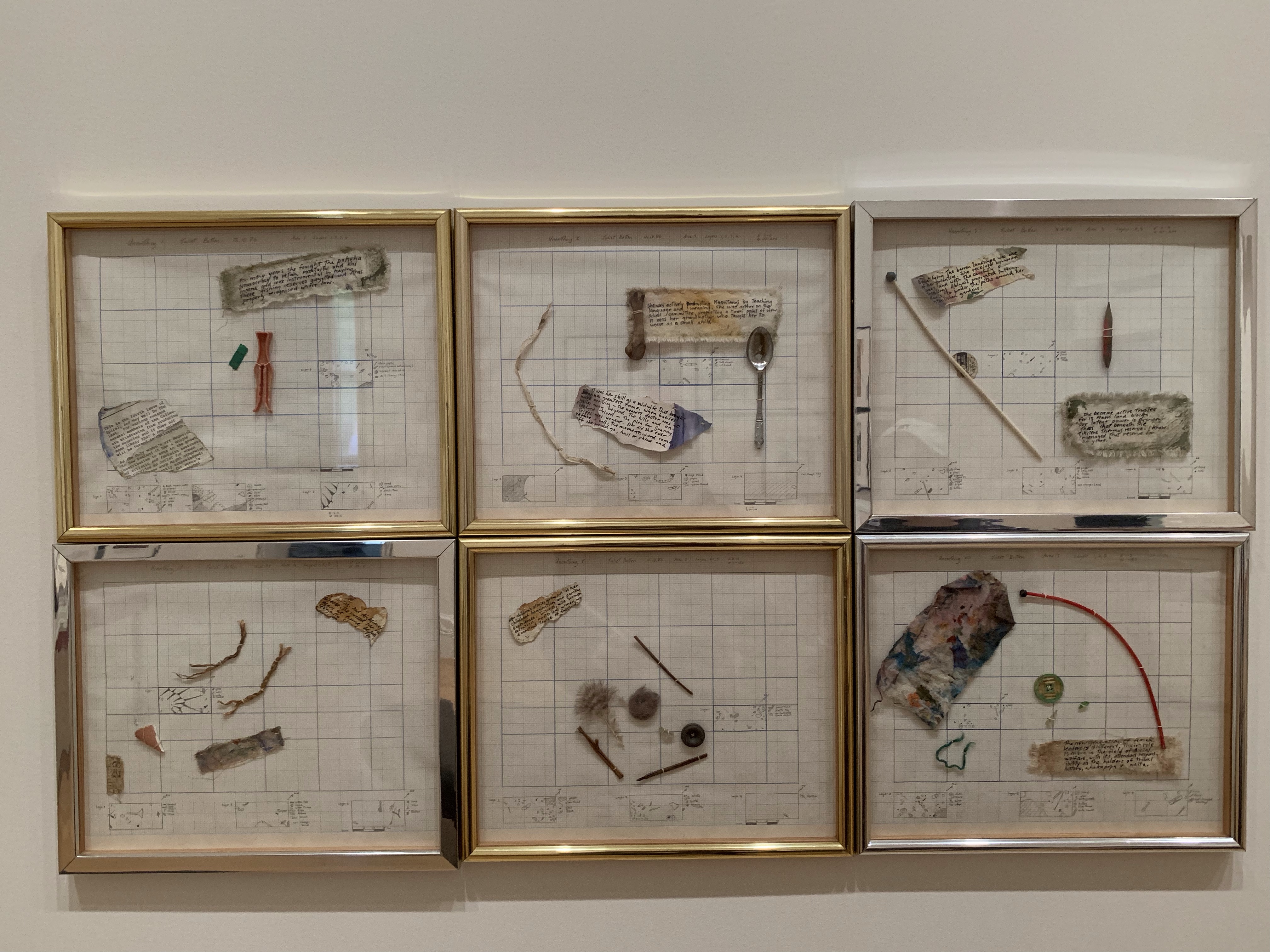

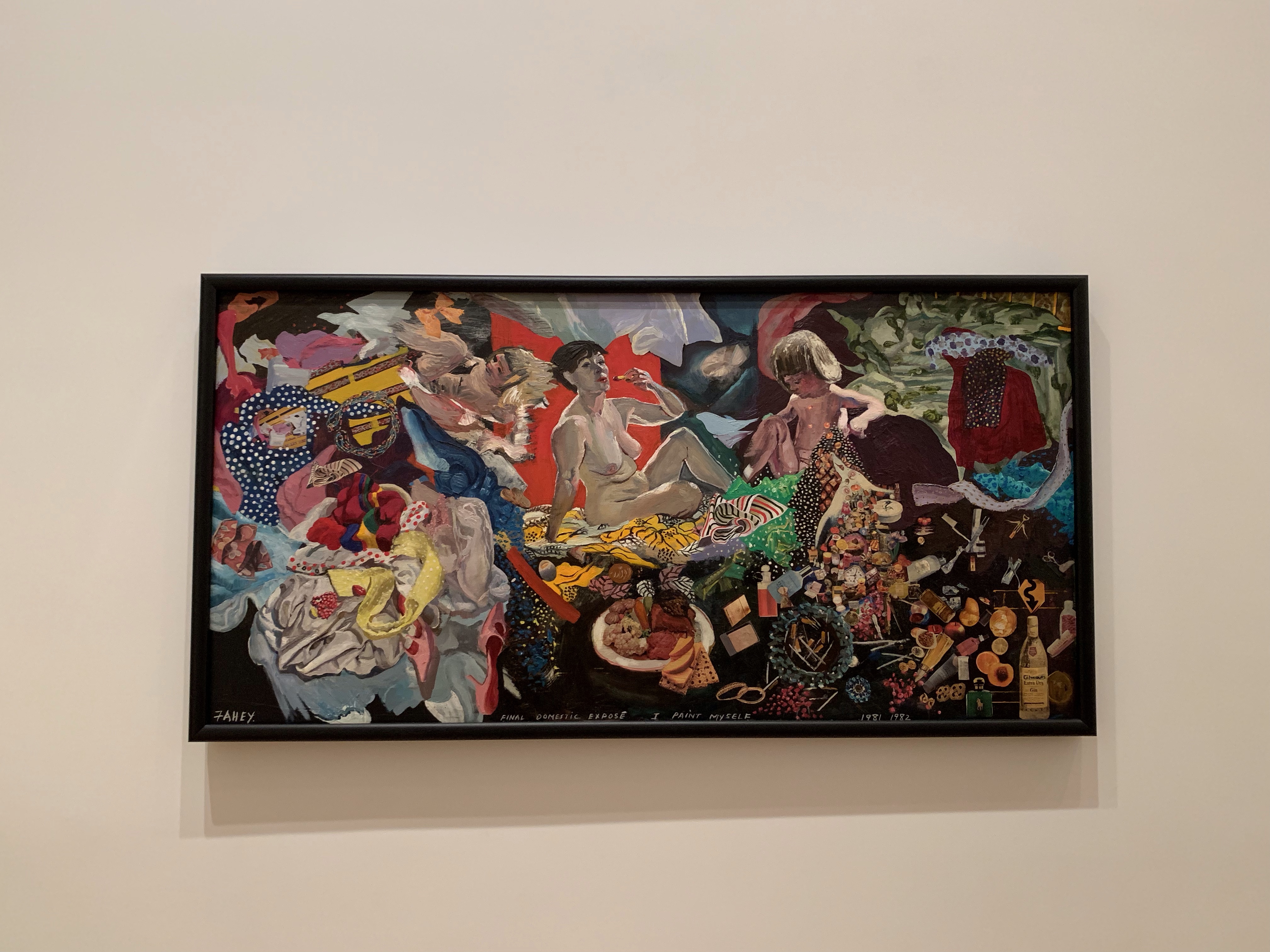
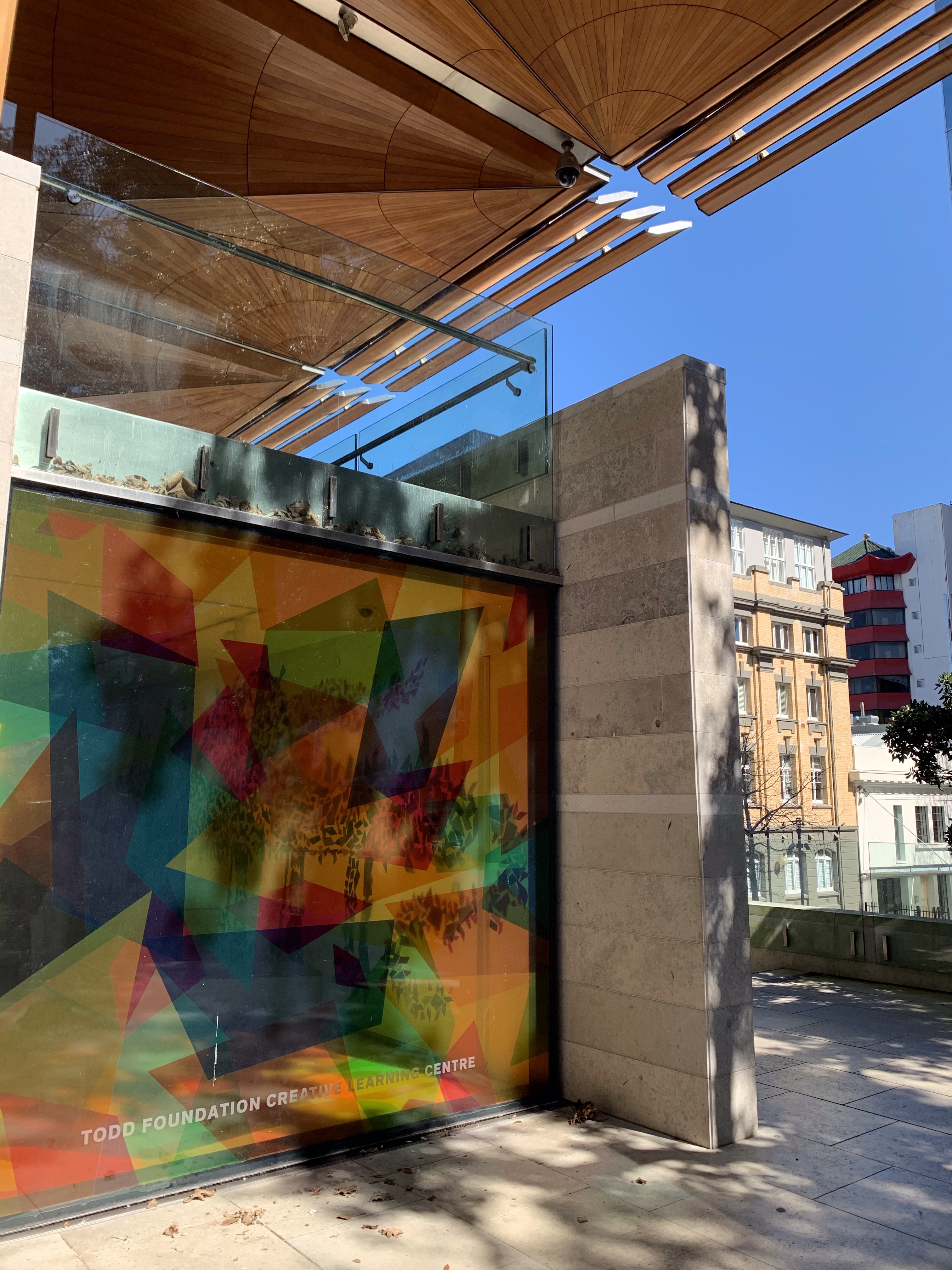
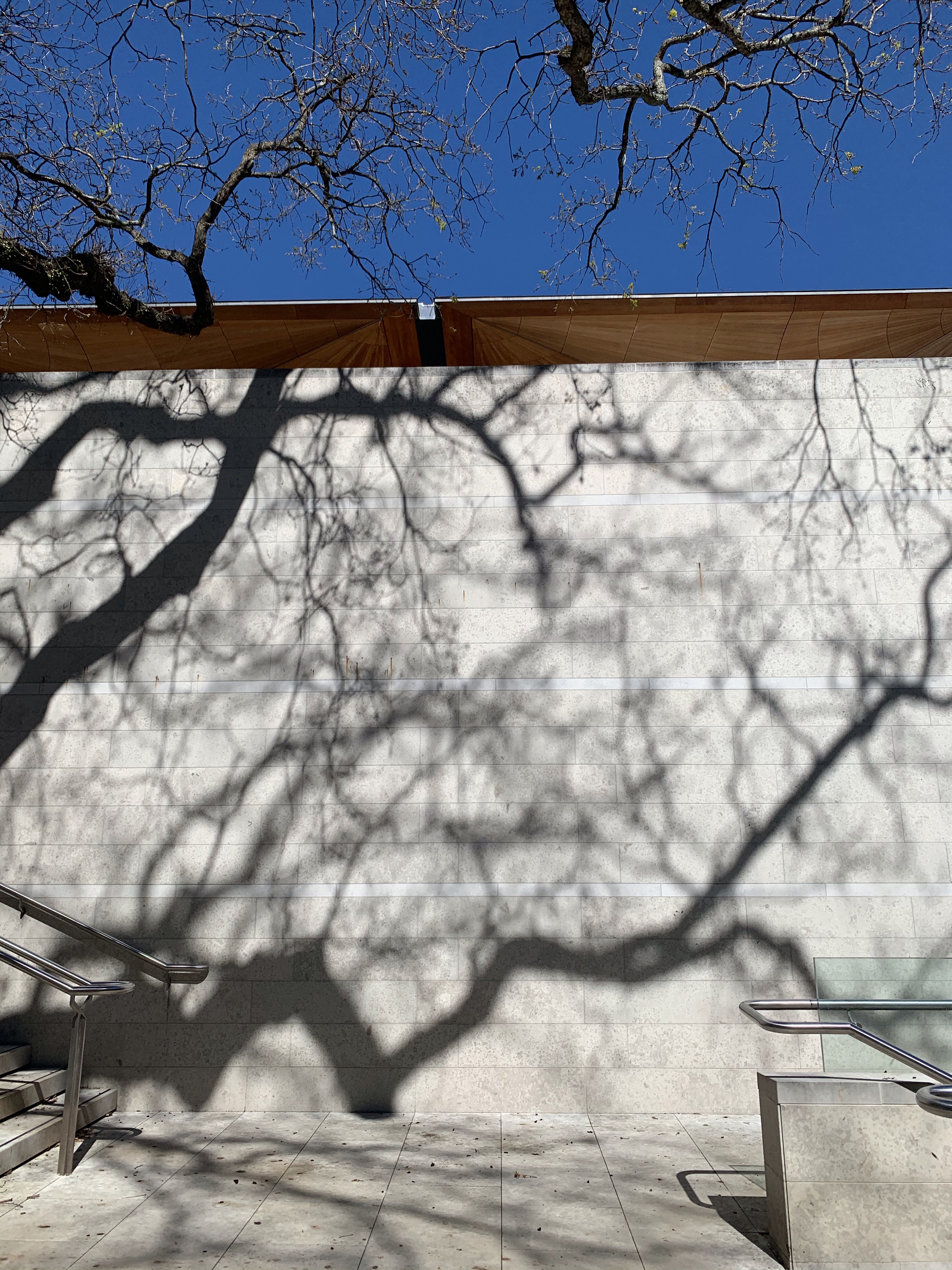
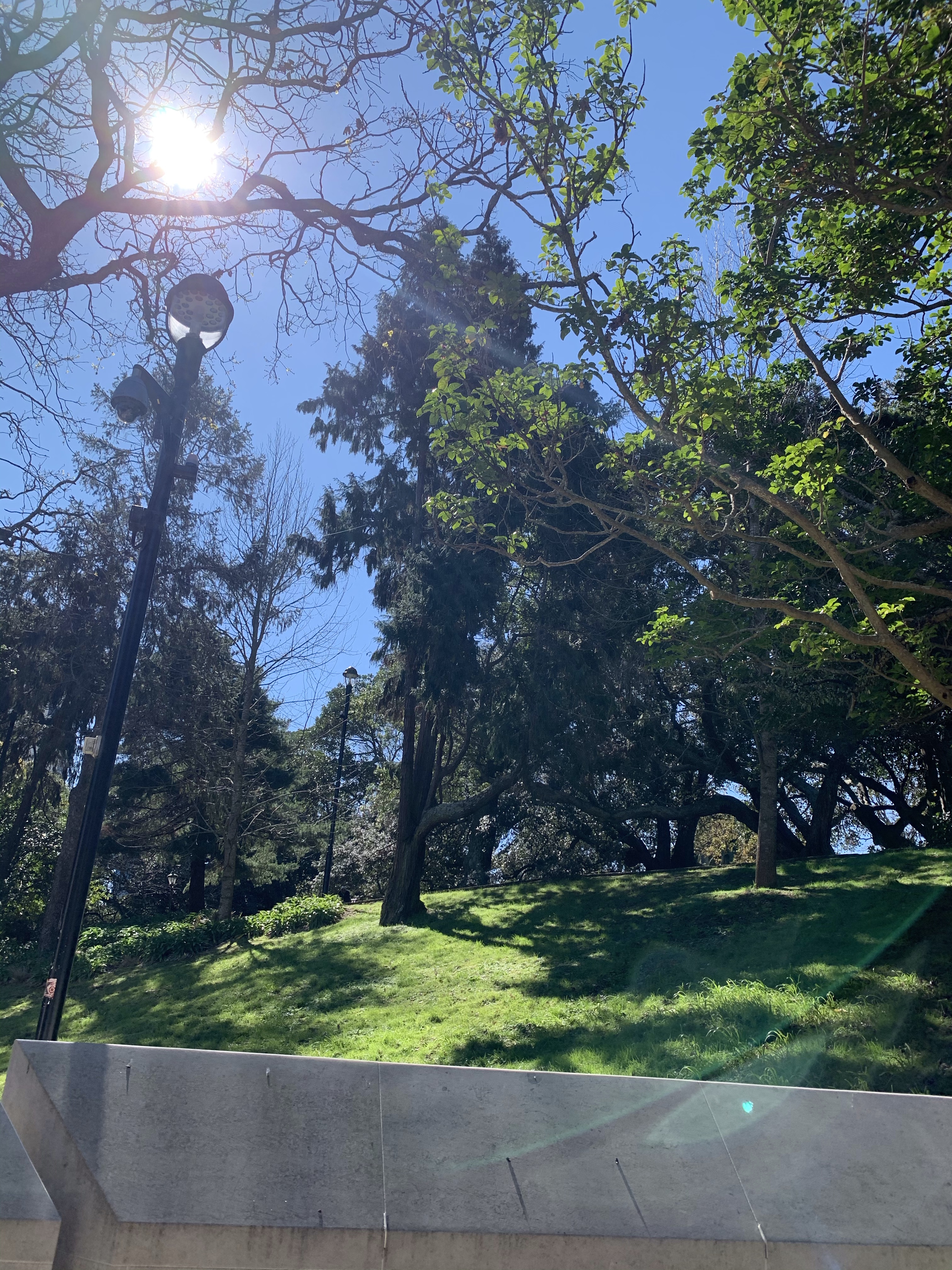
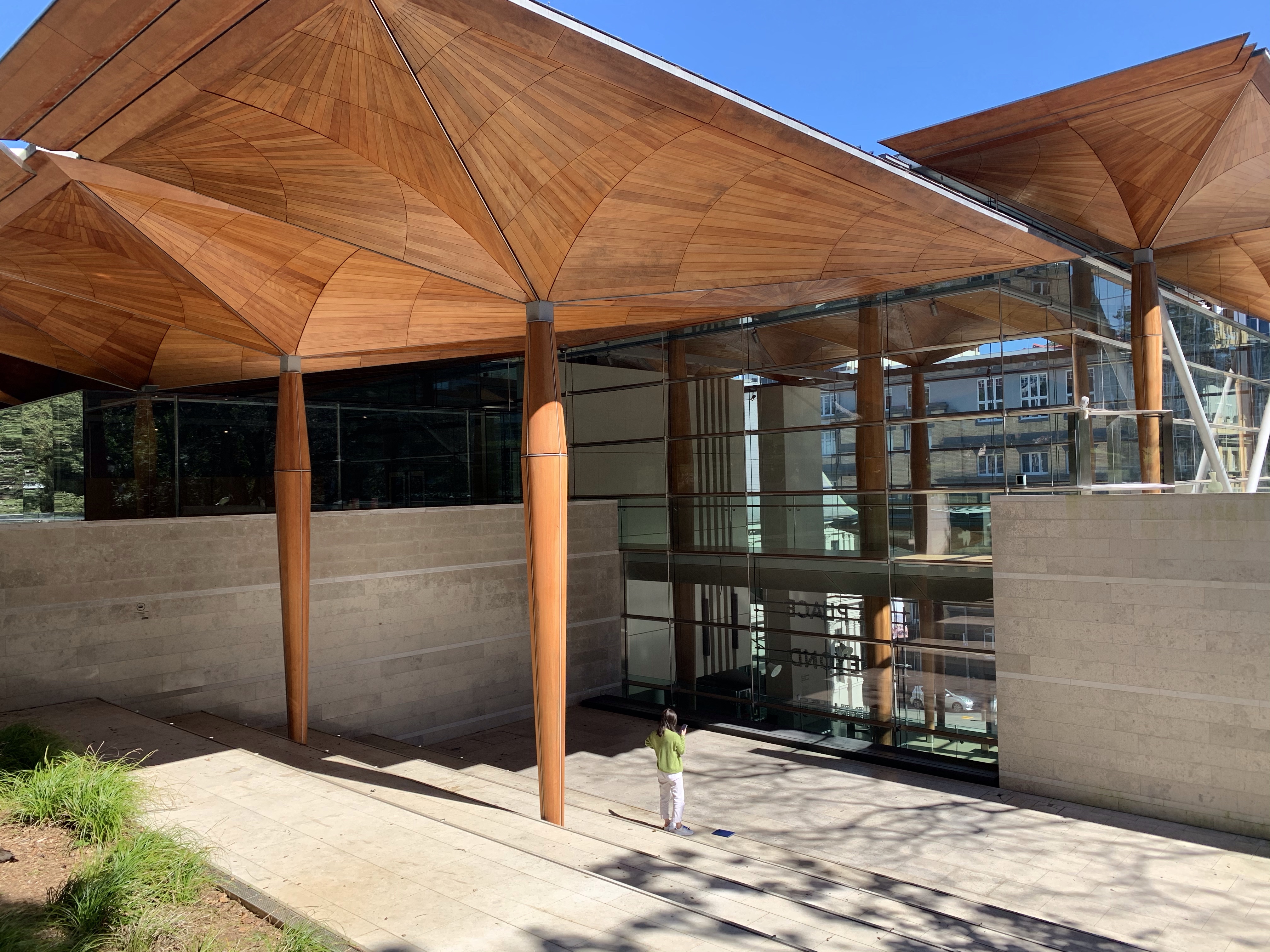
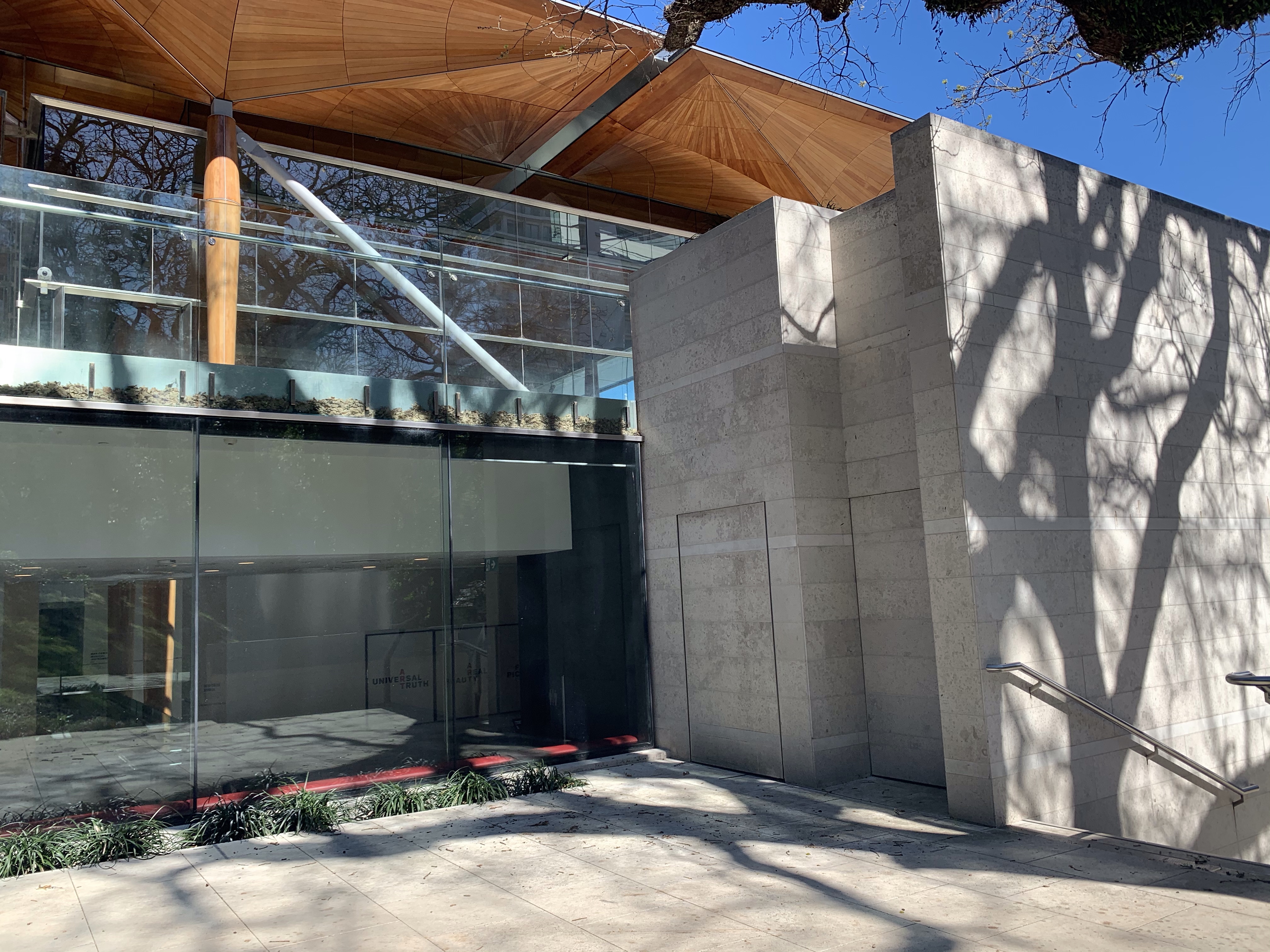
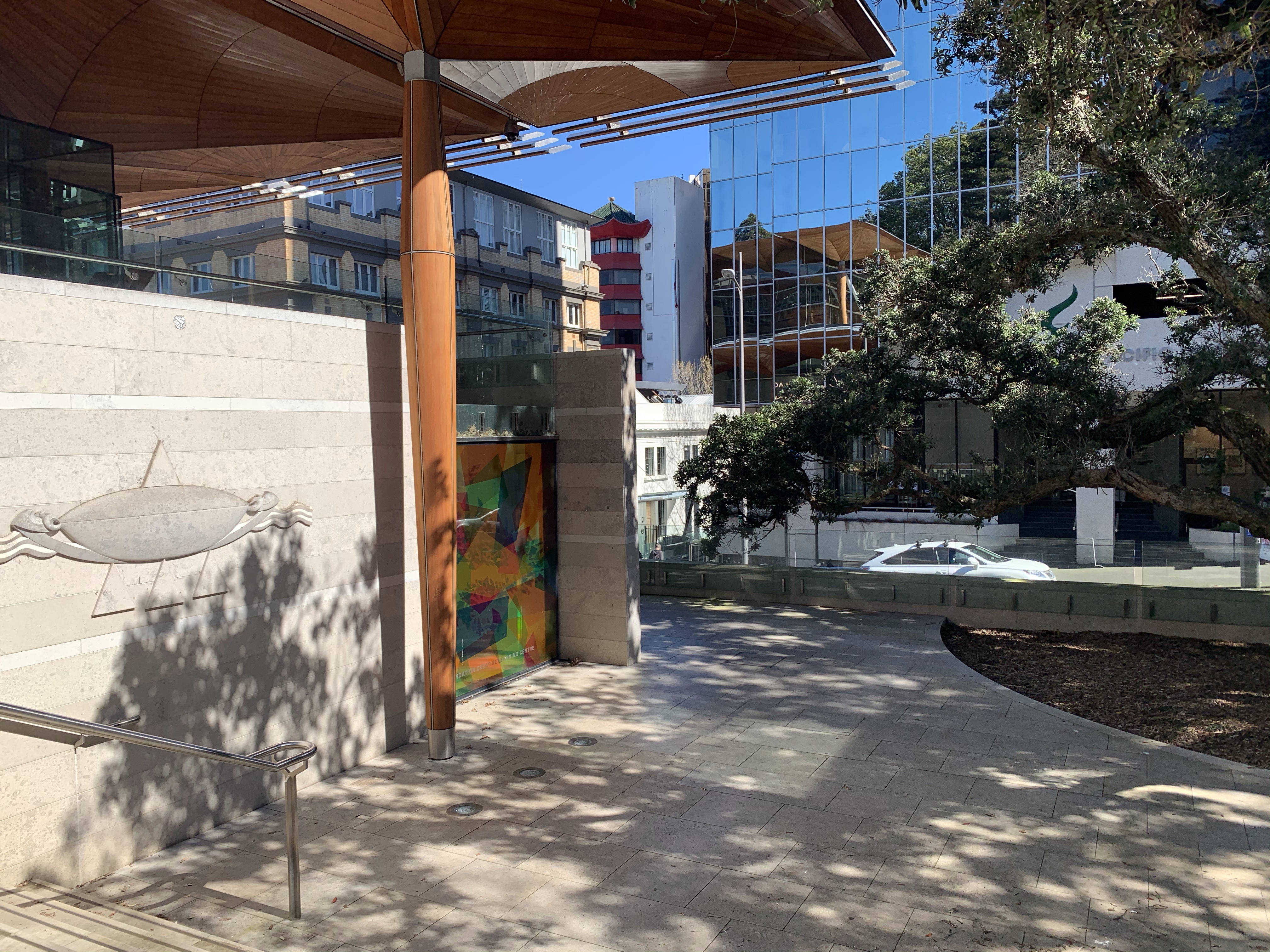
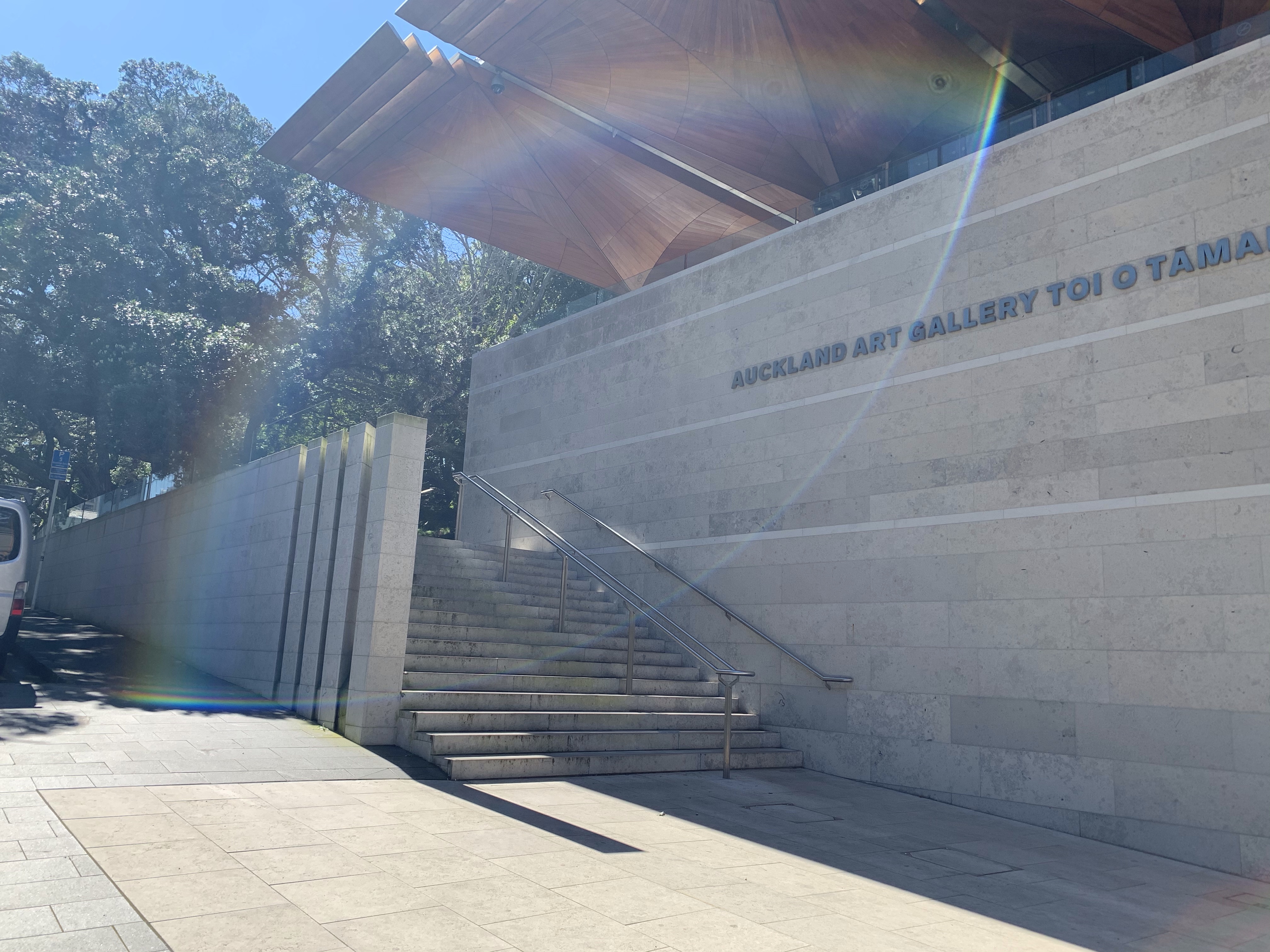
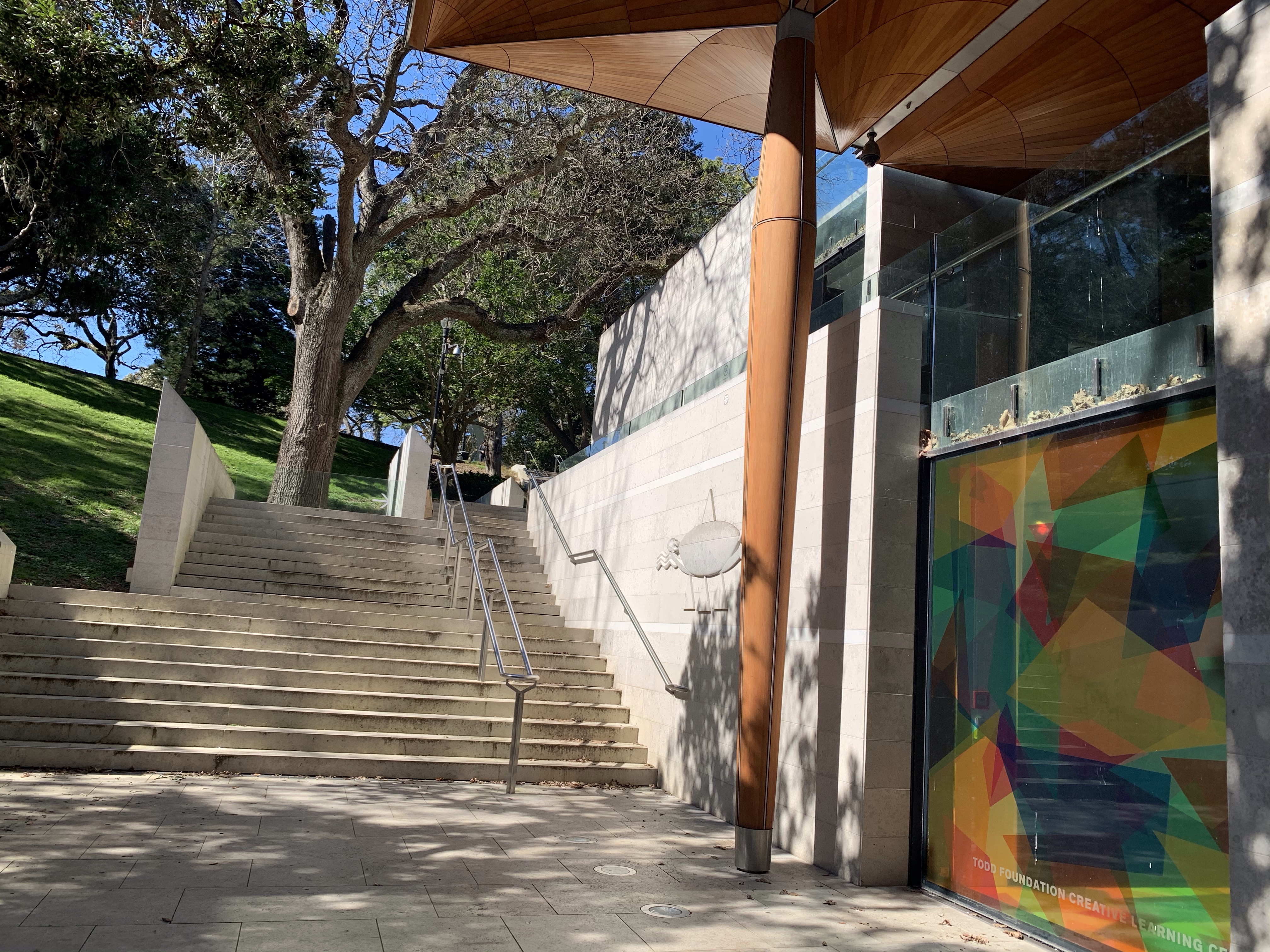
Final Work
Gravitational Pull
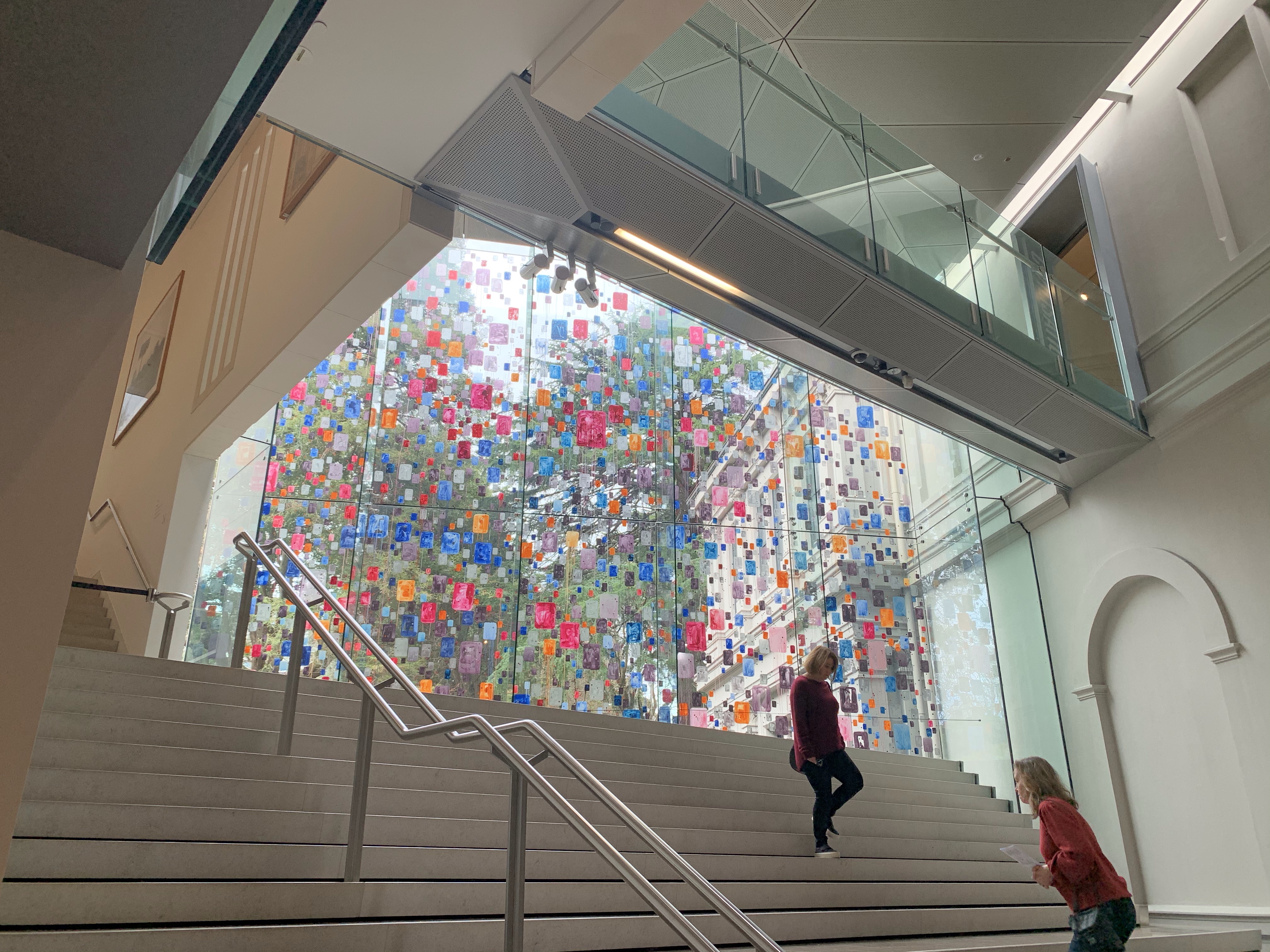
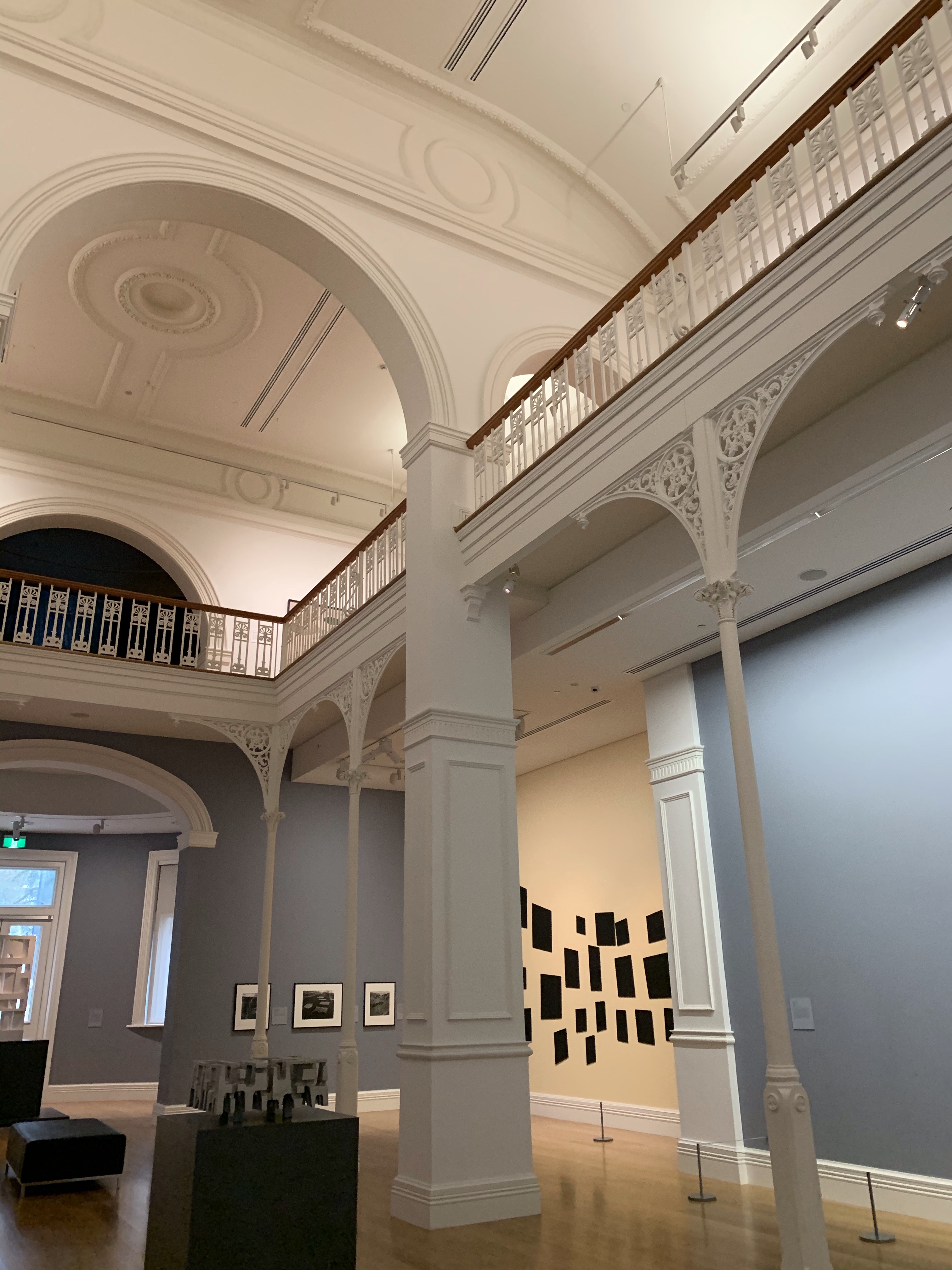
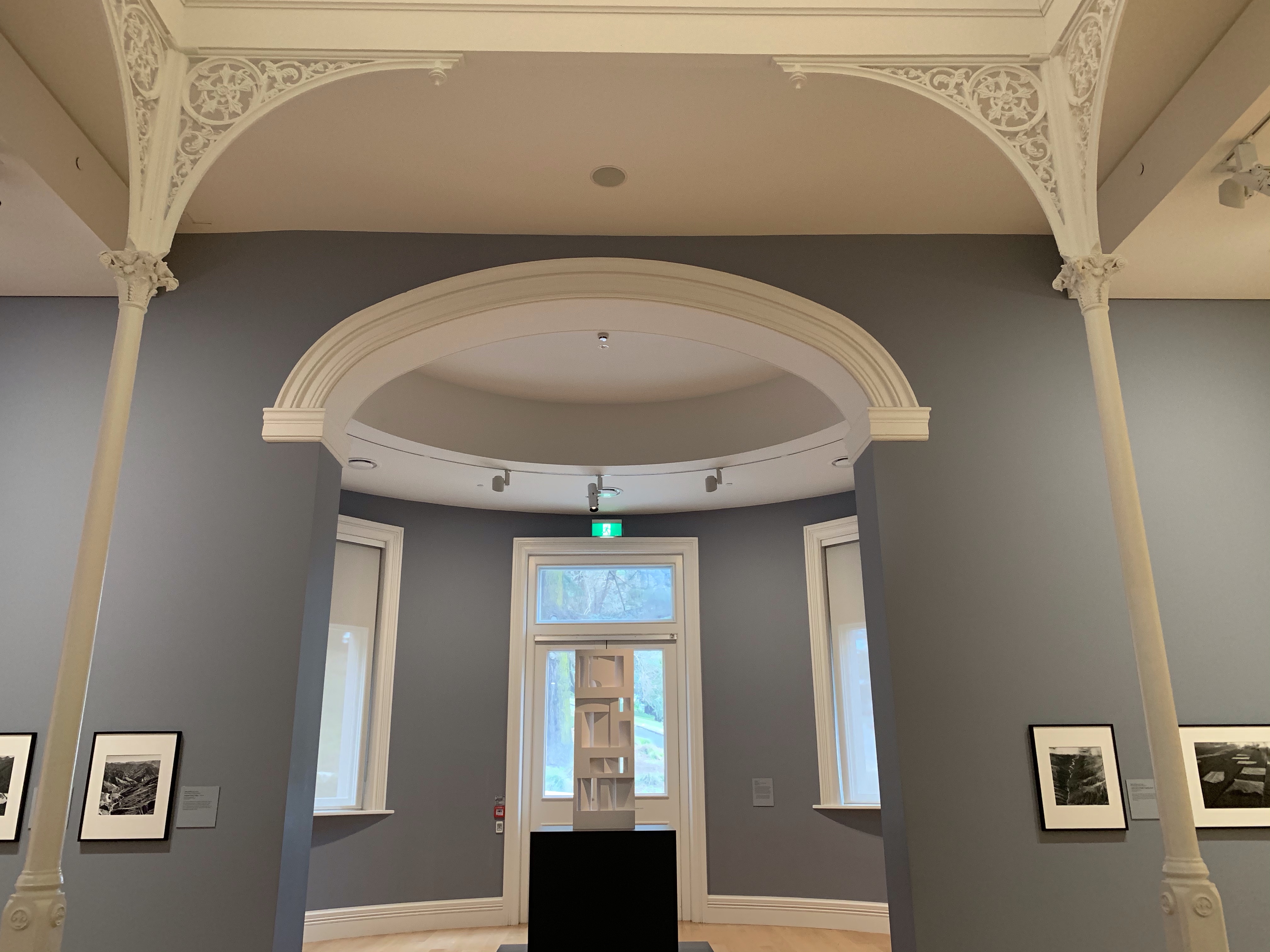
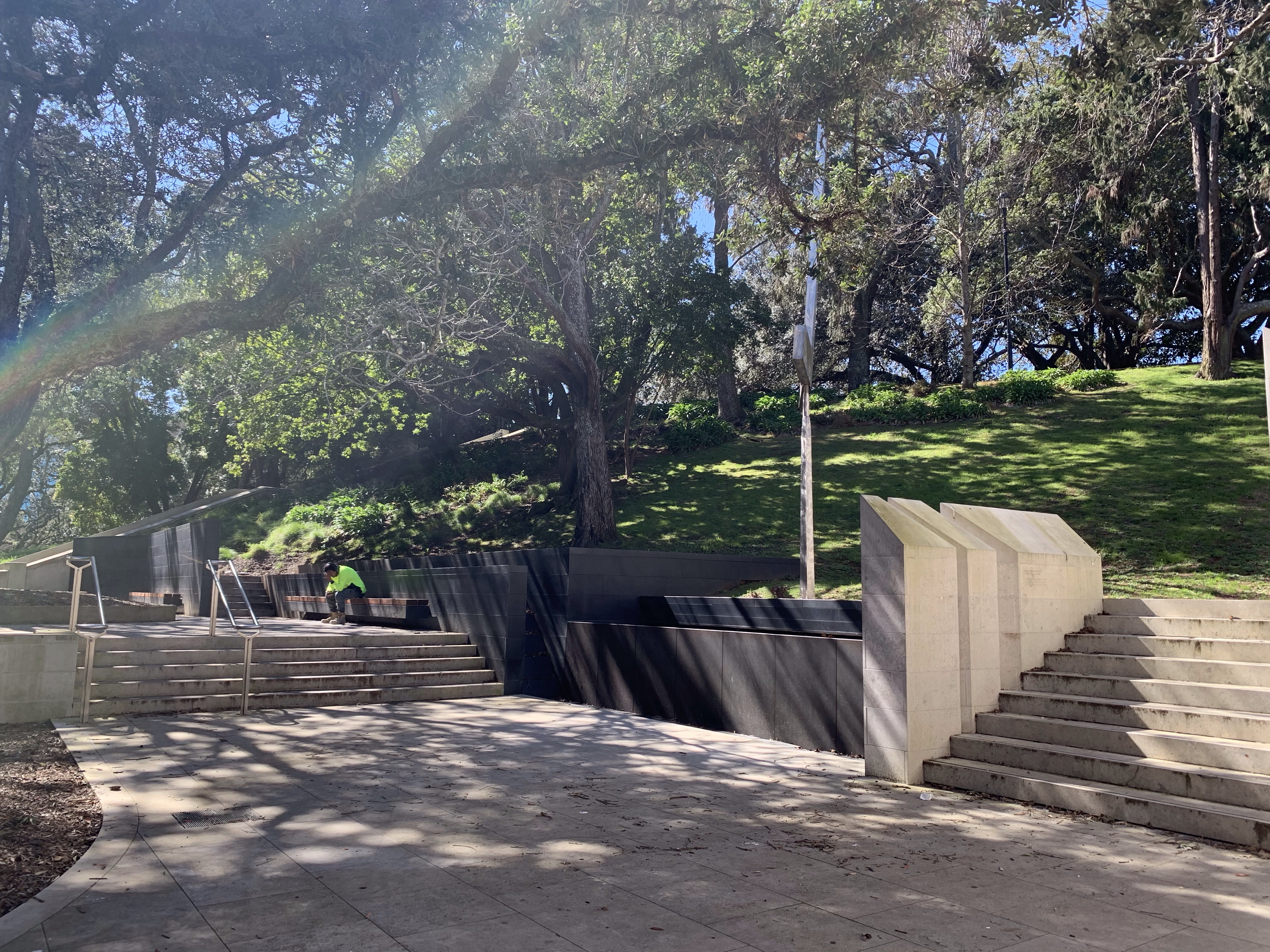
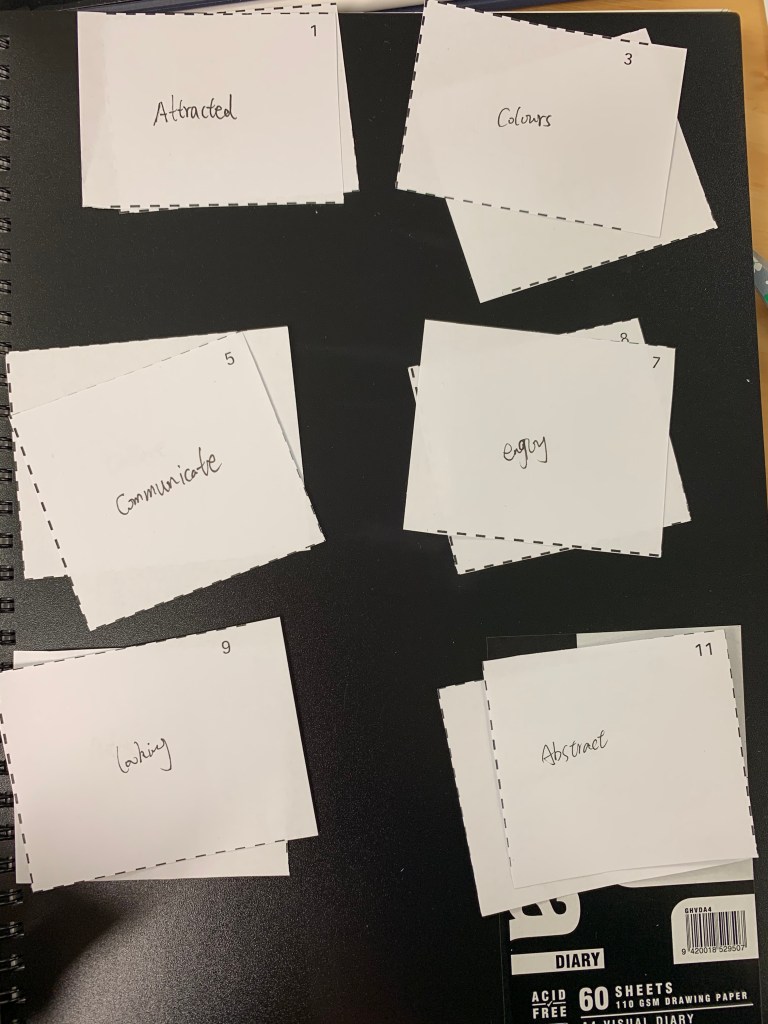
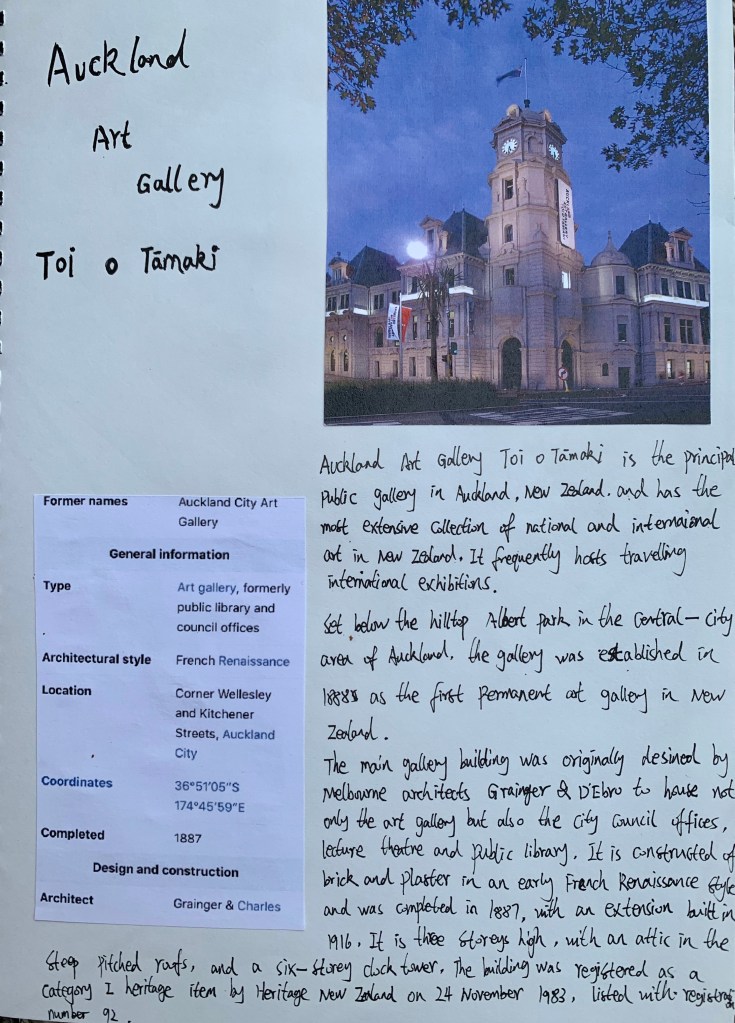
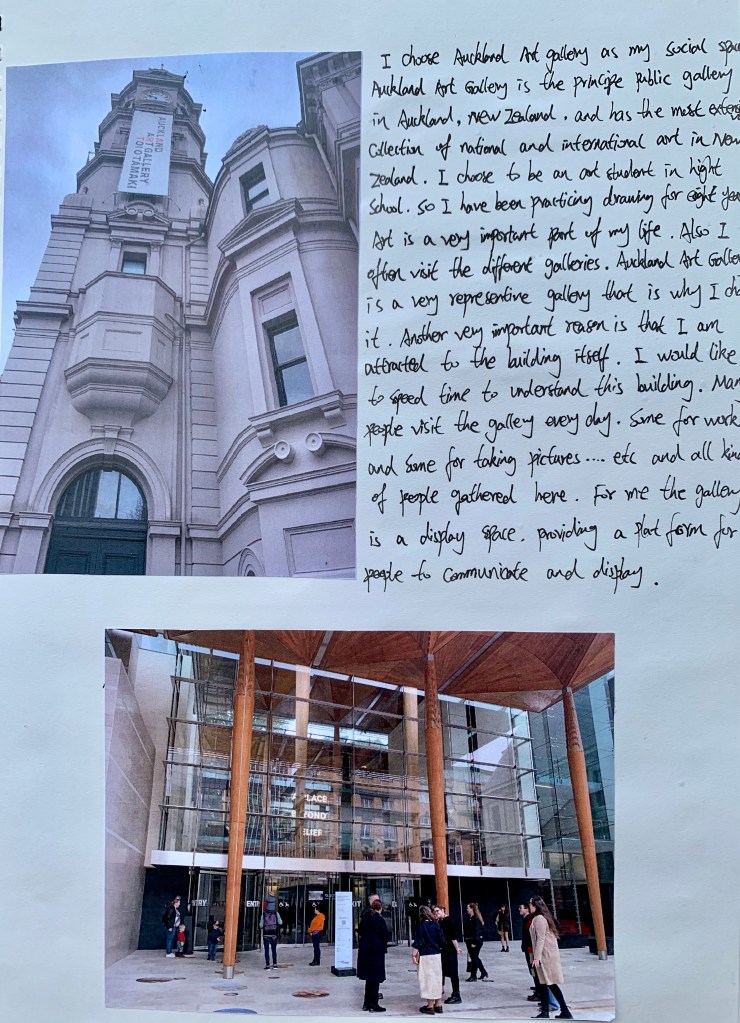
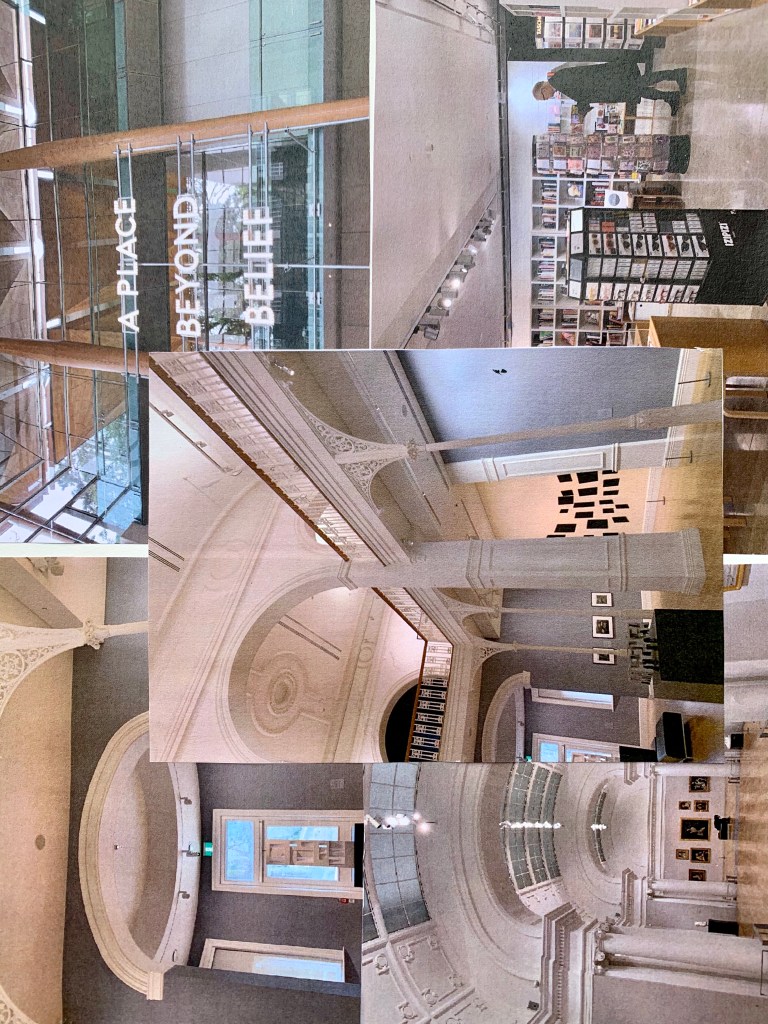
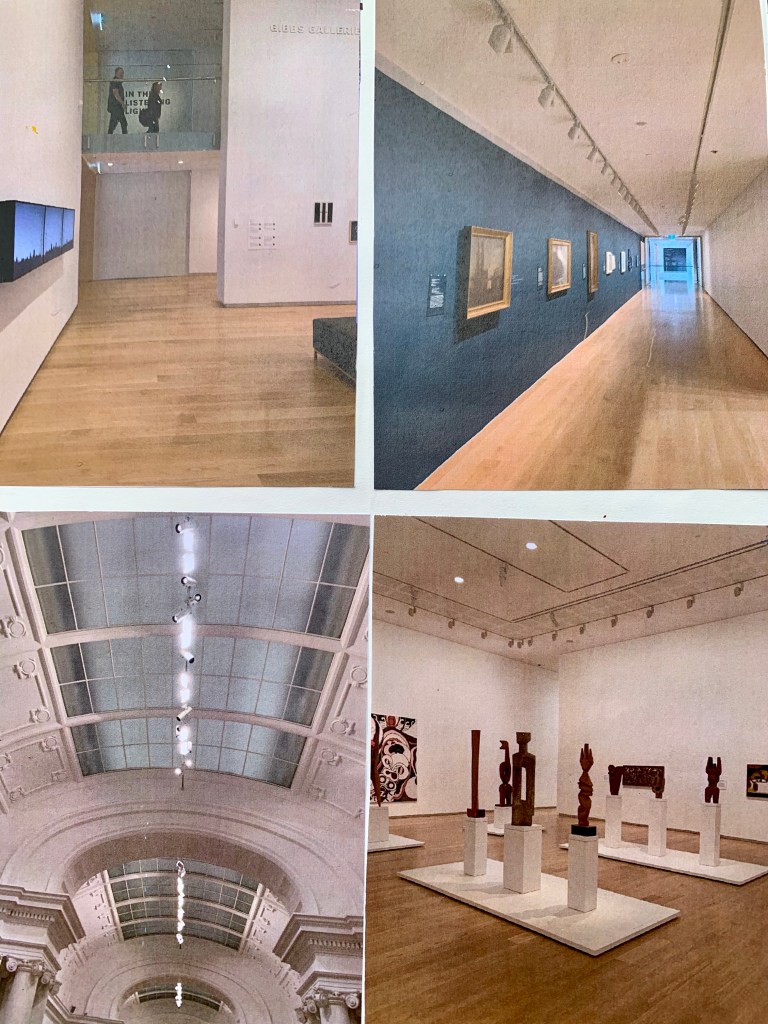
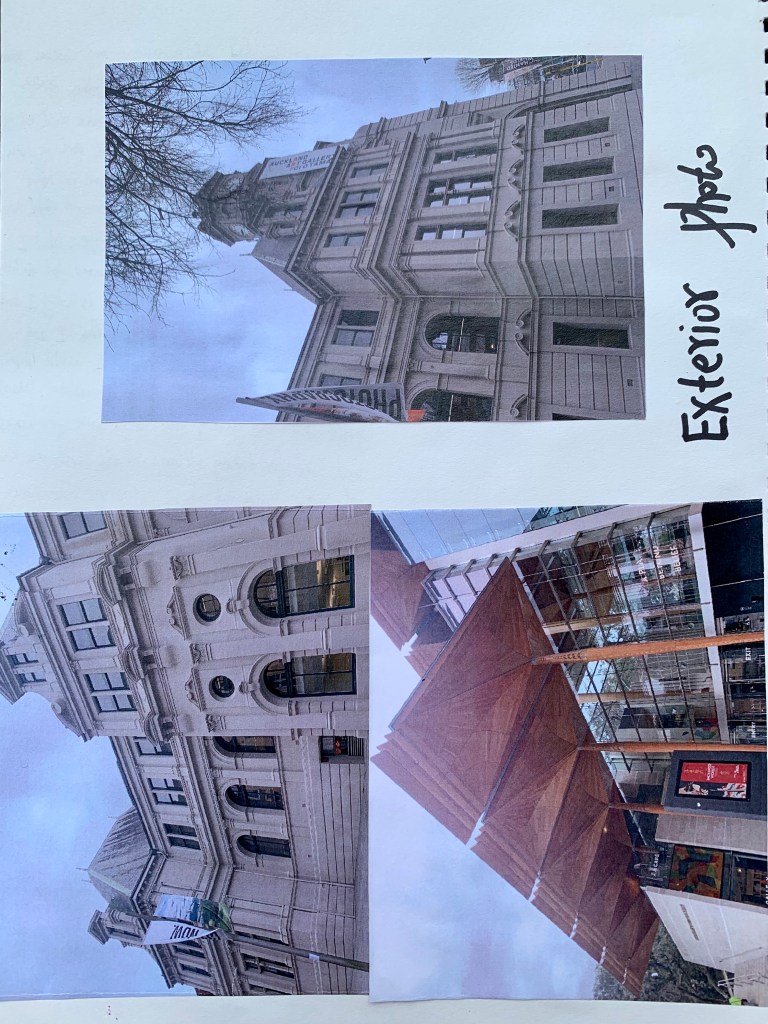
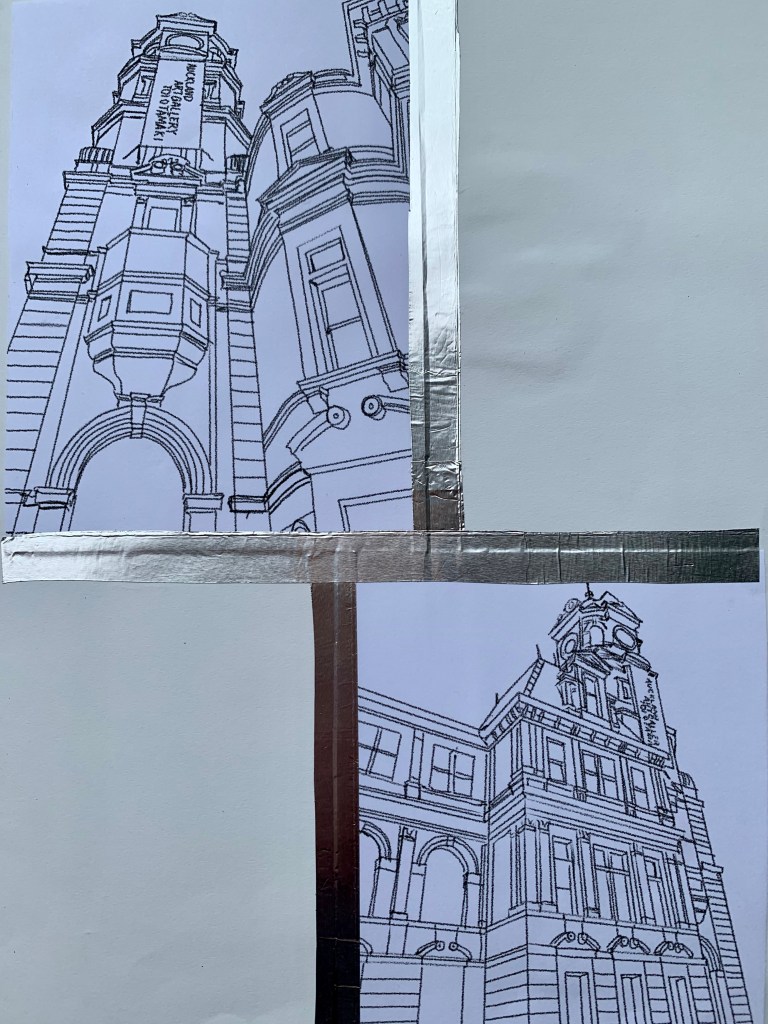
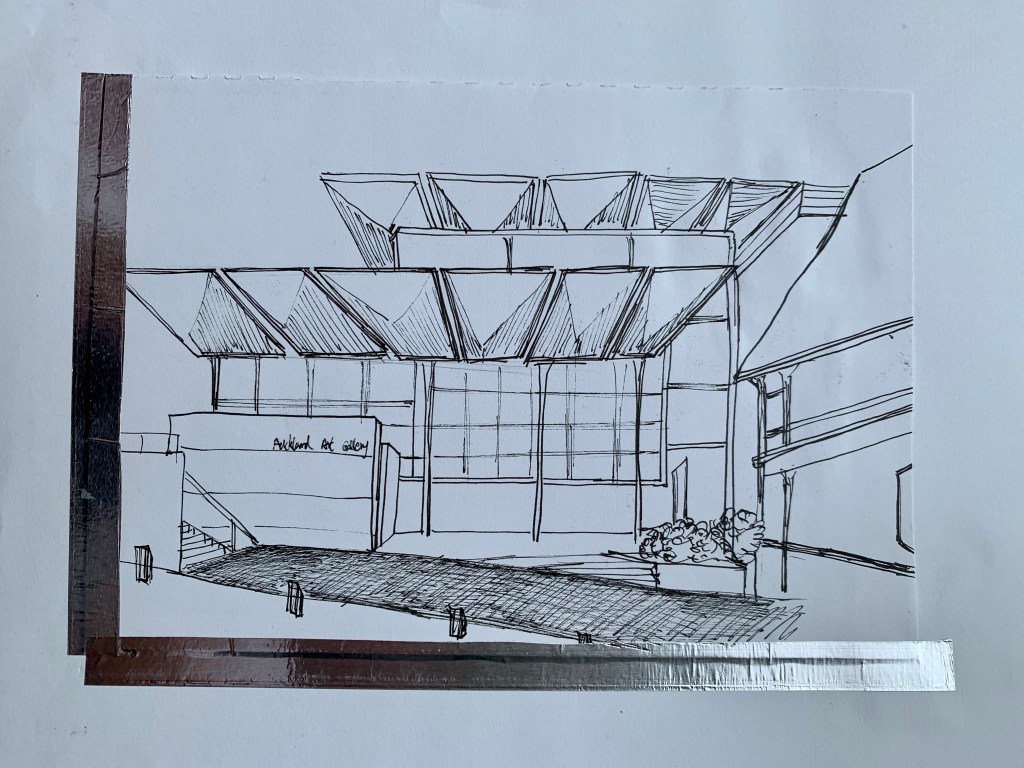
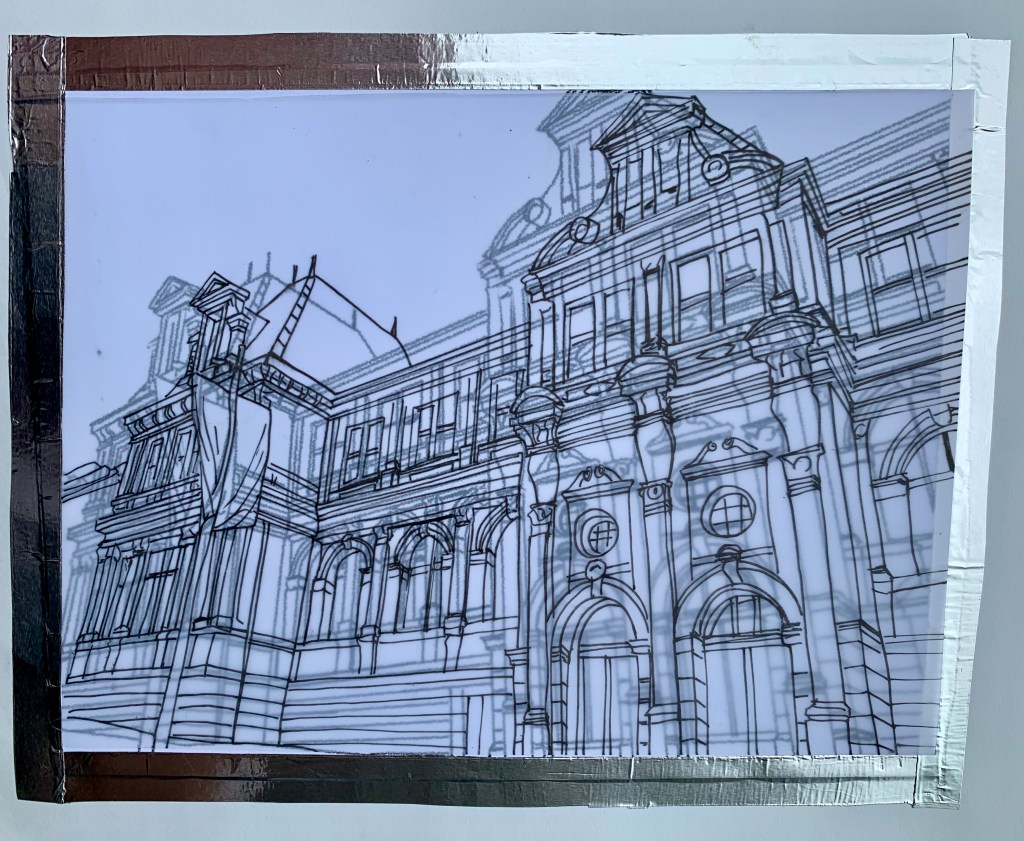
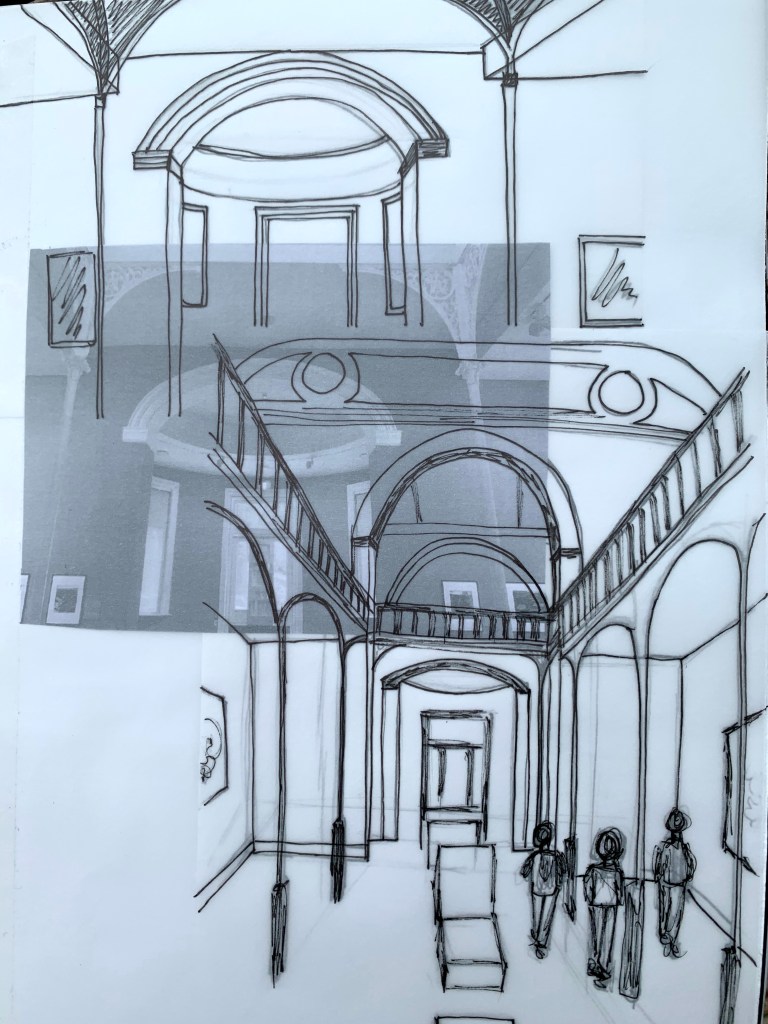
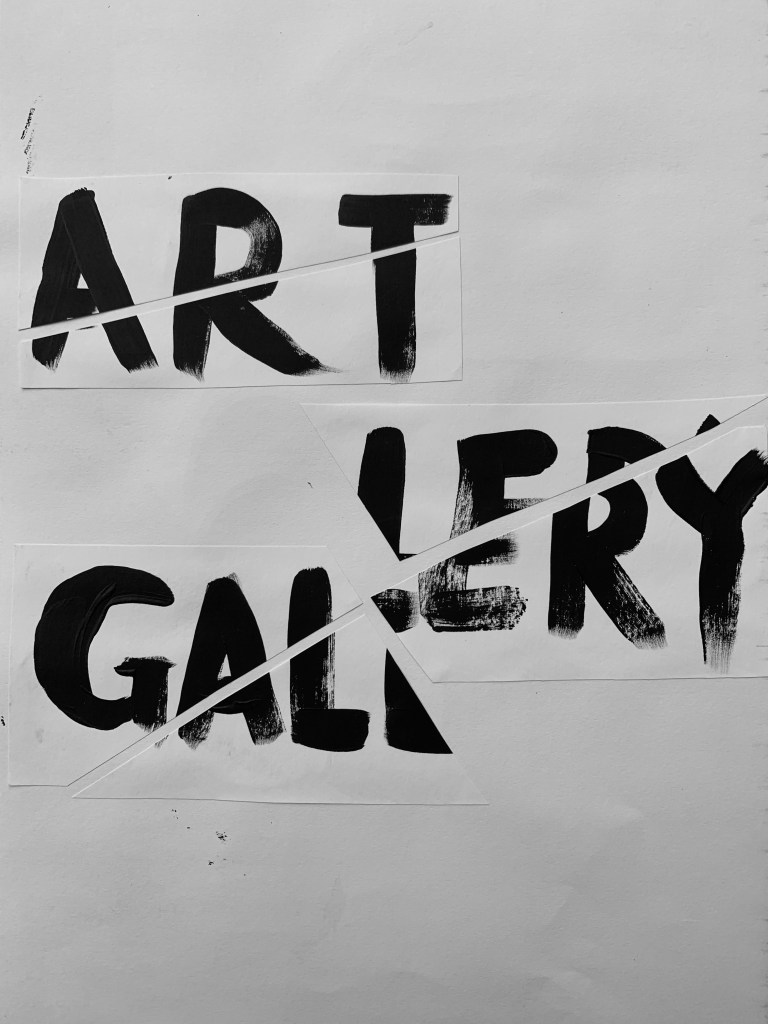
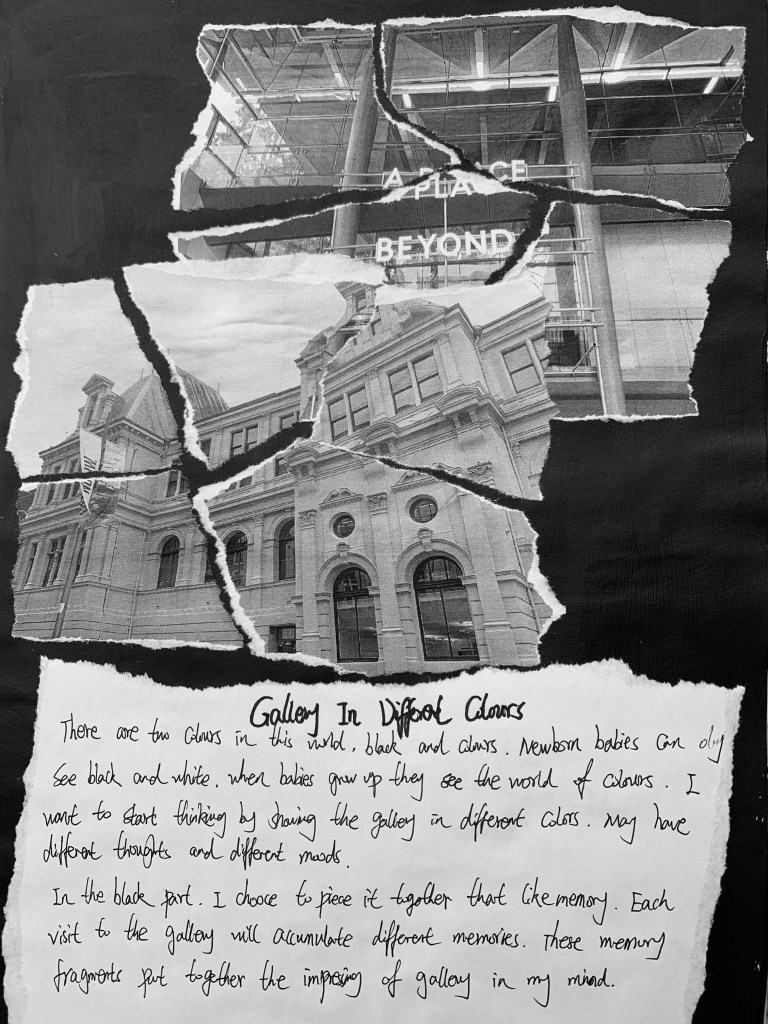
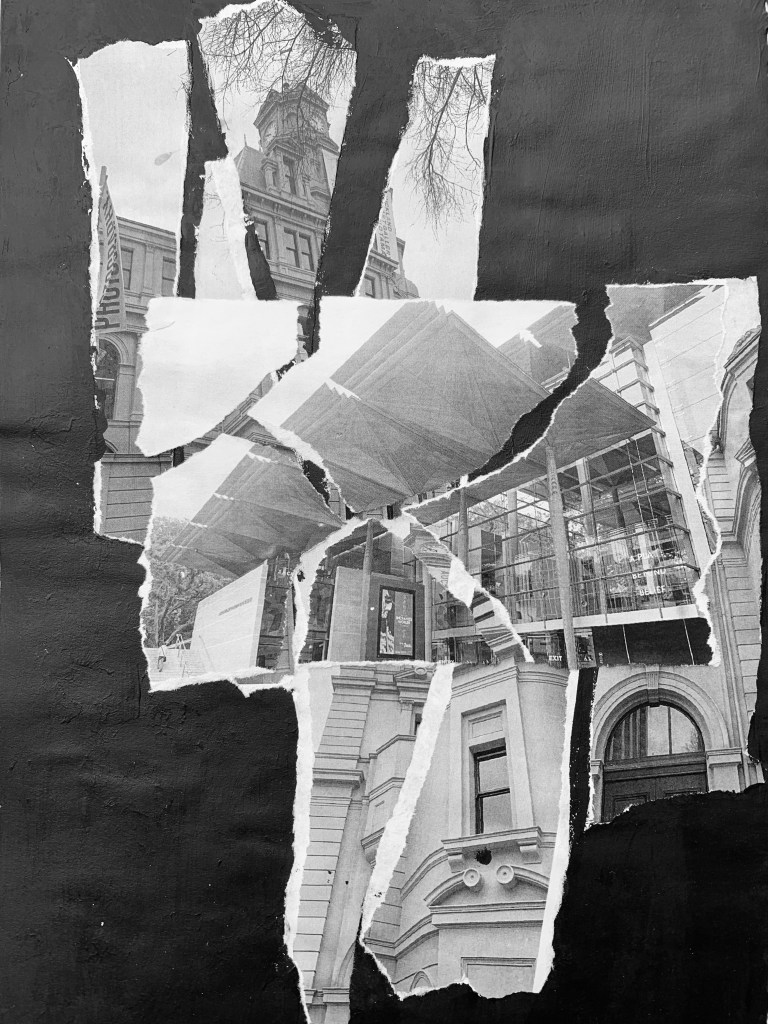
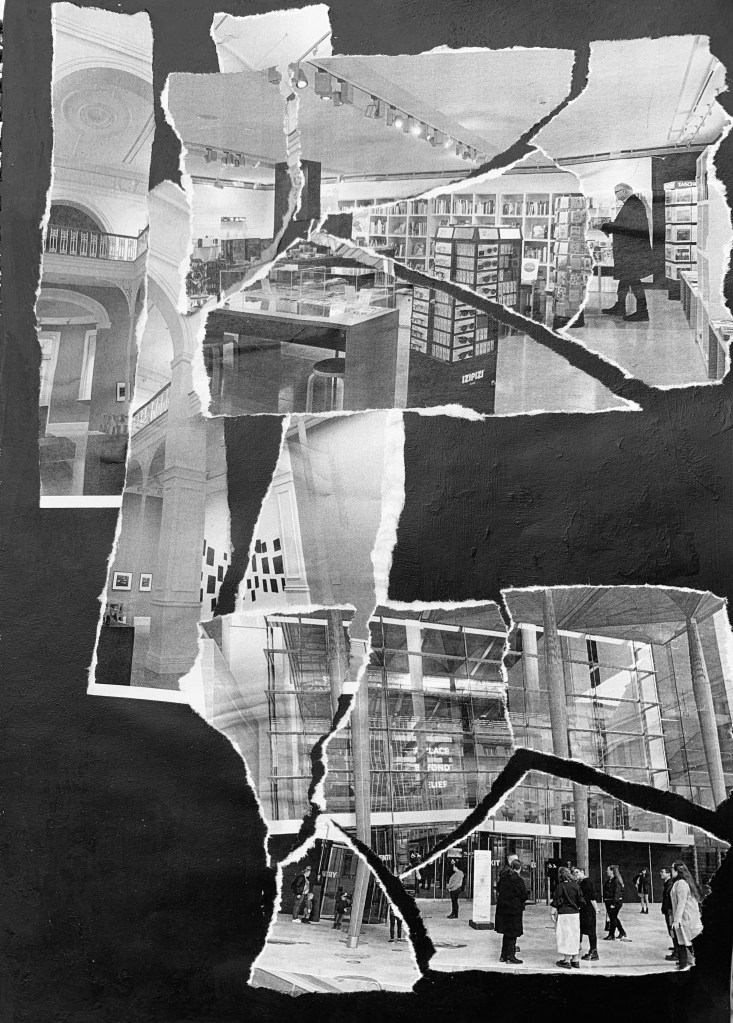
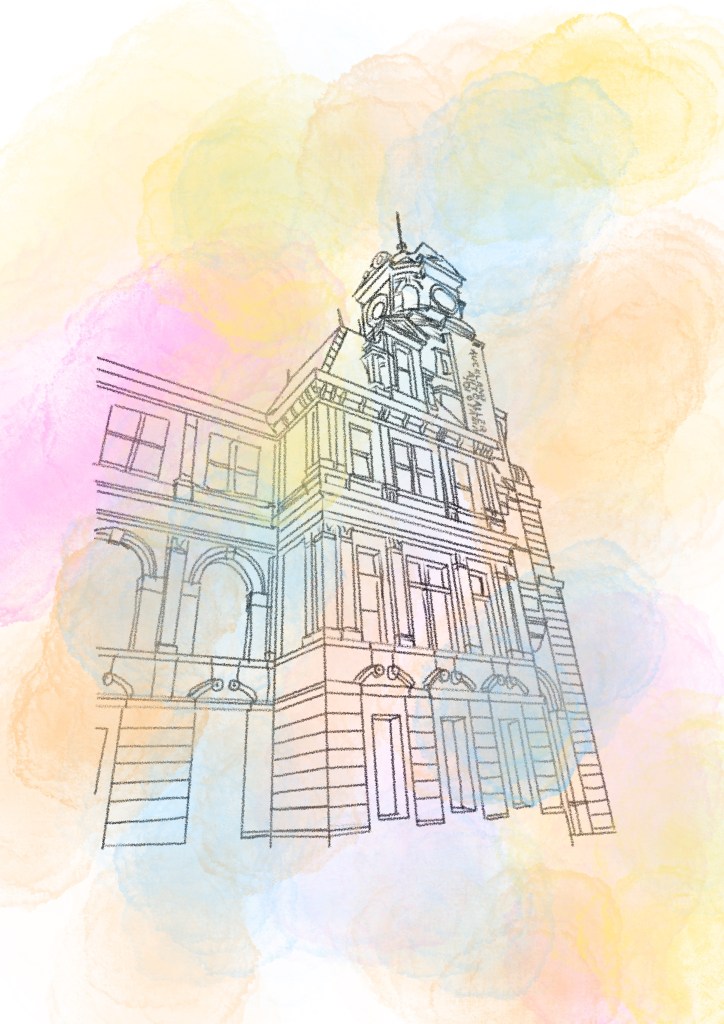
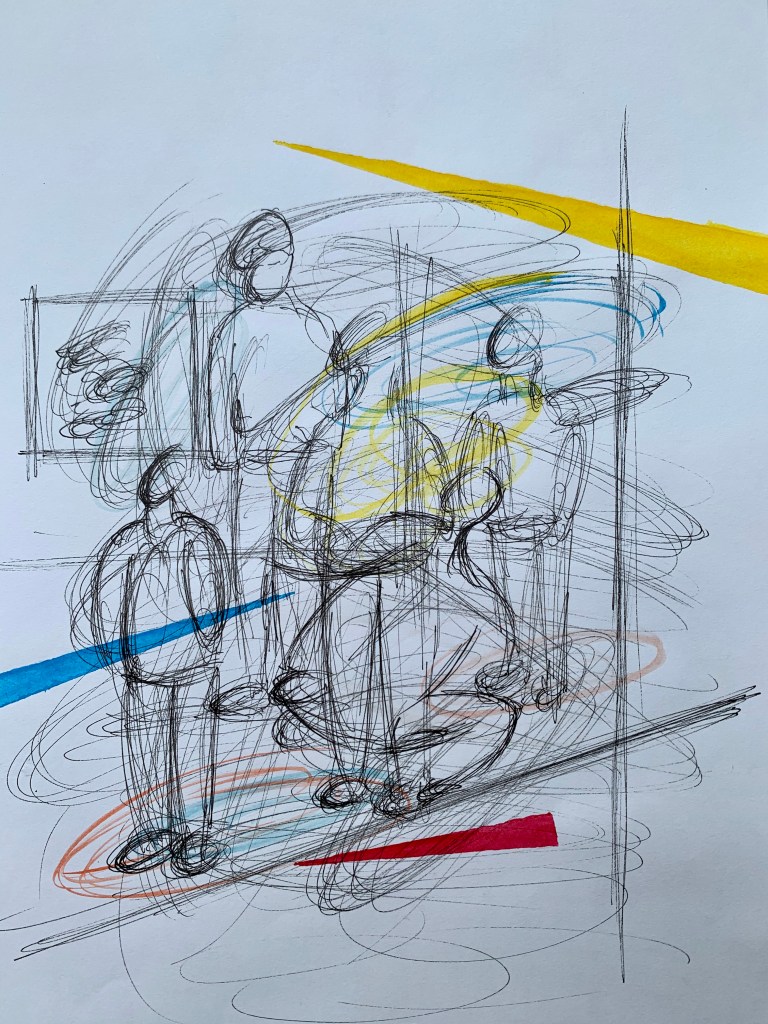
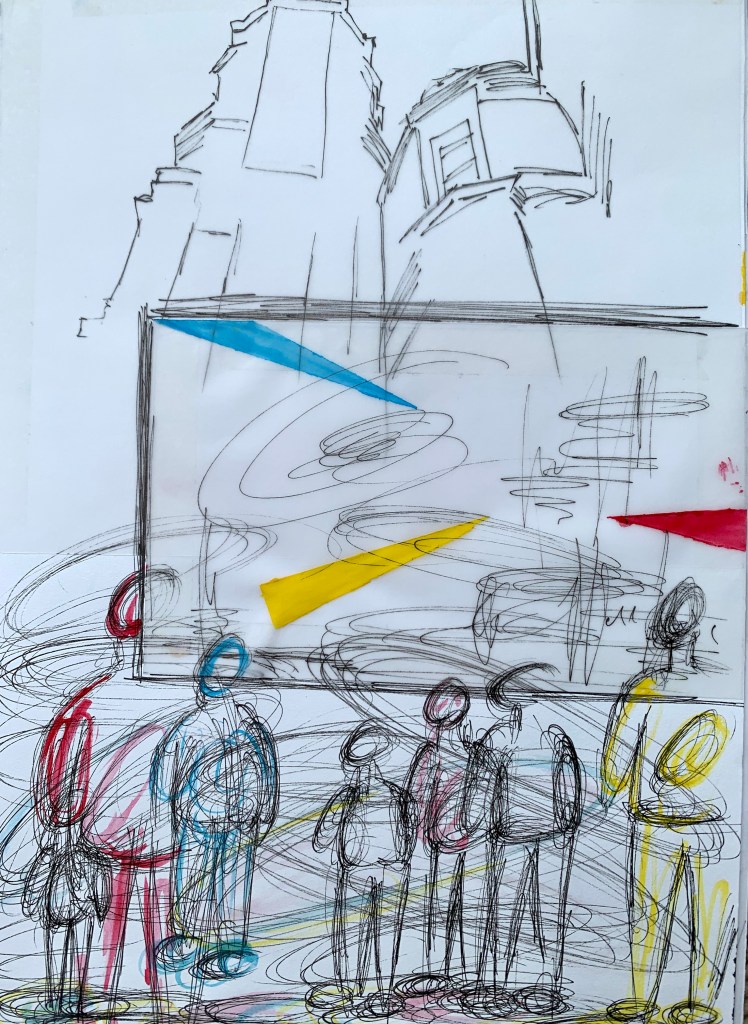
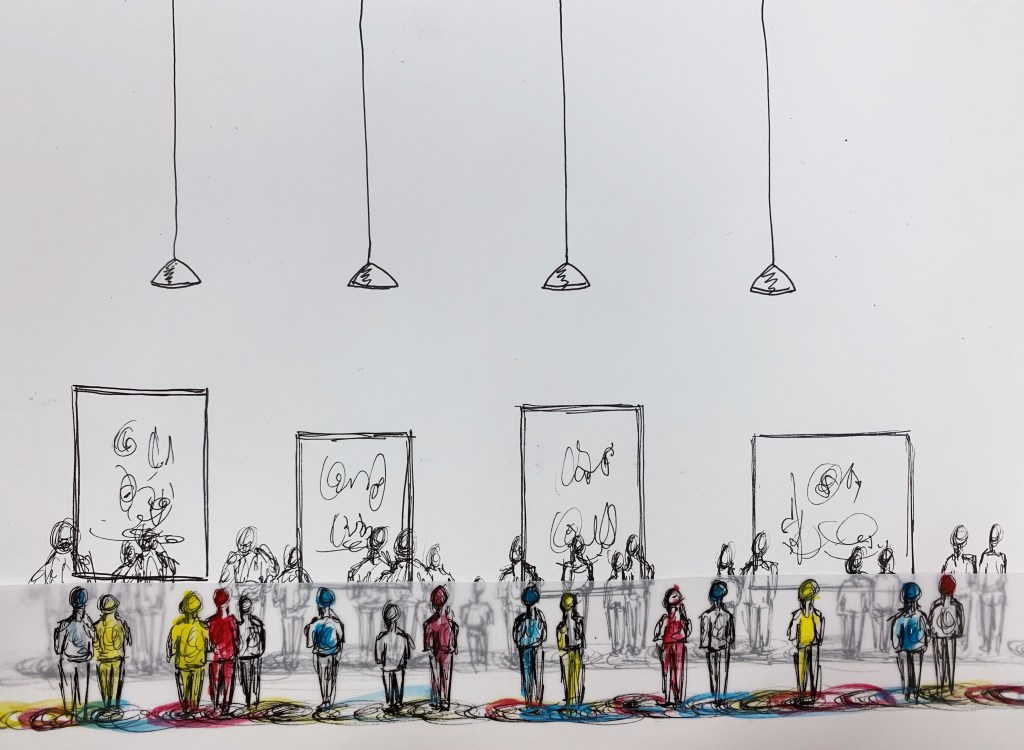
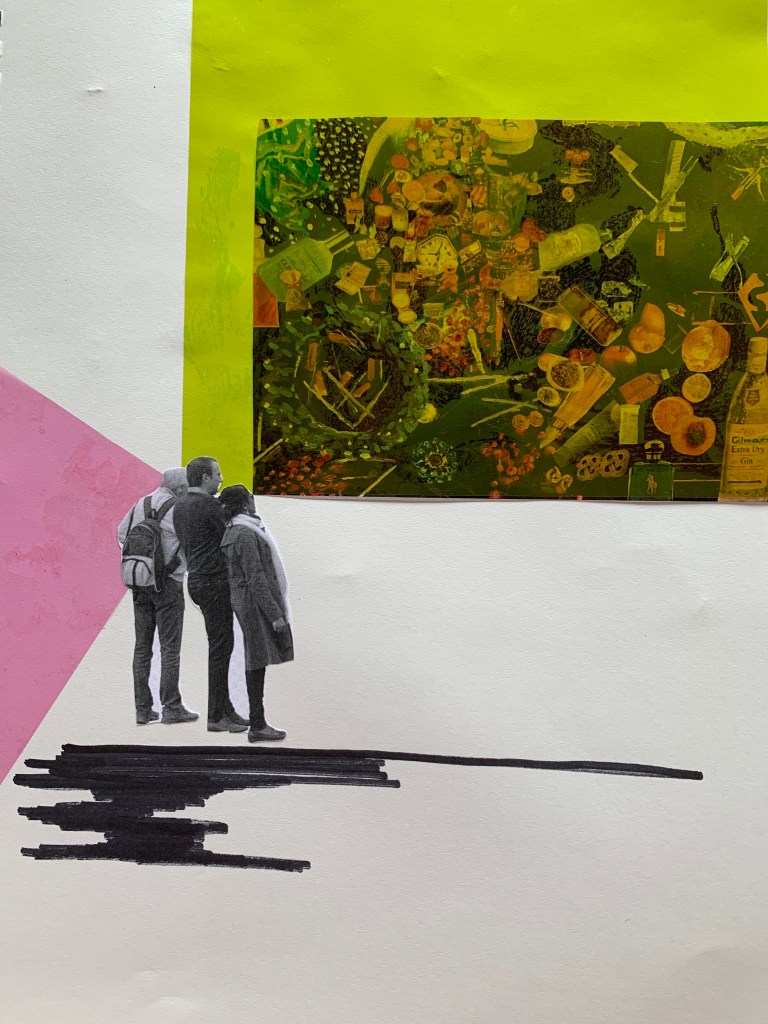
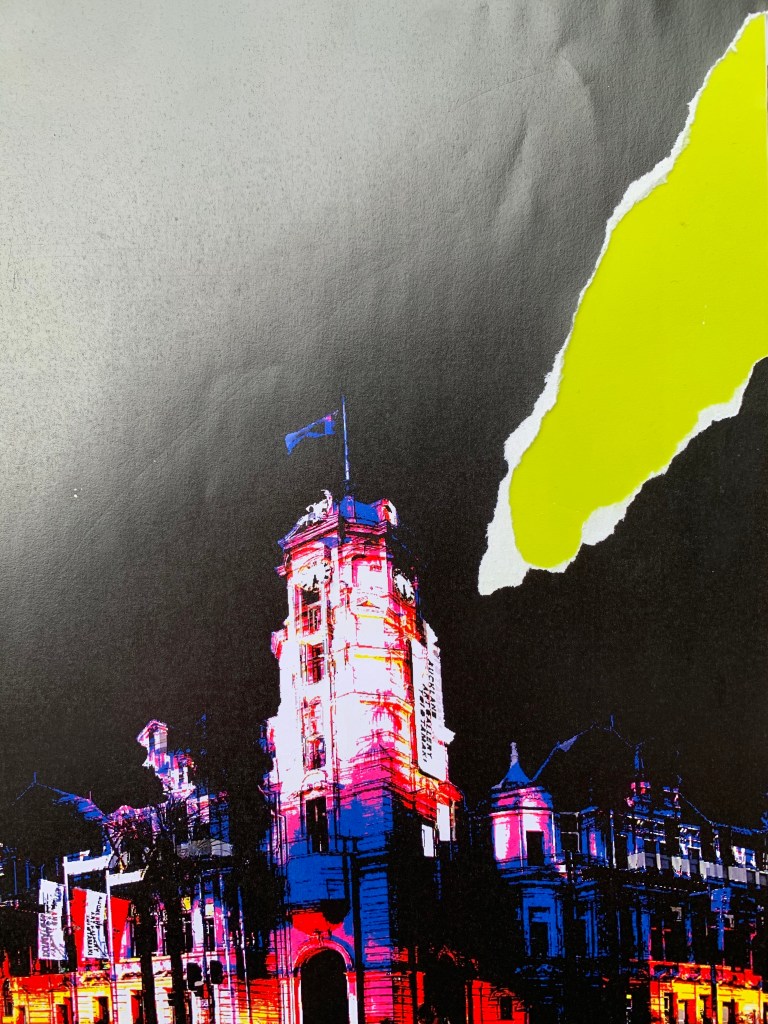
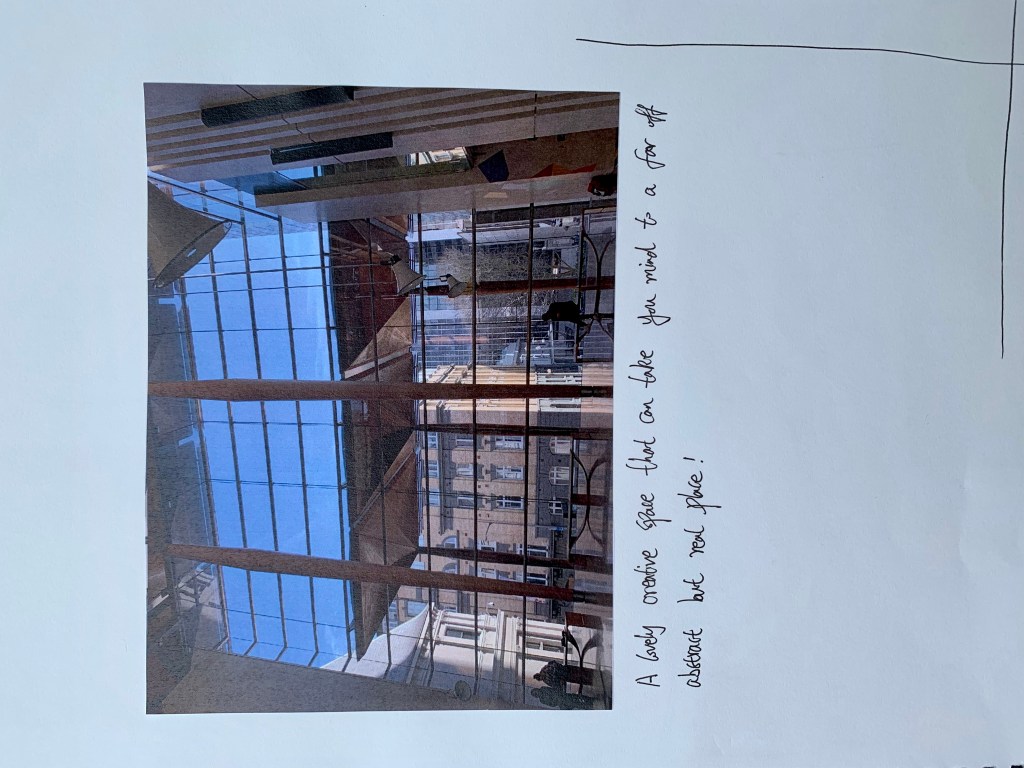
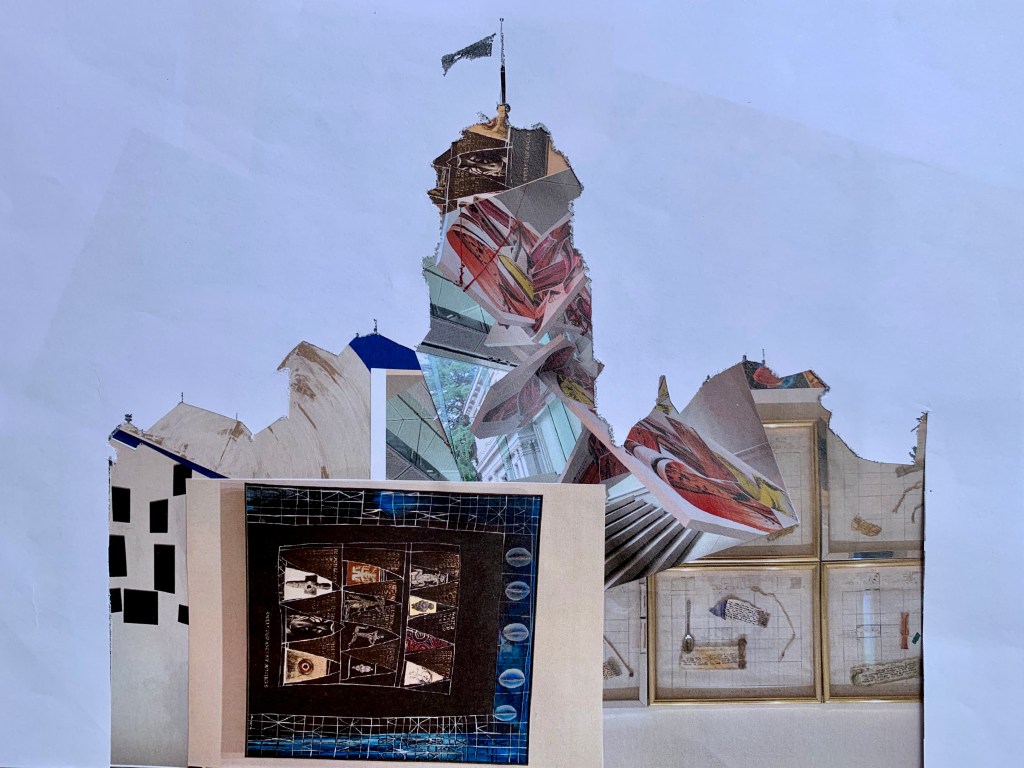
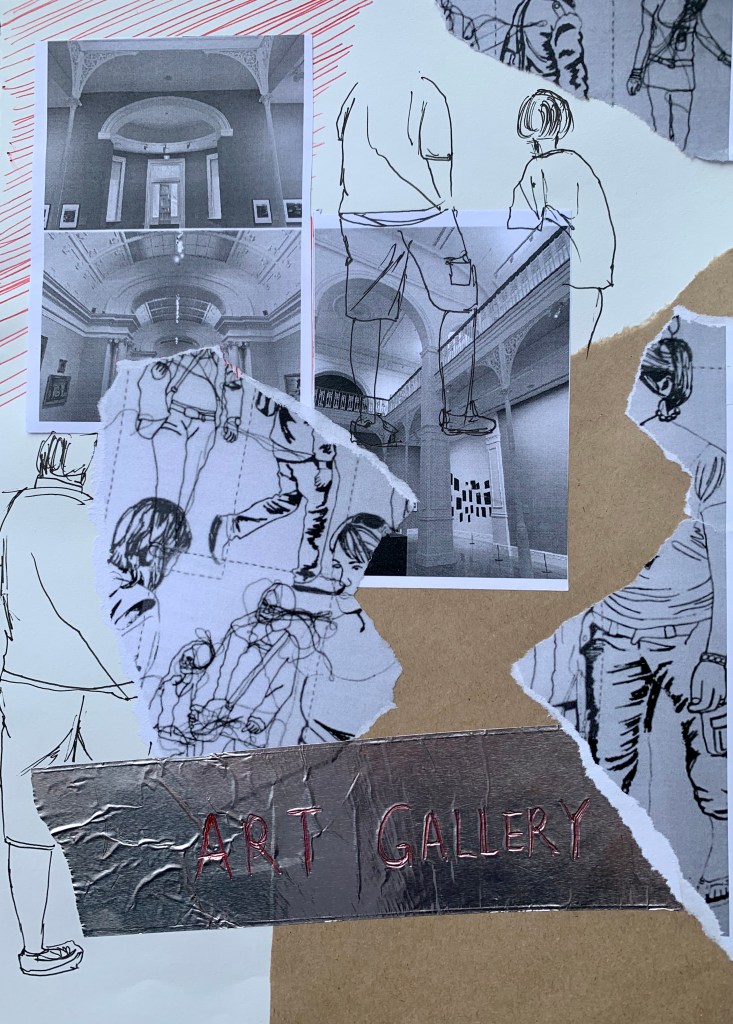
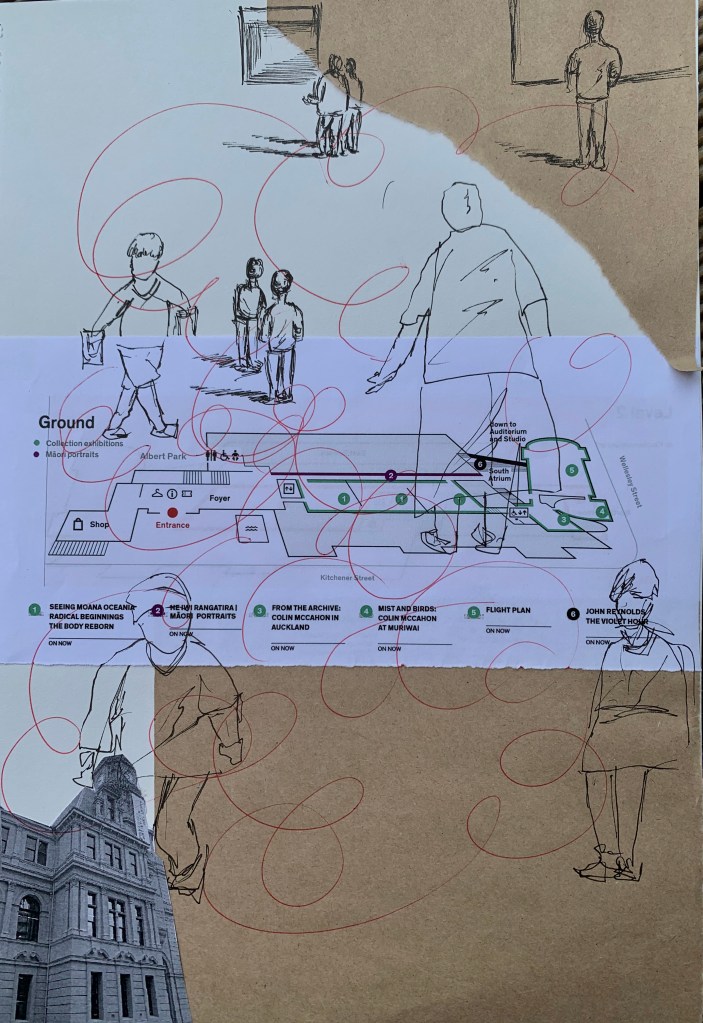
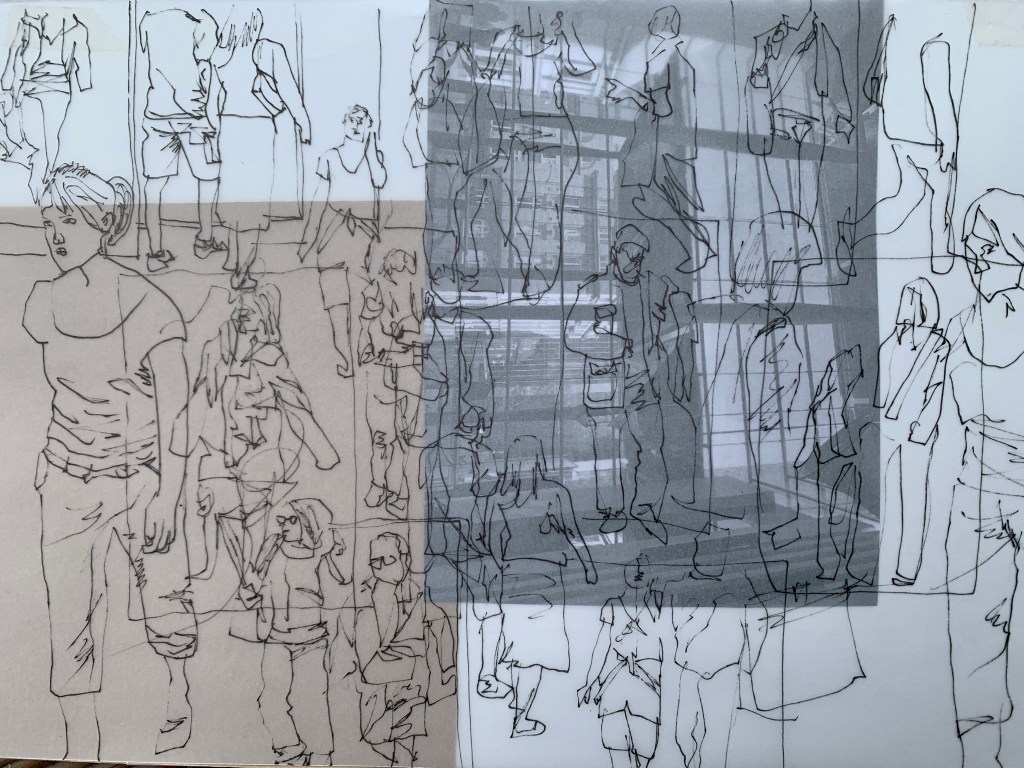
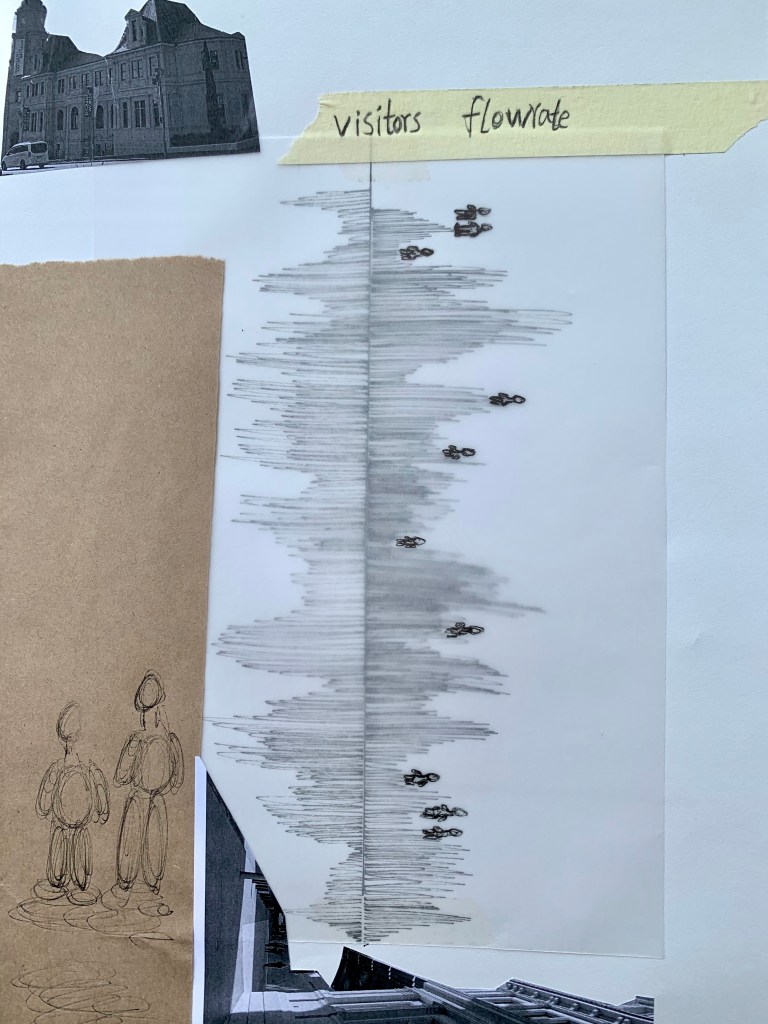
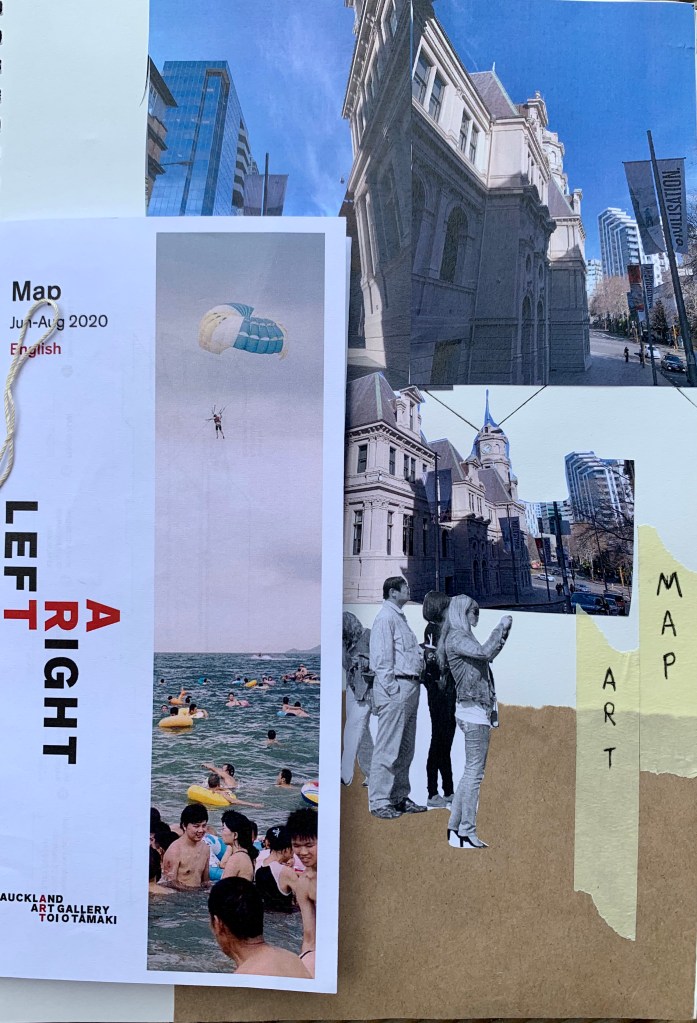
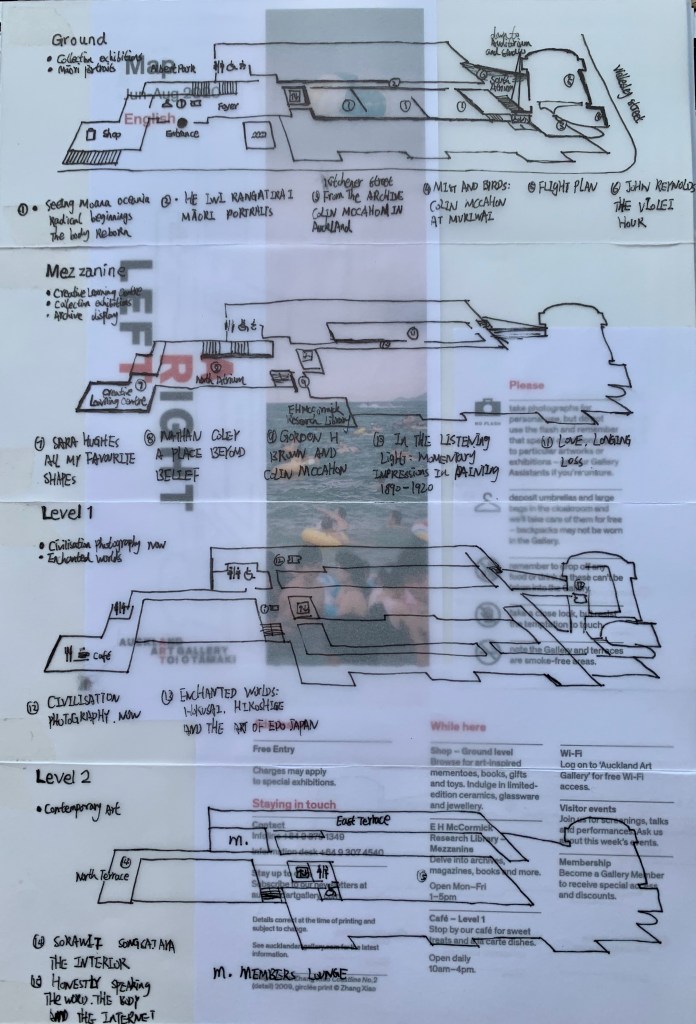
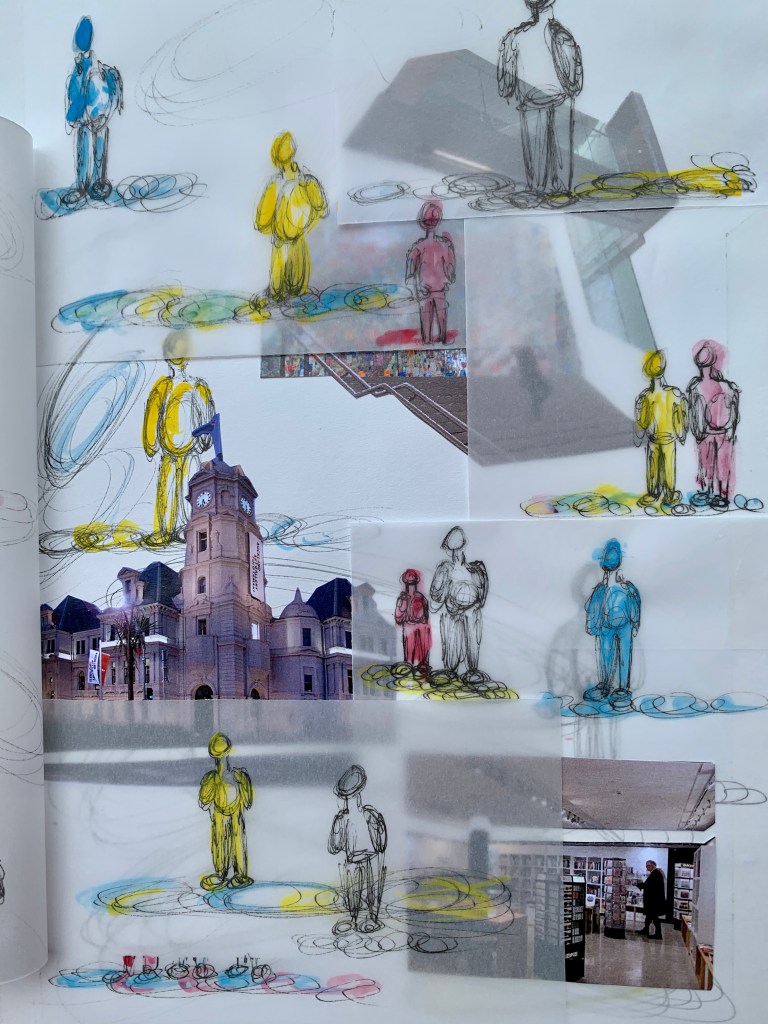
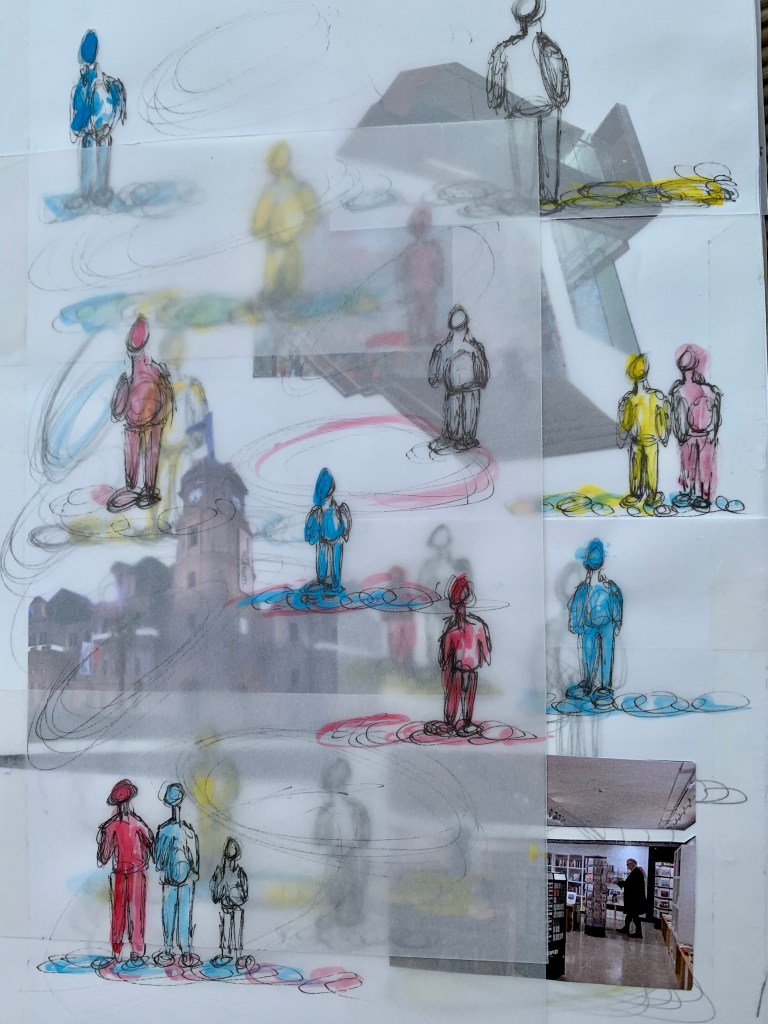
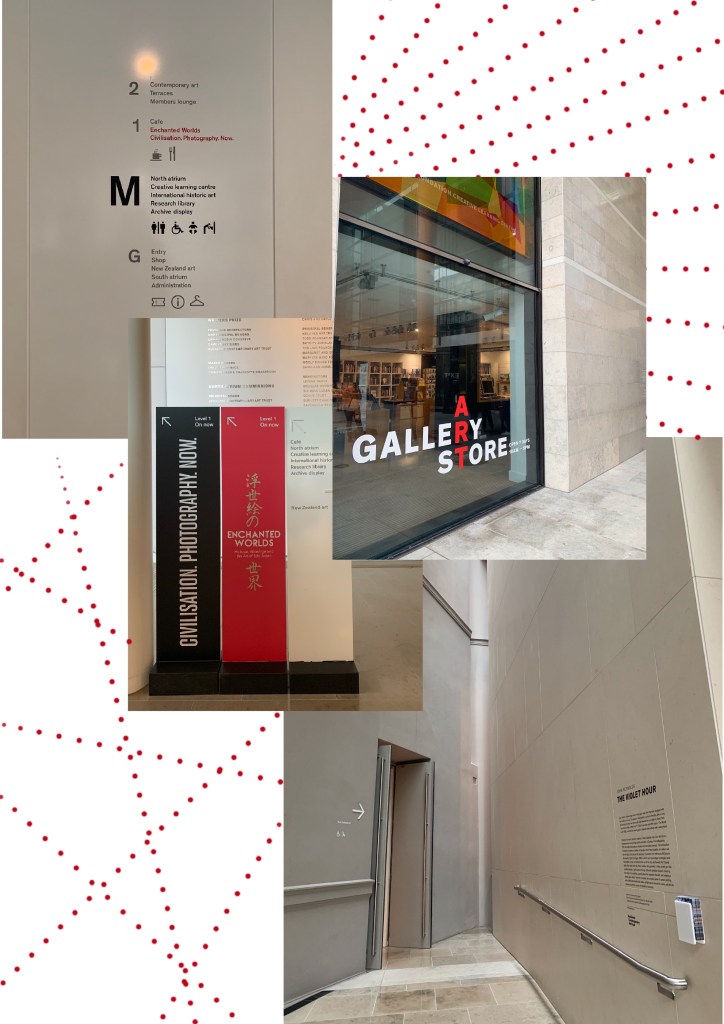
I choose Auckland Art Gallery as my social space. Auckland Art Gallery is the principal public gallery in Auckland, New Zealand. And has the most extensive collection of national and international art in New Zealand. It frequently hosts travelling international exhibitions. I choose to be an art student in high school, so I have been practicing drawing for eight years. Art is a very important part of my life. Also I often visit the different galleries. Auckland Art Gallery is a very representative gallery that is why I choose It. Another important reason is that I am attracted to the building itself. I would like to speed time to Understand this building. Many people visit the gallery every day and some people for works and some for take photo……etc. and all kinds of people gathered here. For me the gallery is a display space, providing a plat form for people to communicate and display.
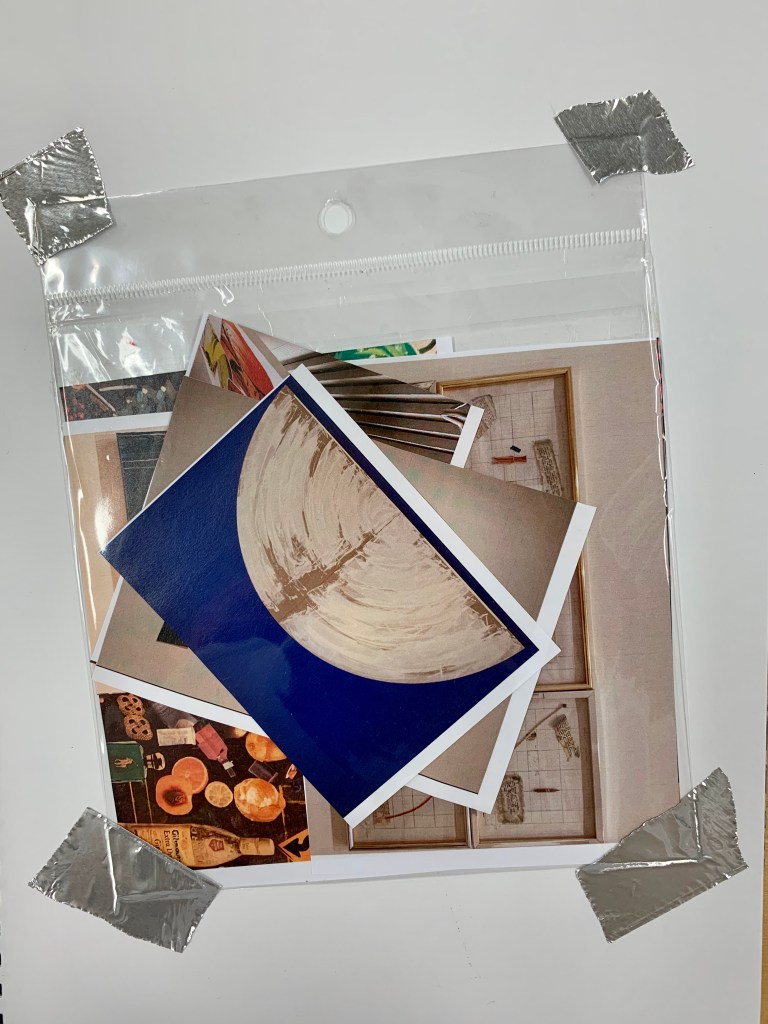
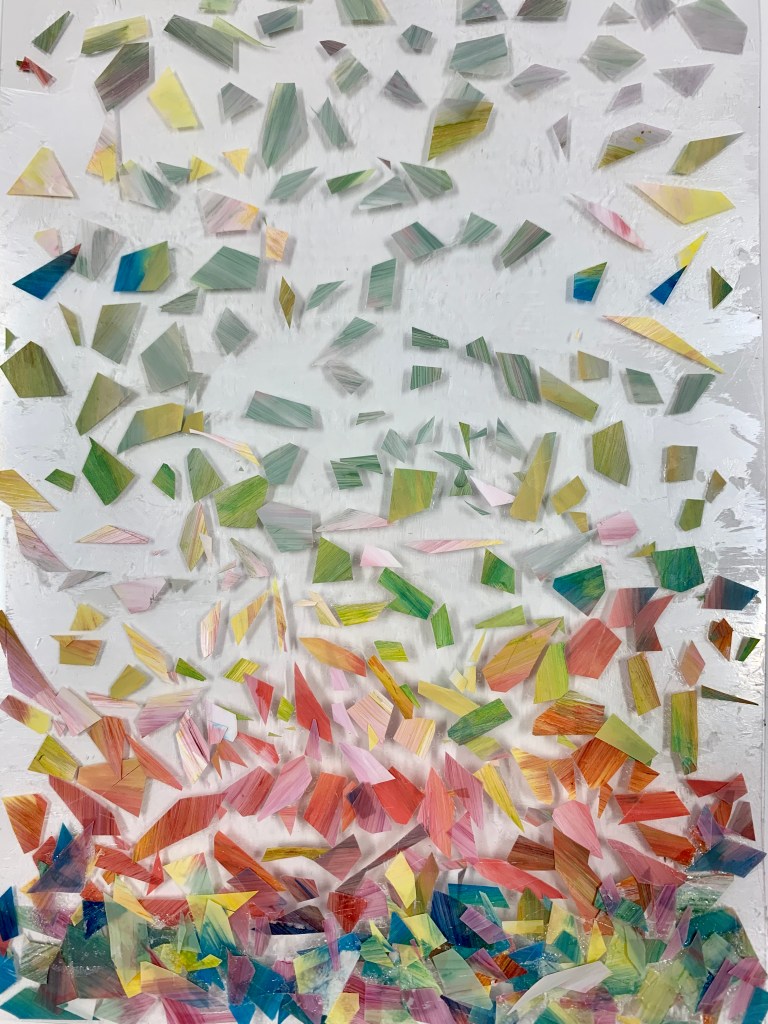
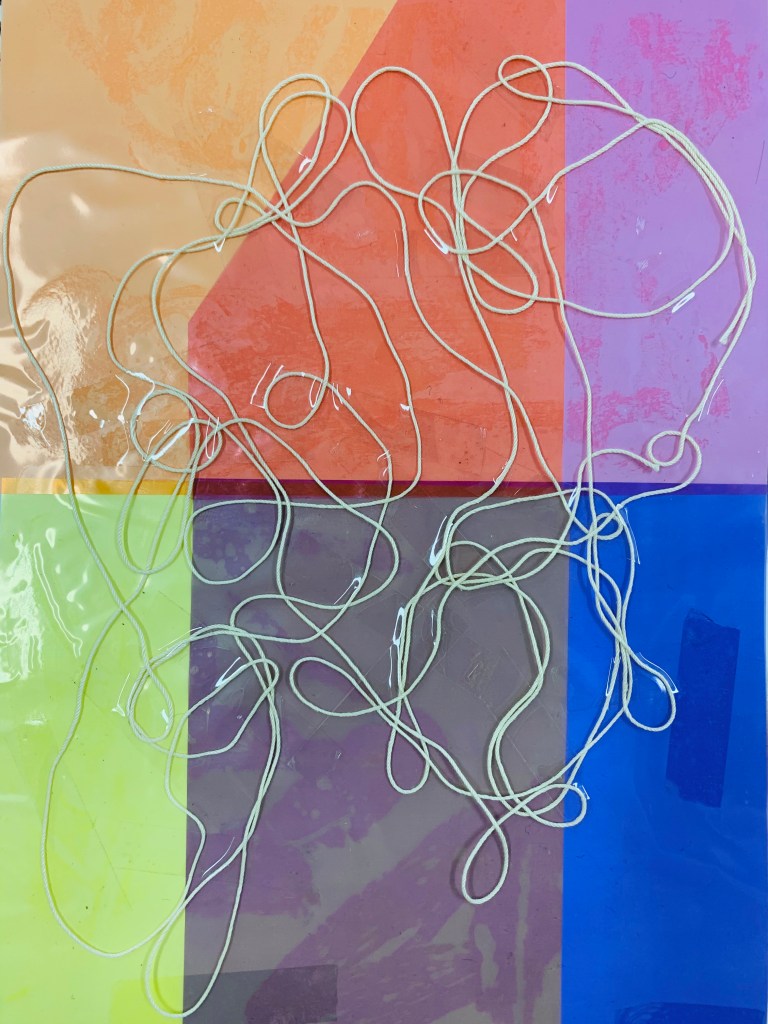
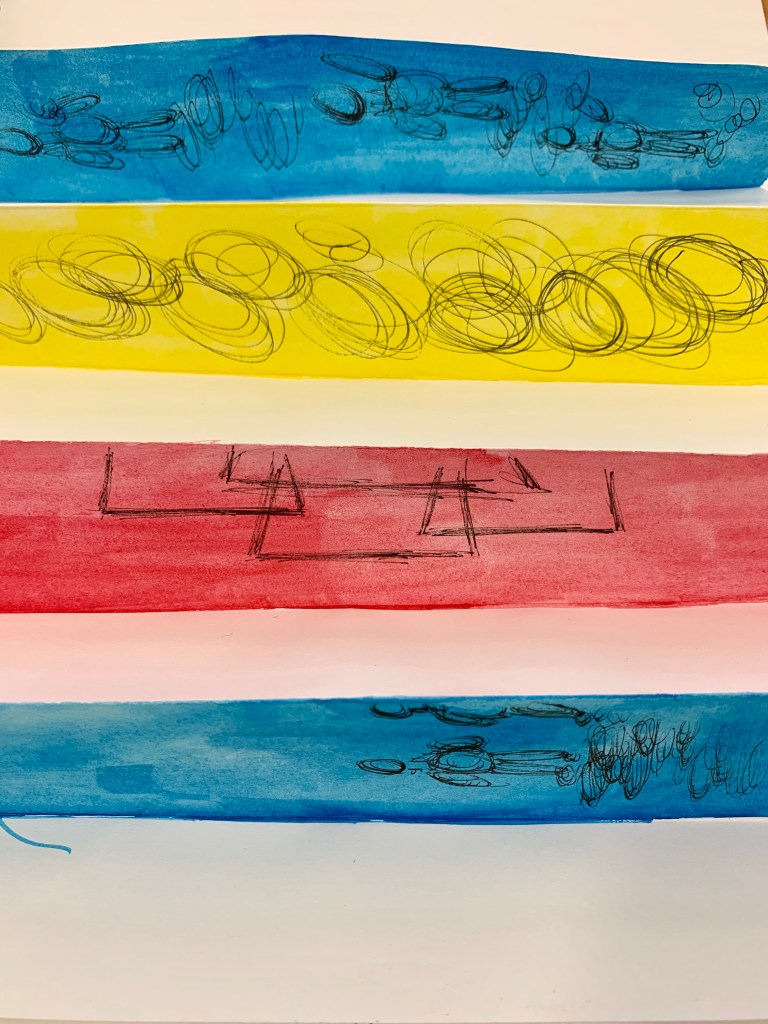
Intuitive Map
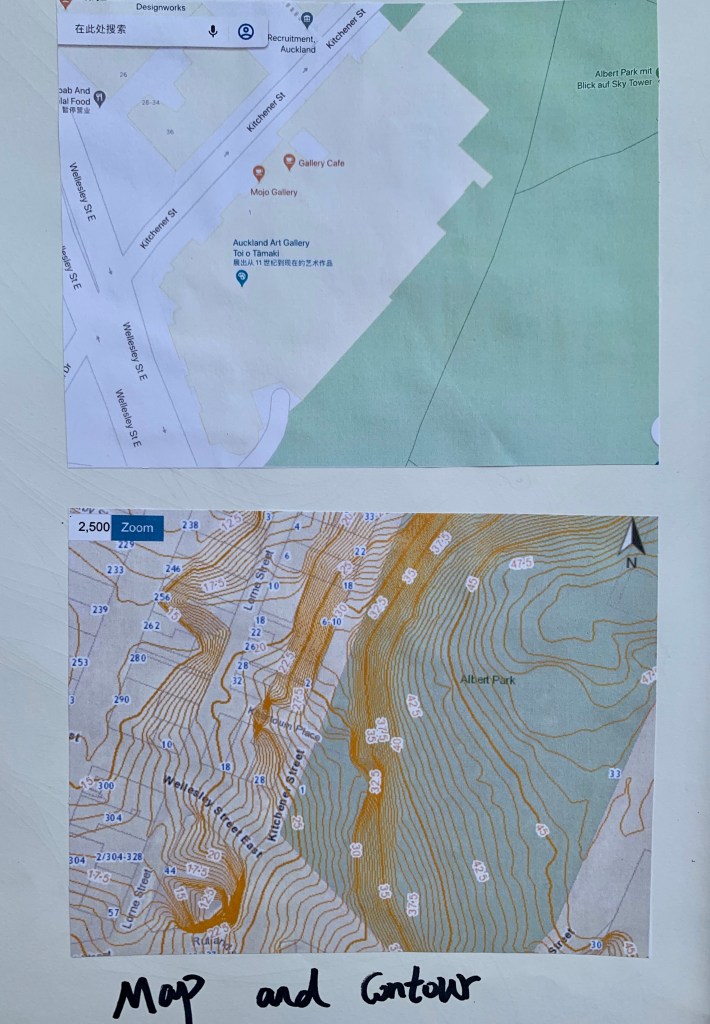
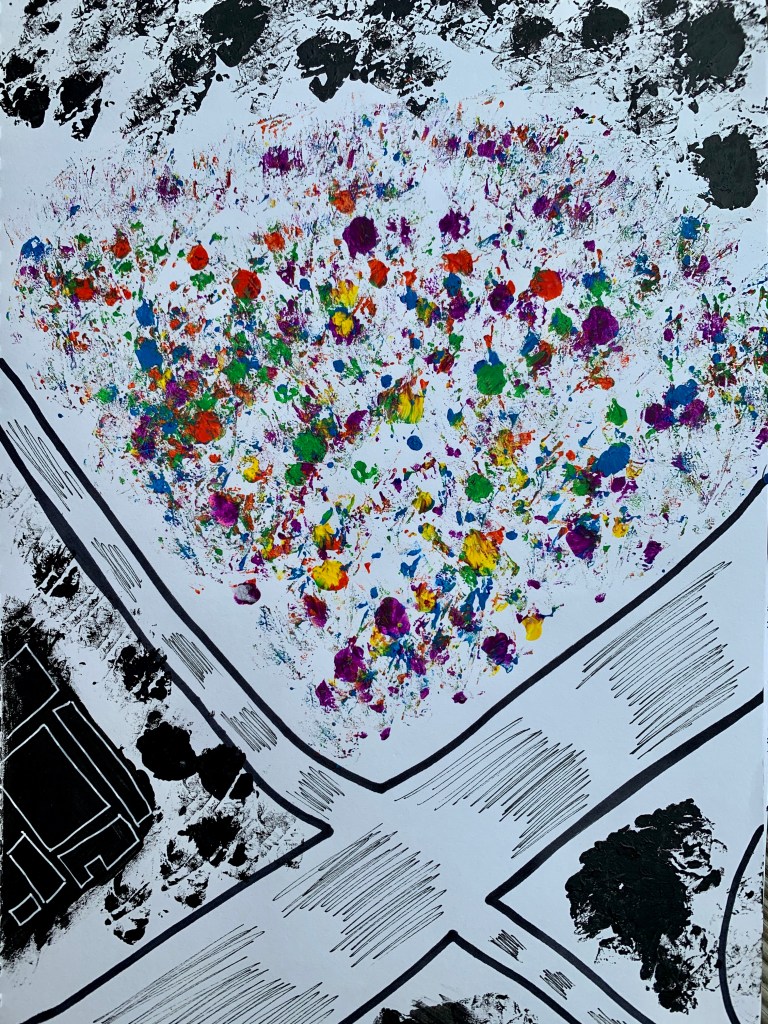
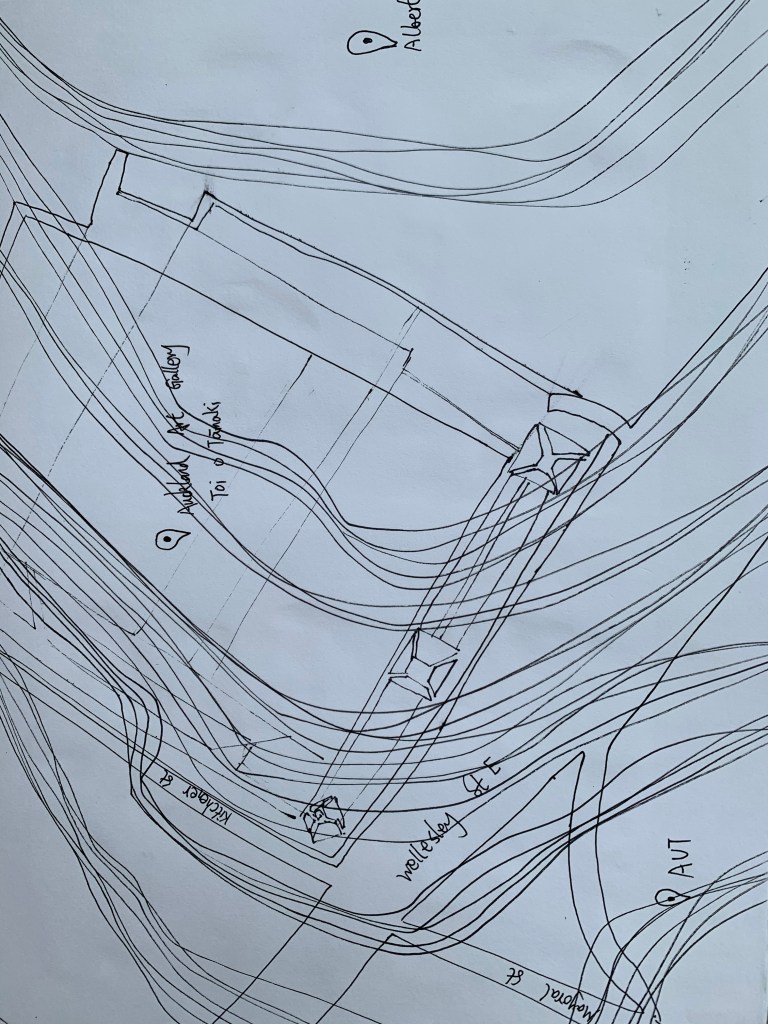
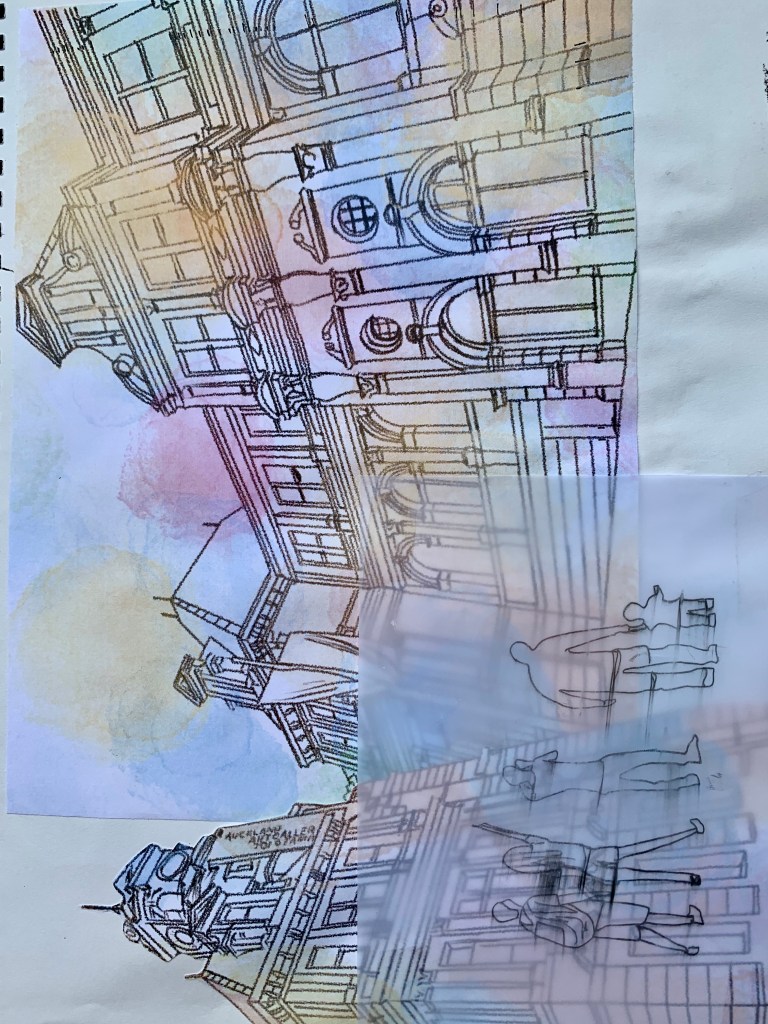
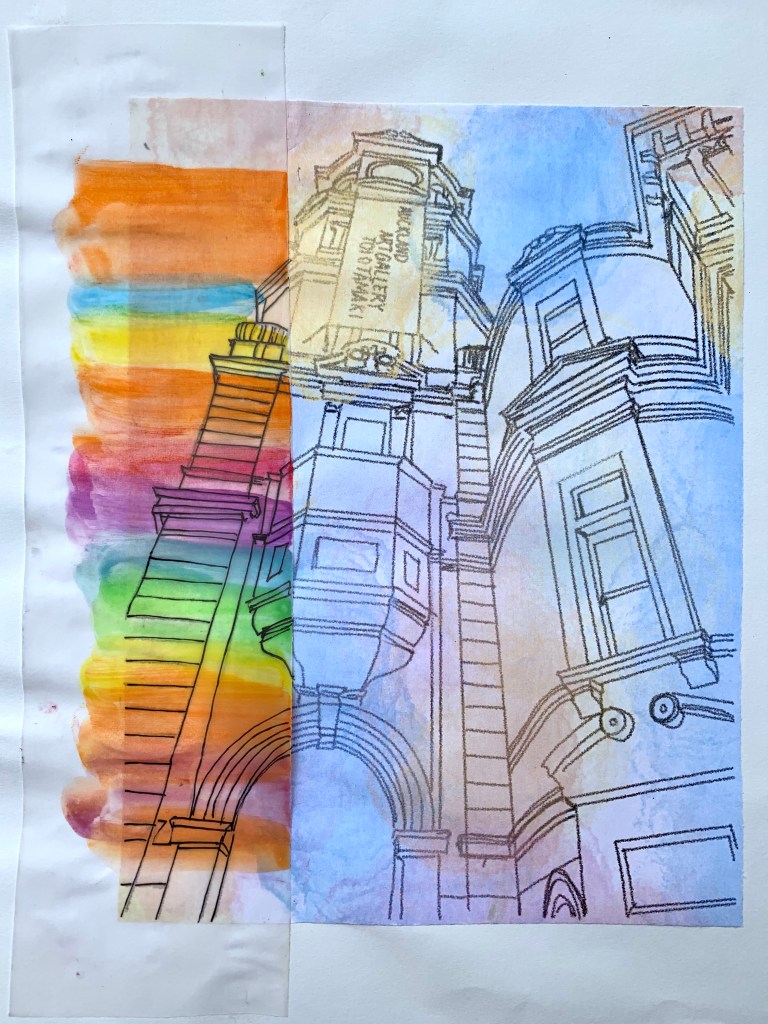
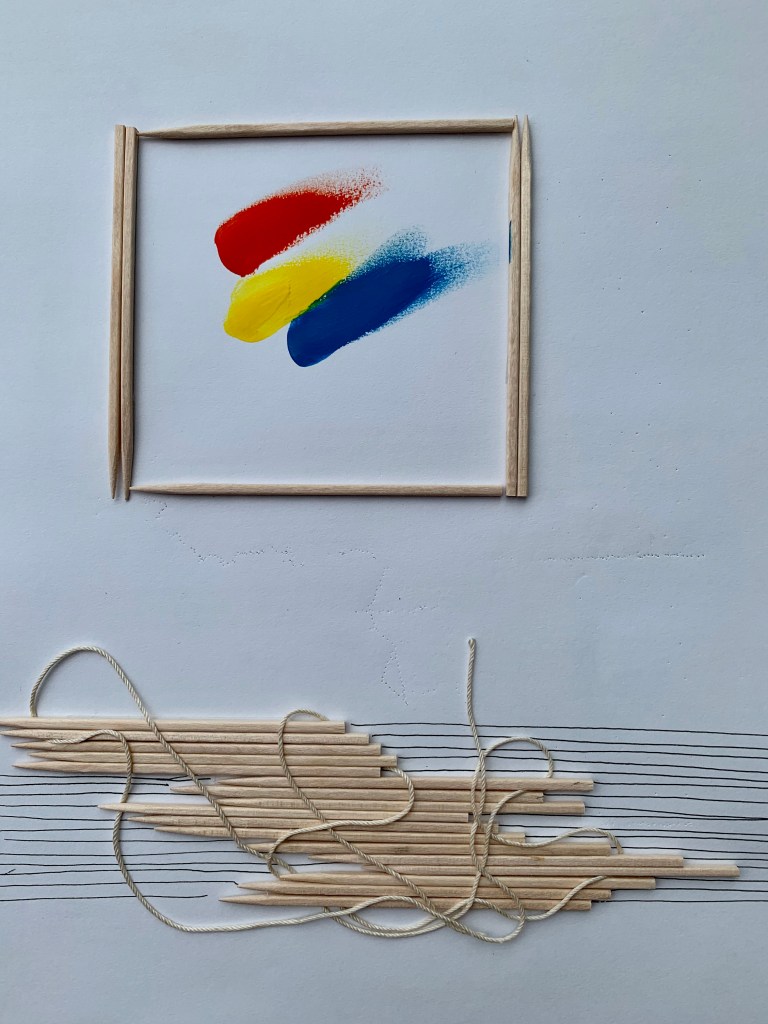
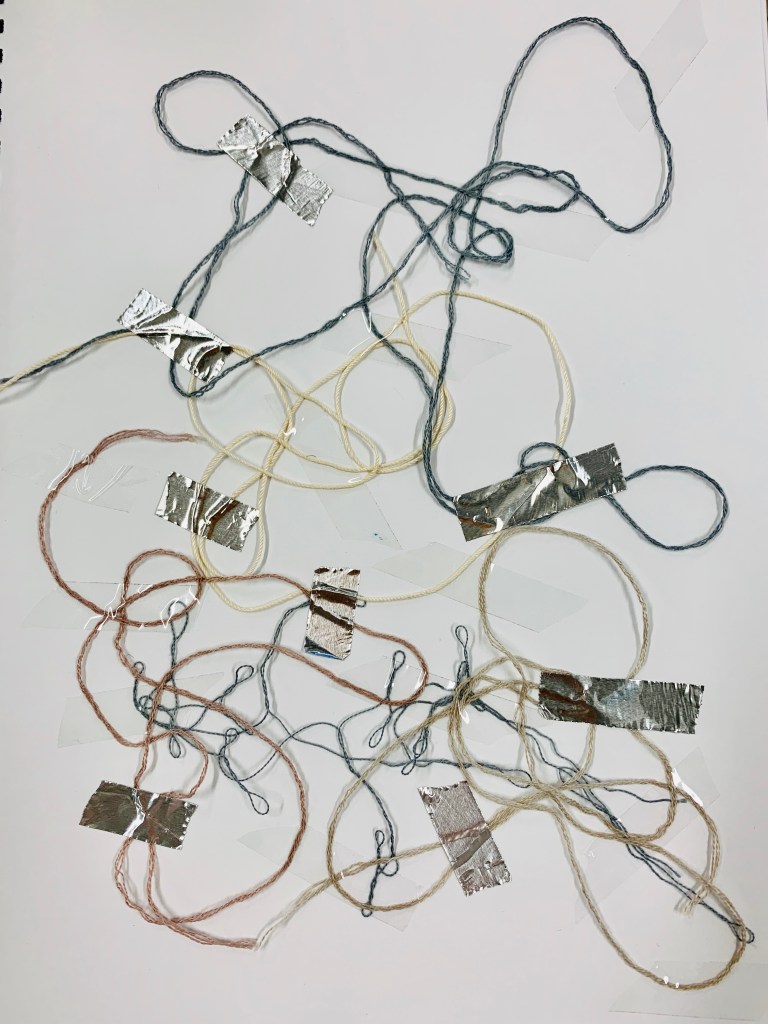
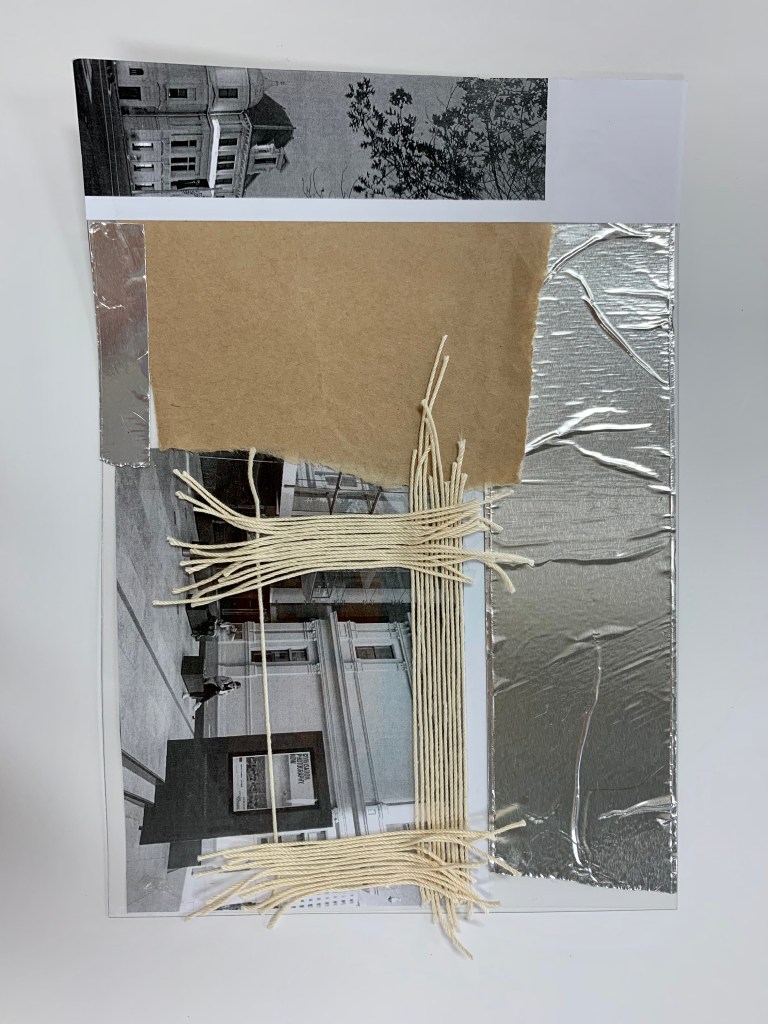
I use colours to explain my map. Different colours represent the various works in the gallery, the first impression of a work of art is always colourful. The back of the gallery is Albert park, the opposite of gallery is AUT and building. I use black to explain other places. Firstly I knead a piece of paper into a ball and then dipped black paint and pressed it on the map. Secondly I use white pencil to drawing the building. The is a wide main road and a side road crossing and the lines inside represent passing vehicles.
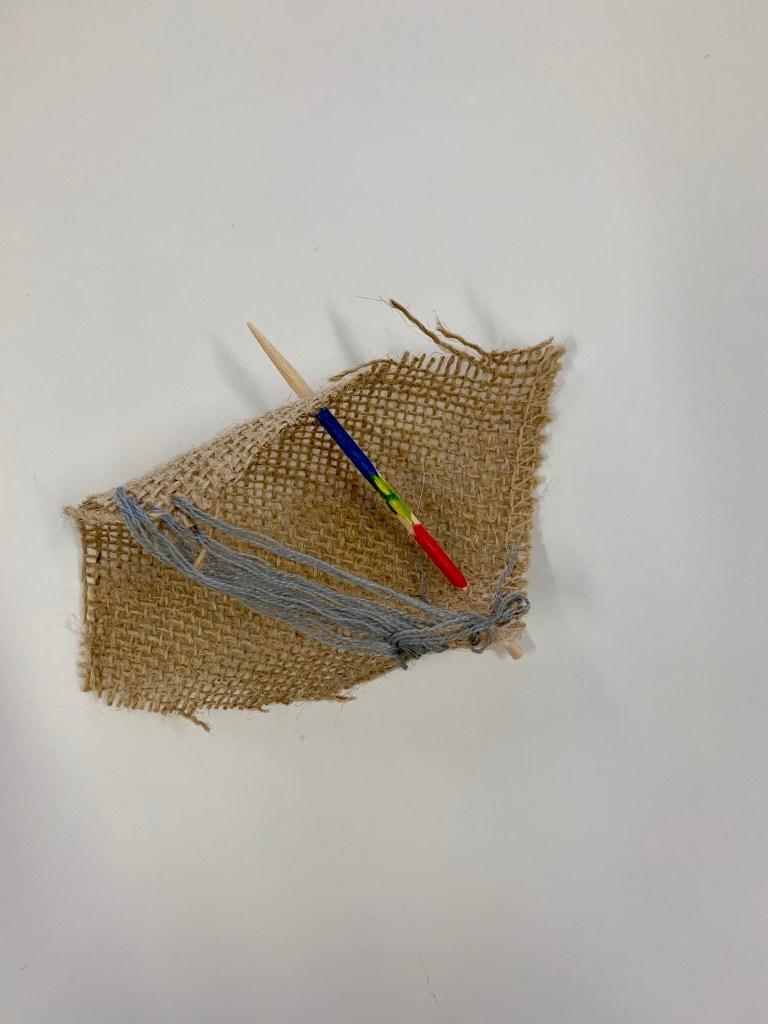
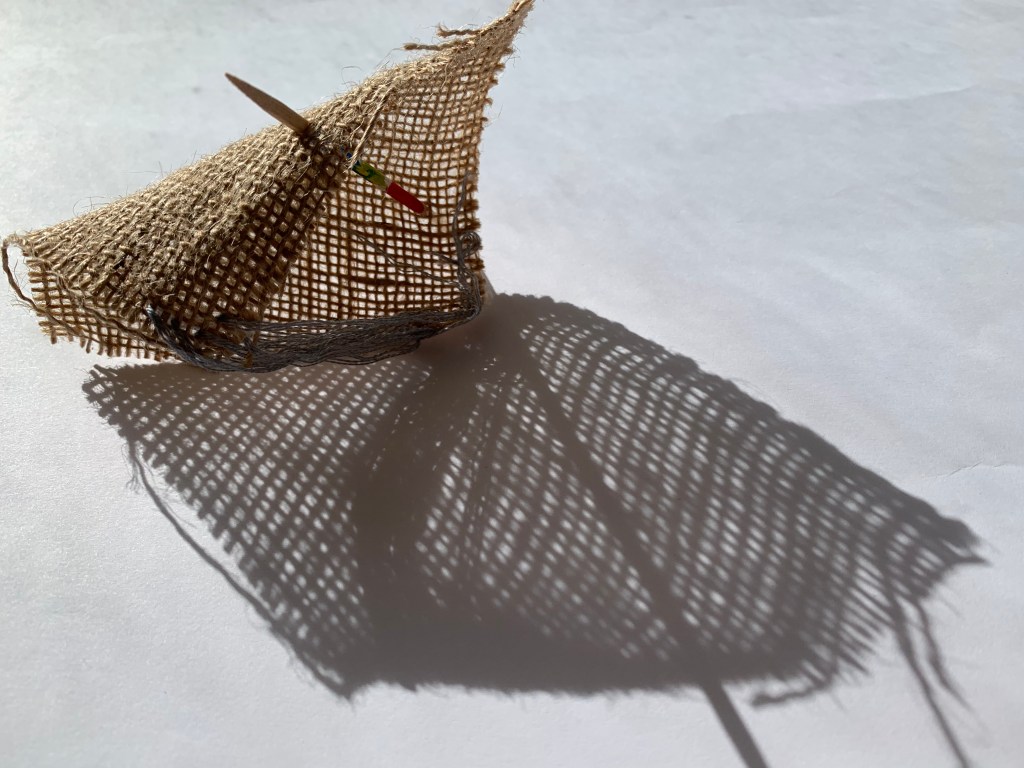
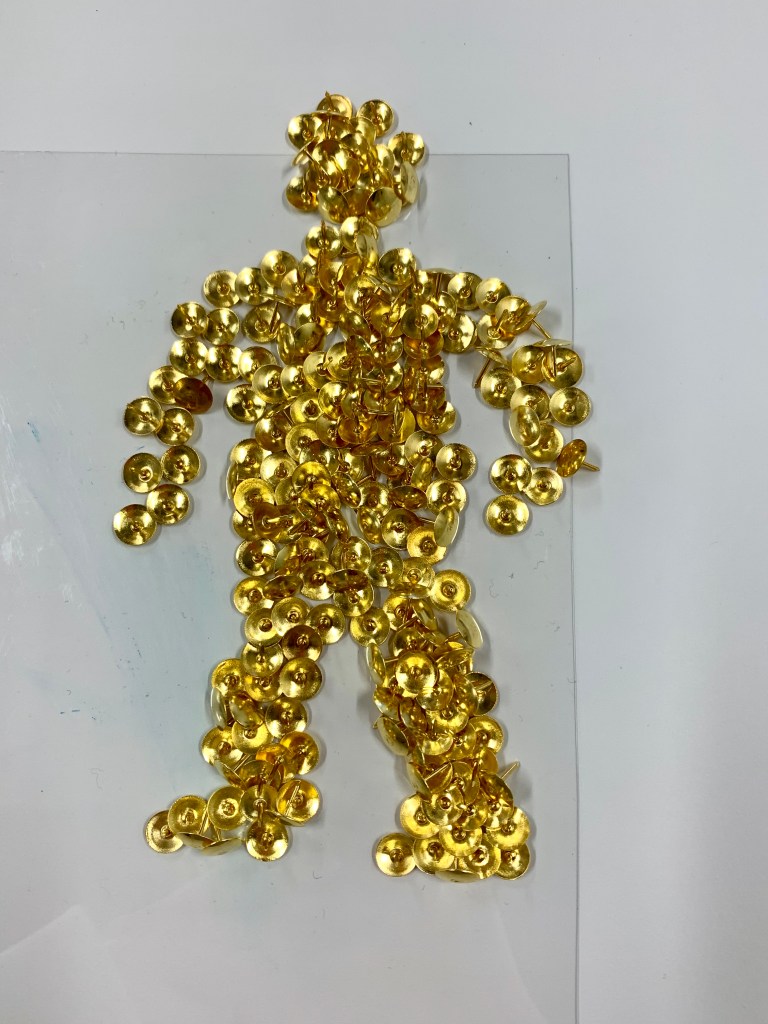
PART TWO
Interfering and Intervening
Why am I choosing the Auckland Art Gallery?
I think Auckland Art Gallery is the best space for art exchange. You will meet people of different identities in gallery. They all gather here because they love art.
What did I notice?
very stylish building and close to a beautiful park. Many people but all of different ages.
What does it mean to act-within the Auckland Art Gallery?
The building is managed by the municipal council, which means that is a key protected project. I must strictly follow the rules.
How will my intervention/interference affect other people?
To a Certain extent, build relationships between people, hoping to establish communication between strangers through my intervention.
Proposal Research
Project Title: ALLOTTED BREAK(S)-Public Share
Held during the morning tea session at the Engaging Publics/Public Engagement symposium, Auckland Art Gallery, 13 September 2014. Using clay from Auckland’s SH16 Northwestern motorway construction site in Te Atatu, a series of plates were produced for the symposium, which were used to serve morning tea upon and for the 110 symposium participants to take away.
With this clay and working out of Kirsten’s pottery studio, we made a series of small plates used to serve morning tea at the Auckland Art Gallery Engaging Publics symposium on Saturday 13 September 2014 at 10.30am. These plates were gifted to the symposium participants. At the morning tea they chose a plate, shared in the food and took the plate away.
For the second part of the project we made mugs for a morning tea with 60 Fulton Hogan workers. This event took place on-site on Wednesday 29 October 2014 at 10am in the Te Atatu site break room.
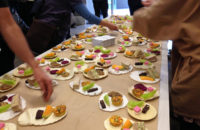
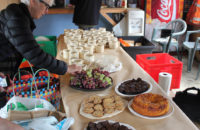
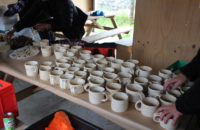

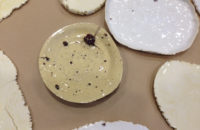

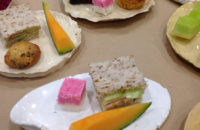
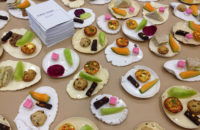

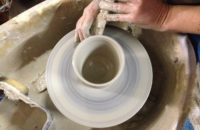


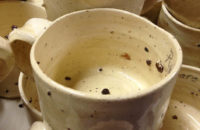
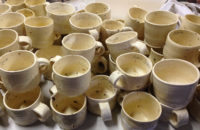
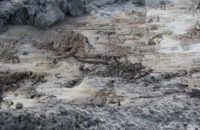
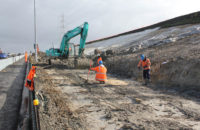
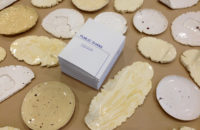
In my opinion, this project is very interesting. It is divided into two parts. First, the participants join together to make teacups and other objects with clay. This part can be understood as a process of passive or active participation of the participants. Then the second part uses the prepared things to share the food. This process is the final presentation. These two parts can make participants feel the joy of their harvest after labour. I think they must have discussed some stories that happened during the project during the final sharing process. This is a process of sharing.
Project Title: Asamble
Growing up under a series of military dictatorships in Argentina, Amalia Pica later witnessed the restoration of democracy and the joys and difficulties that come with post-totalitarian attempts at collective grassroots organizing. Asamble (2015), like much of the artist’s work, examines how form determines the ways in which we come together. Initially performed outside of Argentina’s House of Congress in Plaza de los Dos Congresos, Buenos Aires, the piece continues this line of inquiry by exploring the circle as an ancient form of gathering; its title is a truncation of the Spanish word for “assemble.” Imagined for a public square or meeting place, the work features citizens of the place in which the performance is staged each carrying a chair brought from home. Although the individuals are assembled in a circular formation, their attempts to congregate are thwarted by the repetitious rhythm of the choreography. The result is a hypnotic meditation on the circle and its status as a universal emblem of assembly.
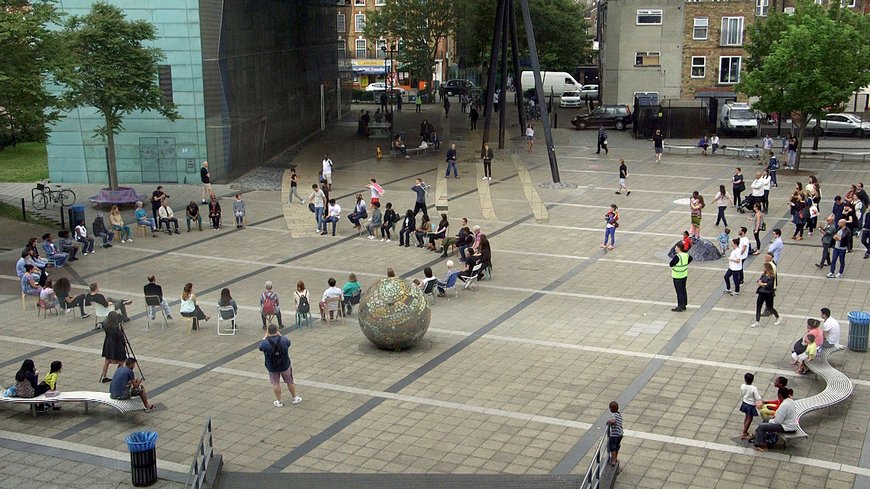
How form determines the way we are together is a great topic. This work aroused some thoughts. How will I bring strangers together? How will the form I show affect them? What kind of form would be better? In this project, the author asked participants to take a chair from their homes to join. So what should I ask the participants to participate in my project? Own text? story? Feel? and many more
Project Title: Total Trattoria
7 Mar – 26 Apr 2008
The Aram Gallery, London, Uk
The Aram Gallery has commissioned London-based designer Martino Gamper to create Total Trattoria – the ultimate expression of his Trattoria al Cappello concept.
Developing further his idea, Total Trattoria, which opened on 7 March 2008, completes the concept and puts it on show to the public for the first time.
Gamper has designed every single element of the dining event ranging from the kitchen and its storage areas to the cutlery and the tables and chairs to the glassware. A series of thirteen individual tables that connect to form one large dining table snakes around the gallery to seat 25 guests. The 25 chairs around the table are all different but are constructed from the same set of component parts, designed by Gamper.
The pieces include the results of many collaborations between Gamper and a wide variety of makers including engraved glasses placed on clusters of leather coasters, blown-glass water jugs and limited edition placemats designed by Gamper’s collaborators in the Trattoria events, Maki Suzuki, Alex Rich and Kajsa Stahl.
The exhibition graphics and communication, also designed by Suzuki, Rich and Stahl, includes a specially designed catalogue.
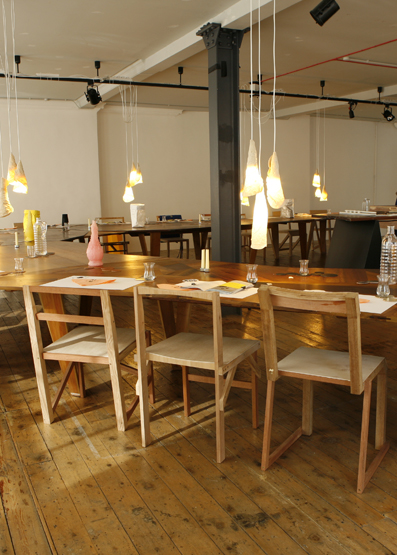
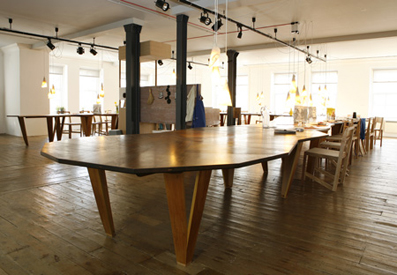
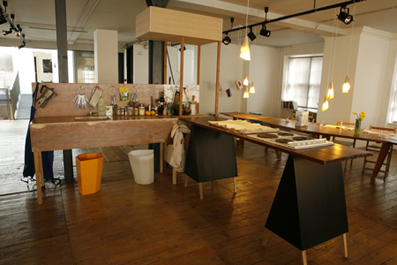


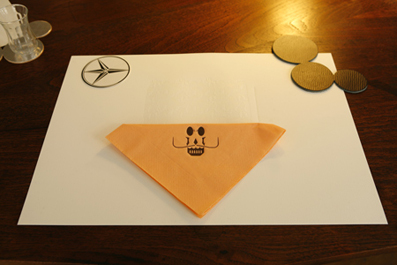


This project combines many different items, and what effect this will have is unknown. Putting this mode of thinking into my project, what kind of reaction will I have when I bring together many different strangers? How to connect strangers in my way.
https://www.martinogamper.com/project/total-trattoria/
Project Title: Indigestion
The interactive media installation intersects two electronically linked modes: an interactive video and a virtual environment. The video consists of a dining scene projected onto a horizontal screen/dinner table that a viewer can join as a guest. An archetypal film noire narrative is played out between two characters of ambiguous relation seated at the table; only their hands enter the screen. An adjacent touch screen offers the viewer a choice of characters from a variety of gender and class stereotypes. The viewer can change dining partners mid-conversation and, while the narrative always moves in the same direction, the multiple branching dialogues are nuanced by each combination of characters. In an adjacent space, a participant using a Polhemus motion-sensing device can navigate in real time through the computer-generated, magnified space of the same dinner table. The image is split onto two large screens on opposite sides of the room and seen in 3-D. The mobile and magnified viewpoint across this mega-landscape reveals a micro-drama played out in the details. The technologies of each room work in tandem to produce multi-layered information. ‘Choice’ is offered to lure the subject into an interrogation of the democratic aspirations of interactive technologies and critique reductive binaries such as masculine/ feminine, high class/low class, fact/fiction, and real/ virtual. The script is by Douglas Cooper.
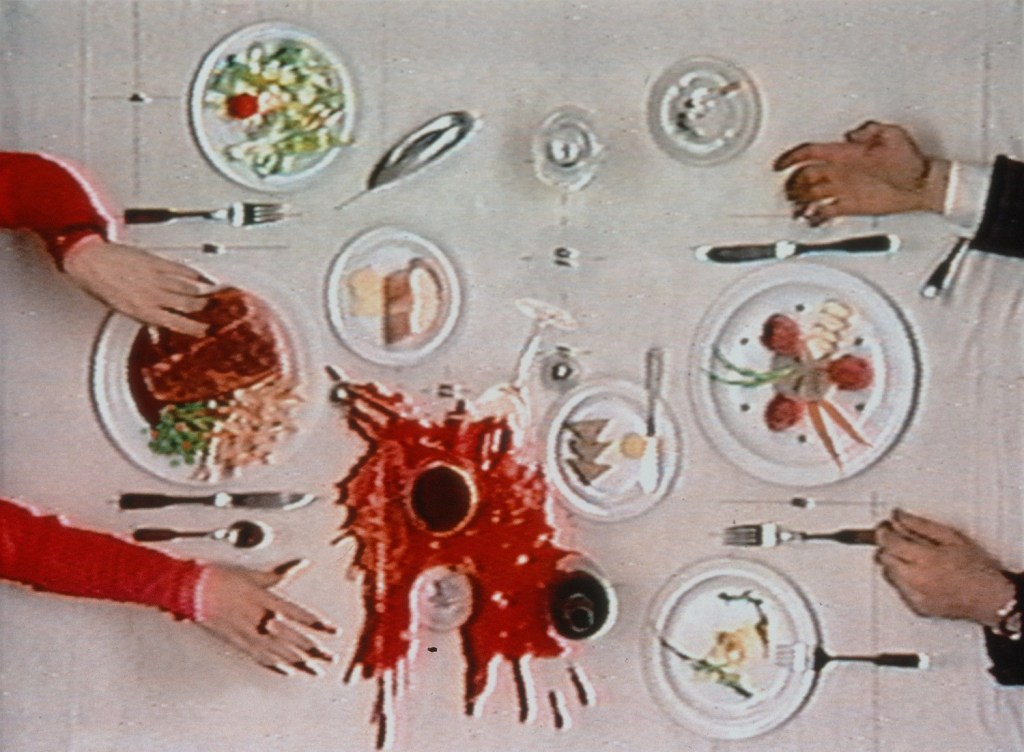

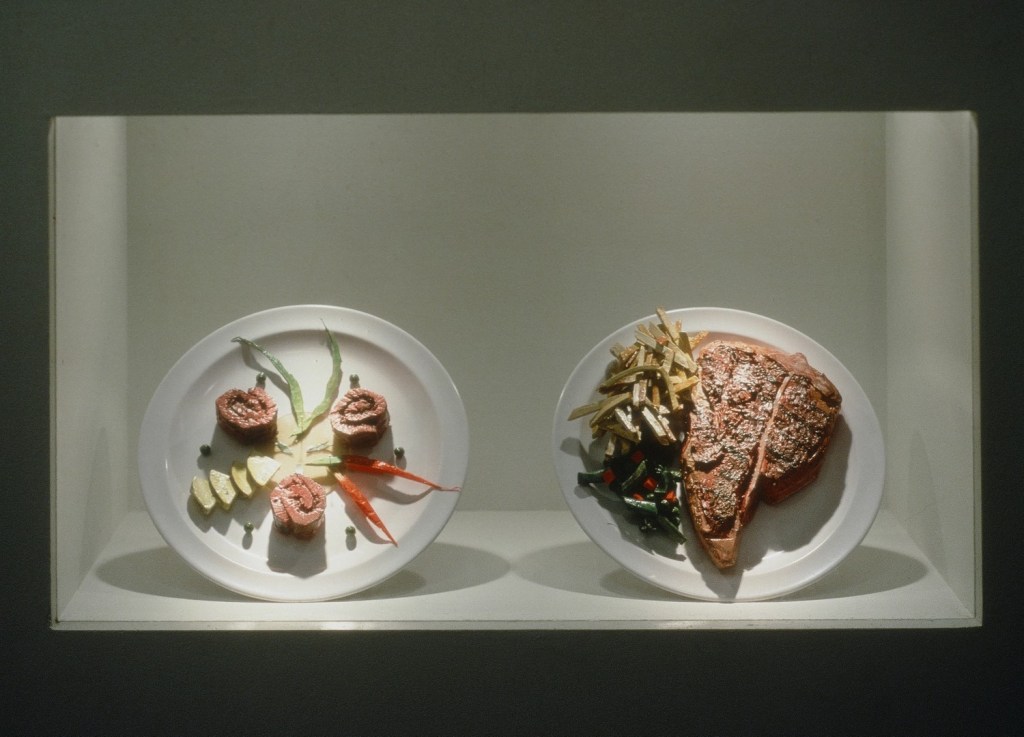
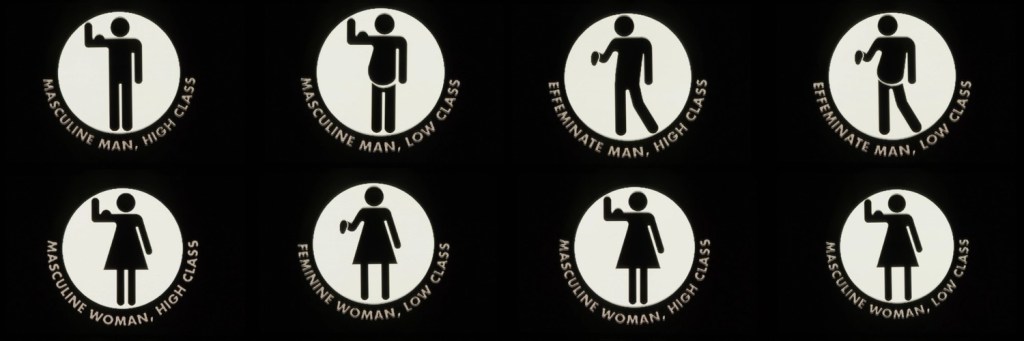
I prefer the presentation form for this project. Normally, when we want to actively join a project in space, we first need to be interested in the project and willing to take the initiative to understand it. If the presentation of the project is too ordinary, then onlookers will not want to join, because they have already Saw the ending. If the presentation format is very special, there will be many people willing to join because they also want to see what interesting stories will happen in the end.
https://dsrny.com/project/indigestion
Project Title: Coffee Seeks Its Own Level 1990
Coffee Seeks its Own Level was inspired by the principle “water seeks its own level”. I had been working on a series of projects using basic scientific principles learned in high school as a means to explore architectural issues.
Coffee Seeks its Own Level choreographs group dynamics. If one person alone lifts his cup, coffee overflows the other three cups. All four people need to coordinate their actions and lift simultaneously.
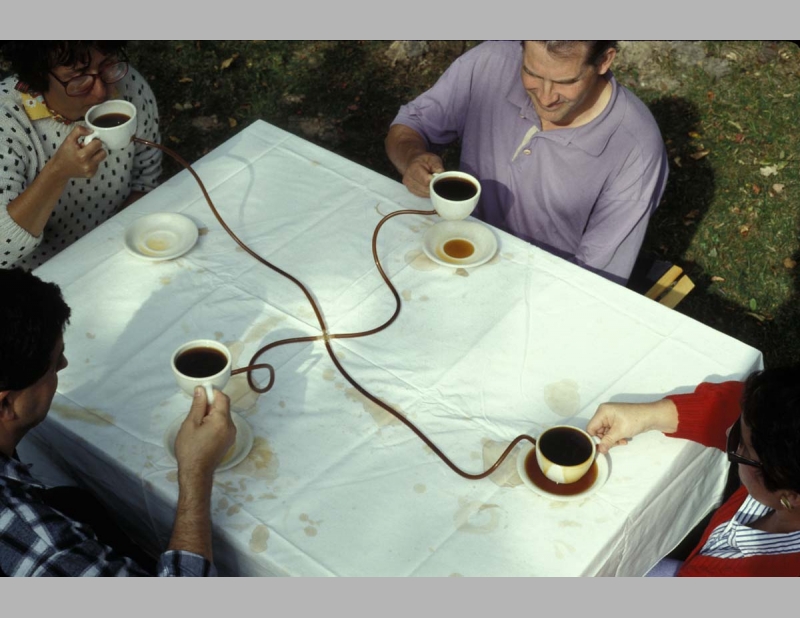
This device is very interesting. Participants must work together in one direction to drink it. This is a passive process. It requires participants to work together, communicate together, and have the same goals.
http://www.allanwexlerstudio.com/projects/coffee-seeks-its-own-level
Social Spaces Research
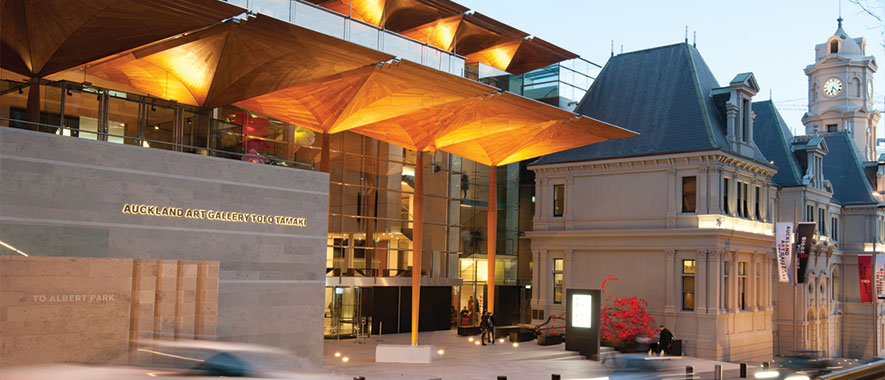
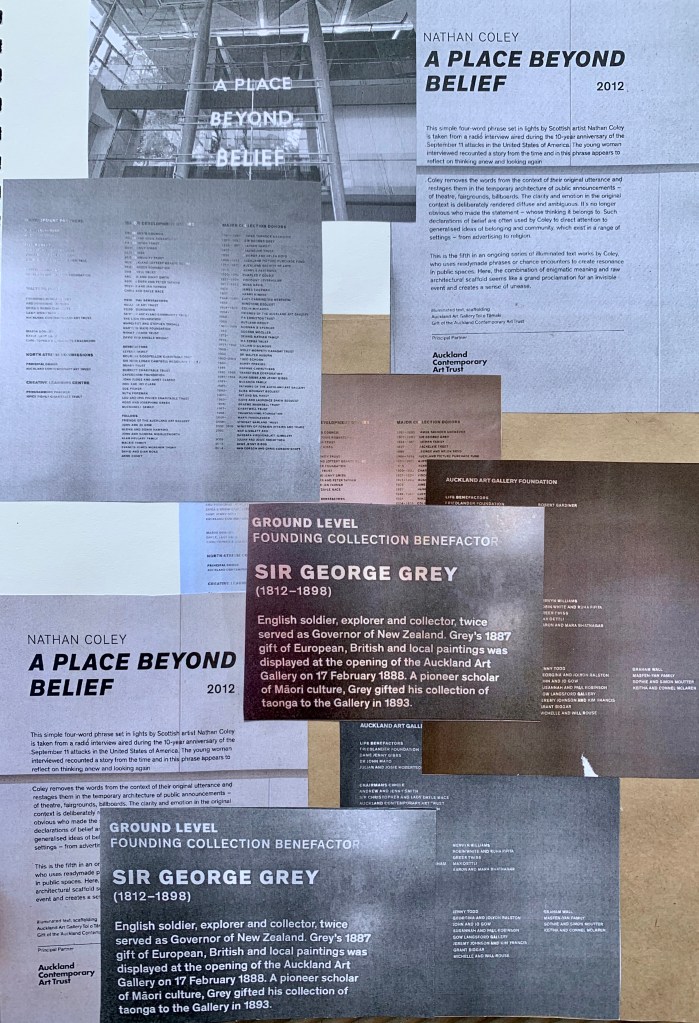
The Gallery’s doors opened for the first time on Friday 17 February 1888. Sir George Grey’s gift formed the core of the early collection, and we shared the building with Auckland’s Free Public Library. From these beginnings focussing on European and British art, we now have more than 17,000 works in the collection, and our redeveloped building provides purpose-built spaces for regularly changing exhibitions.
Auckland Art Gallery has grown its collection of artworks with acquisitions, gifts, bequests and long-term loans. Major collection donors have included James Mackelvie, who with Sir George Grey was a founding patron, and in the present day, the Chartwell Trust and Julian and Josie Robertson.
The collection includes major holdings of New Zealand historic, modern and contemporary art. These artworks plot a visual history of New Zealand, beginning with the first contact between Māori and European explorers in the 1600s. Outstanding works by Māori and Pacific Island artists are a powerful feature of our holdings, and the international painting, sculpture and print collections connect us with the world beyond the Pacific. The diversity of mediums and artistic practices in the collection also continues to grow. Our oldest work of art is a sandstone figure from the walls of a Hindu temple in North India. It dates from the 10th–12th century. And our newest is likely to be a commissioned artwork we are creating with an artist right now. Taken together, our holdings are widely considered to comprise New Zealand’s pre-eminent public art collection.
How will develop my project?
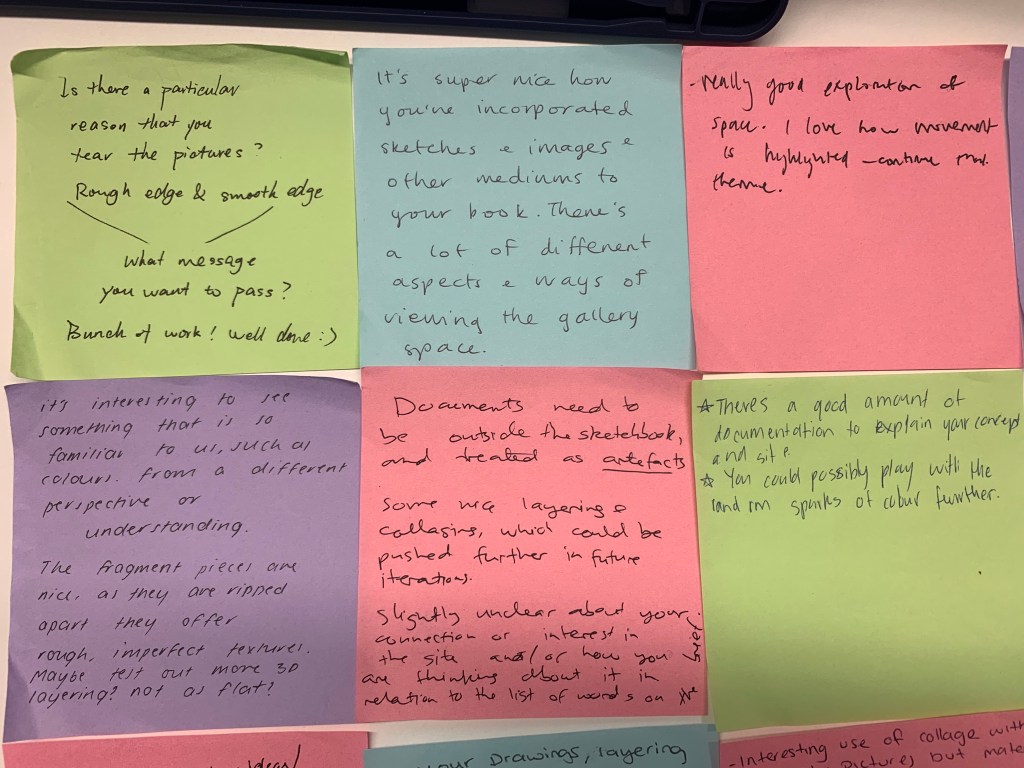
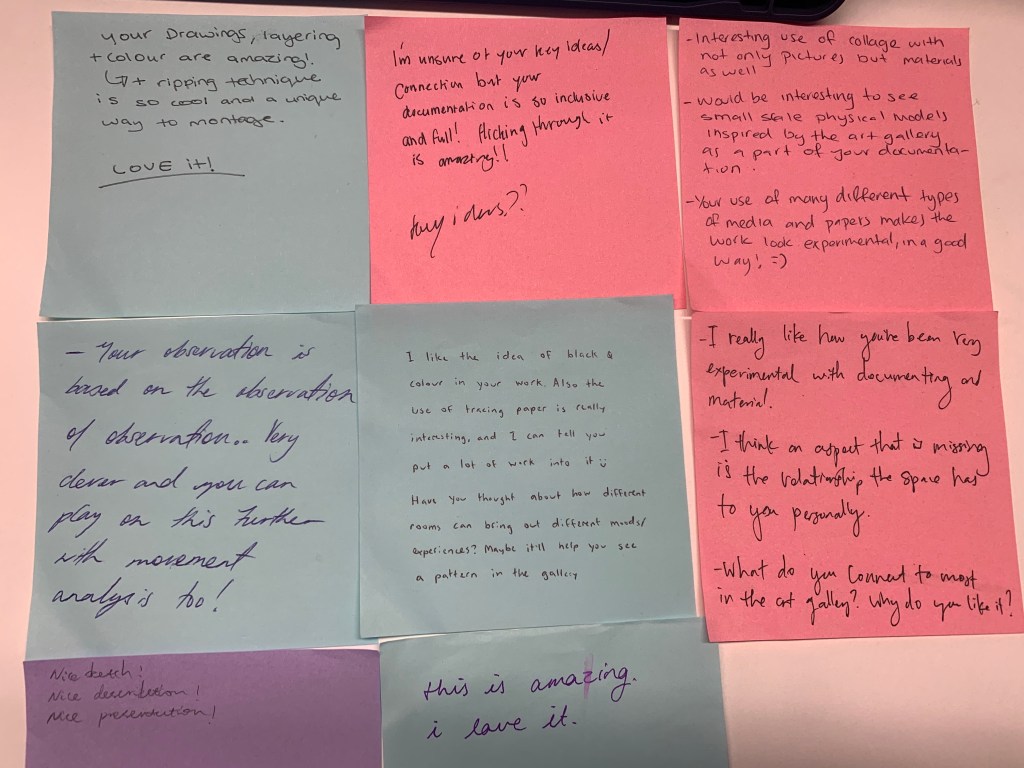
After the part one, I got some feedback from classmates and teachers and I also did self-reflection. In general, I should try more possibilities to show my understanding of social space. Second, explain my work in the form of words, which may make the viewer more aware of my thoughts. In part two, I still choose Auckland Art Gallery as my social space. When I visited this space for the first time, I felt the charm of this space, and I want to make this space more vivid through my intervention.
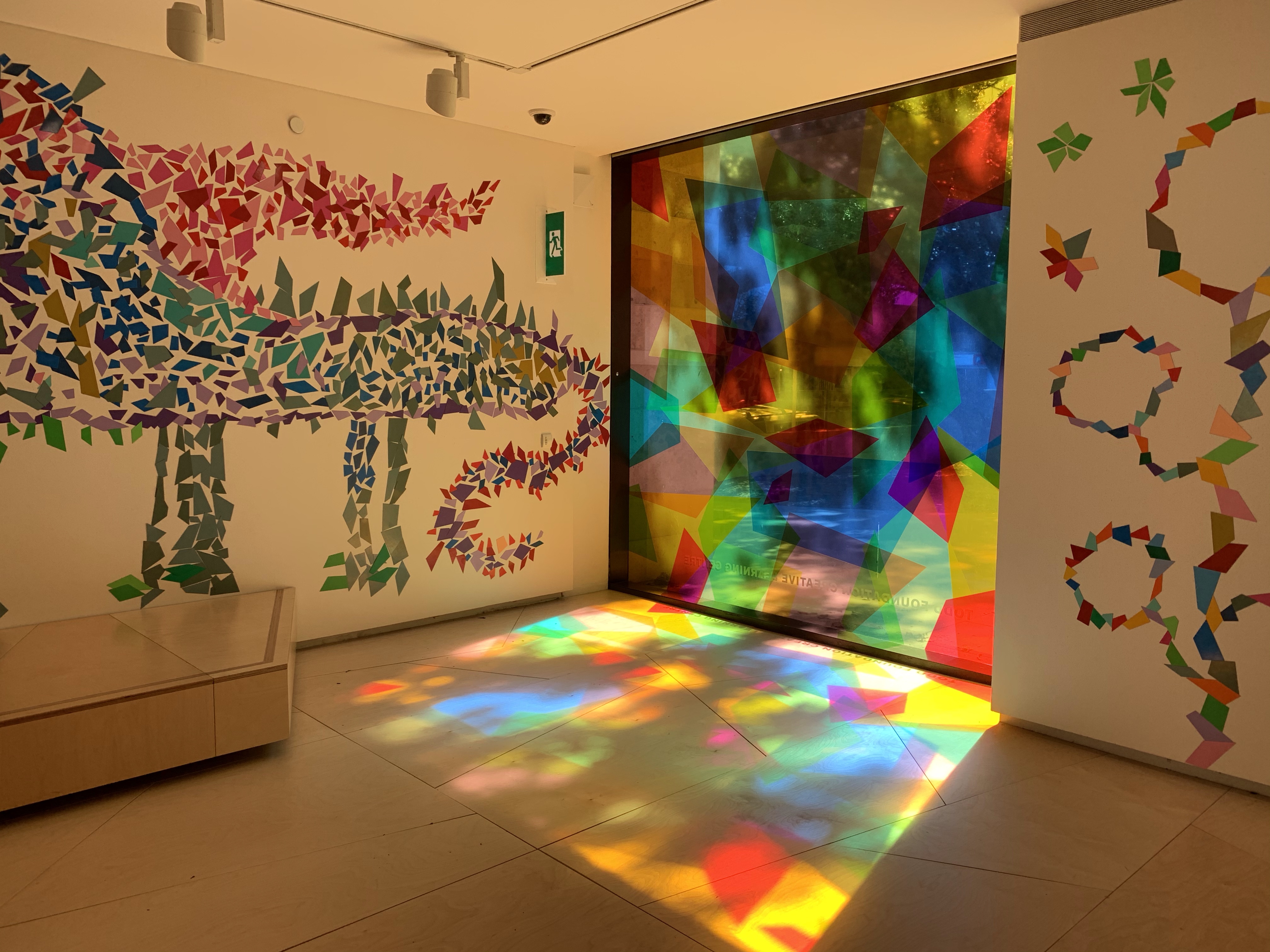
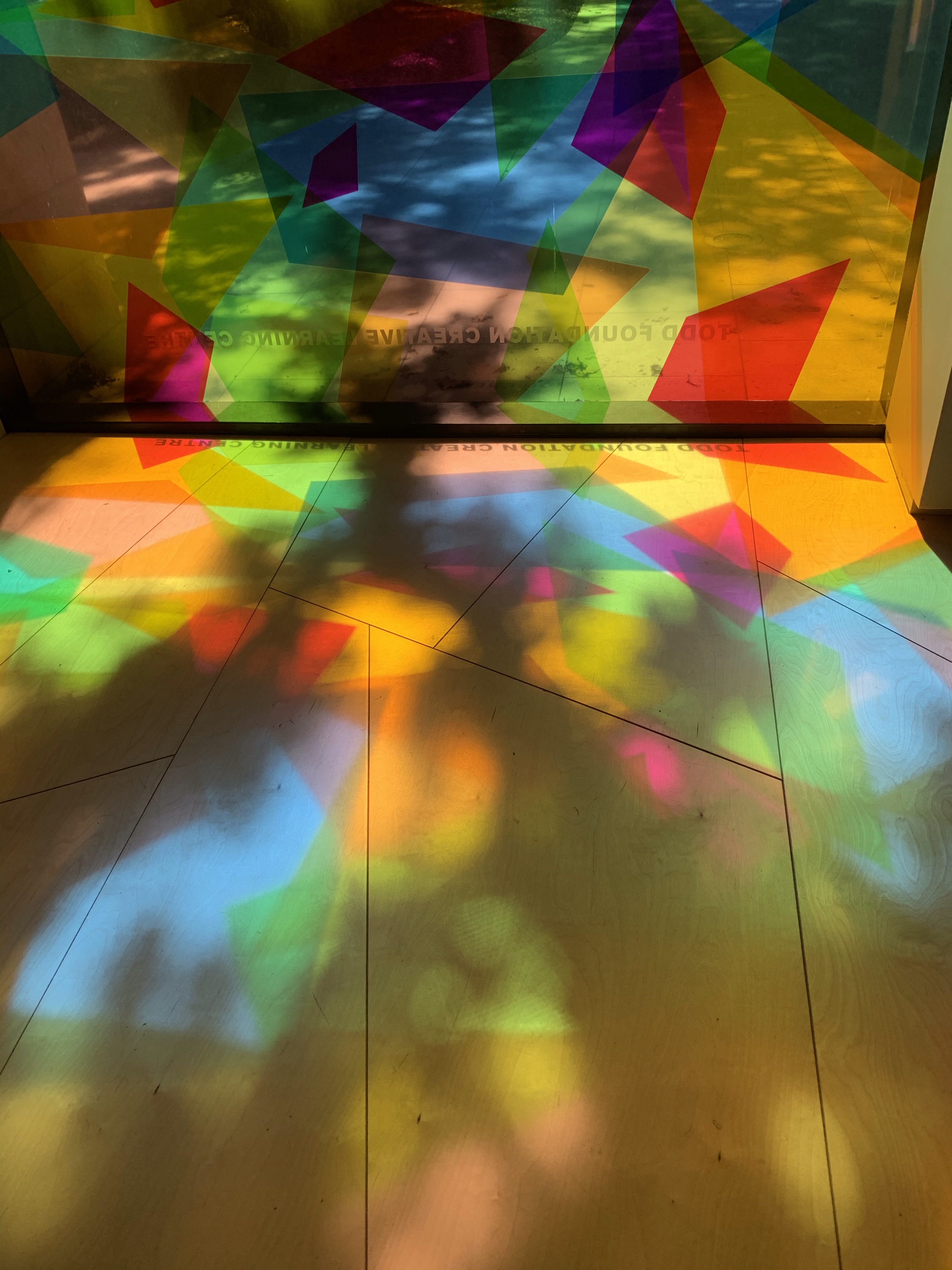
In second part, I will use art installation to complete my work. In this way, the colours of nature are brought into the gallery. Develop with the three natural phenomena of aurora, rainbow and aperture. Because these natural phenomena cannot be seen everywhere. These phenomena are kept in the gallery for a short time through artistic means, not through photos but more personal experience. When I fist conceived this part, I through of expressing it in ways such as smell and sound, etc. But in the end I decided to create a realistic scene to achieve my idea, because when a person is in a certain scene, the brain will show the sounds, smells, etc. heard in this scene. For example, when you think of cafes, you will think of loud discussions, the smell of coffee. So I think it’s a good choice to create a scene for personal experience. In the fourth and fifth proposals, create human-to-human communication and human with space communication through interference. I will use the lazy sofa and post-it wall message to achieve my goal. Create a platform for people to communicate in the gallery.
5 proposal (draft)


Feedback/thoughts after 1:1
When I finished a one-on-one conversation with Rachel, I found a serious problem. My intervention cannot be completed in the gallery. it can only be done outside the gallery. I will consider my intervention done in the external environment and combine with the surrounding environment such as park, street, etc. All in all, many external factors are ignored by me, which brings a lot of difficulties to my work. I will readjust my intervention plan.
Week 7
Statement (Draft)
My social space is Auckland Art Gallery. After the part one, I got some feedback from classmates and teachers and I also did self-reflection. In general, I should try more possibilities to show my understanding of social space. Second, explain my work in the form of words, which may make the viewer more aware of my thoughts. In part two, I still choose Auckland Art Gallery as my social space. When I visited this space for the first time, I felt the charm of this space, and I want to make this space more vivid through my intervention.
As a participant and intervener in this space, I noticed that is no communication and interaction between strangers. I will set up some projects to intervene in this problem. Make contact between strangers and all interventions will connect the people in the internal space with the external space. Make contact with people in the space by leaving messages, but people will not talk verbally but let more people communicate through message. For example, sharing each other’s creative works, stranger’s comments or photos for the gallery, and post-it wall. This connection may resonate with each other, maybe it’s about or this space. The main purpose is to connect strangers together through text, art, and photos to create more vitality for this space. This is more like a silent artistic language.
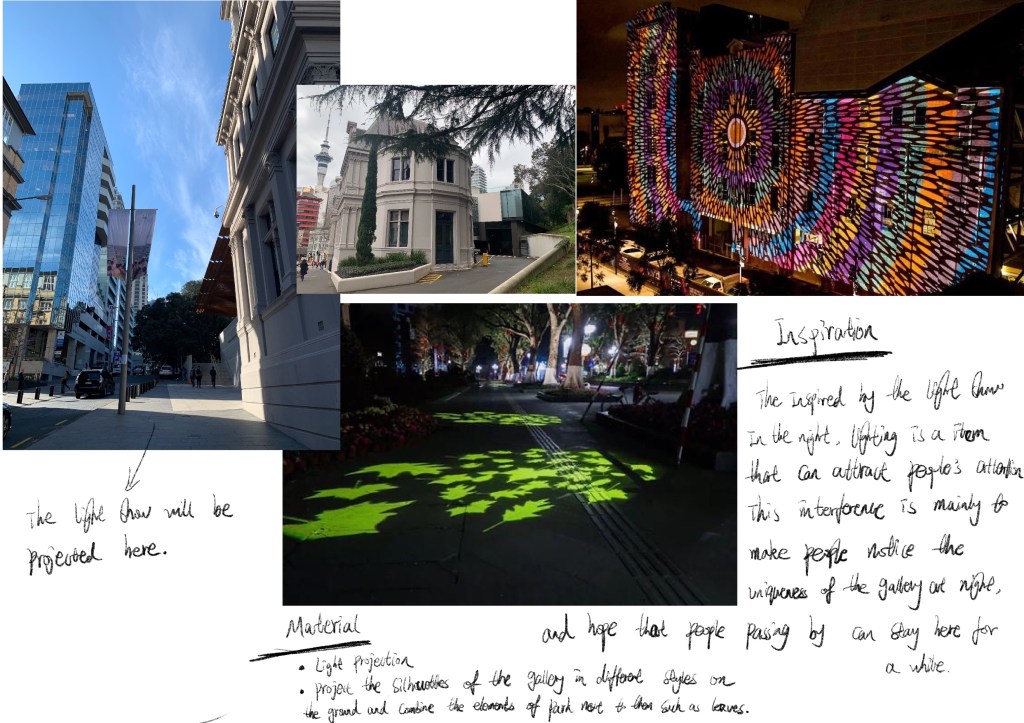
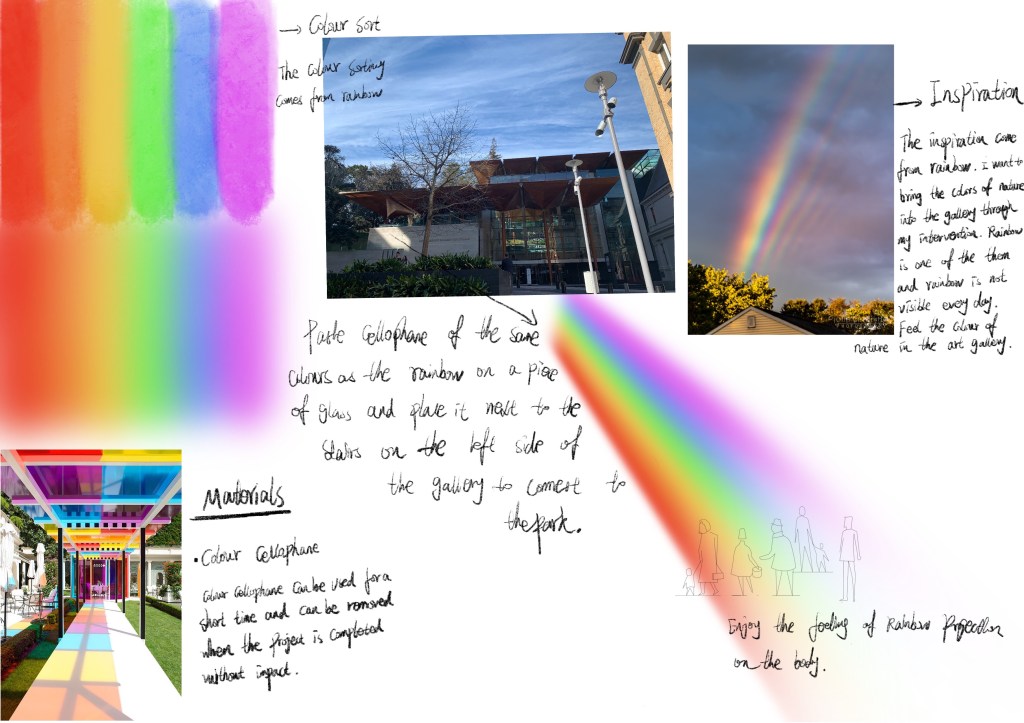
Considering that my interference cannot be implemented internally, my third and fourth proposals combine the external environment. Gallery in different colours. Set up a rainbow device at the junction of the gallery and the Albert park to incorporate nature colours into the gallery. Also, I noticed that more and more people pay attention to art, but art is not just a simple paint. I want people to notice that art has many forms. During the day, I choose to use rainbows to attract the attention of people passing by. Rainbow cannot be seen every day. Remind people to pay attention to the scenery in front of them, beautiful things are hidden in our lives. Main materials: glass, colours cellophane, sunshine.The light is the most attractive thing at night, so at night I design a light show and projected it on the street outside the gallery. But the lights projected will be different styles of the gallery that will show the charm of the gallery in different ways. The main purpose is to attract people passing by to stop and enjoy.
Proposal (Draft)
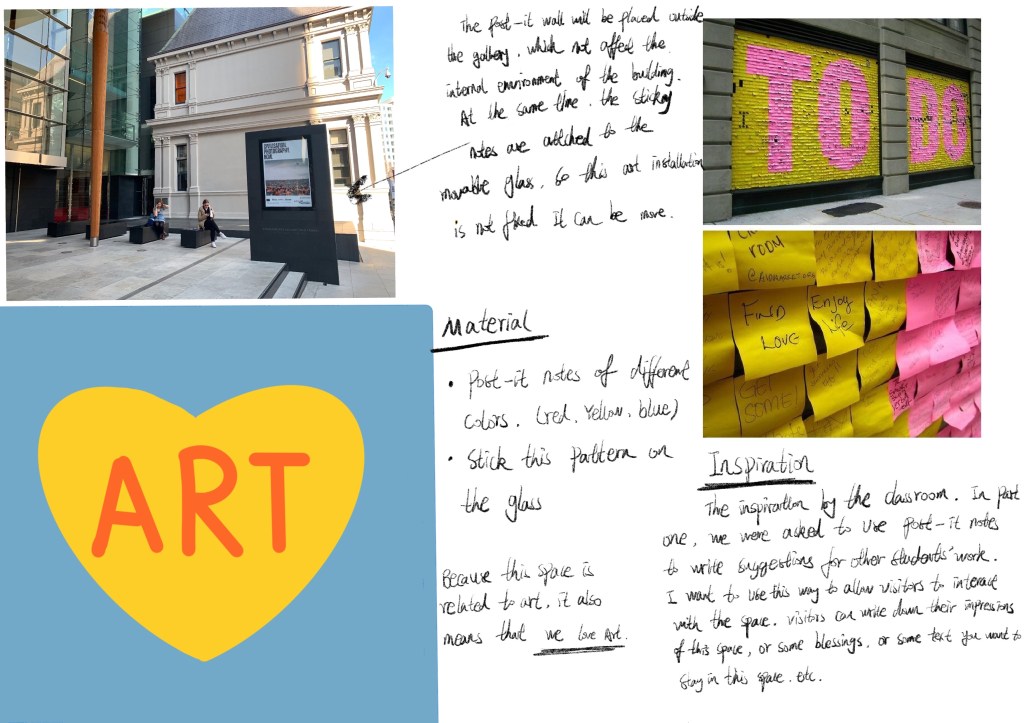
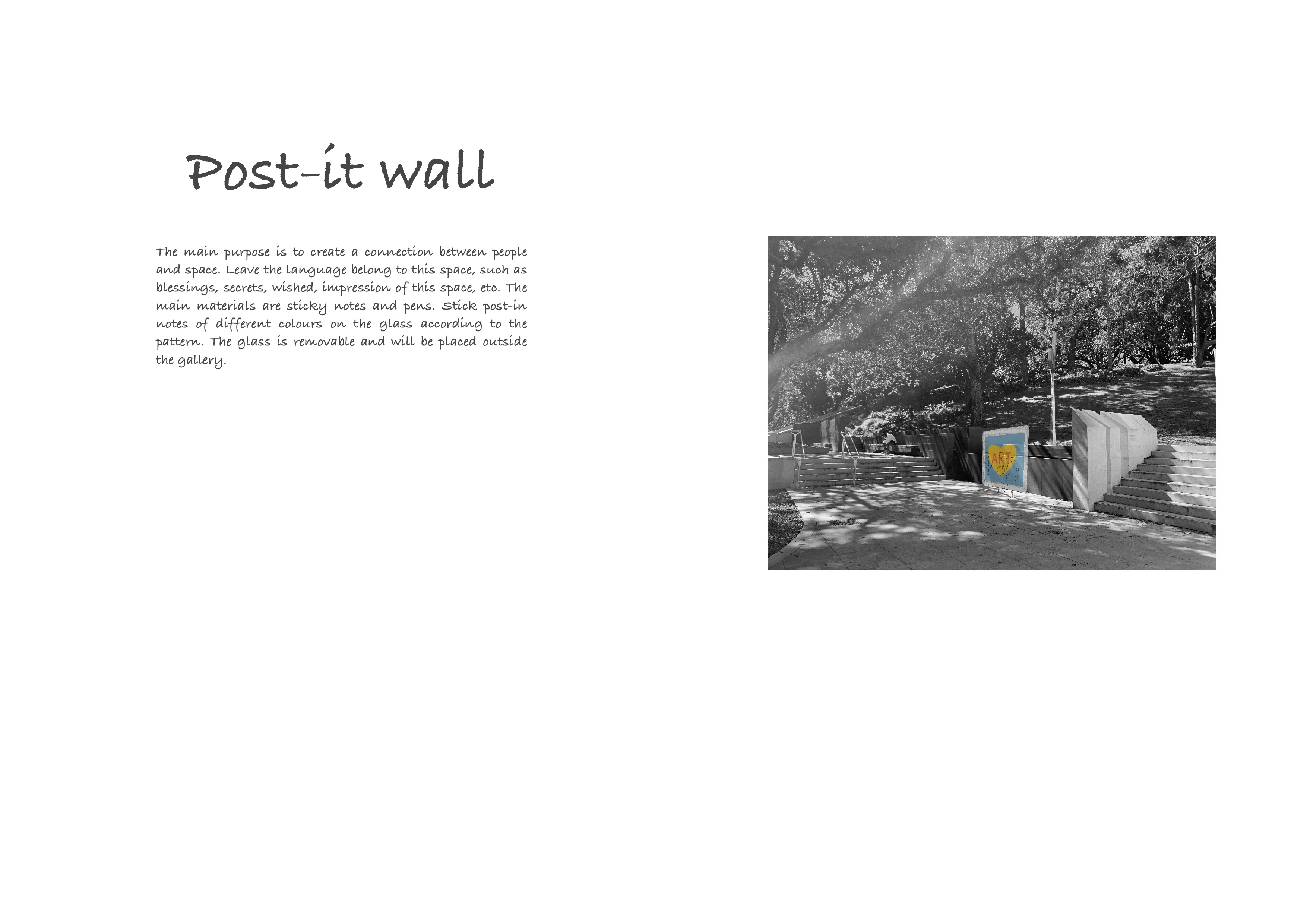
1. Post-it wall
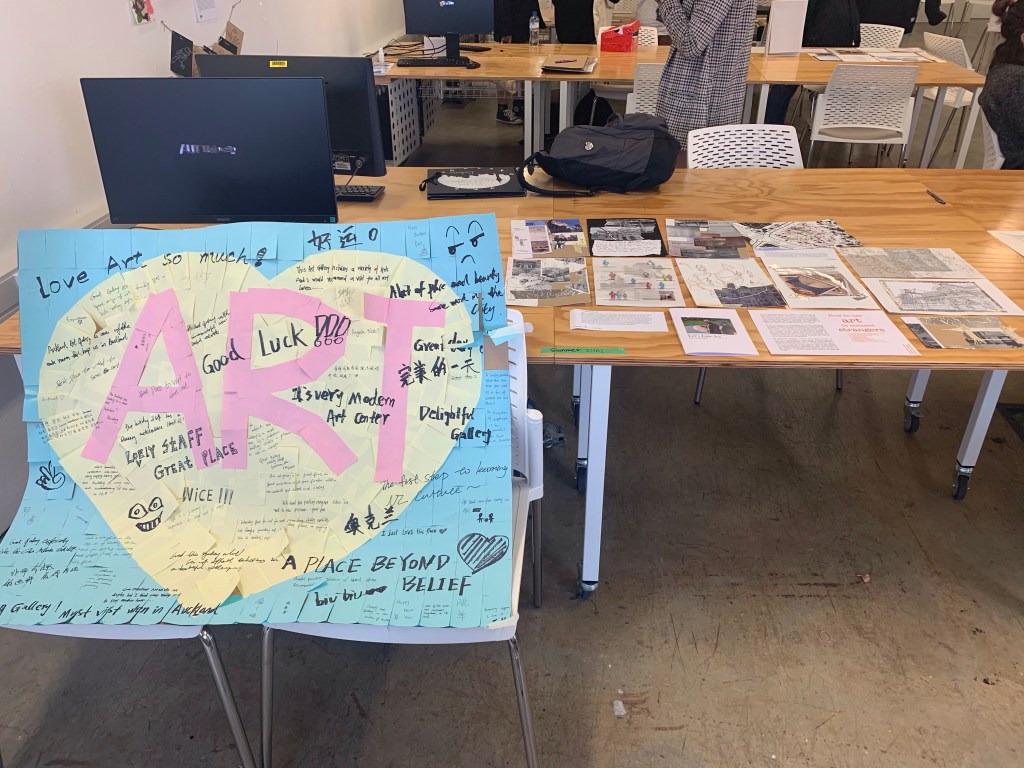
The main purpose is to create a connection between people and space. Leave the language belong to this space, such as blessings, secrets, wished, impression of this space, etc. The main materials are sticky notes and pens. Stick post-in notes of different colours on the glass according to the pattern. The glass is removable and will be placed outside the gallery.
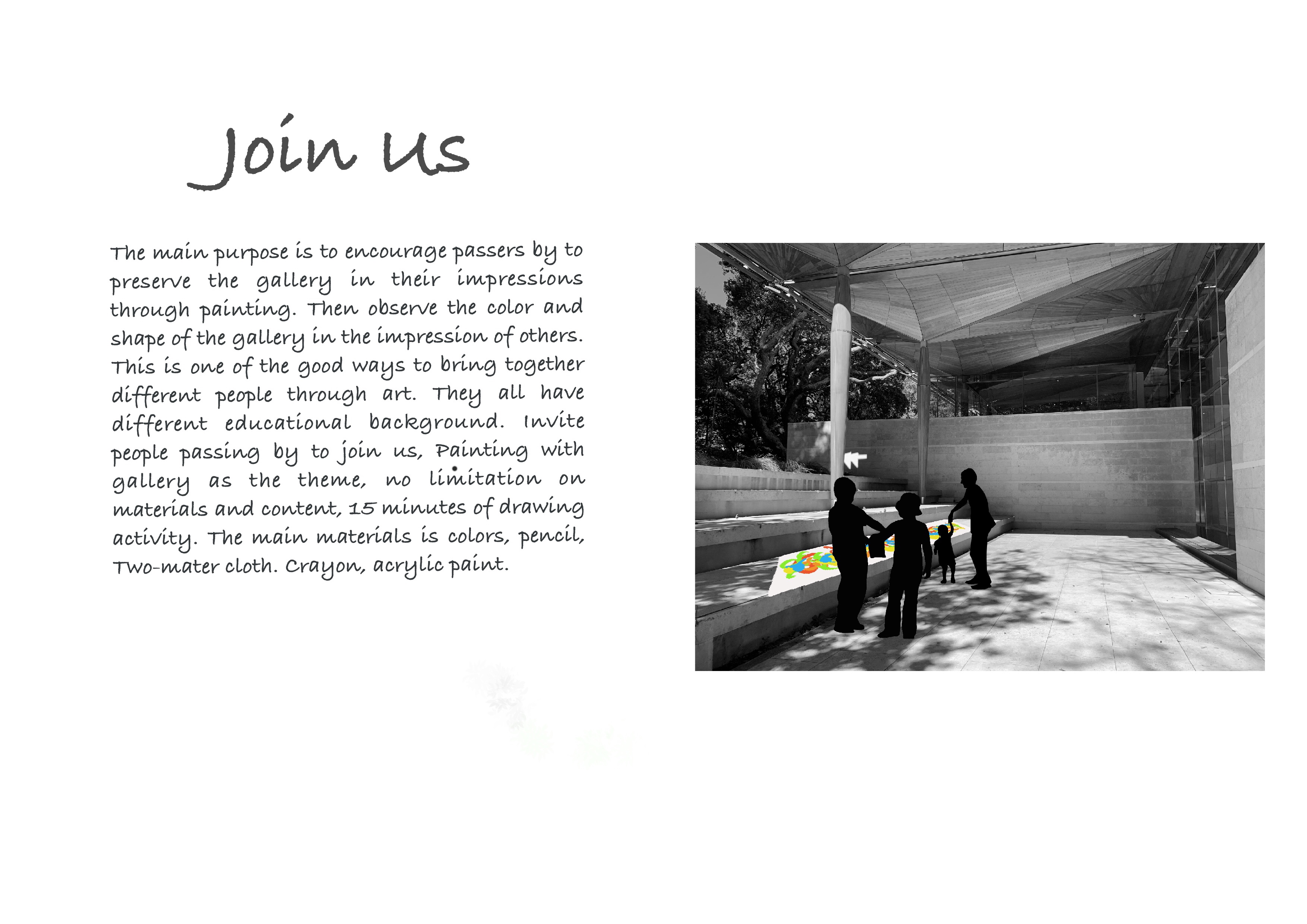
2. Creative painting
Make reasonable use of external resources and the fallen leaves of the park for creative painting. Bring people of different ages together through painting, and communicate with each other in an artist way. Main materials: fallen leaves, discarded bottles, stones and other discarded materials, colours and table. This interference will be placed and the park. Combine people and space through painting.
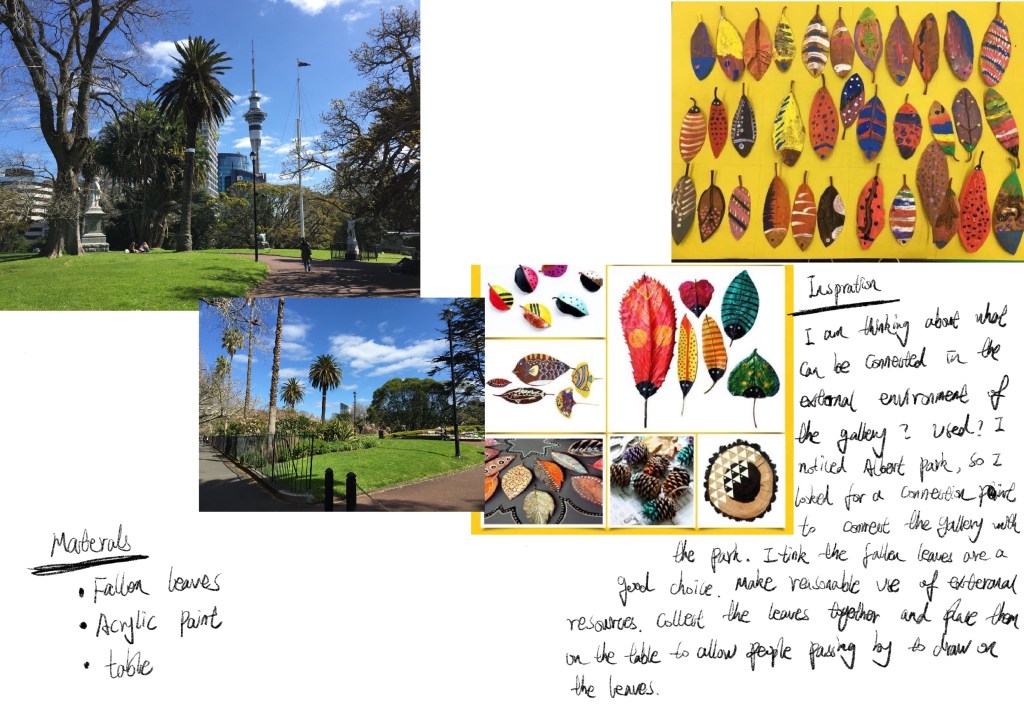
3. Signs
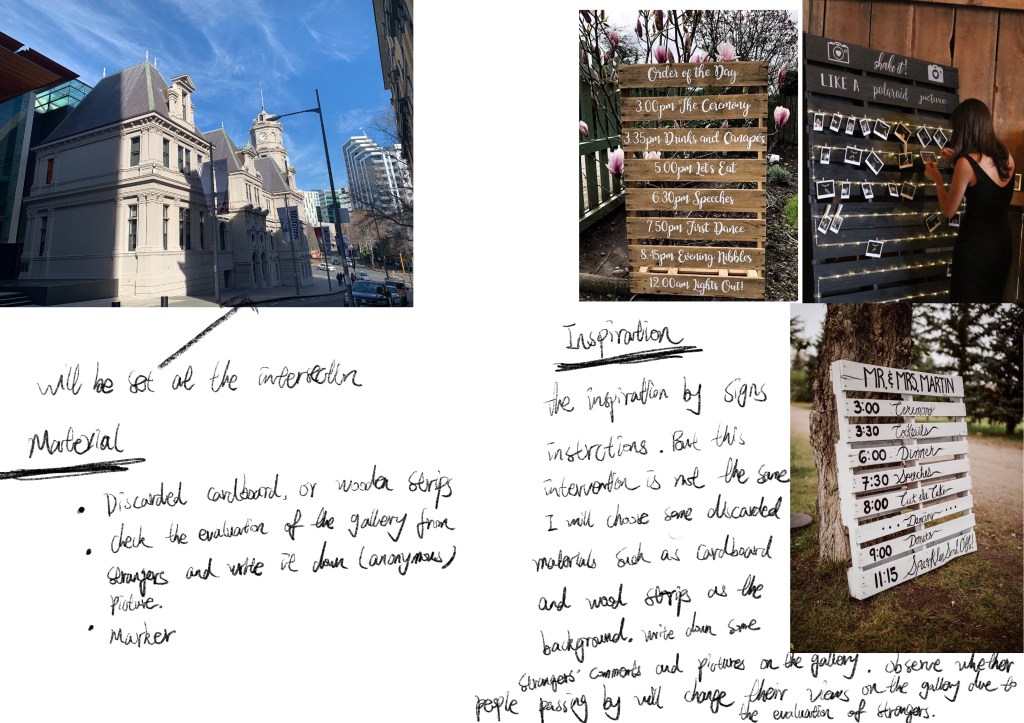
Does a stranger’s evaluation of the gallery make you change your view of the gallery? Will it resonate/ recognize /disapprove you? Leave your impression of the gallery in any form such as photos, paintings, language, etc. Observing the gallery in the eyes of others makes connections between different strangers and also makes people connect with space. This may give some instructions to other visitors to the gallery. Main materials: discarded wooden boards, pens, colours, glue.
4. Mini Light Show
The gallery in different colours. The light is the most attractive thing at night, so at night I design a light show and projected it on the street outside the gallery. But the lights projected will be different styles of the gallery. The main purpose is to attract people passing by to stay a while and appreciate the gallery in different environments. Main materials: light
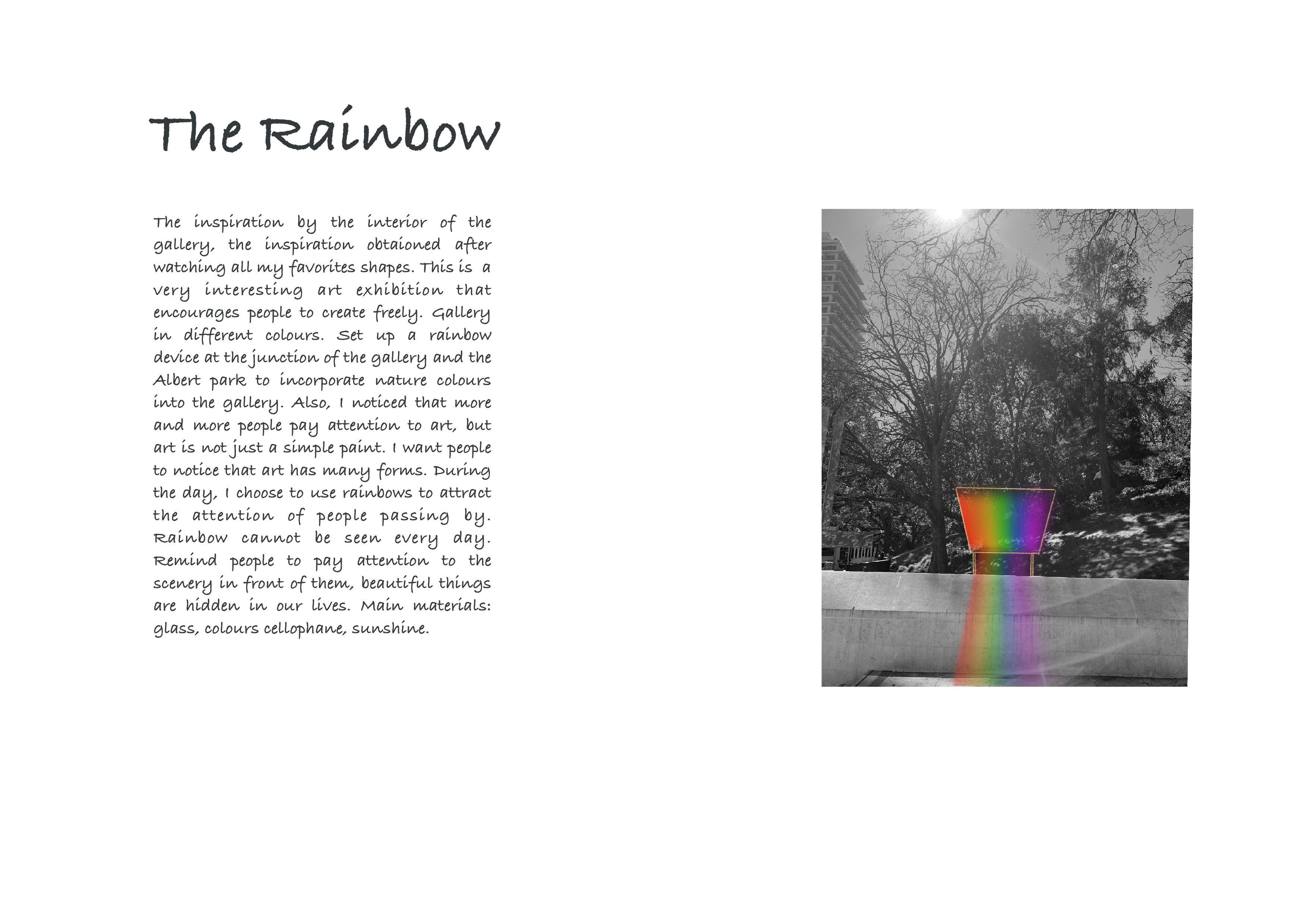
5. The Rainbow
Gallery in different colours. Set up a rainbow device at the junction of the gallery and the Albert park to incorporate nature colours into the gallery. Also, I noticed that more and more people pay attention to art, but art is not just a simple paint. I want people to notice that art has many forms. During the day, I choose to use rainbows to attract the attention of people passing by. Rainbow cannot be seen every day. Remind people to pay attention to the scenery in front of them, beautiful things are hidden in our lives. Main materials: glass, colours cellophane, sunshine.
Final Statement
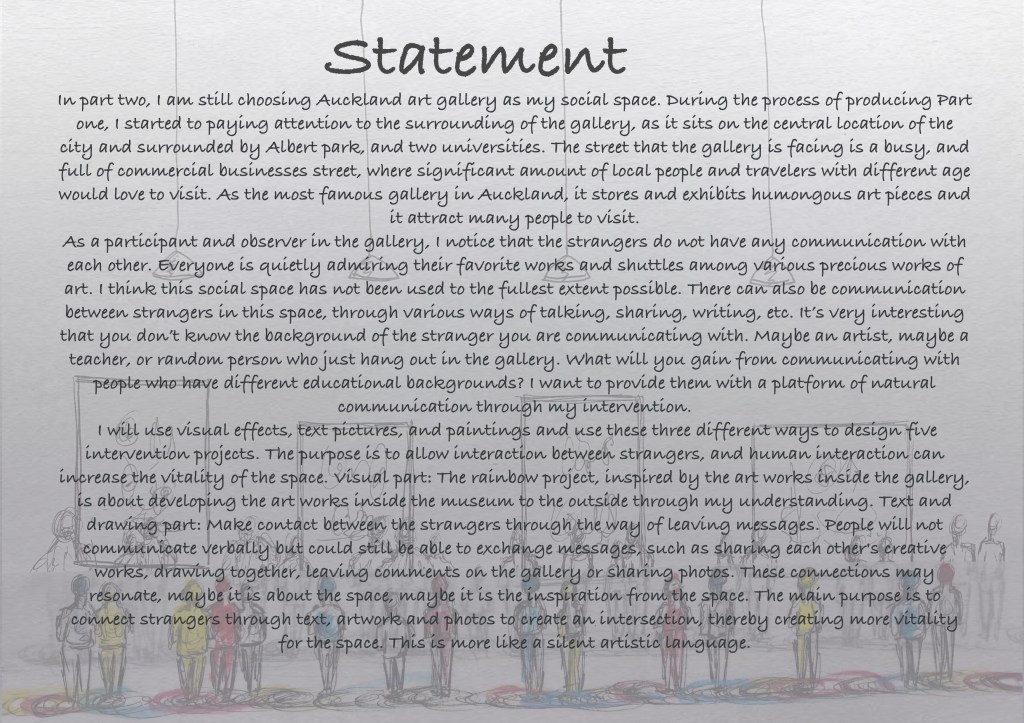
Final Proposal
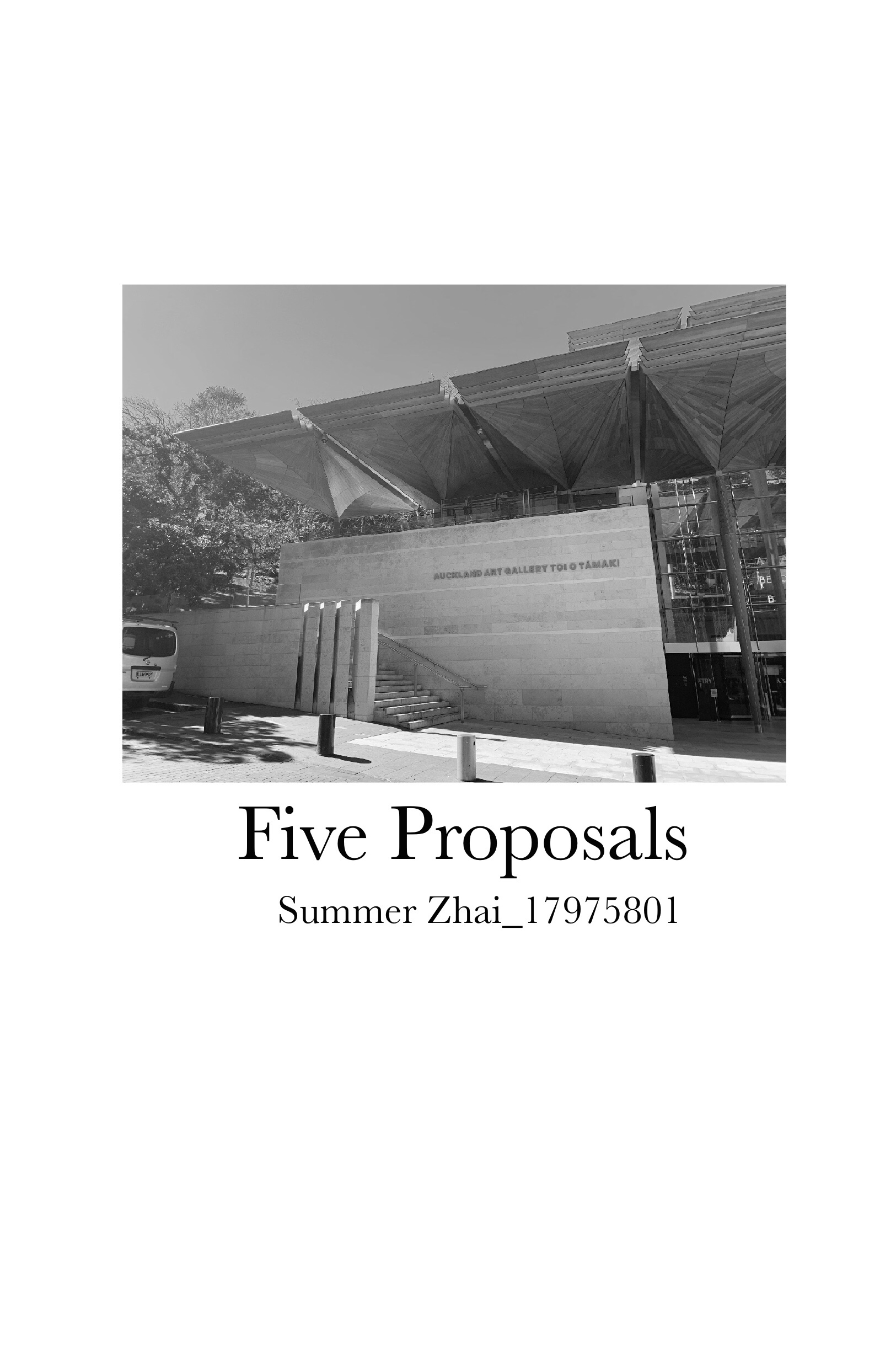
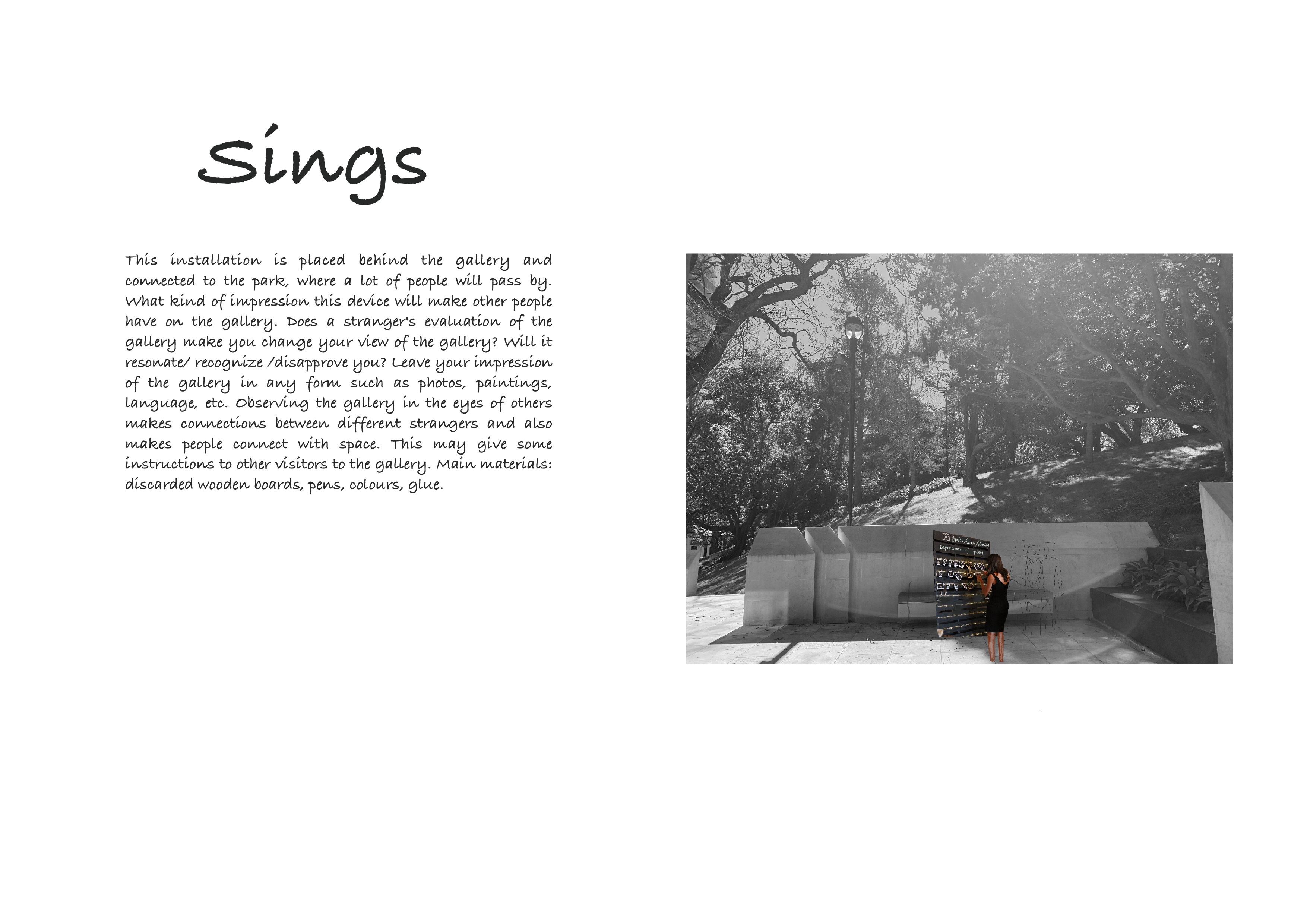
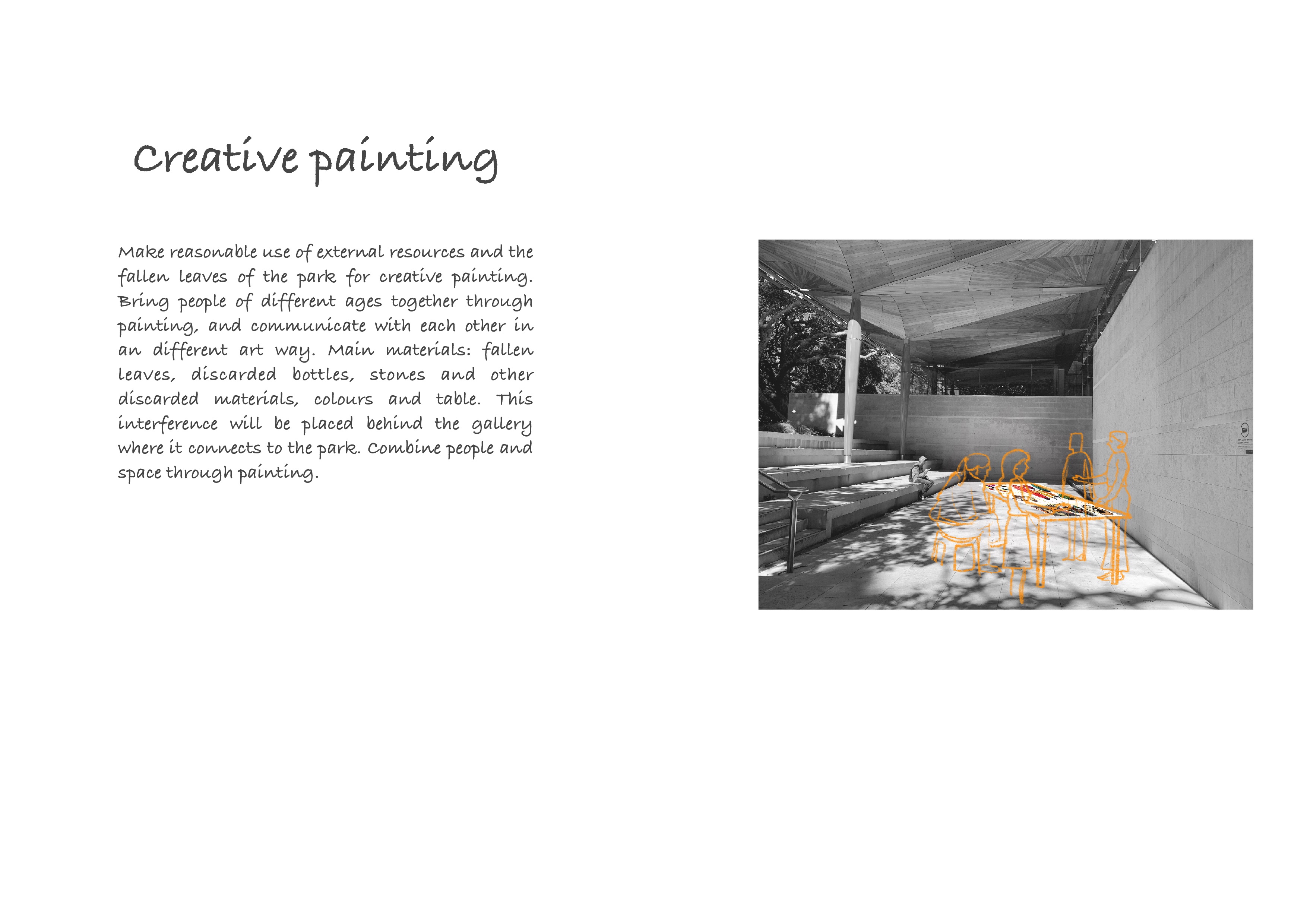
Let’s Join Art
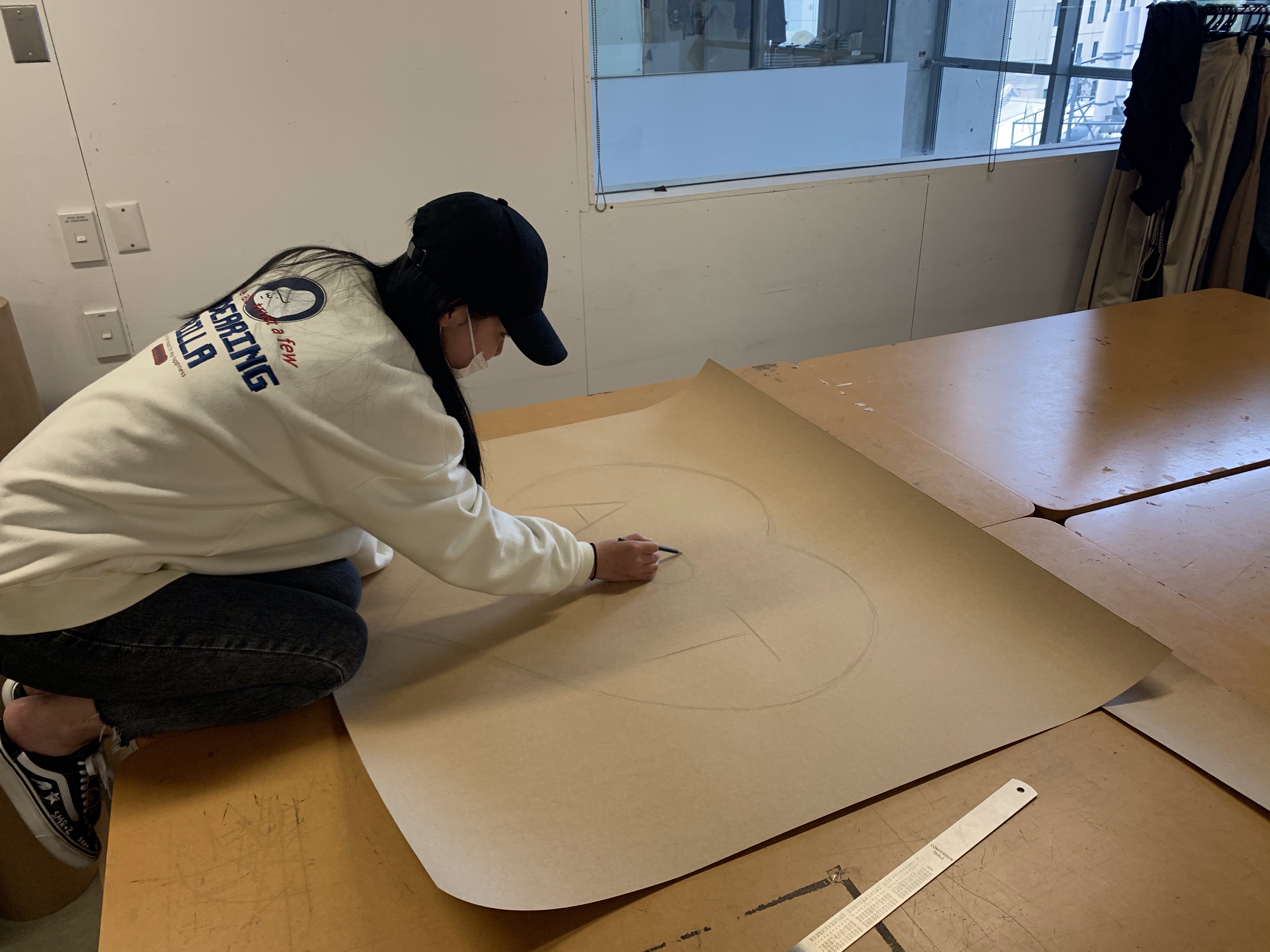
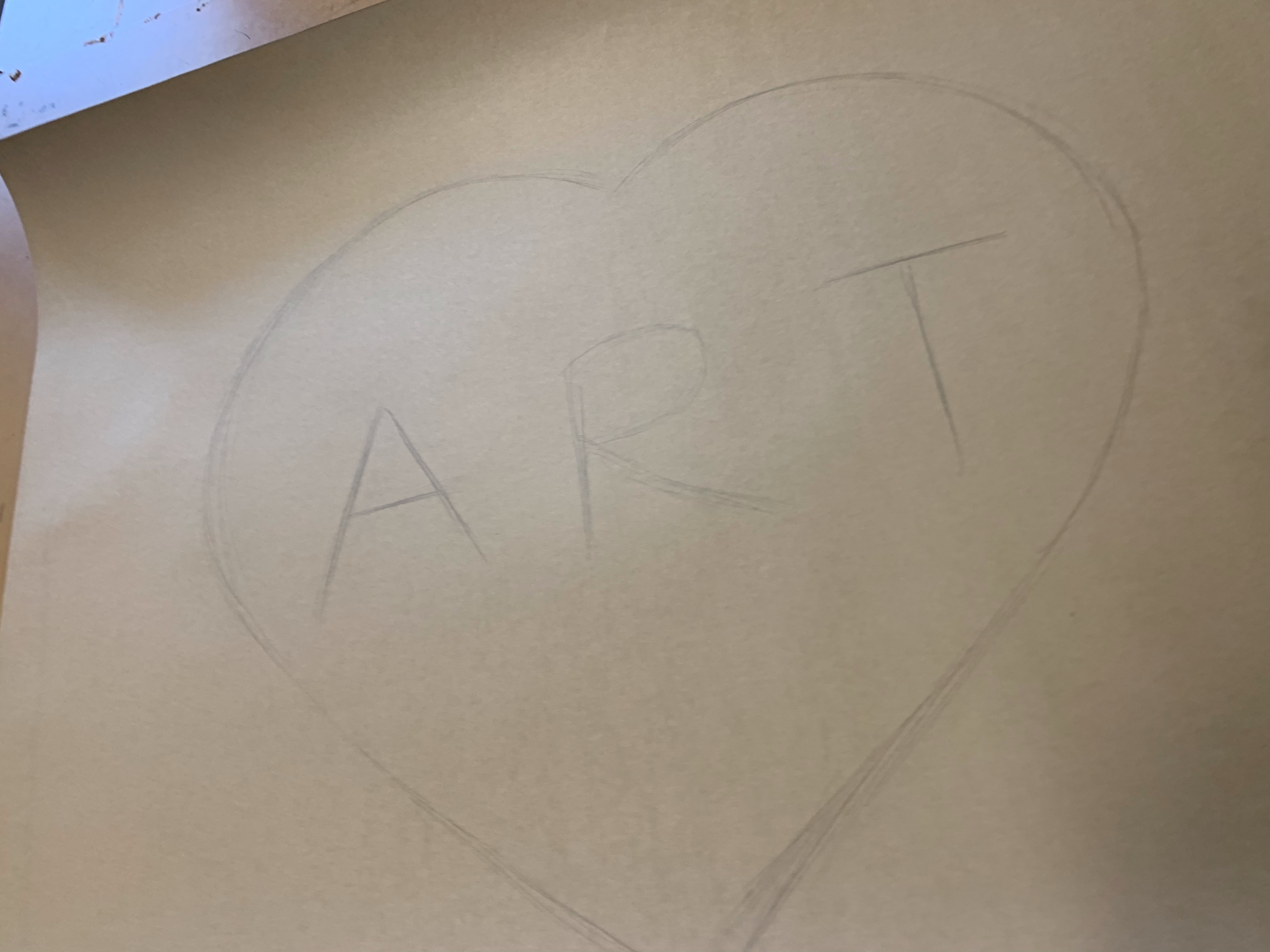
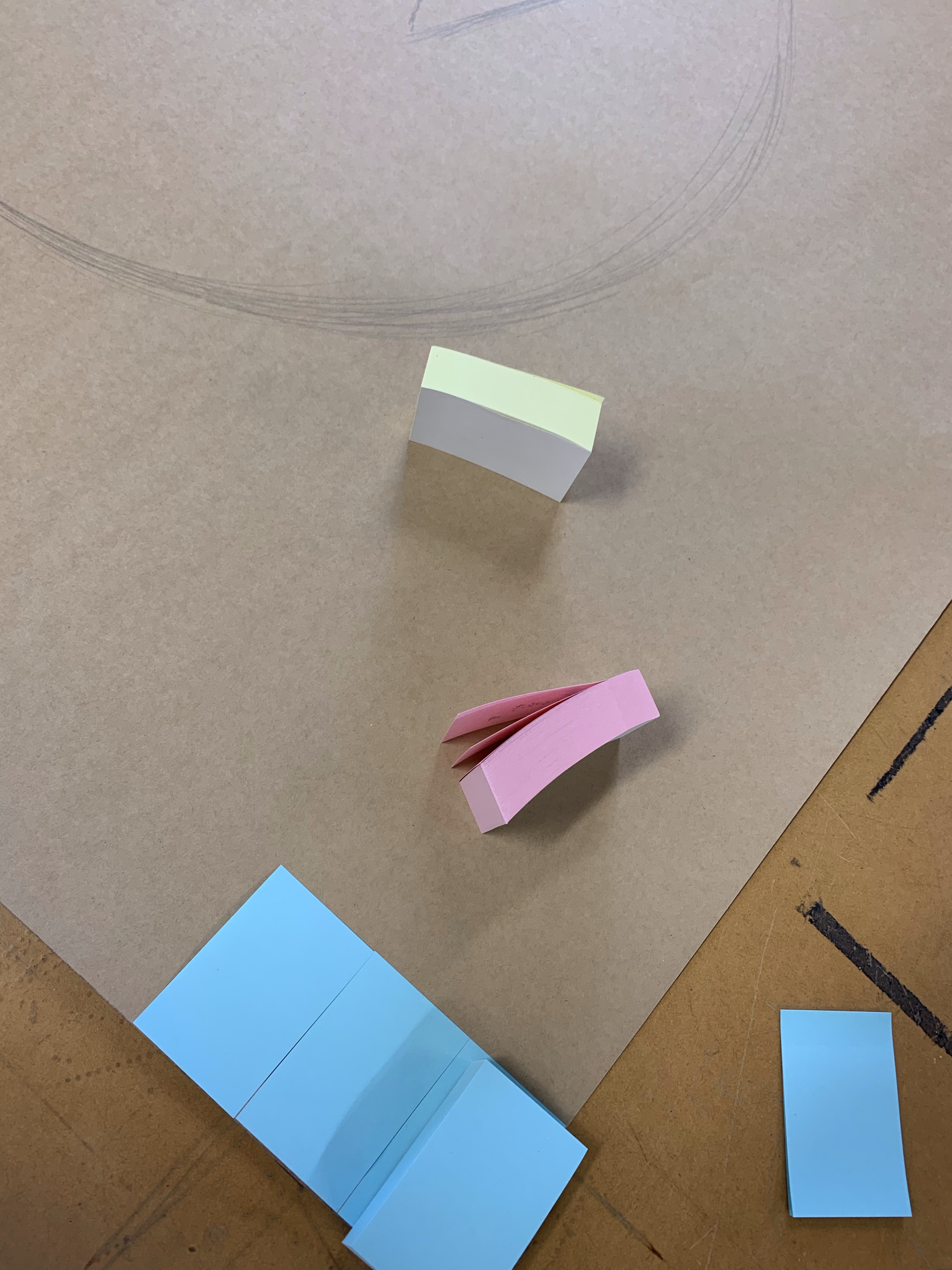
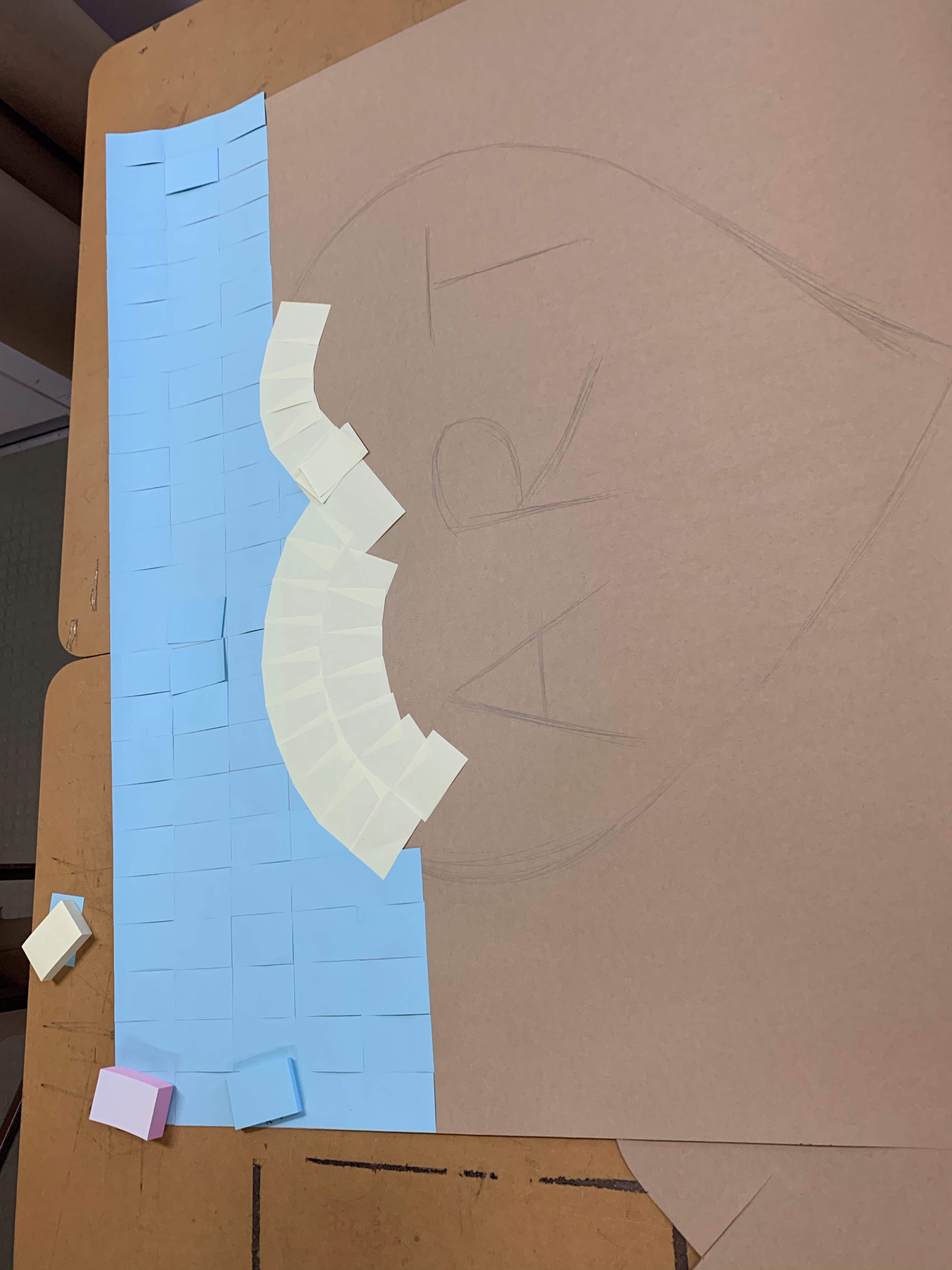
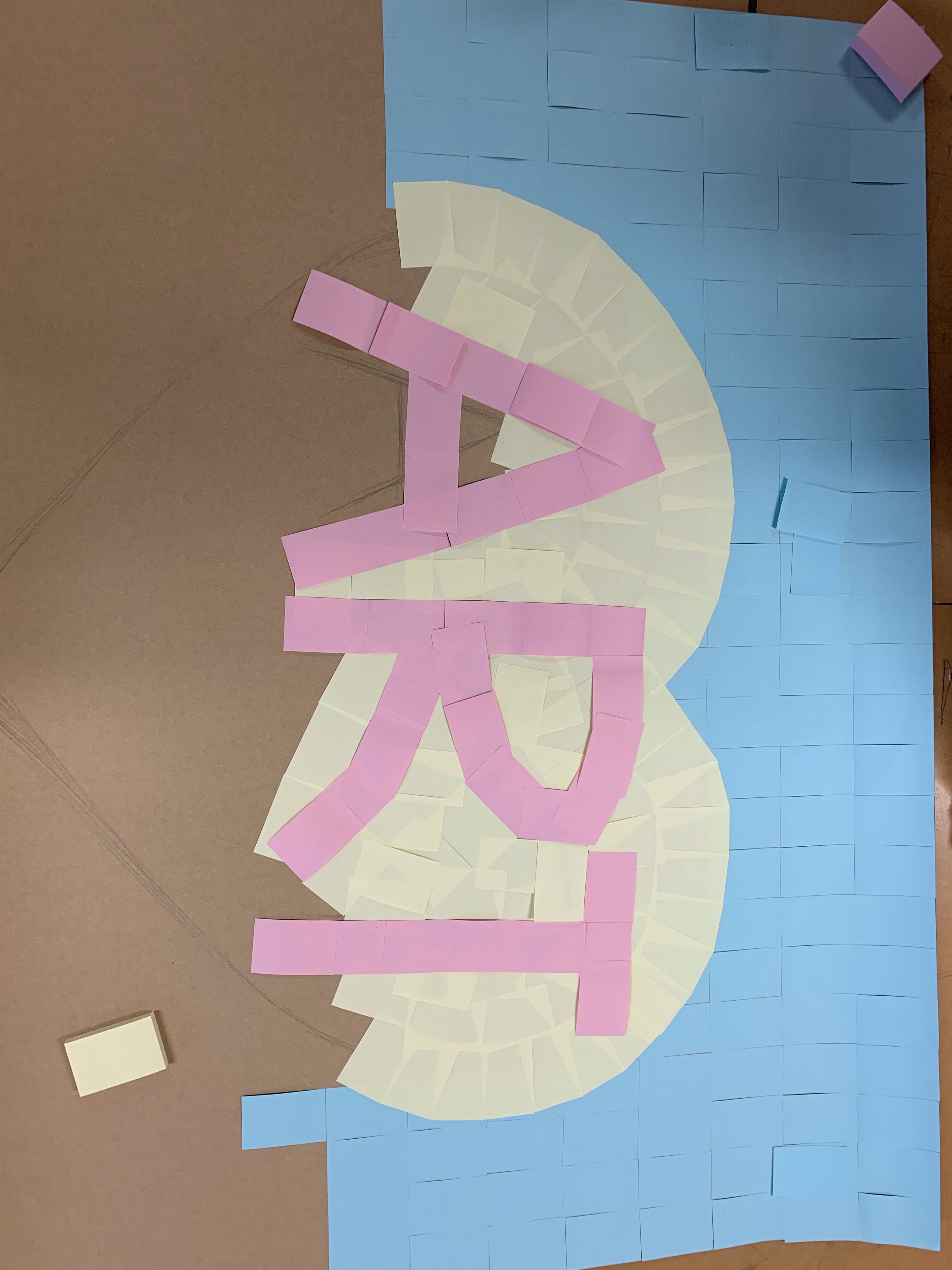
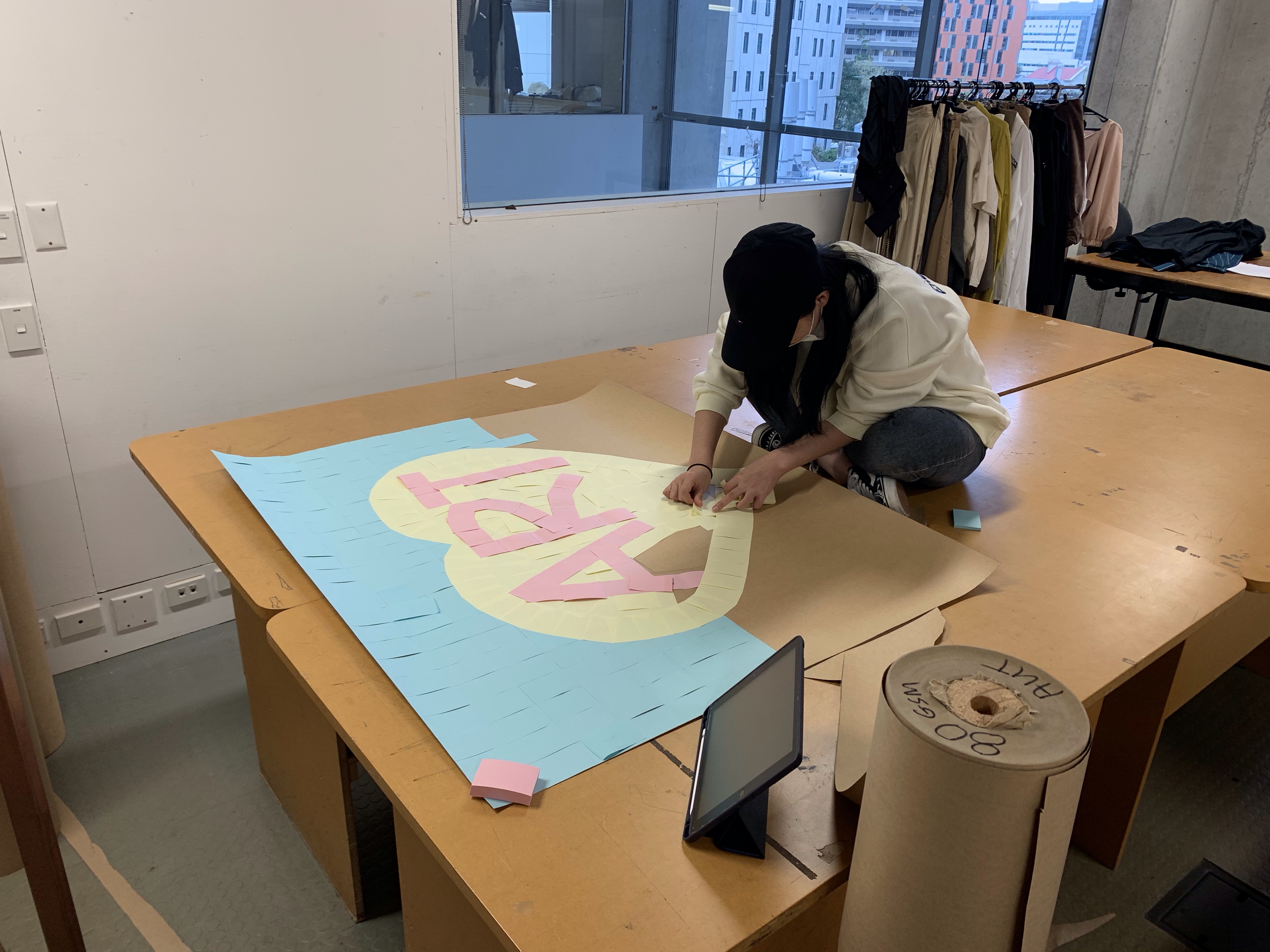
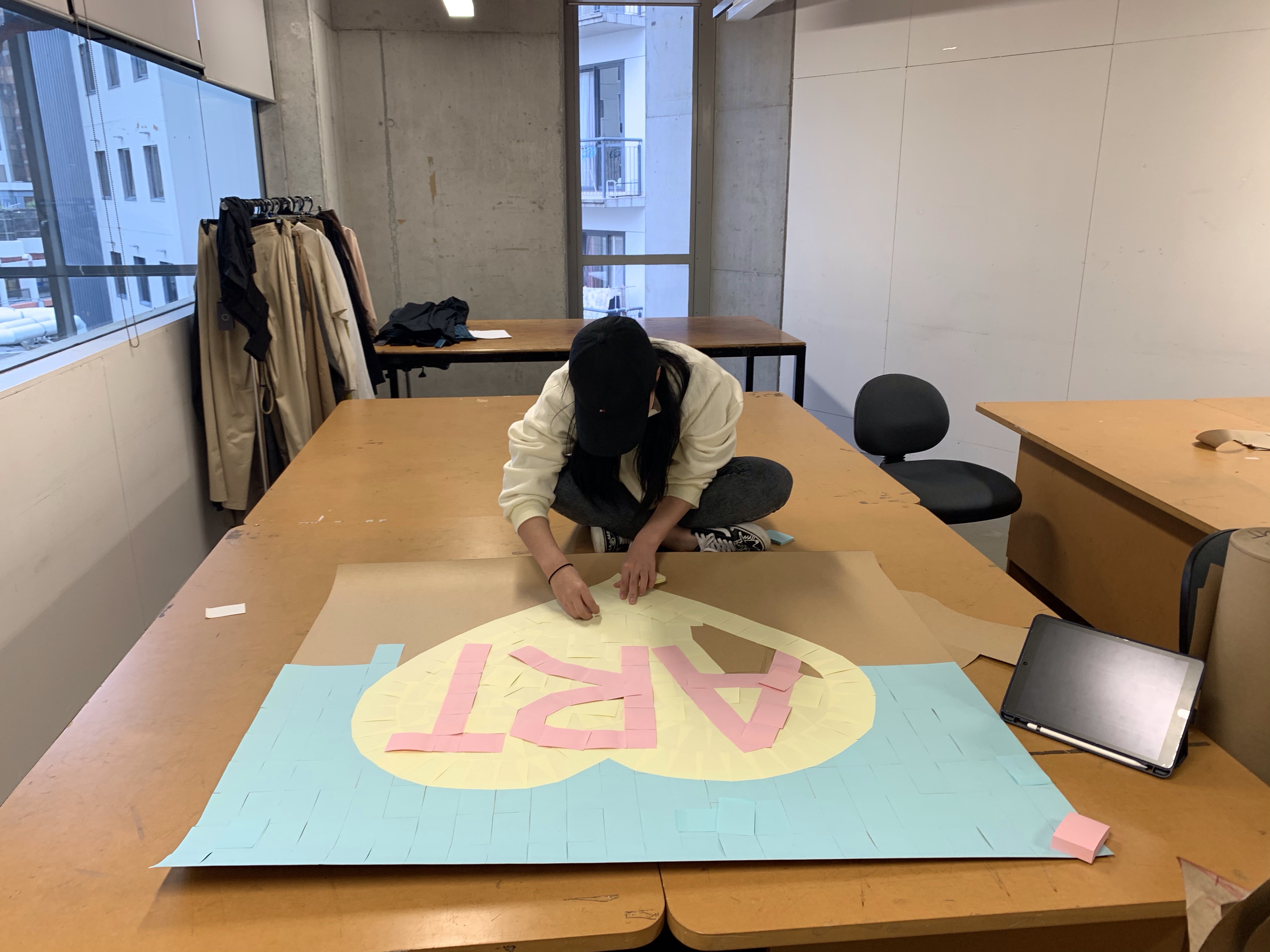
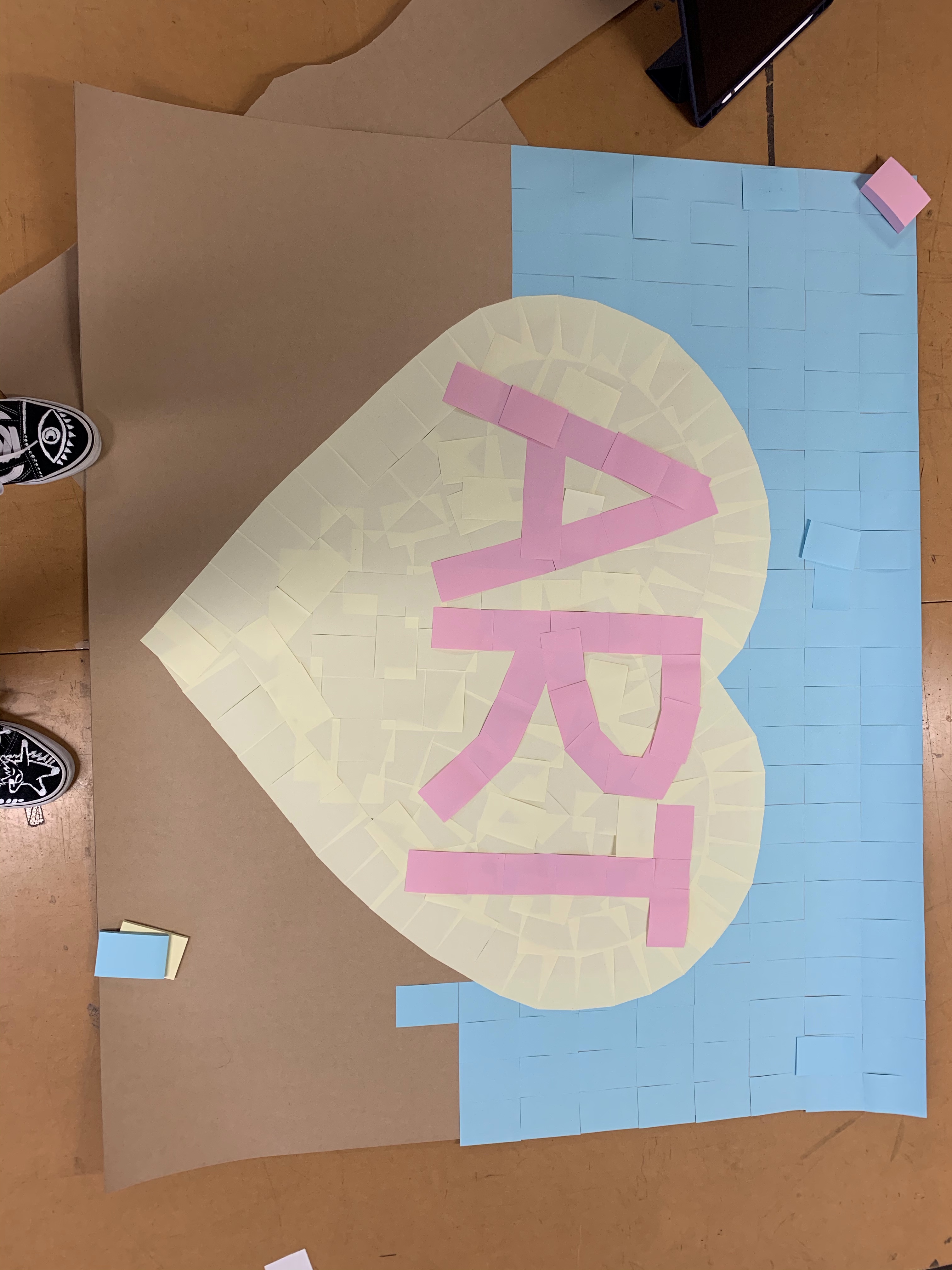
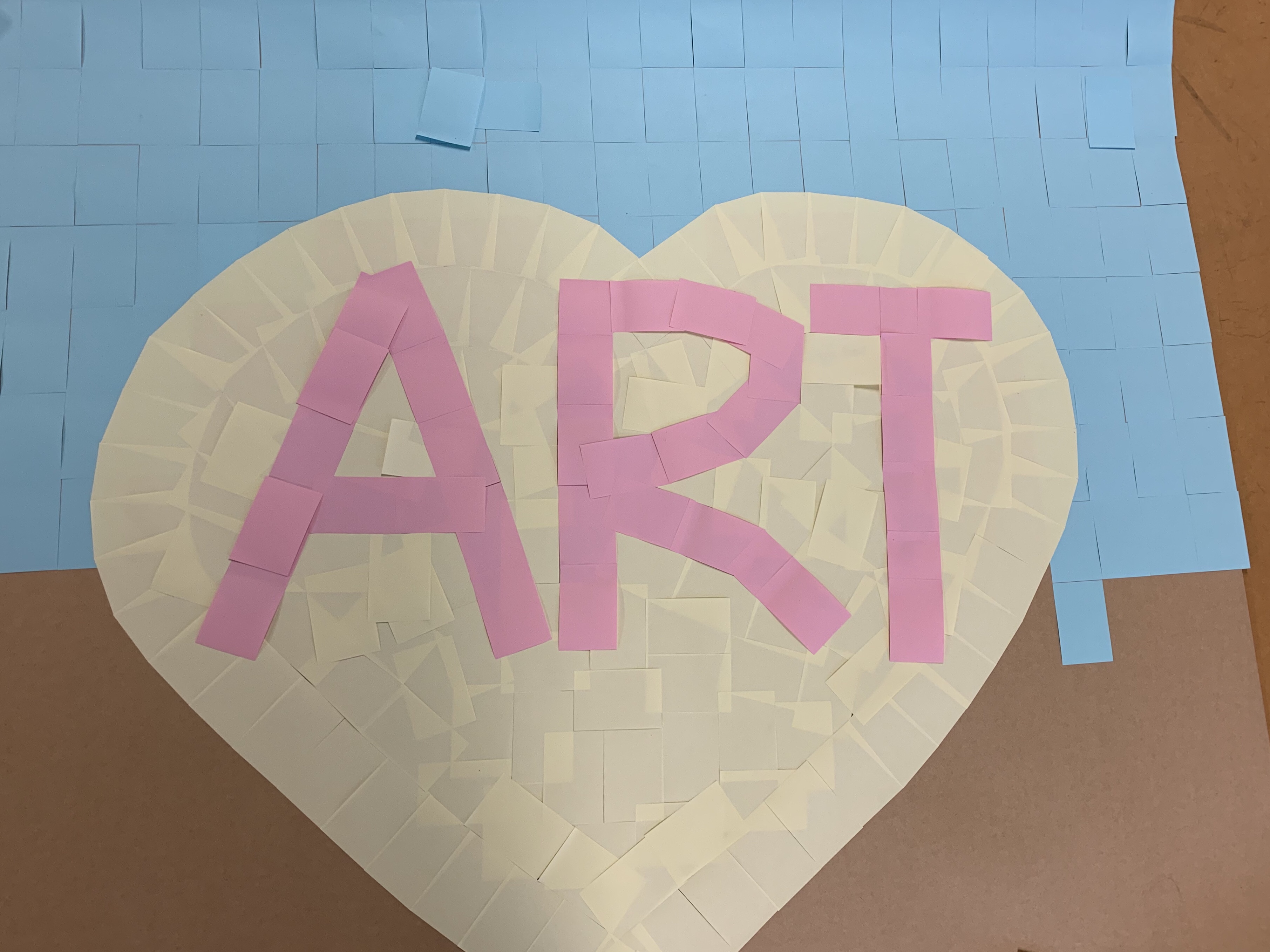
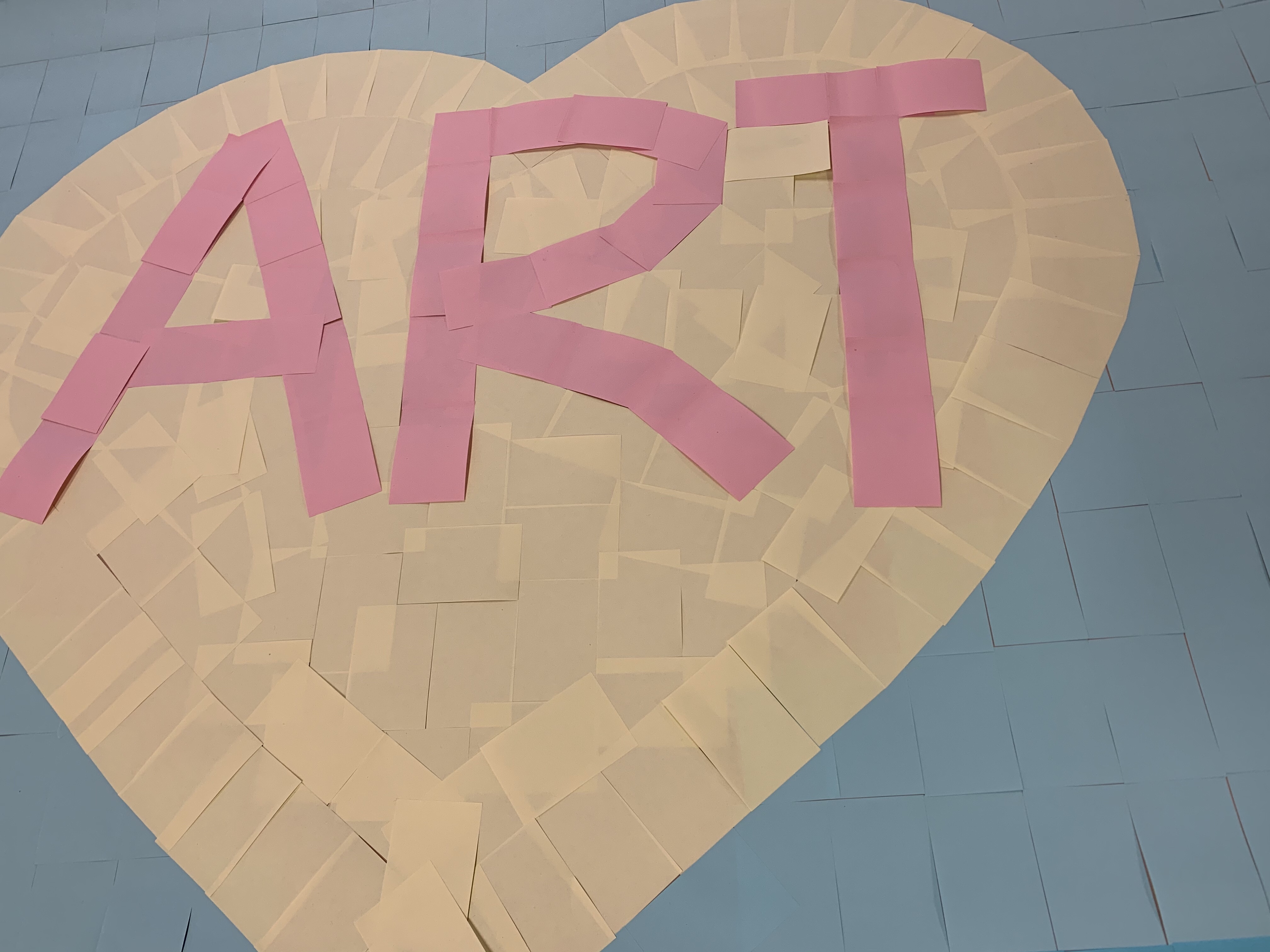
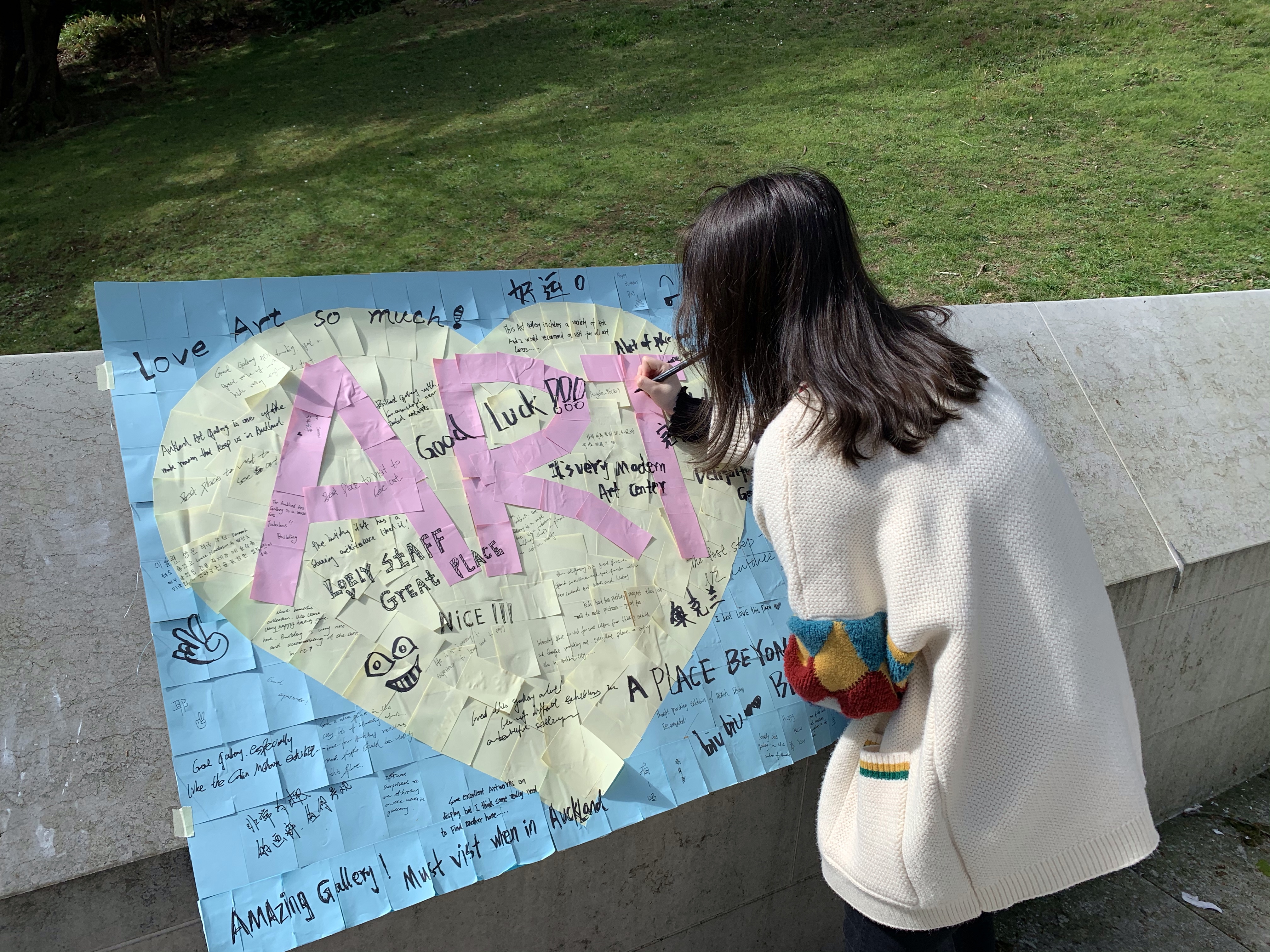
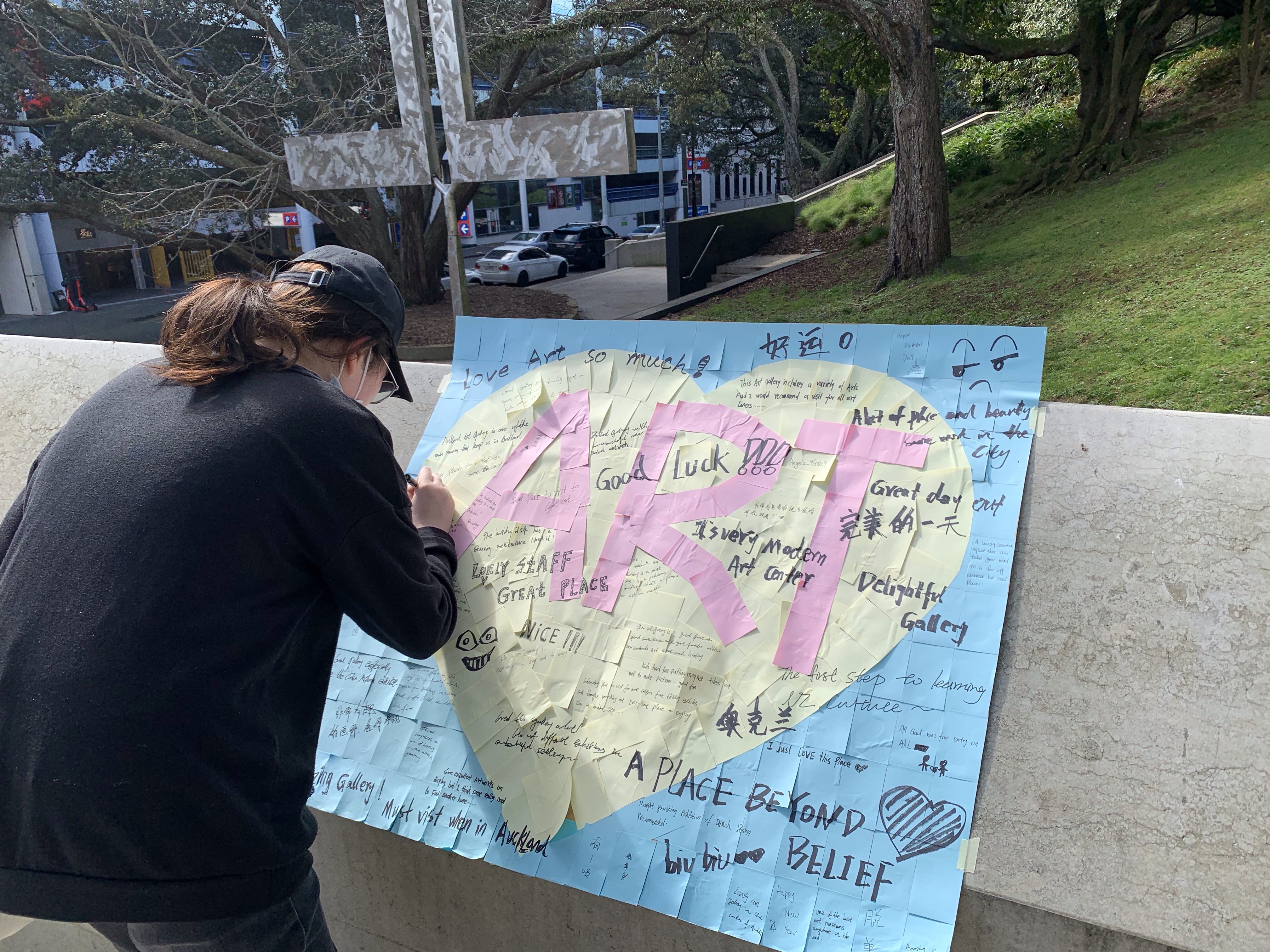
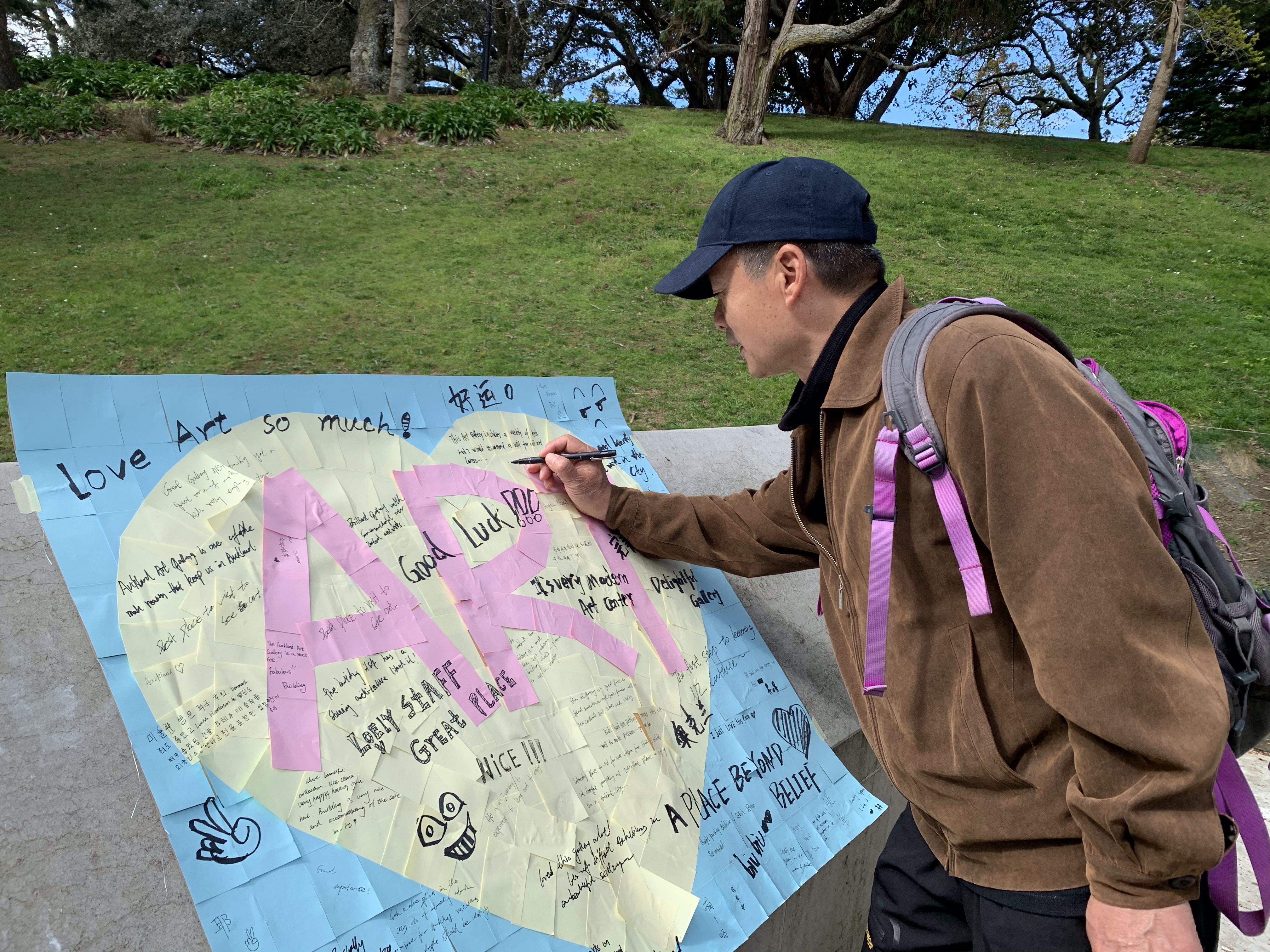
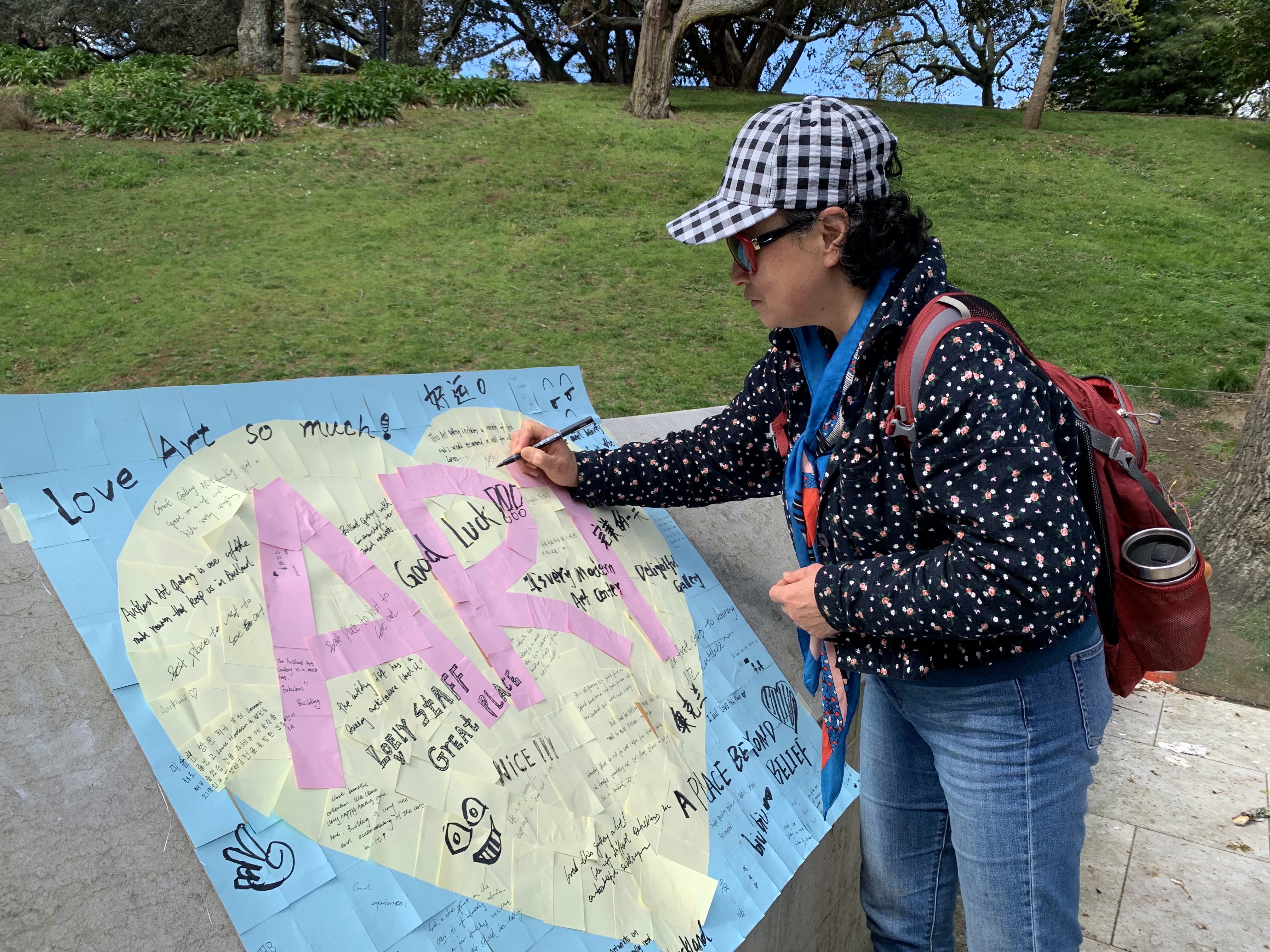
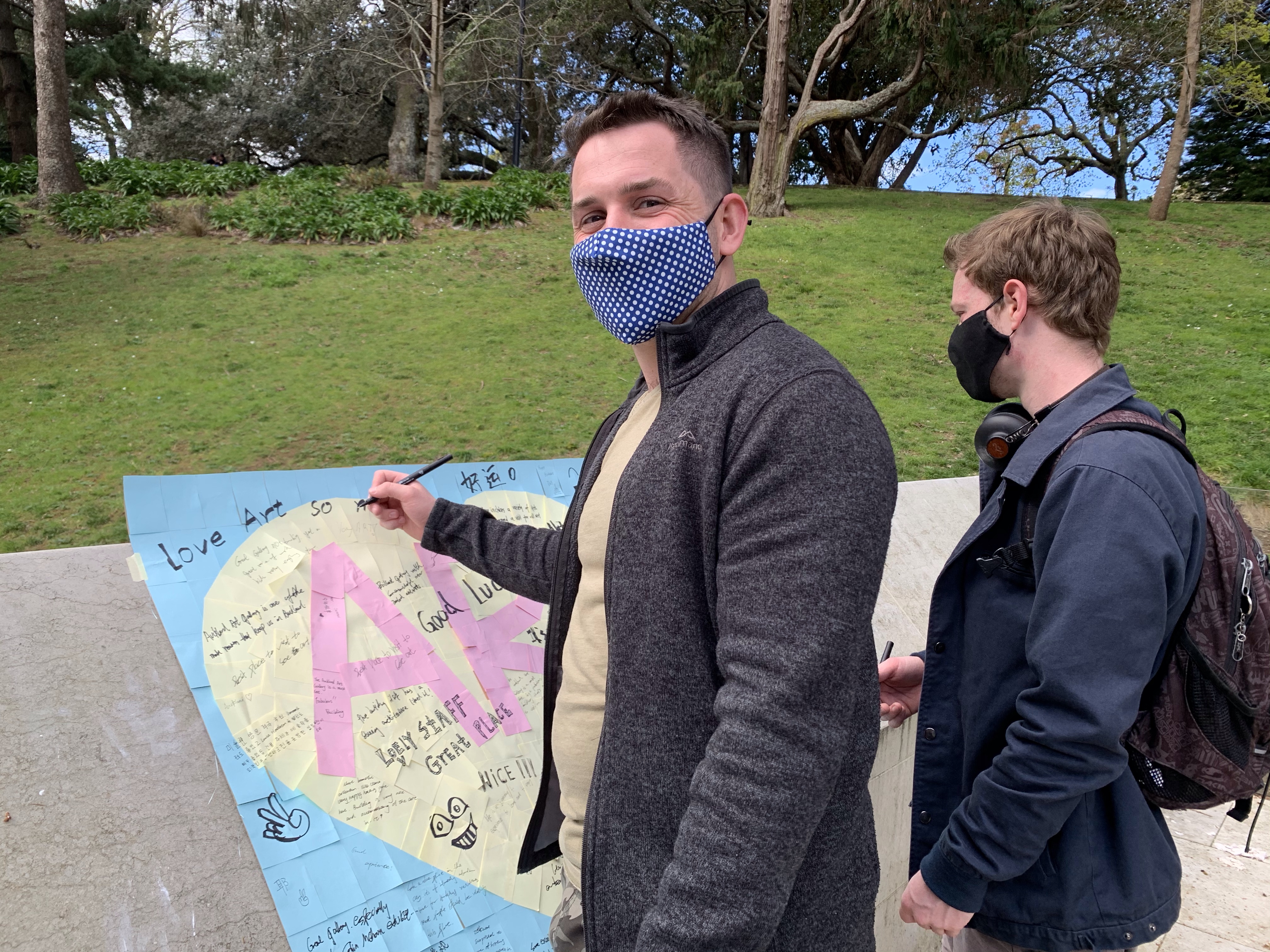
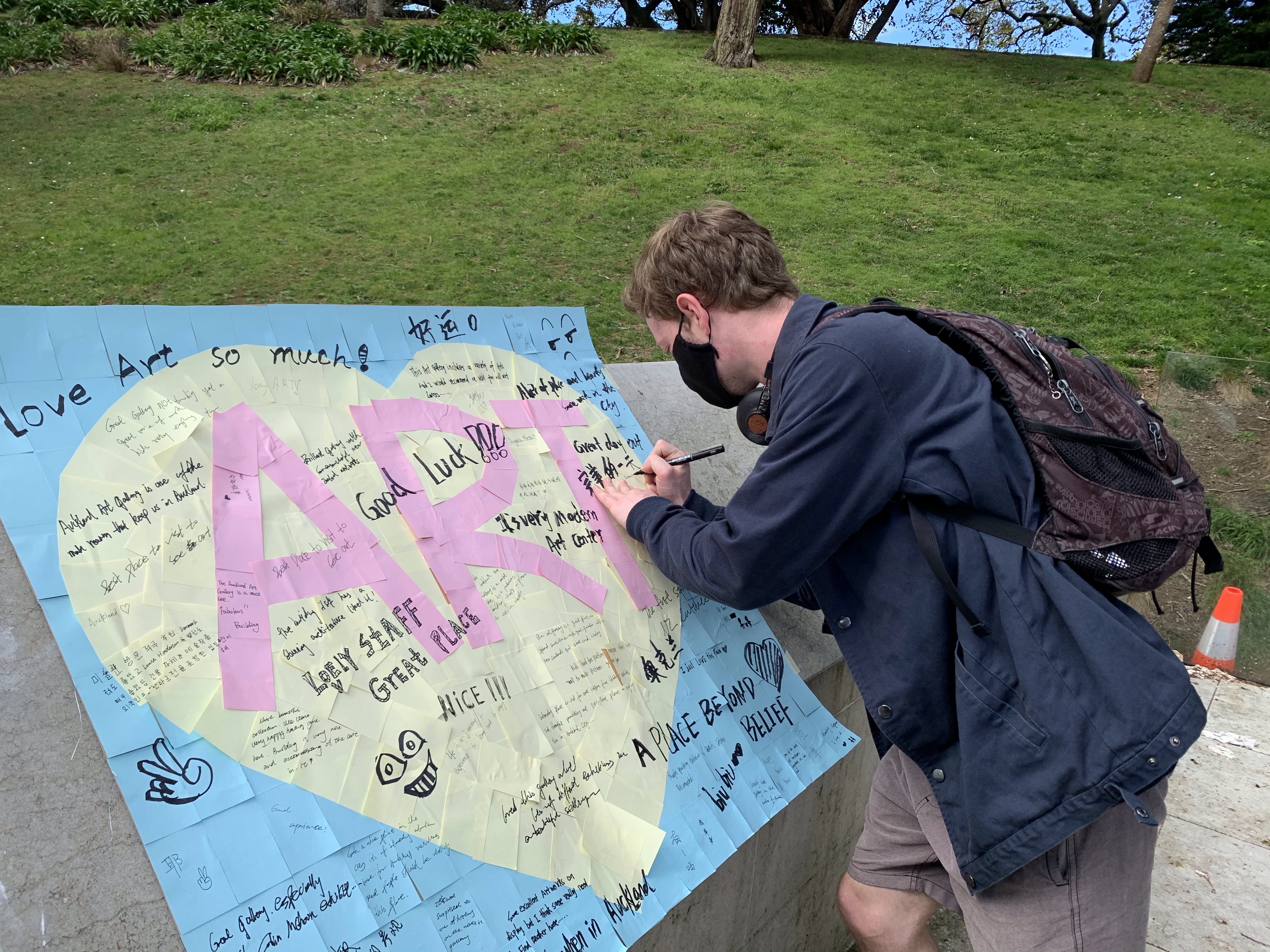
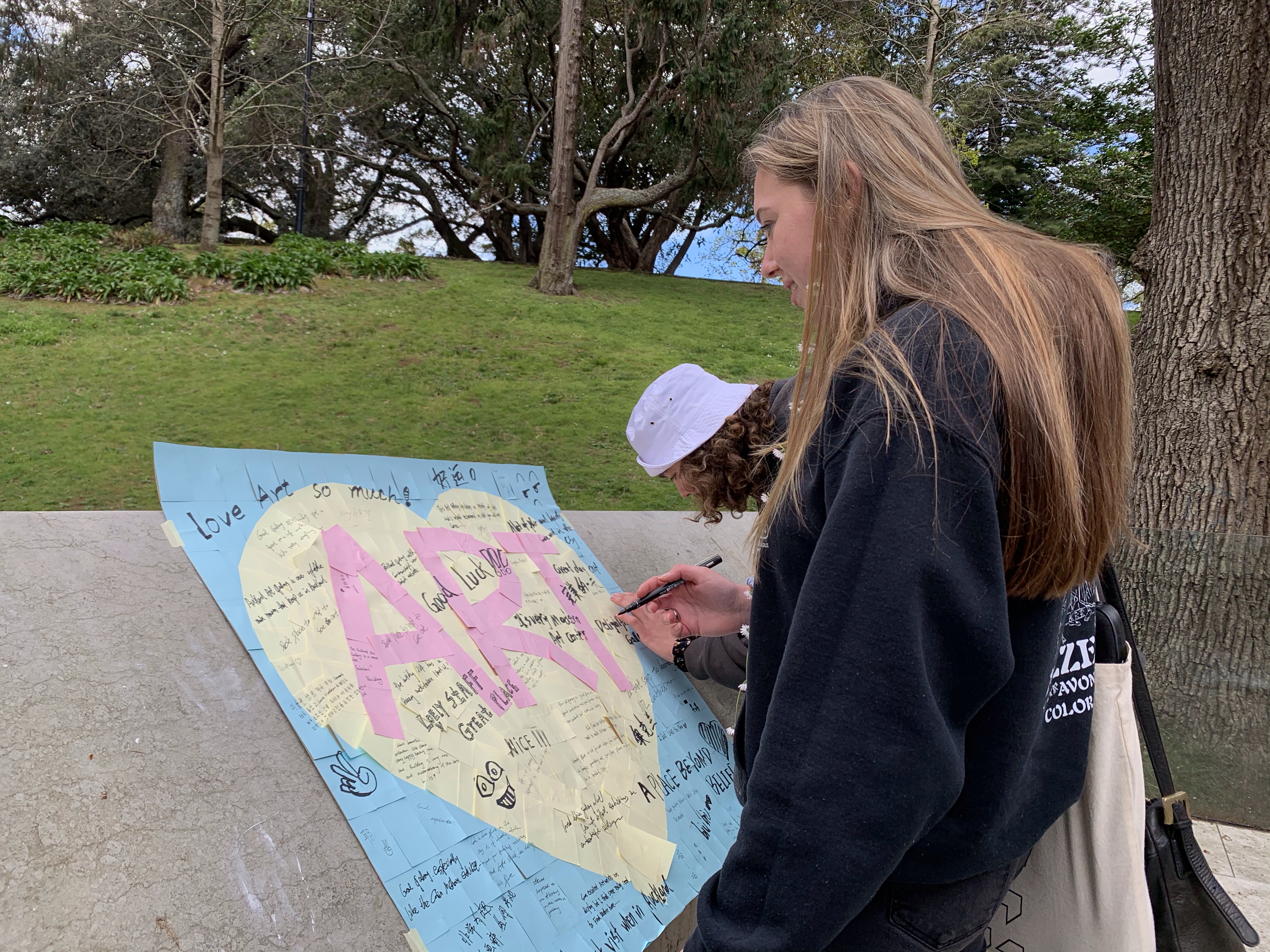
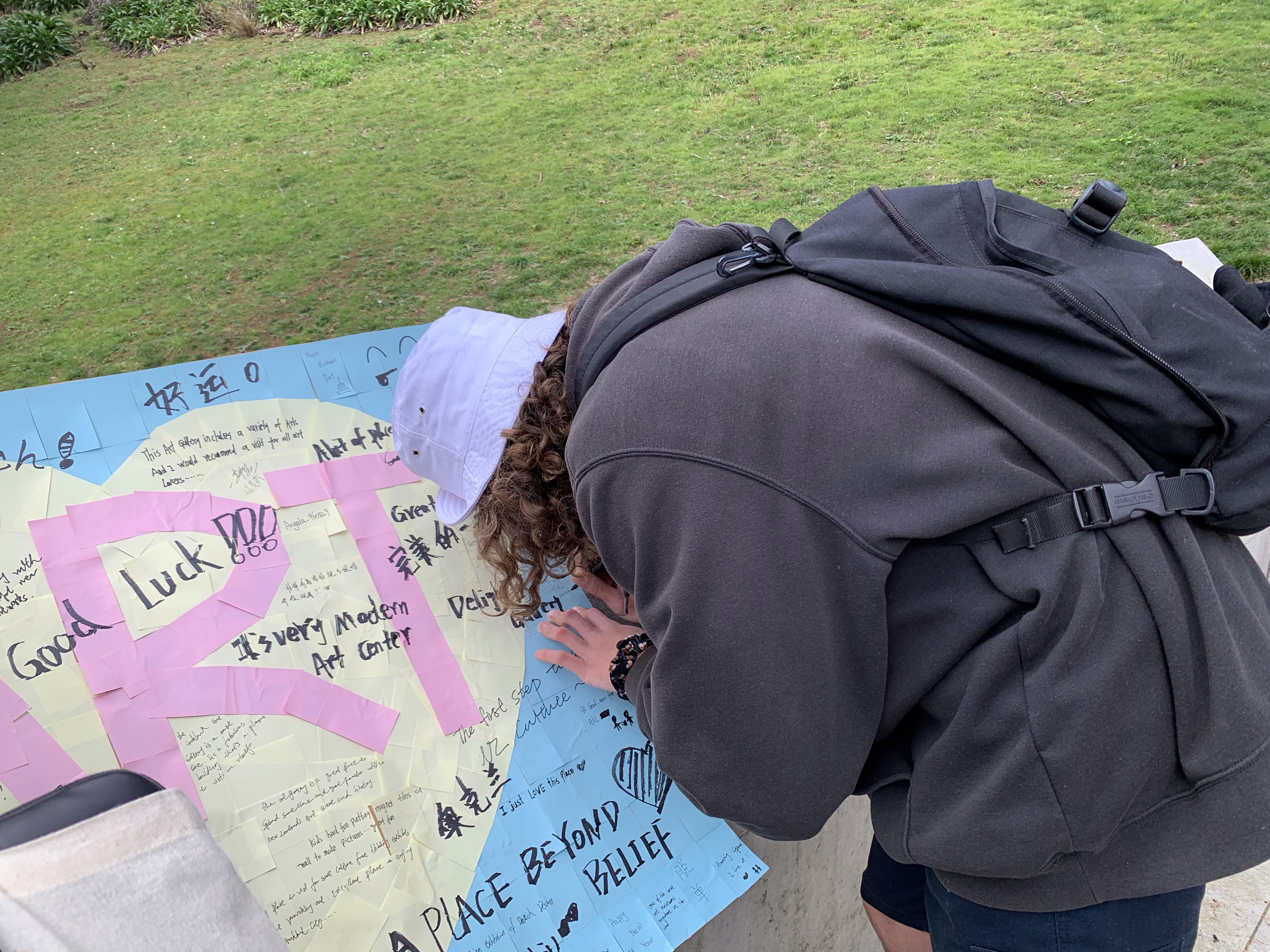
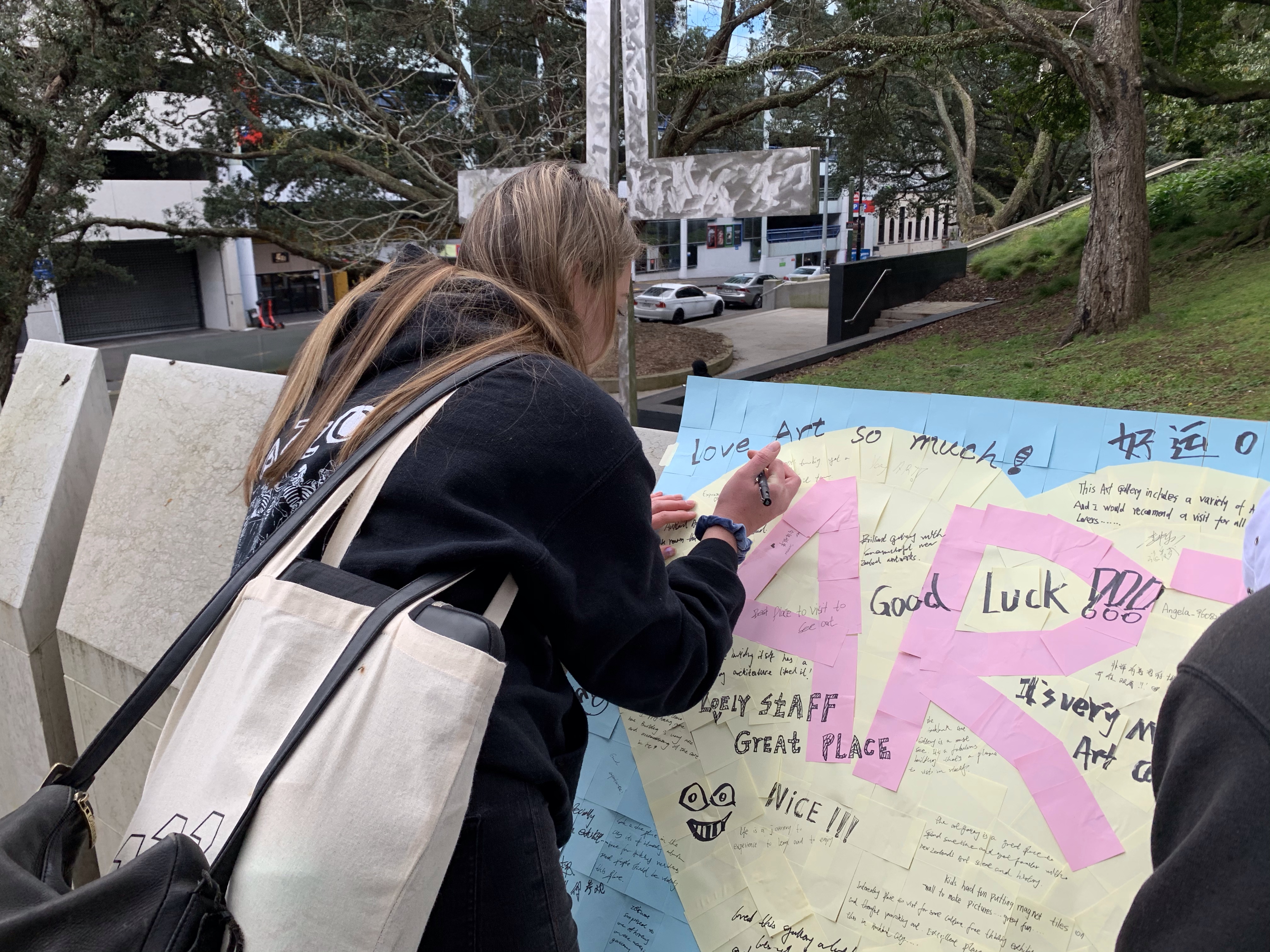
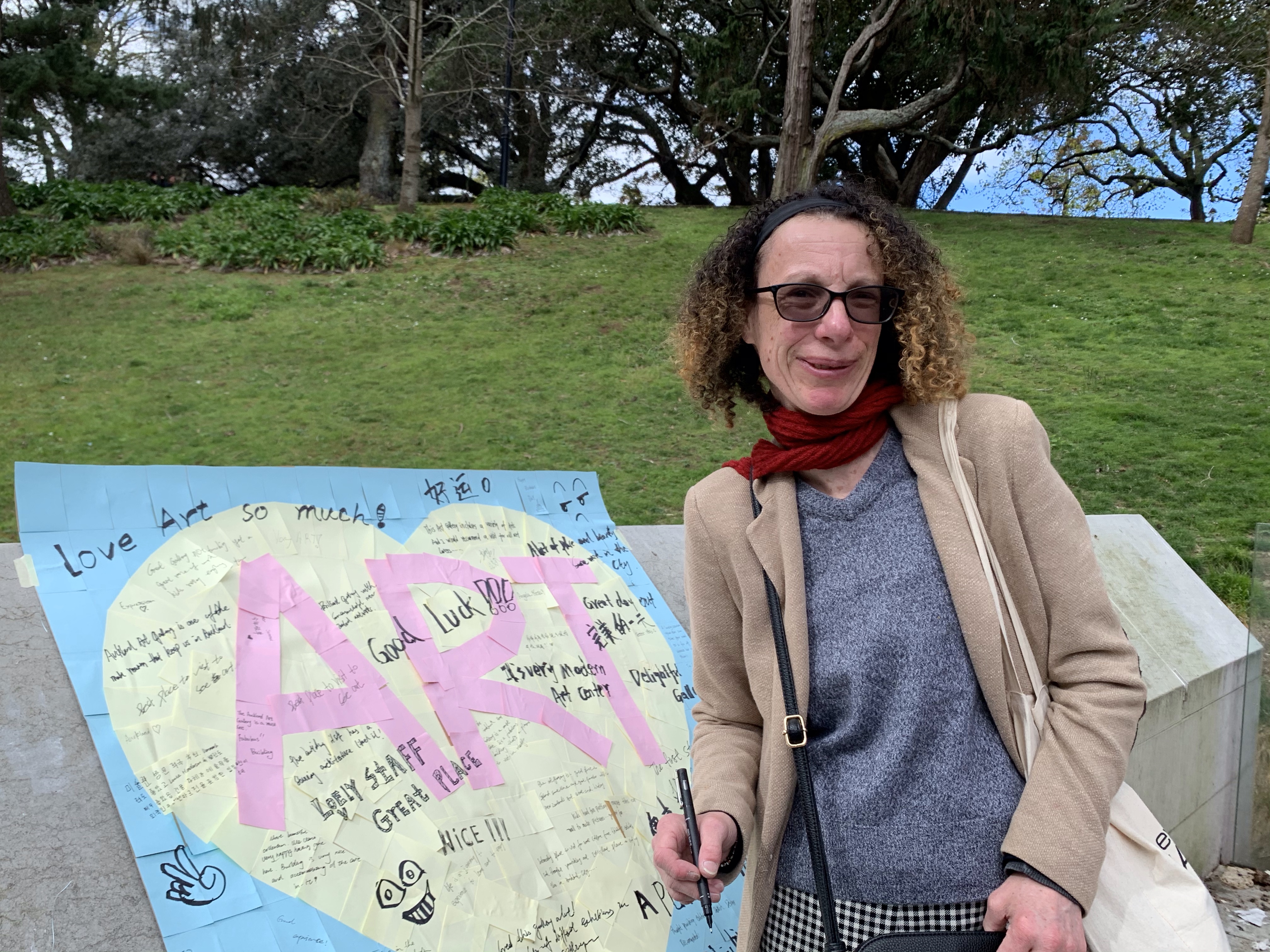
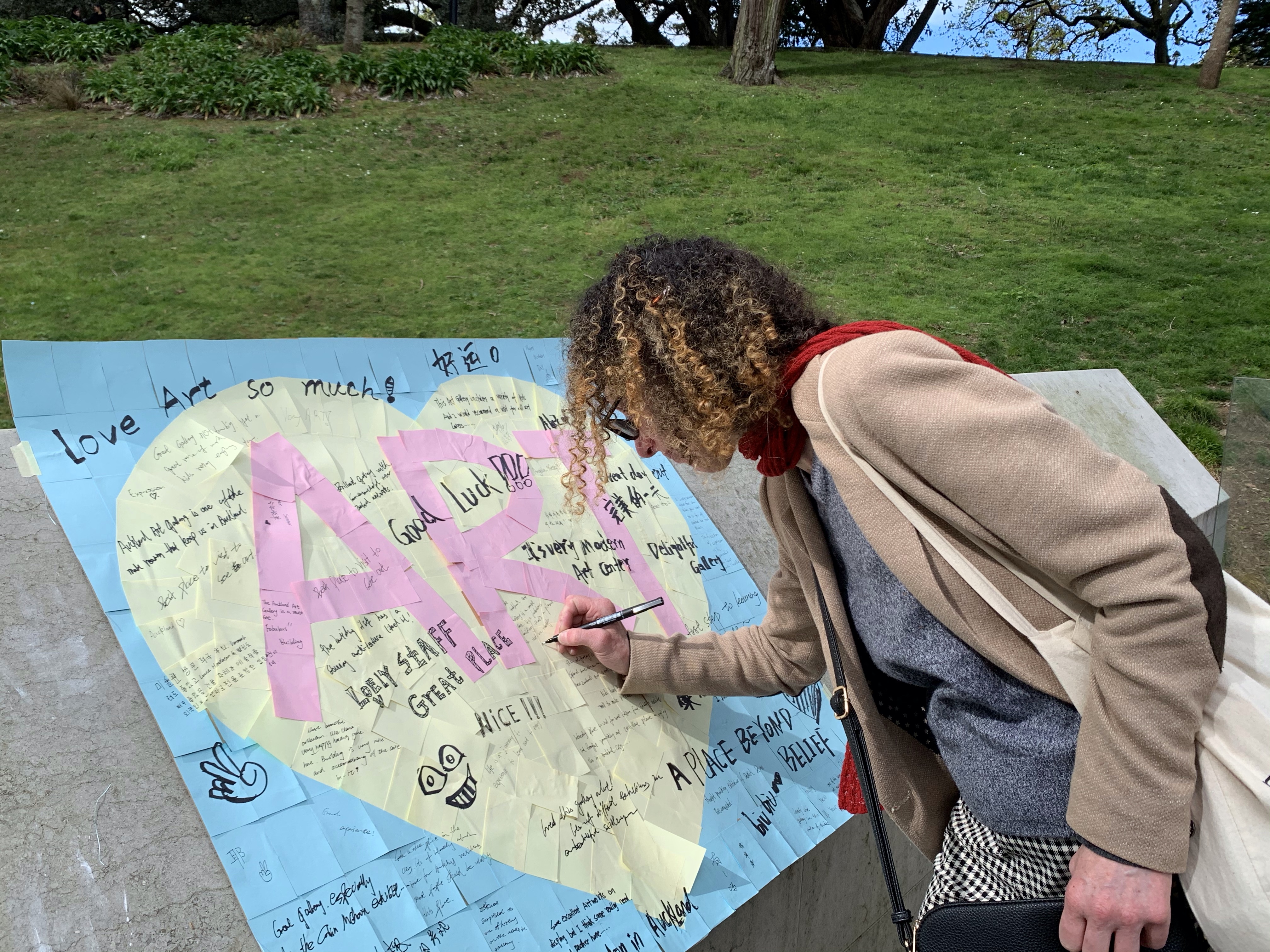
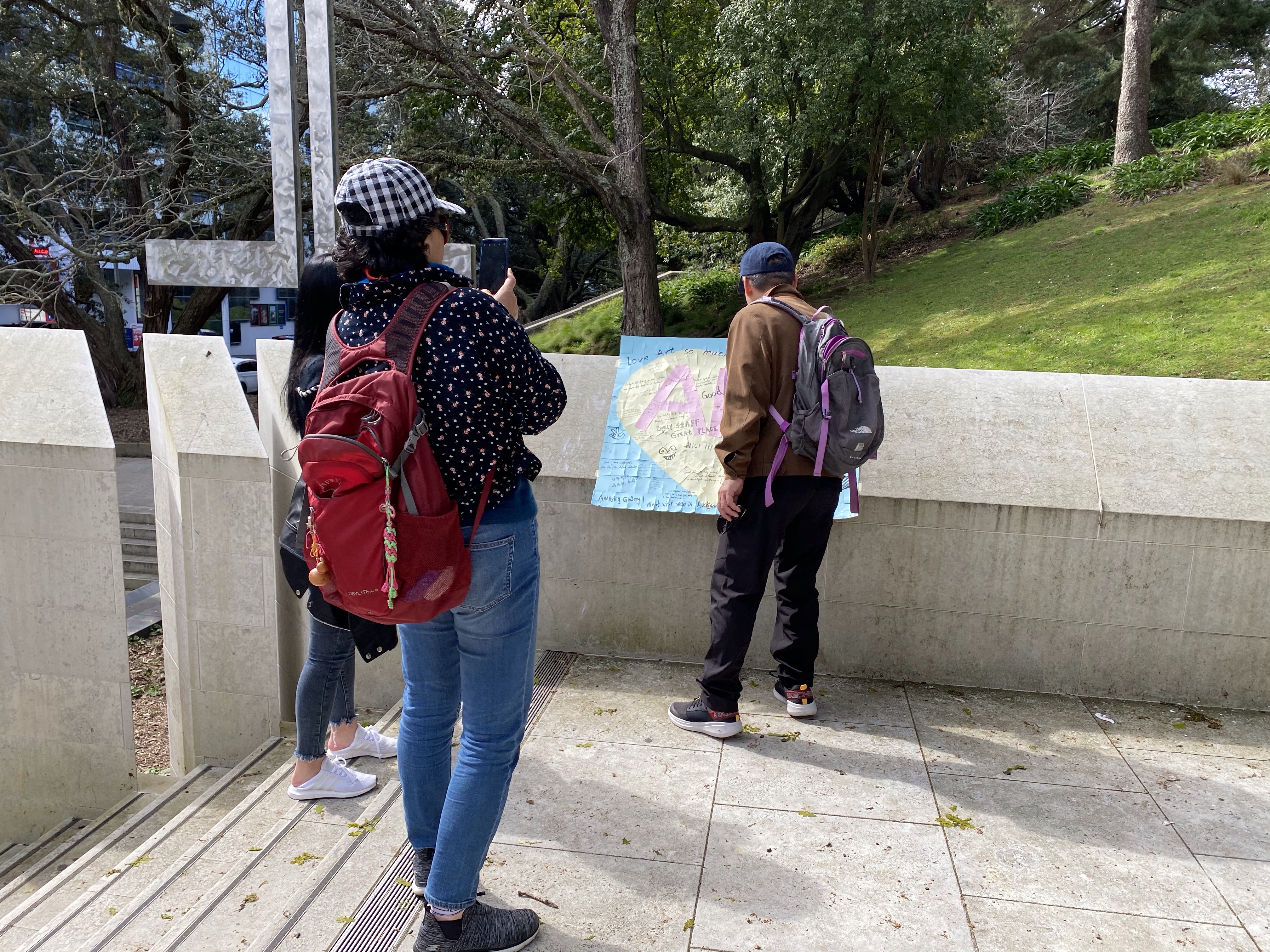
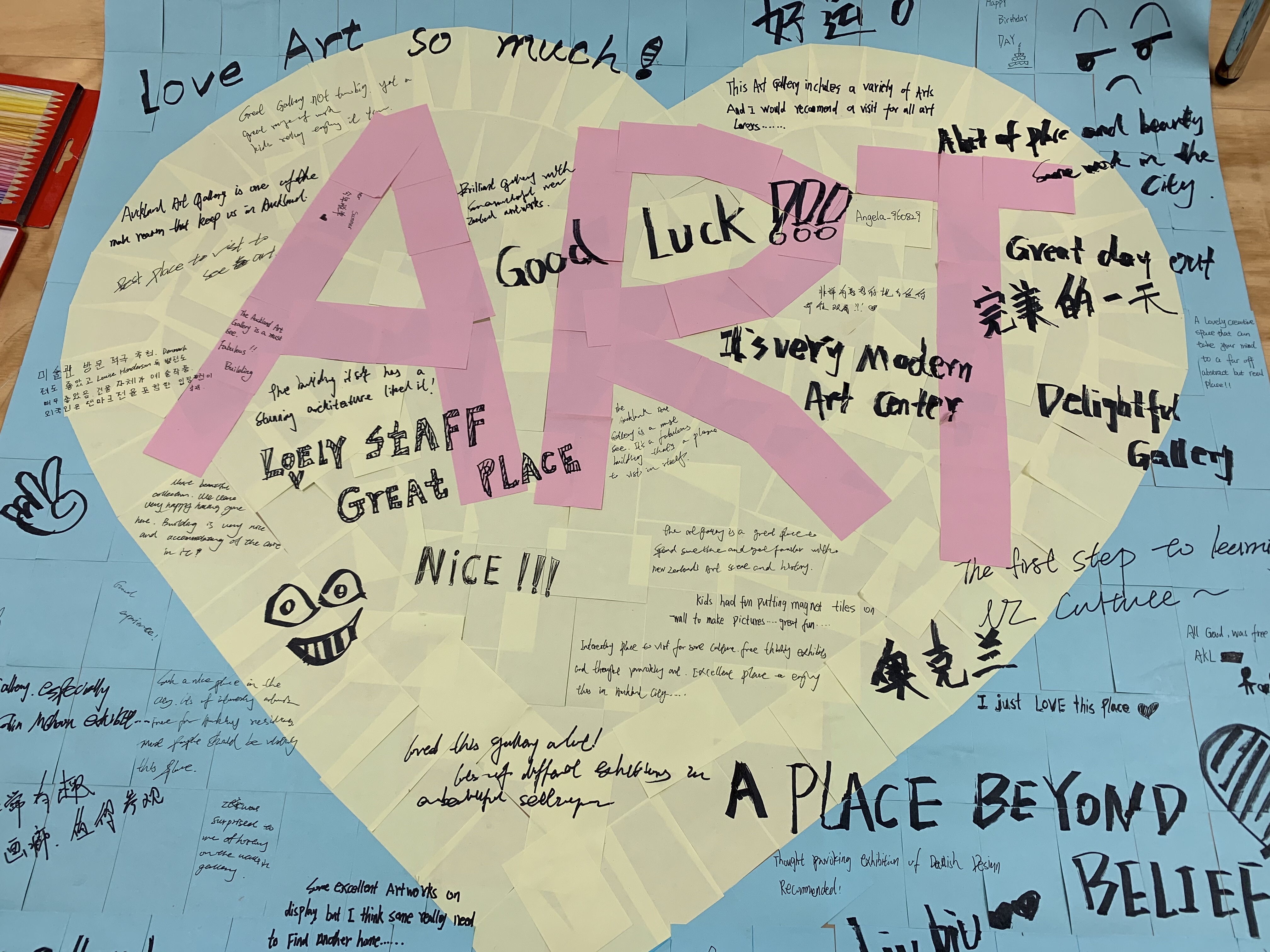
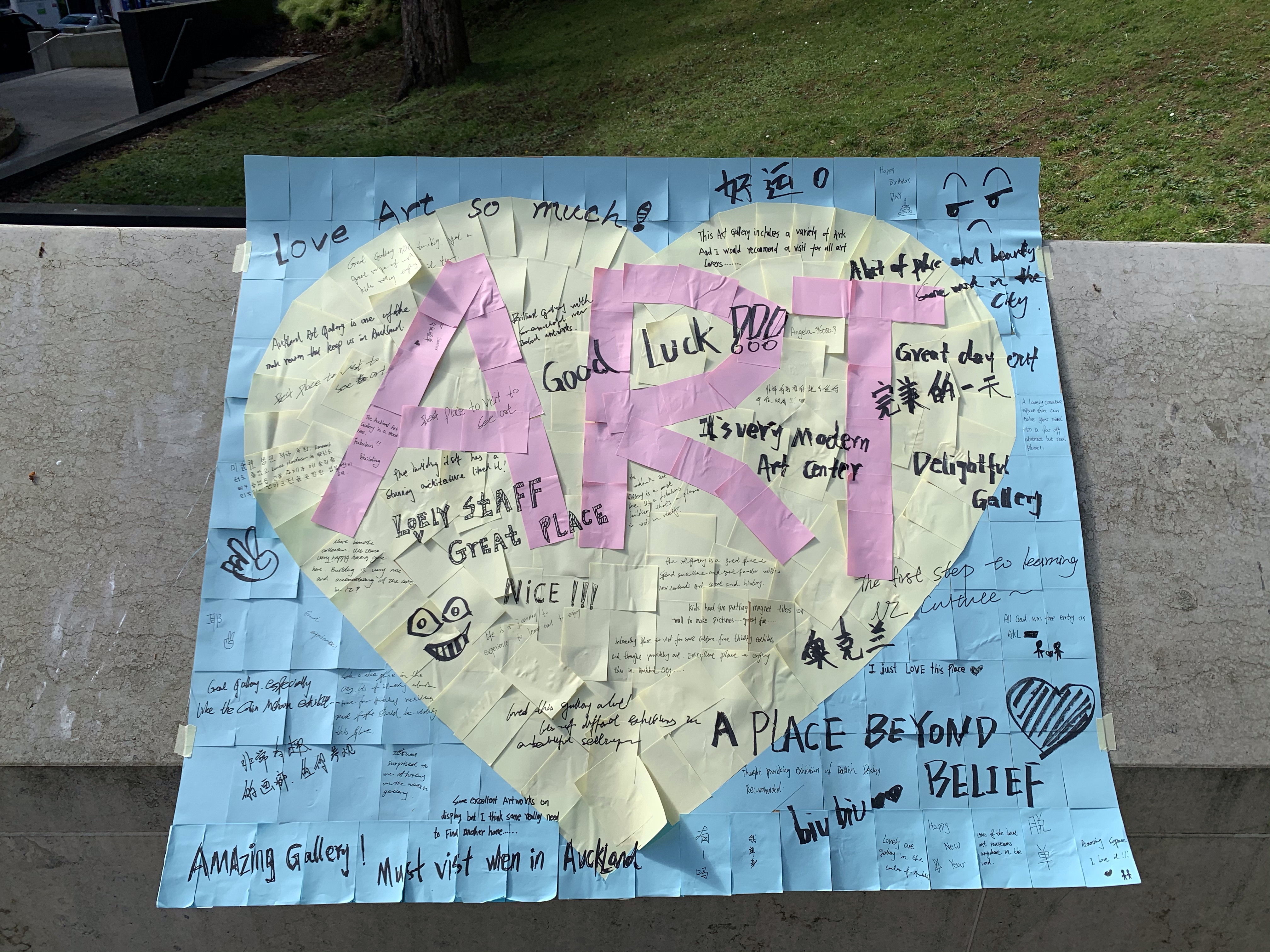
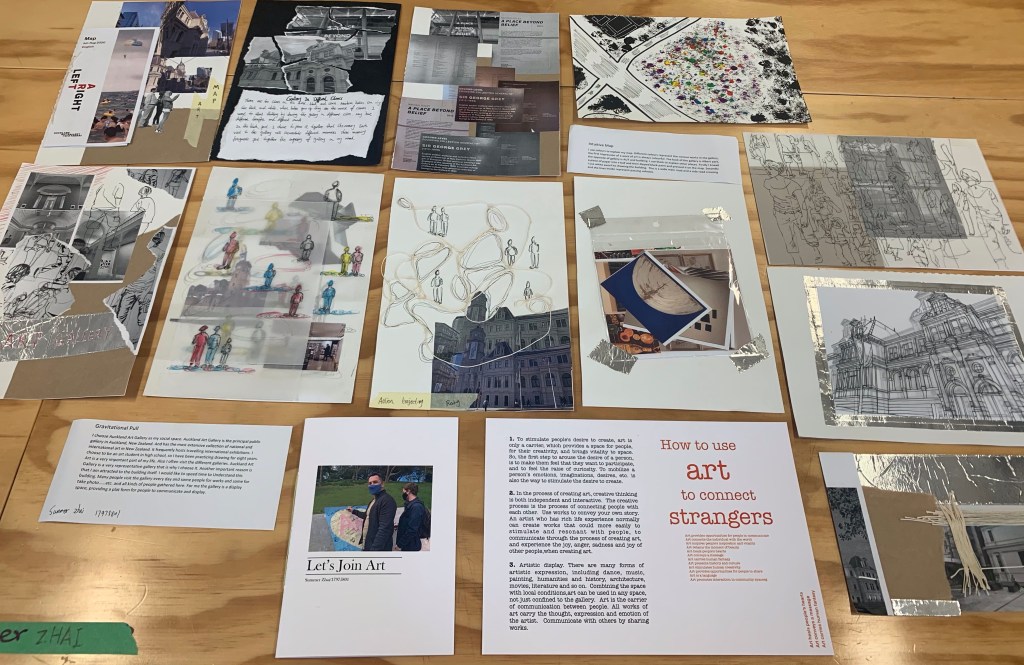
Final work
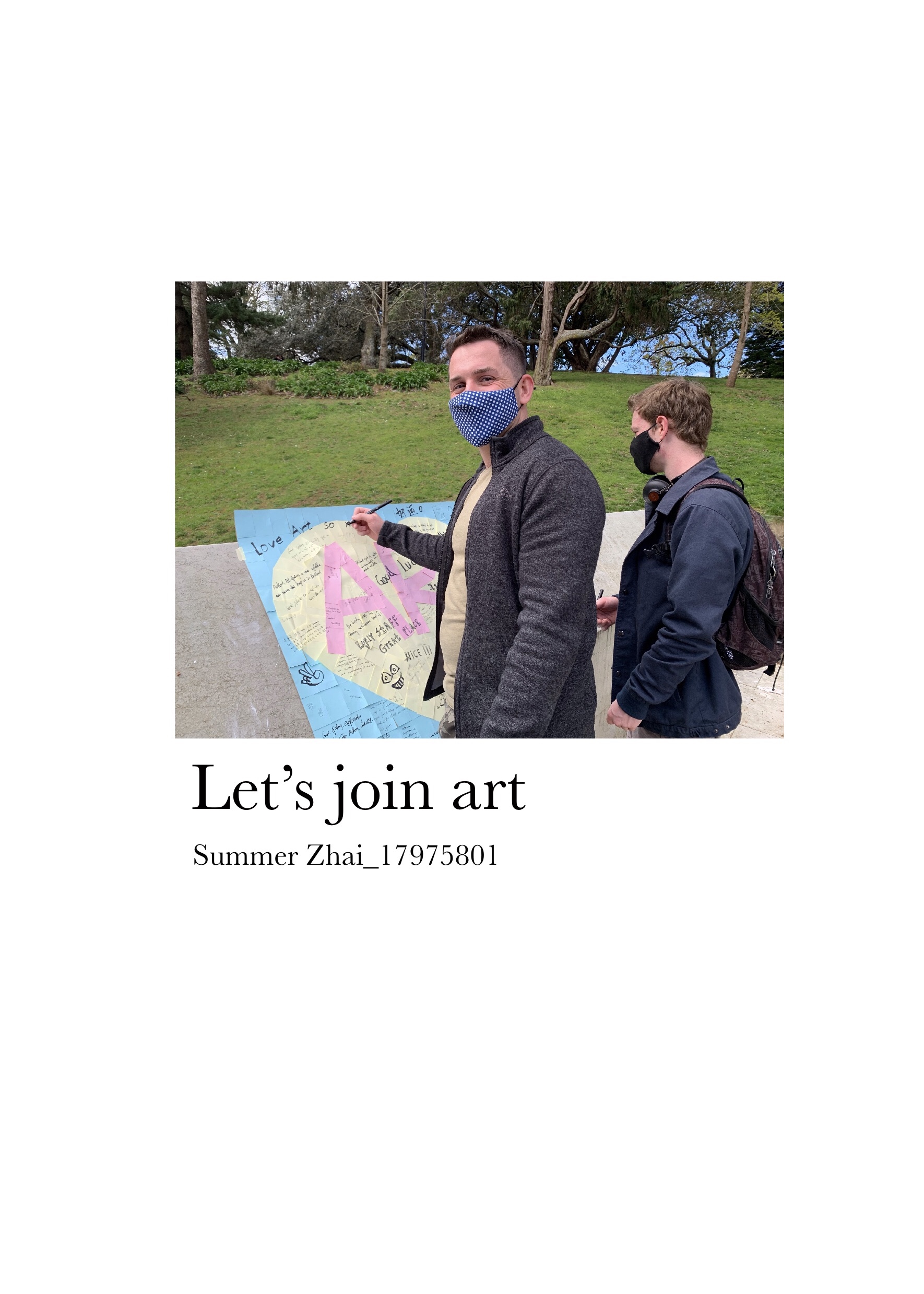
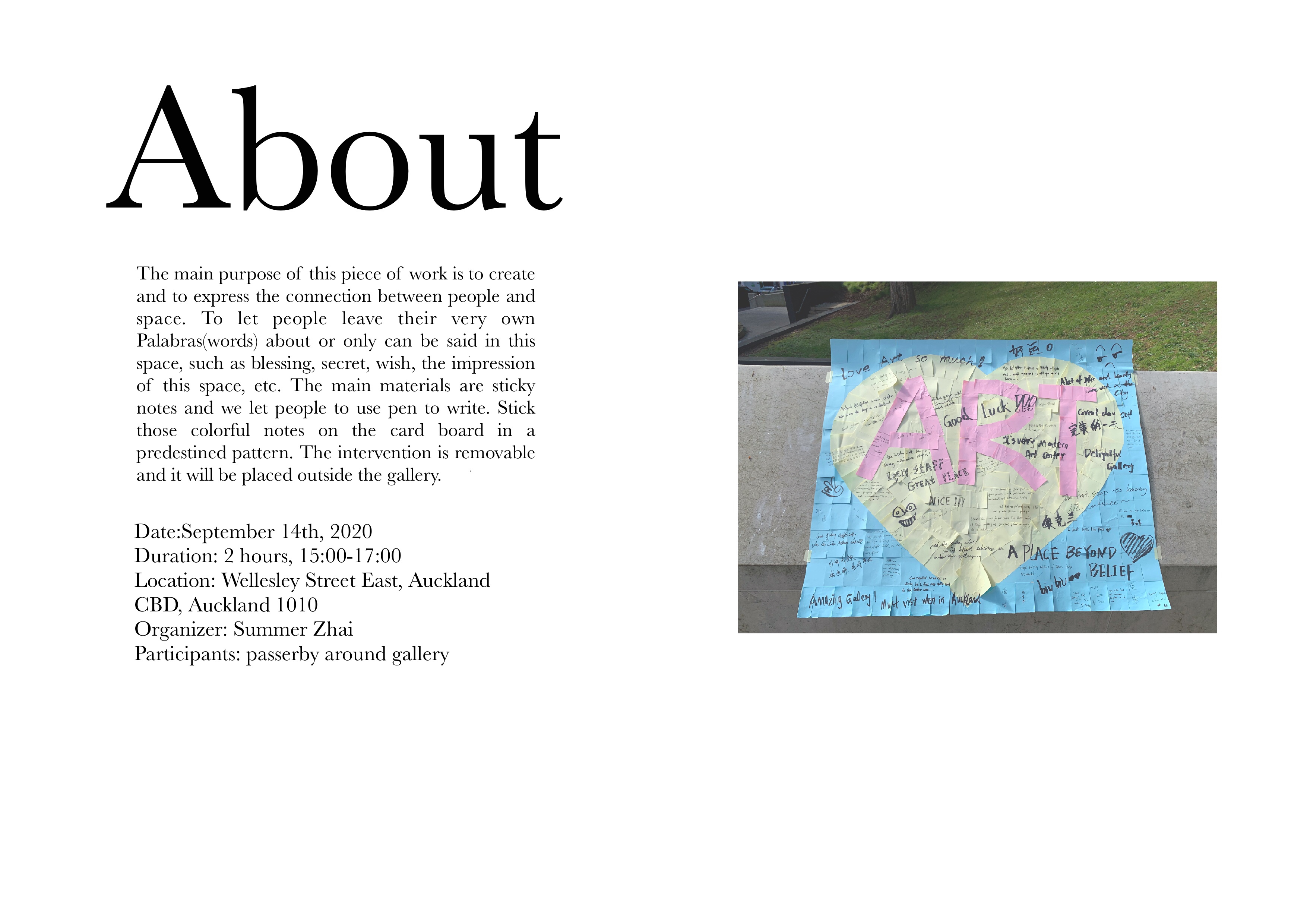
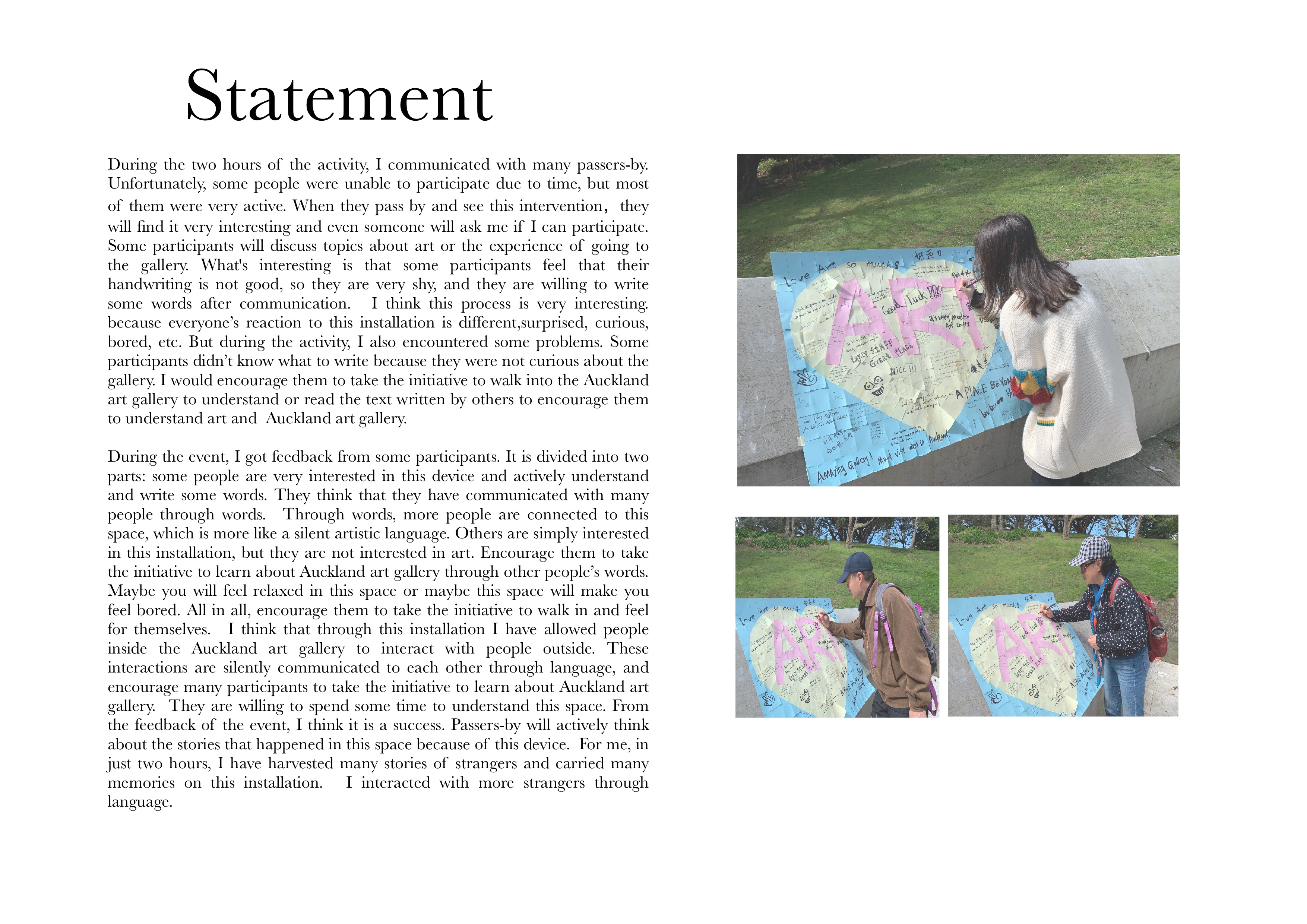
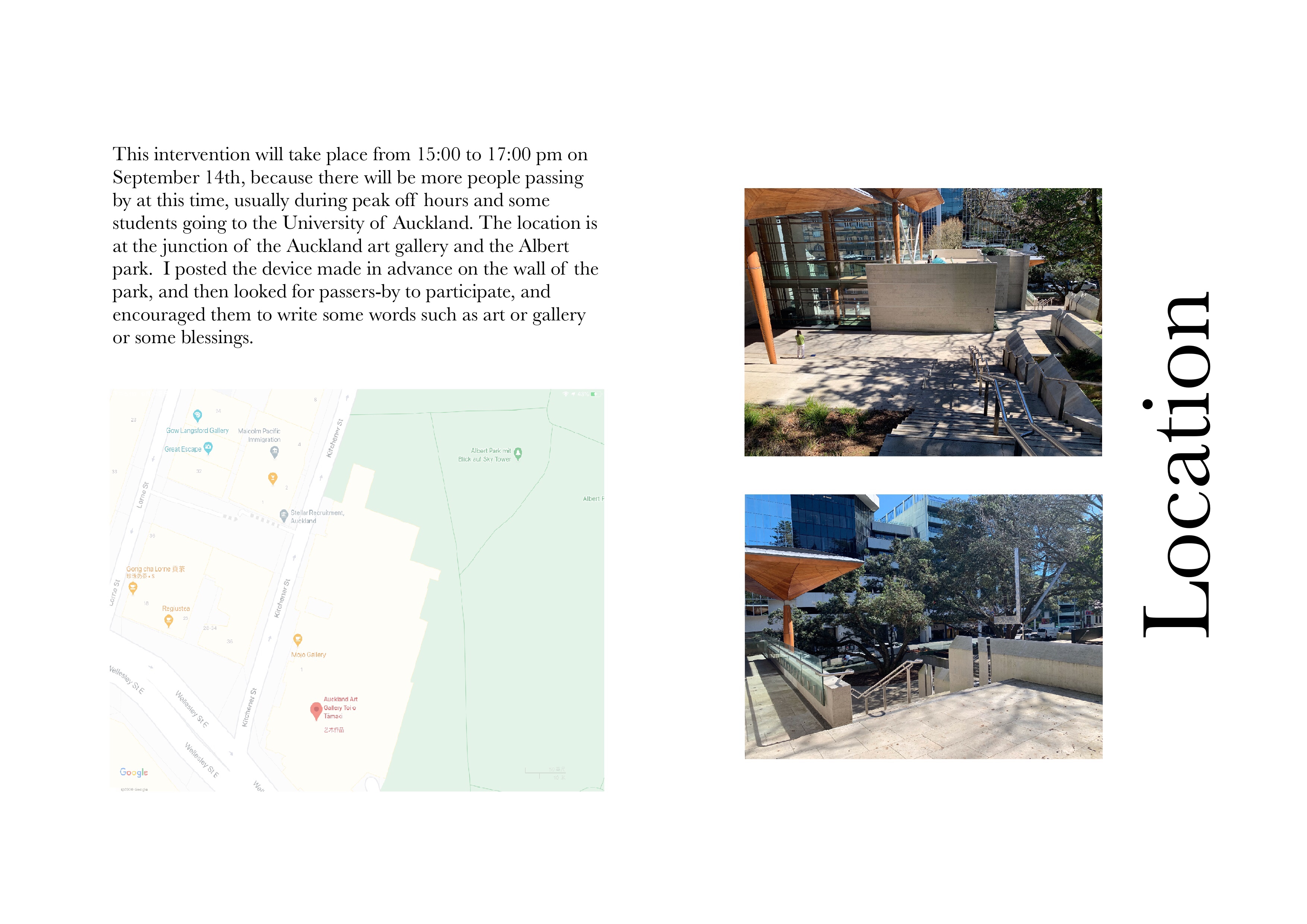
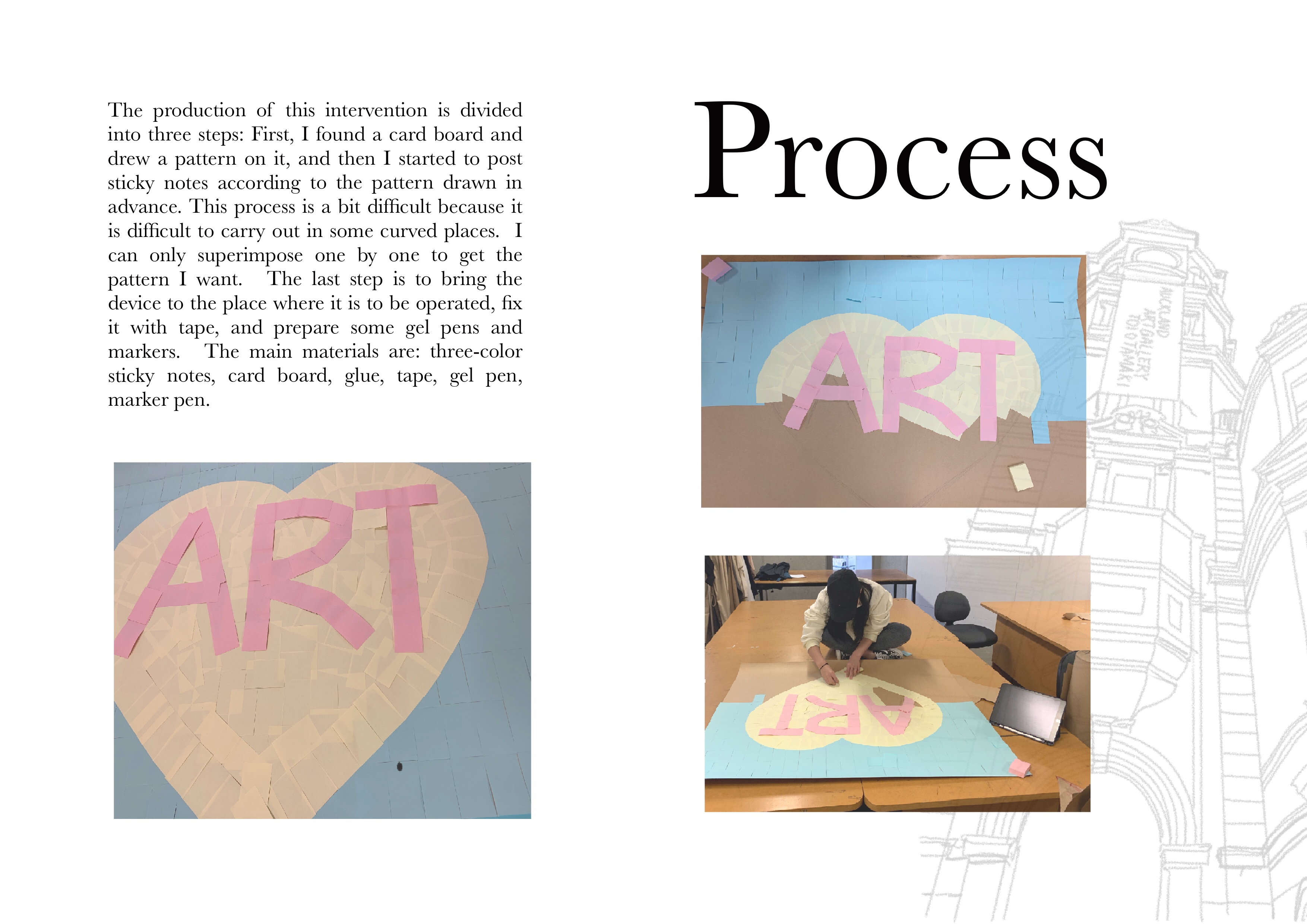
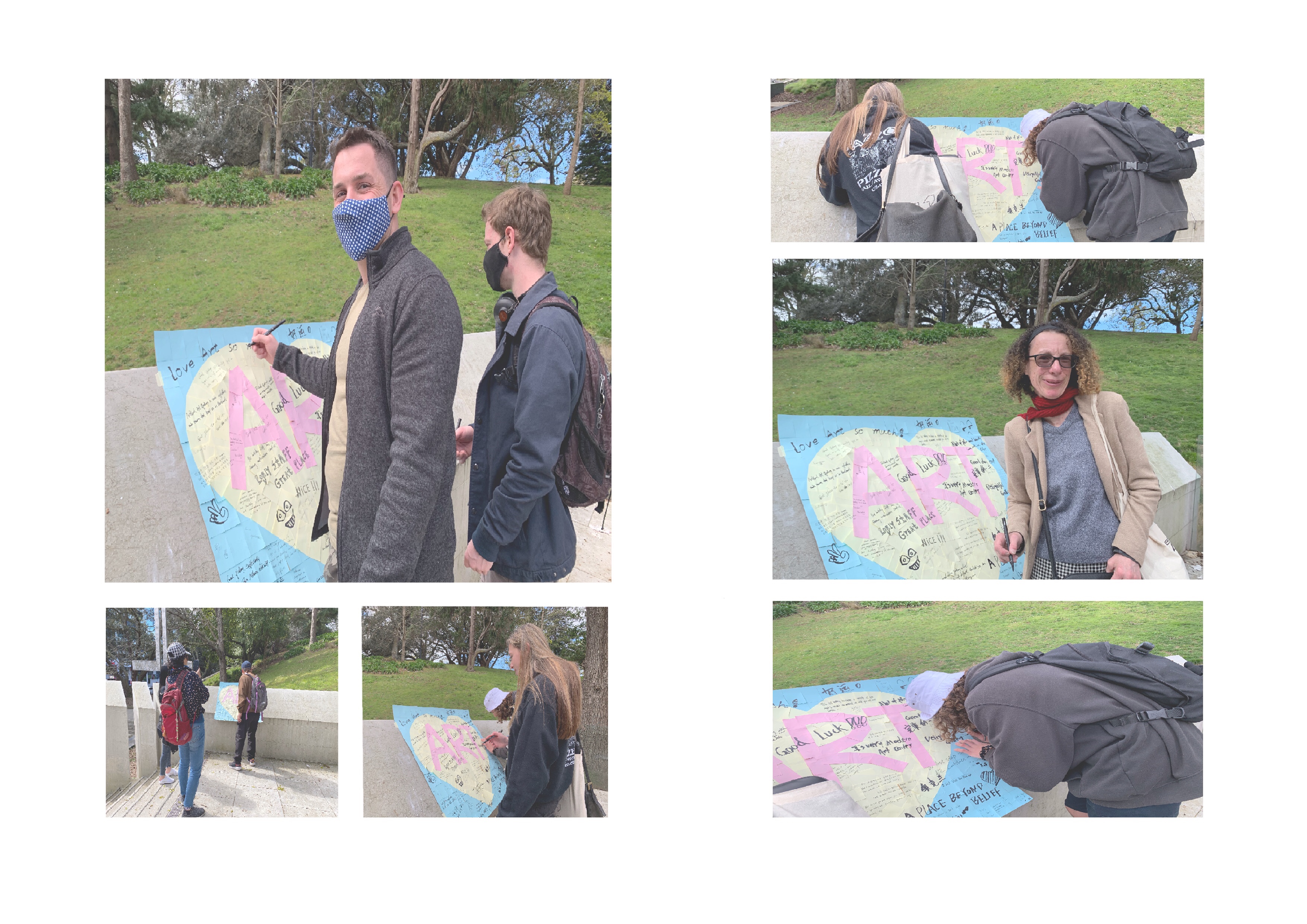
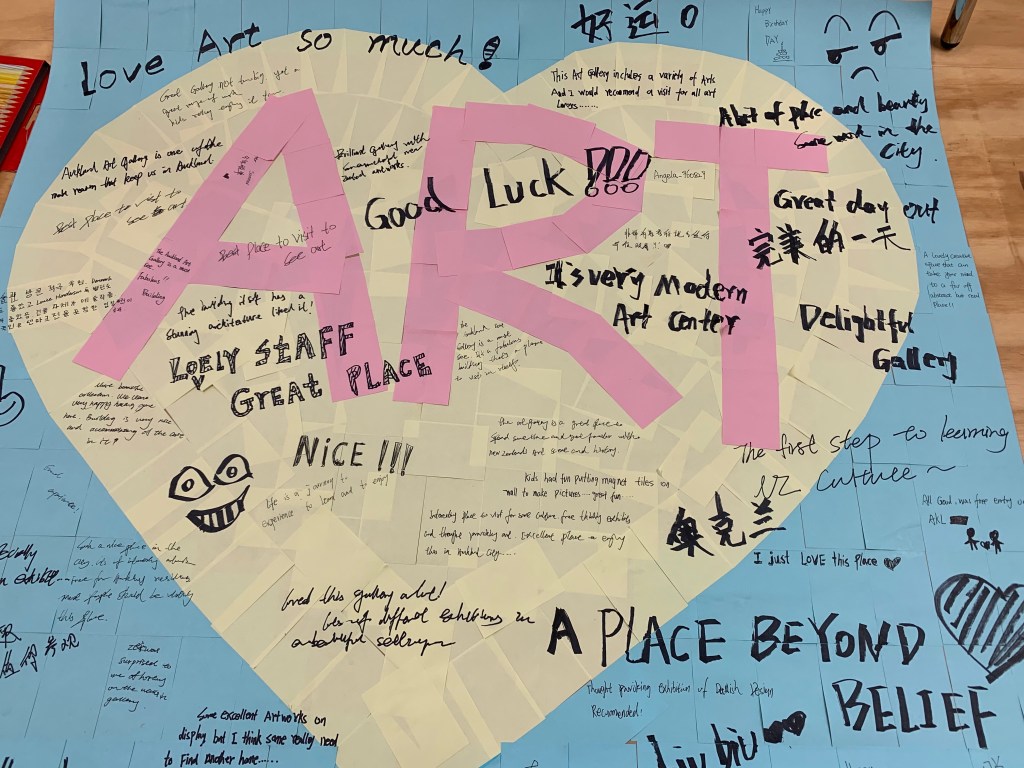
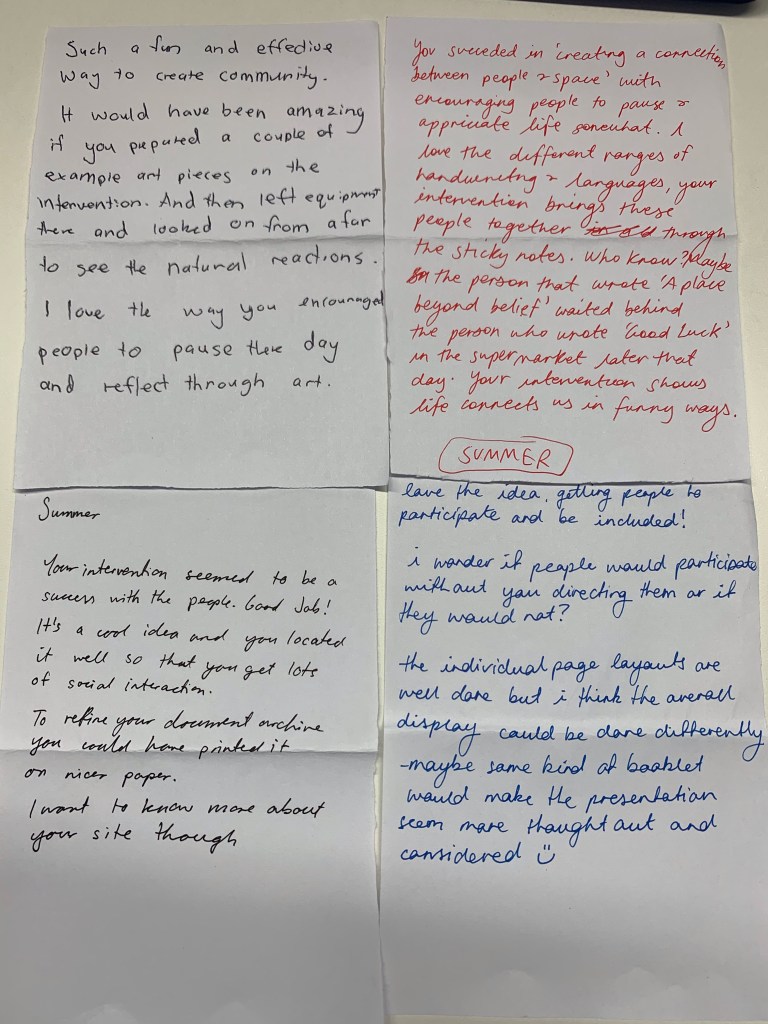
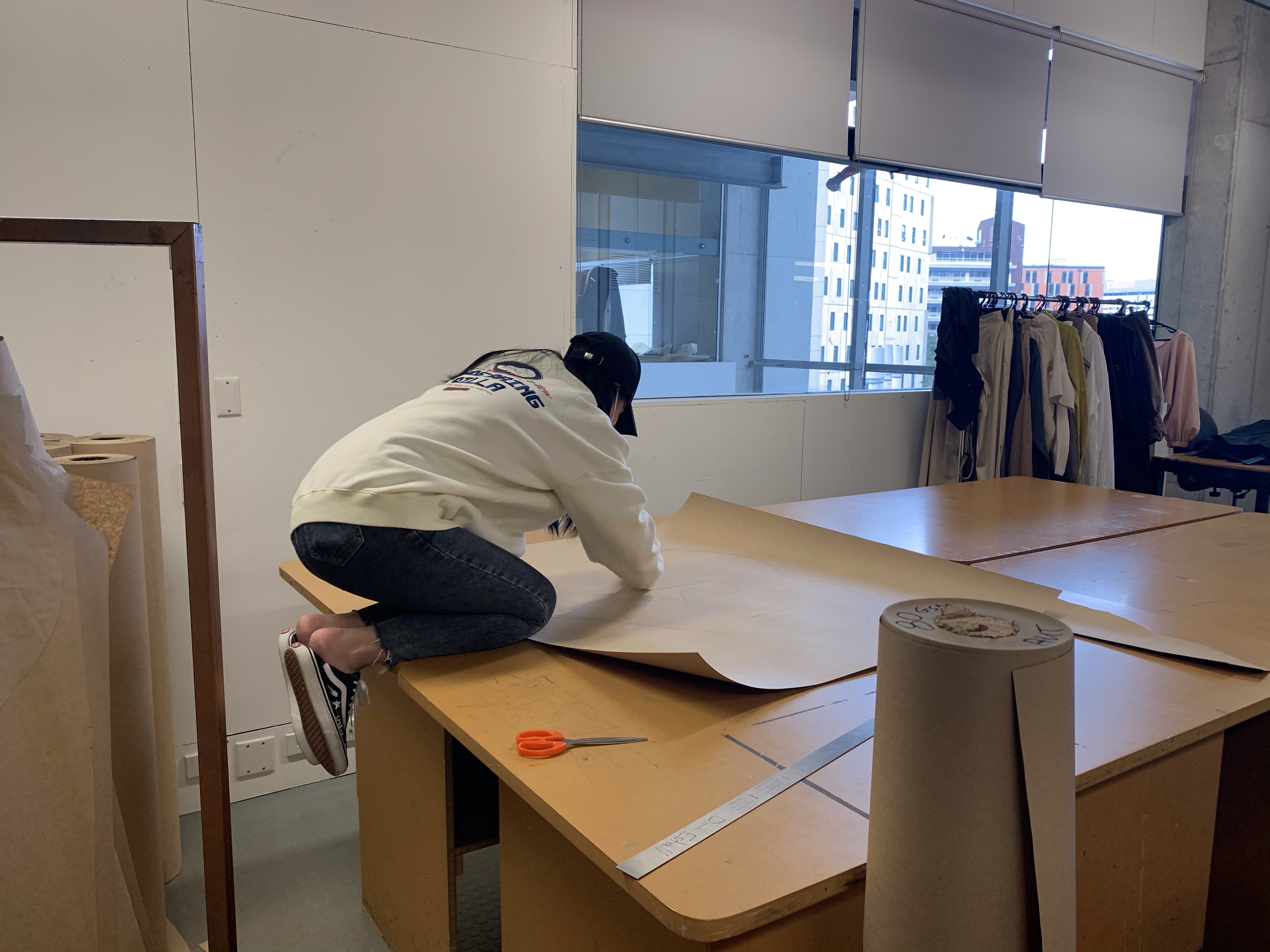
After the second presentation, I got some feedback and improved my homework. First, the layout is more concise and smooth, the font is unified, and better paper is used to complete it. The overall effect is like a brochure. easy to understand.
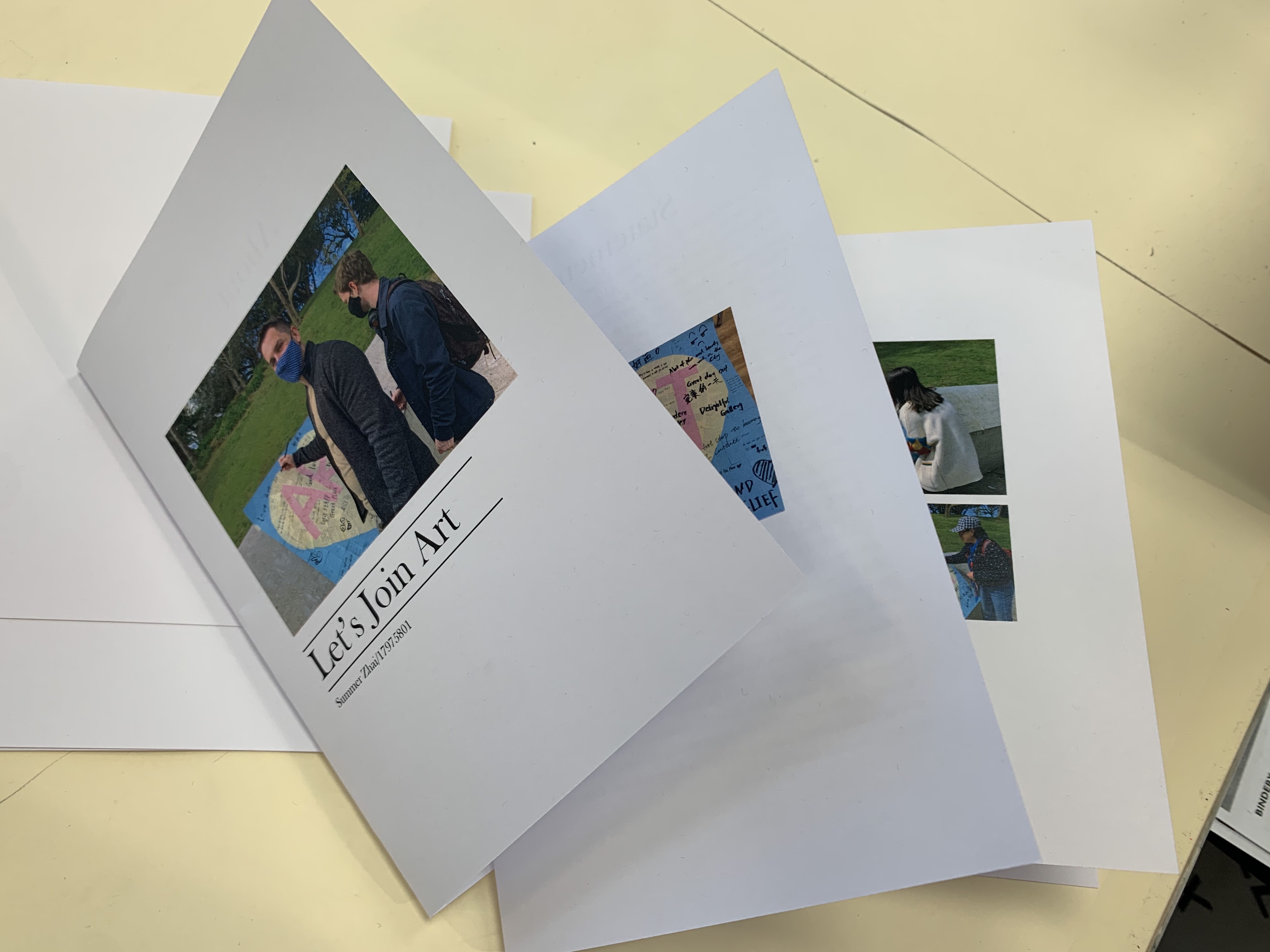
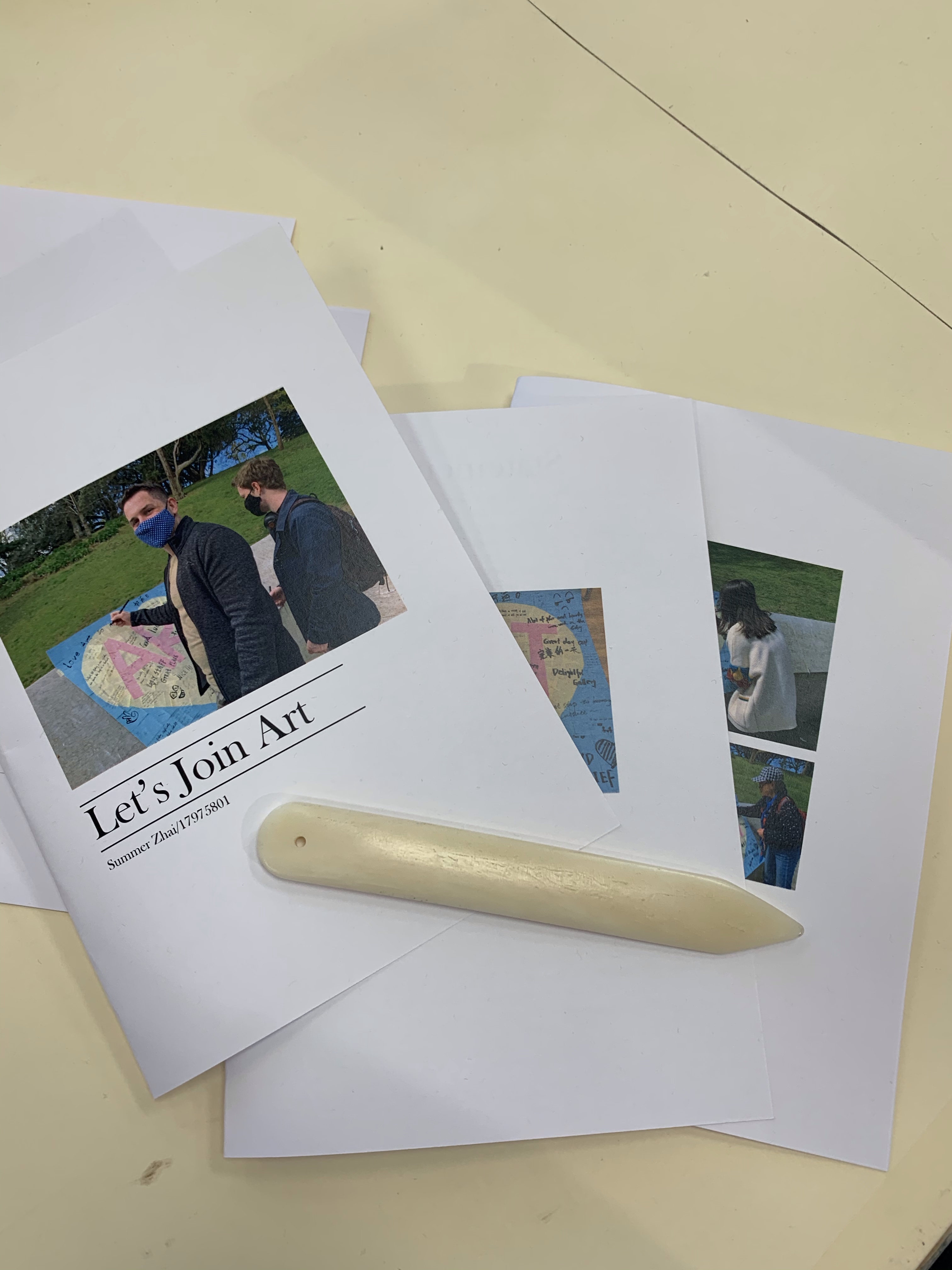
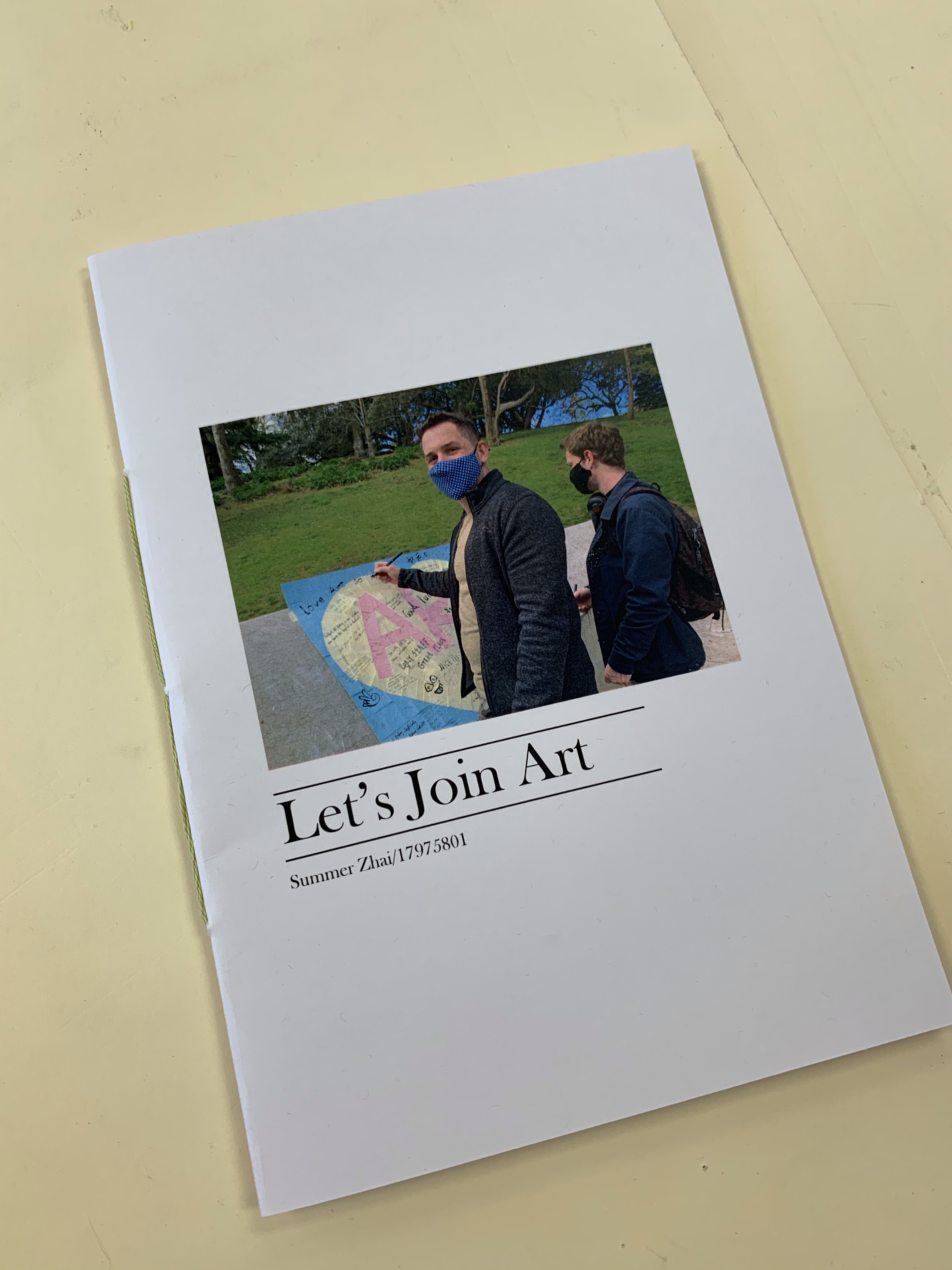
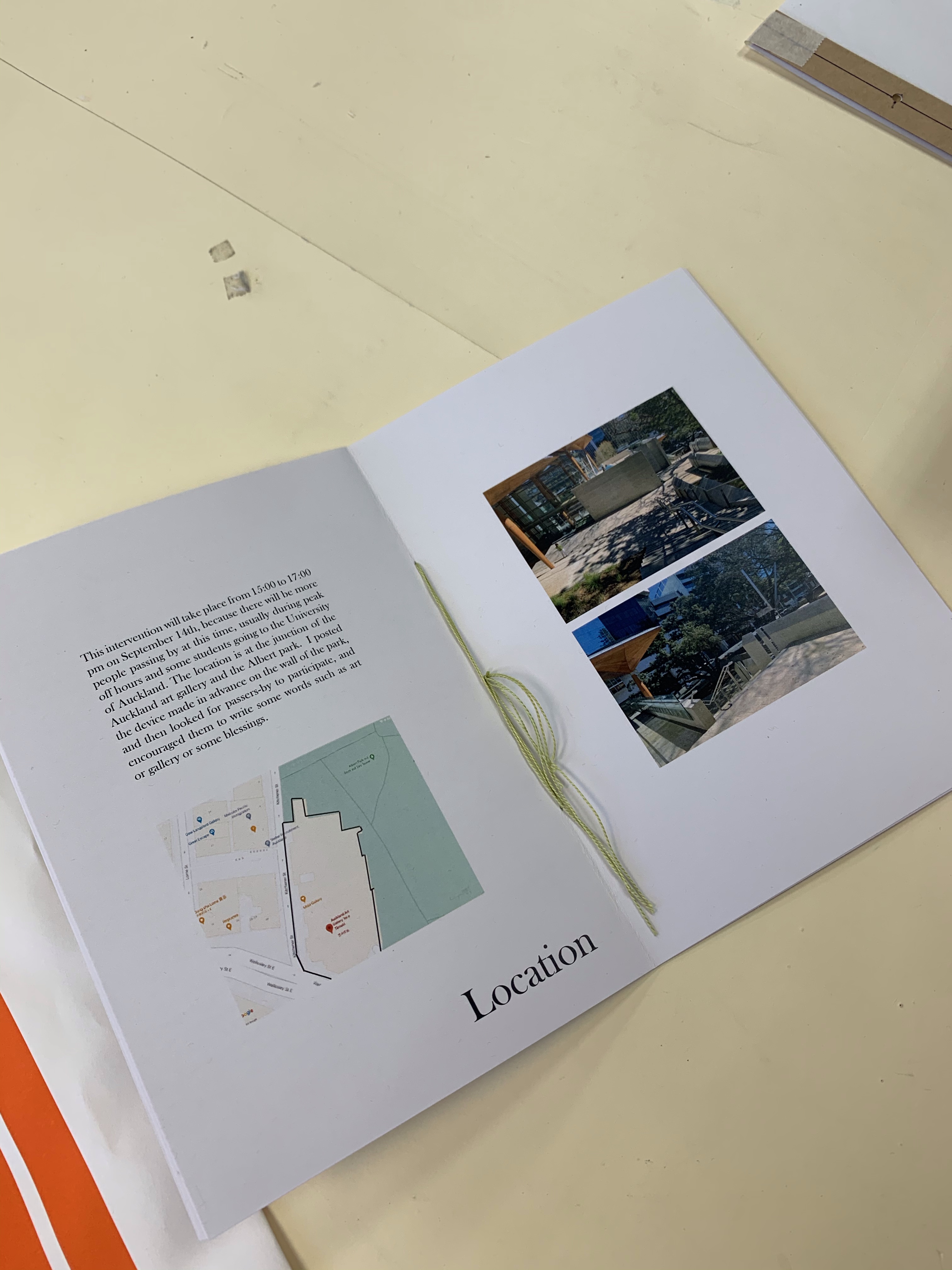
Part three
Why choose the topic of art?
The space I chose is the art gallery, where many people who are interested in art gather here, but there are many ways to express art, not just in the gallery. I want to bring together different strangers through more artistic techniques so that people have more space and ways to communicate art.
What is art?
There are many forms of artistic expression. In my understanding, the scope of art is very wide, including dance, music, painting, humanities history, architecture, film, literature and so on. Through art, the artist reflects his spiritual world, reflects the real-life, and reflects the current social situation.
What did I learn from part two?
When I practised part two, I participated in the whole process as a designer and took the initiative to guide passers-by. My interference project was to let strangers interact and communicate through messages. The central idea of the work is to complete an artwork through different participants, and the process of different participants participating together is the process of their interaction. Through my installation, I communicated with many strangers. The theme is art. We discussed what is art. Is art important? Share with each other about your gains in the gallery and so on. I got more ideas by talking with them and got a lot of feedback. The starting point of art comes from people’s desire to create. When I encourage strangers to write some words through my installation, it is the process of encouraging them to create. This kind of idea can be conveyed in more forms, maybe more creative installations will make passers-by more interested?
What is manifesto?
A manifesto is a published declaration of the intentions, motives, or views of the issuer, be it an individual, group, political party or government. A manifesto usually accepts a previously published opinion or public consensus or promotes a new idea with prescriptive notions for carrying out changes the author believes should be made. It often is political or artistic in nature, but may present an individual’s life stance. Manifestos relating to religious belief are generally referred to as creeds.
Analysis
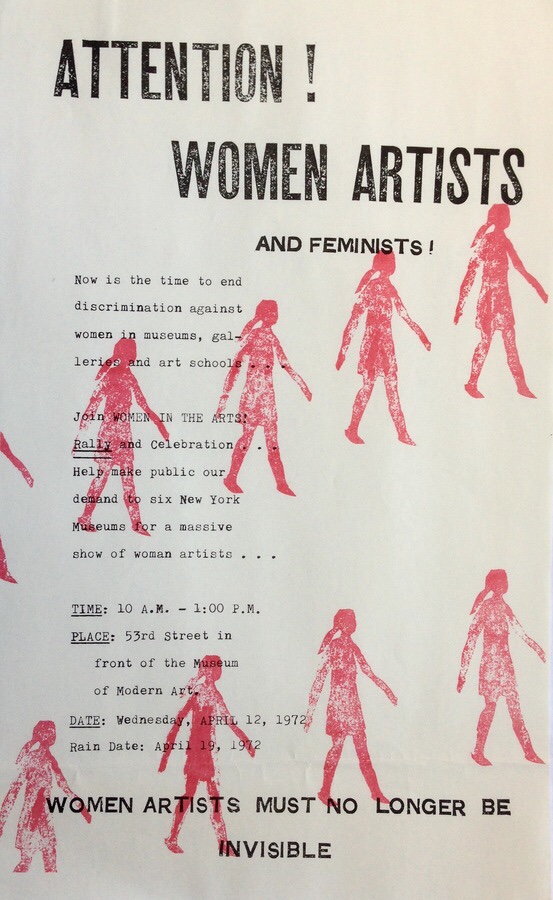
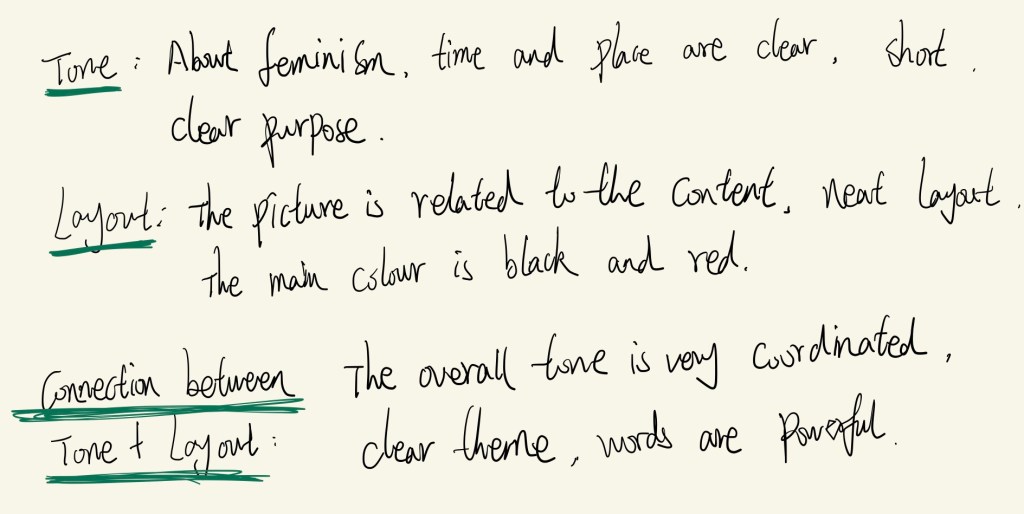
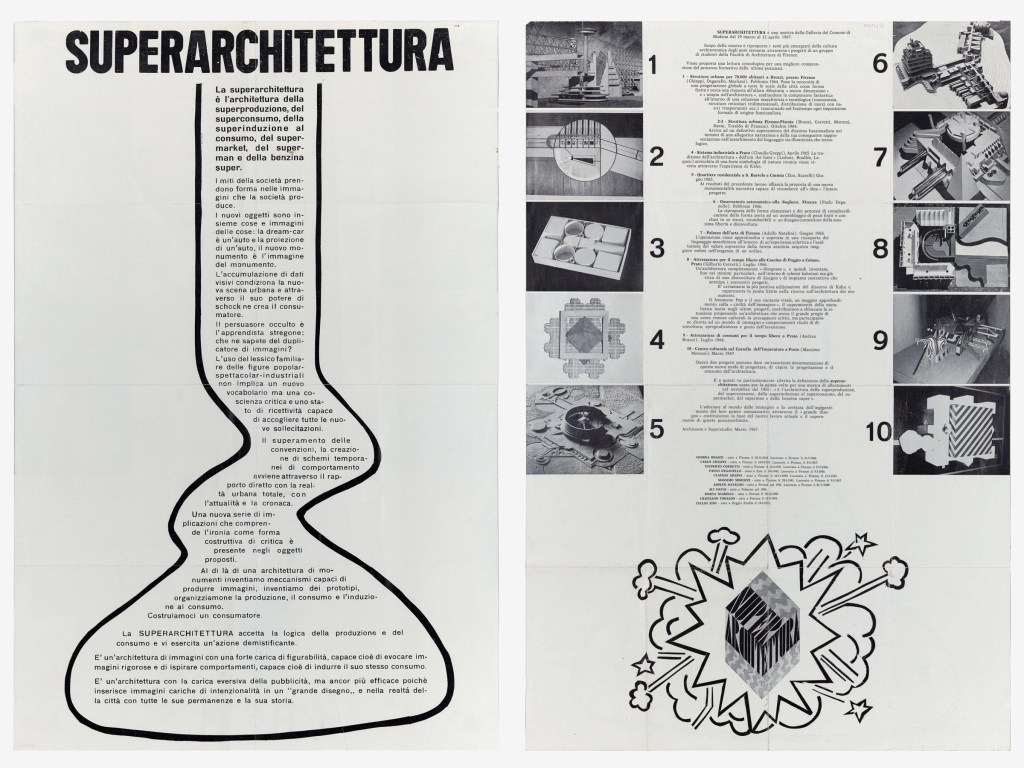
The overall layout is very clear and has a unique design effect. The picture is uniform in tone and marked with a serial number.
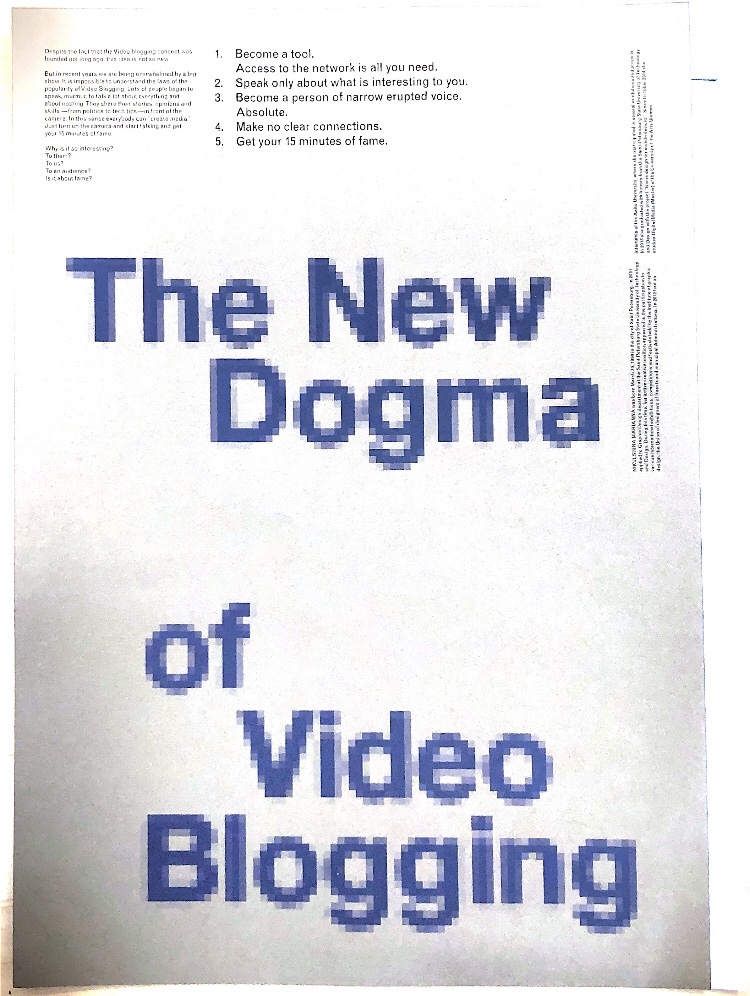
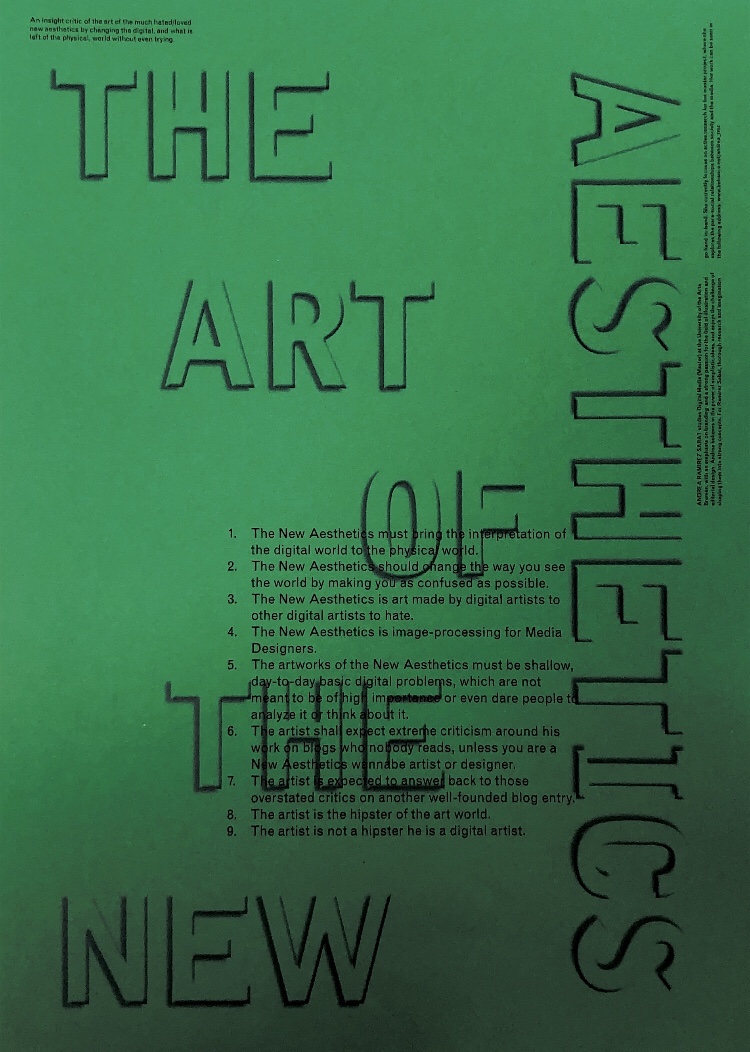
The styles of the two declarations are very similar. Also highlight the obvious fonts to express the theme, and use two different fonts to reflect their own style. The content is clear and the layout is simple. And the use of simple colors makes the overall style more unique

The ten school rules from the principal are simple in layout, and the overall layout uses the same type of text with clear content. Very simple design but very powerful with text.

The manifesto is an advertisement. This manifesto doesn’t look so serious and relaxed. I think this is its own style. To some extent, this unique design makes this declaration very unique and powerful.
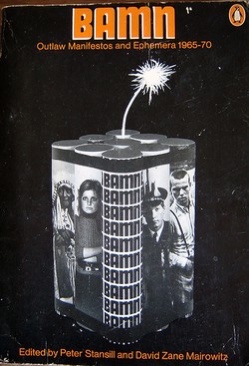
This is another form of the declaration, which has many forms. This is a form of revival in 1962. There is very little text, but the picture has a certain strength and is very clear. This looks more like a poster
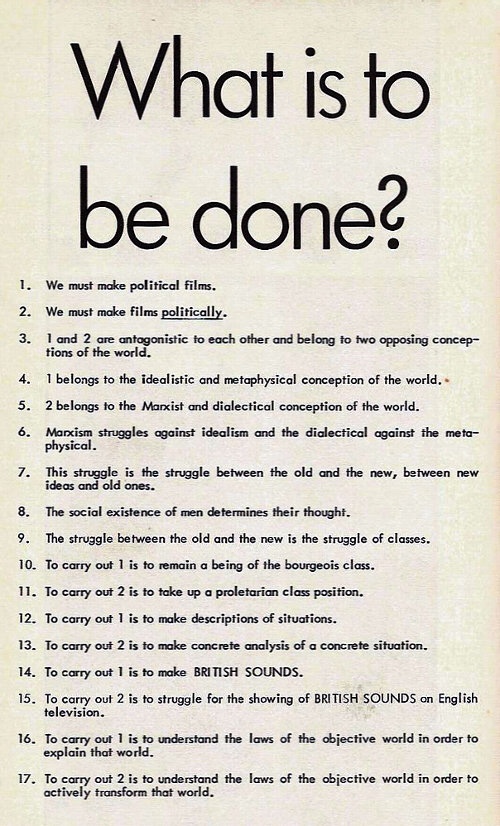
This declaration is a classic style. The layout is simple, and the title is used to interpret the meaning of this declaration. The content is powerful and it is conveyed in a simple and direct way. There is no picture to support, the overall tone uses normal black

This declaration is very similar to the previous one. But the difference is that it uses different font sizes and typography to attract people. Words are powerful, and there are languages that can trigger people’s thinking. Without pictures, use simple and powerful text to support.

This declaration is very unique, the overall tone makes people feel very cute, but watching the content by yourself is very powerful. Some cute stickers are designed in the blank space. The color of the font matches the content. This is a declaration that people will not feel offended. Cuteness is its charm.

The text of this declaration comes from handwriting. It is difficult to distinguish, so I think the font is very important, it directly affects the viewer’s impression of him. But I like the overall style very much, it’s relaxed, and the colors are simple.
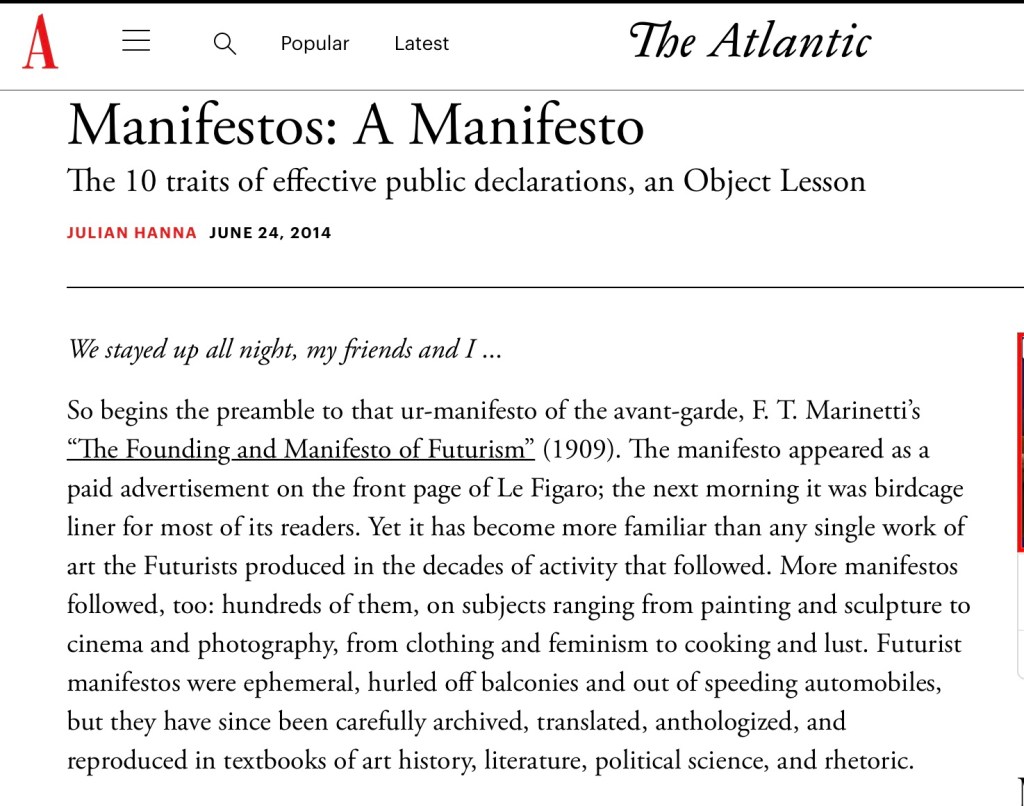
So what makes a good manifesto?
1. Manifestos usually include a list of numbered tenets.
2. Manifestos exist to challenge and provoke.
3. Manifestos are advertisements.
4. Manifestos come in many forms.
5. Manifestos are better very short than very long.
6. Manifestos are theatrical.
7. Manifestos are fiction dressed as fact.
8. Manifestos embrace paradox.
9. Manifestos are always on the bleeding edge.
10. Manifestos are magic (almost).
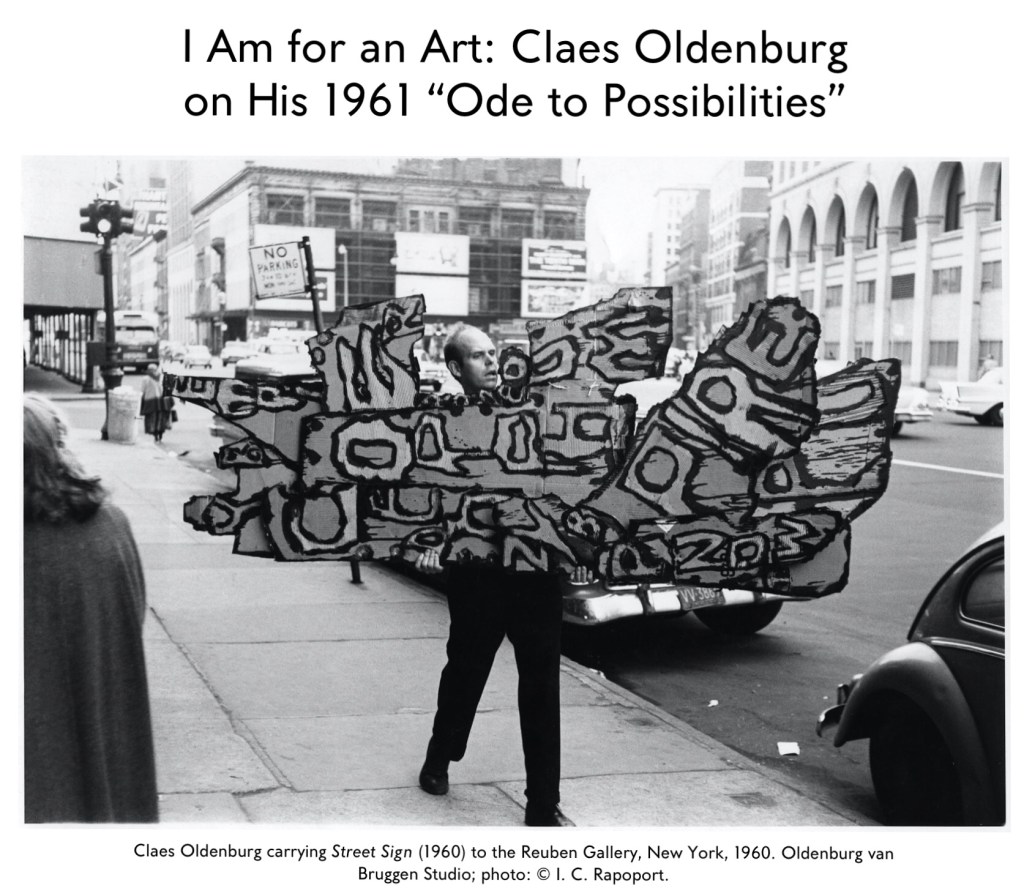
This declaration is a bit difficult for me to distinguish, and I cannot distinguish its content simply and quickly. But this form is very unique and I like it
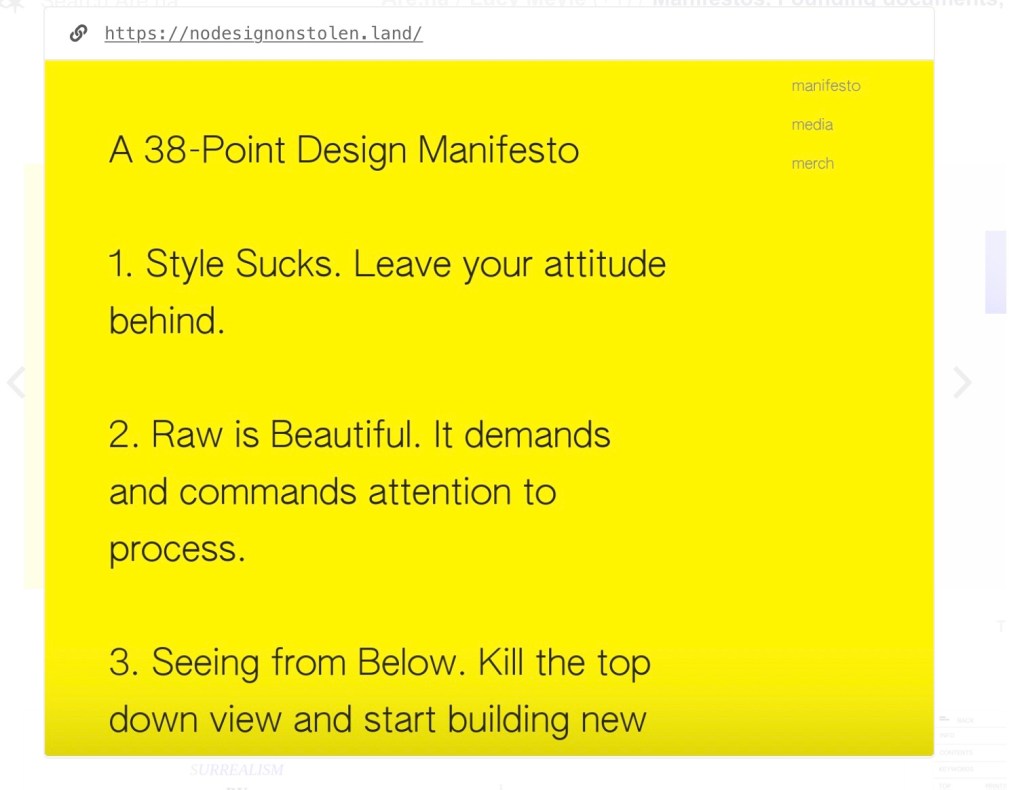
https://nodesignonstolen.land/
What should I pay attention to after studying these manifesto?
First of all, the content of the manifesto must be powerful, and every sentence should be short.
The use of fonts must be combined with the overall layout.
Uniform style, picture and text, tone
The picture must have power.
Typesetting can be simple and easy to understand.
The content is clear.
An Archive of Manifestos
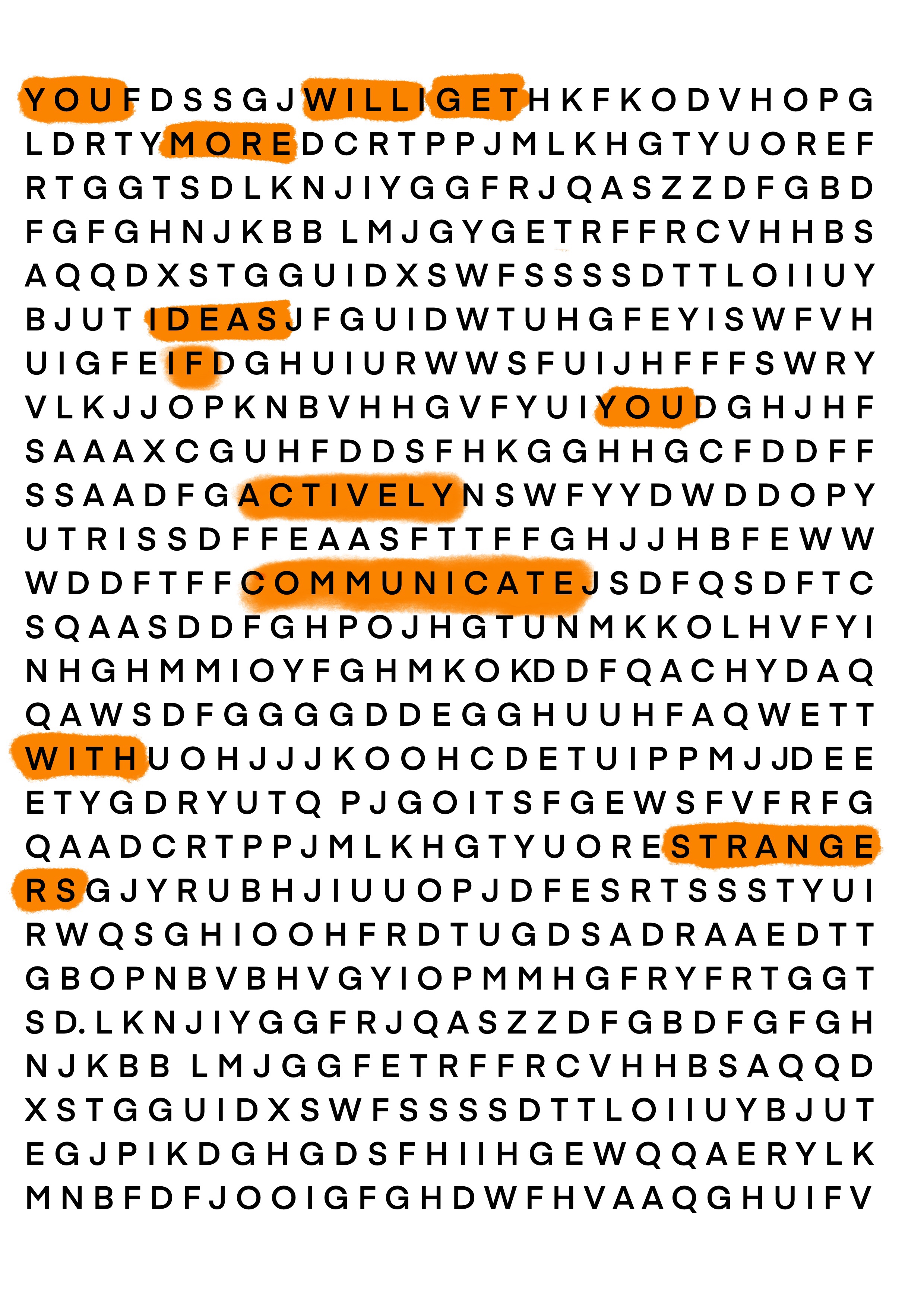
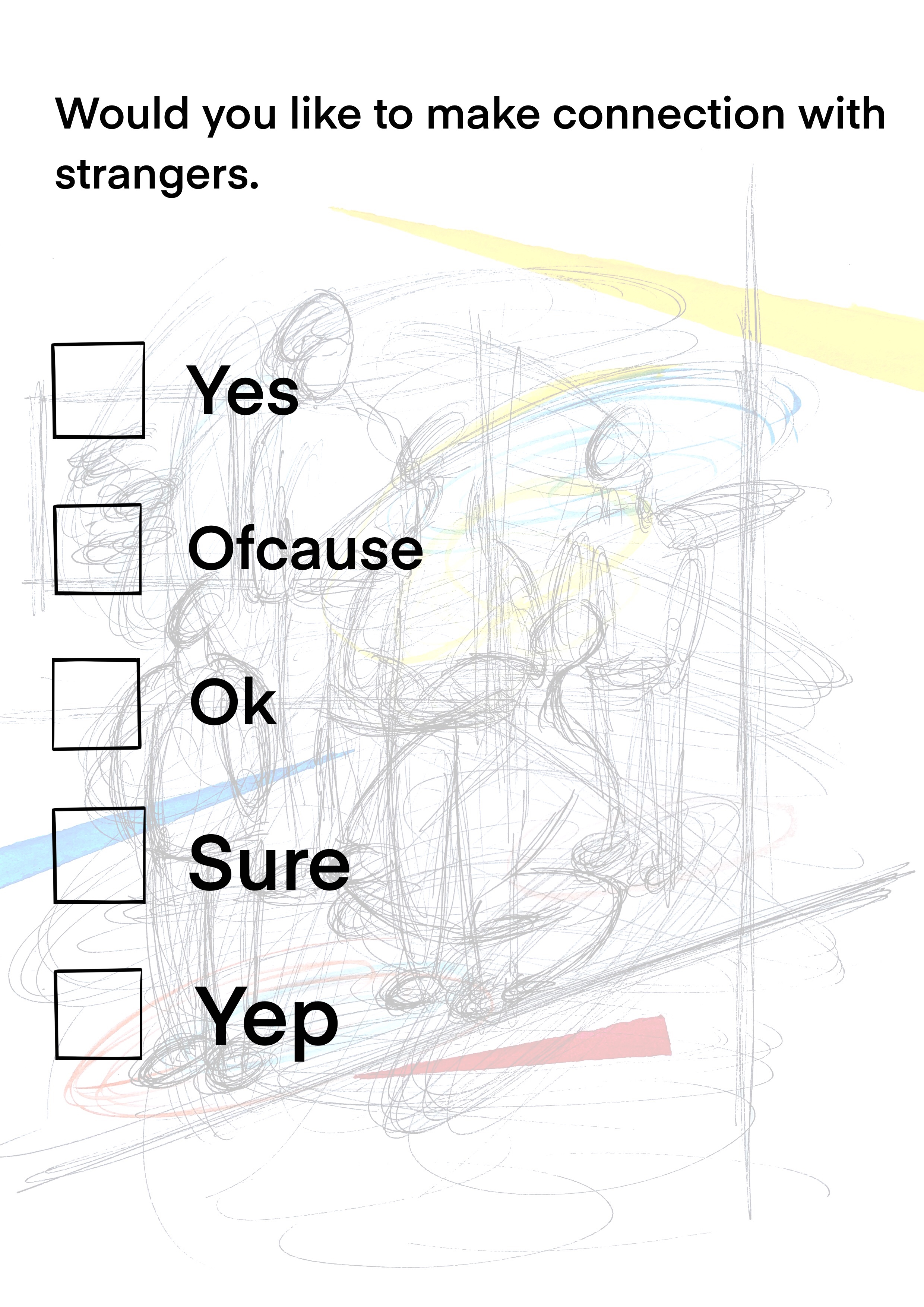
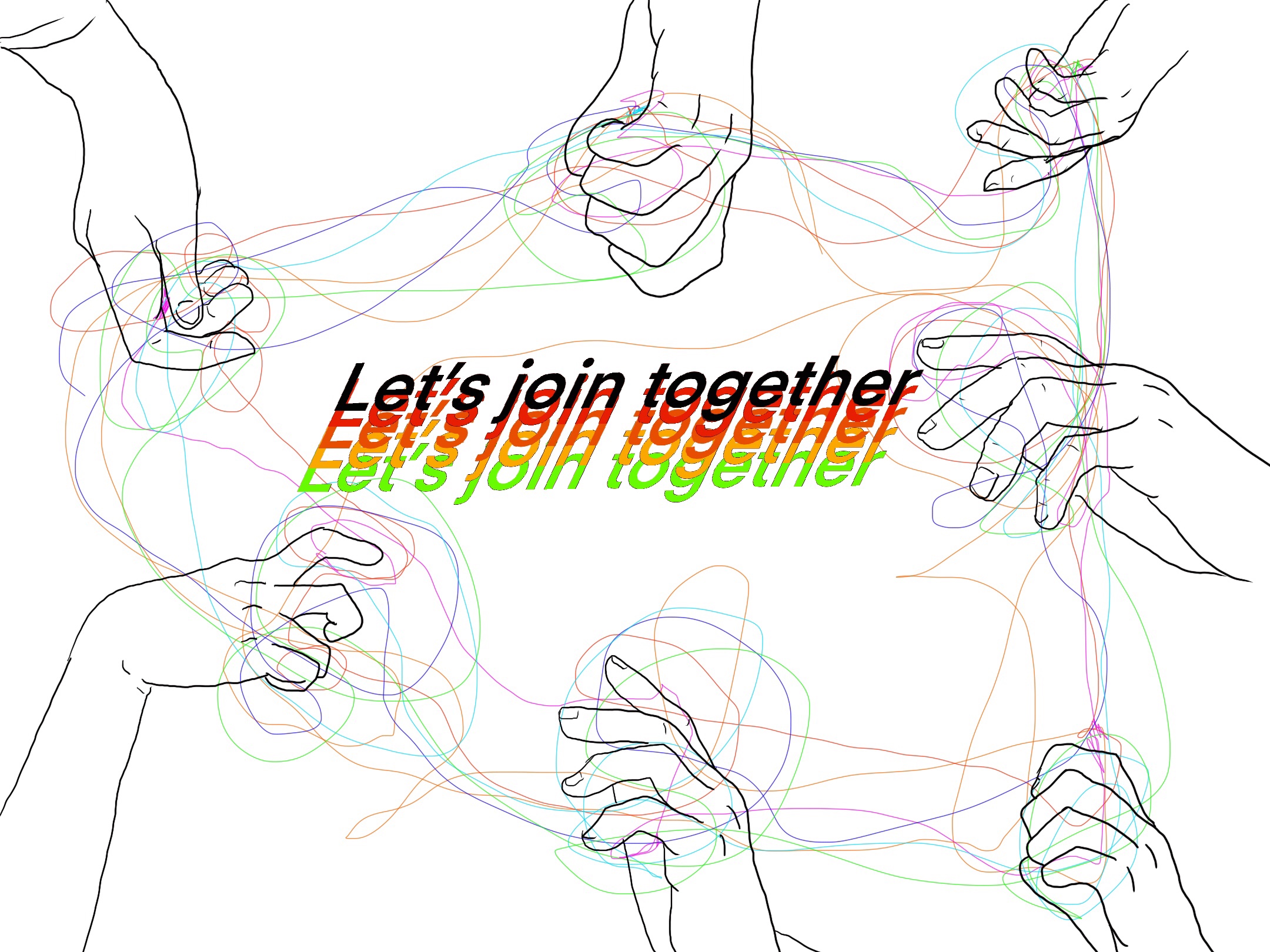
These are the first three declarations. It is a pity that they were very failed. After talking with Rachel, she gave me some suggestions. First of all, these three pictures are not a declaration, because the content is too simple. I should have a clear subject and write clearly what my declaration will do? What is the theme? What is the purpose? Secondly, I should write some simple but powerful words around my subject.
After this part I realized that I didn’t have enough manifesto, I should look for more information to see more manifesto. Write down my feelings and thoughts, etc. I should learn more about text, pictures, colors, typography, etc. to design my manifesto.
Four of the manifesto drafts
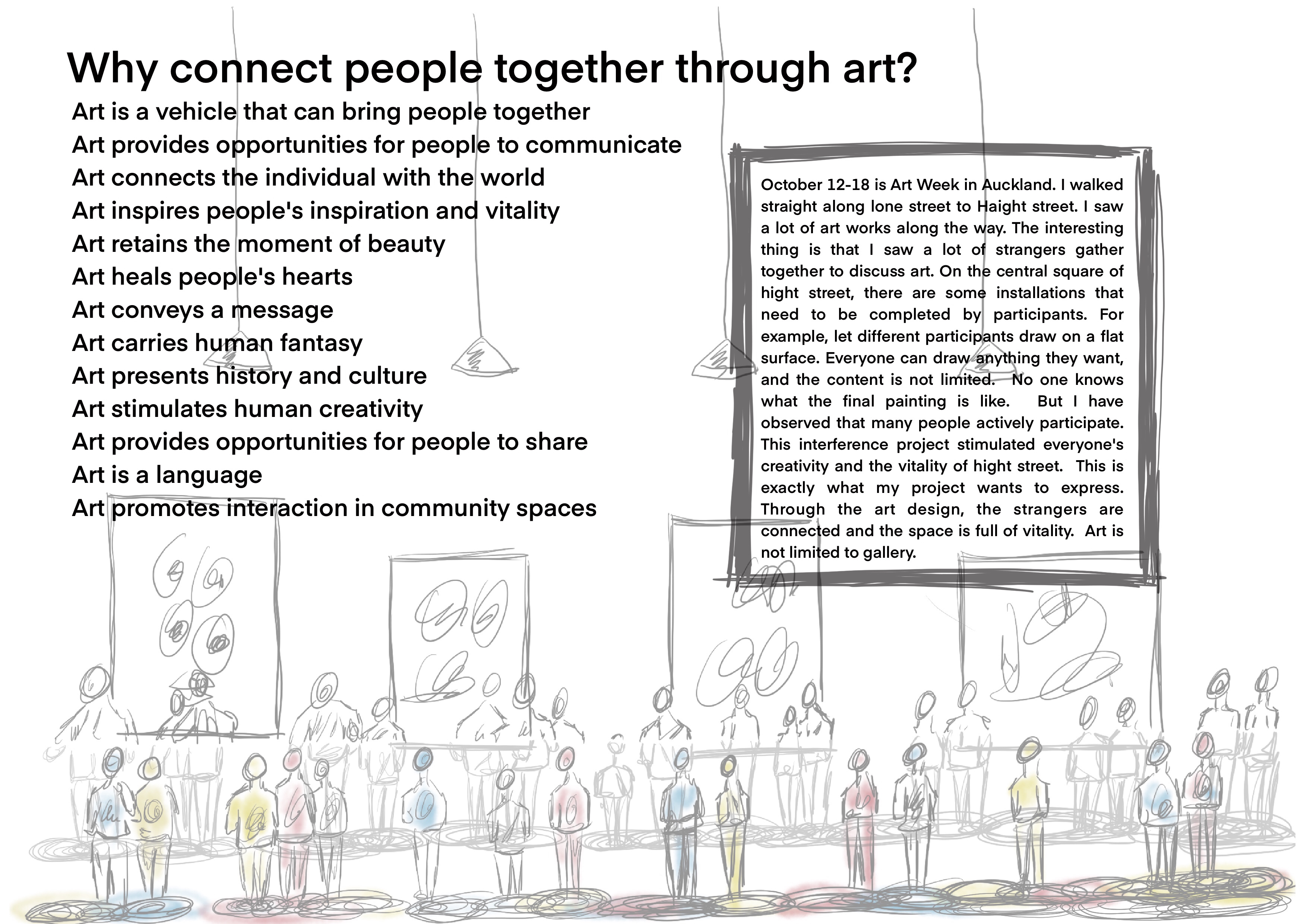
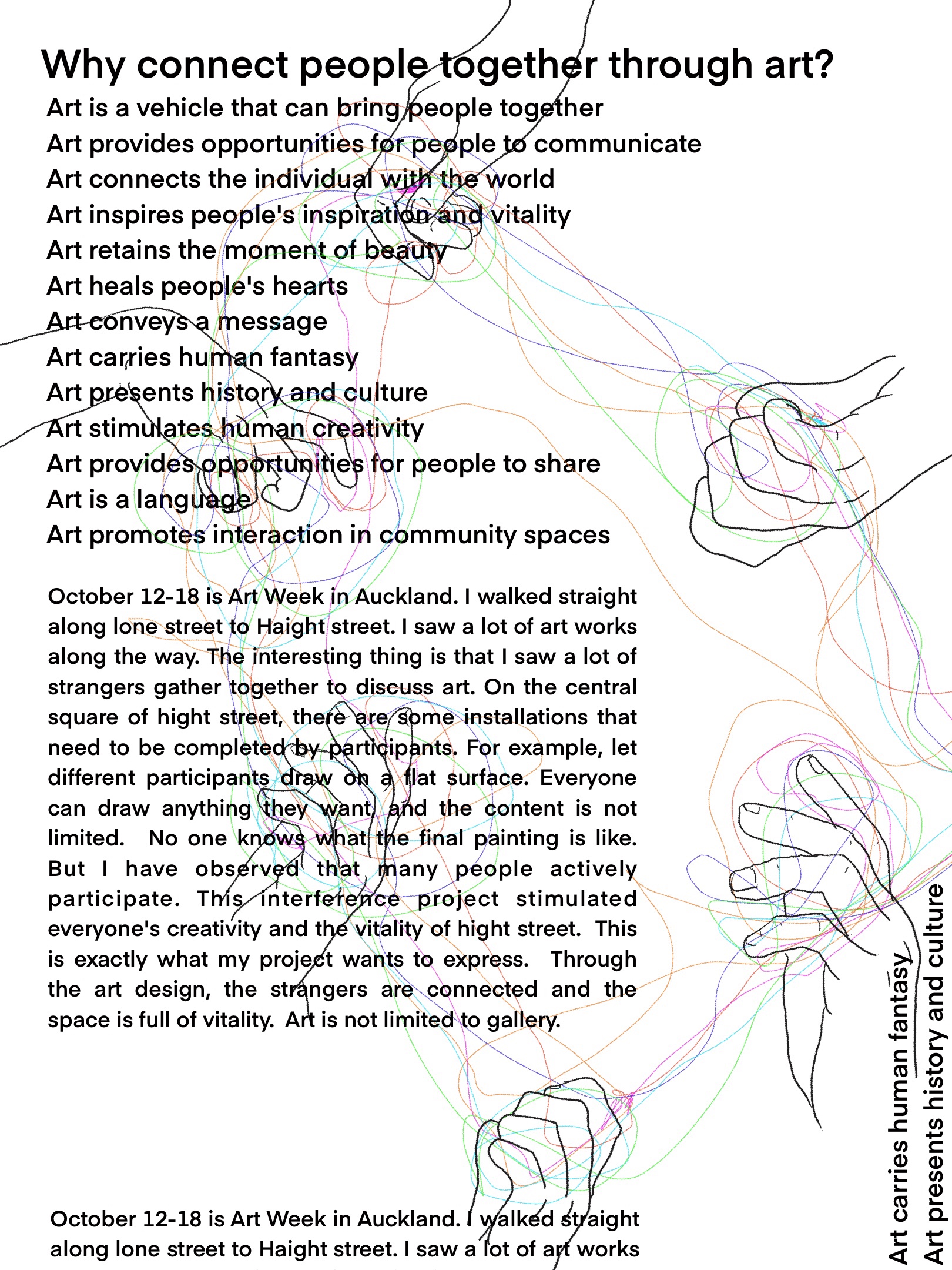
This is the second time menifesto talked to Rachel. Unfortunately this part is still a failure. The content is not clear enough, I just explained what is art? But there is no clear goal on how art will be used? And the background of this menifesto coincides with the text. This will affect the reader’s view.
I will continue to find manifesto to learn. Learn how other authors write simple and powerful words and learn how they typeset. I think the harder part for me is to write simple but powerful words. In this part, I am still very confused and don’t know how to continue to develop. I will continue to study and explore in depth. I think that in the next step I should clarify my theme and develop around my theme.
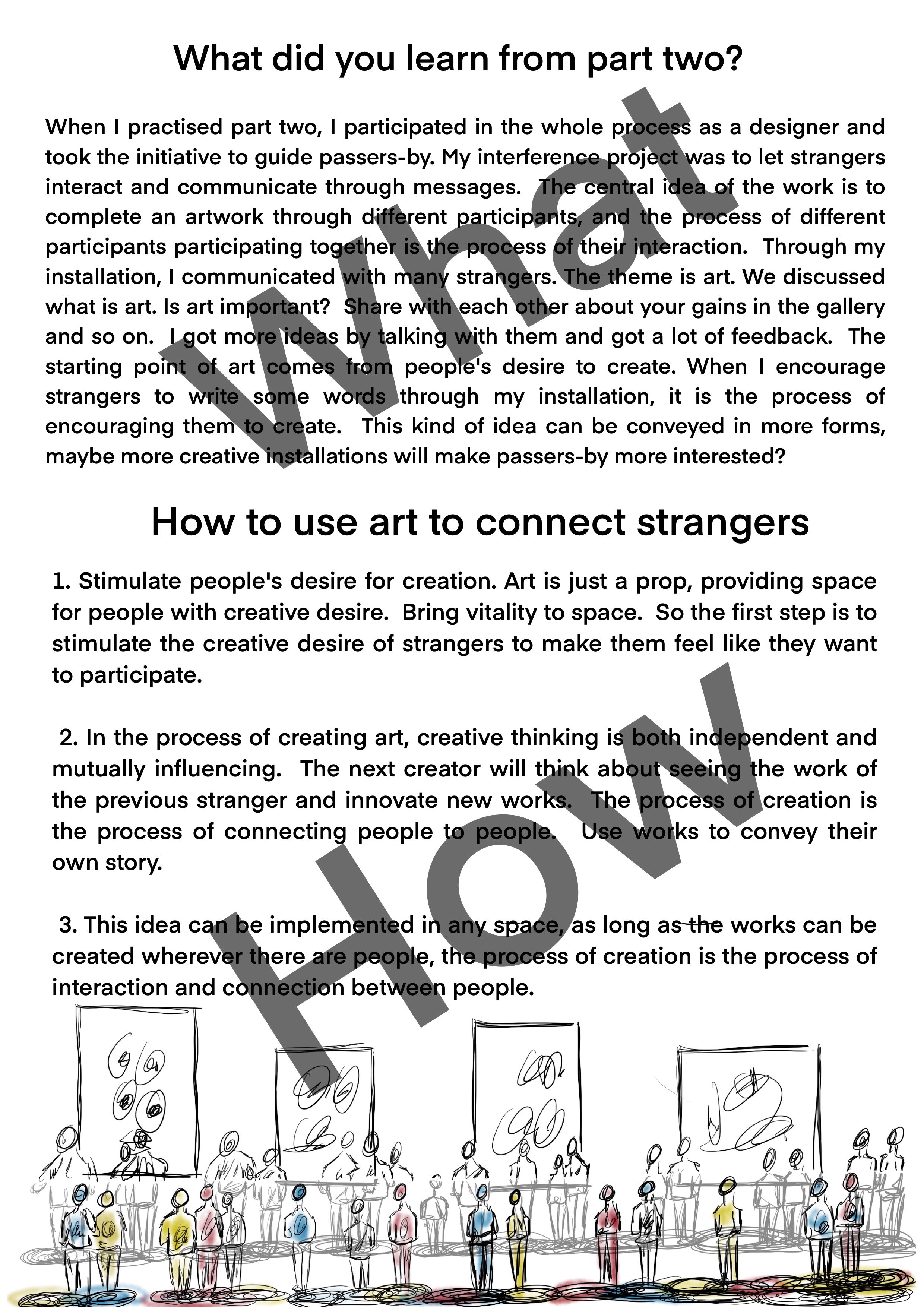
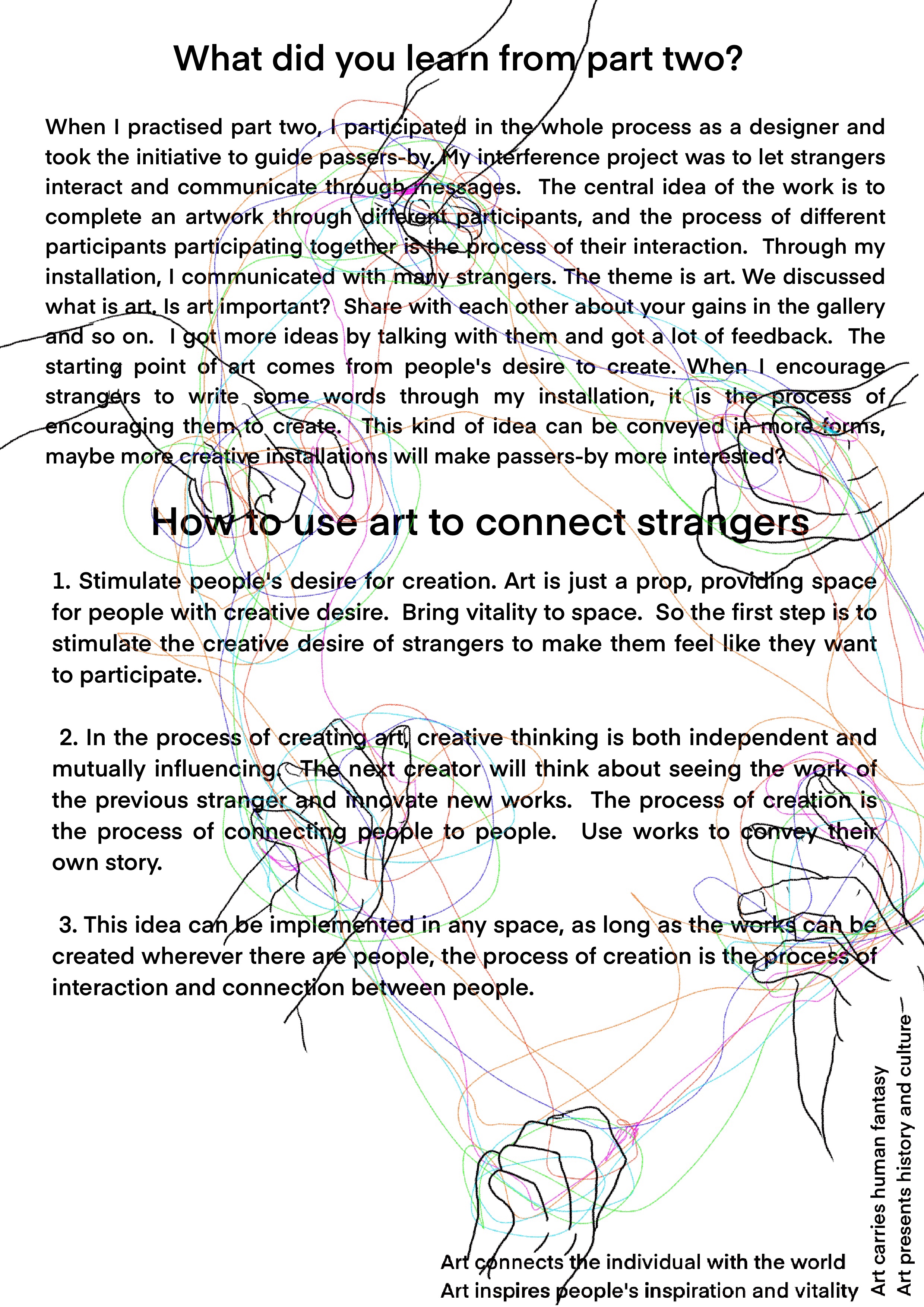
This is the third text discussed with Rachel. This is a good start. My subject is clear and well developed, but in this manifesto I have elaborated on my project too much. This will not be applied to my project. I should continue to develop. And in the first half, I elaborated on my reflection on part two, which should not appear in manifesto. There are some minor issues that I should correct. I am very happy to finally start to develop in a good direction. The typography should continue to improve.
Final Menifesto
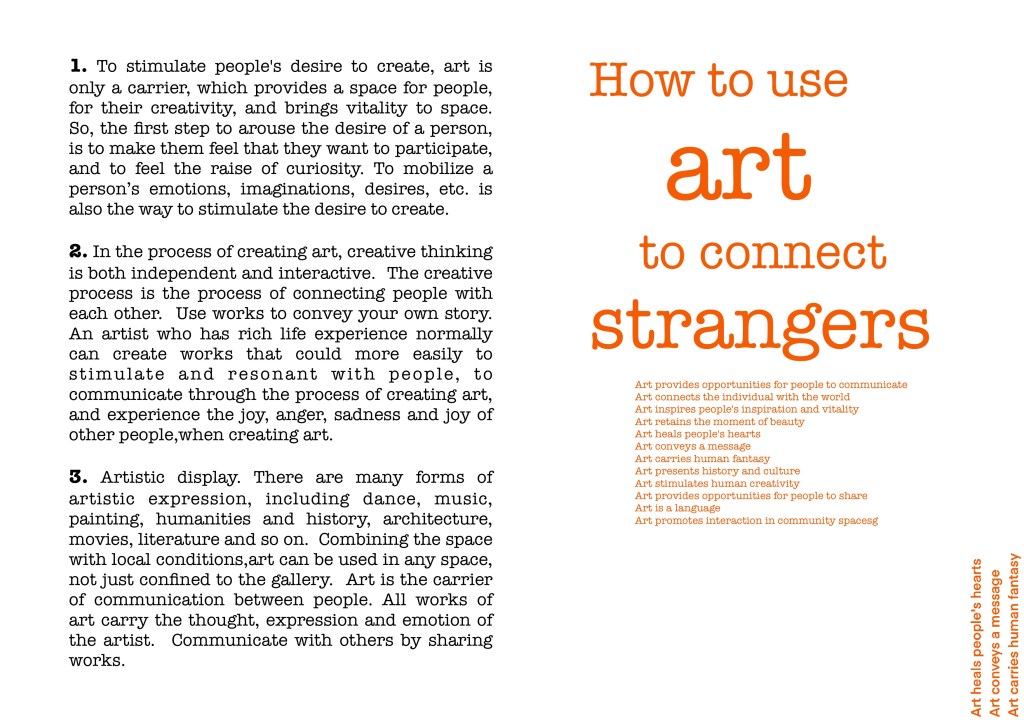
In the final manifest, I reorganized my ideas, adjusted the overall layout and removed some pictures that would affect the text. The overall style is very simple, but I made new adjustments to the font. I used two different colors. The orange heading will be more eye-catching. Let readers know what the subject of this manifest is? The black body part is described step by step, and the content can be clearly understood.
Presentation
 SUMMER’S Blog