Year Three-Semester One
Brief
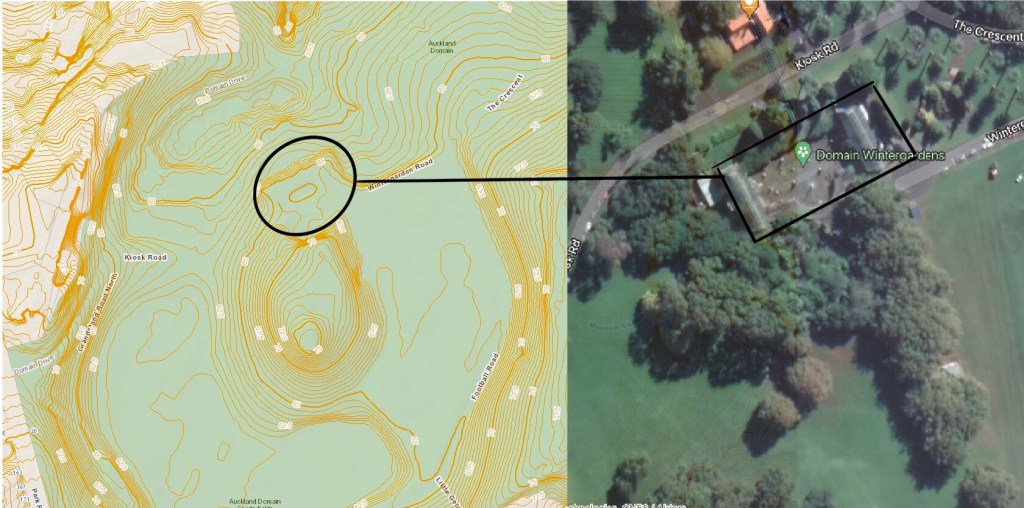
You are asked to propose a scheme for a refurbishment or temporary retrofitting of the Auckland Domain Winter Gardens, designed by Gummer and Ford and built in stages between 1916 and 1928. The gardens consist of two barrel-vaulted steel glasshouses (the Temperate House and the heated Tropical House), joined
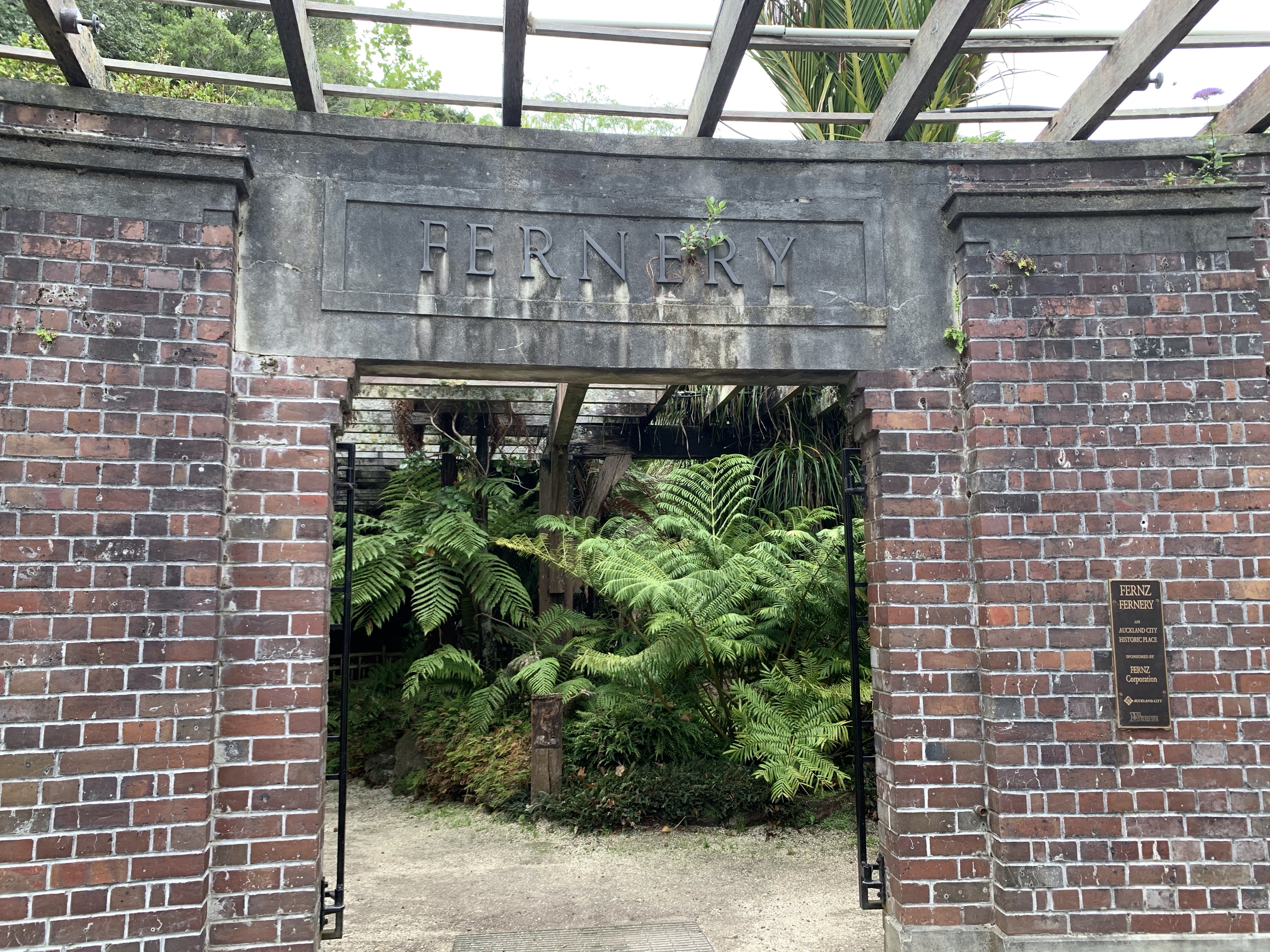
by a courtyard and pergolas that back onto the Fernery (built into a former quarry). The complex is a Category 1 Heritage Site, so it’s highly protected, and therefore must be respected (you cannot demolish).
Week 1: Possibility
For this project we are to propose a scheme for a refurbishment or temporary retrofitting of the Auckland Domain Winter Gardens. In the early stage of the project, we will focus on research, find more information to get design inspiration, etc.
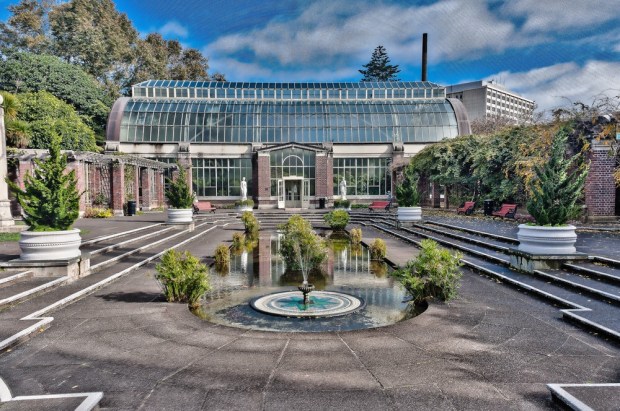
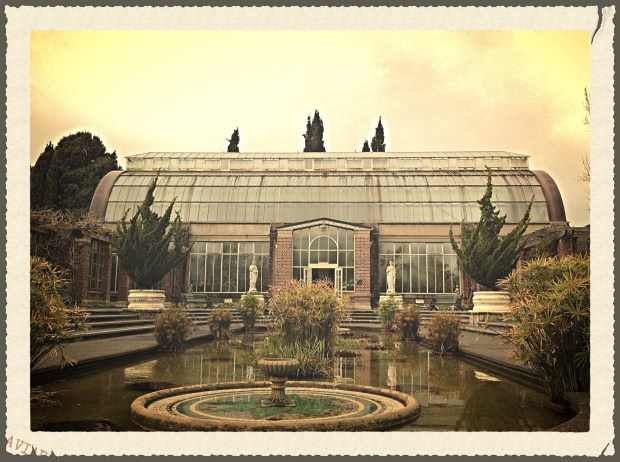
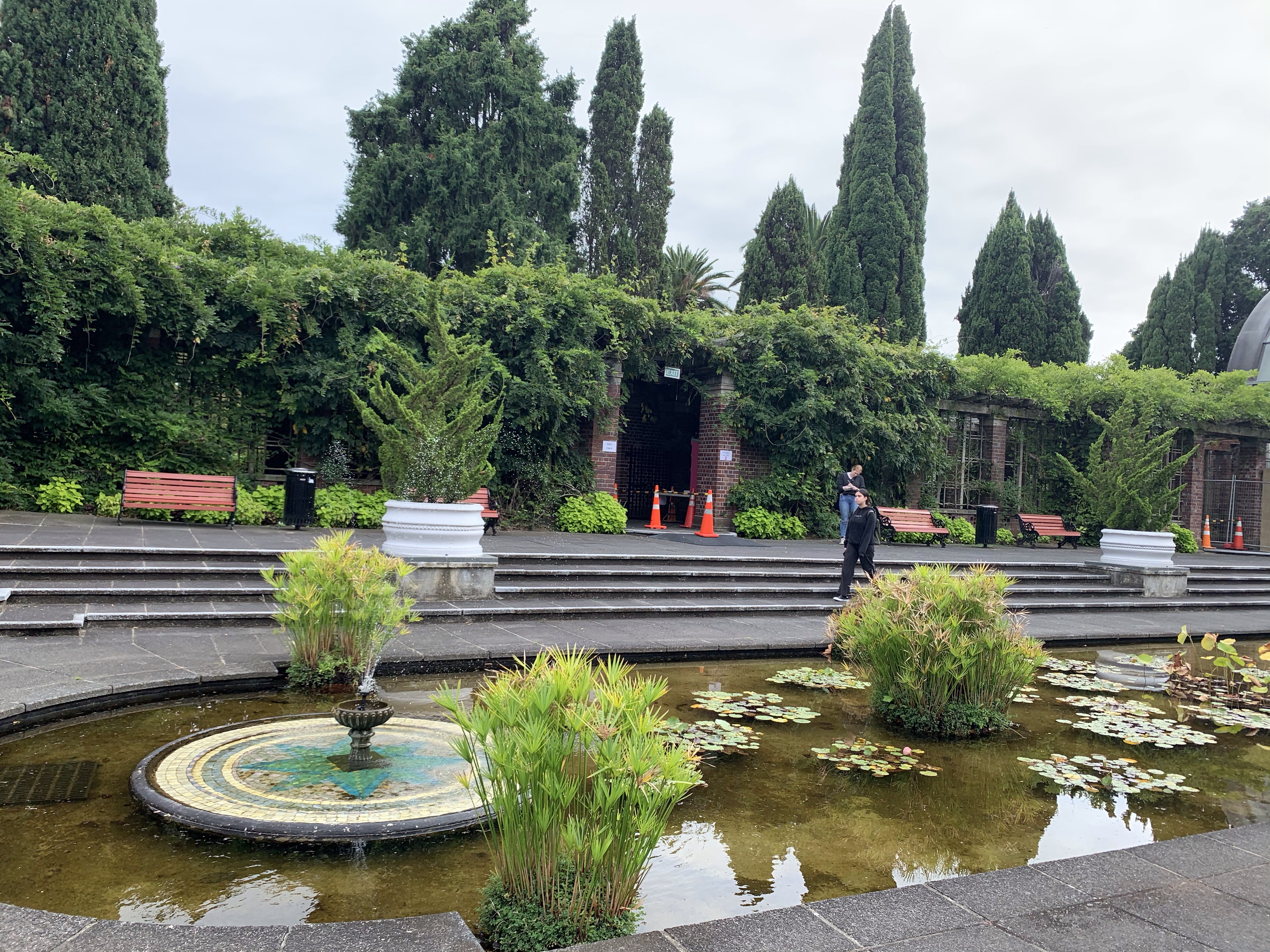
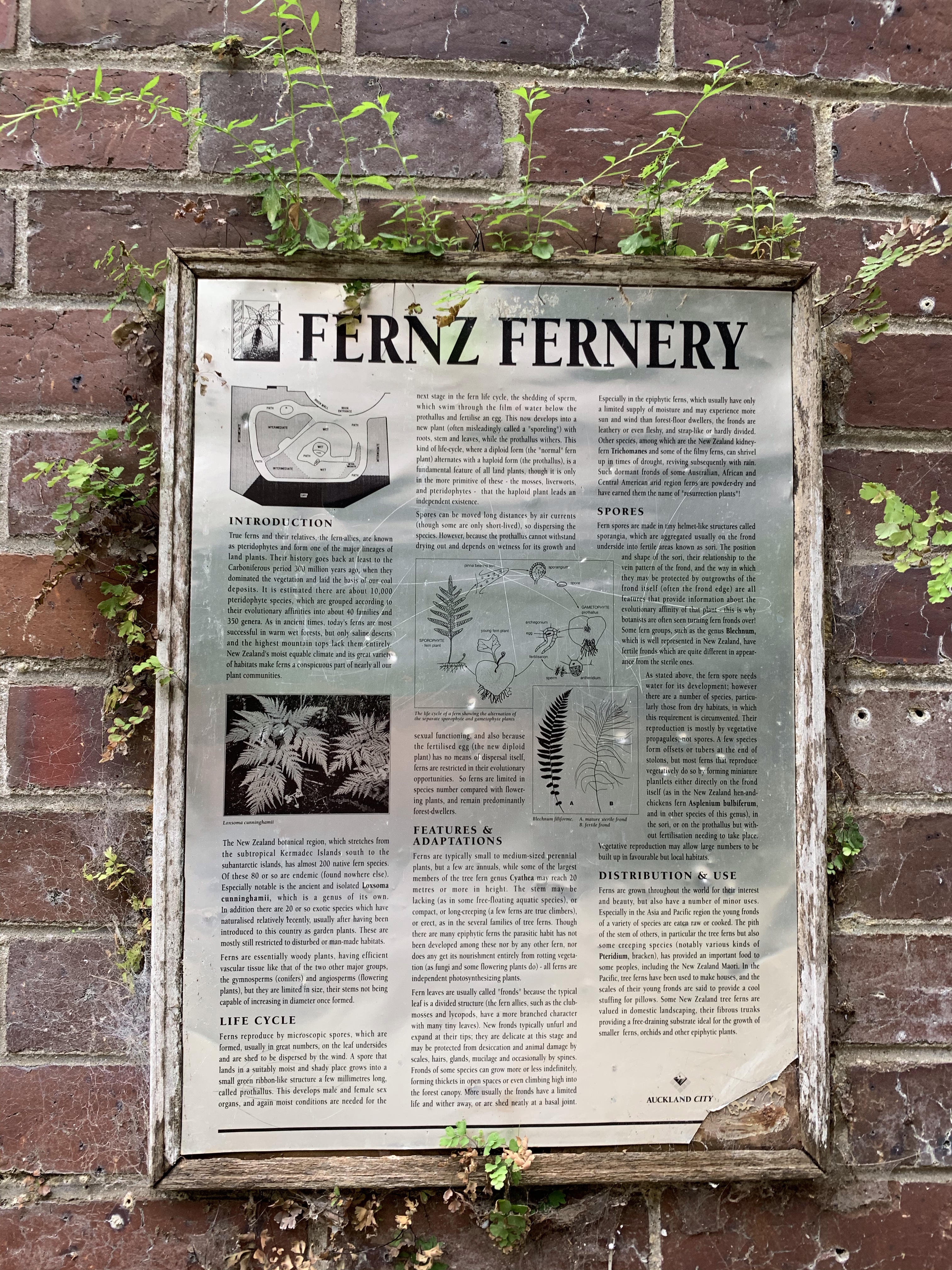
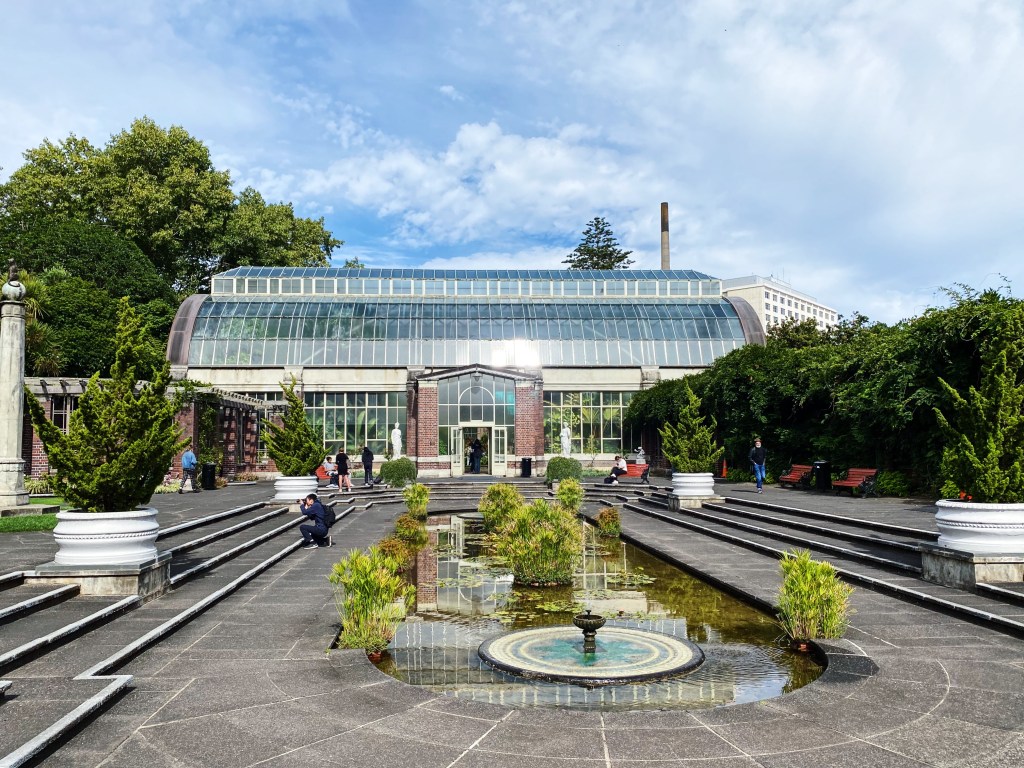
The Wintergardens consists of two large glasshouses: one non-heated Temperate House and one Tropical House. In between the two glasshouses there is an ornate courtyard with sev“eral neoclassical statues and a sunken pond in the centre. Off to one side is the Fernery which is situated within the site of an old quarry.
The complex consists of:
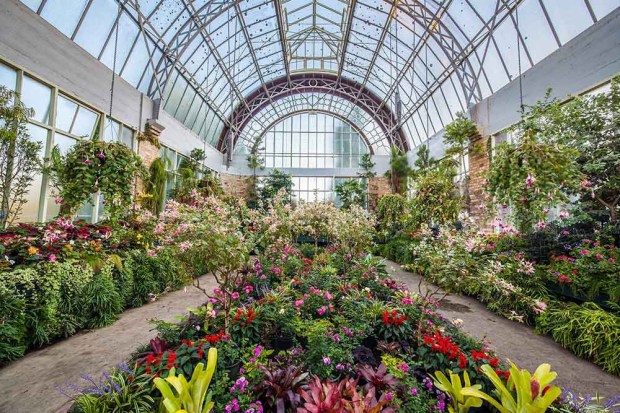
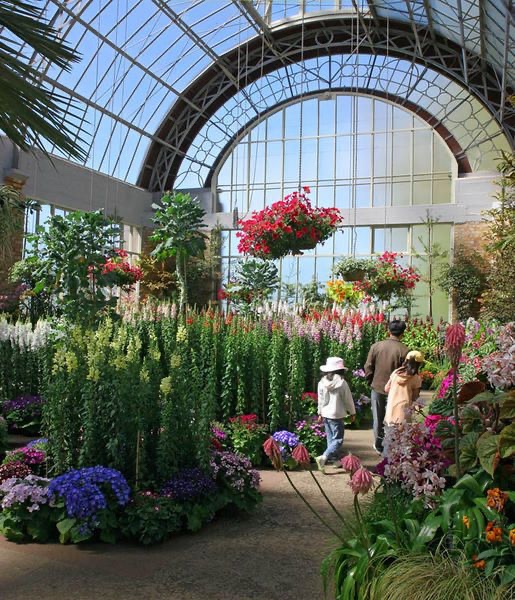
– two display glasshouses (temperature averaging 20 degrees Celsius), one containing temperate plants, the other containing tropical plants
– a formal courtyard with a pond in the centre
– a fernery within an old quarry.
History
The Domain Wintergardens were constructed following World War I with funds generated from the Industrial, Agricultural and Mining Exhibition of 1913-1914.
The gardens were designed by Gummer and Ford, Initially only the Temperate House was built. This was opened and presented to the people of Auckland on 12 October 1921.
The courtyard, the Tropical House, and the Fernery were added later in the 1920s.
The Mayor of Auckland City, George Baildon, officially opened the completed Wintergardens on 2 May 1928.
Many of the statues in the courtyard were added in 1945, and the sunken pond in the centre of the gardens was installed in 1954.
A significant reconstruction project was undertaken during 1993 and 1994 to renovate the Wintergardens.
On 1 December 2013, the Tropical House of the Wintergardens became the first place in New Zealand to have the giant Amorphophallus titanum in flower.
Hamilton Gardens is a public garden park in the south of Hamilton owned and managed by Hamilton City Council in New Zealand. The 54-hectare park is based on the banks of the Waikato River and includes enclosed gardens, open lawns, a lake, a nursery, a convention centre and the Hamilton East Cemetery. It is the Waikato region’s most popular visitor attraction, attracting more than 1 million people and hosting more than 2,000 events a year.
Hamilton Gardens is described in popular culture as a botanical garden, but does not technically qualify as a botanical garden. Instead, the site features 21 gardens representing the art, beliefs, lifestyles and traditions of different civilisations or historical garden styles. These gardens are grouped into the Paradise, Productive, Fantasy, Cultivar and Landscape garden collections, and there is space for gardens which are still in development.
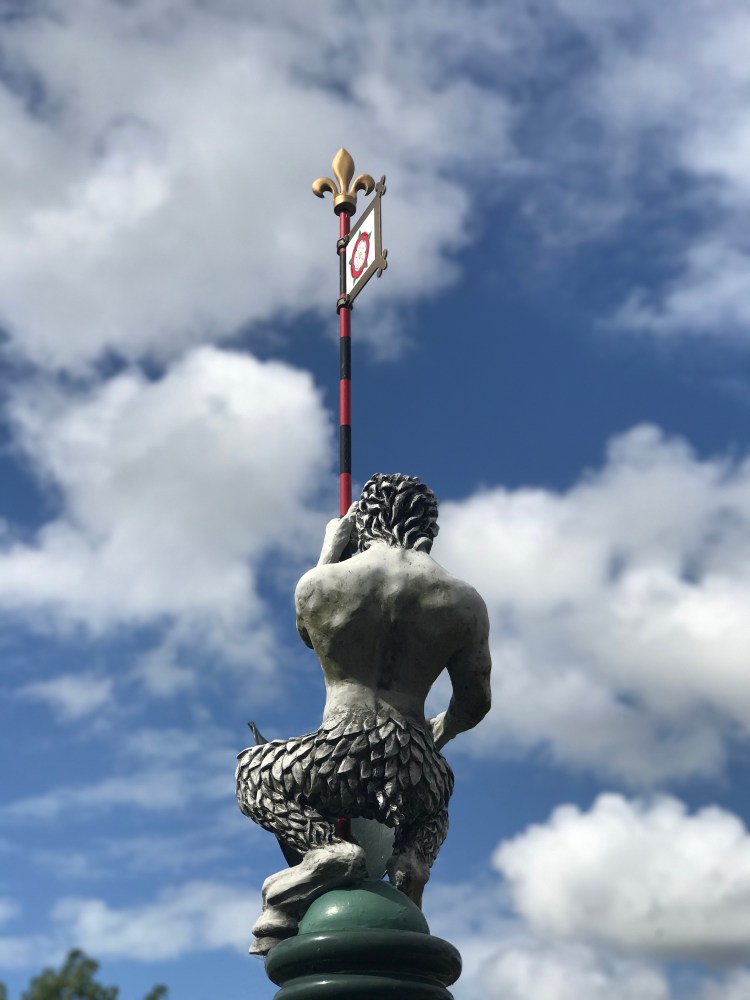
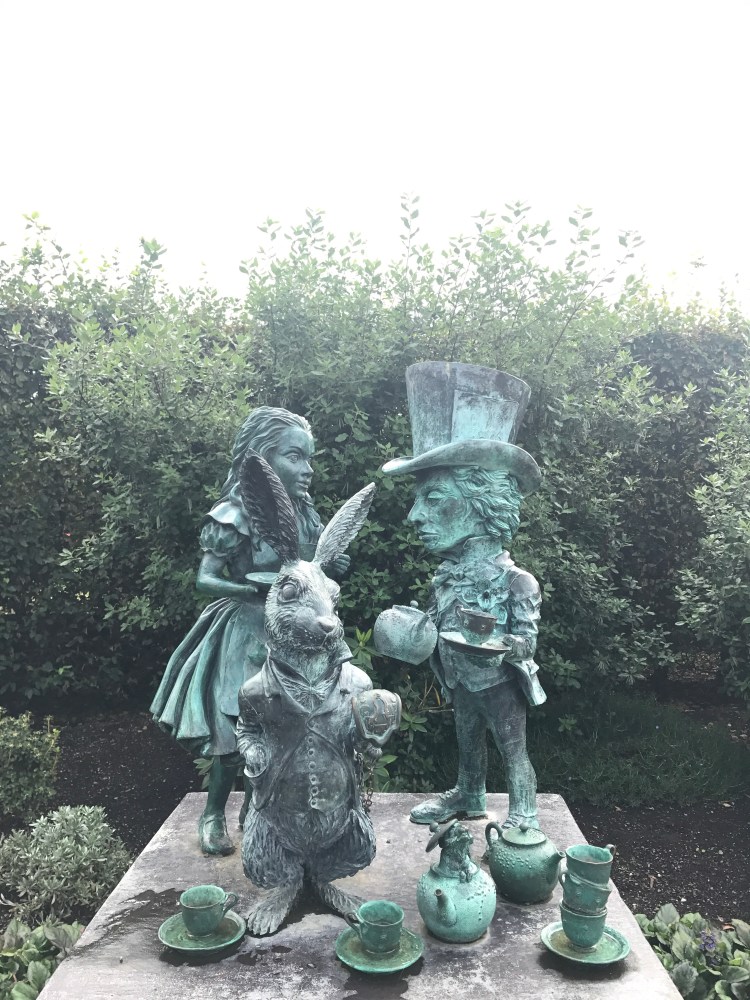
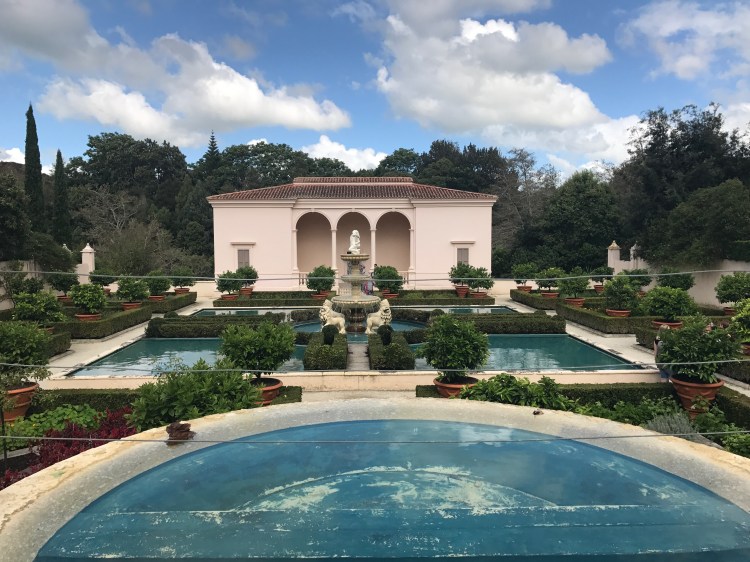
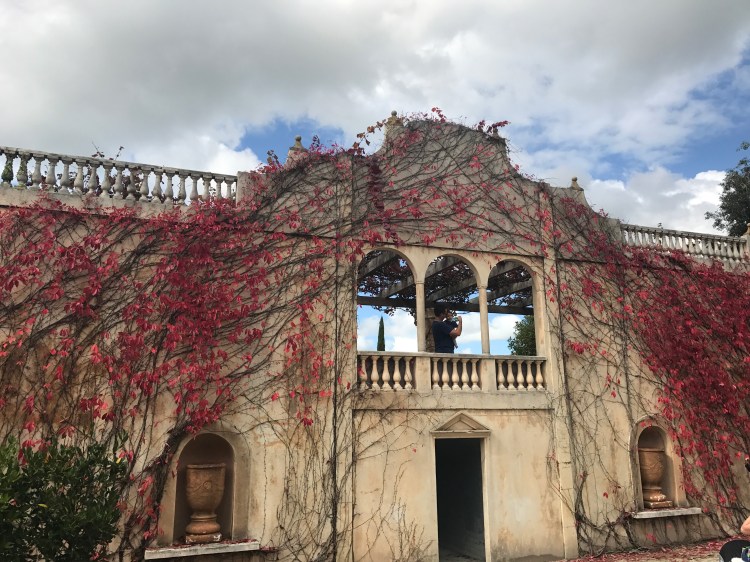
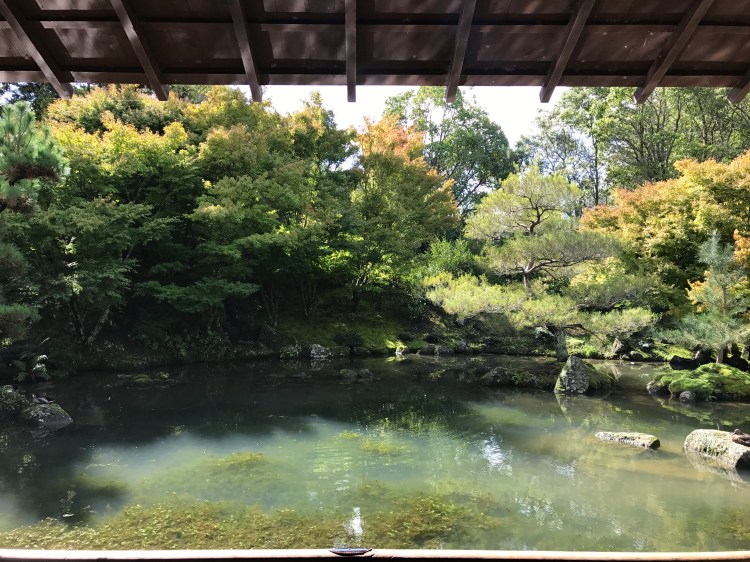
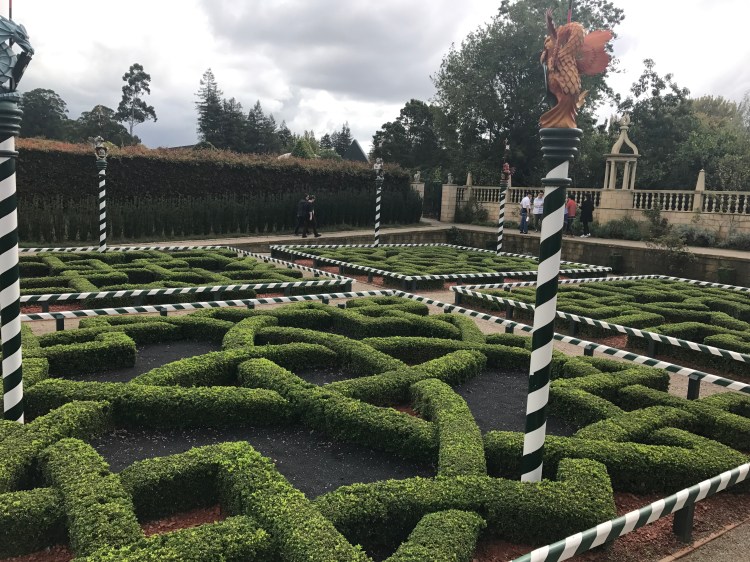
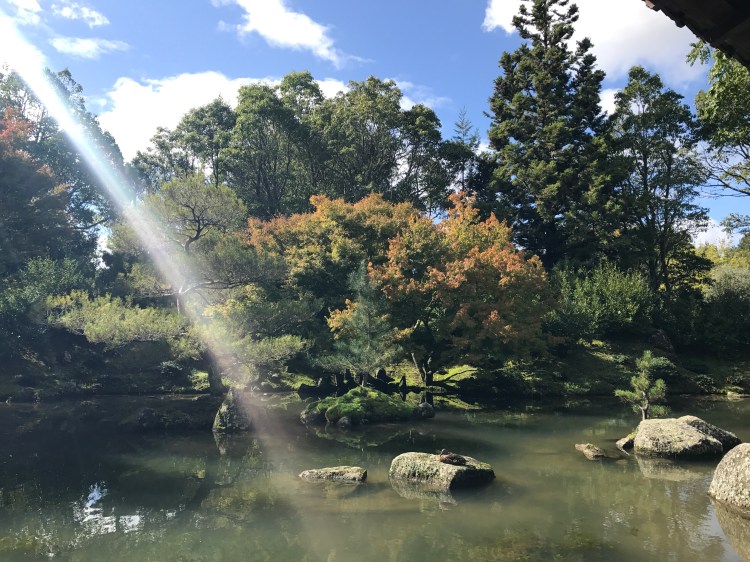
Hamiliton gardents is located in the North Island of New Zealand. It is the first garden I visited in New Zealand. It has a different planning and design from a traditional botanical garden, which is more like a fairy tale world. I was very shocked. First, it is very large. Second, it has many areas and more interesting. Each area has its own theme, such as Chinese garden, Italian revival garden, Indian garden and so on. The gardens of each country are very distinctive and have a strong national color, which made me feel the gardens of countries all over the world at once. The overall design revolves around the theme of the close relationship between people and the garden. It is a garden that is very worth visiting.
What surprised me more was that I could see different shapes made of plants, as well as some small sculptures. It was very interesting. Every scene seemed to break into a fairy tale world to attract tourists. The designer has successfully attracted many audiences through various shapes and elements and brought people into the world of plants.
Week 2: Site Visit
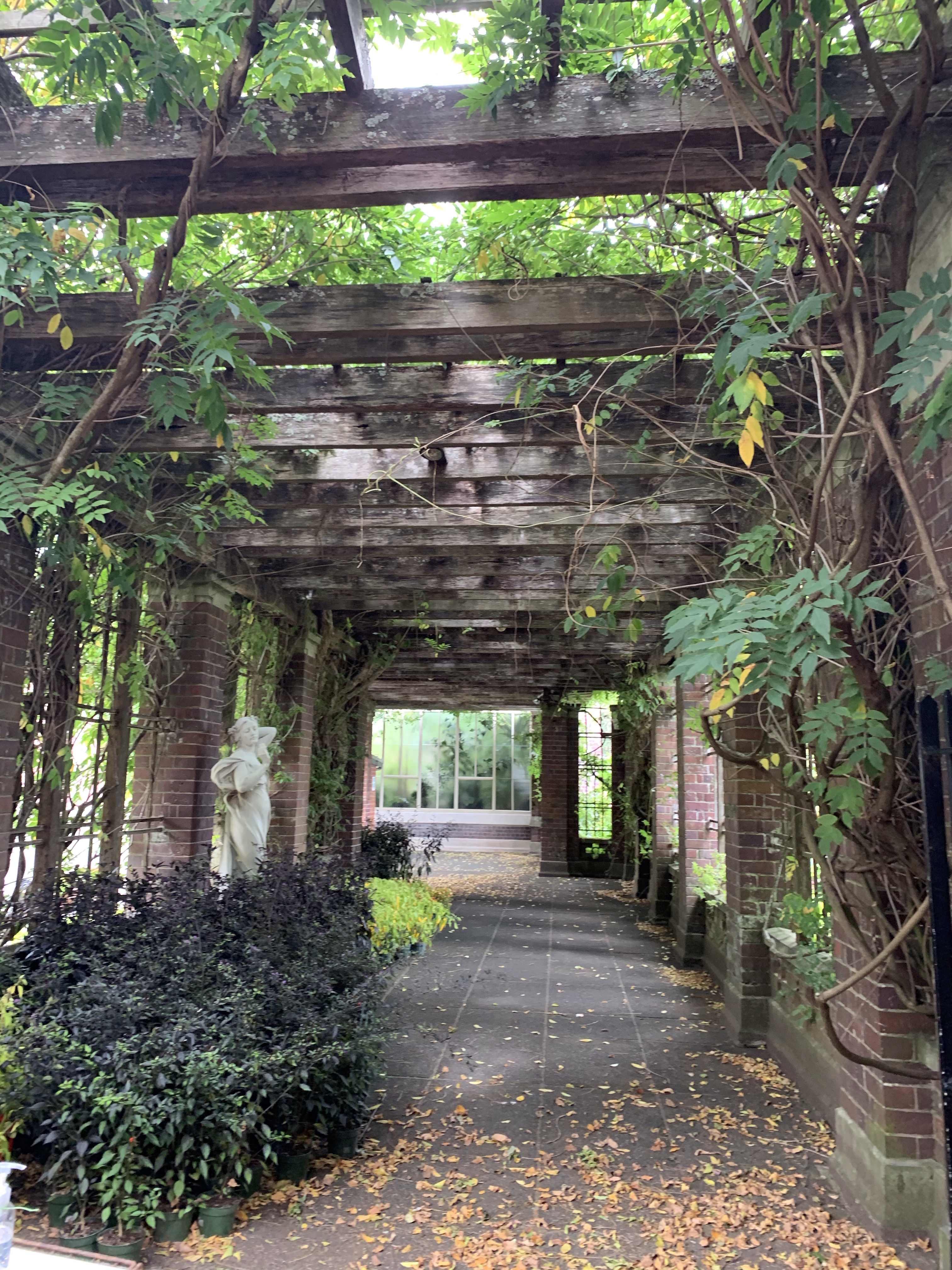
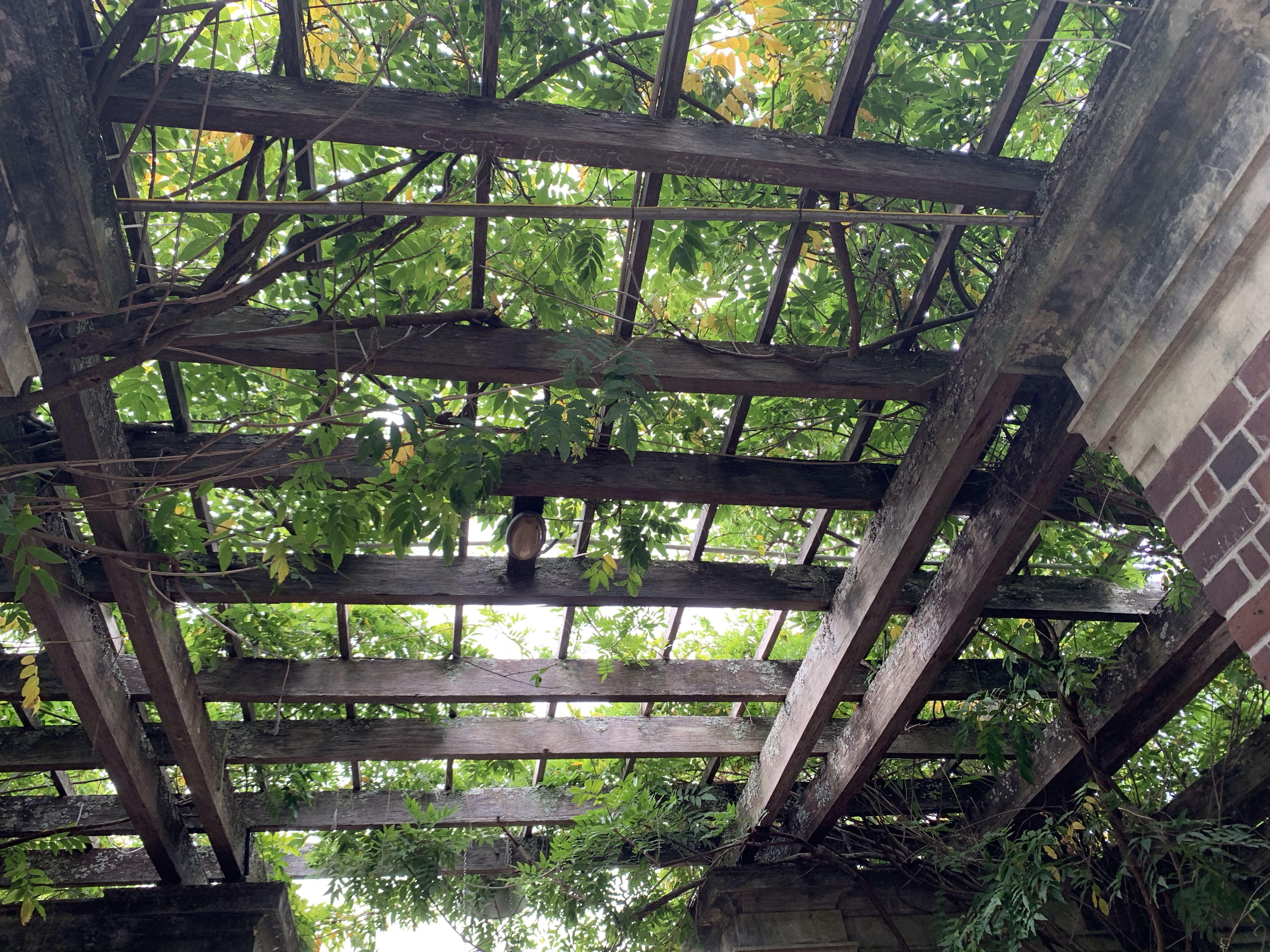
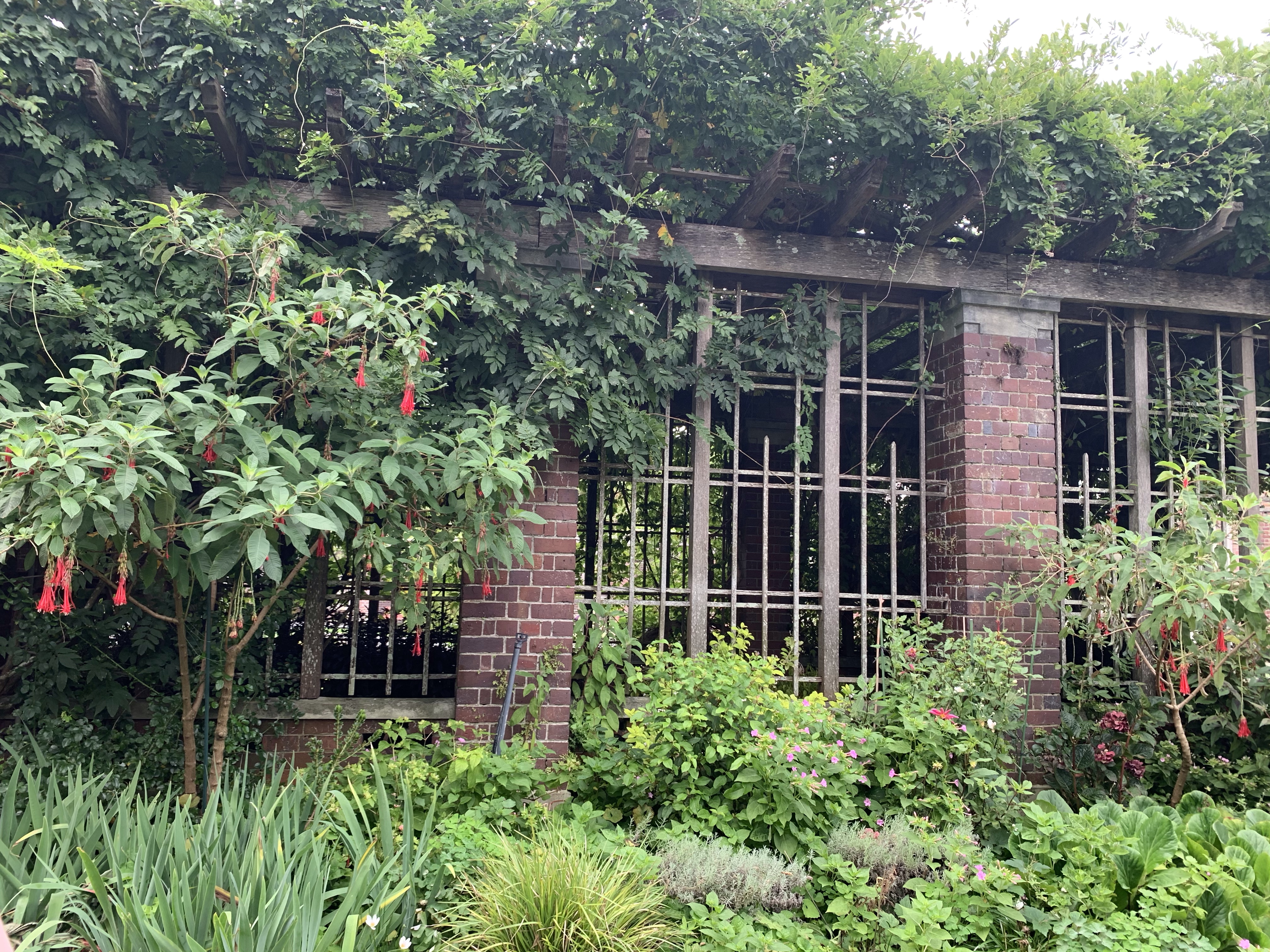
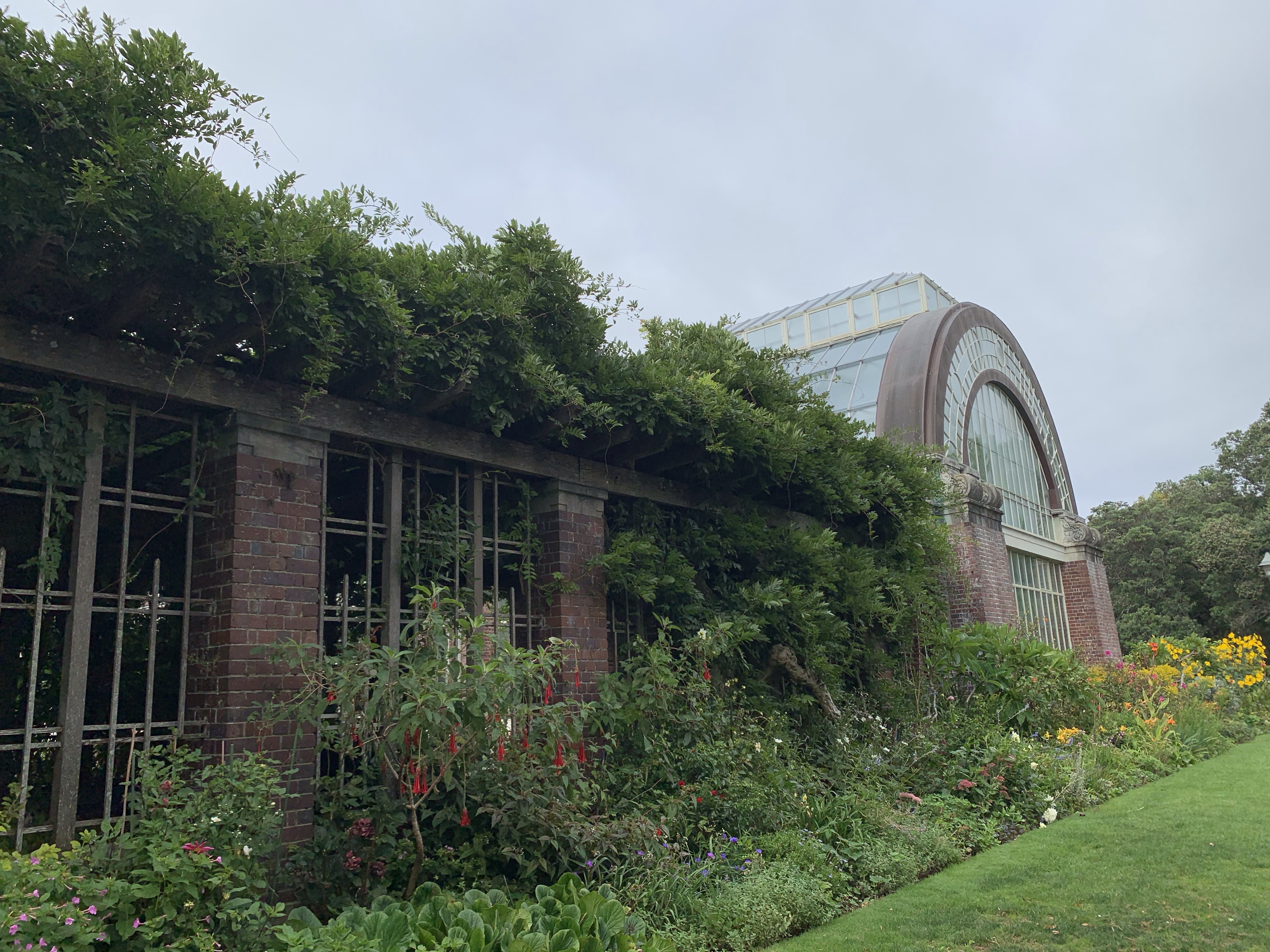
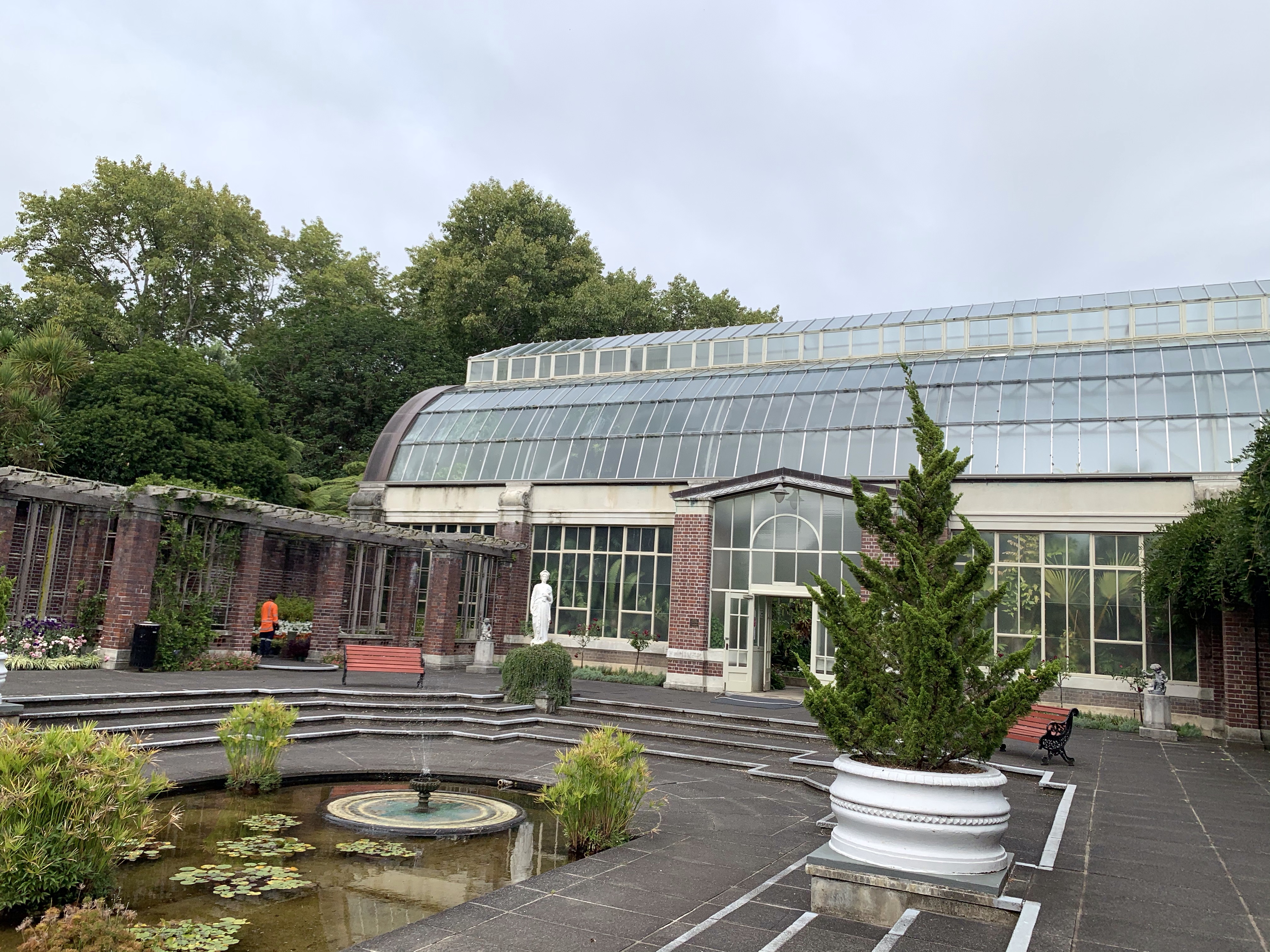
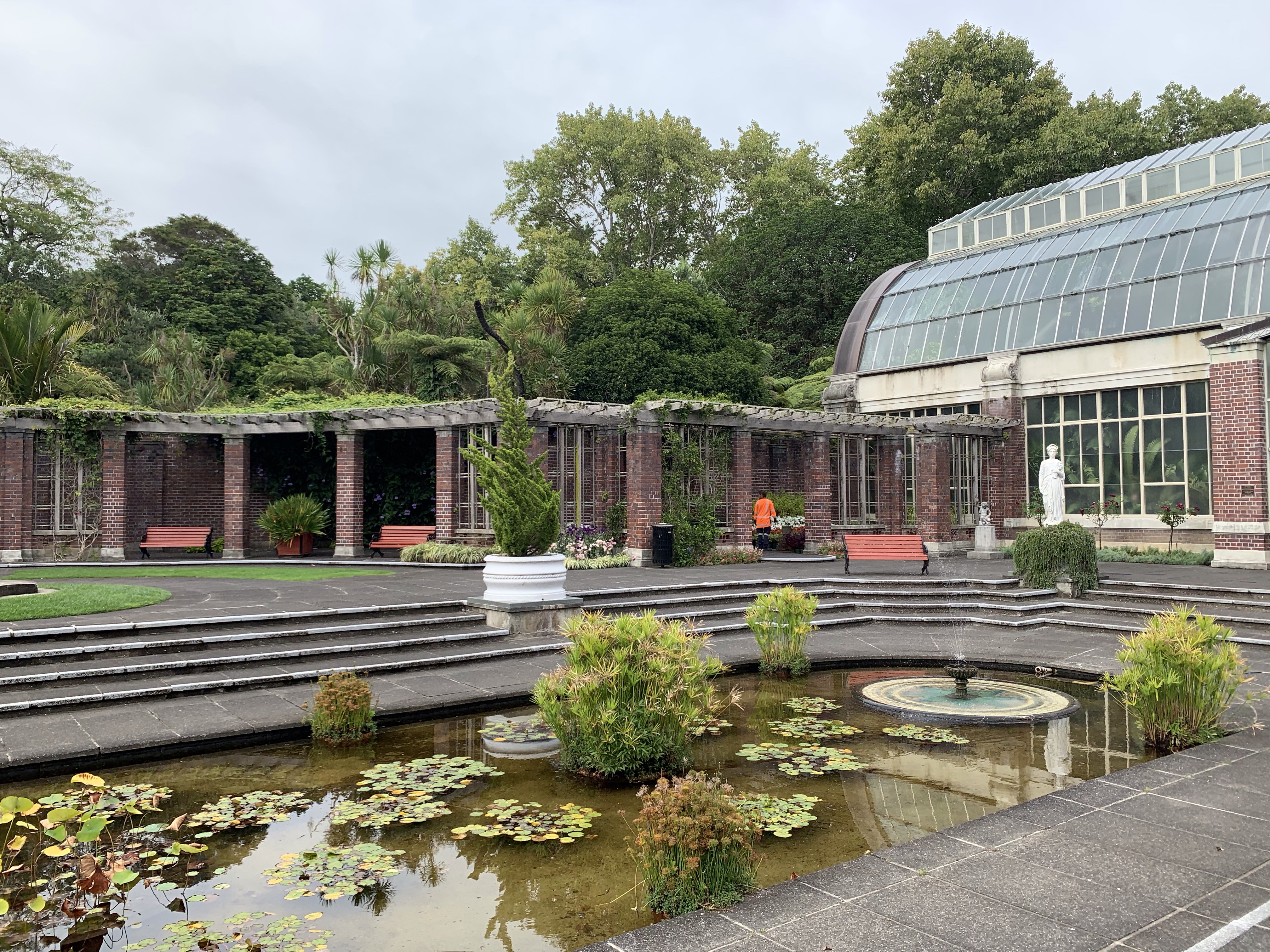

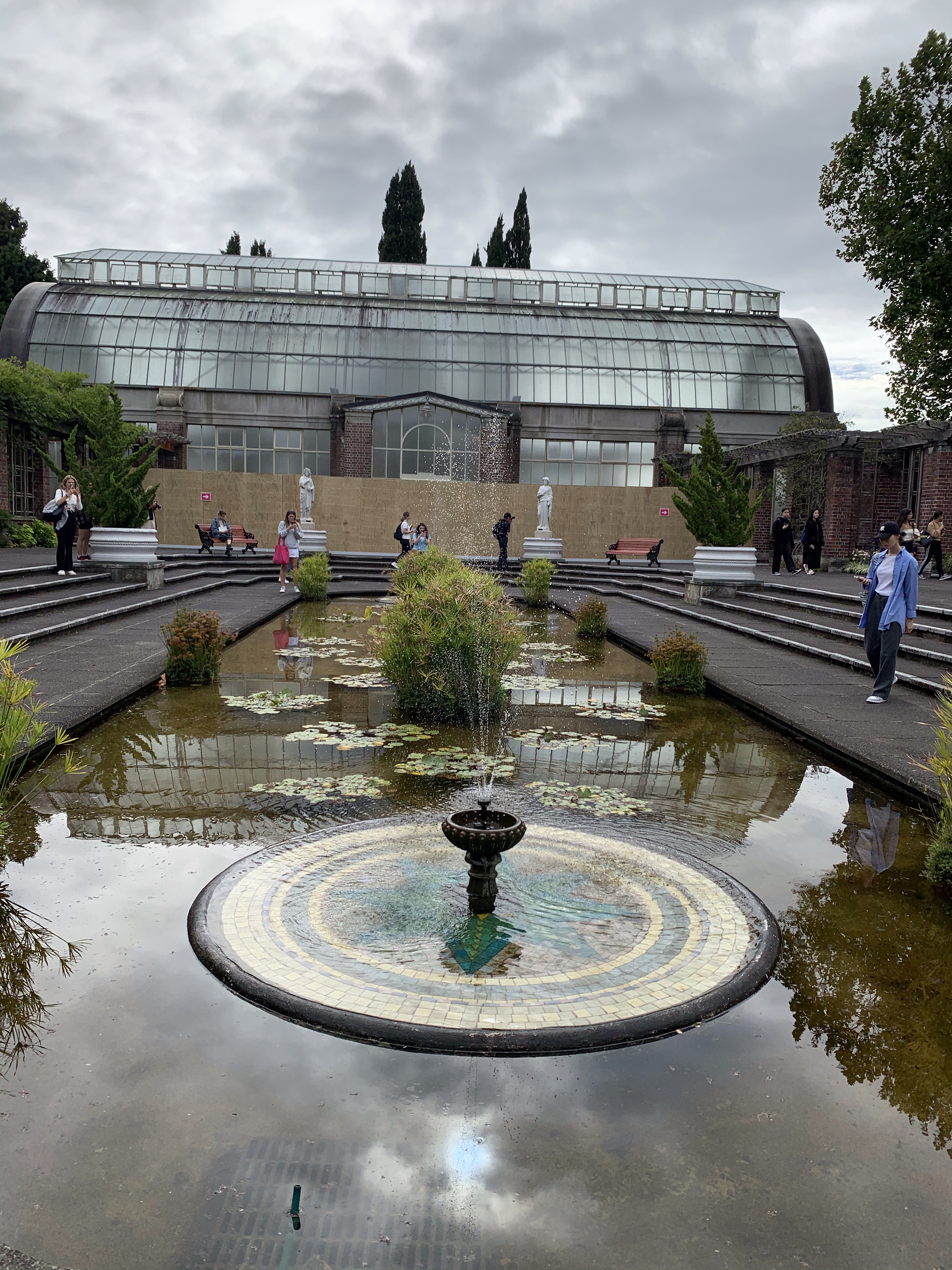
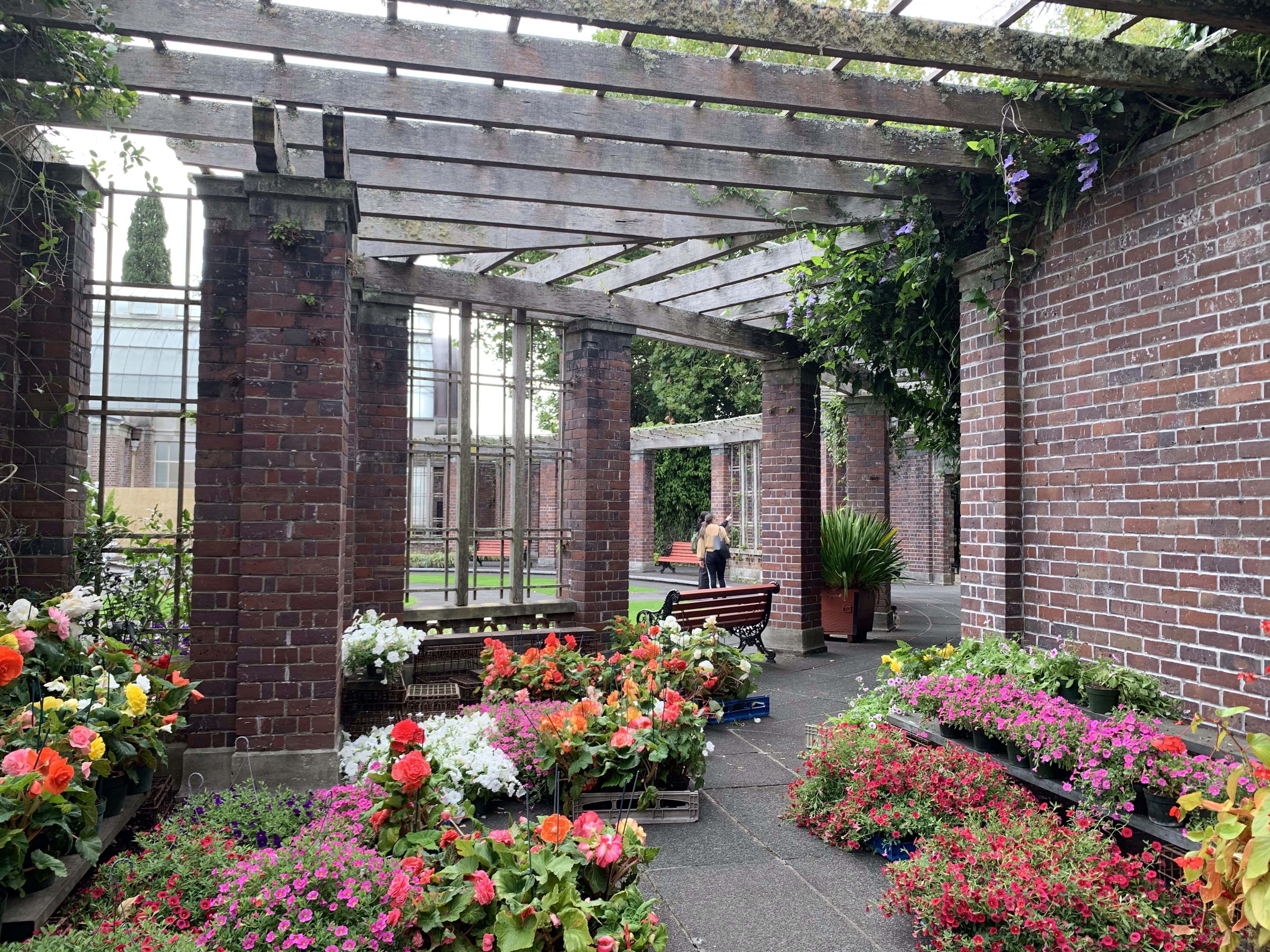
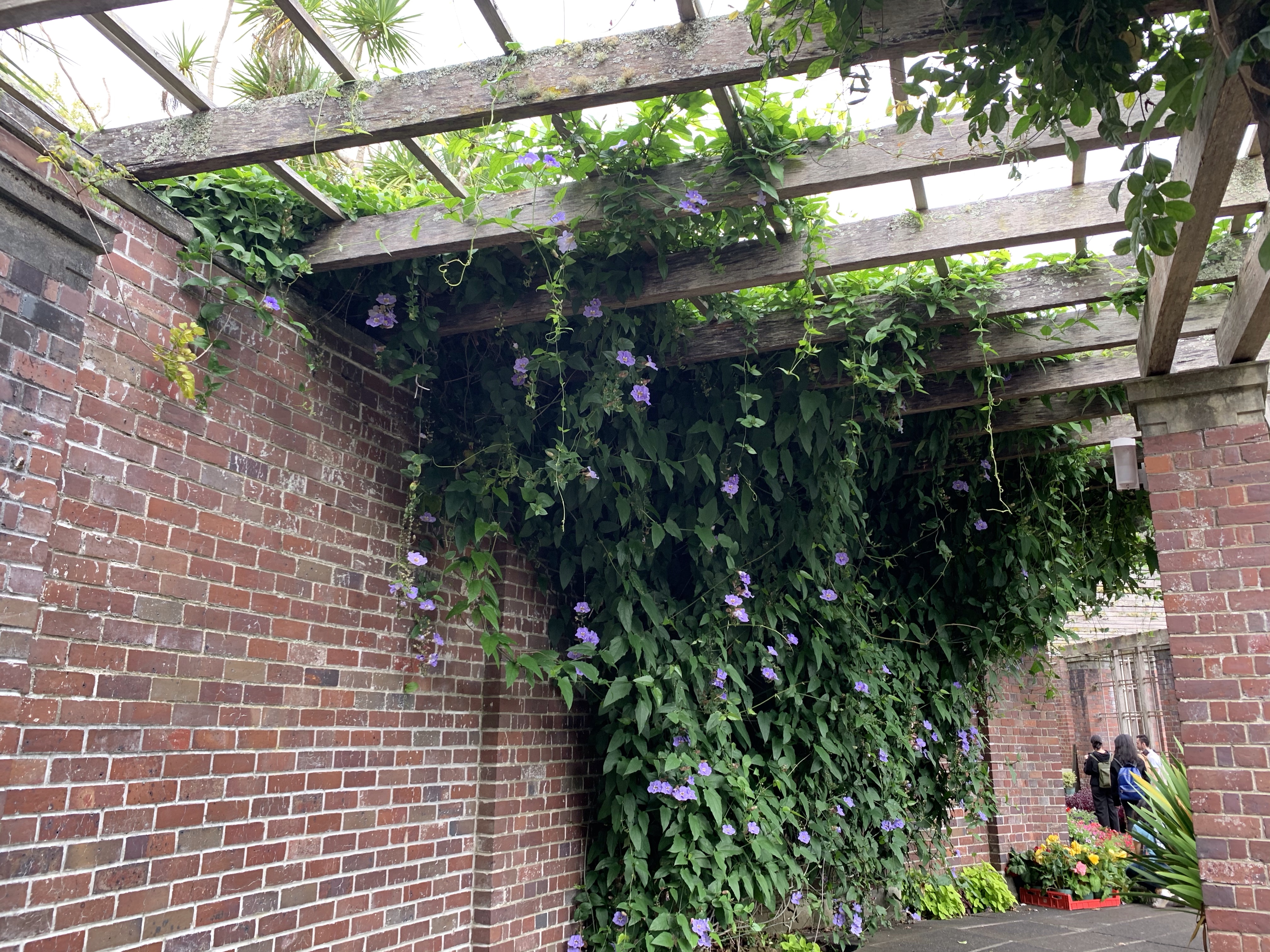
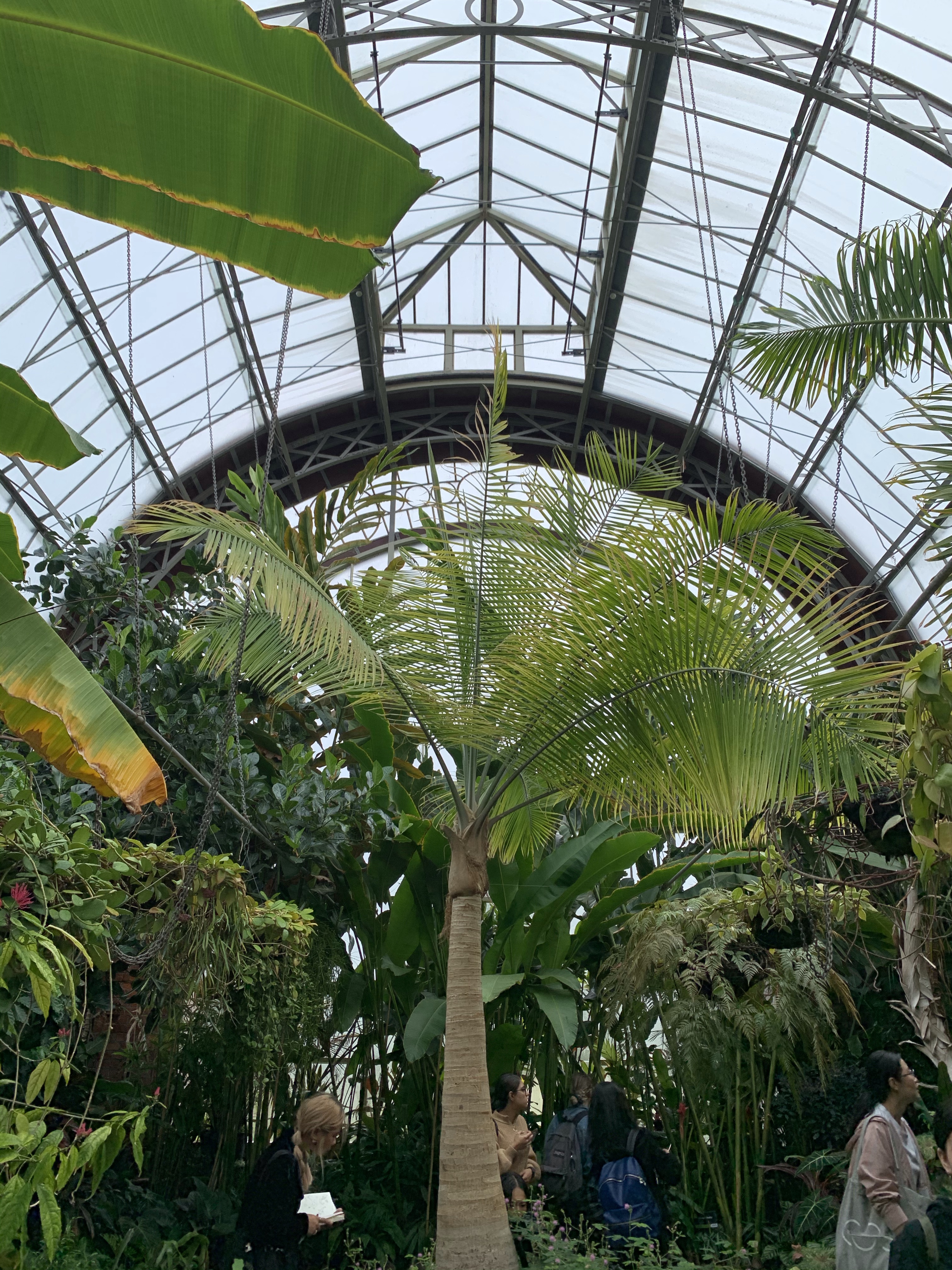
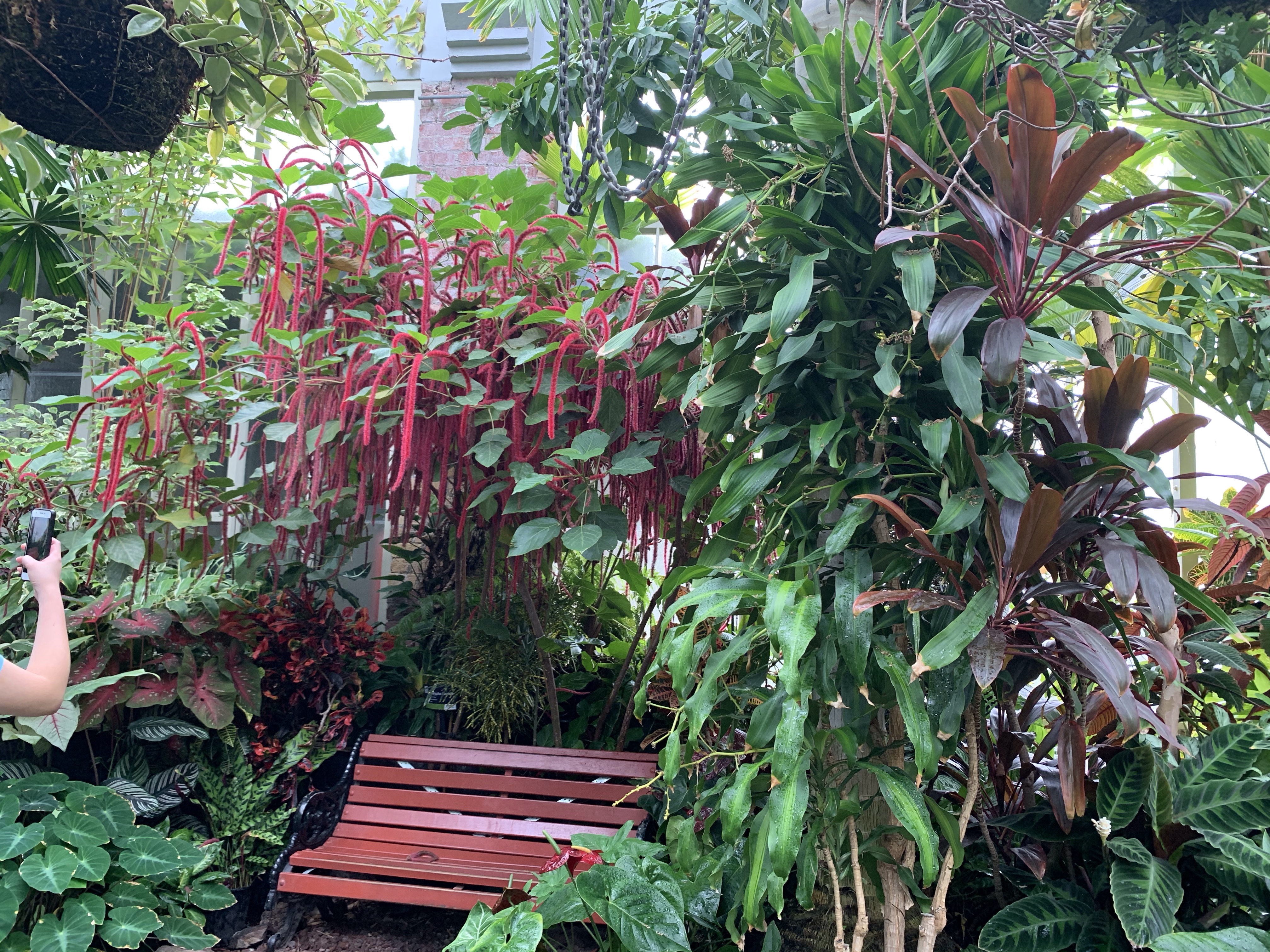
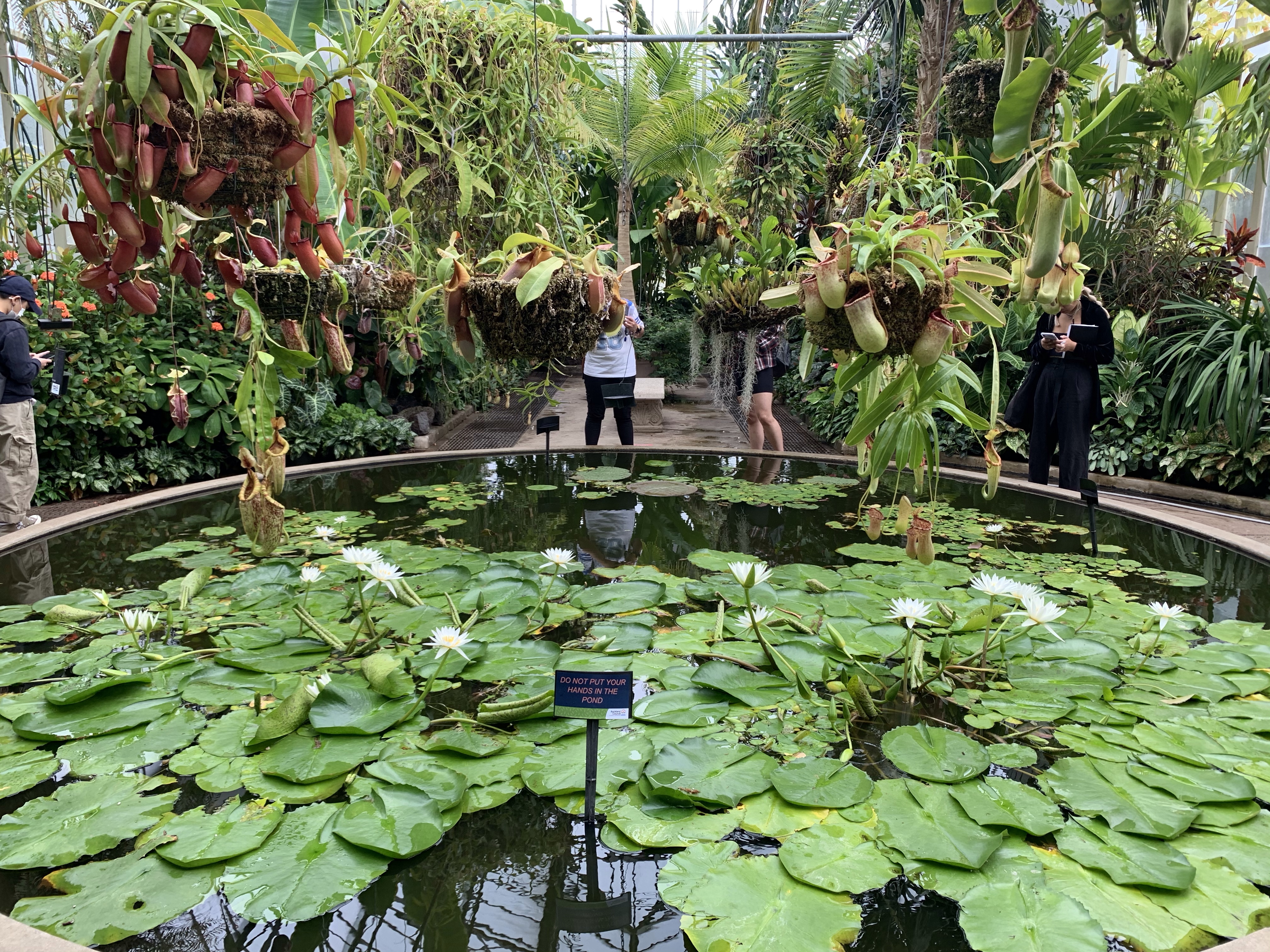
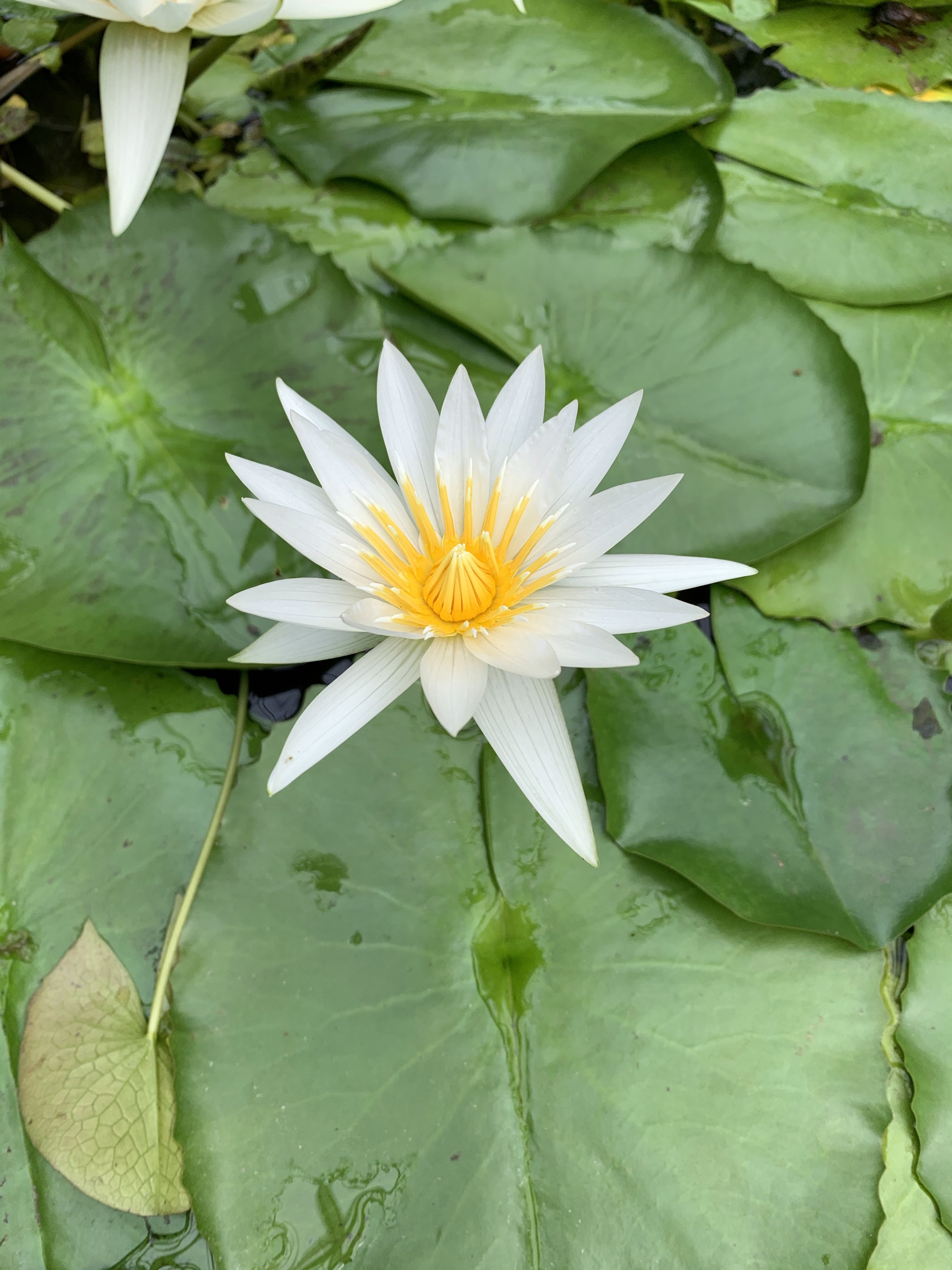
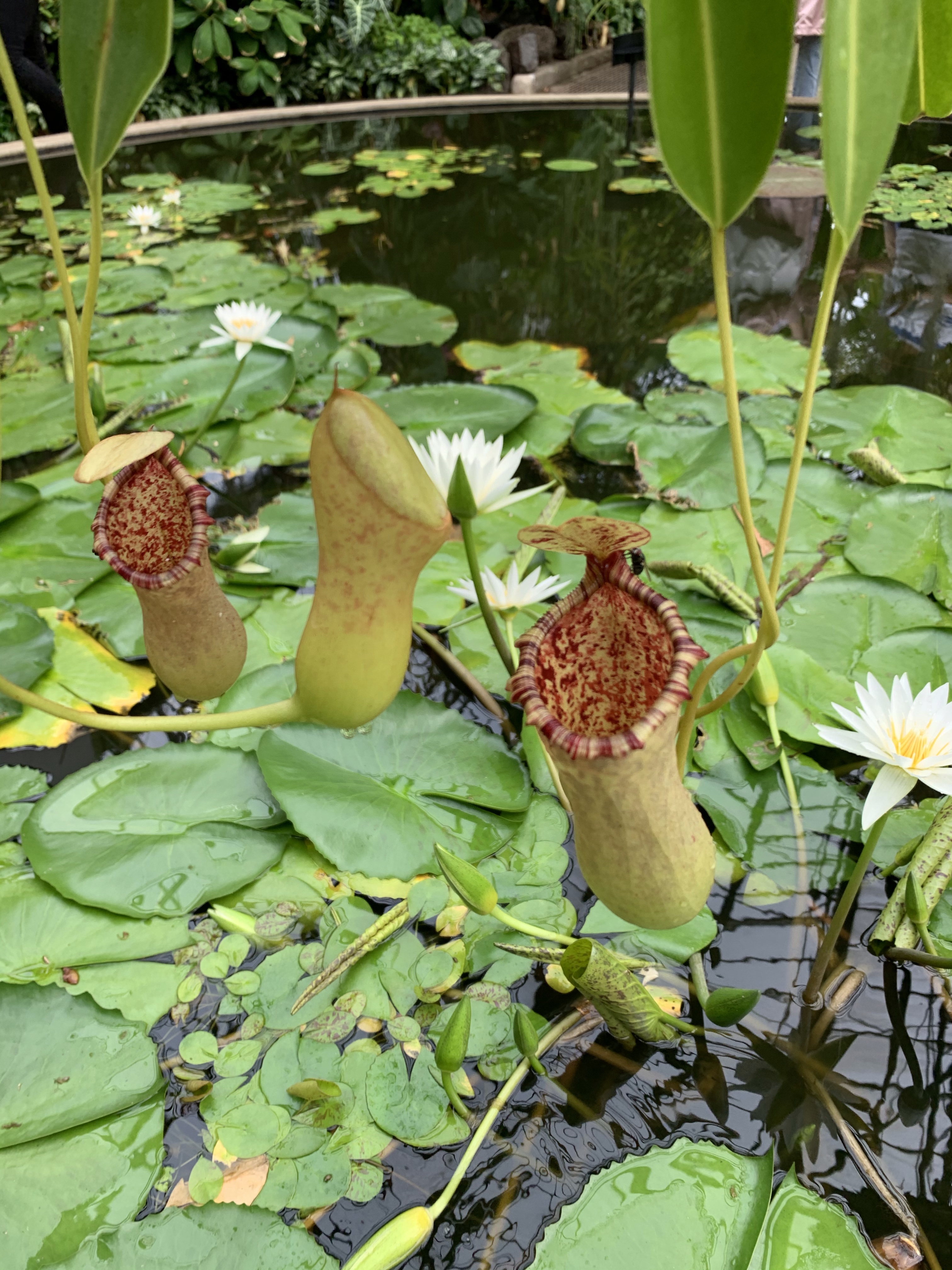
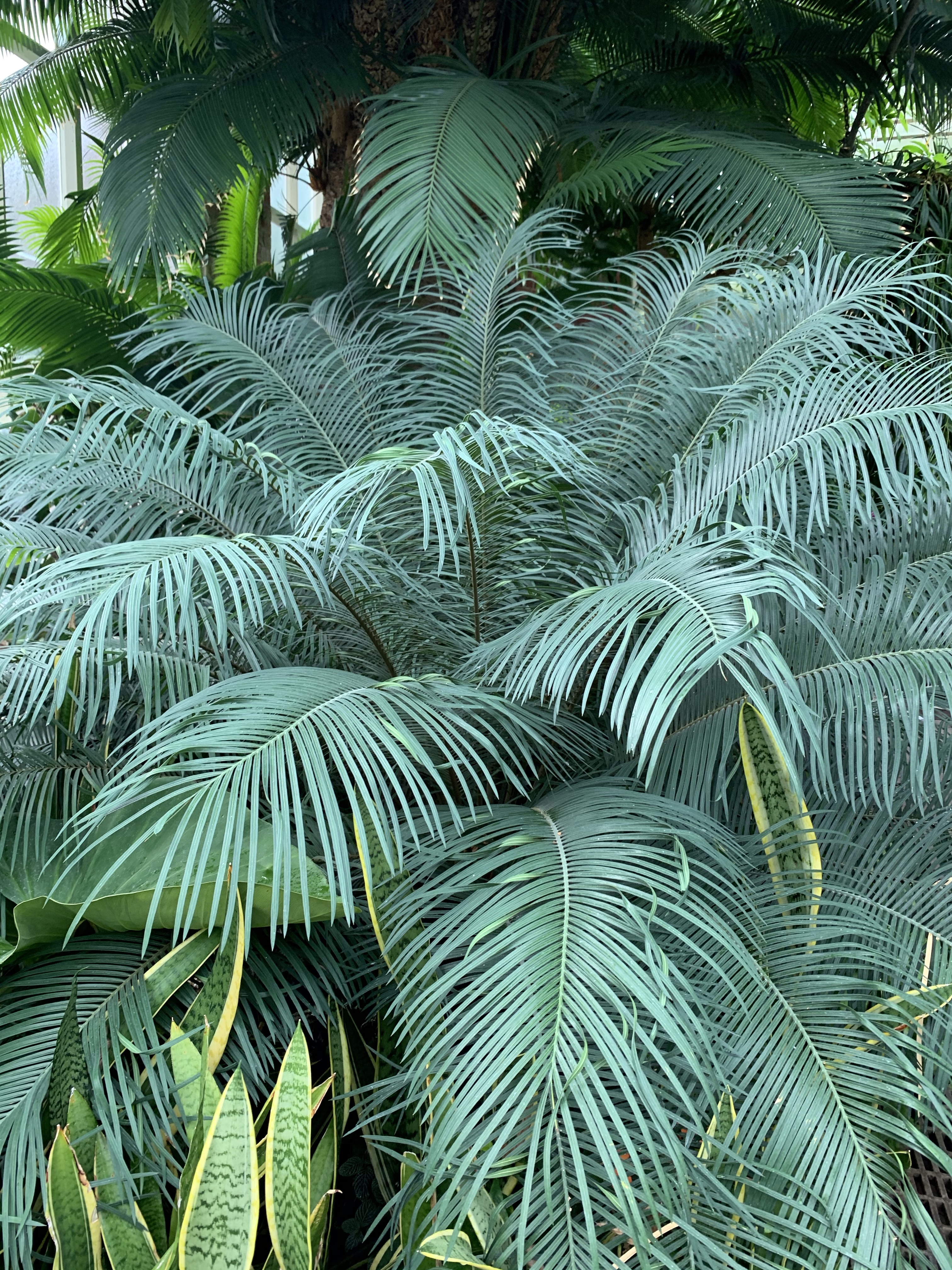
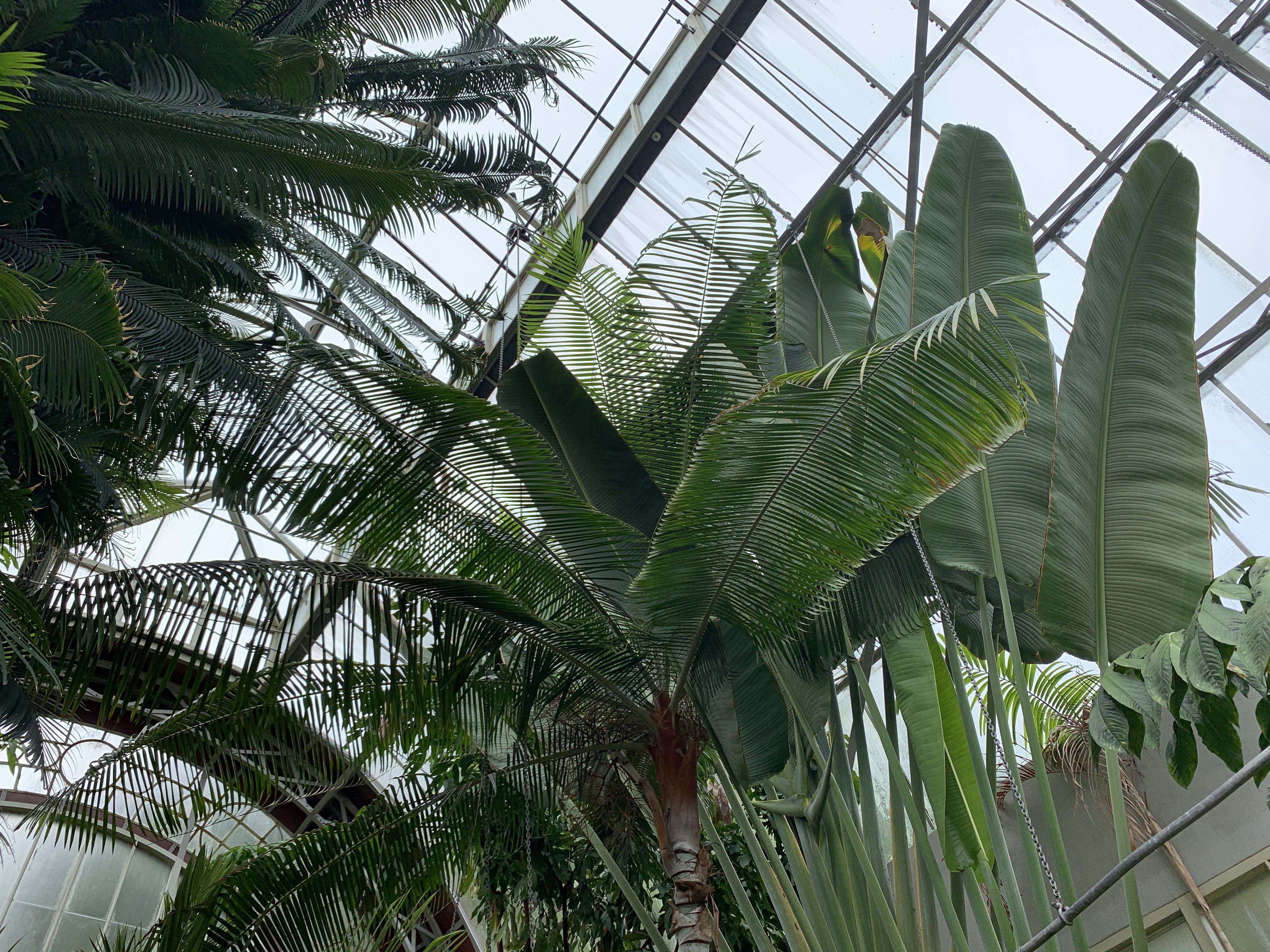
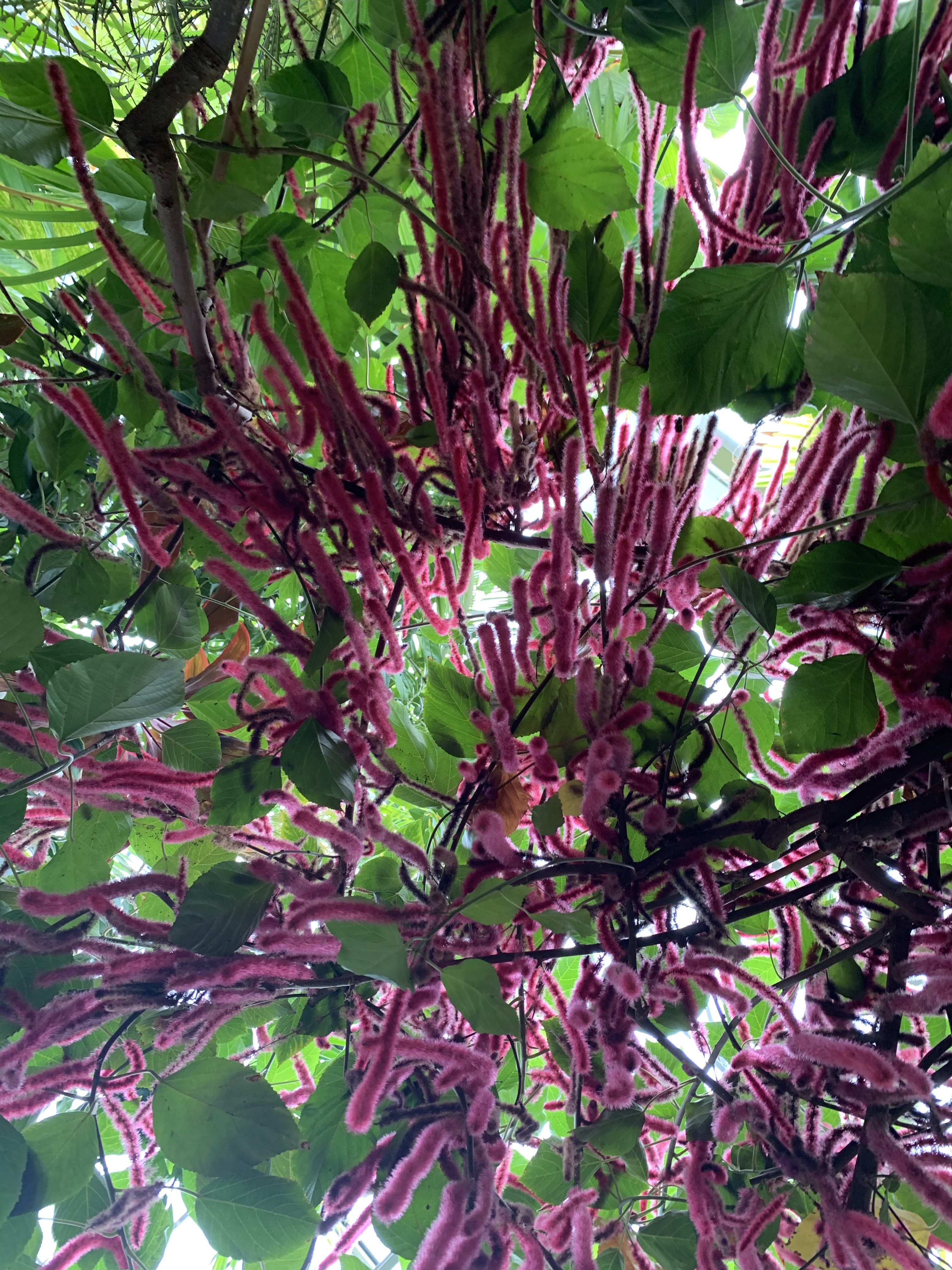
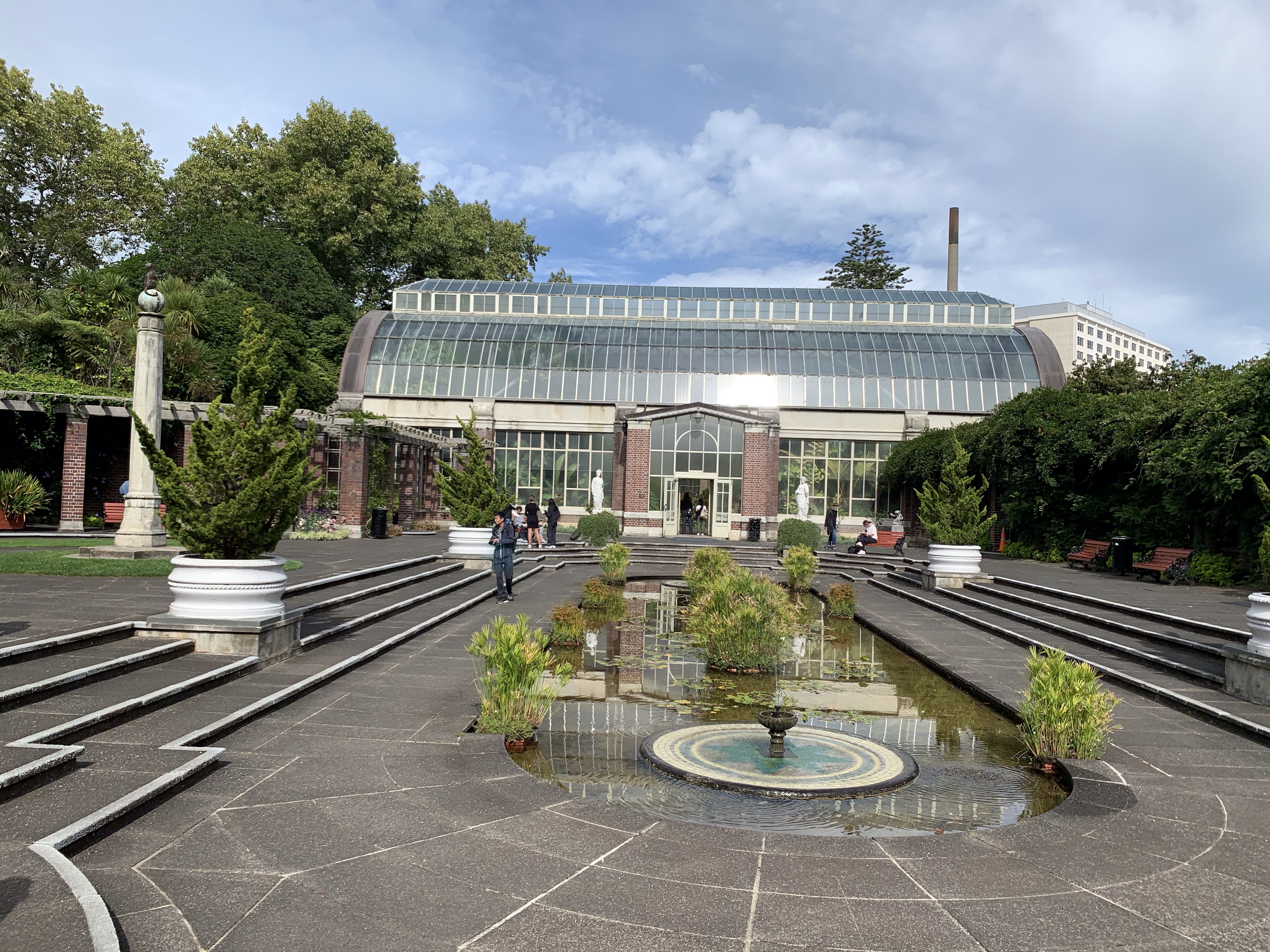
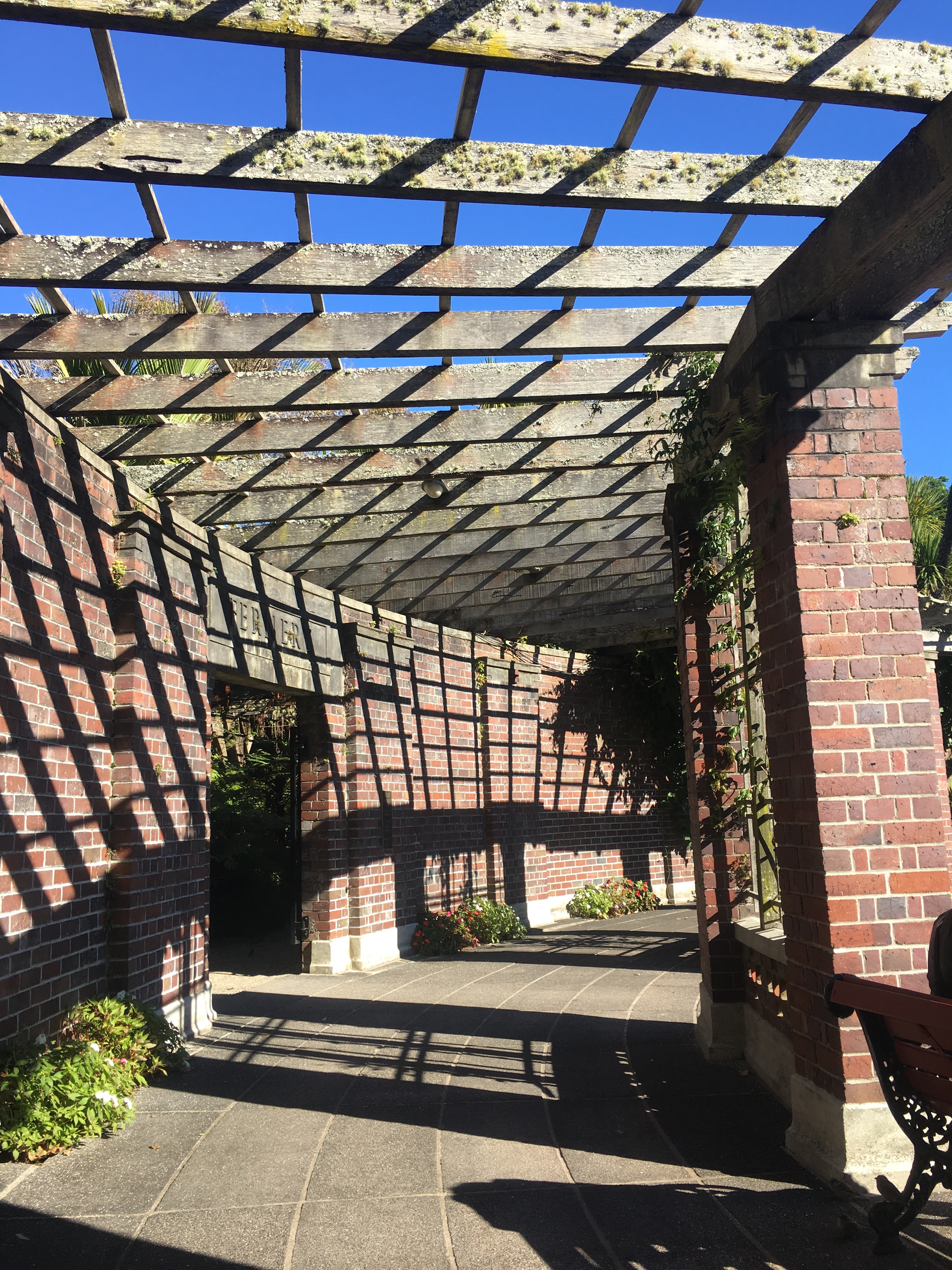
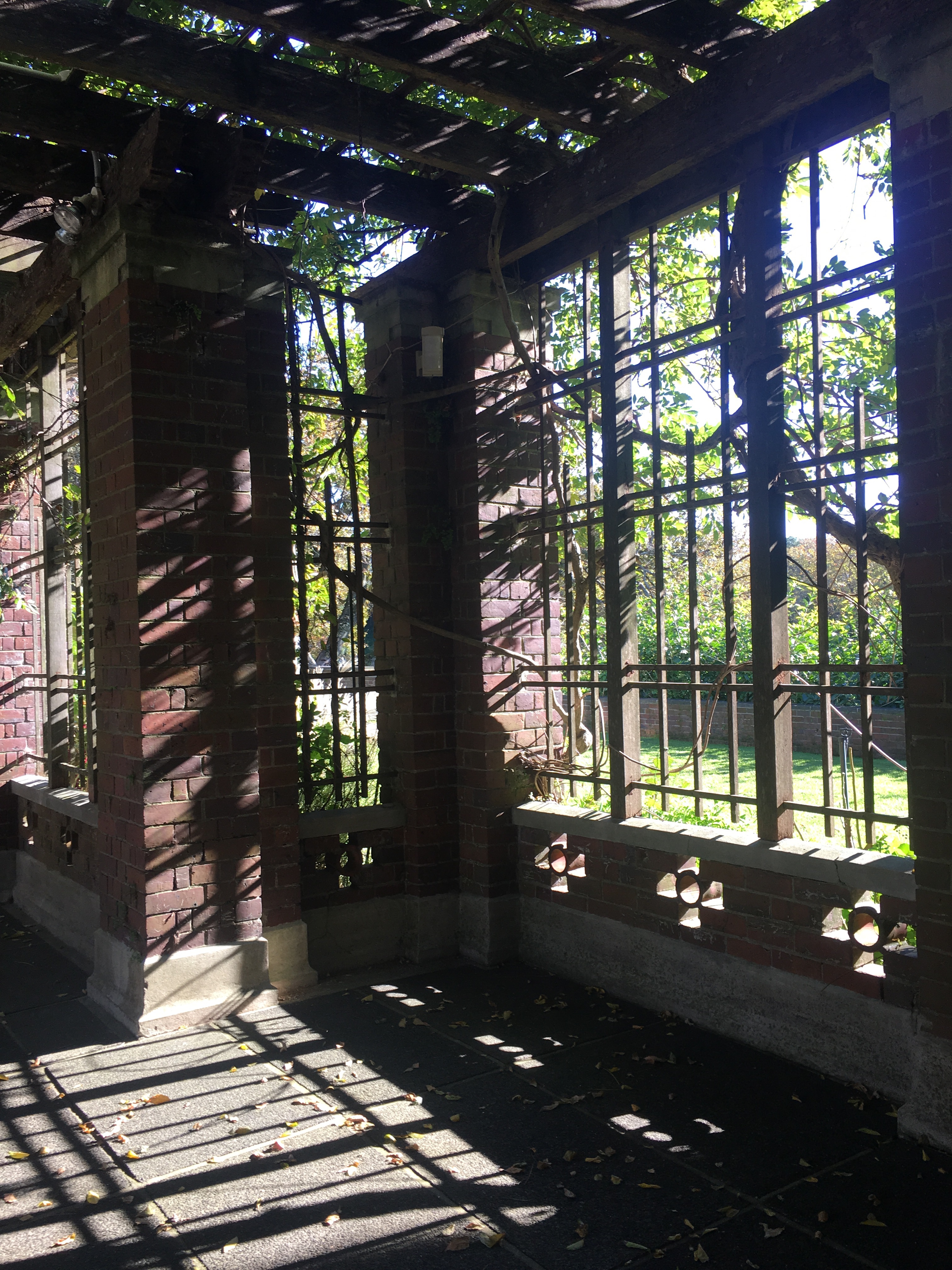
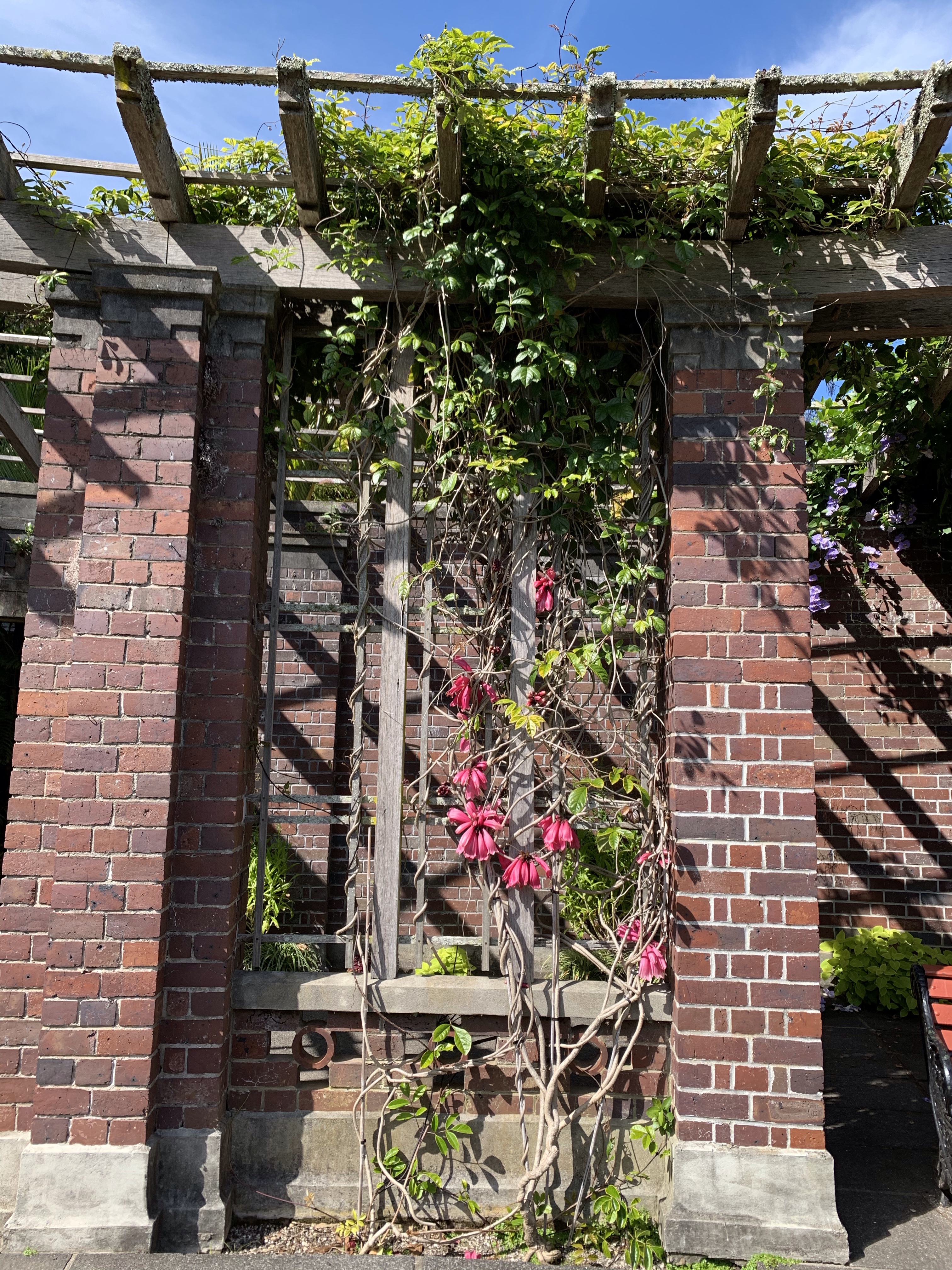
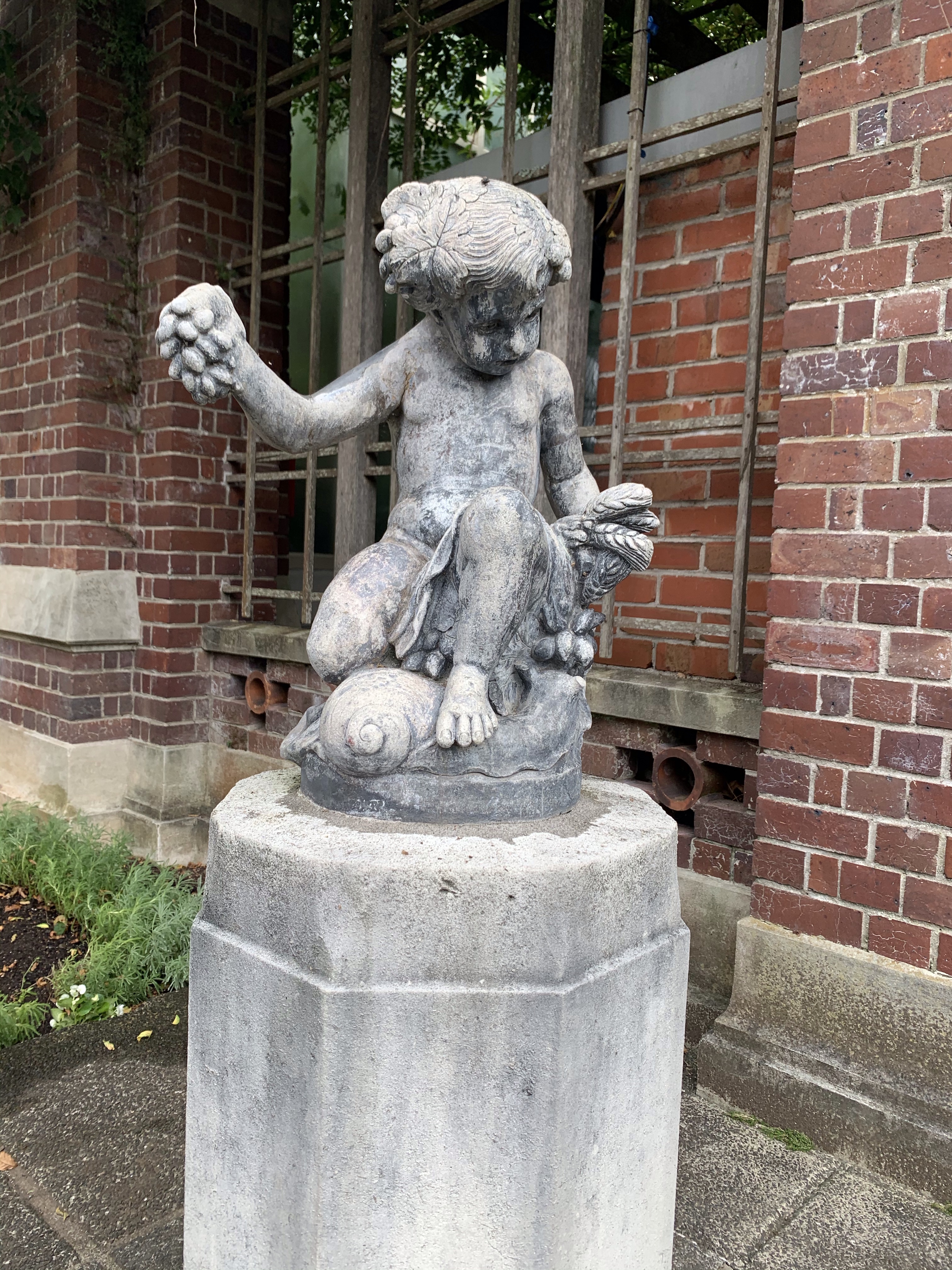
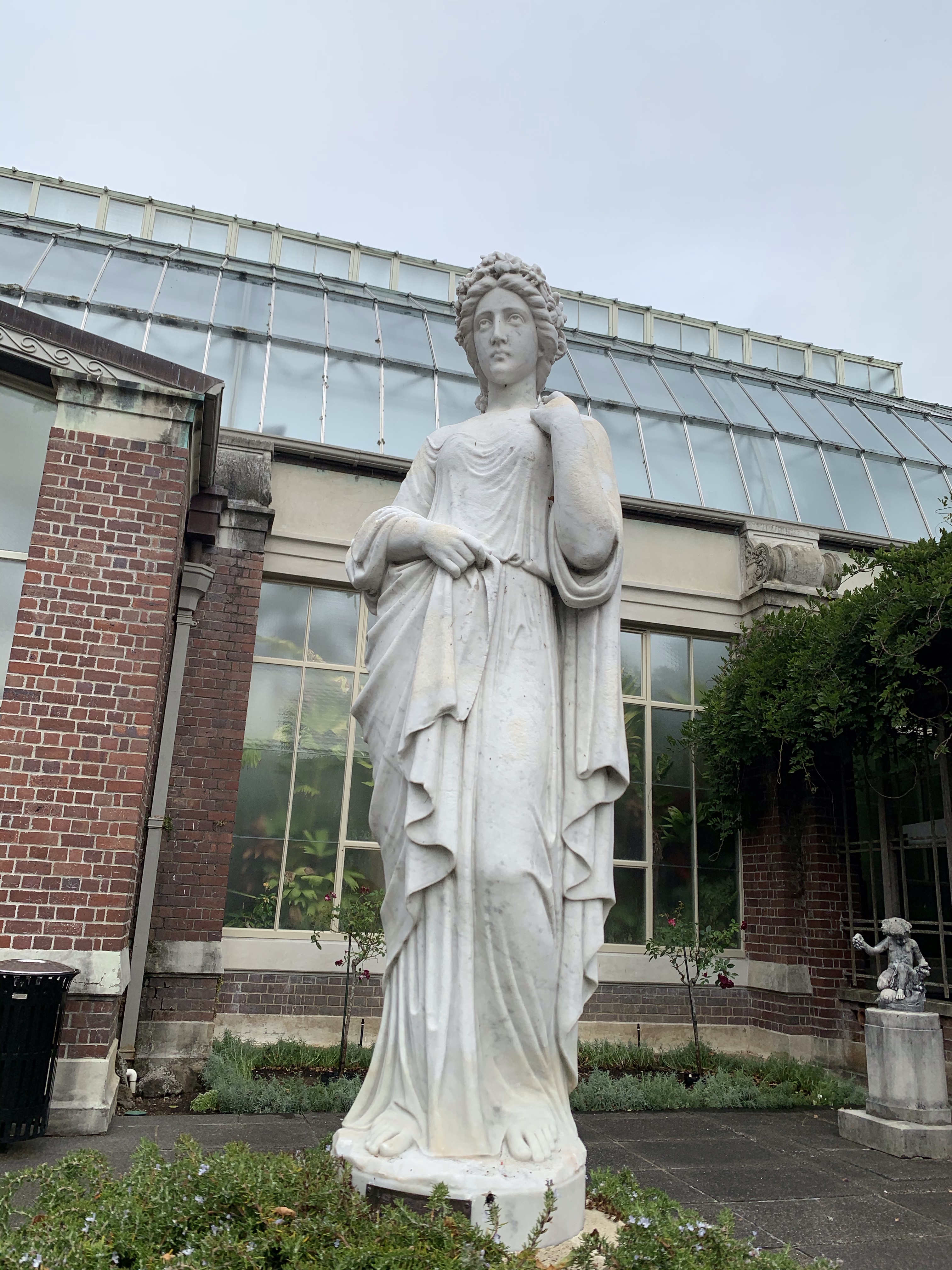
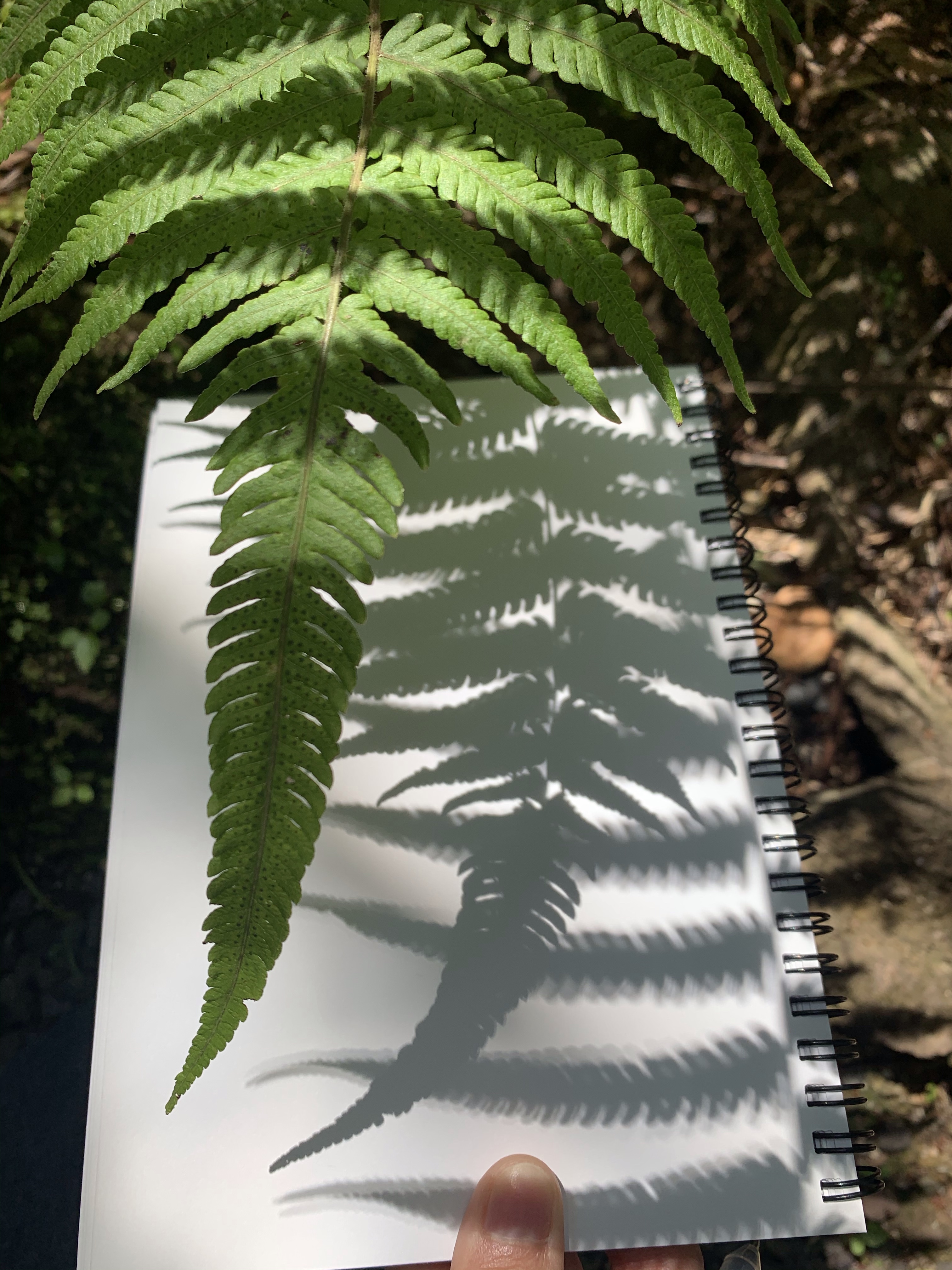
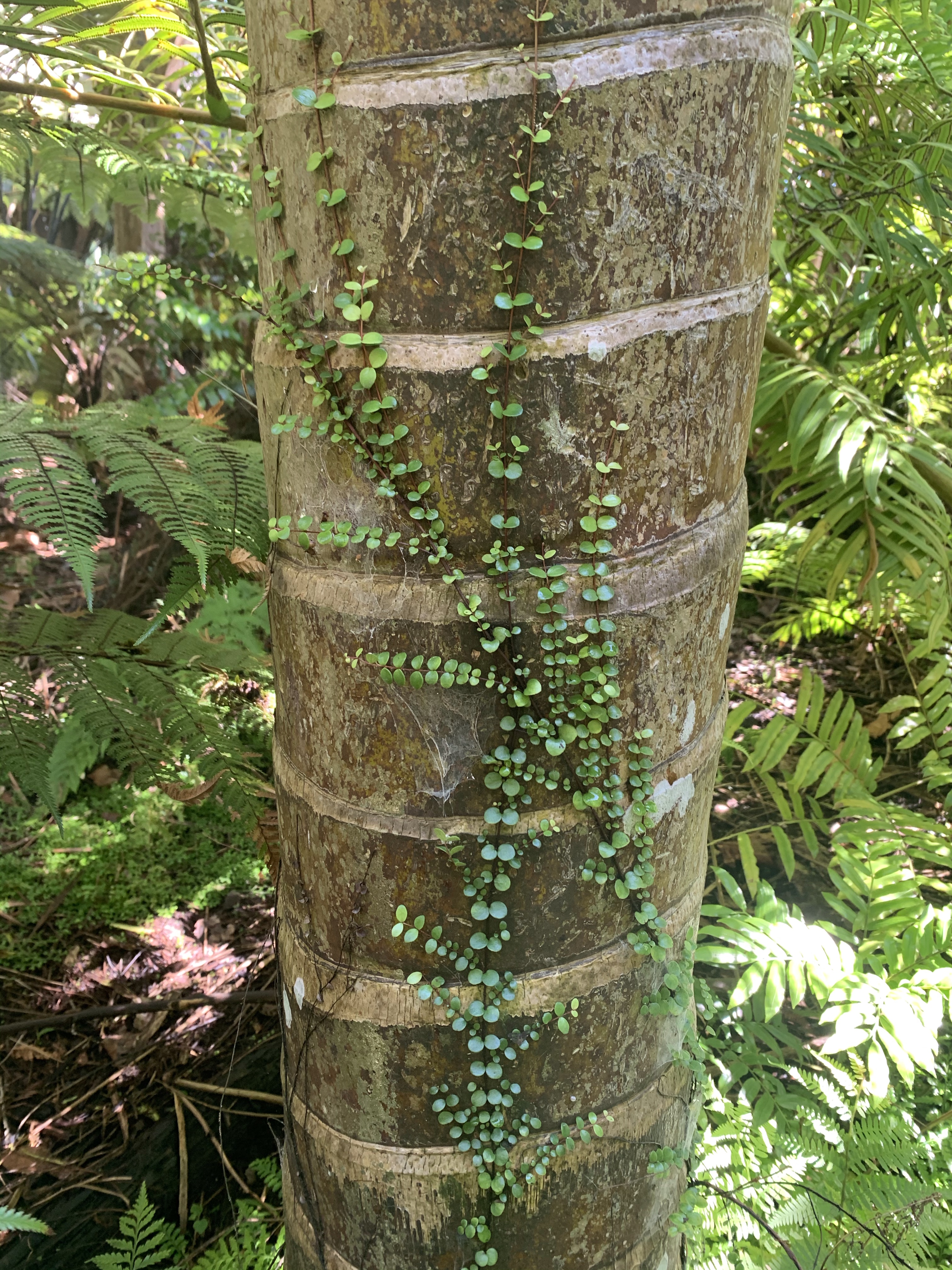
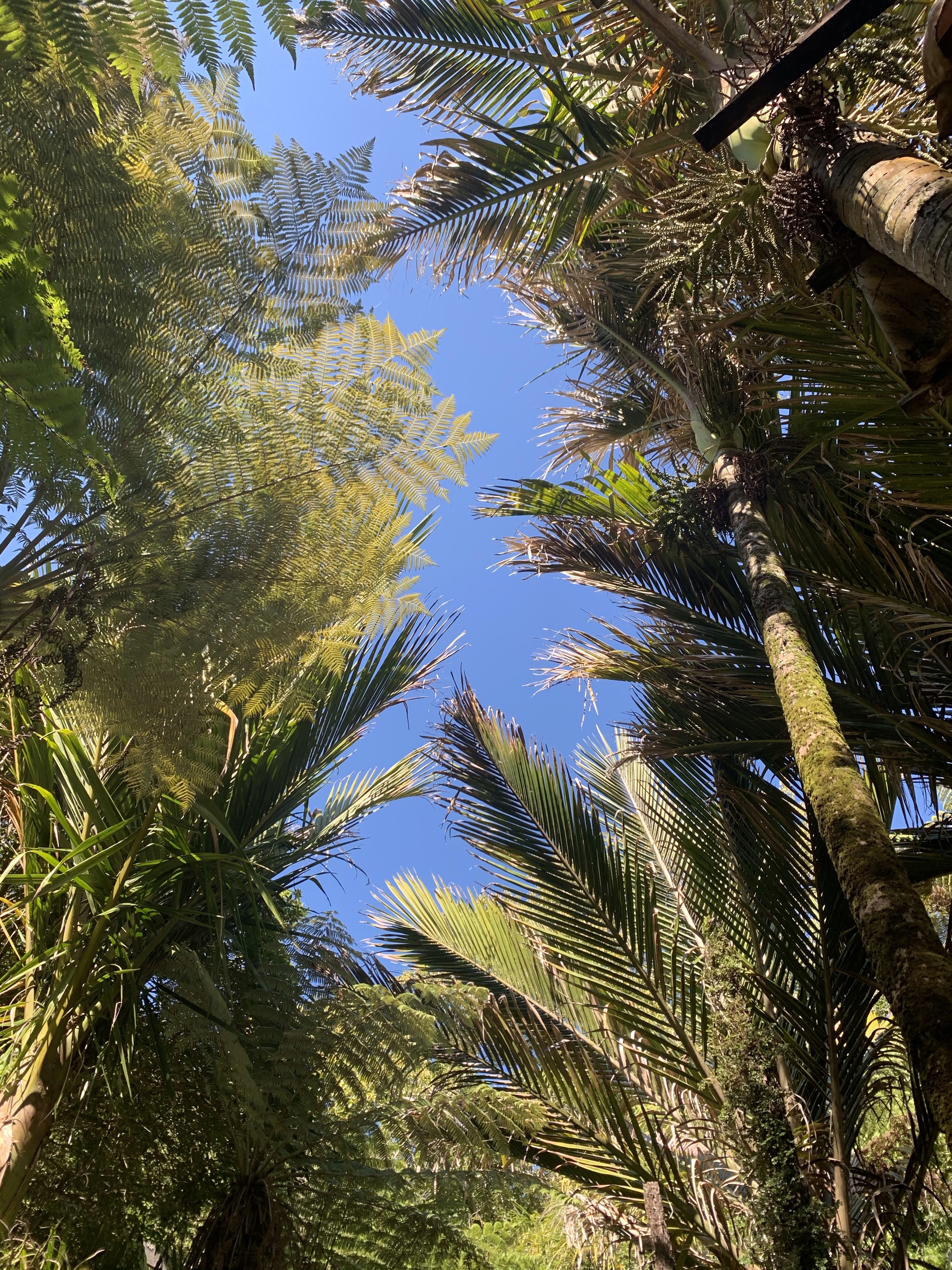
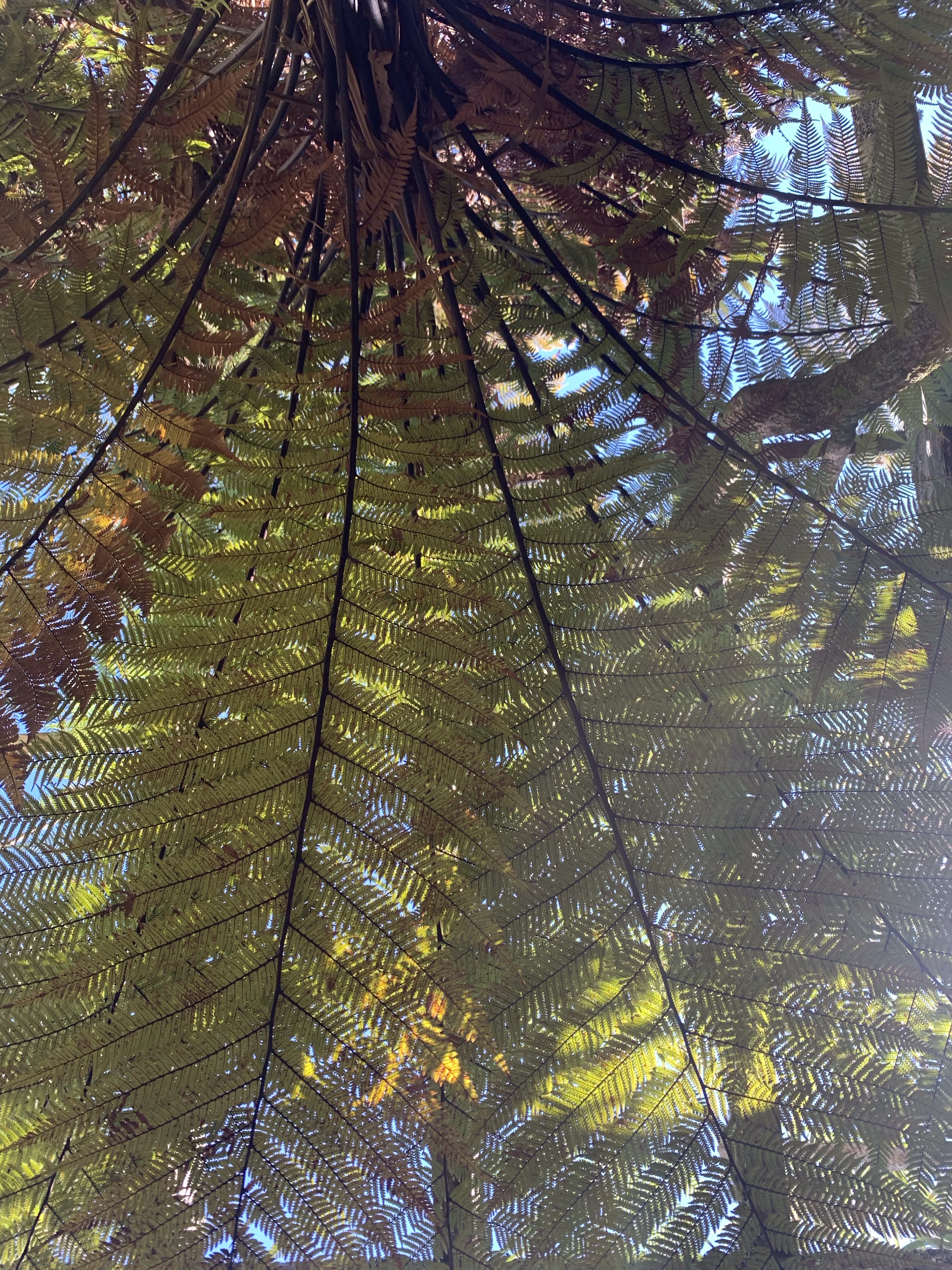
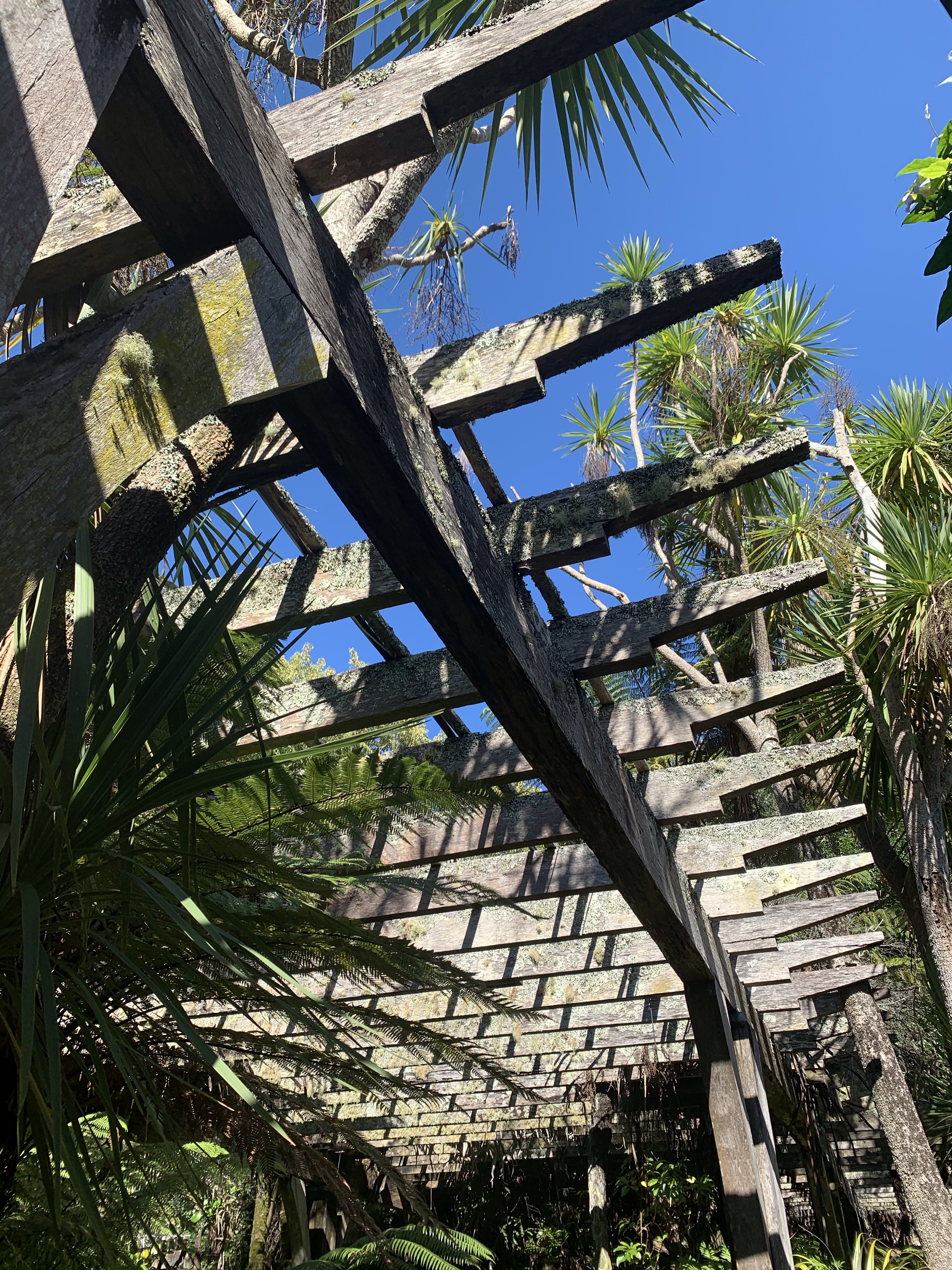
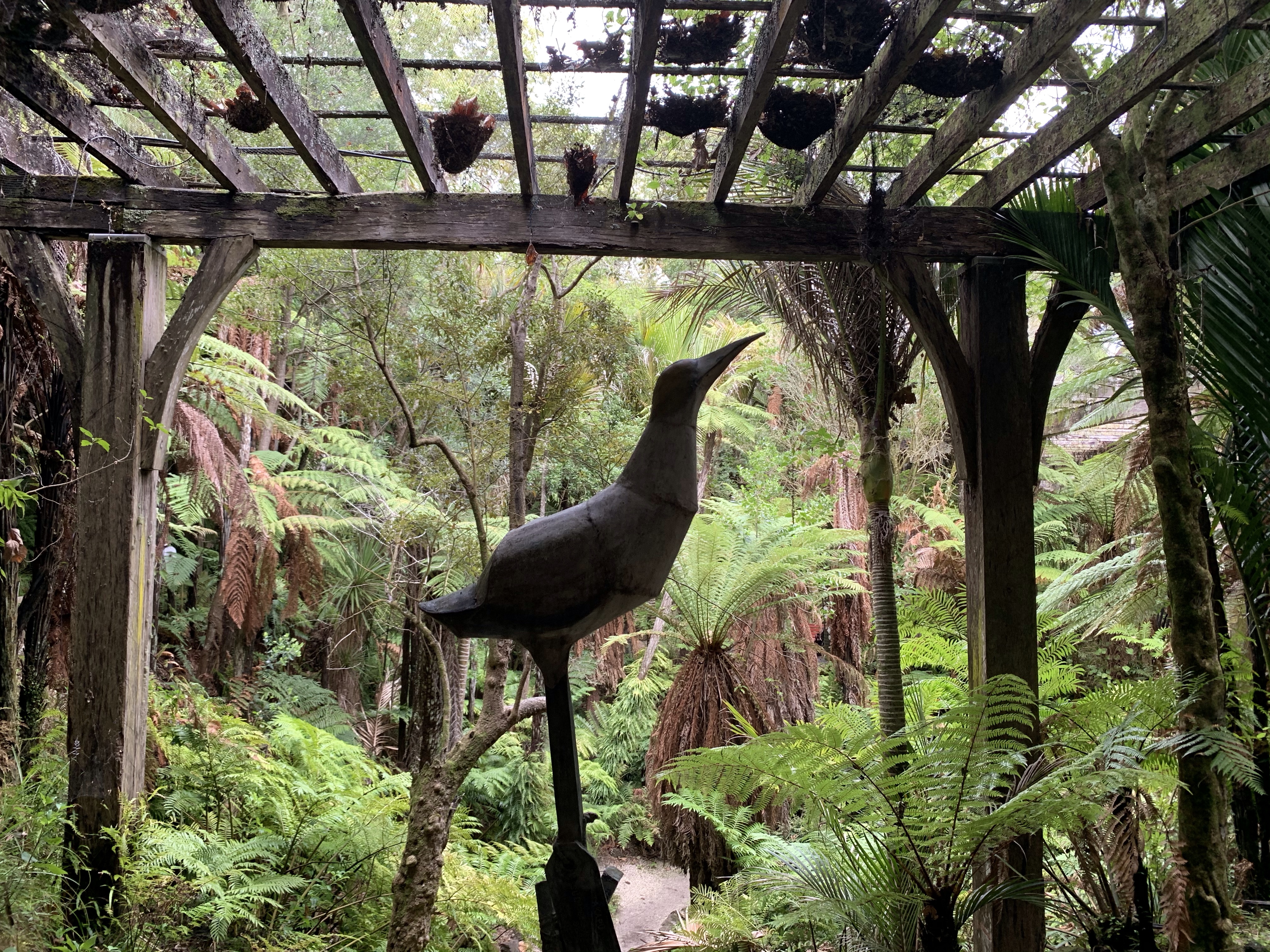
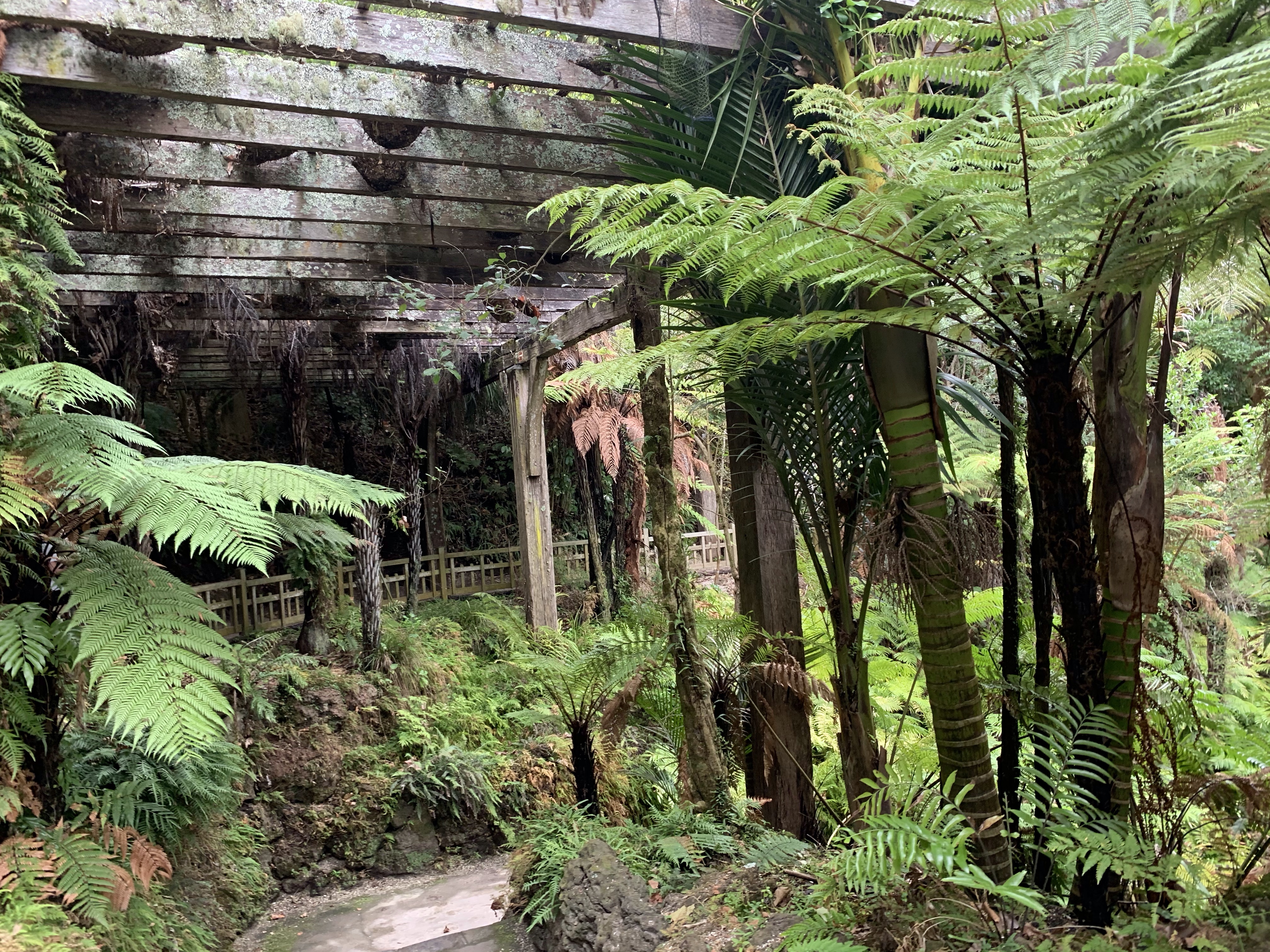
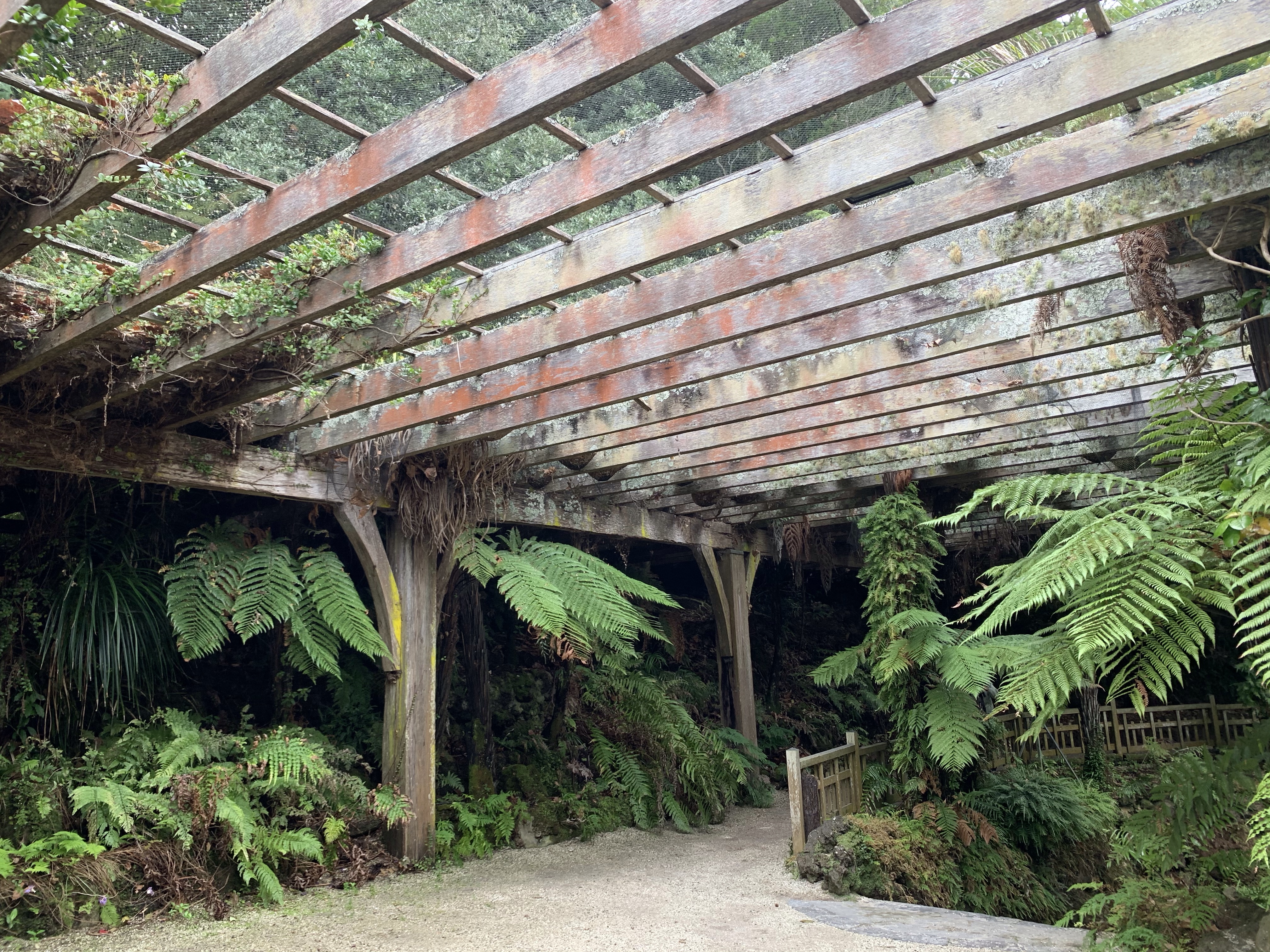
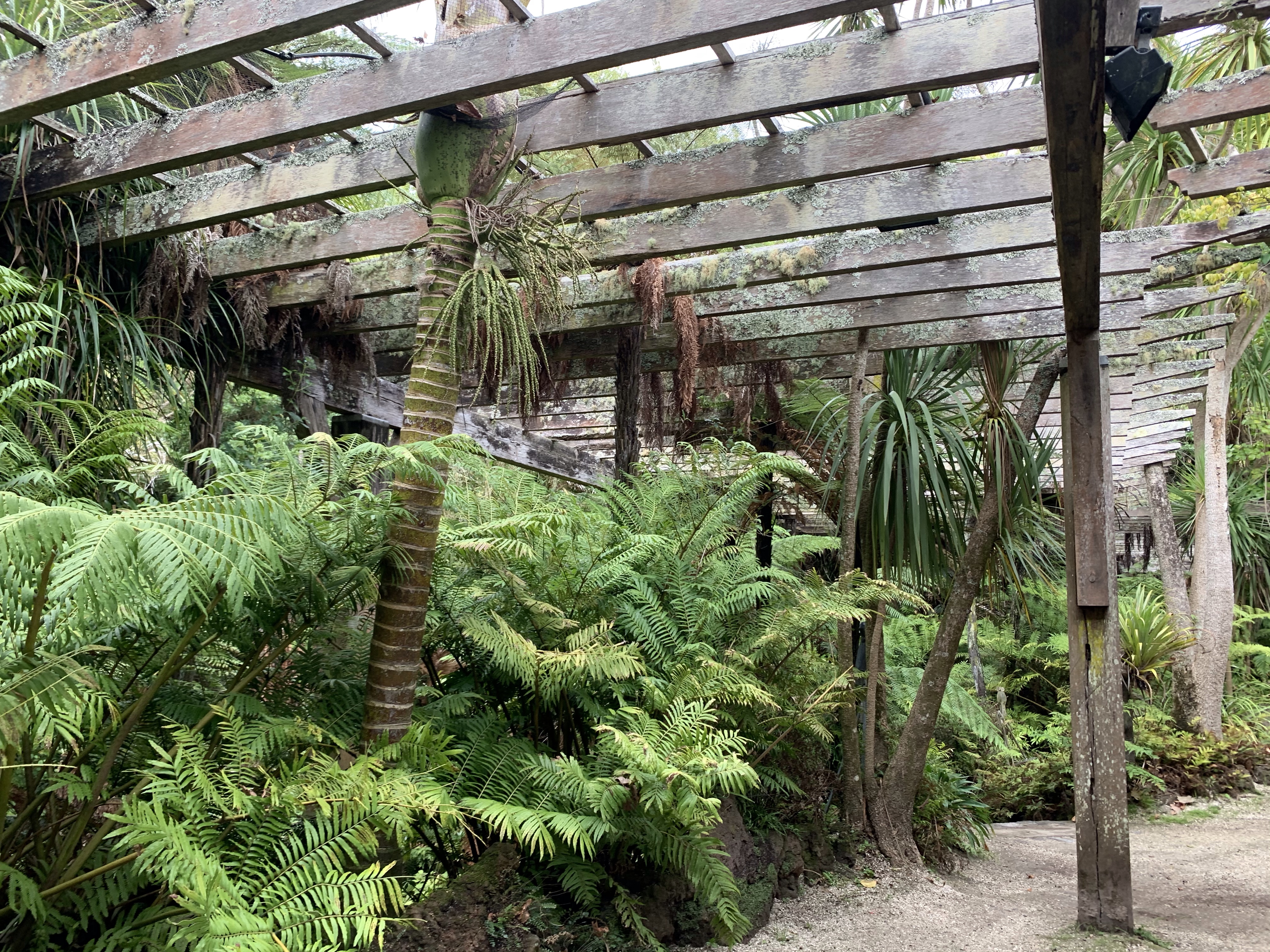
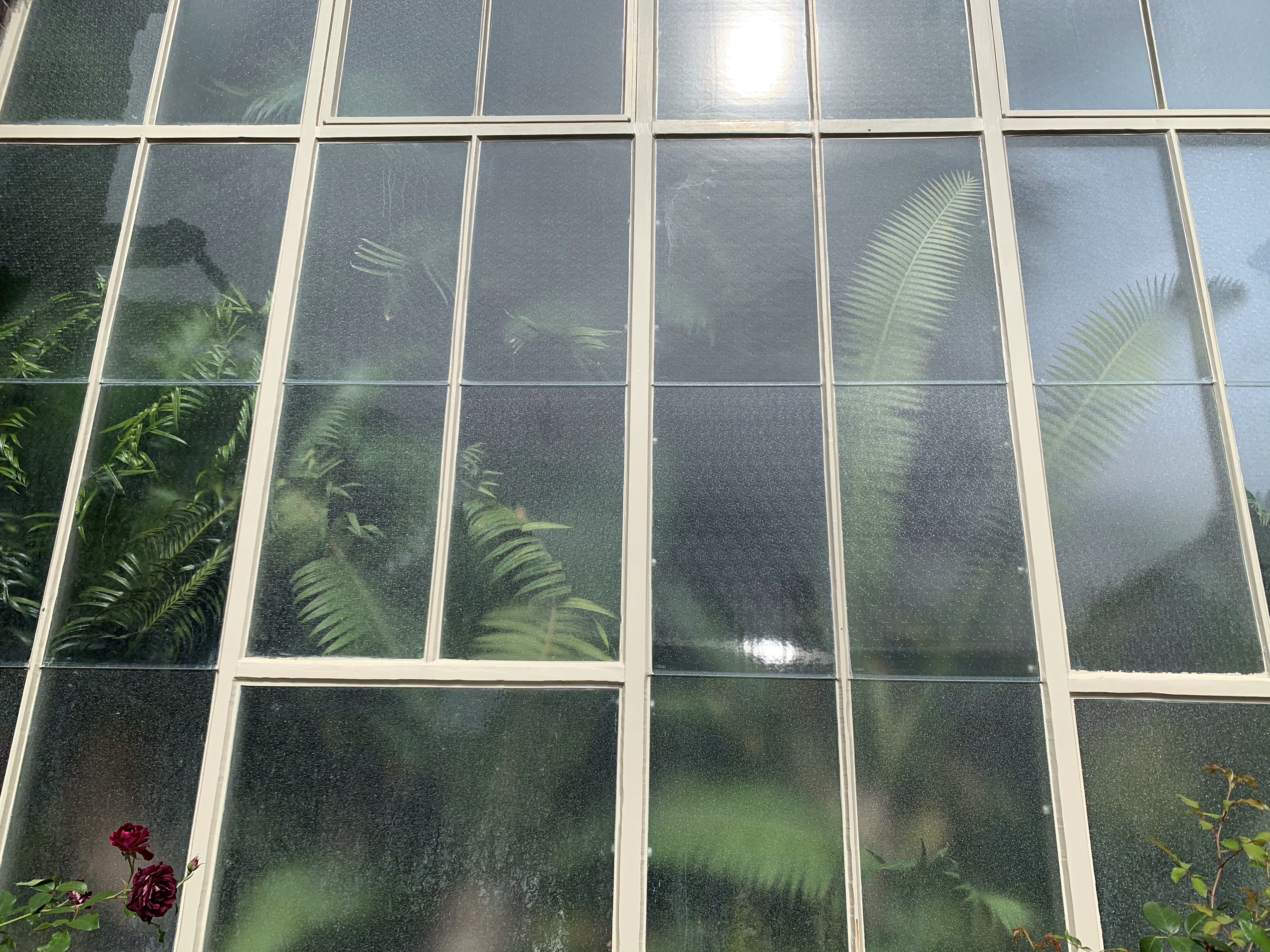
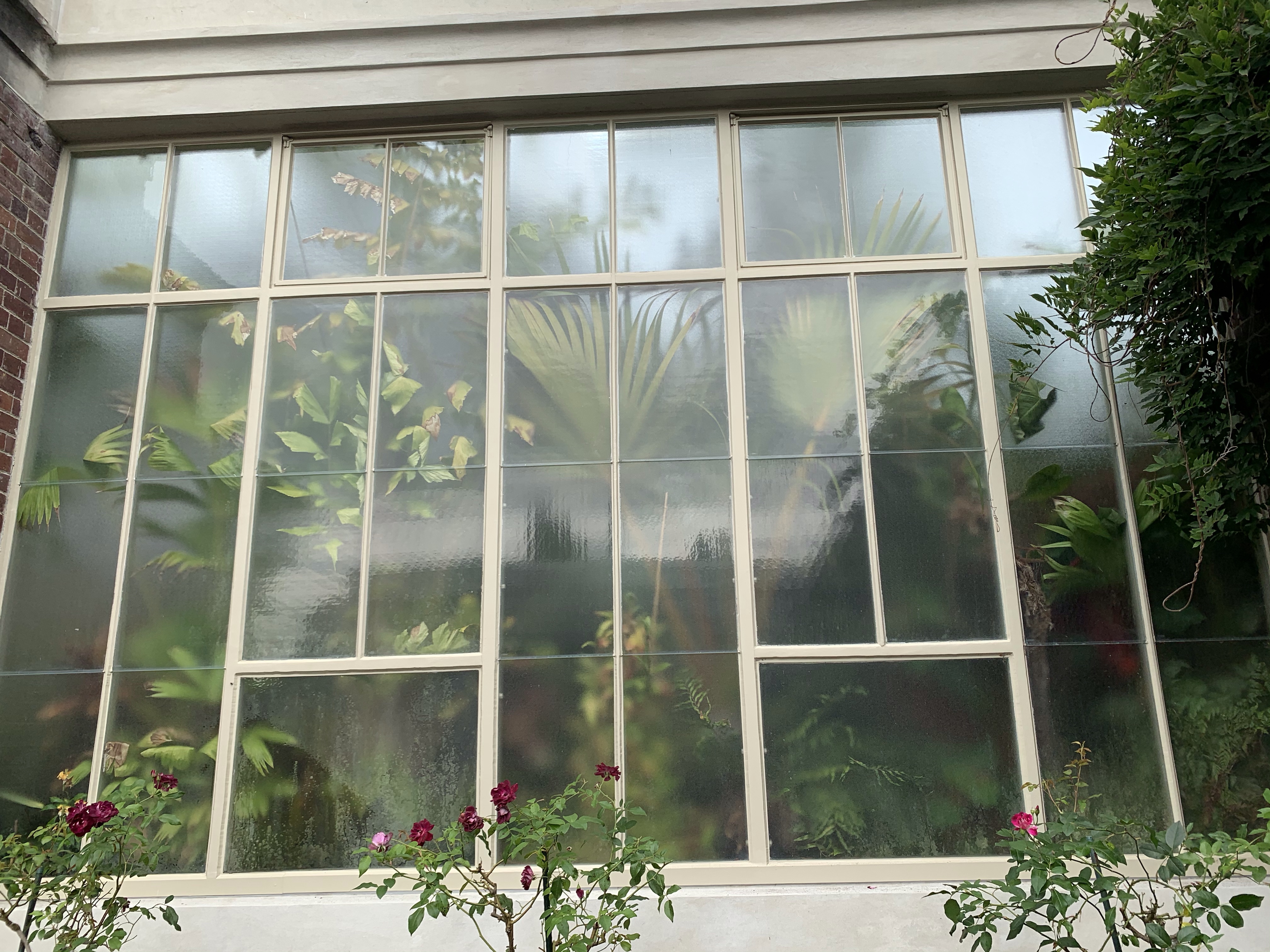
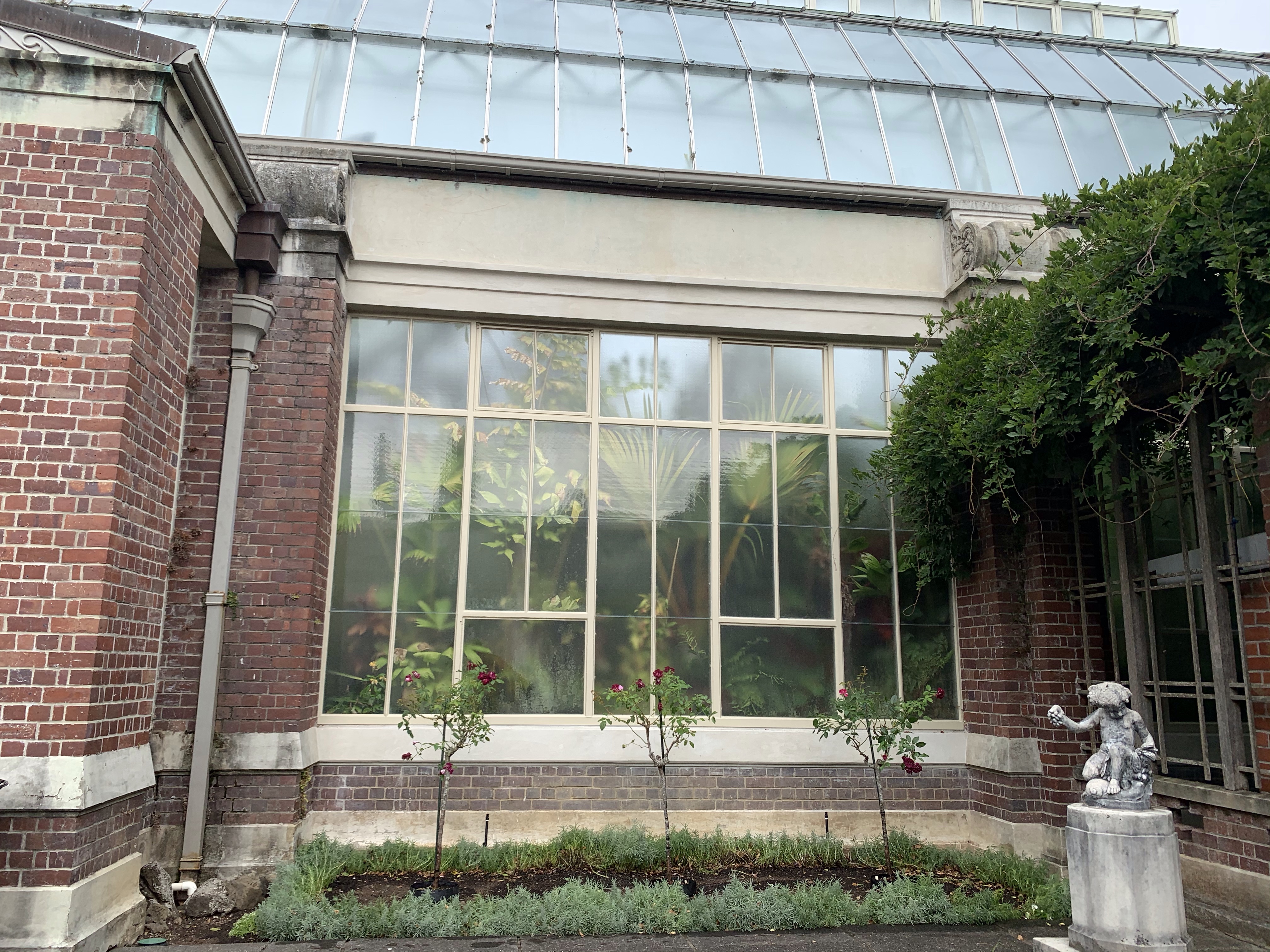
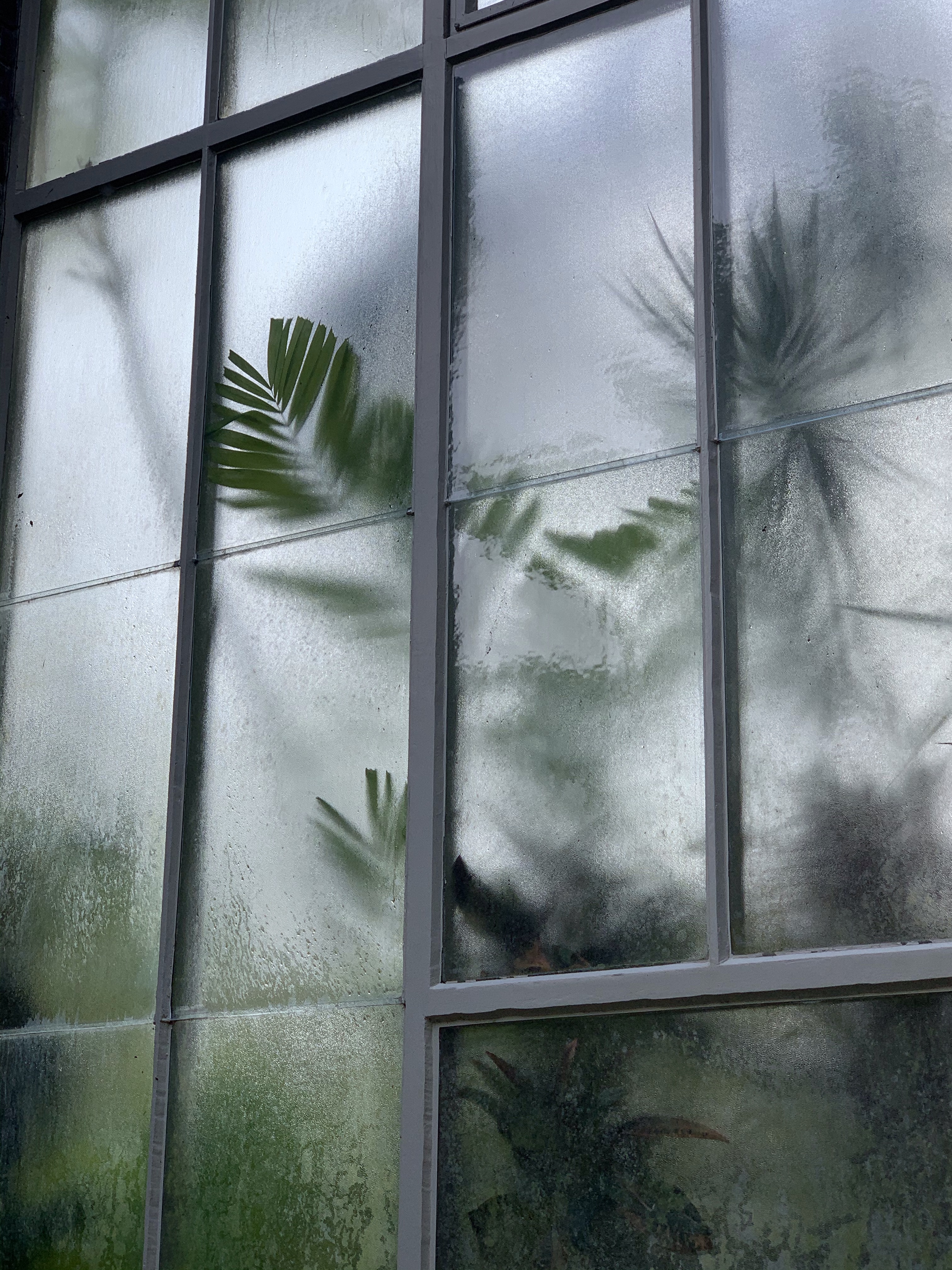
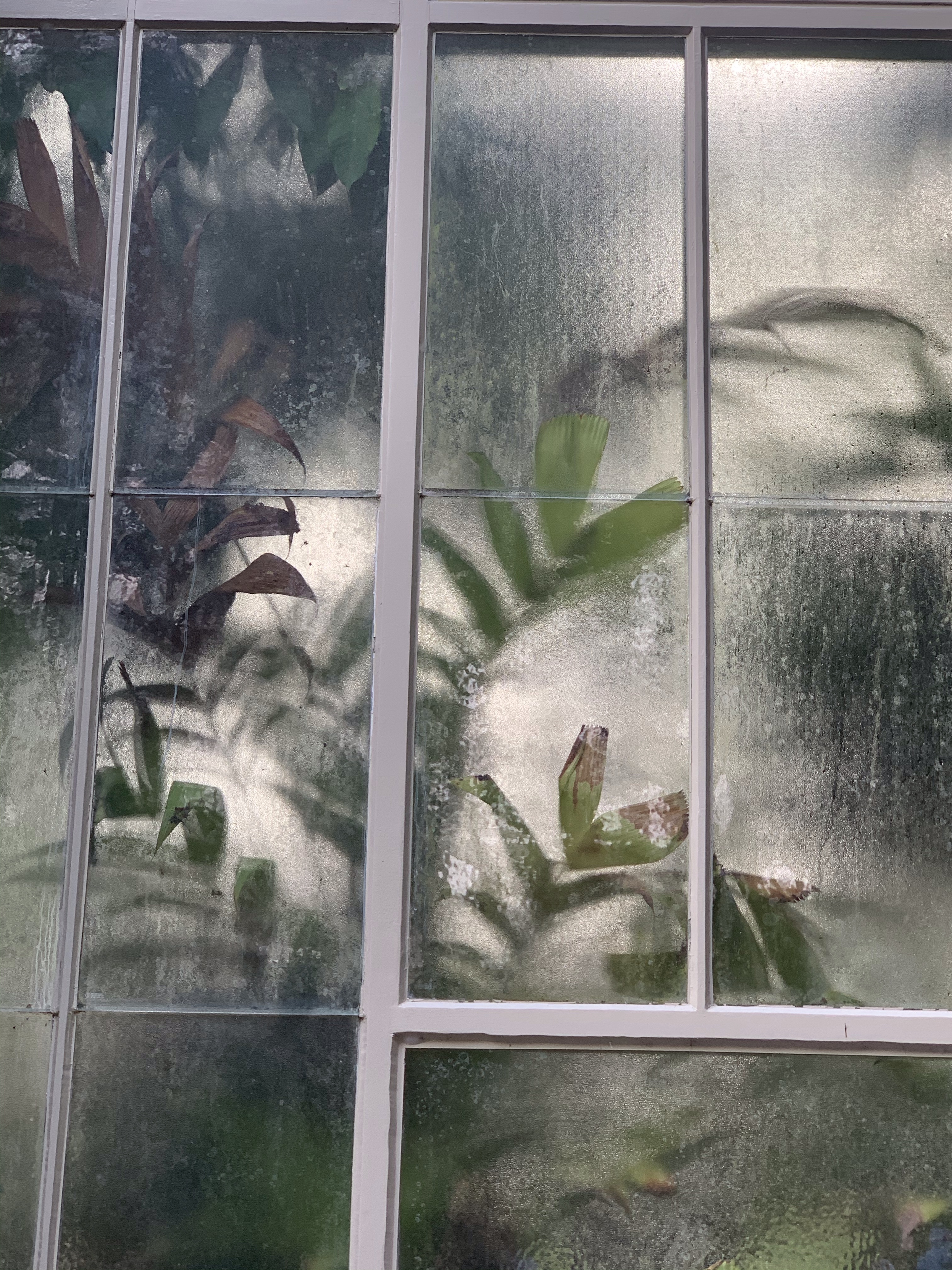
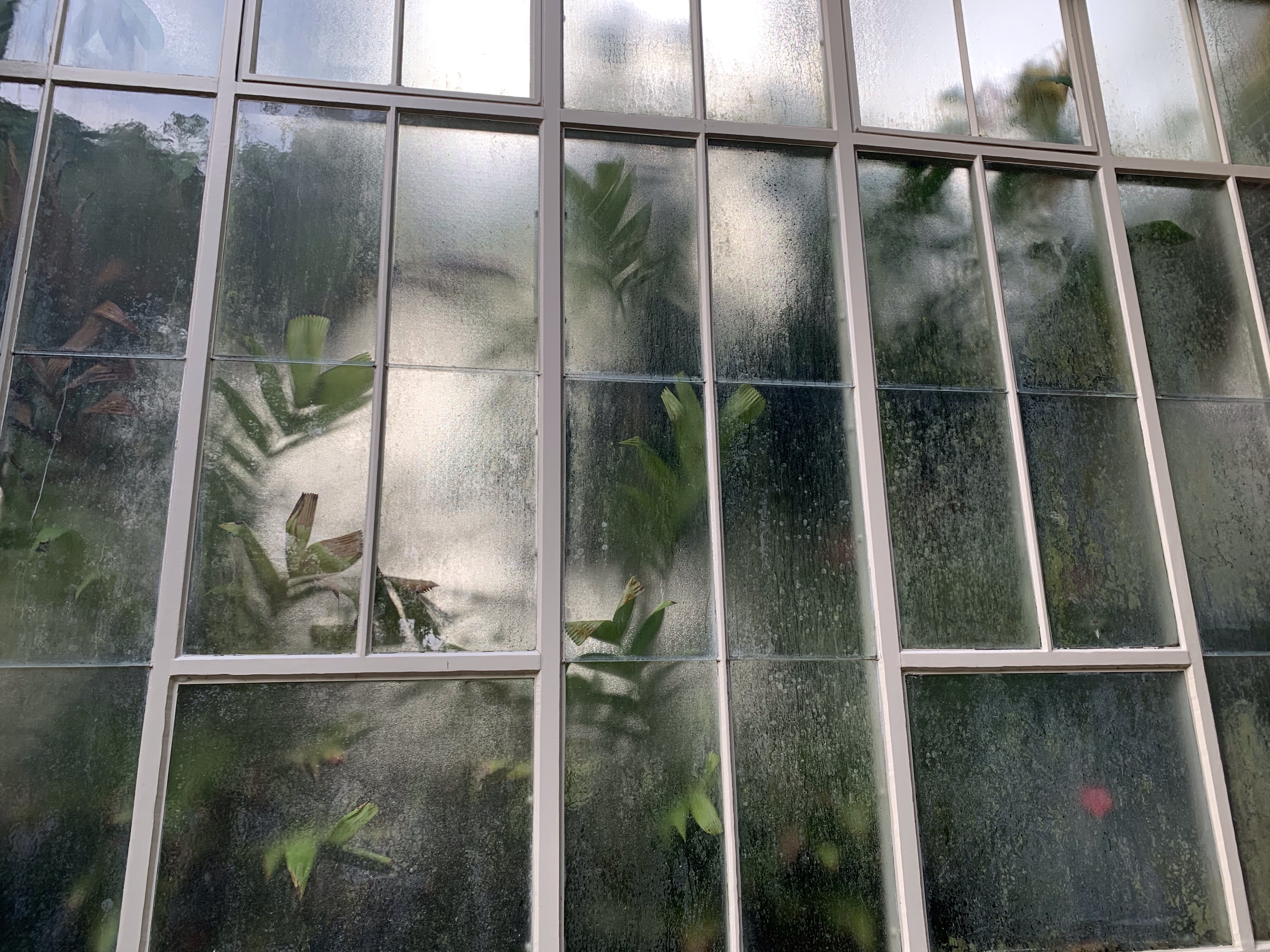
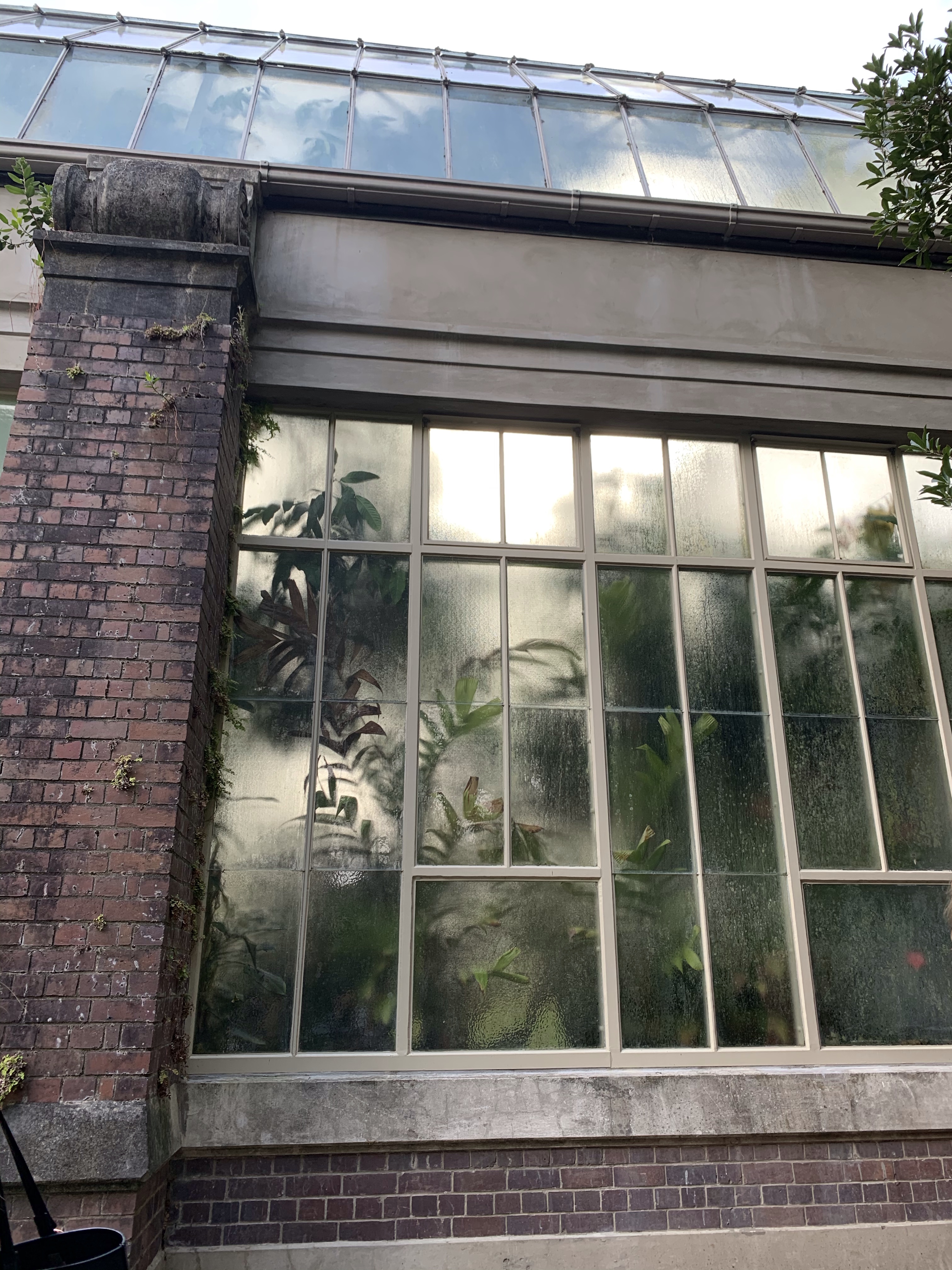
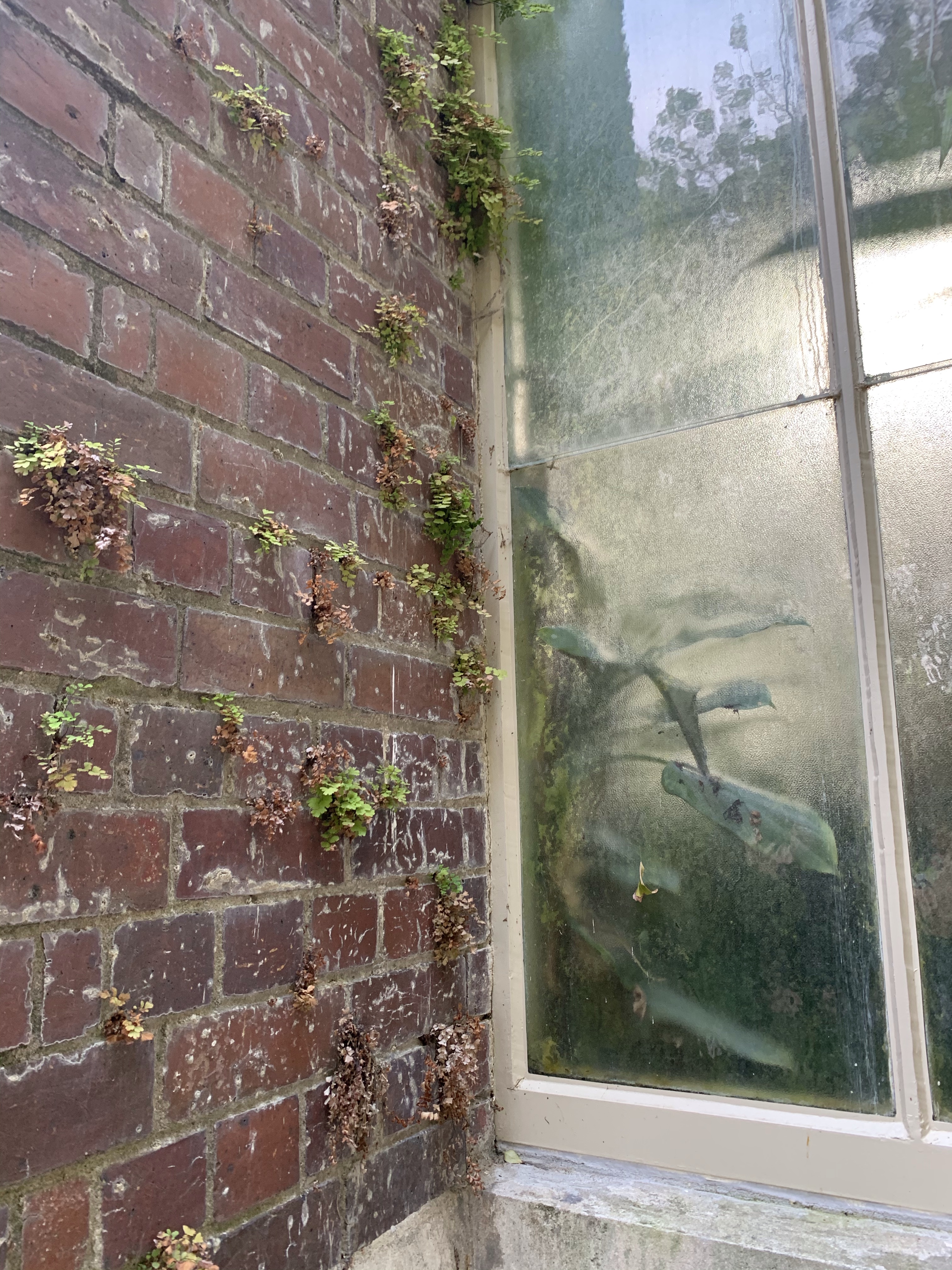
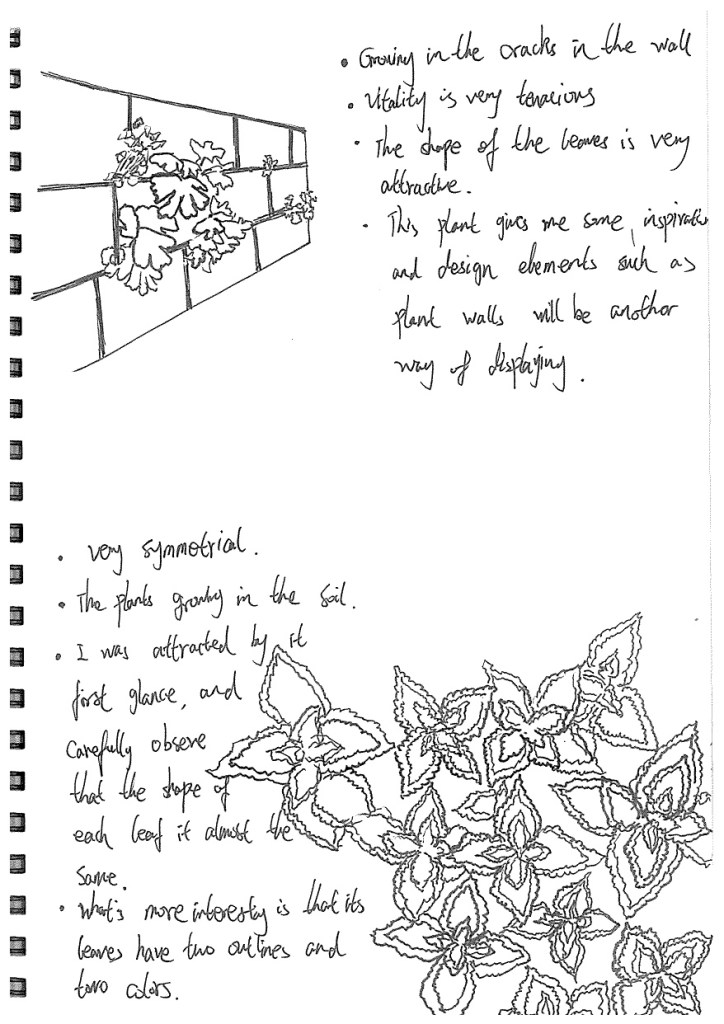
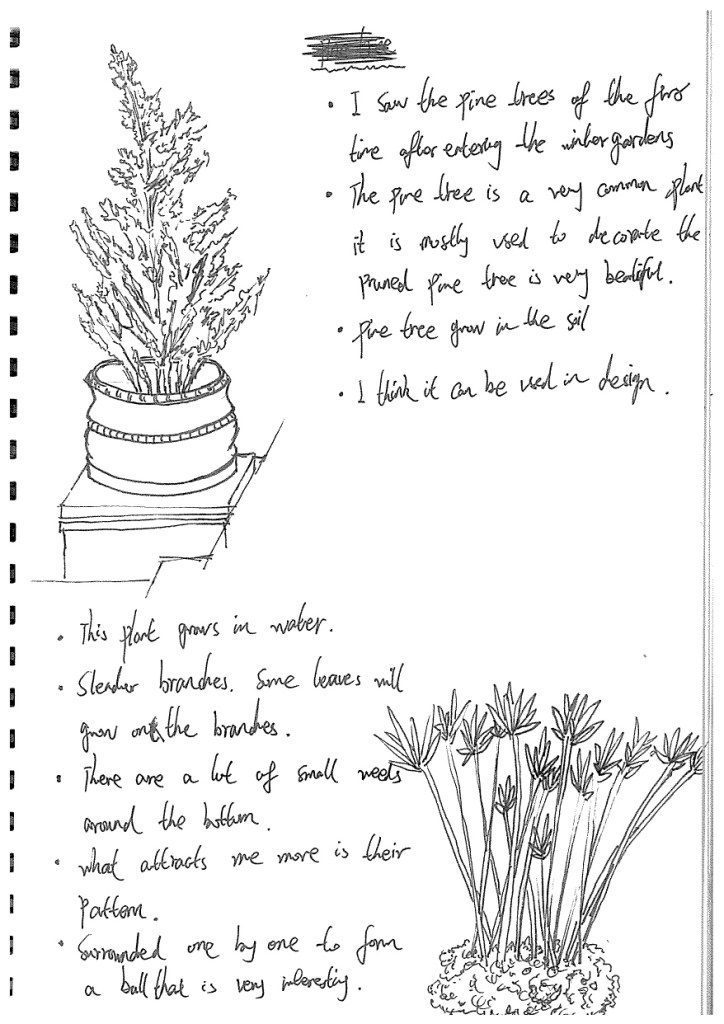
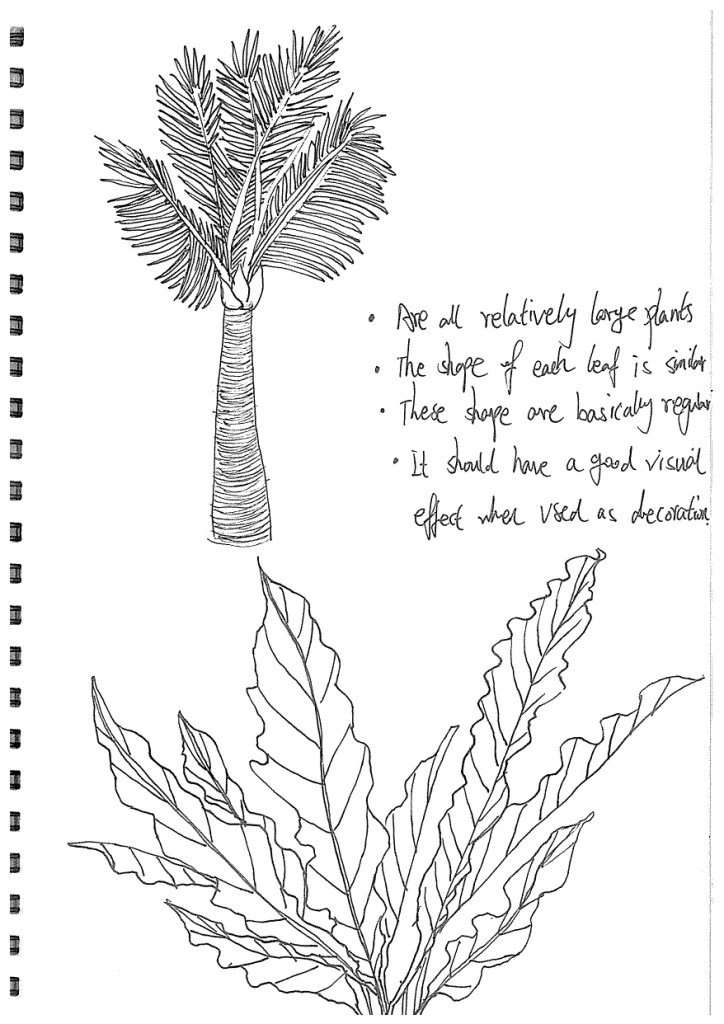
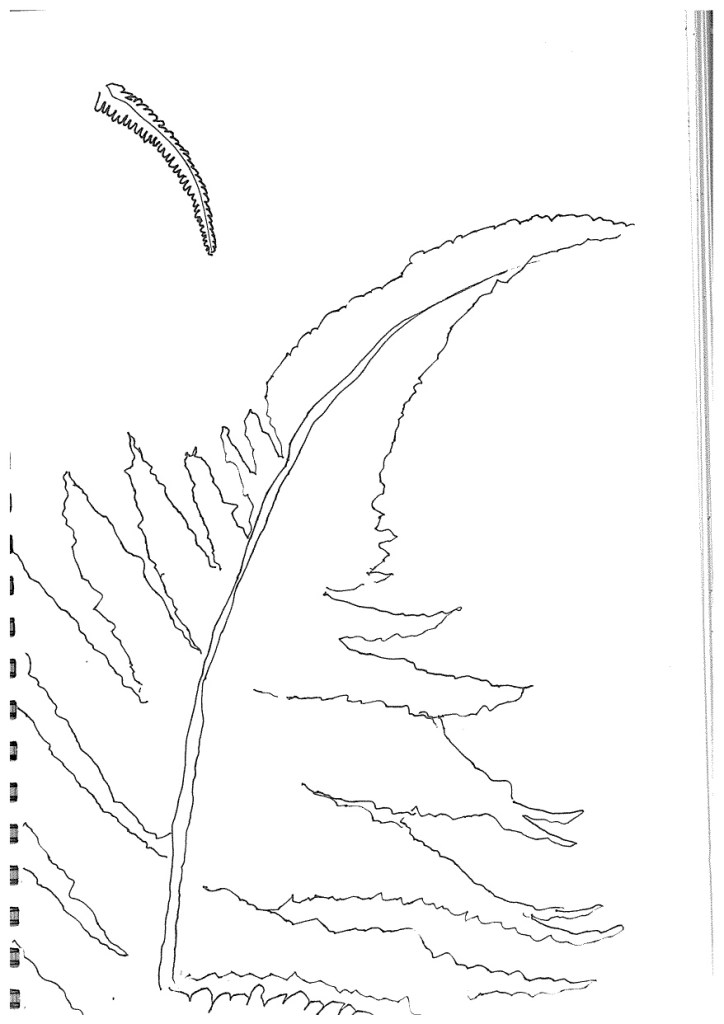
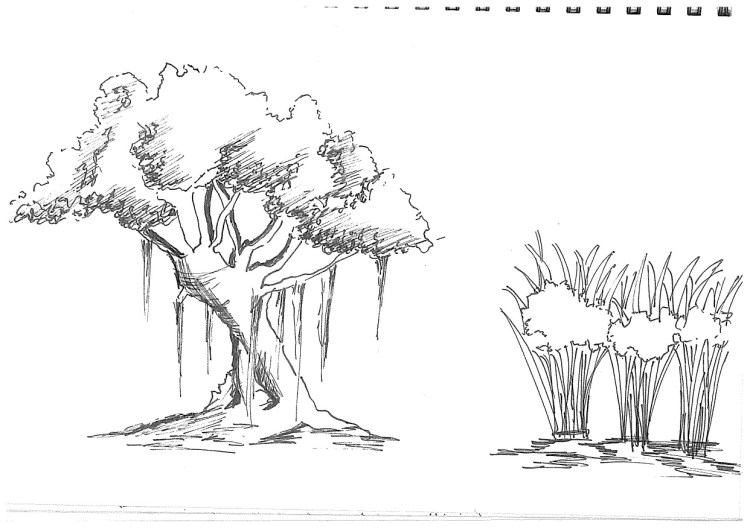
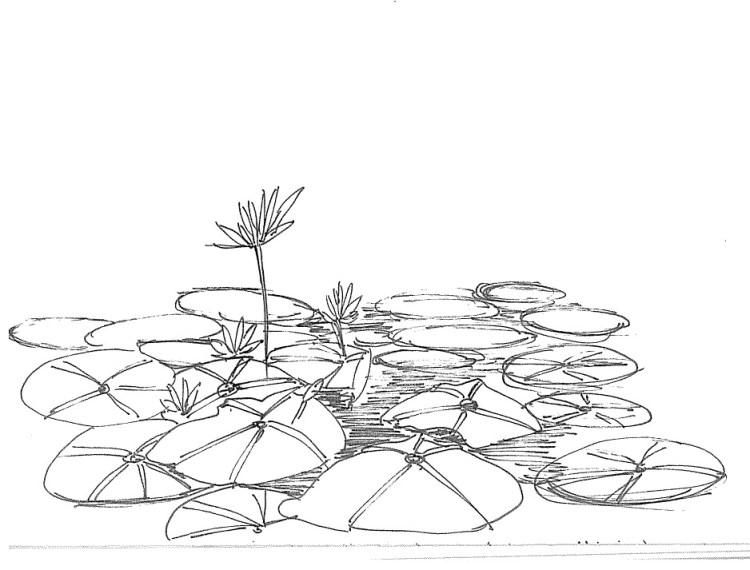
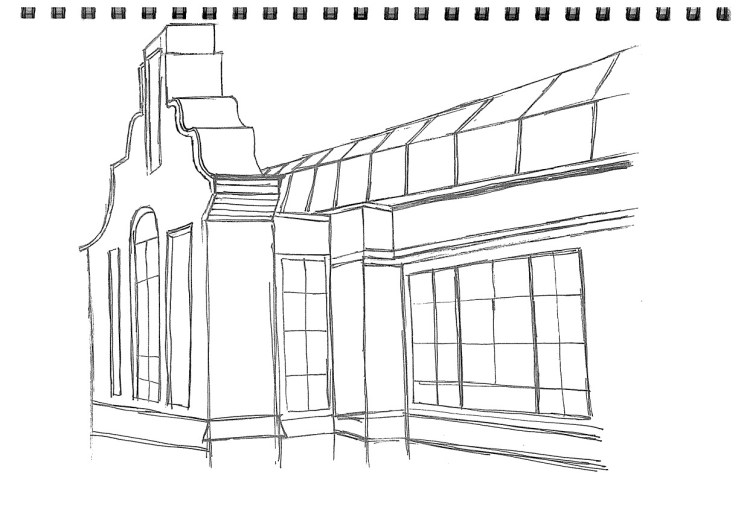
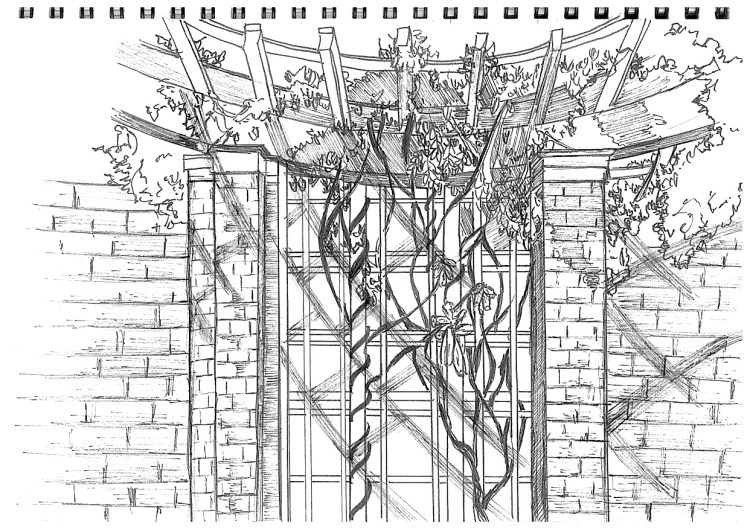
For me, painting is my most powerful way of thinking. When I draw an object, I think about its patterns, shadows, textures, colors, etc. What impressed me the most when I entered wintergardents was the different shape of each plant. And I drew them and found many ideas in the process, such as the difference between the plants seen through the window and the plants themselves, what is the difference between withered leaves and vigorous leaves, leaves under light and shadow, and leaves in dark corners. What is the difference and so on.
When I painted the lotus leaf painting, I found a very interesting point. There are a lot of reflections in wintergardens. For example, two identical glasshouses, corridors on the left and right sides, reflections in the pool, etc. These are completely symmetrical designs. It is interesting to discover interesting points in the garden through thinking and exploration. When I was painting, I observed the reflection of actual objects in the water, exactly the same but completely different. One is colored and the other is black and white. Splashes can change the shape of the reflection. I want to try to bring symmetry into my work.
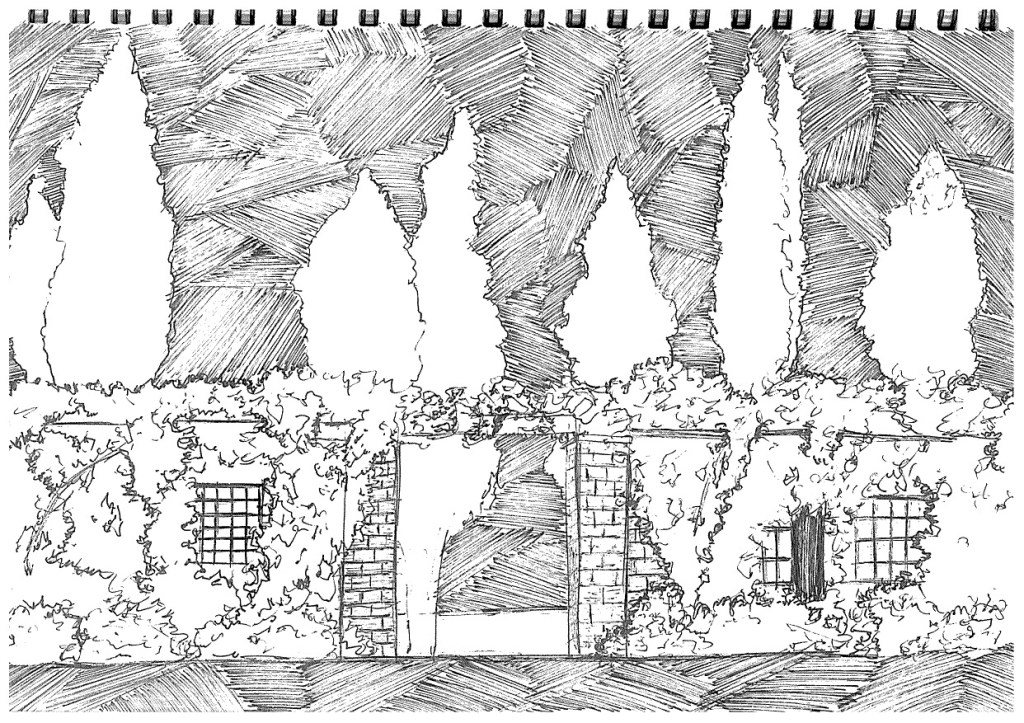
Harmonious:A space where people and nature coexist in harmony
Vitality: The feeling that plants give me is a positive expression of vitality, vigorous vitality
Public: It is a public space open to everyone, providing a very good platform for people and plants
Romantic: the transparent glass top, roses, etc. These elements come together to always produce a romantic atmosphere. And it is called a romantic park
Nature: there are wide of plants and provide a good worth environment for tropical plants.
Week 3: Mind-Mapping and Workshop
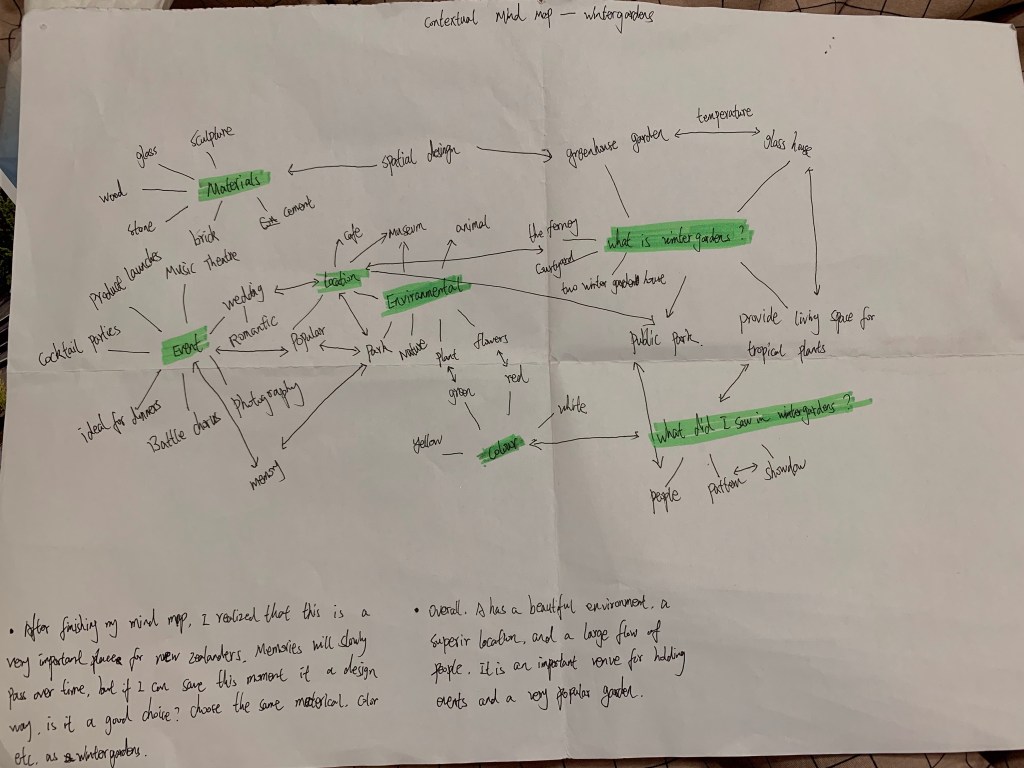
After finishing the mid-mapping, I found some connections, and the overall thinking became clearer. This is a very effective way of learning, the keywords in it can let me quickly open my mind.
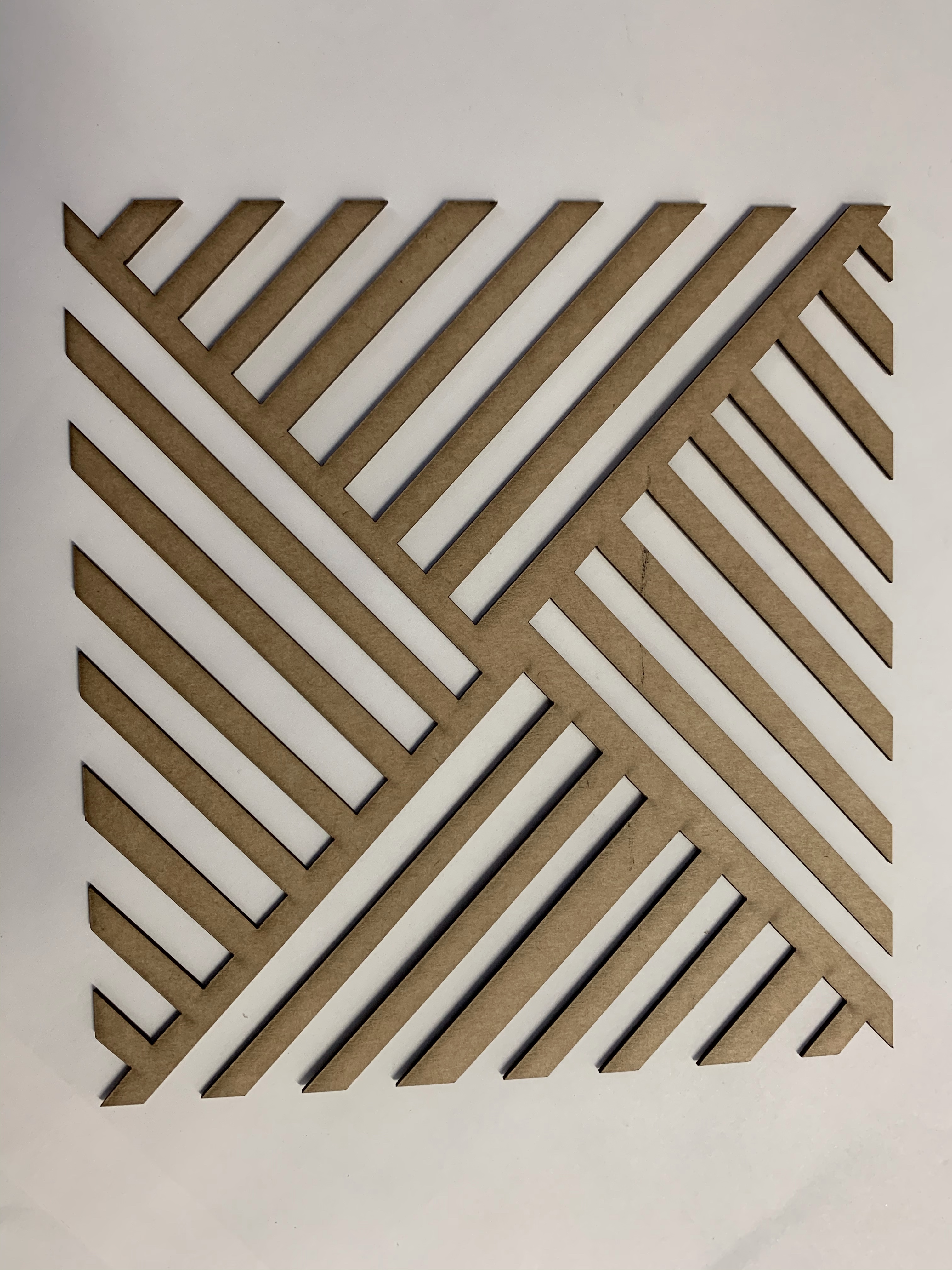
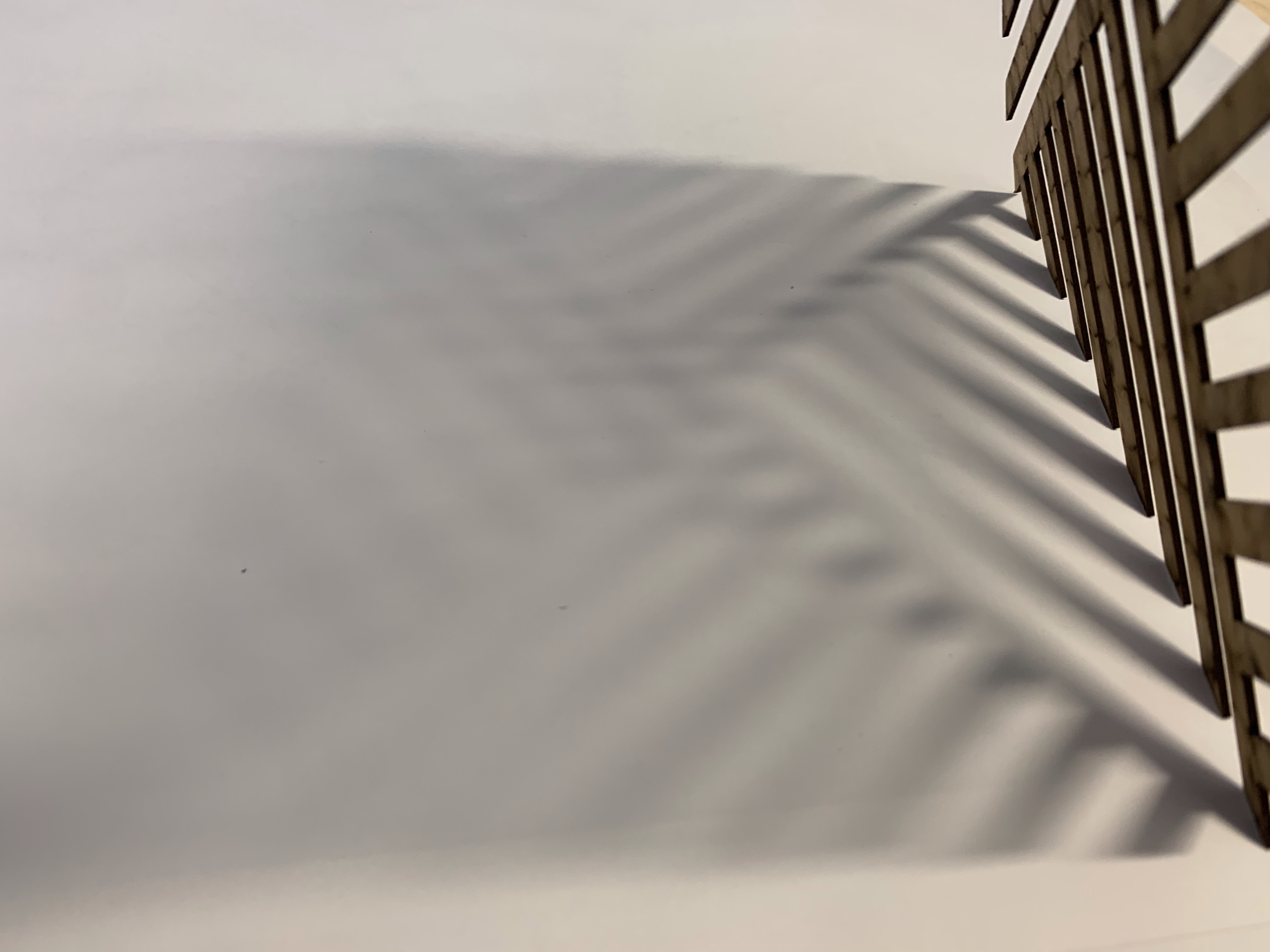
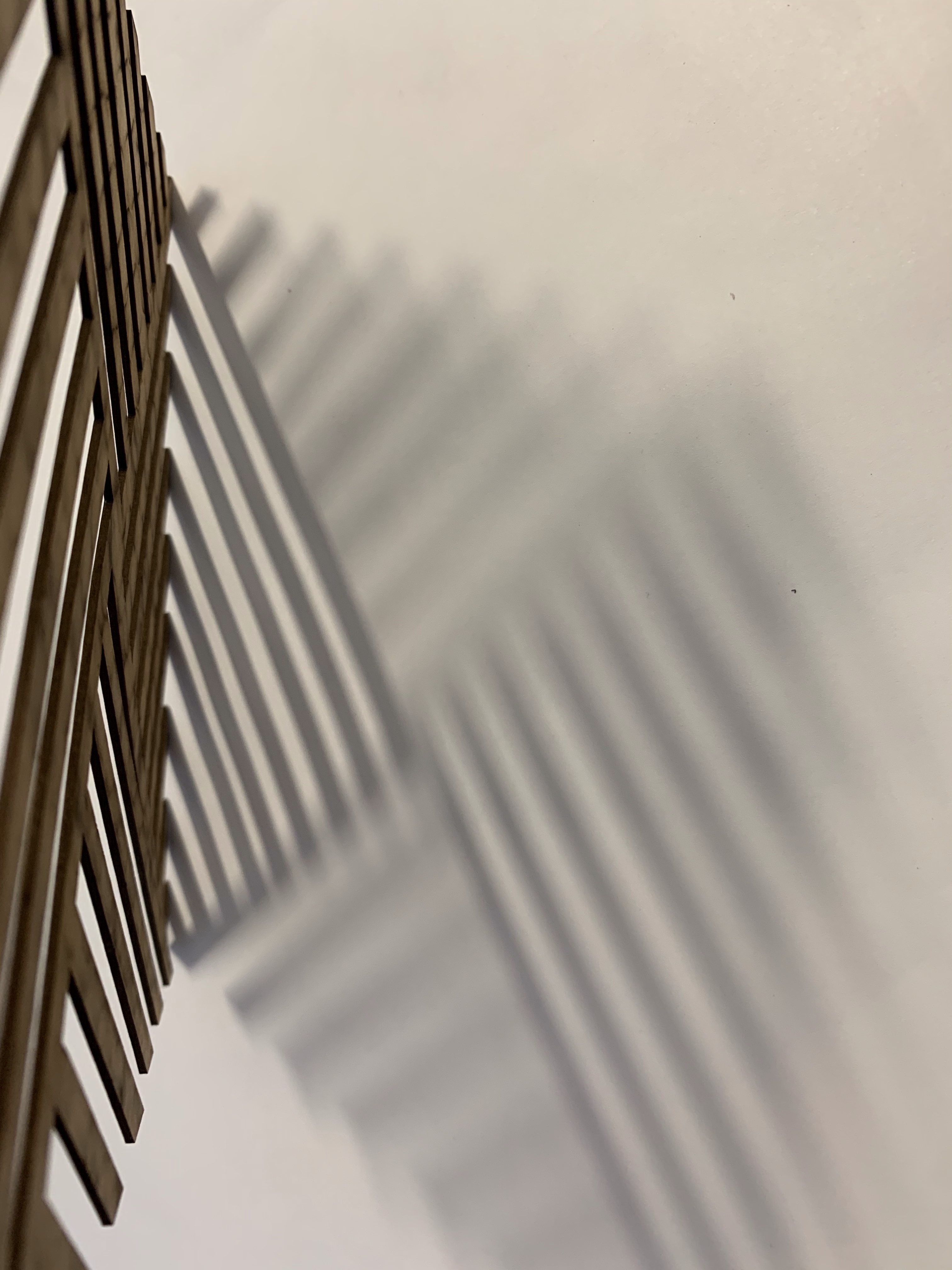
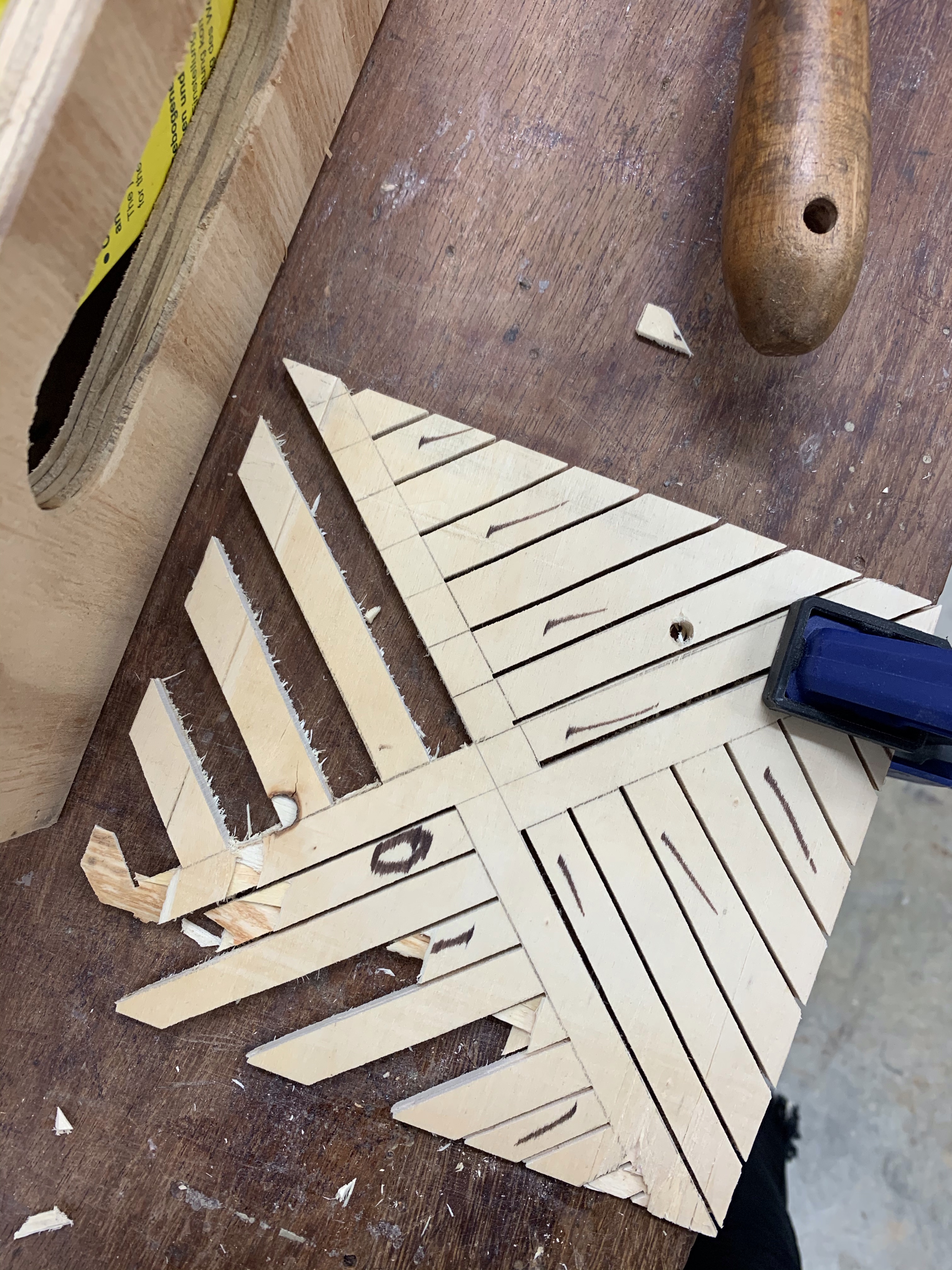
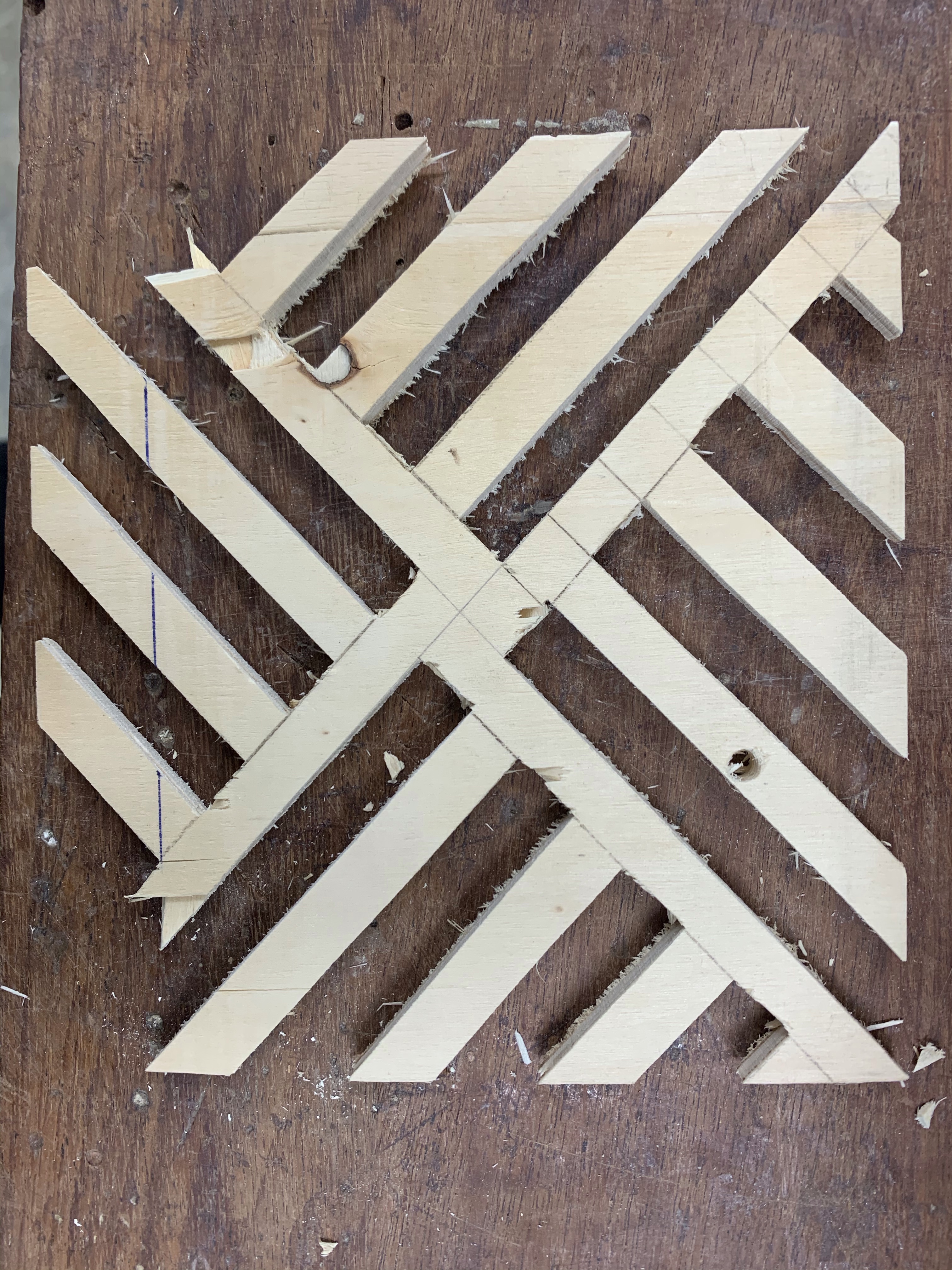
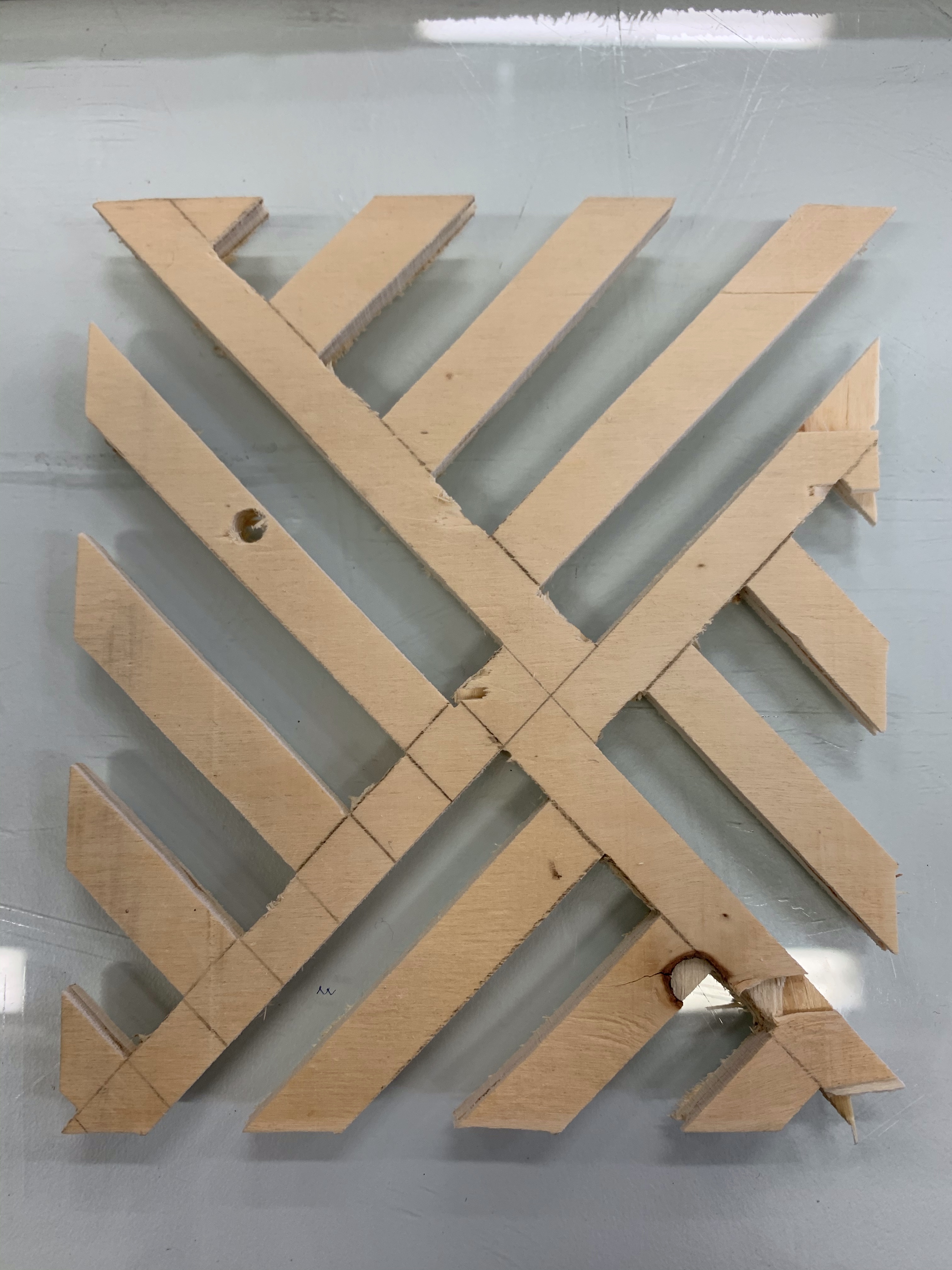
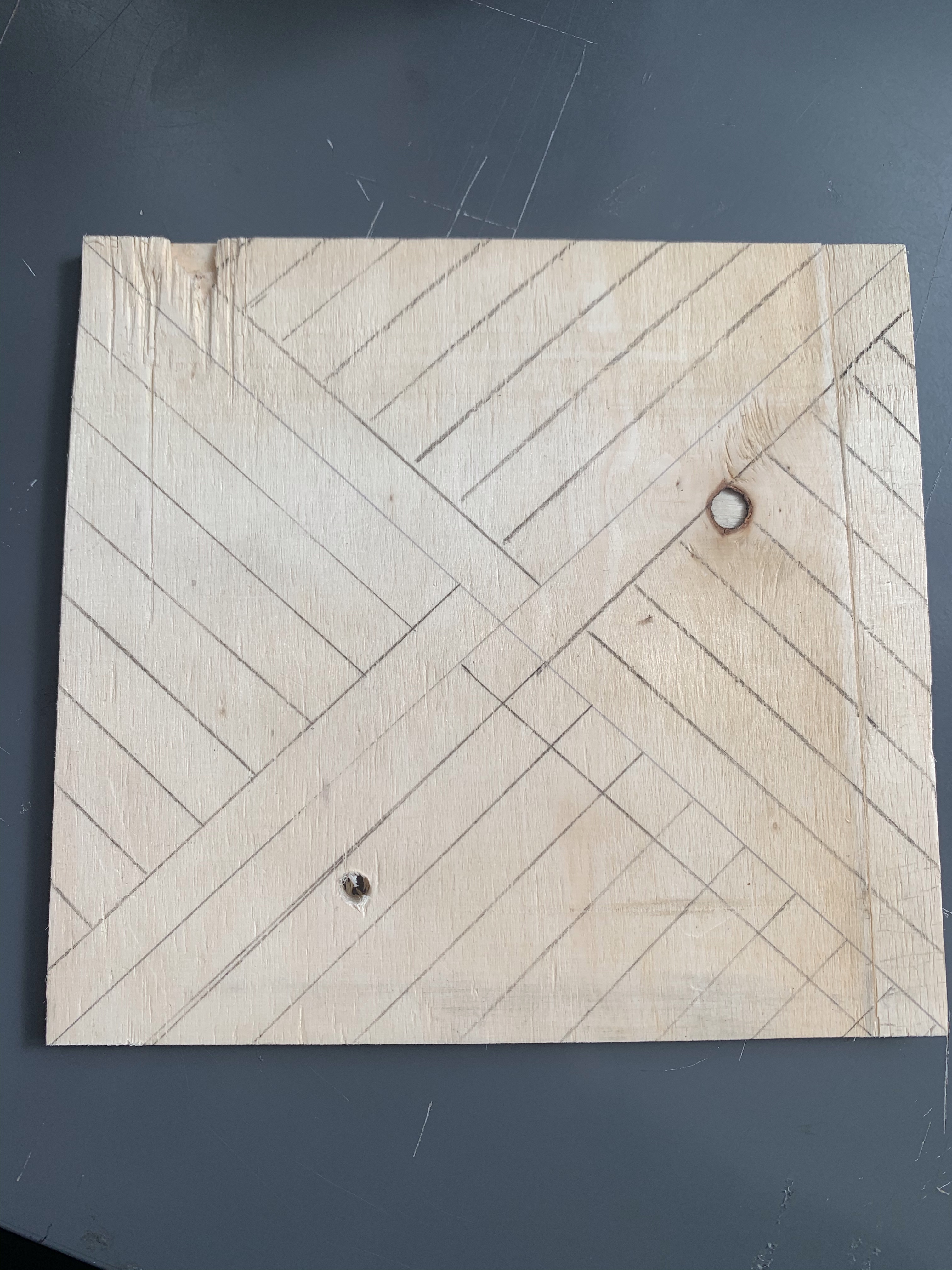
I like simple lines, text, shadows, etc. So I can often see these keywords in my work, and I often use the simplest lines to create patterns in my other projects. In short, create the most attractive things in the simplest way. This is what I want to achieve, and I will observe their shadows.
Research: Artist
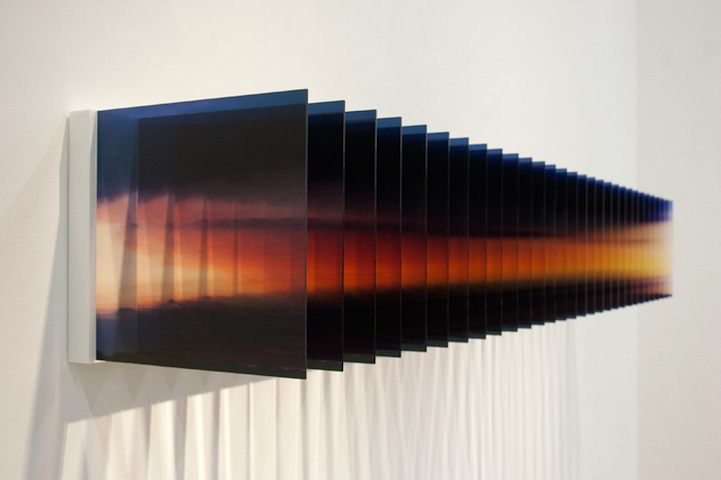
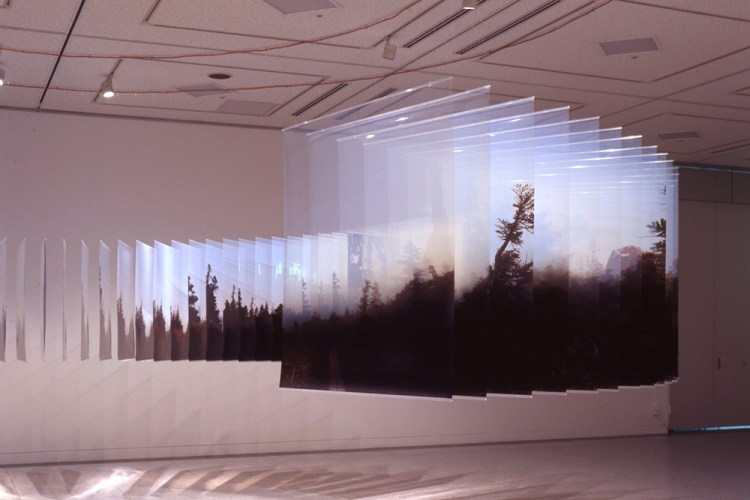
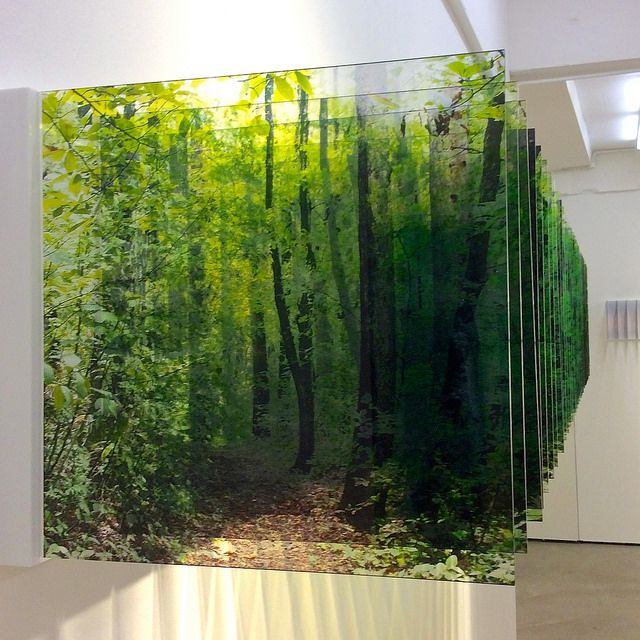
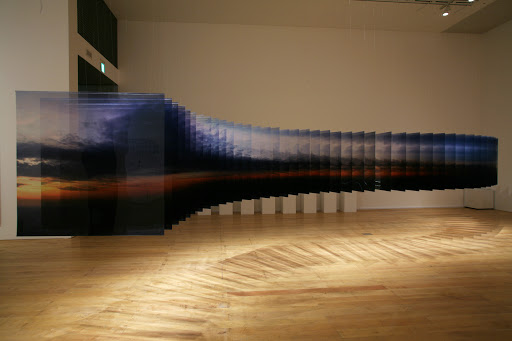
Nobuhiro Nakanishi was born in Fukuoka, Japan. He received a Bachelor of Fine Arts from Tokyo Zokei University and a Masters of Fine Arts from Kyoto City University of Art. Nakanishi lives and works in Osaka.
His work has been included in numerous solo and group exhibitions throughout Asia and Europe.
Mr Nakanishi’s work is a departure from what has traditionally been understood as sculpture making, which typically involves representing humans or objects in three-dimensional interpretations using media like wood, stone, clay or metal.
In his work, Mr Nakanishi distances himself from the weight, gravity and materiality of media related to sculpture. His expression deals with antithetical ideas of existence and absence, the material and the non-material, the visible and the invisible generated in space, the visually imperceptible, senses and conceptual territories such as consciousness, thoughts, memories and time, inviting the viewer into a mysterious experience.
https://www.laprairie.com/en-int/the-house-artist-nobuhiro-nakanishi.html
I think this is a very healing work, and the artist shows this scene in his own way. I like this way of presentation. What attracts me is that each piece is different, but combining them will bring new discoveries.
Inspiration
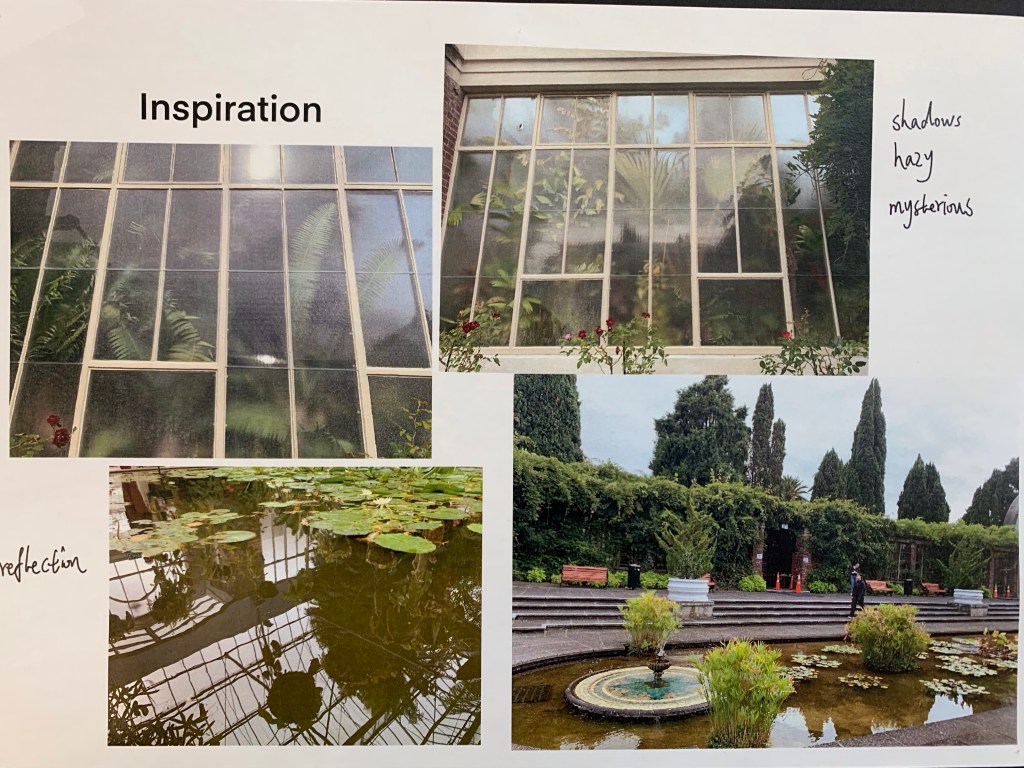
These pictures are what inspired me the most. I put them together and wrote keywords, reflections in water, blurry feeling of glass, patterns on glass, shadows and so on. These elements inspired me
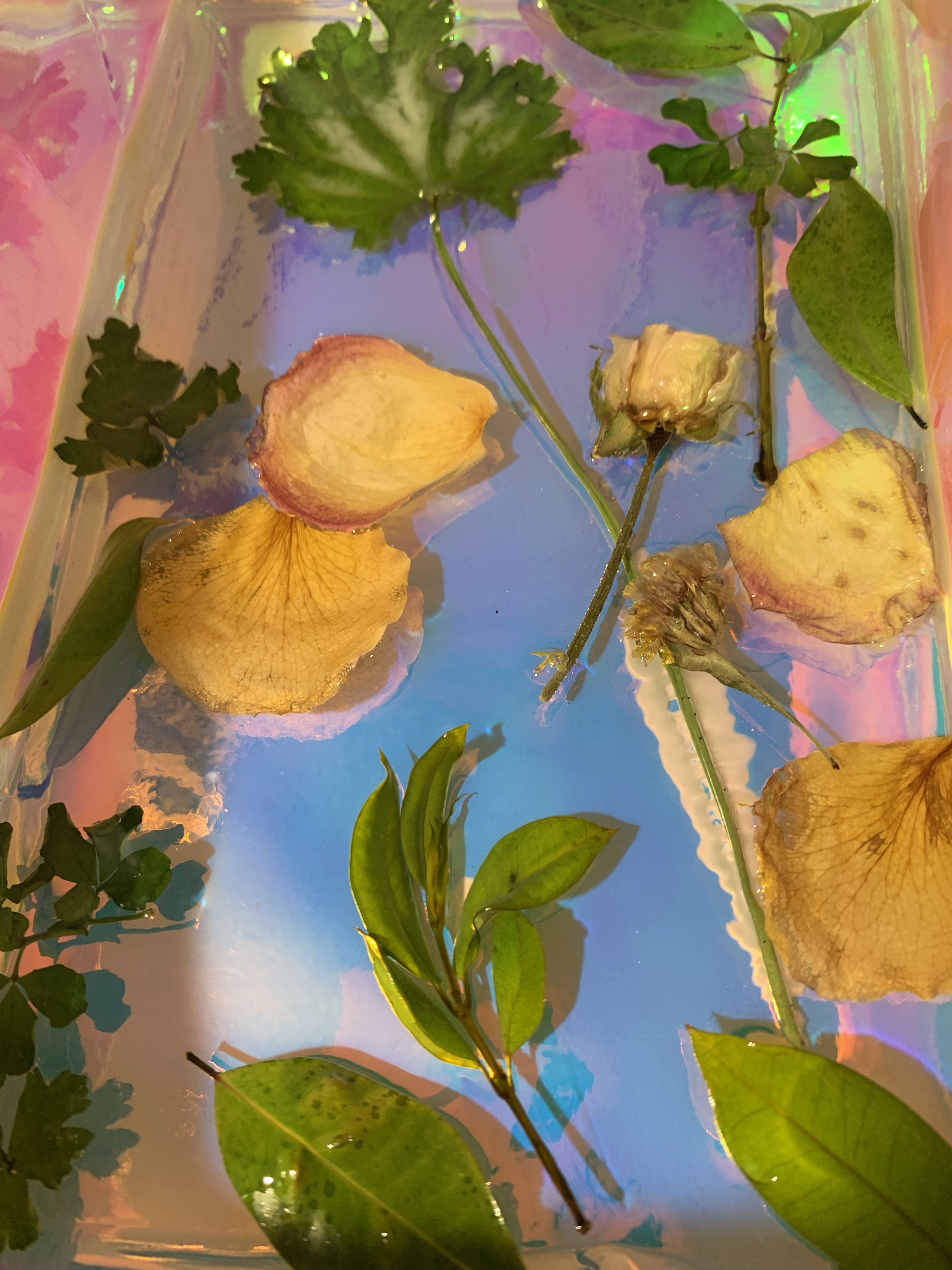
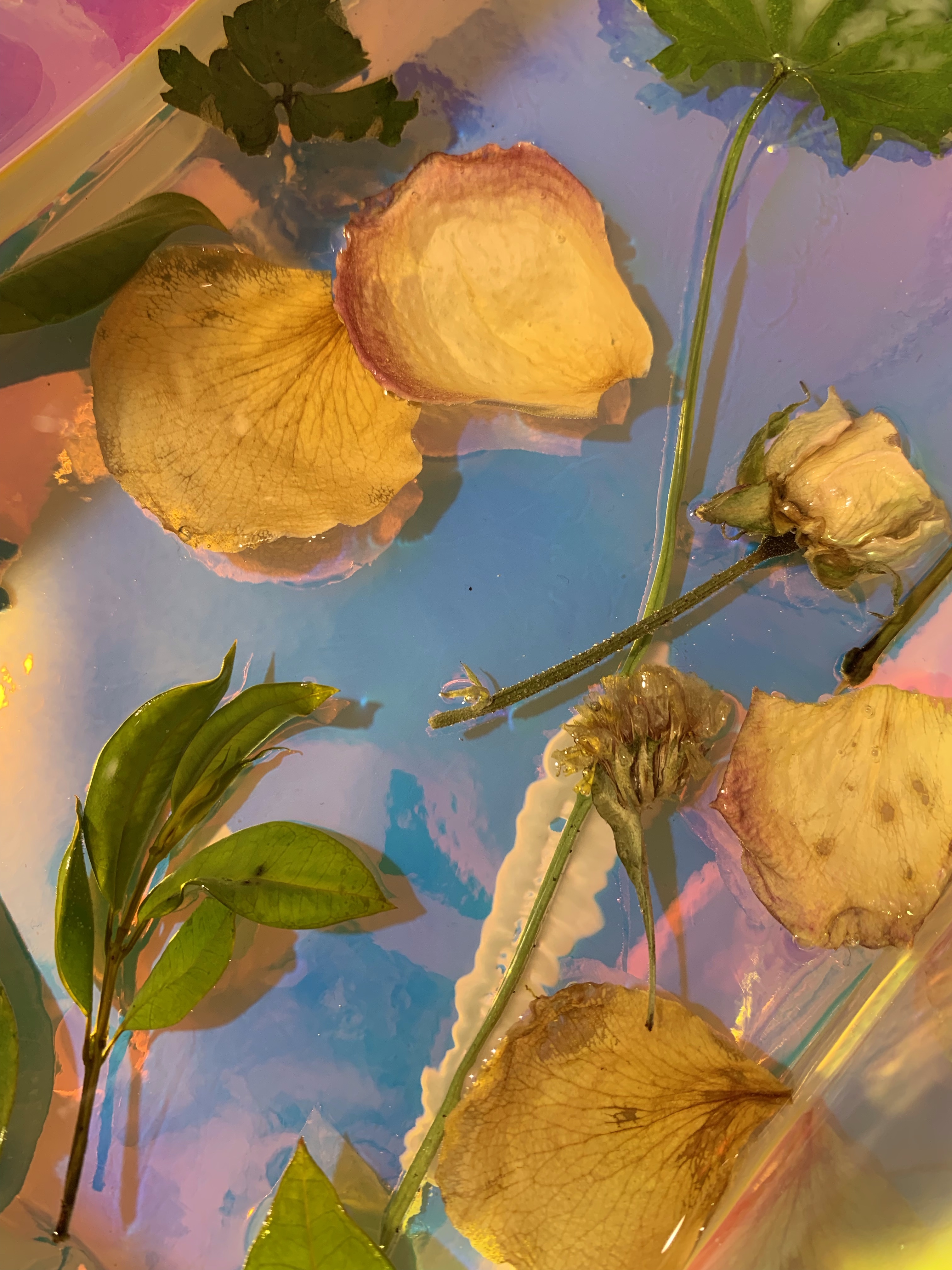
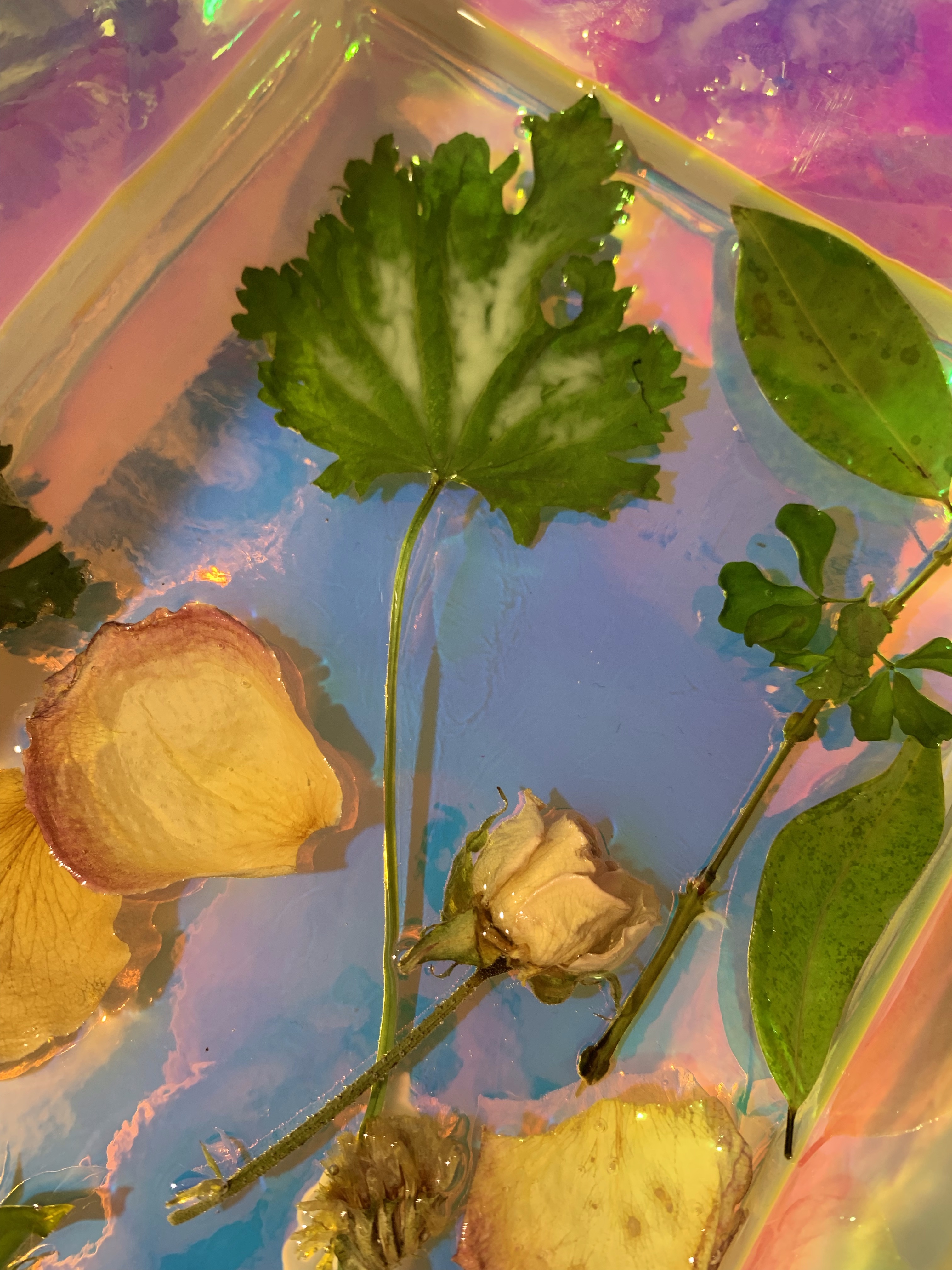
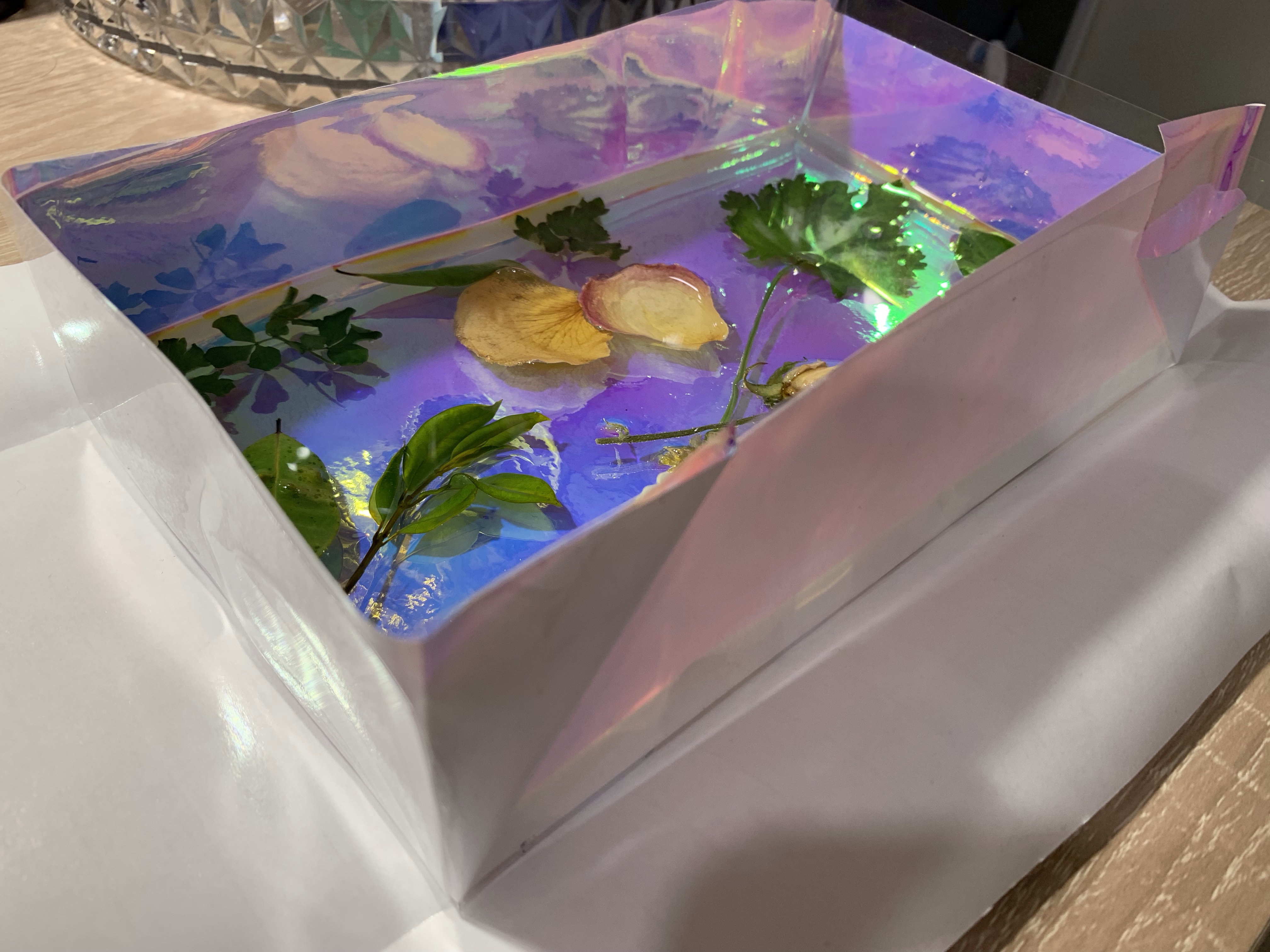
This is the model I made after seeing the pattern on the glass. This is just a process of thinking and observing. The laser paper in the background represents the glass, because the glass will shine with multicolored colors in the sun. In the middle part, I used glue because it is transparent and can seal objects. During the creation process, I was thinking about how to keep the model permanence? Or how to record this moment? I want to keep some moments in my model? More precisely, some impressive memory fragments.
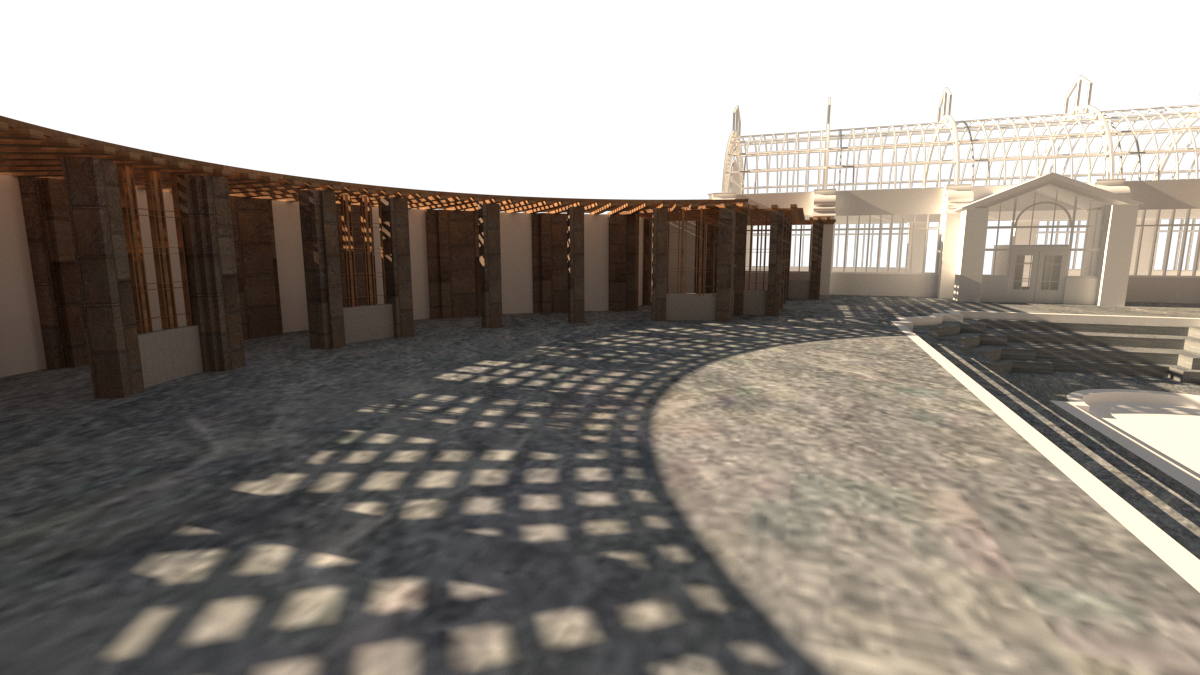
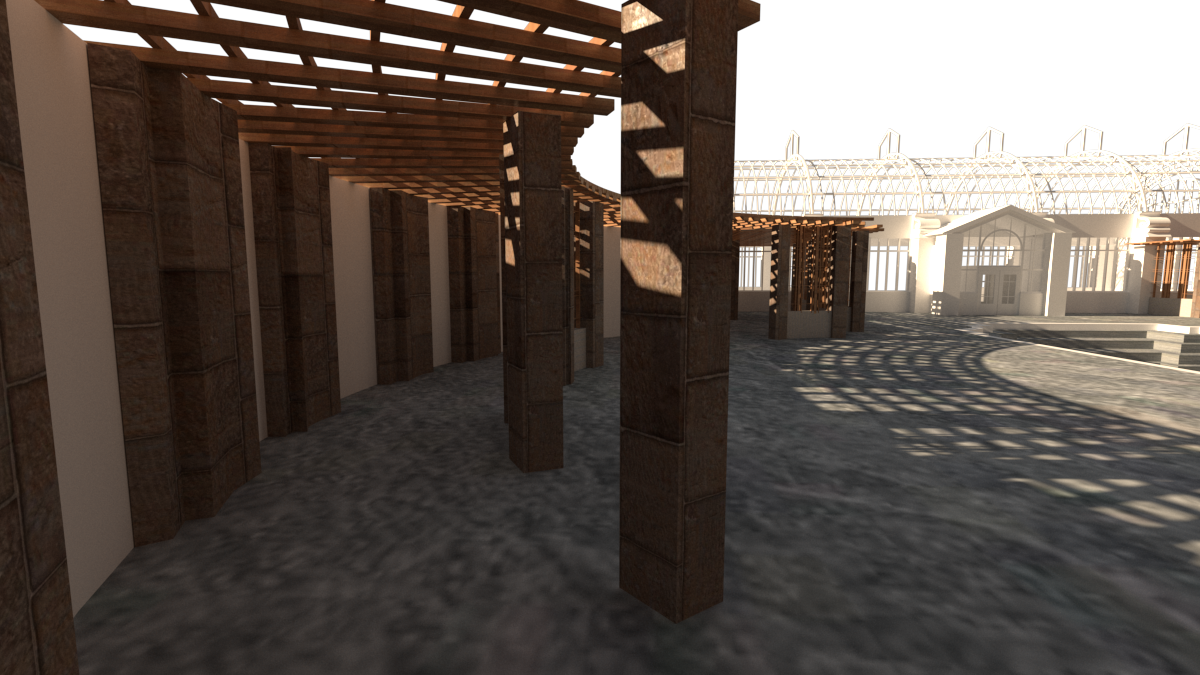
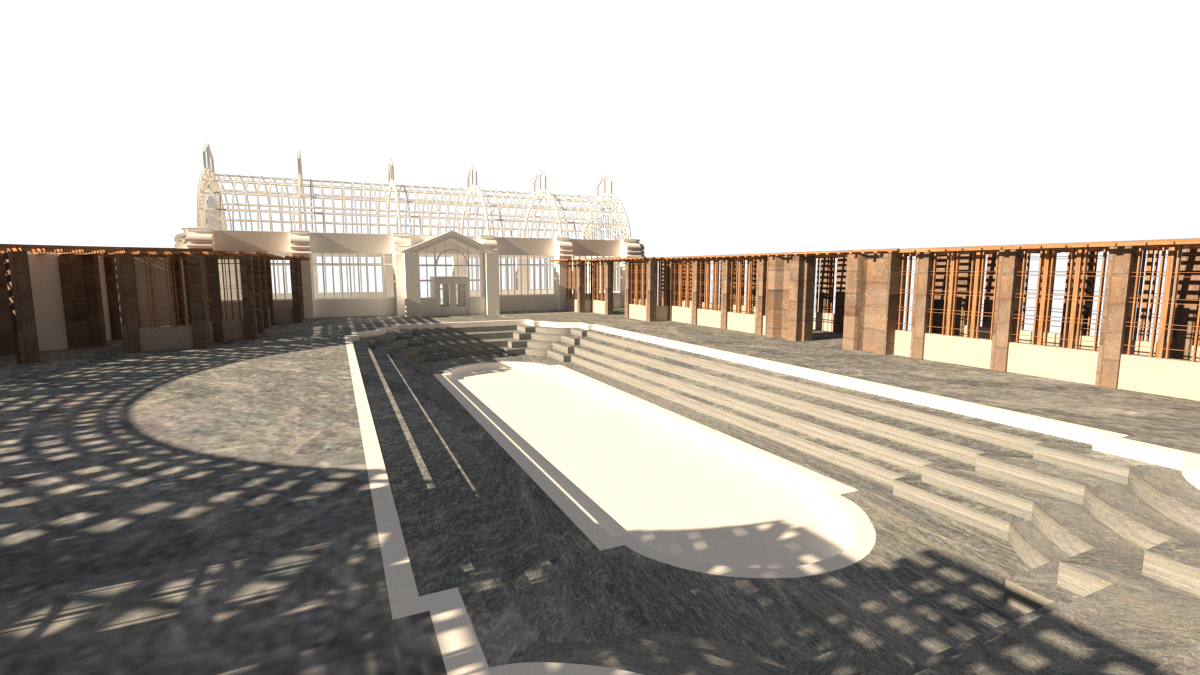
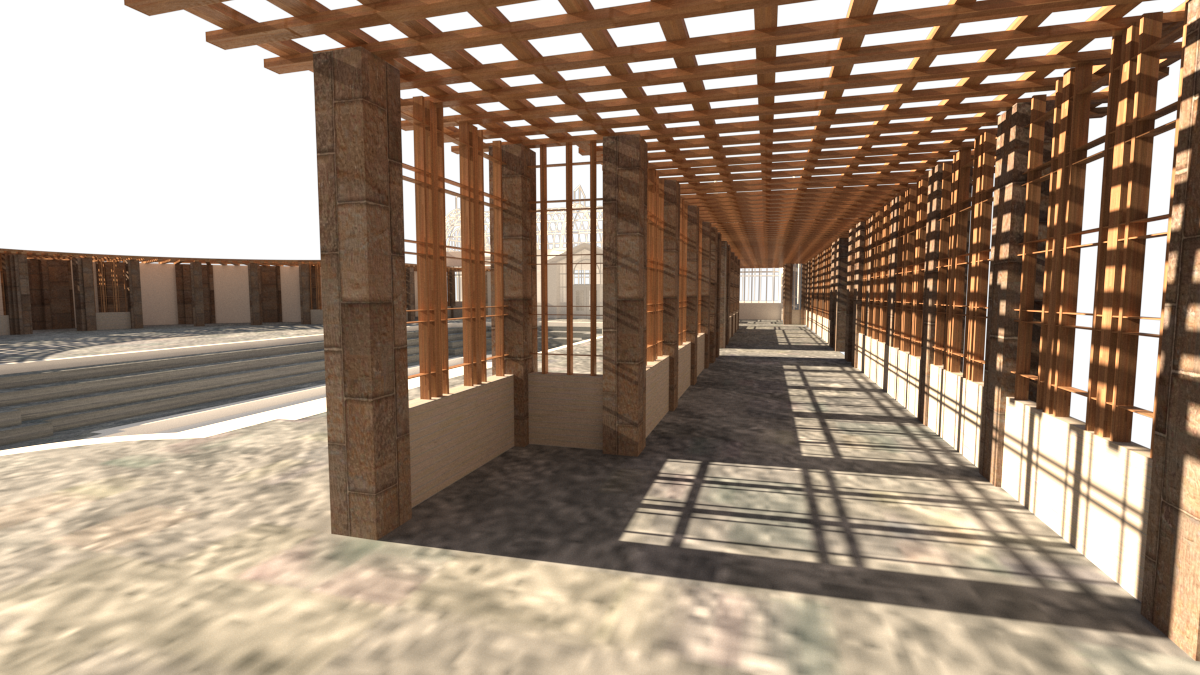
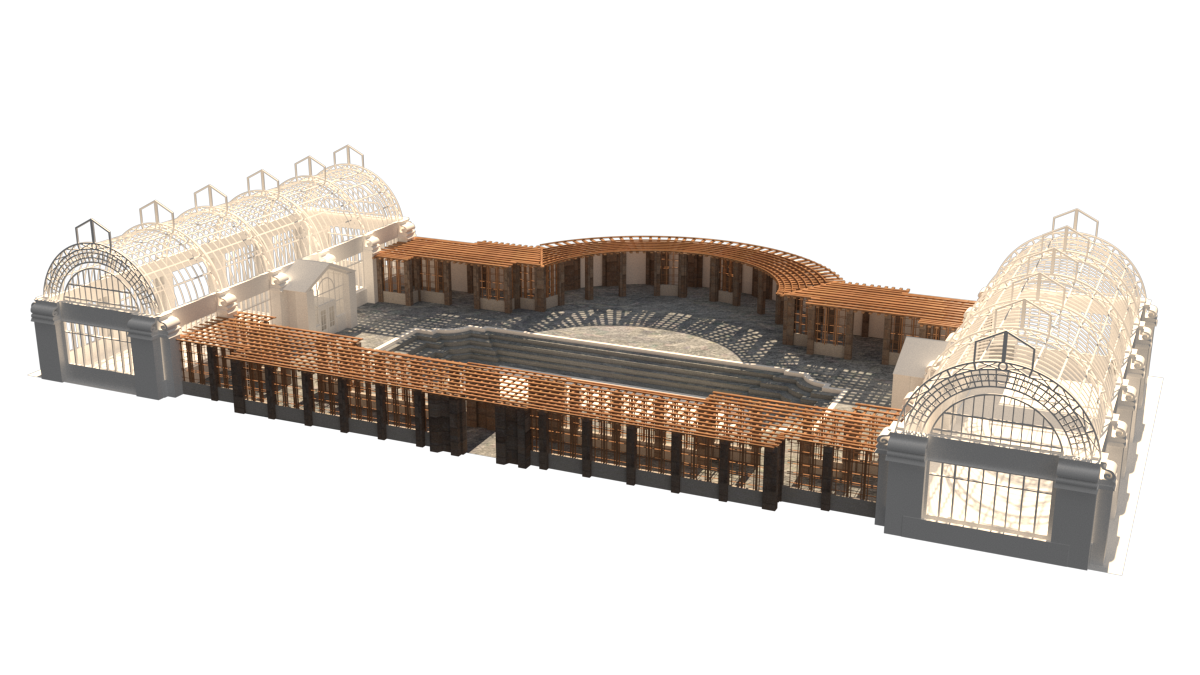
This is wintergardens made with rhino and revit, which is still a learning process. When making models, I often think about how to design? How to make it better? what should I do? and many more.
Statement
Taking history as a starting point, I was inspired by it. The glass material of the winter garden attracts many people and is called the most romantic park by the public. It is a very important place for the Aucklander, which carries many people’s memories and stories, etc. Some deep memories may be worth recalling for a lifetime. I am exploring how to combine memories with exhibition. When I visited the wintergardens for the first time, the most fascinating part was the outside of the glass. Through the glass, I could see the pattern of the plants inside. This is also the source of inspiration for my project.
In this project, I choose exhibition space. Usually people will recall a past, a place or a person through photos, words, paintings, songs and other situations. But these forms are very limited, and you must have these experiences before you can. Photographs are the most convenient and commonly used method, but its limit. My design is to achieve a three-dimensional space effect through layered landscape.
The main purpose of this work is to record a certain moment through exhibition. The attractive point is that it is three-dimensional. Through the design, visitors can feel the multi-faceted nature of the winter garden. This is an inclusive, public and romantic place. By showing a complete winter garden layer by layer, I try to bring colors in, which will make the work more complete. The original idea was to use laser cutting but it will be black and white. So I am studying whether I can achieve the effect I want by printing or other methods. Combining the winter garden materials, I use acrylic as material and aluminum alloy as the base to ensure the stability of the exhibition. Do not destroy the original nature of the garden, continue to maintain its romance.
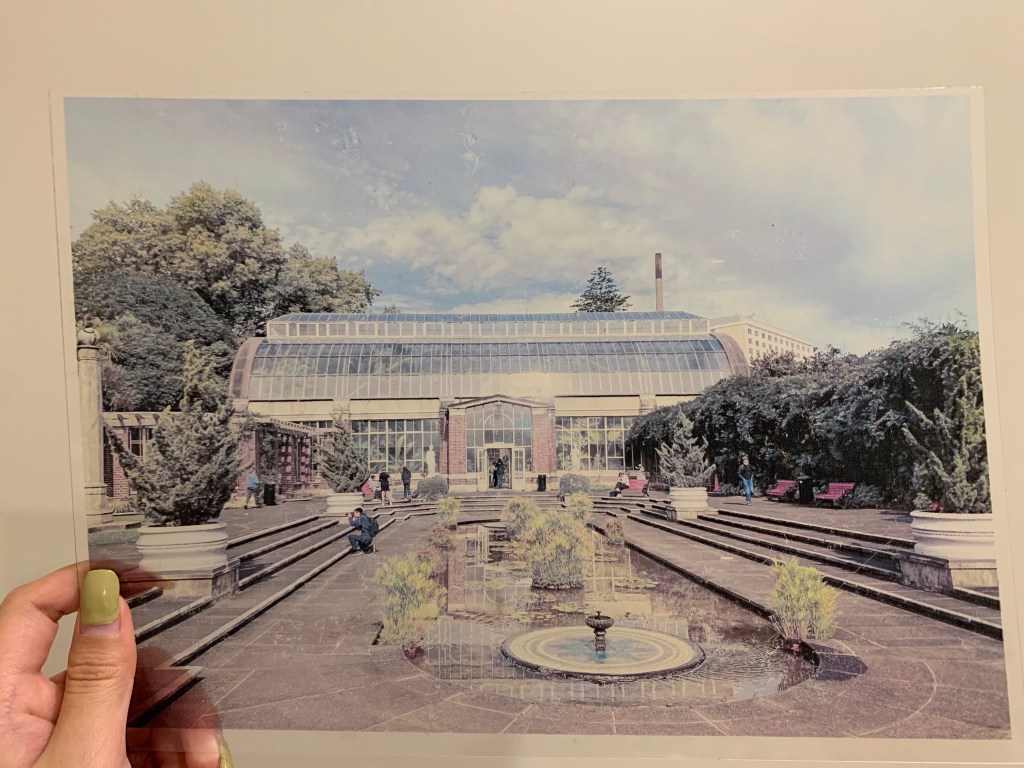
I tried to use the printing method to complete, this is just a test. Obviously it suffers from failure, because the color is too heavy to reflect the sense of hierarchy that I want to show. The objects behind cannot be highlighted, and there is no three-dimensional effect when they are superimposed together.
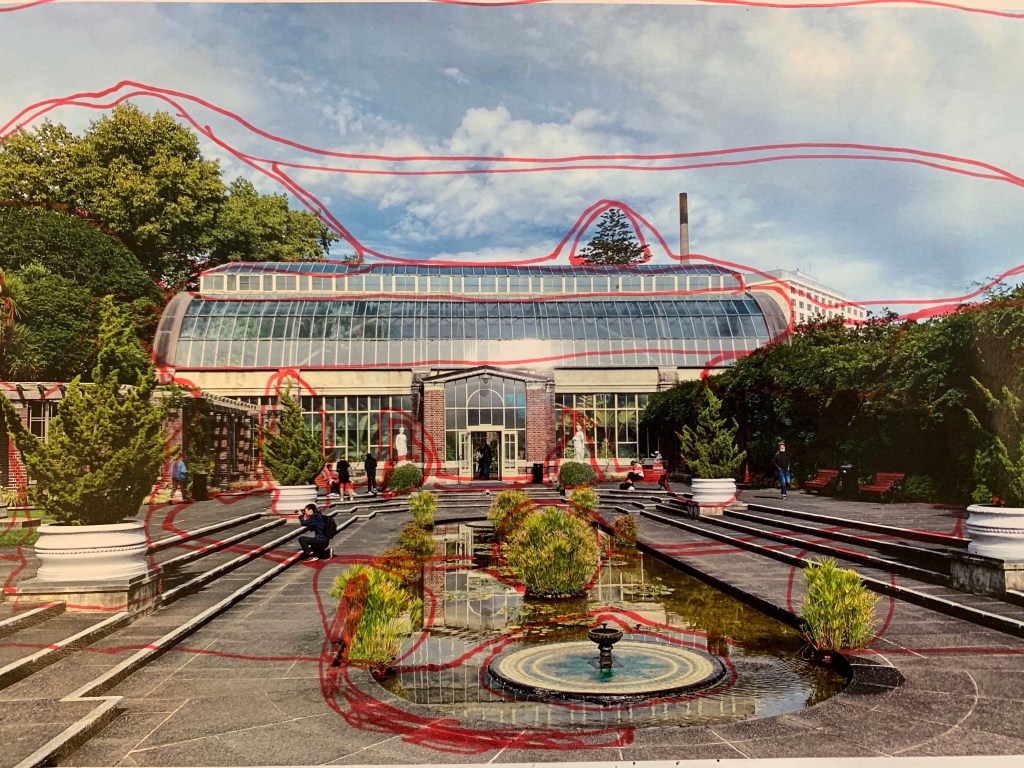
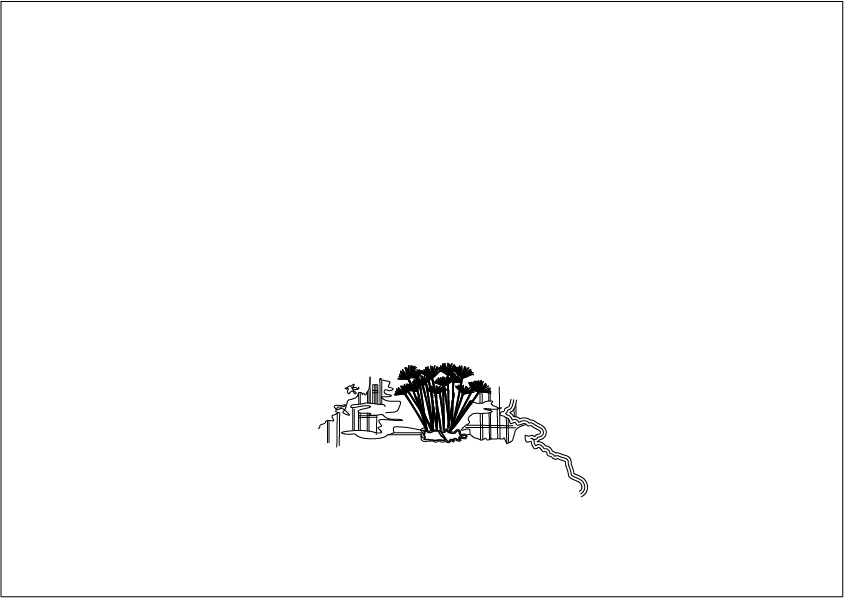
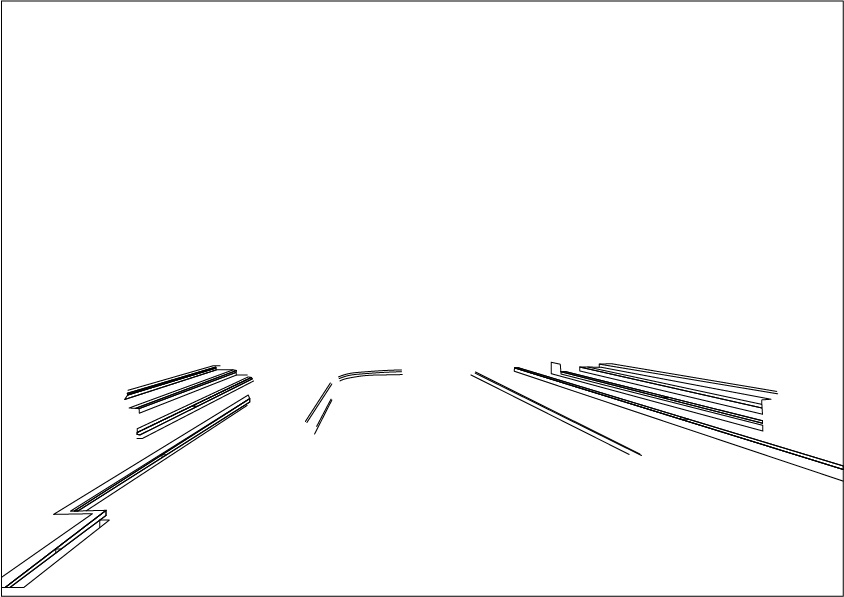
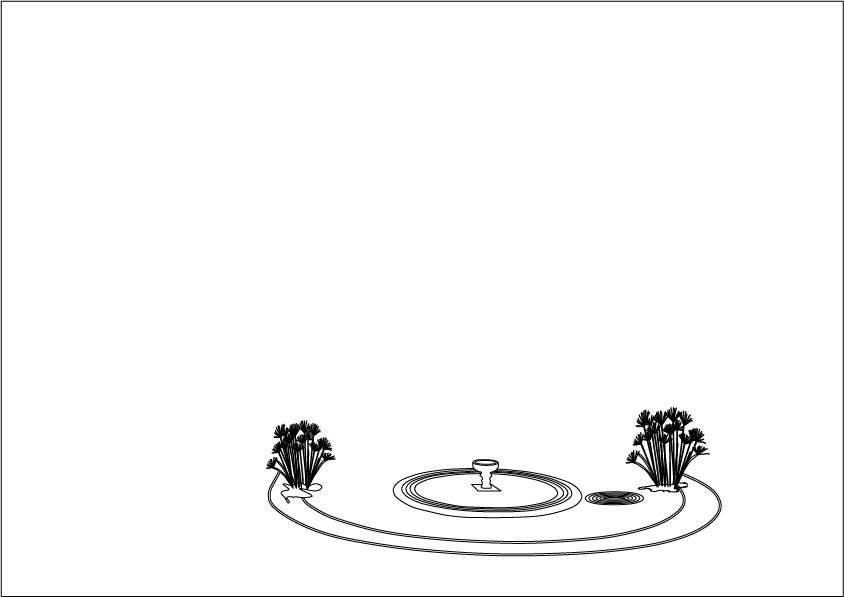
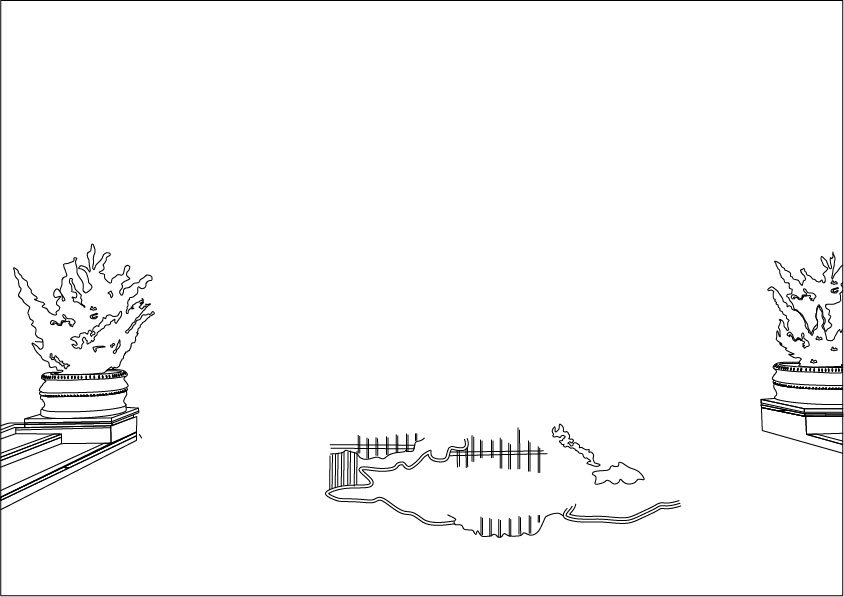
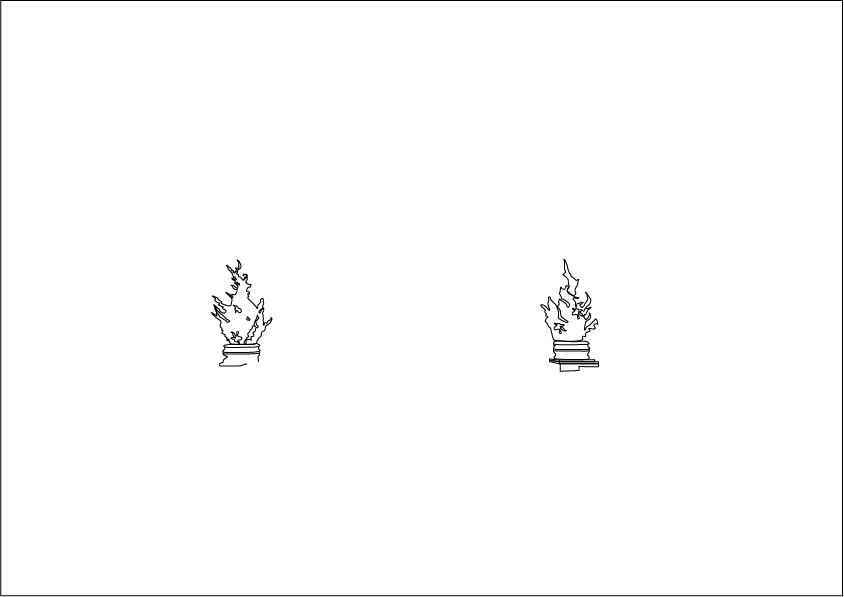
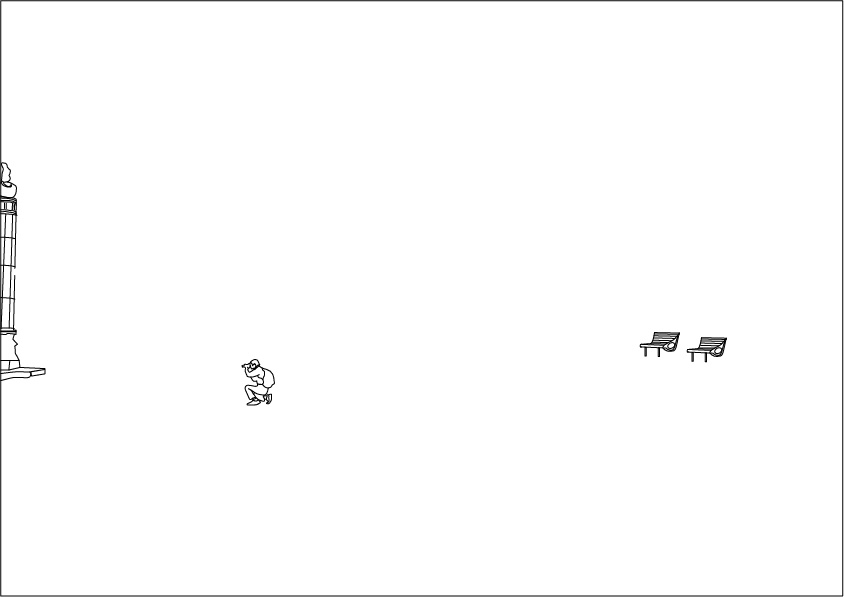
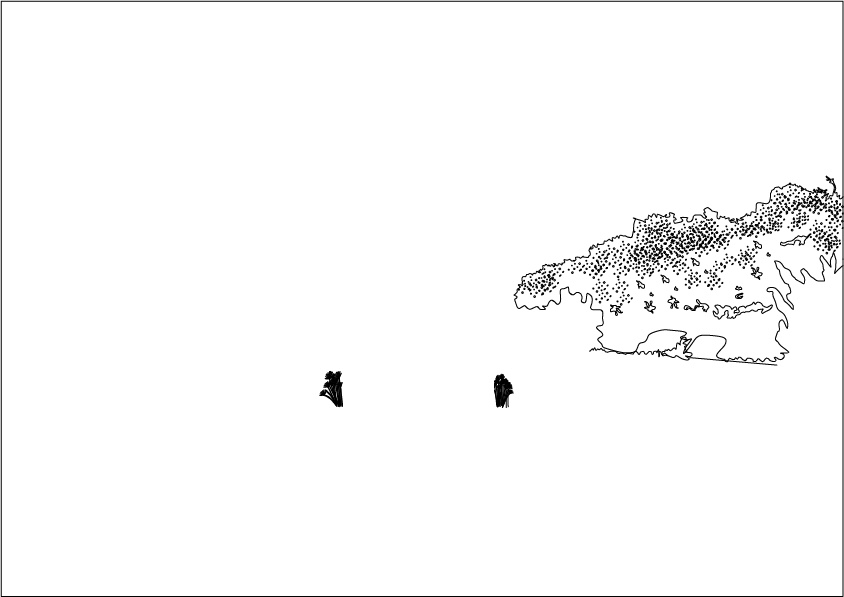
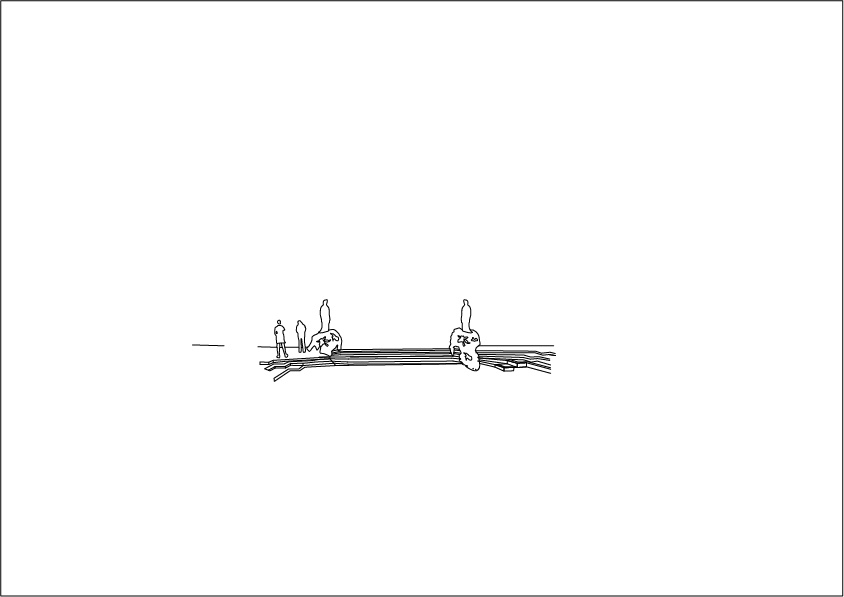
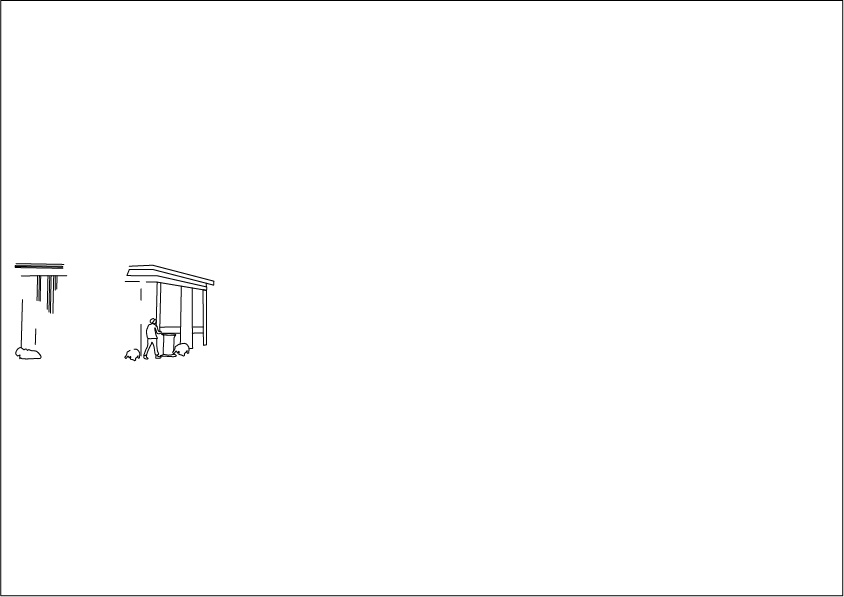
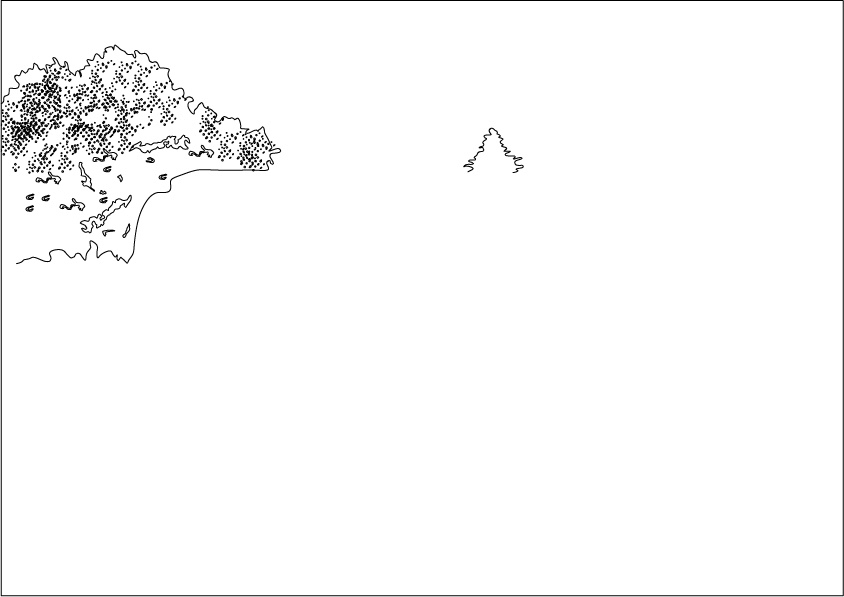
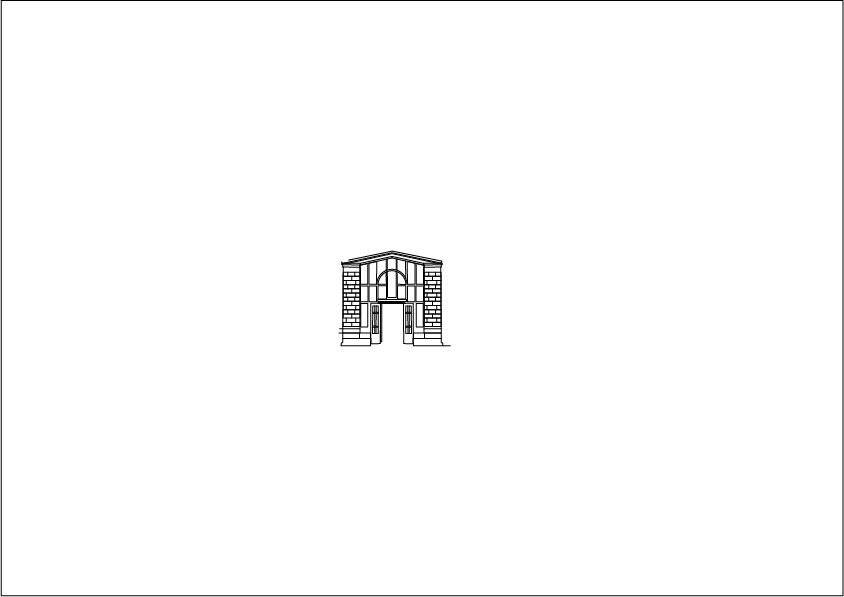
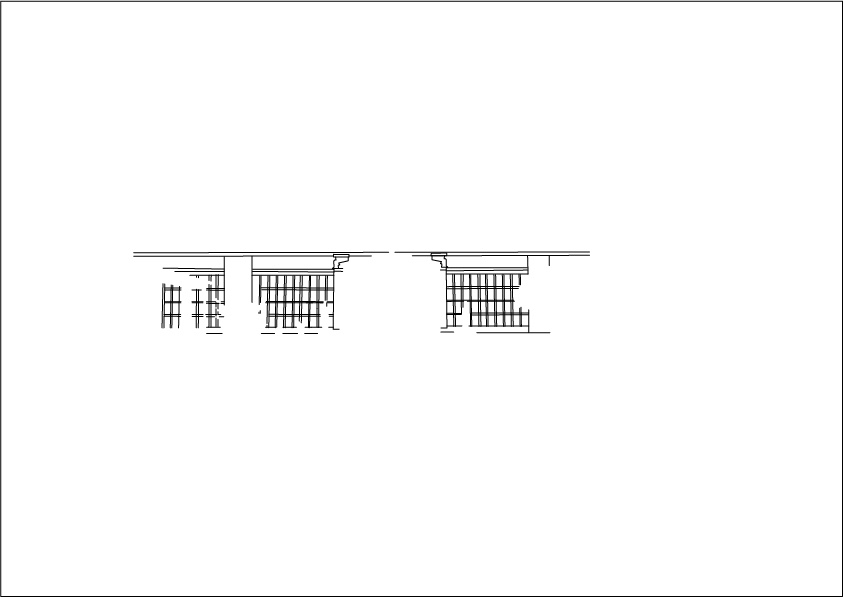
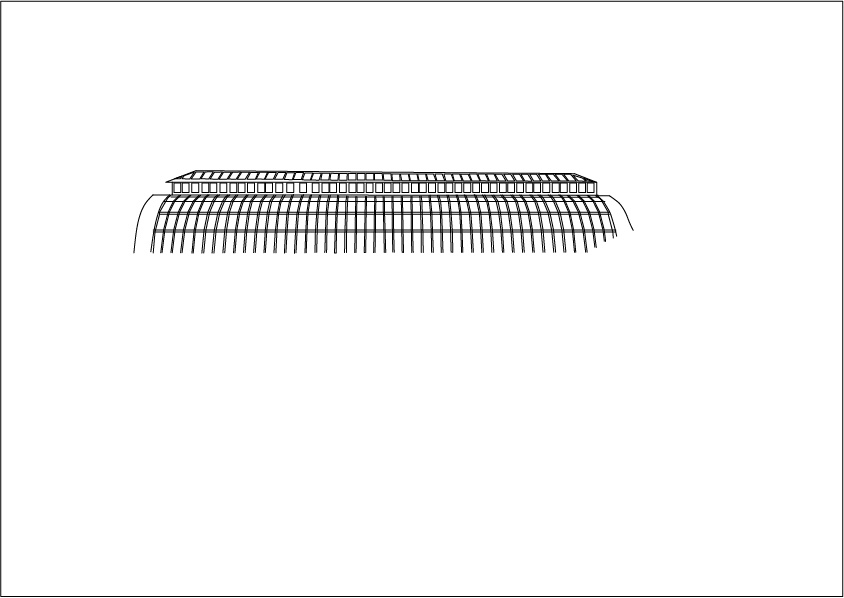
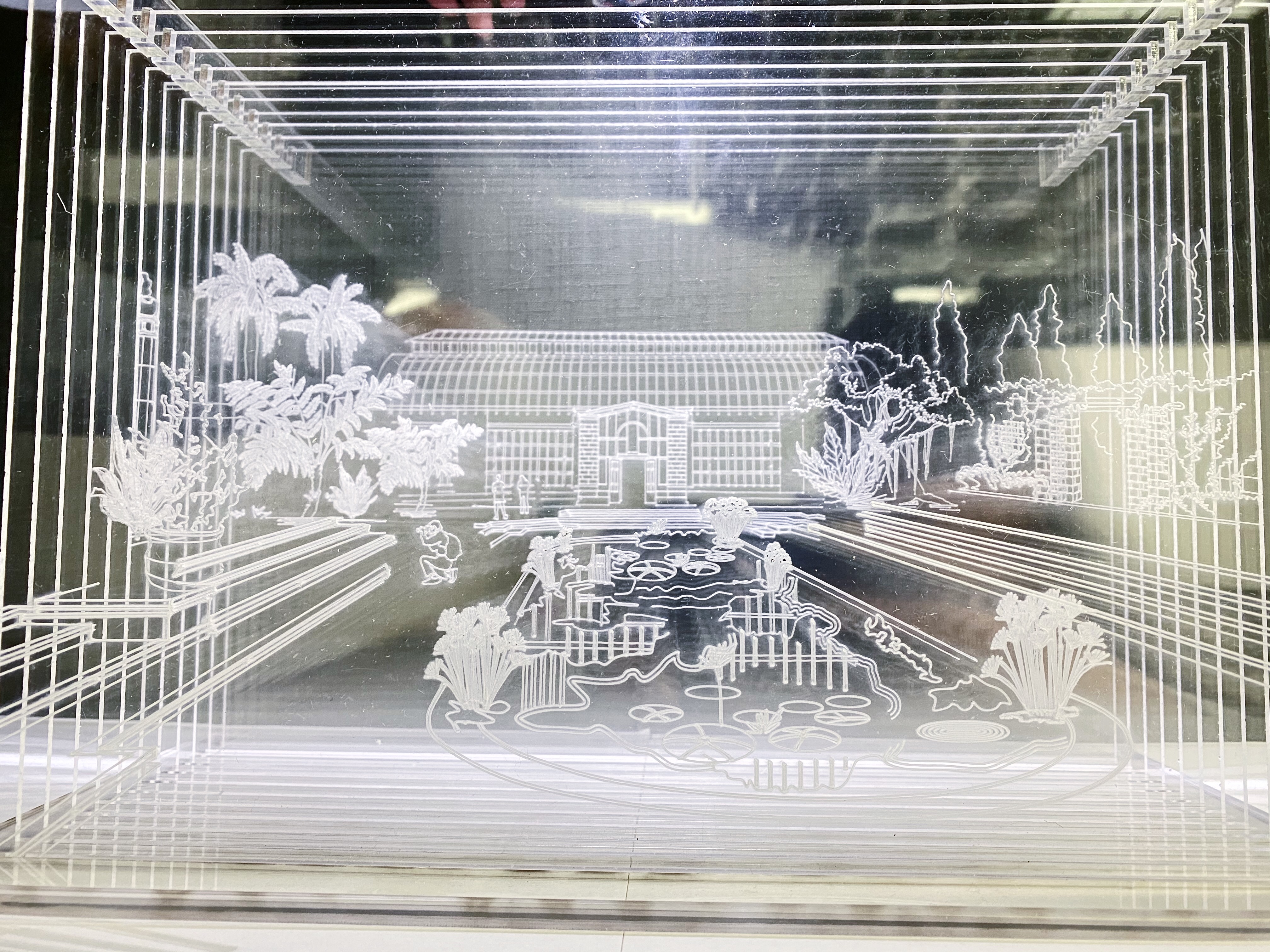
I drew this picture, and then separated it into 13 pieces from front to back in order to achieve a 3D effect by adding more layers together. The process is not complicated, but I try my best not to break the original effect, too much separation may cause the real scene to change. So I tried my best to maintain the symmetry of the left and right objects at the same latitude. The most headache for me in this process is that I painted this painting for a long time and I am not sure whether it was successful or not.
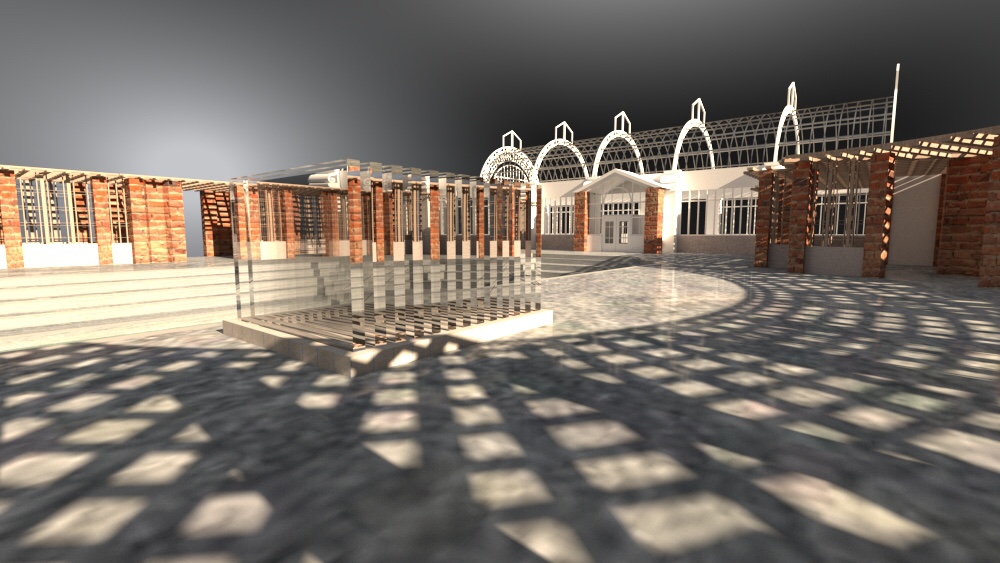
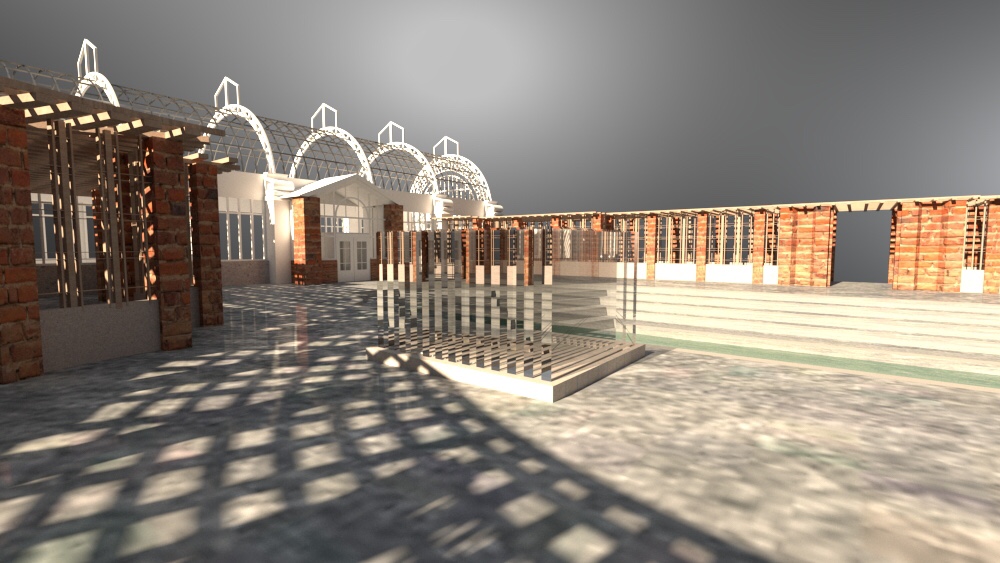
This is a model made in rhino, because the line color in acrylic is too light and the lines are too thin to be reflected in rhino. It can only be displayed by hand-made models.
Materials
Acrylic
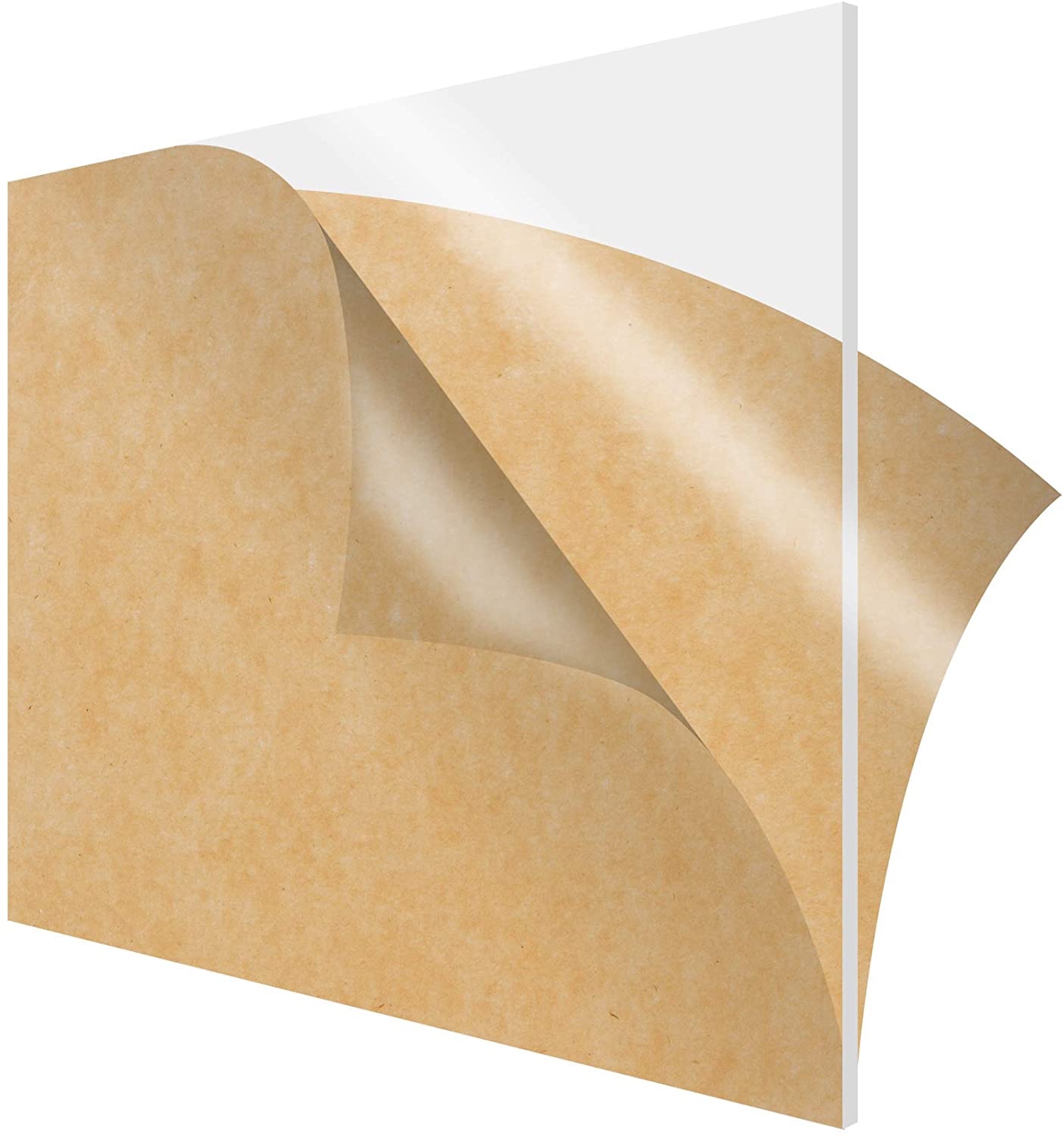
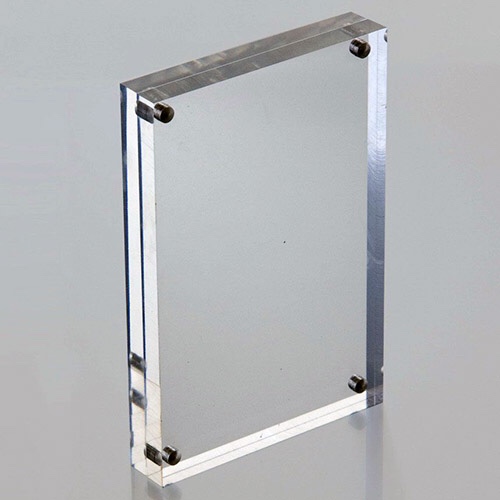
Used extensively in signage and display, Acrylic is lightweight (half that of glass), strong (9 times stronger than glass), and can be used outside with confidence.
Acrylic is very versatile and is available in a wide range of colours, sheet sizes and thickness.
Acrylic has the versatility to be fabricated, folded or moulded into various shapes and sizes. Acrylic can be used for a wide variety of things from boat windows, feature panels through to lining walls.
Aluminum alloy
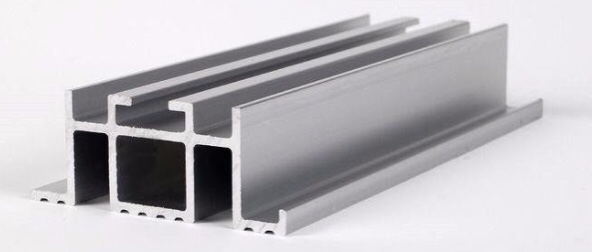
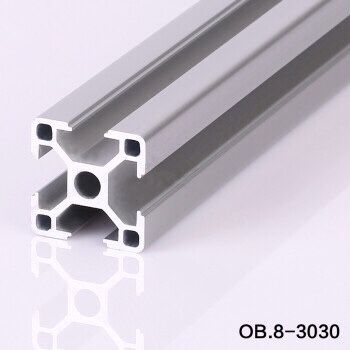
Aluminium alloys (or aluminum alloys; see spelling differences) are alloys in which aluminium (Al) is the predominant metal. The typical alloying elements are copper, magnesium, manganese, silicon, tin and zinc. There are two principal classifications, namely casting alloys and wrought alloys, both of which are further subdivided into the categories heat-treatable and non-heat-treatable. About 85% of aluminium is used for wrought products, for example rolled plate, foils and extrusions. Cast aluminium alloys yield cost-effective products due to the low melting point, although they generally have lower tensile strengths than wrought alloys. The most important cast aluminium alloy system is Al–Si, where the high levels of silicon (4.0–13%) contribute to give good casting characteristics. Aluminium alloys are widely used in engineering structures and components where light weight or corrosion resistance is required.
Laser cutting is a technology that uses a laser to vaporize materials, resulting in a cut edge. While typically used for industrial manufacturing applications, is now used by schools, small businesses, and hobbyists. Laser cutting works by directing the output of a high-power laser most commonly through optics. The laser optics and CNC (computer numerical control) are used to direct the material or the laser beam generated. A commercial laser for cutting materials uses a motion control system to follow a CNC or G-code of the pattern to be cut onto the material. The focused laser beam is directed at the material, which then either melts, burns, vaporizes away, or is blown away by a jet of gas, leaving an edge with a high-quality surface finish.
Model Making
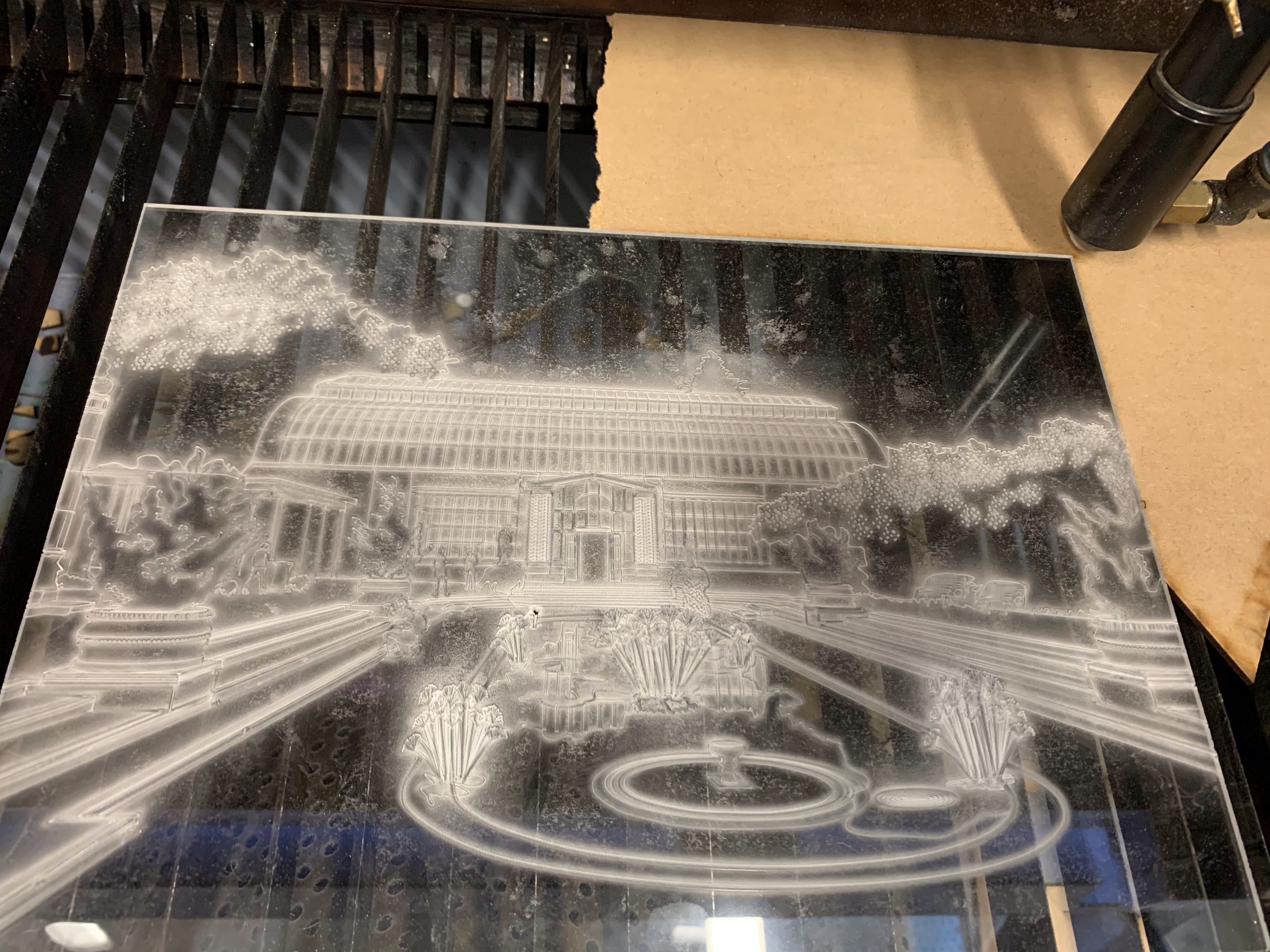
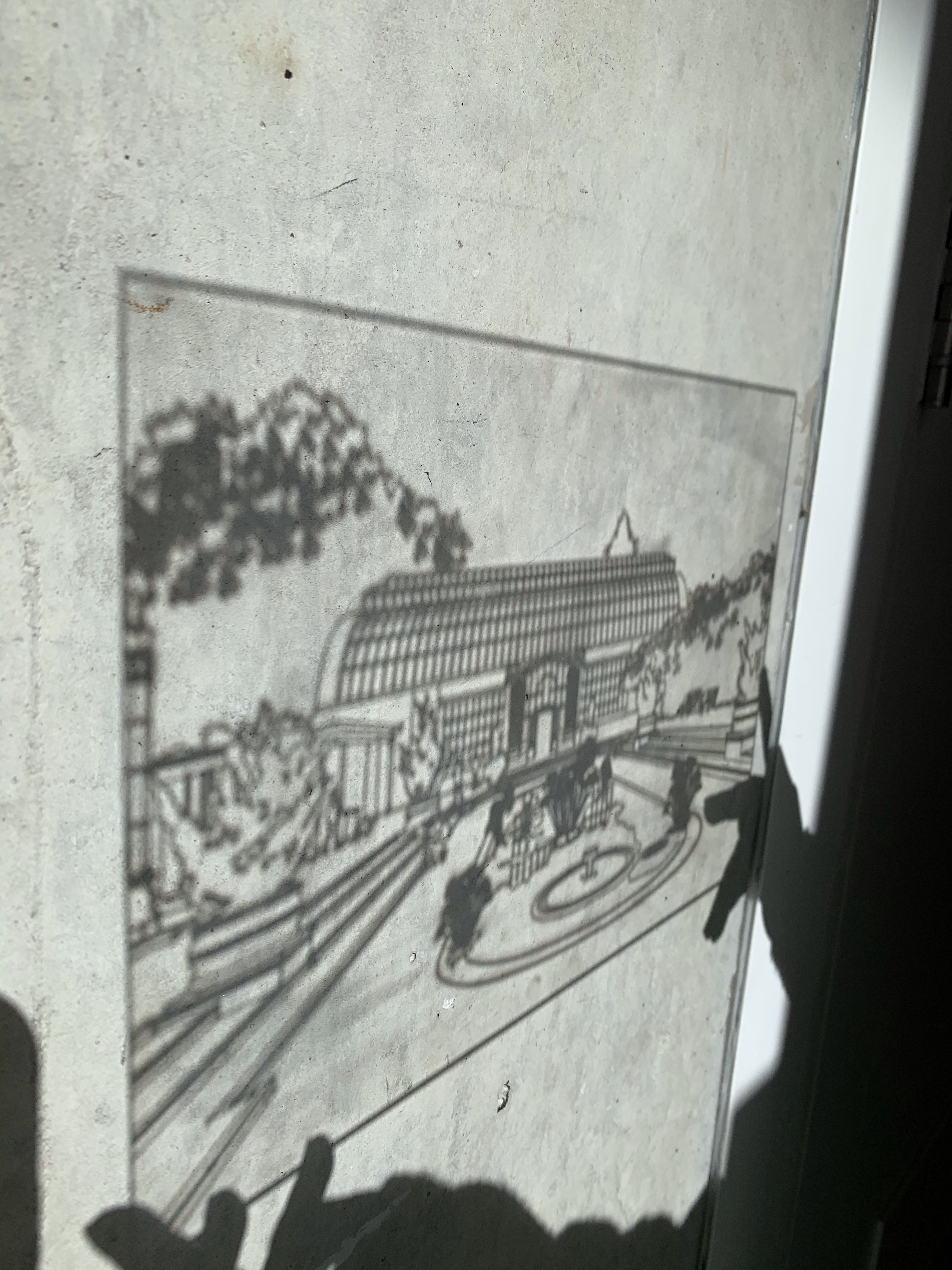
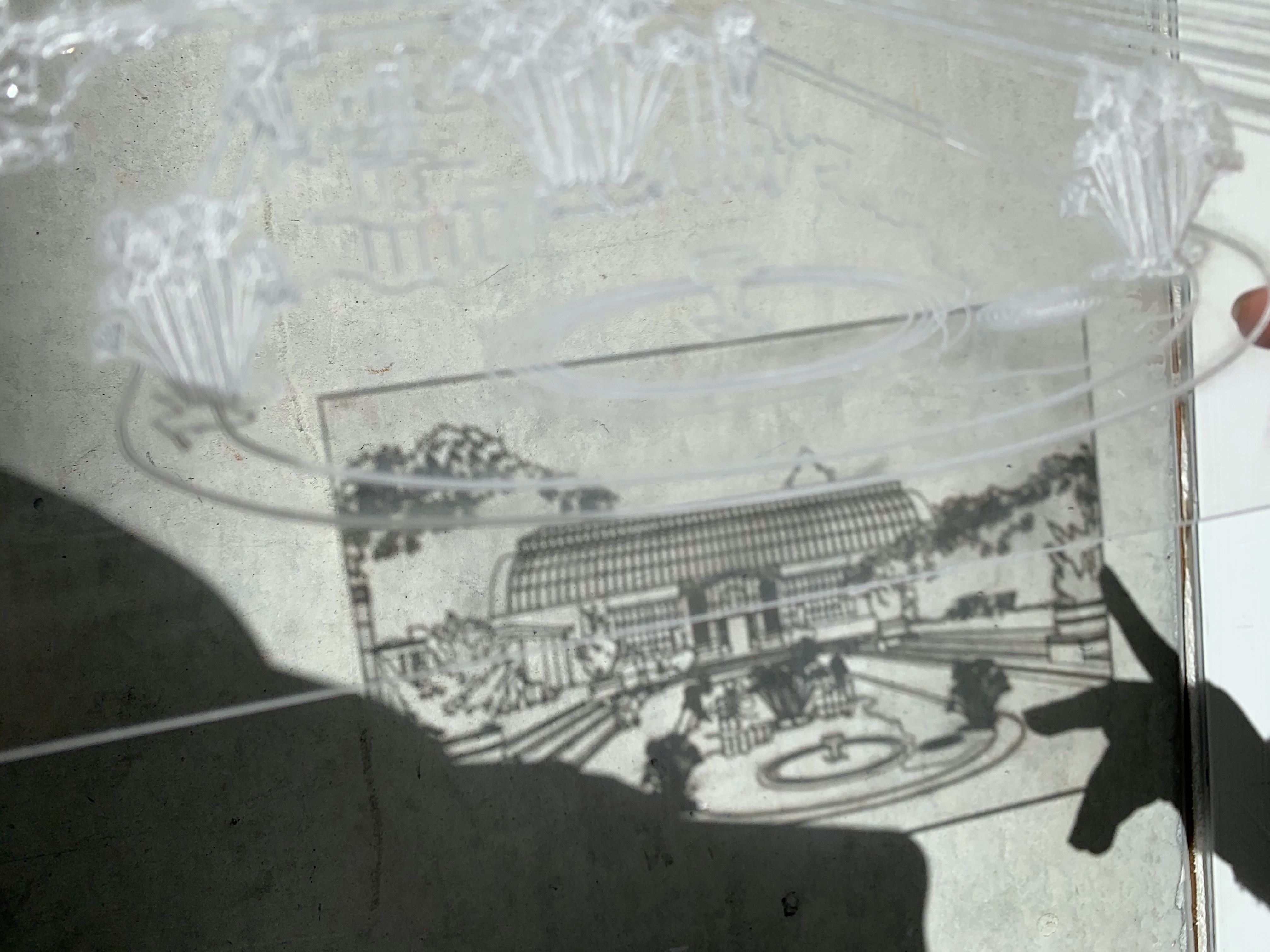
After drawing the picture in rhino, I used laser cutting to complete the model. The process was very long because of too many lines and too complicated. I encountered some problems in the production, because it is A4, so it is relatively small. In the process of drawing, I need to pay attention to details, too much detail will affect its effect. Because I want to keep the finished picture, the power cannot be too strong in laser cutting. What surprised me is that its shadow is also a complete wintergardens. If there is plenty of sunlight, its shadow can also be shown.
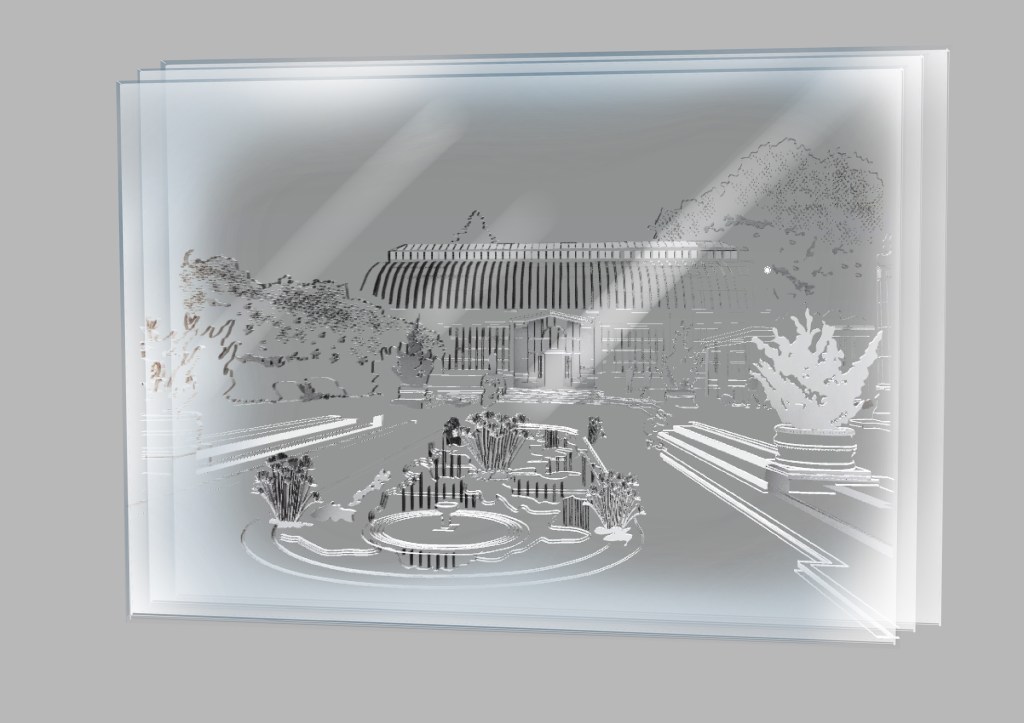
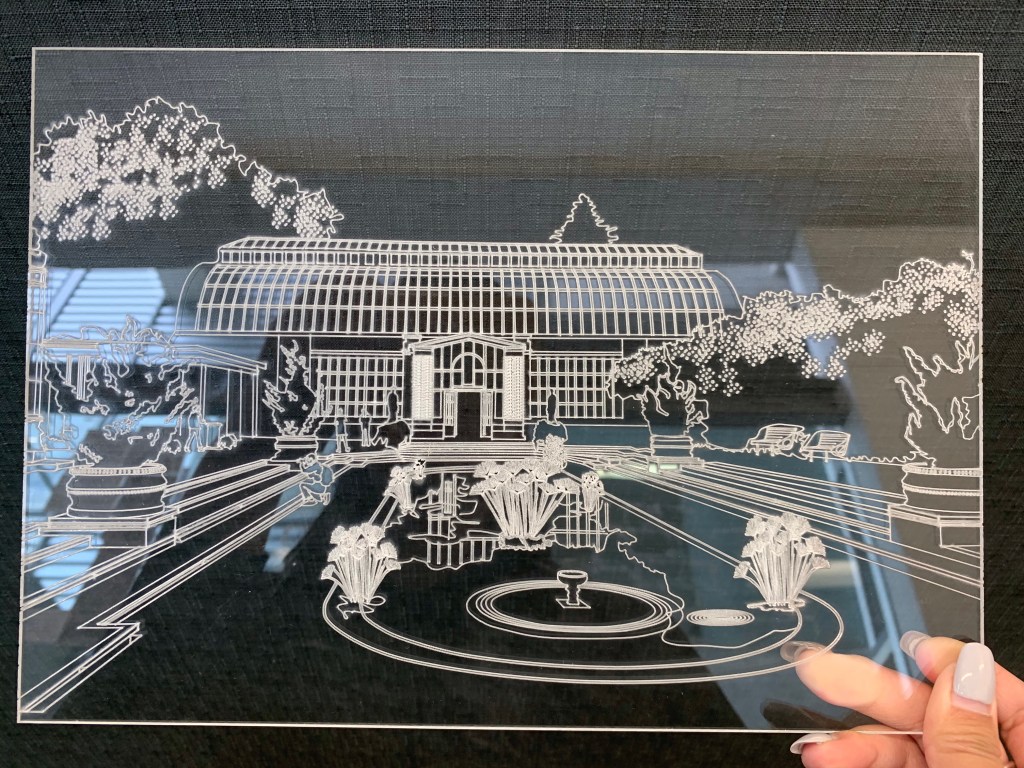
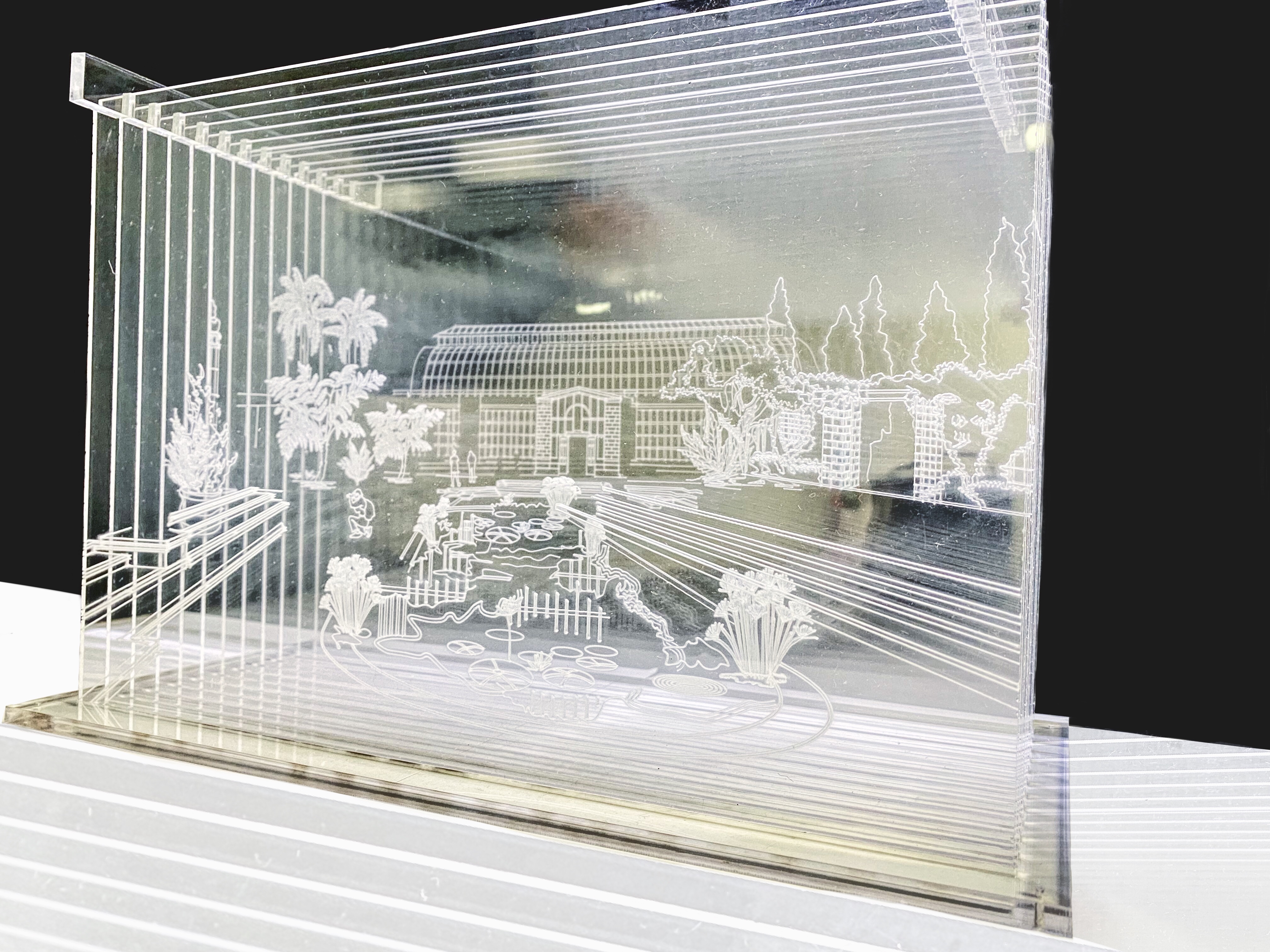
Overall it is quite satisfactory. Because laser cutting can achieve the effect I want. I will separate this picture into 13 copies, as I did above. The final complete look of the arrangement from front to back is as shown in the figure above.
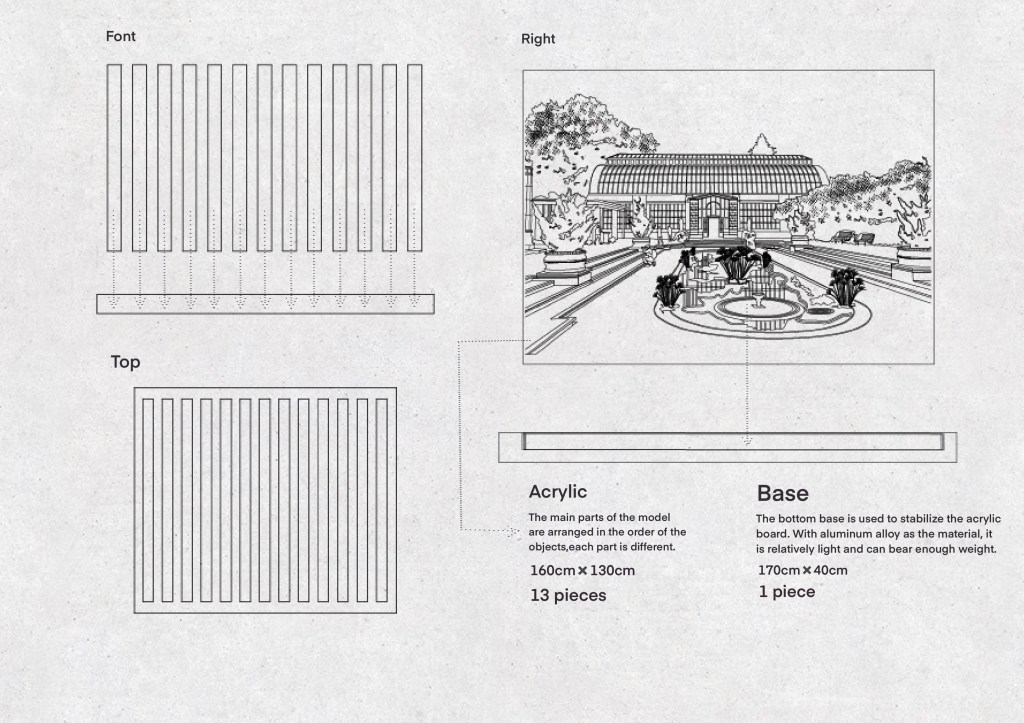
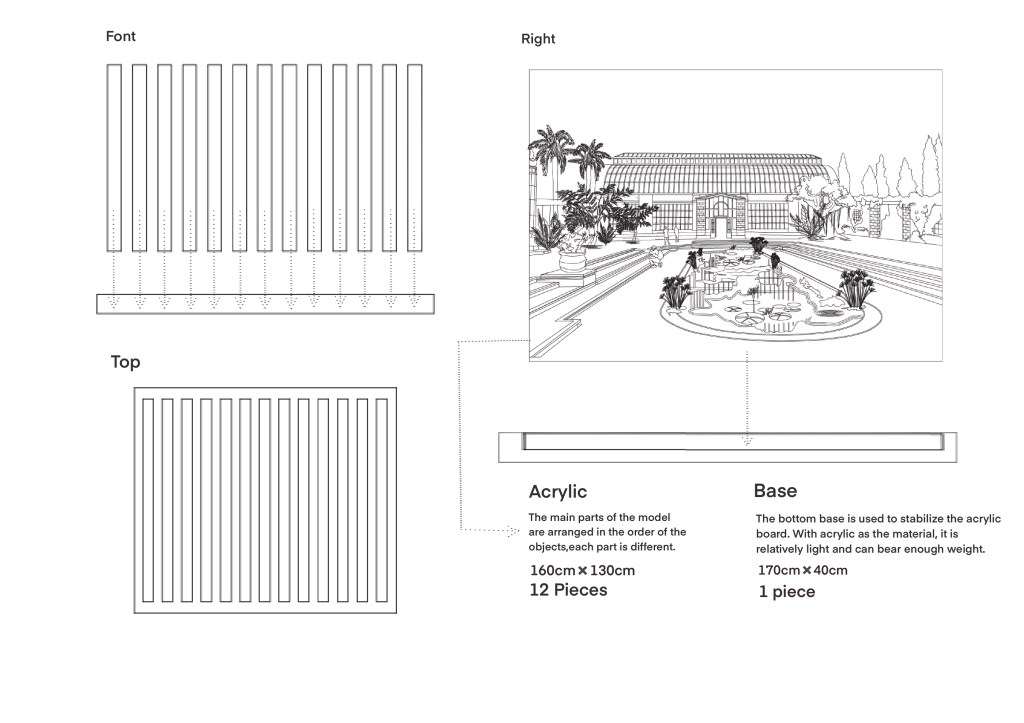
This is the structure diagram of the installation. There are 13 toilets in total, and there will be a base for fixing.
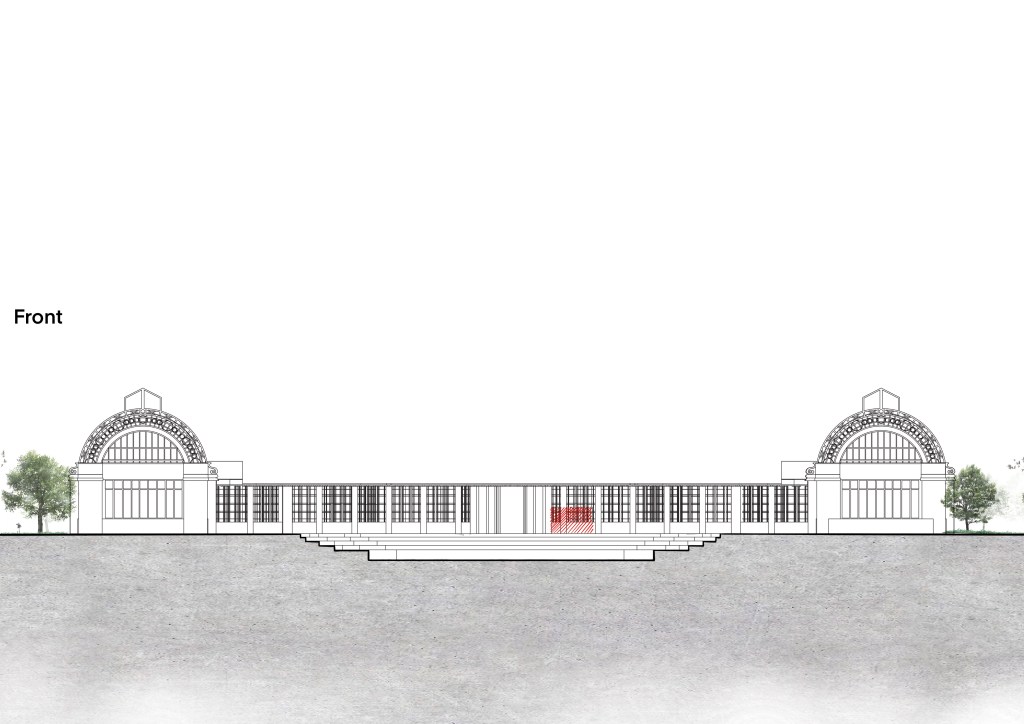
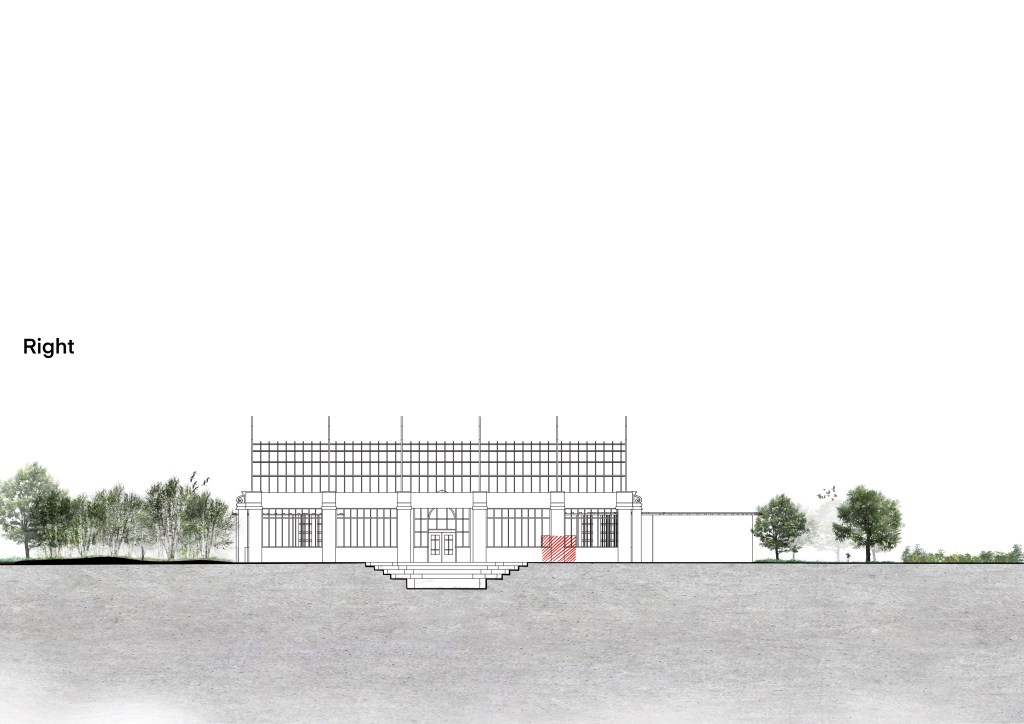
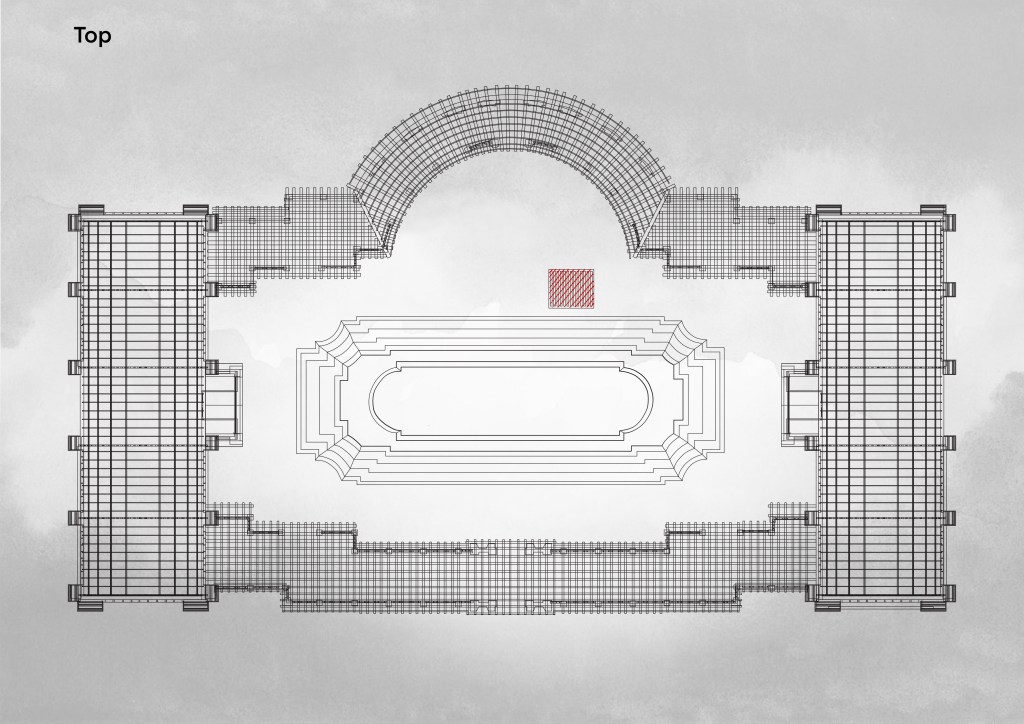
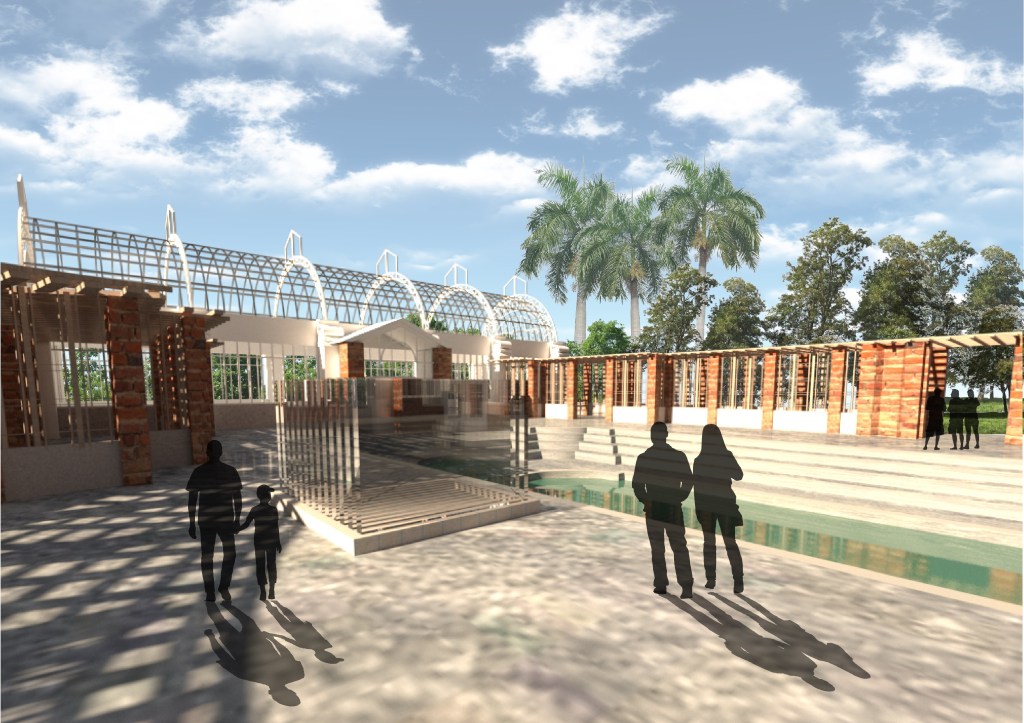
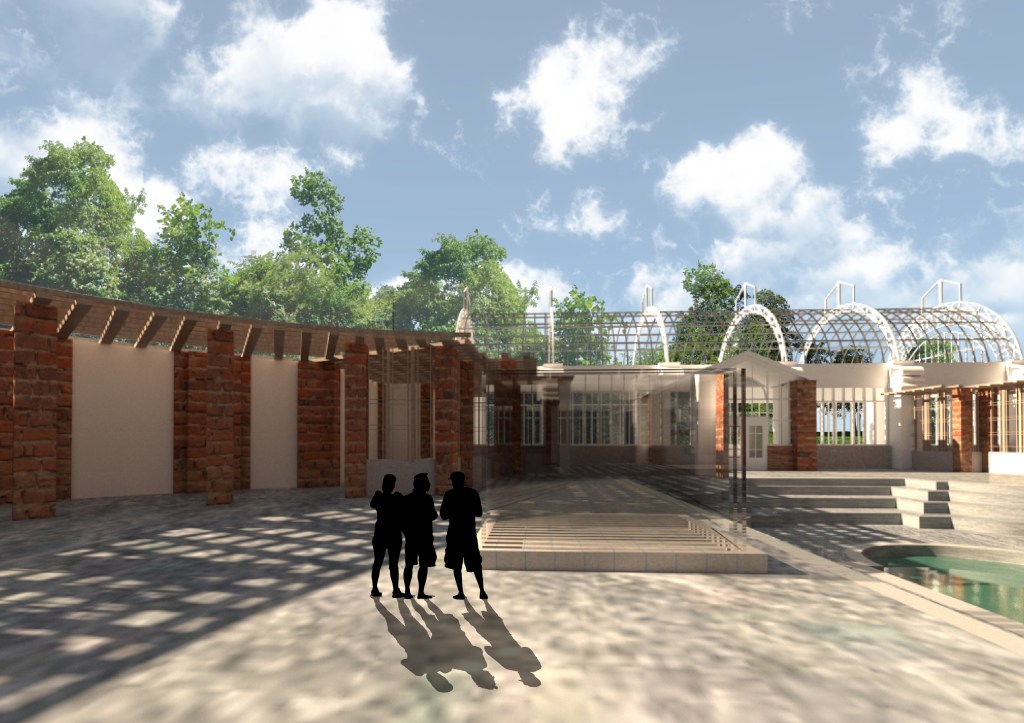
Formal Presentation
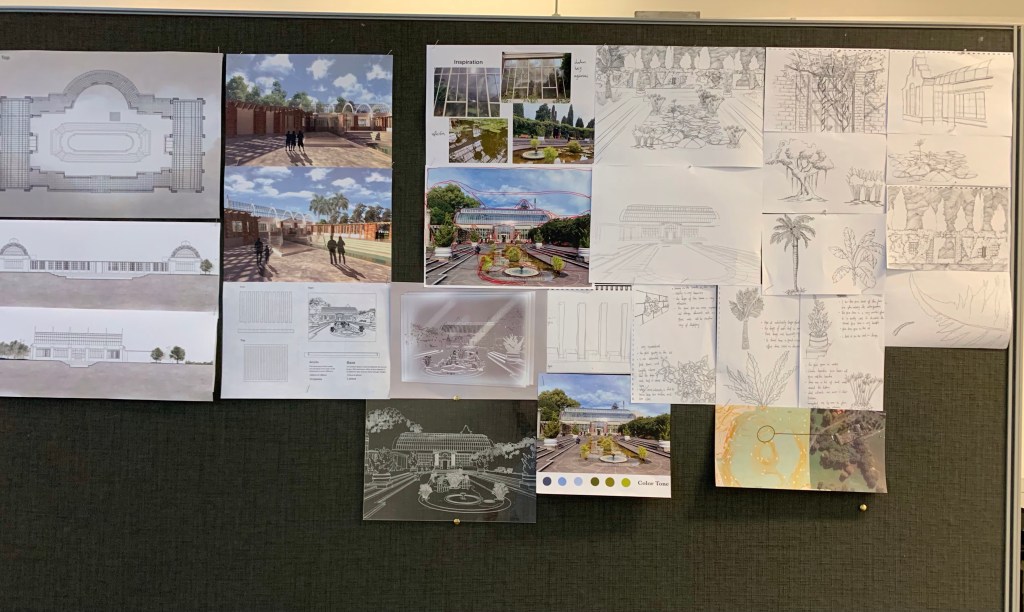
I got some opinions after the presentation. I should continue to develop my work in depth and continue to think about its best placement. I am thinking about how to make my work more complete? I think it is not deep enough now, and my statement is not strong enough. All in all, many problems need to be improved. Can I bring color into my work? Are there other techniques to complete my work? Can the overall picture continue to develop? I need to continue to explore and solve these problems.
Design Develop
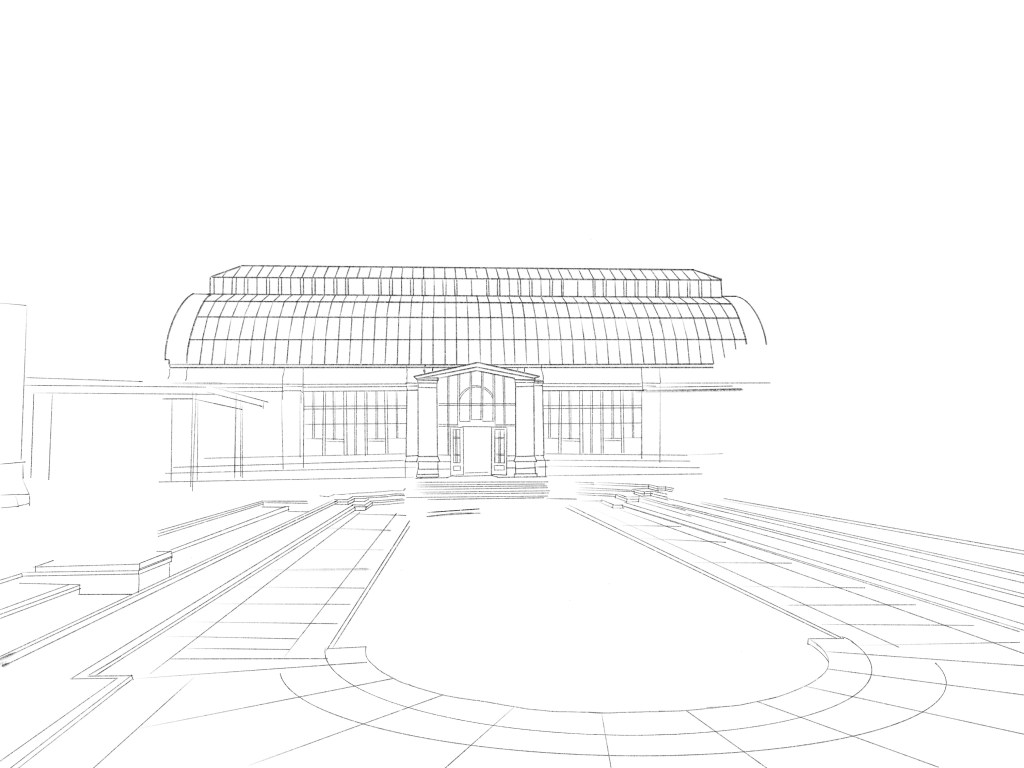
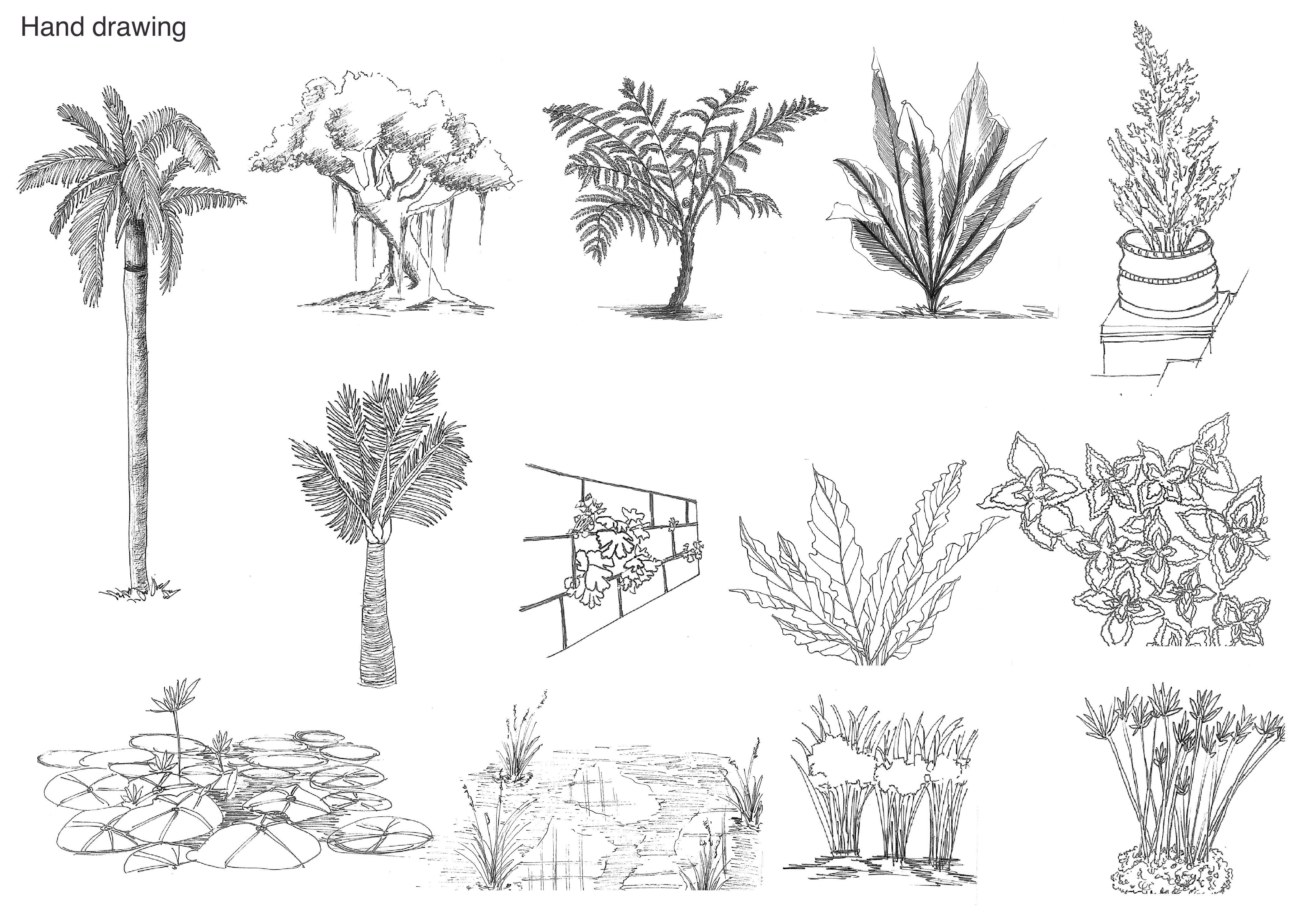
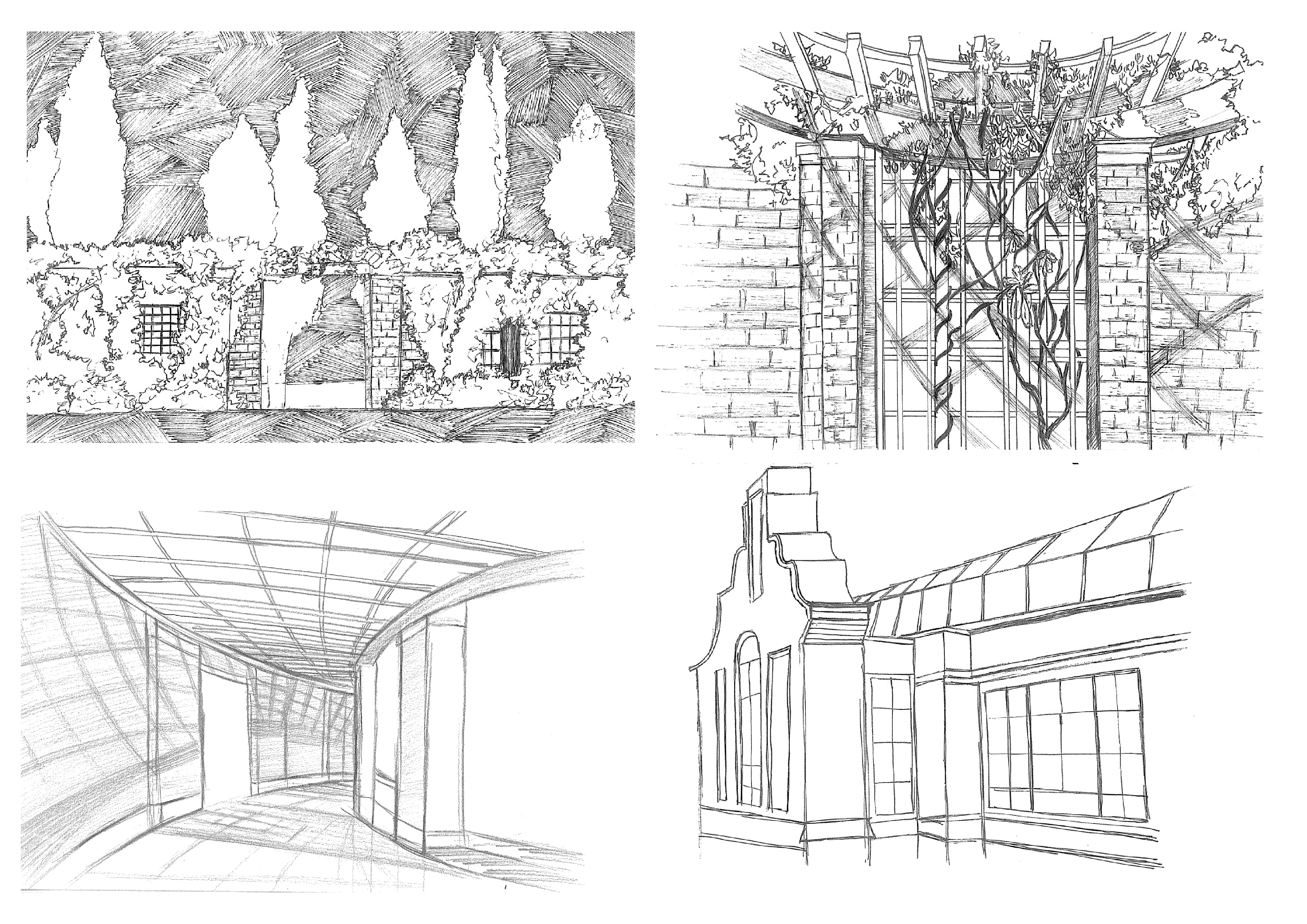
After thinking about it, I felt that I would paint the main building. In the process, I found that I could bring my own paintings into my model. There are plants on both sides of the main building. I painted a lot of plants that I am impressed with and some plant patterns that I am interested in. I will try to bring them into my model. I like hand-drawn works because I am thinking in the process of drawing. And these works carry my memory, my mood and so on.
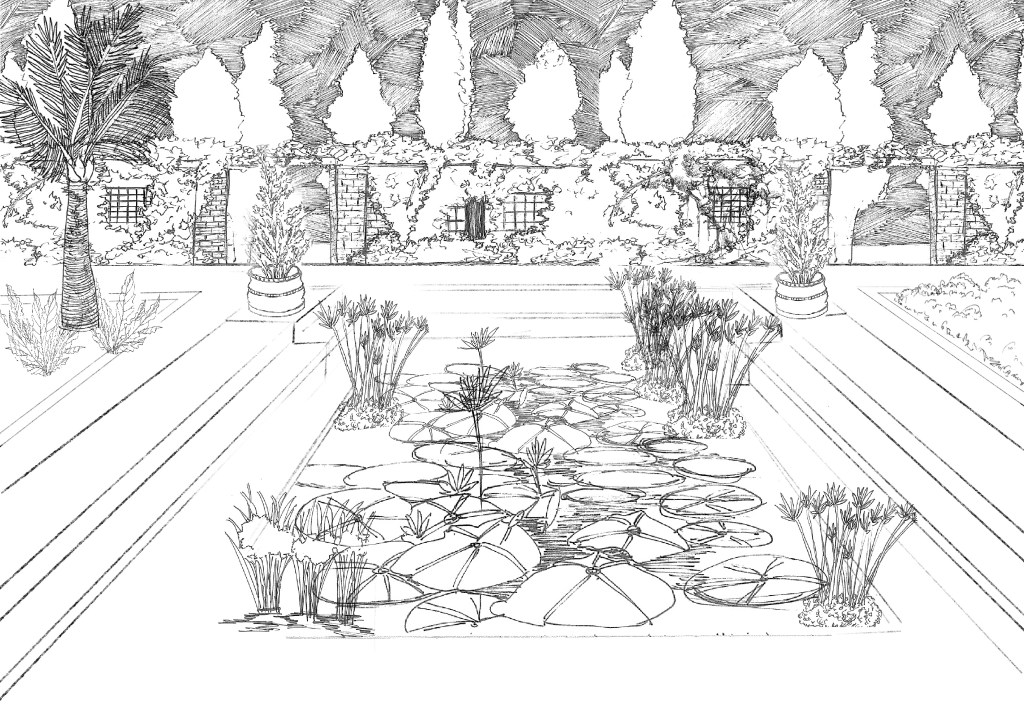
I used my own sketches for stitching, and I tried to use these sketches to stitch together a wintergardens that I remembered. This is a good attempt. I think I can continue to develop and explore the best way to display it.
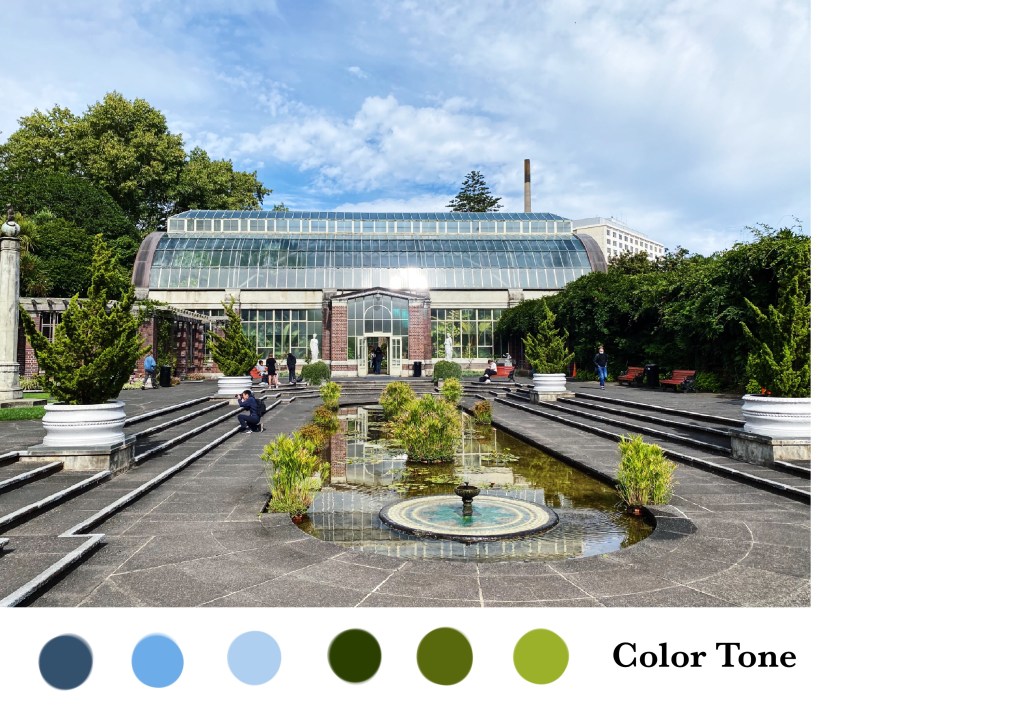
I want to bring color into my work, which will make the work more complete. I chose the main color from this photo. I will try different ways to test out the best way to show my work. Green is the main color in wintergardens. Almost every plant will have green. Blue is the background color and I think it is indispensable. Blue will bring out its vitality.
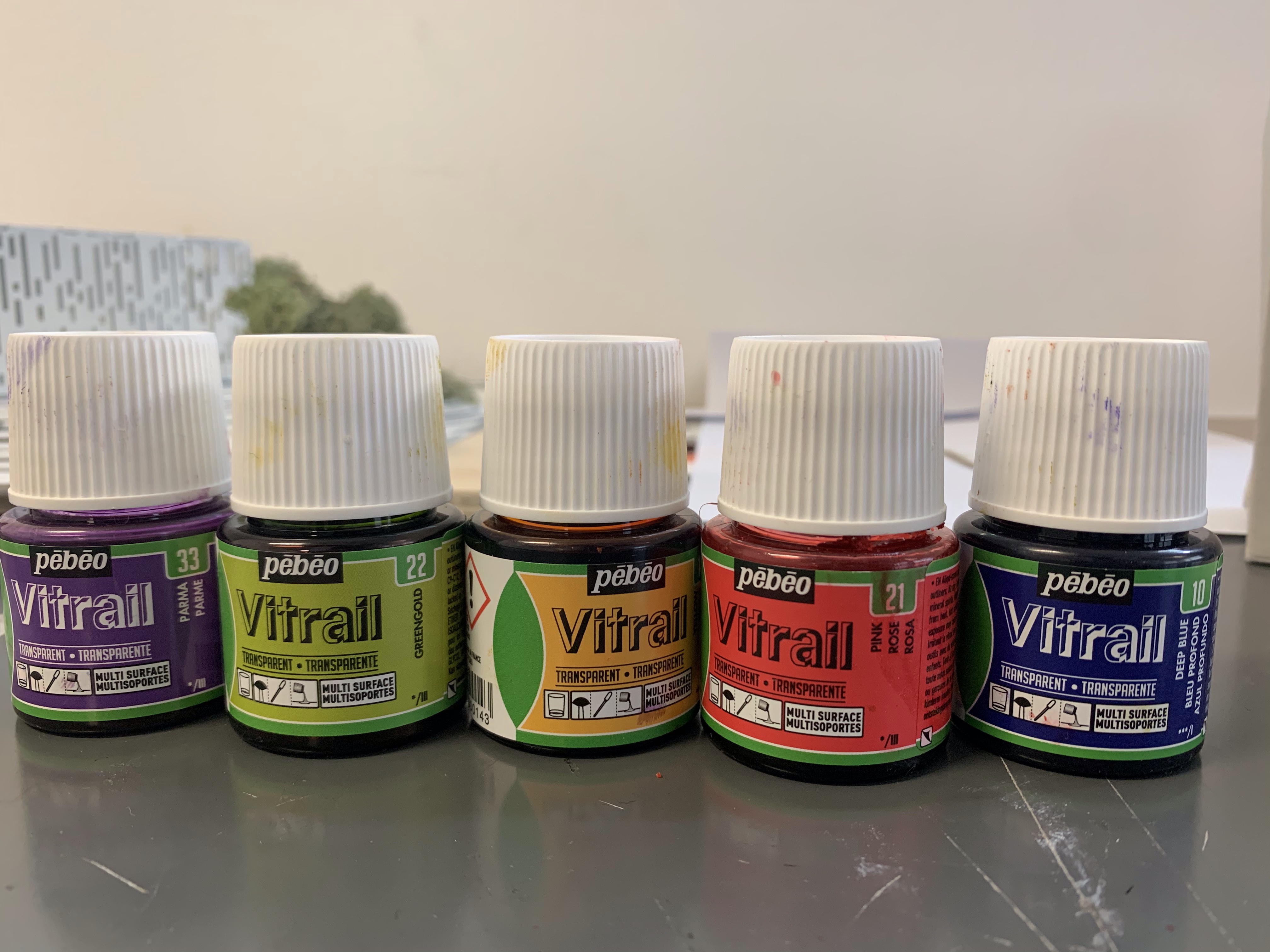
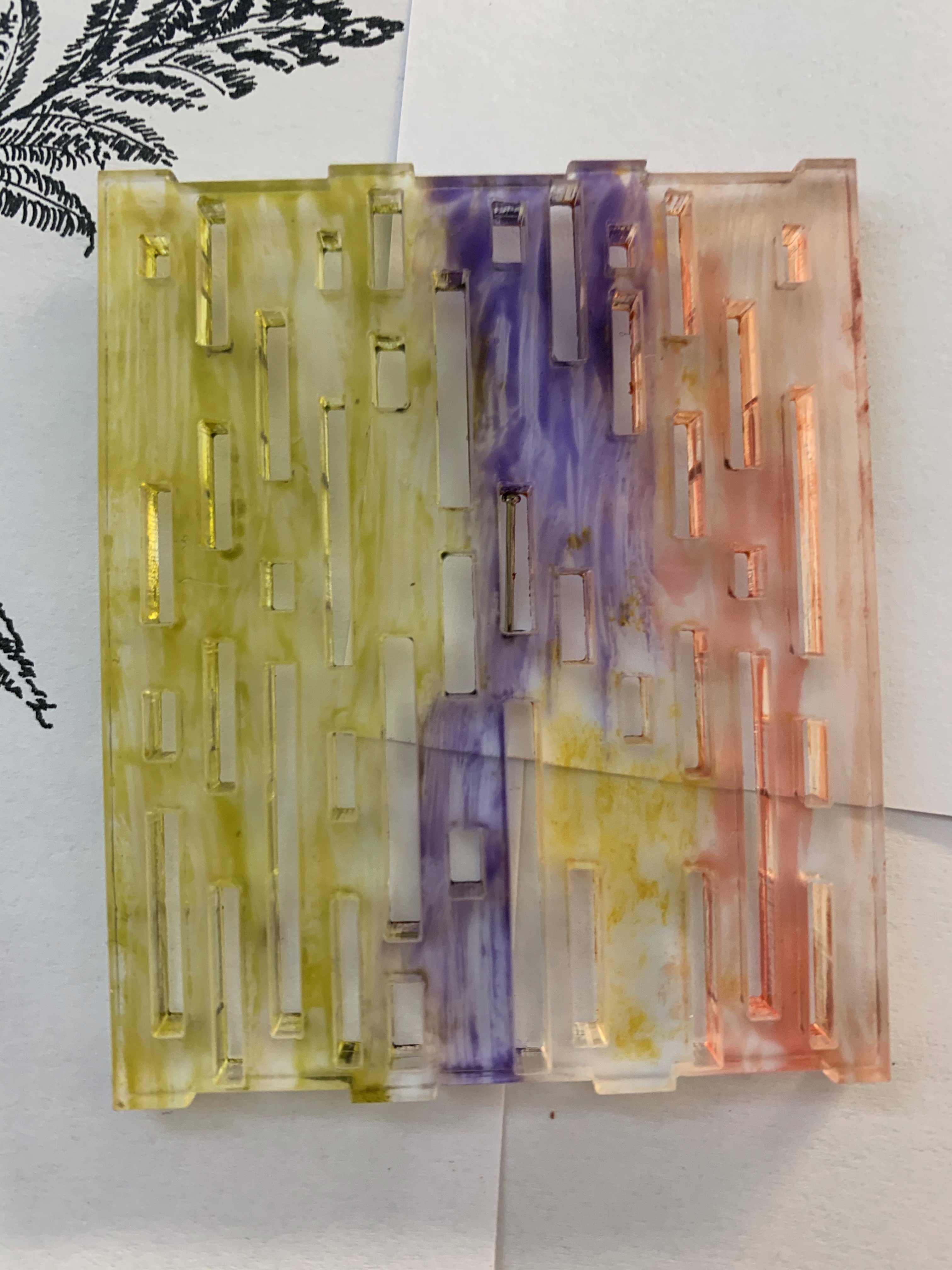
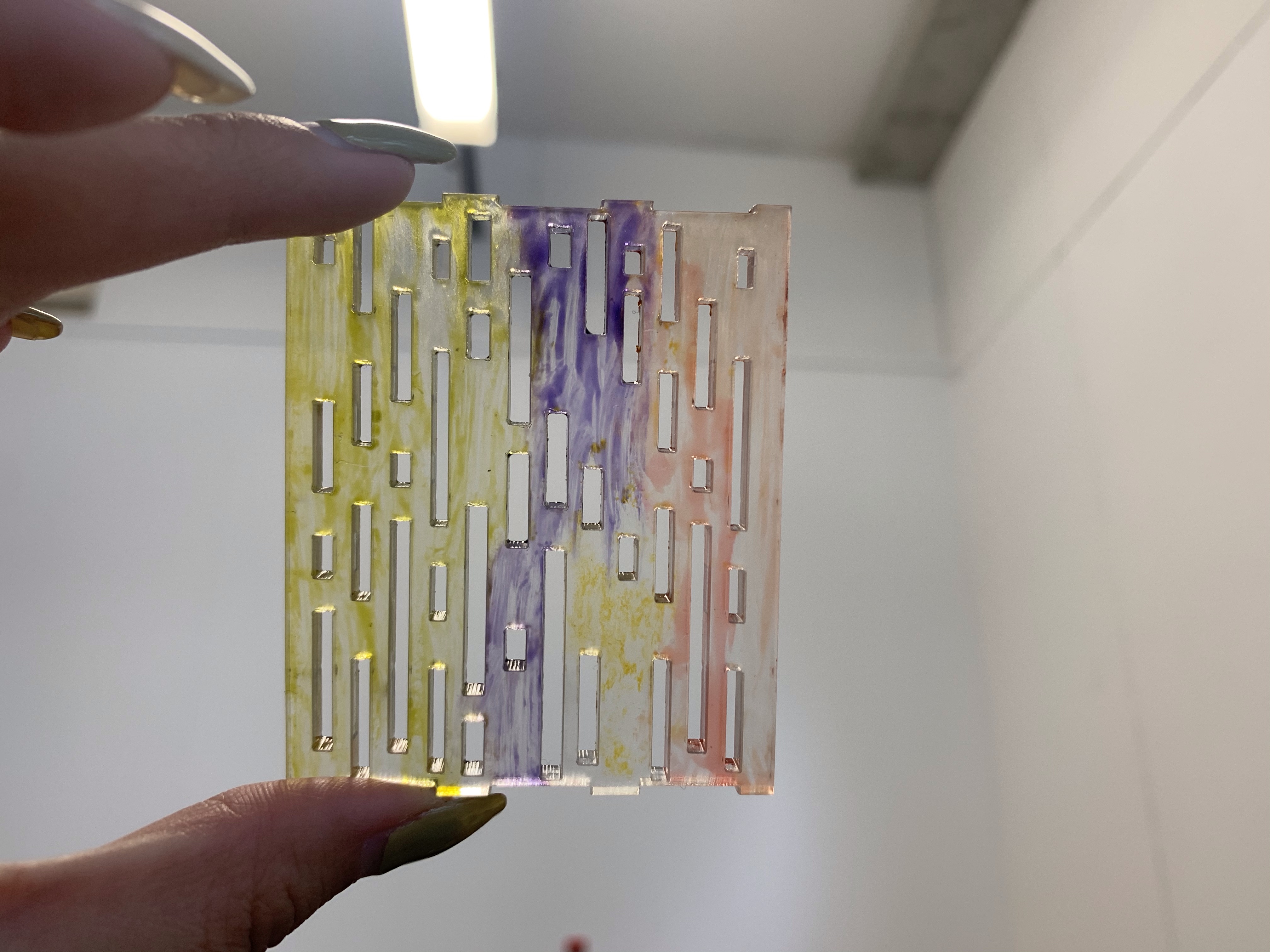
This is a pigment that can be used on glass. It has strong light transmittance, which can make the glass have a light color. But its disadvantage is that it is too viscous, and there is a certain degree of difficulty in the process of use. Large areas of smearing will break the overall picture. This is just a test, but unfortunately it failed. Because hand-painted paints cannot achieve flawless results.
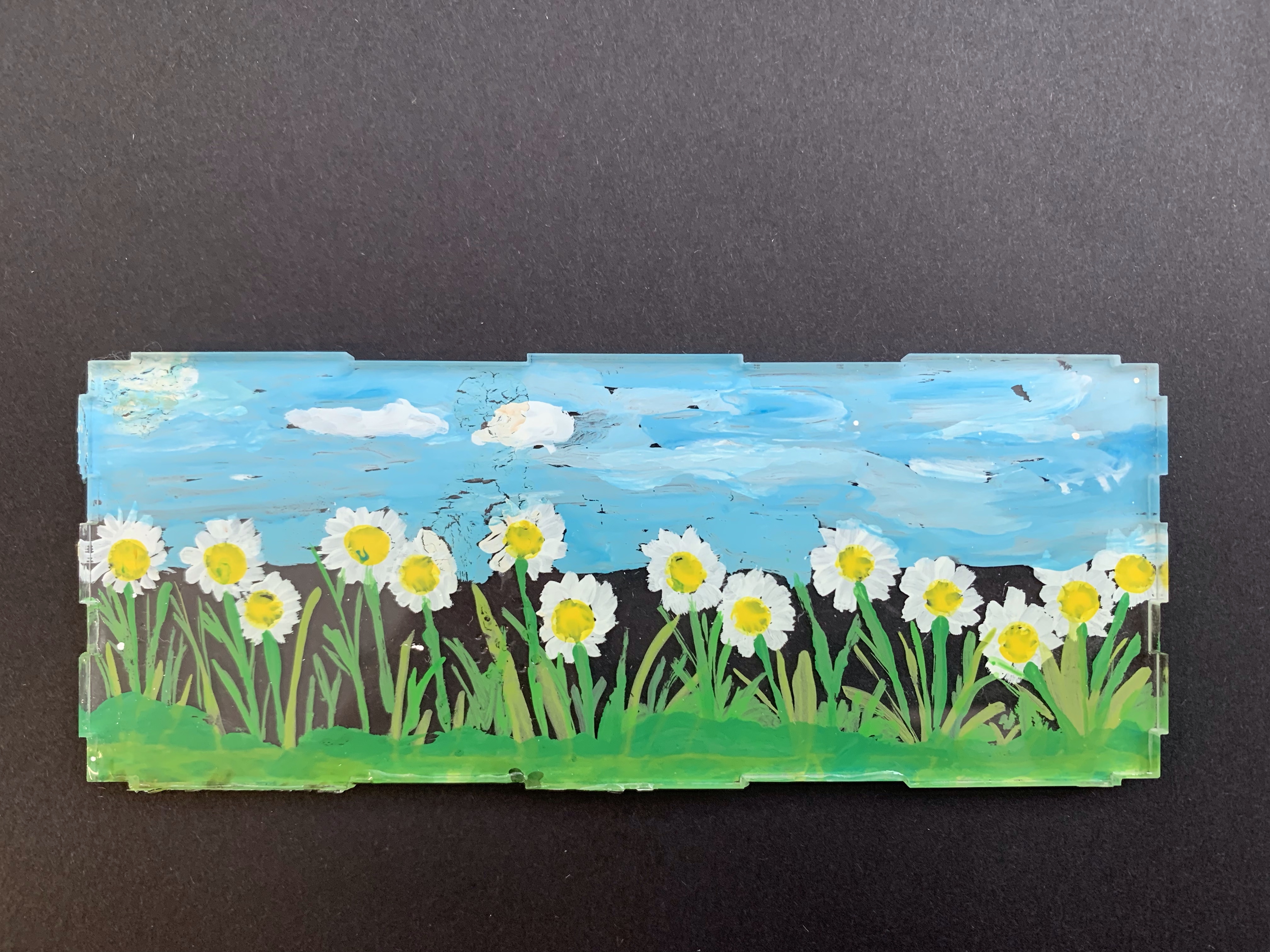
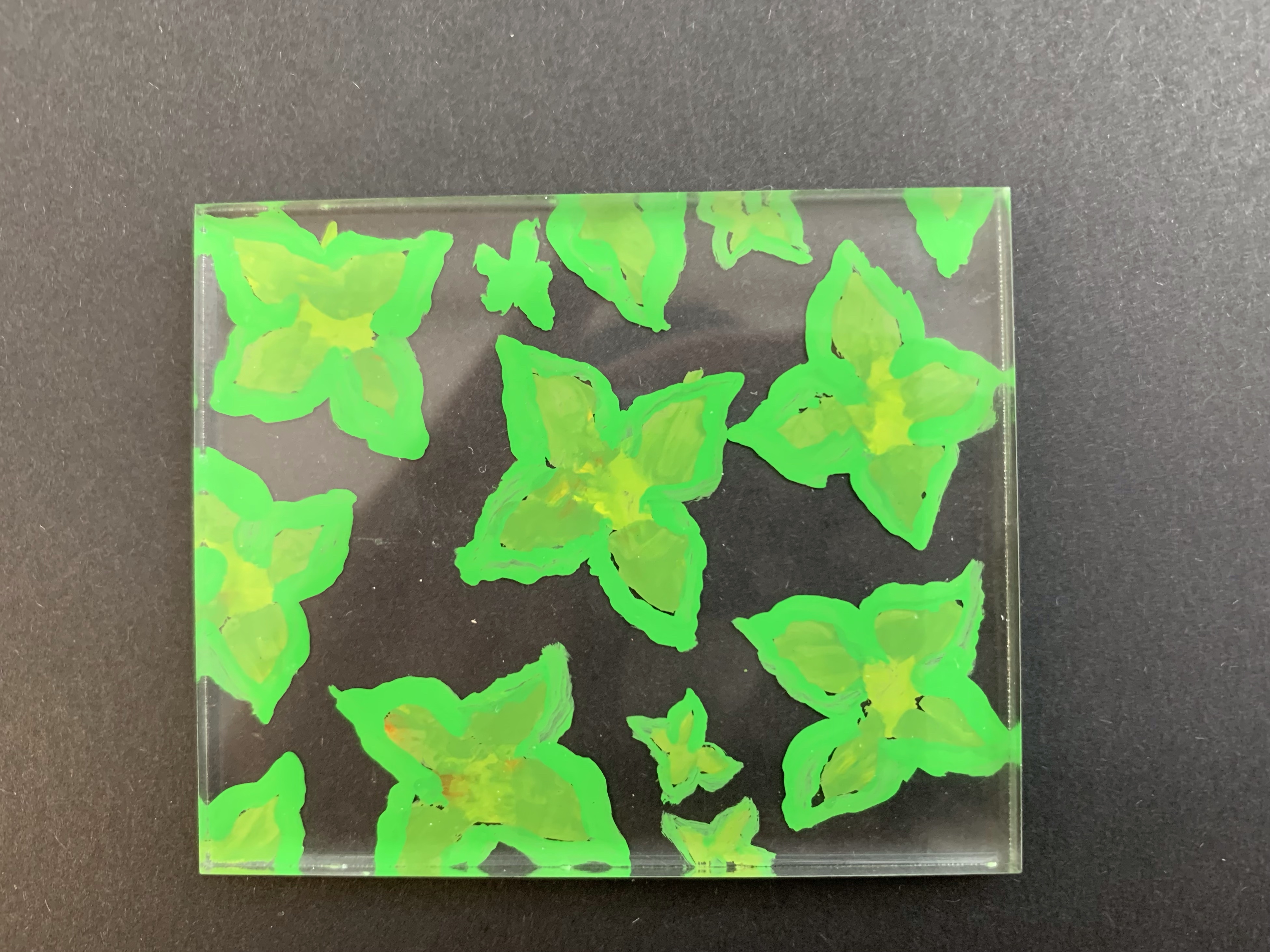
This is the second test. I used watercolor to paint some plant patterns and small scenes, but unfortunately it still failed. Watercolor is not translucent, it completely obscures the objects behind it.
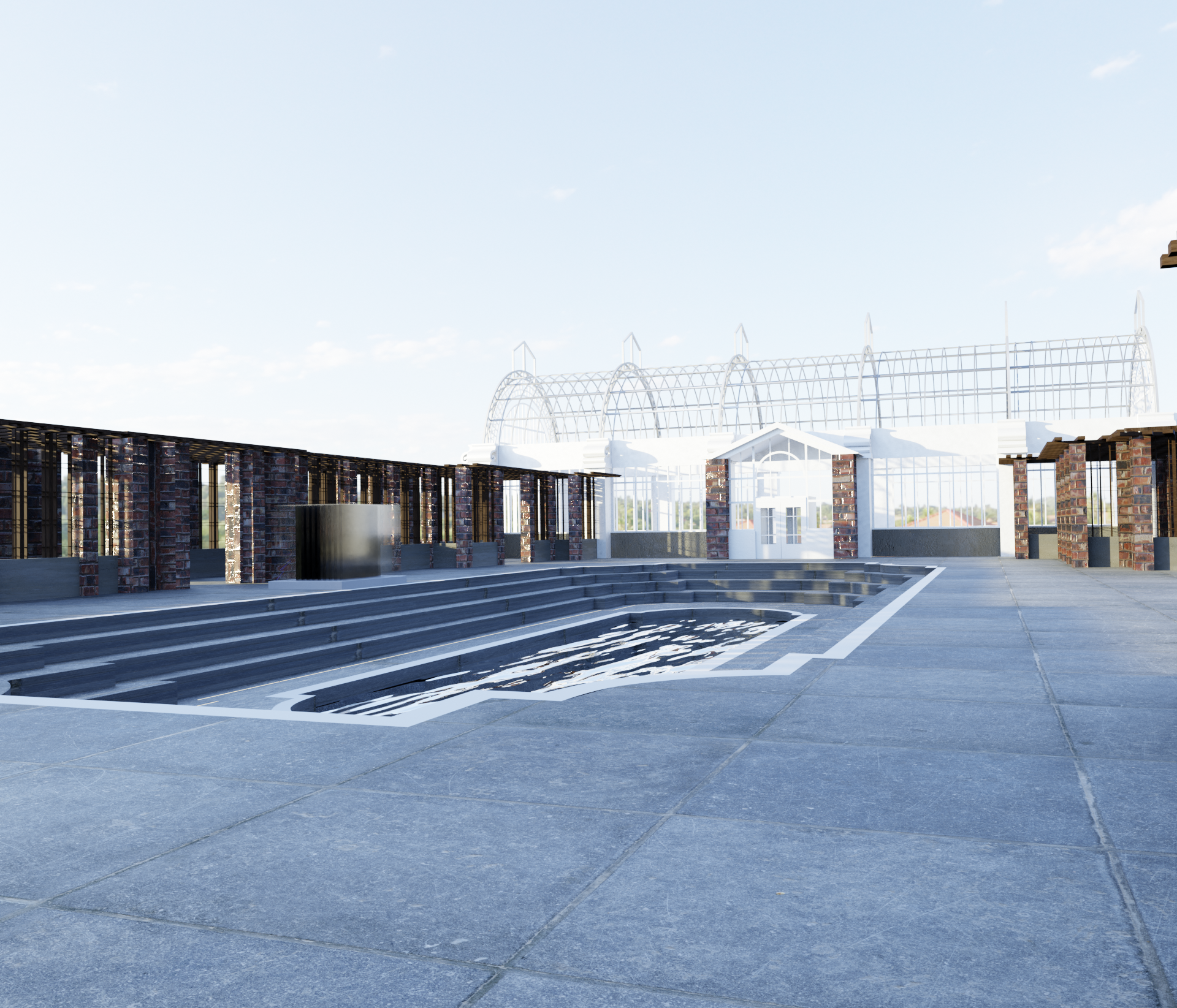
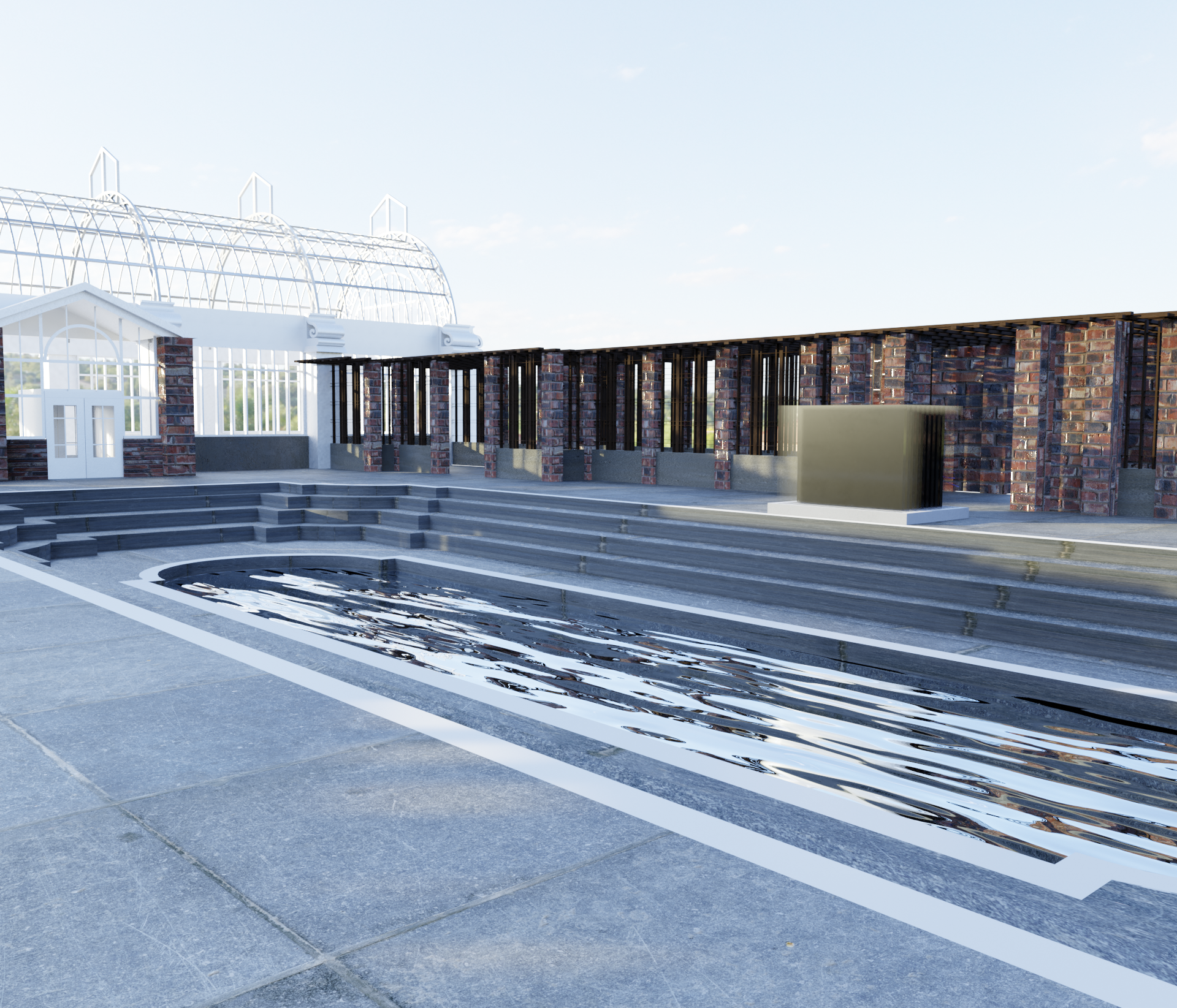
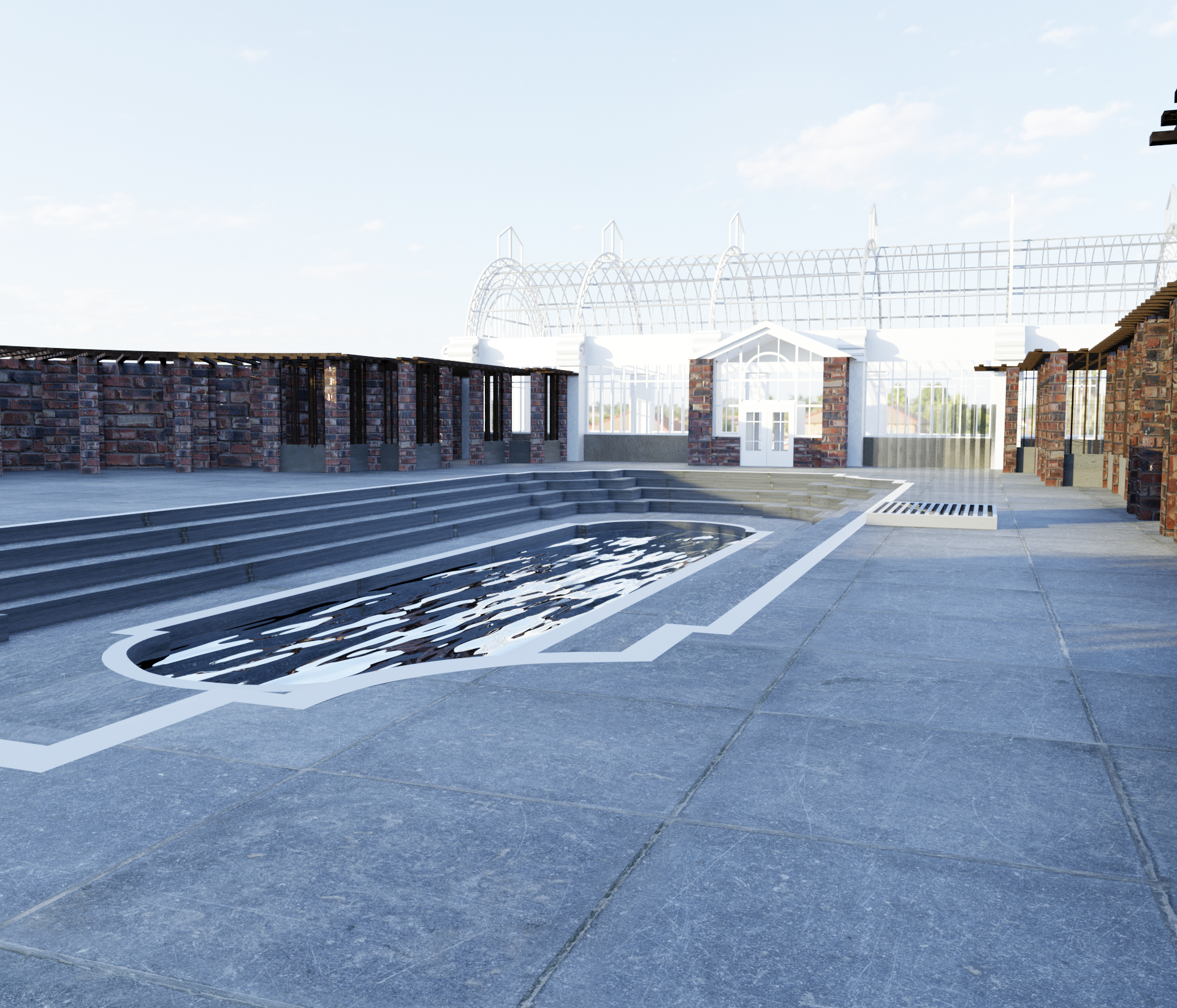
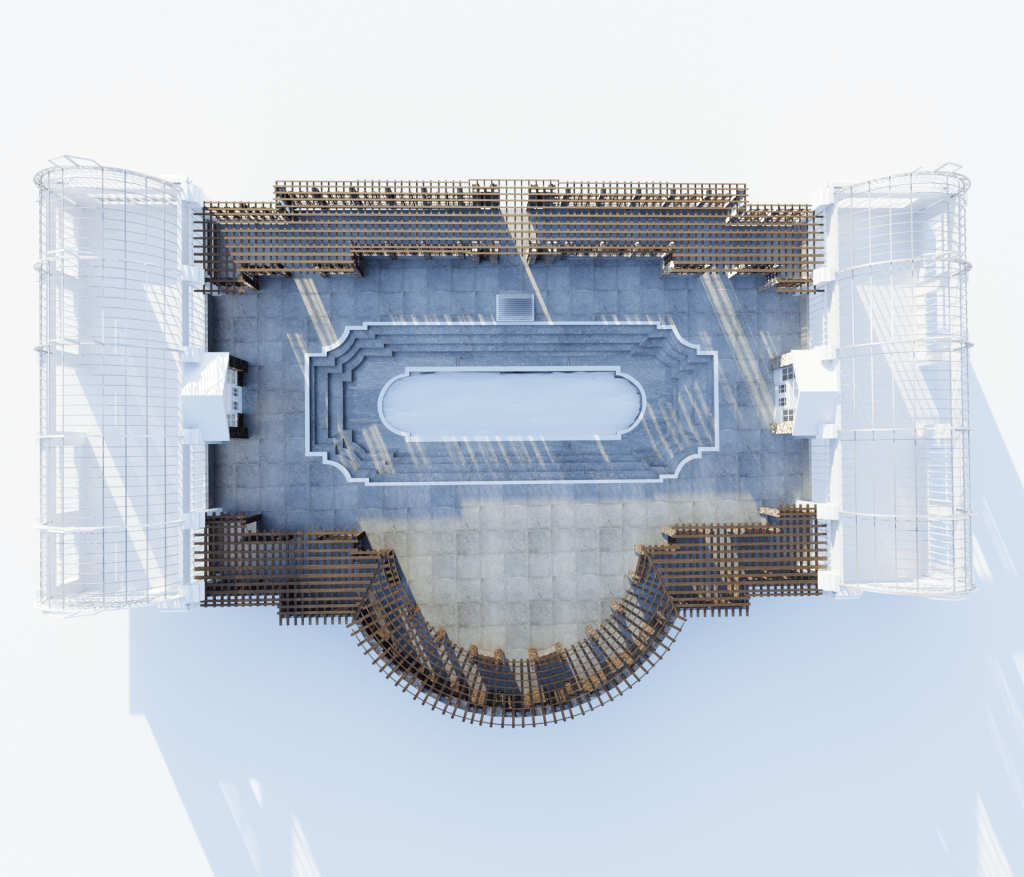
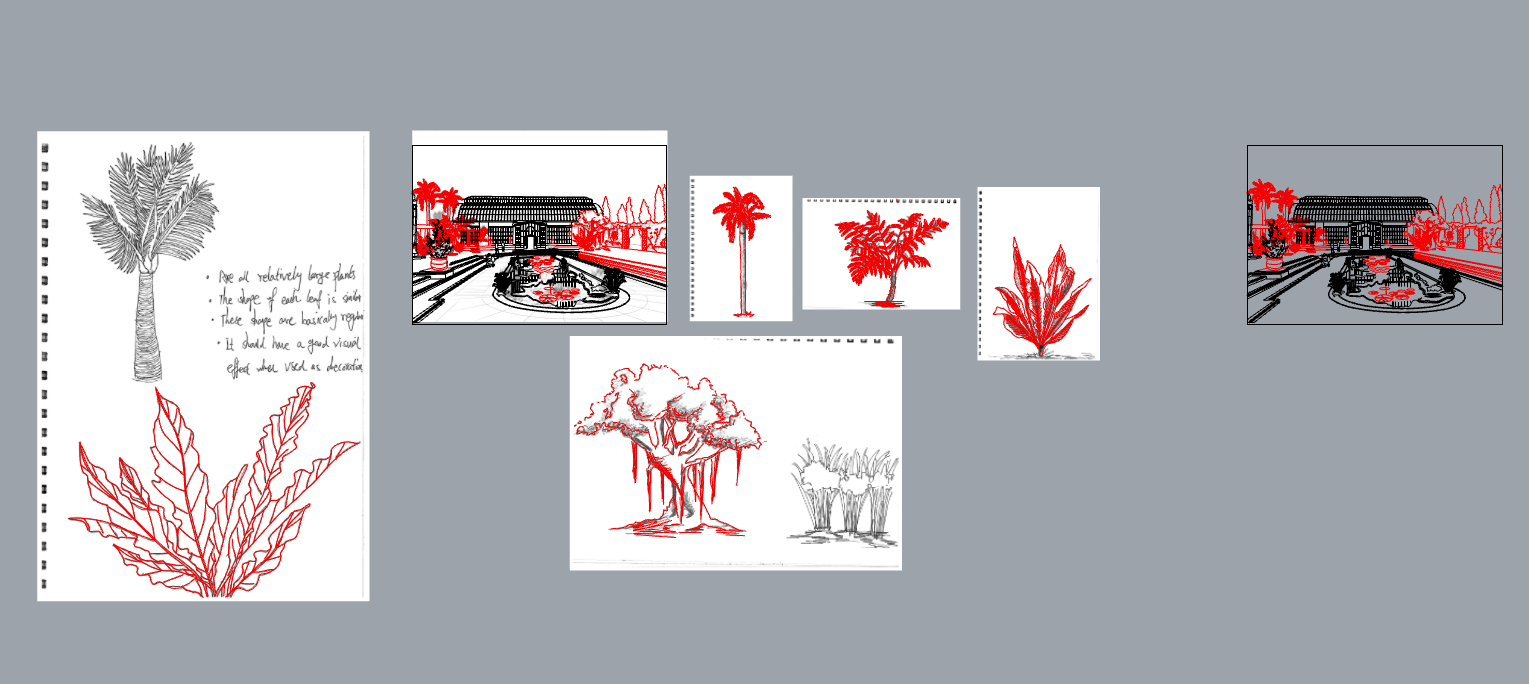
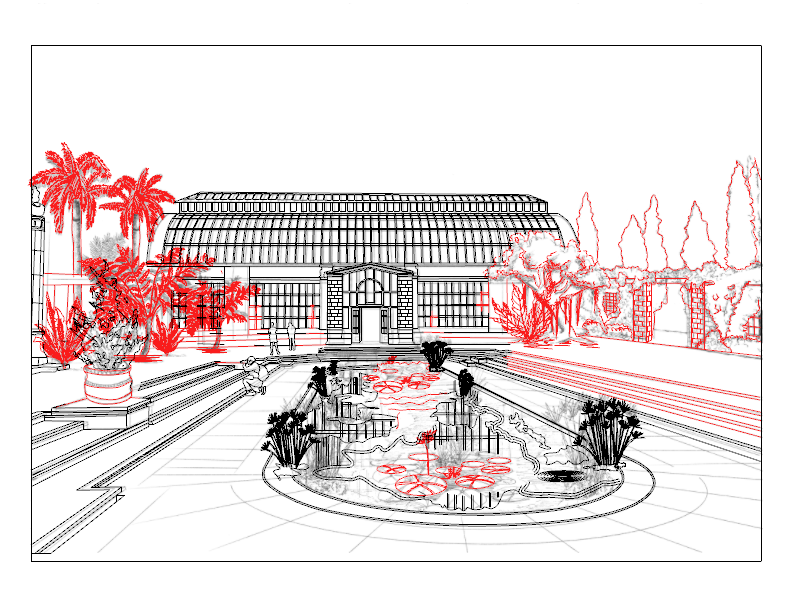
Put my drawing into rhino and draw the shape of that object. The black part is the main building and the red part is the plants.
Model Making
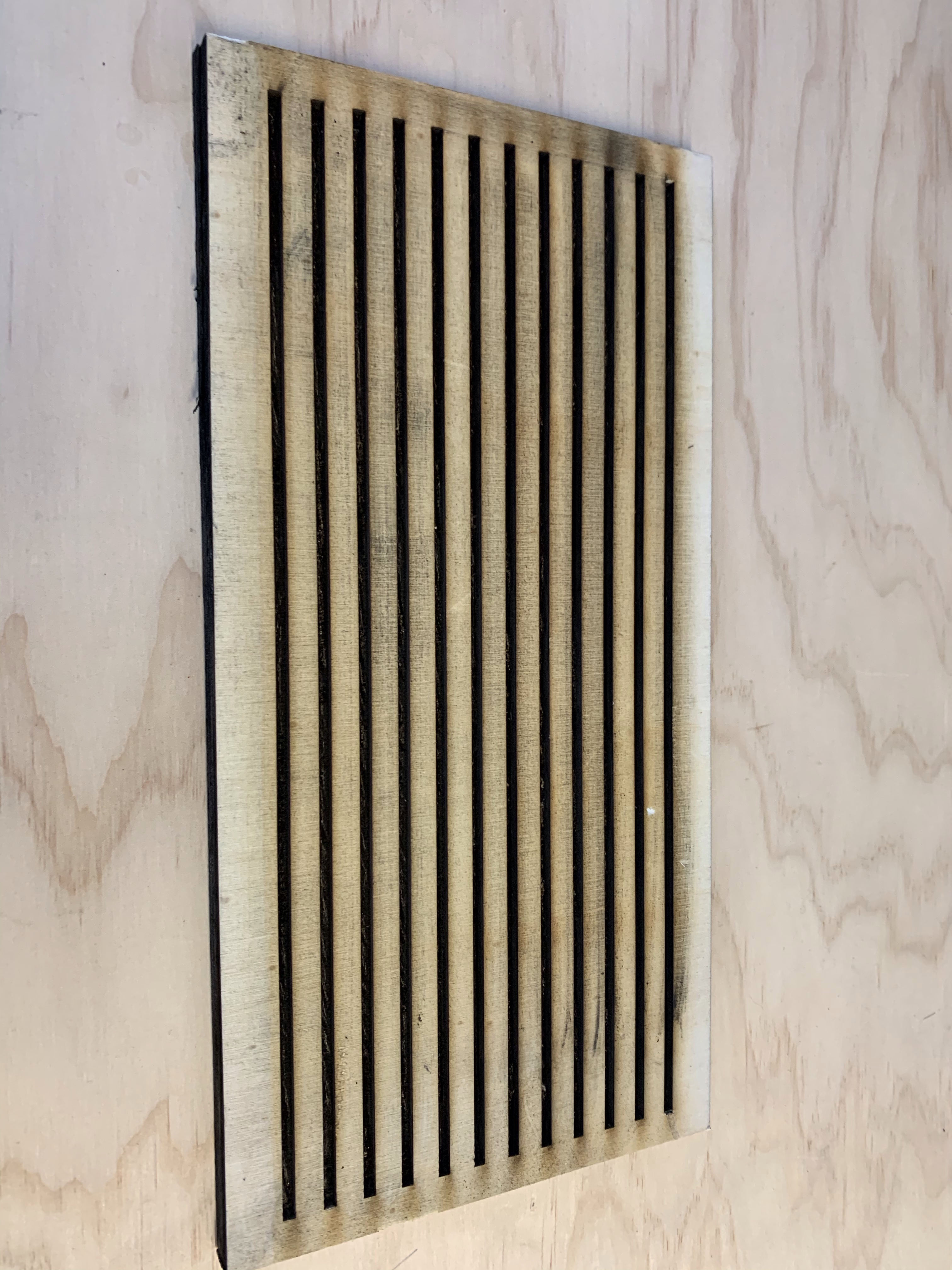
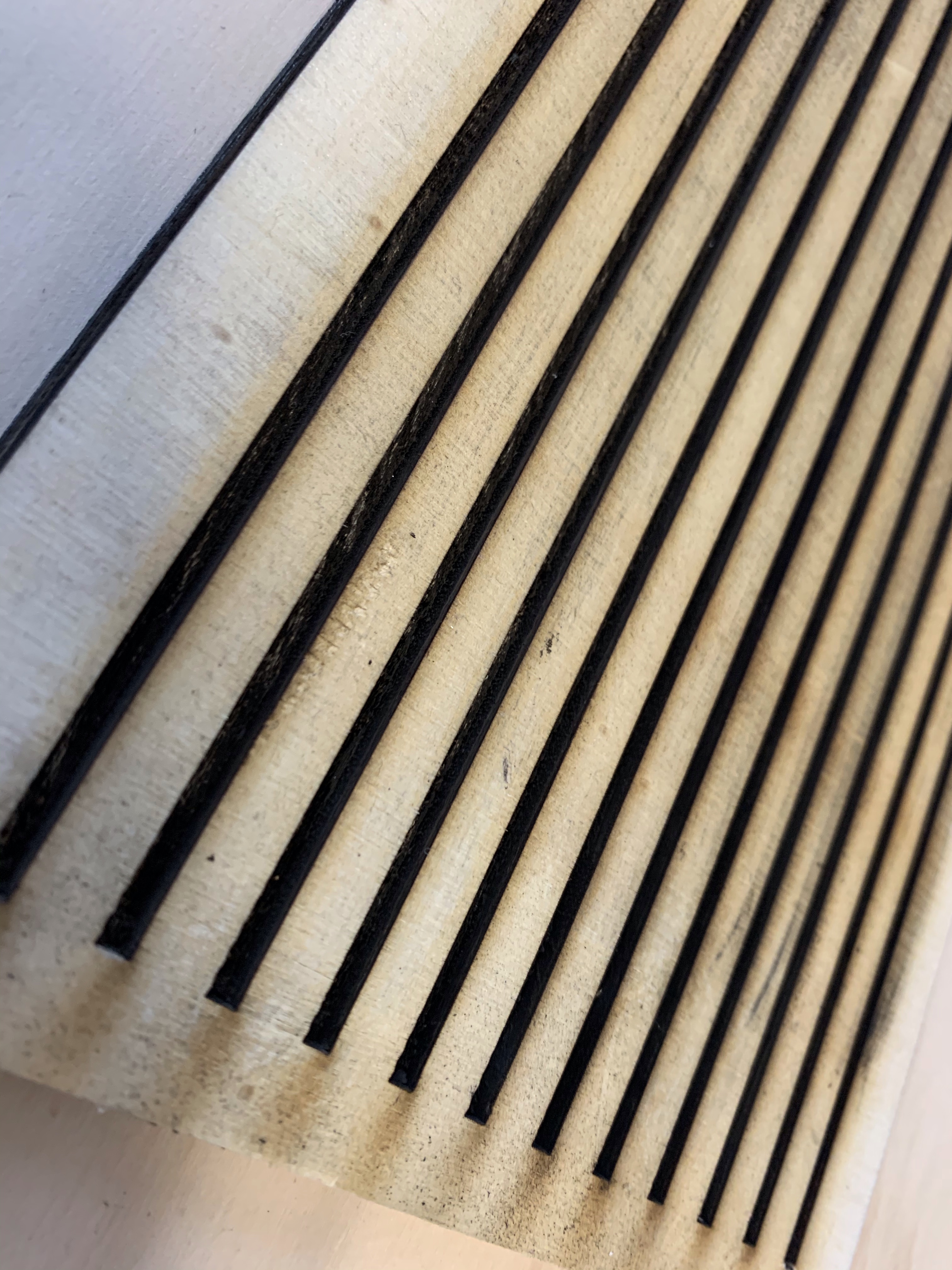
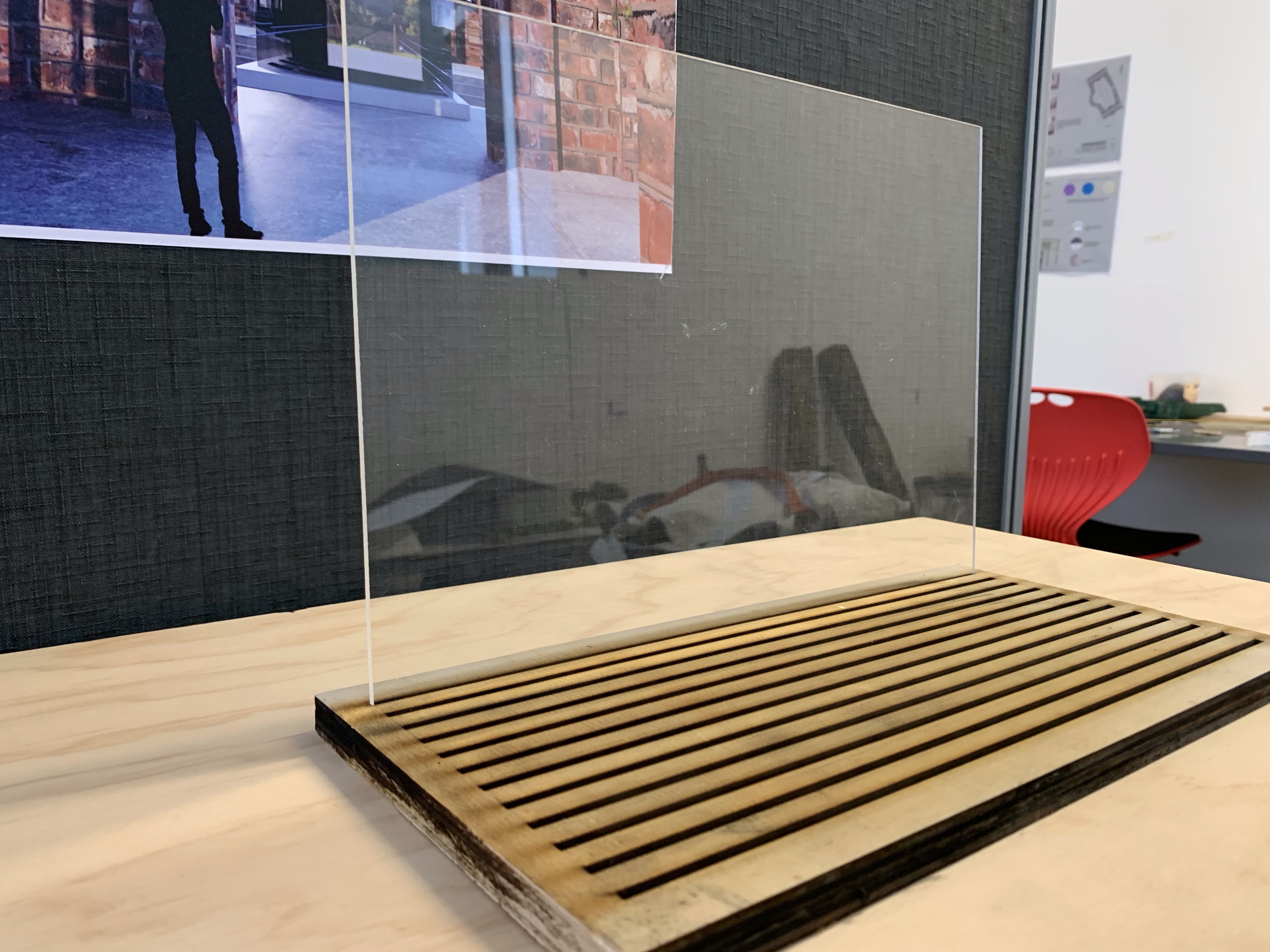
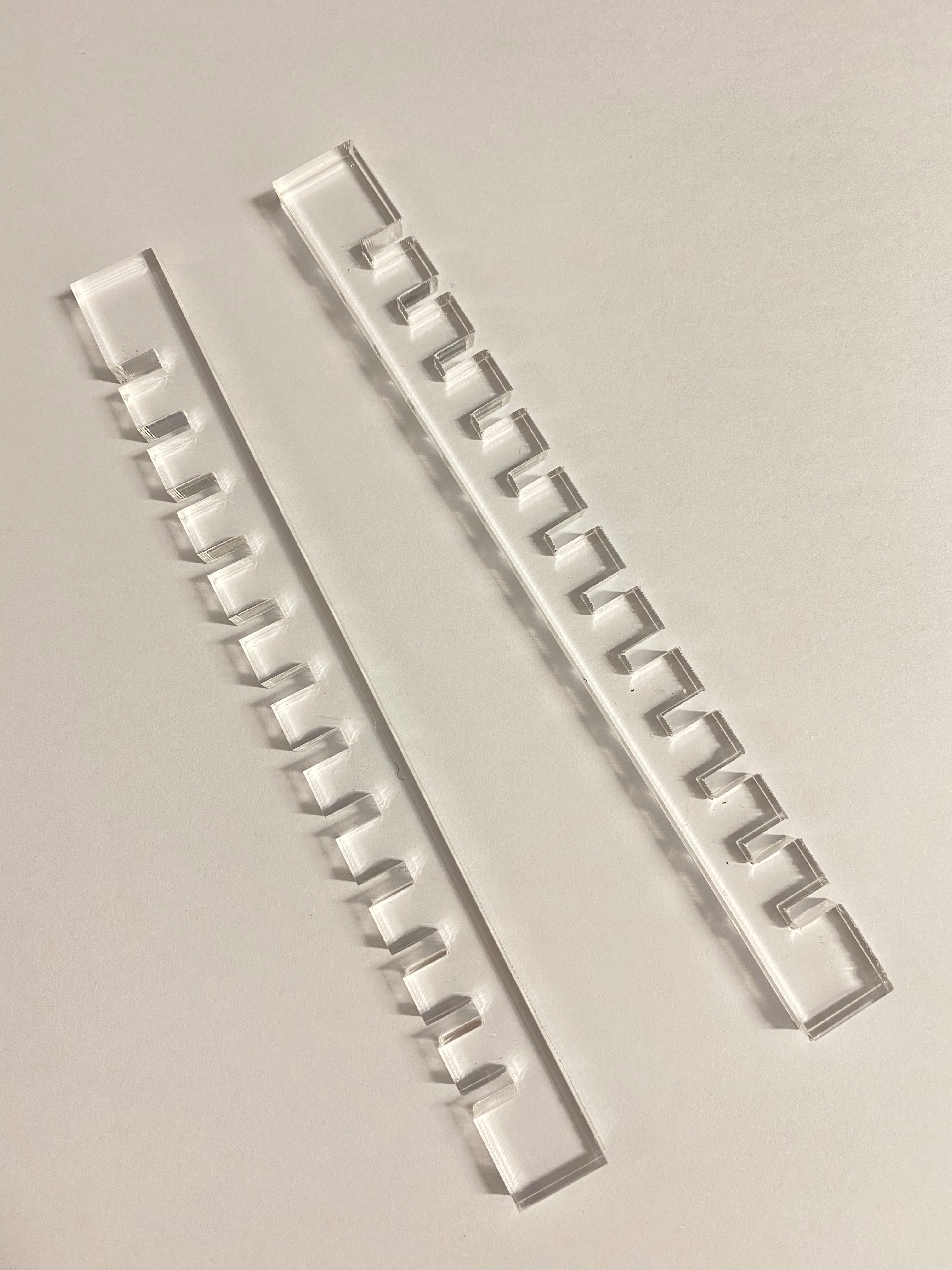
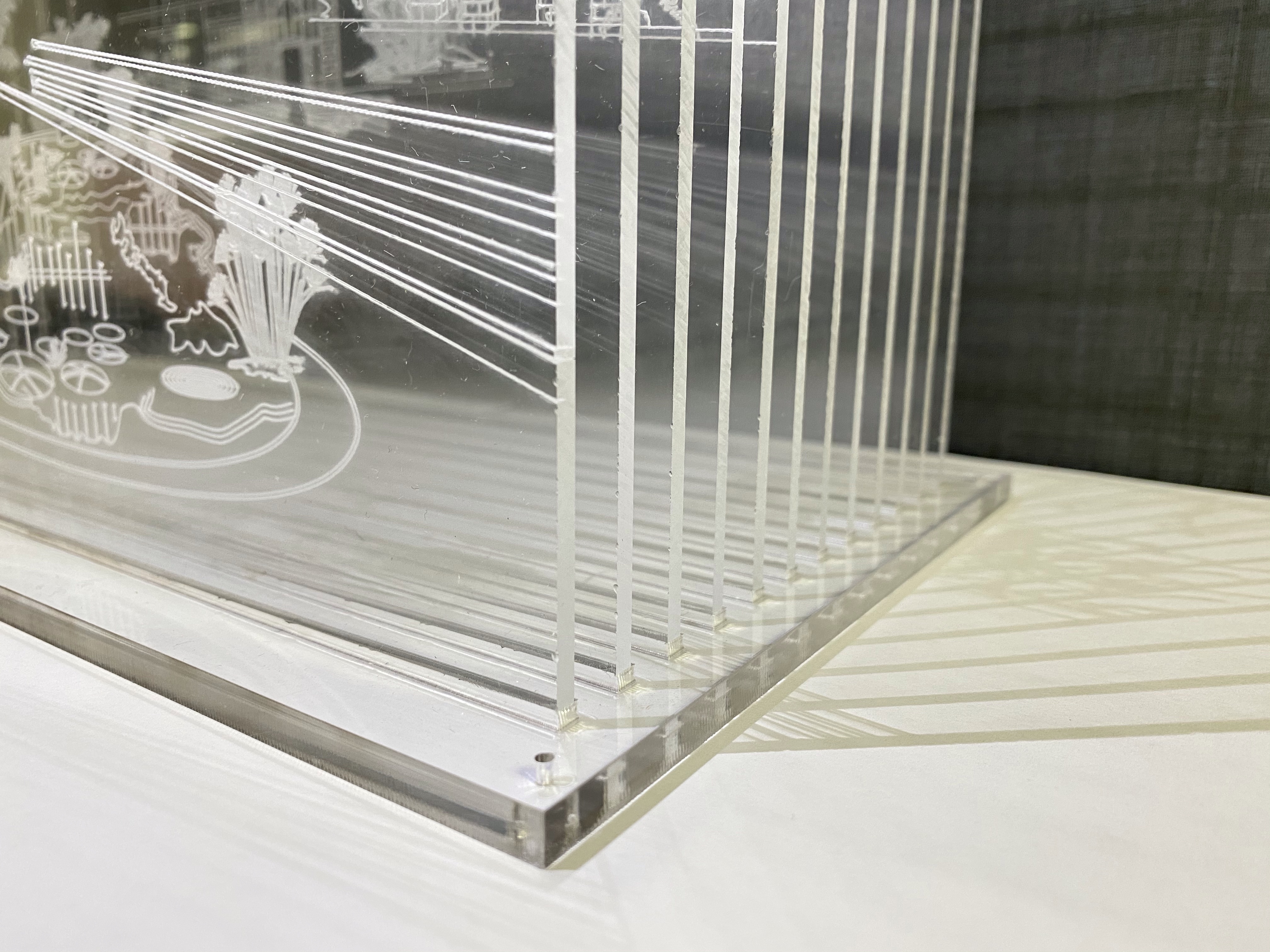
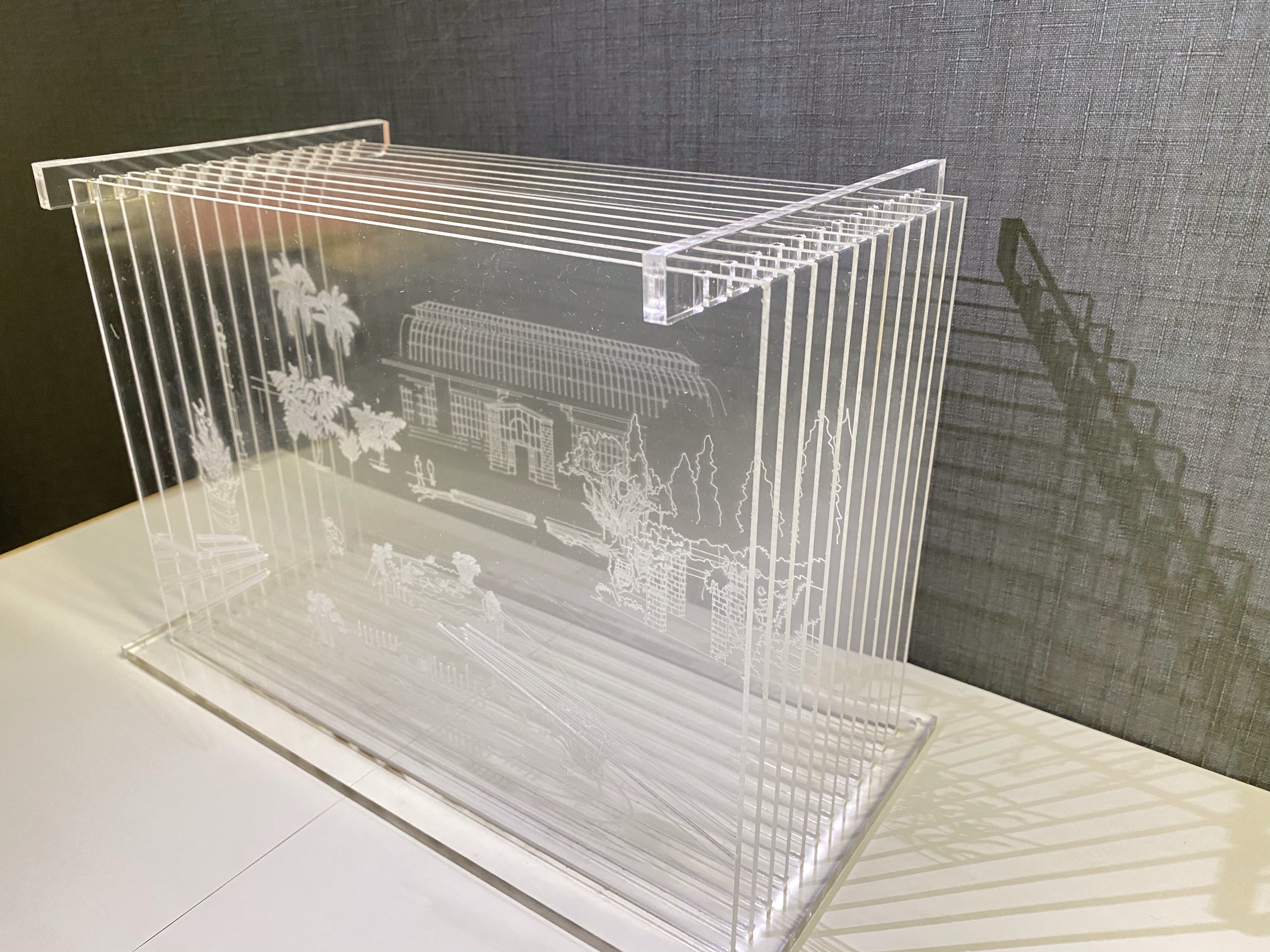
I want to use aluminum alloy as the material for the base, but the color of the acrylic board may not be suitable for the acrylic. And I think this will affect the aesthetics of the overall work. I tried to use wood as a base again, which still failed. After consulting the information, I found that the thickness of the acrylic sheet can be selected, and it can bear. So I chose acrylic sheet as the material because it has to bear some weight so it is thicker. I think this may be the best choice to maintain the unity of the work.
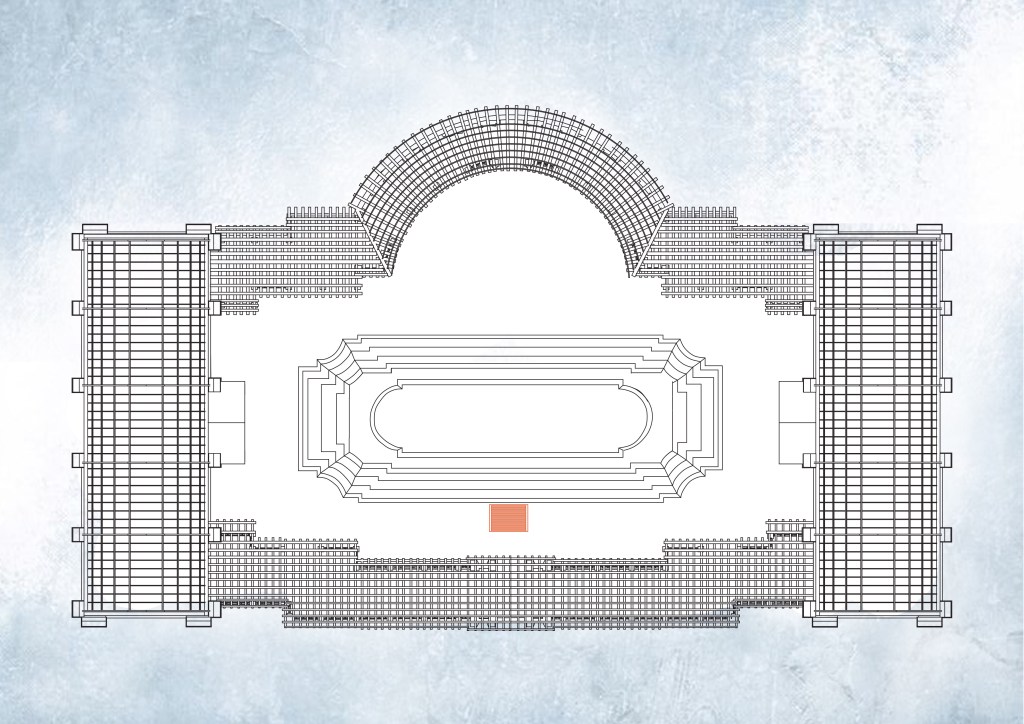
About Installation
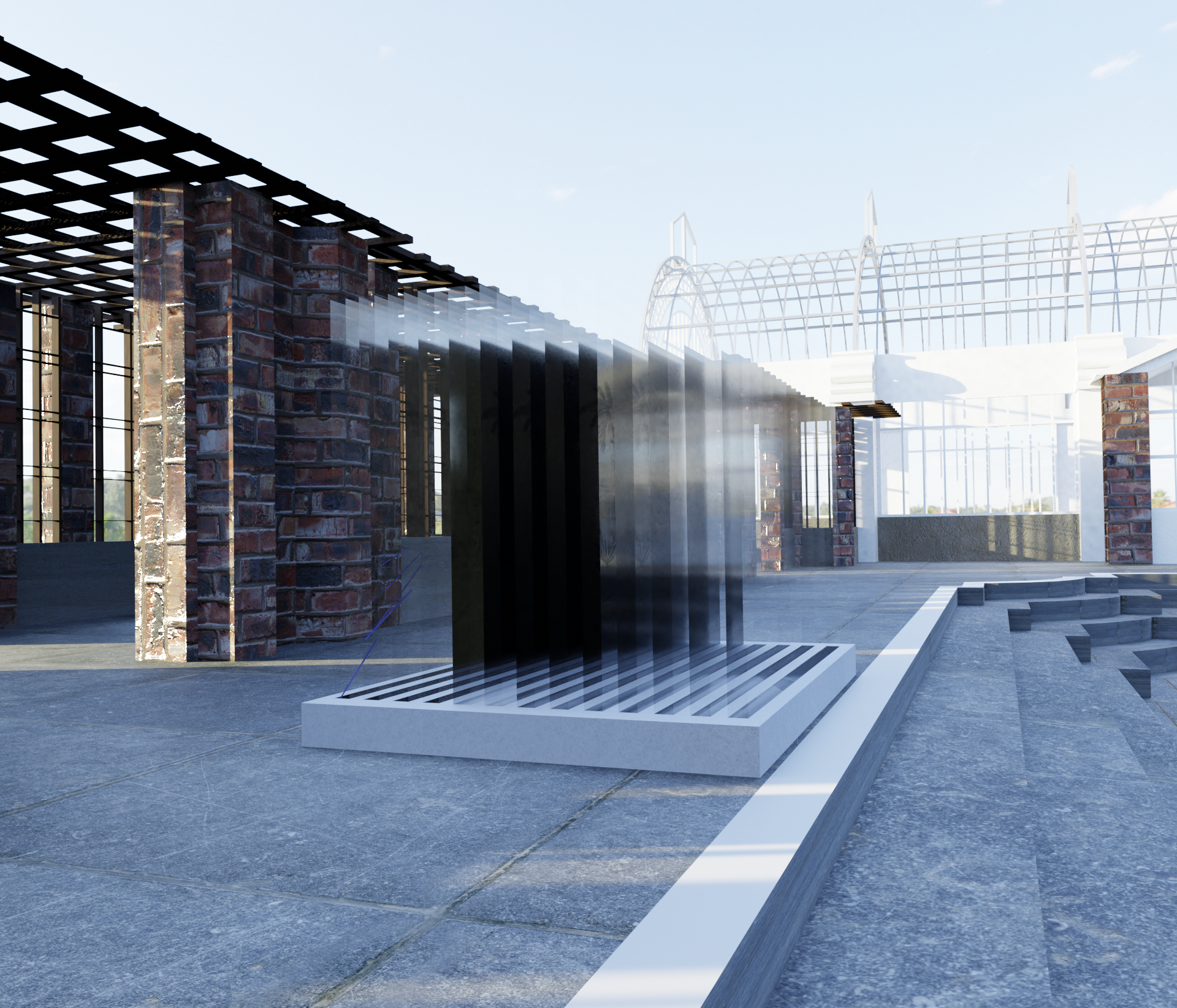
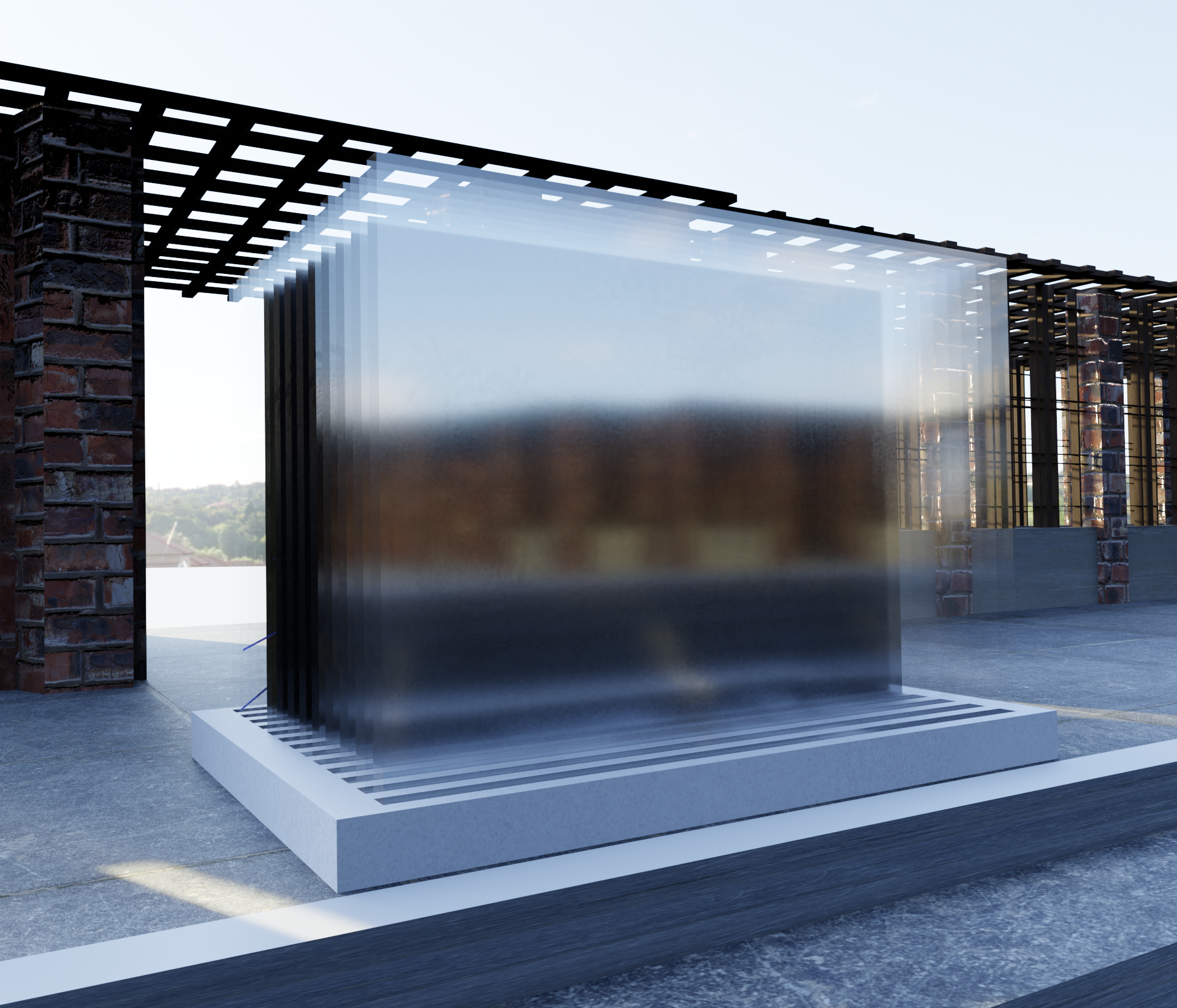
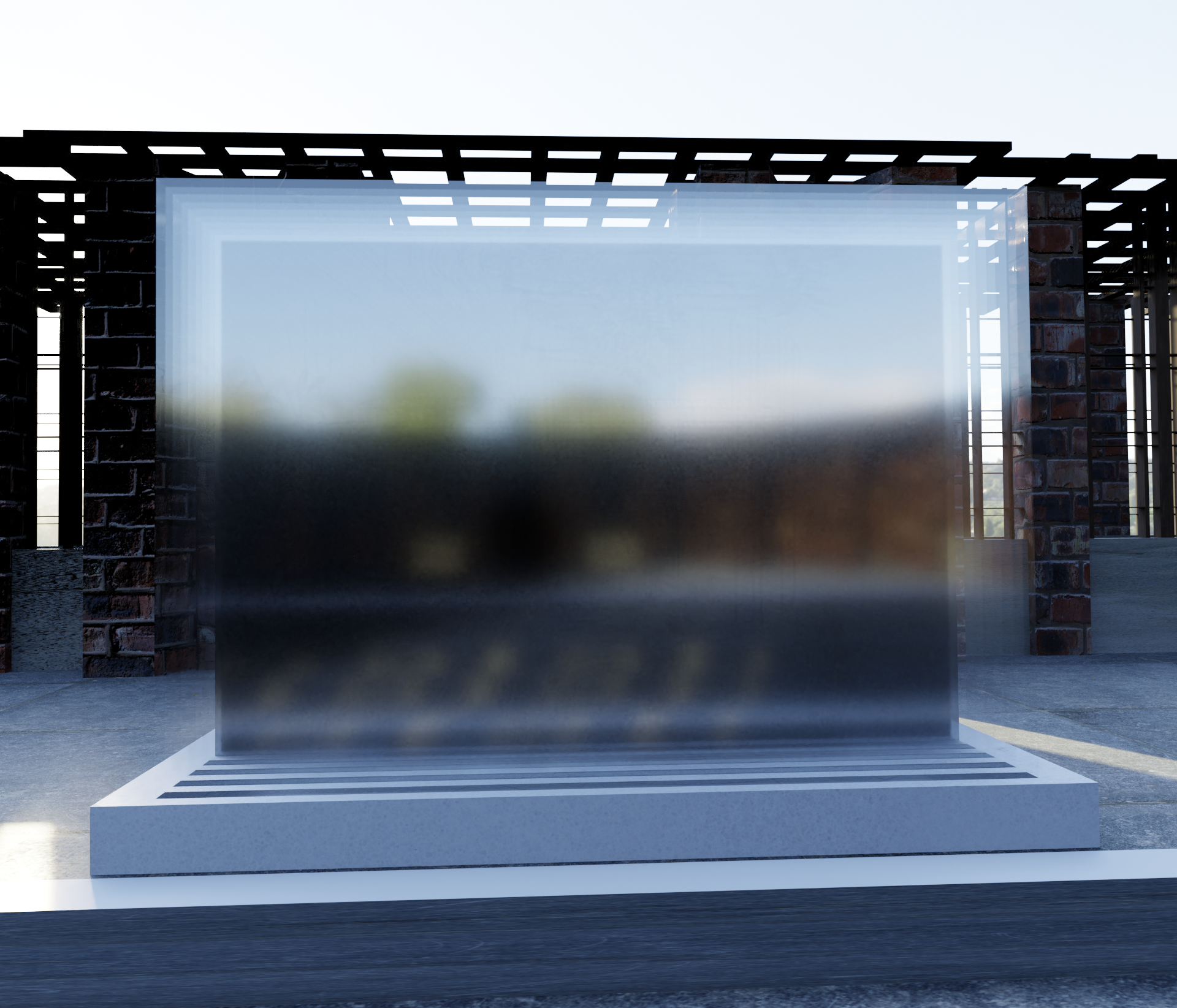
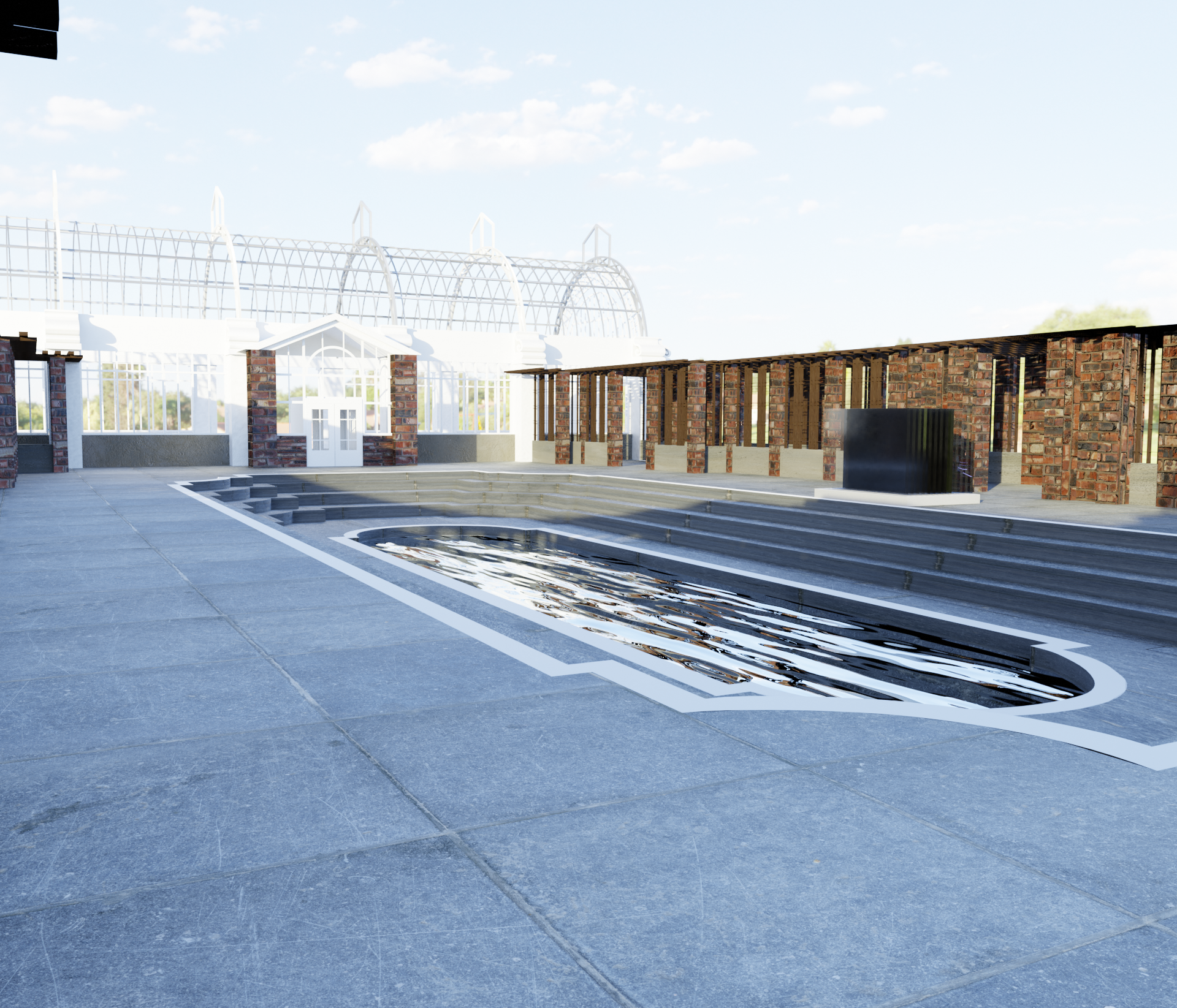
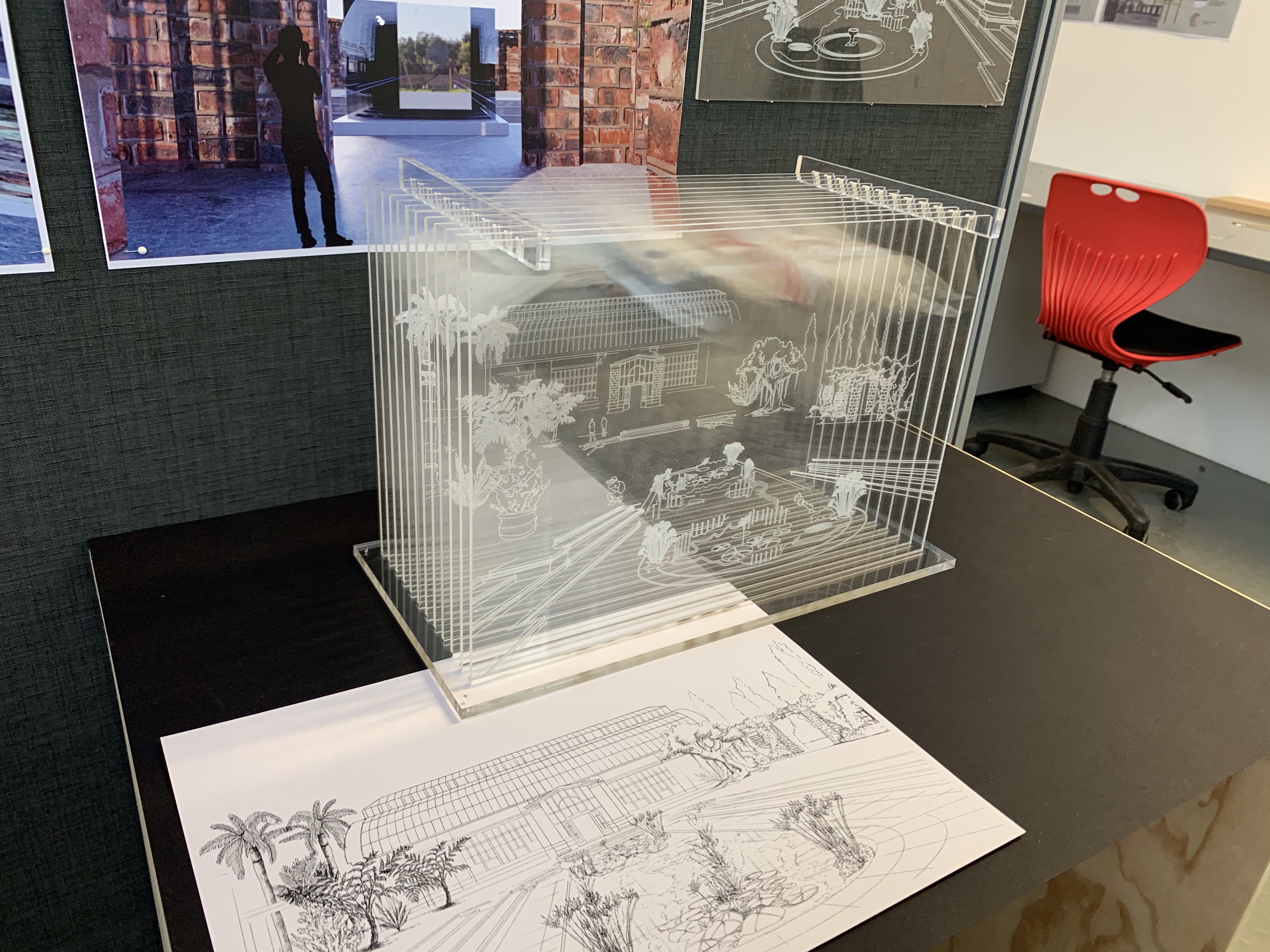
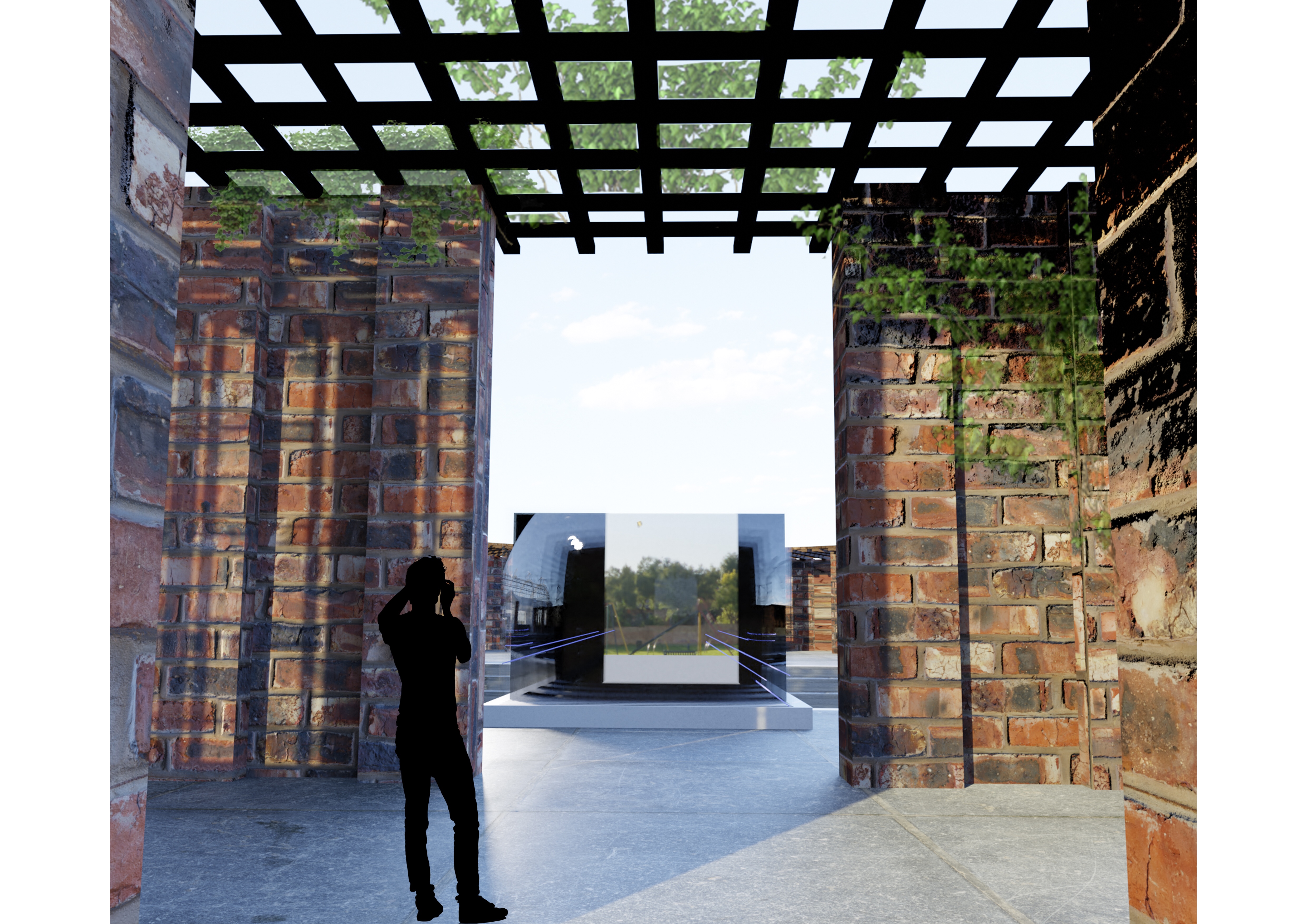
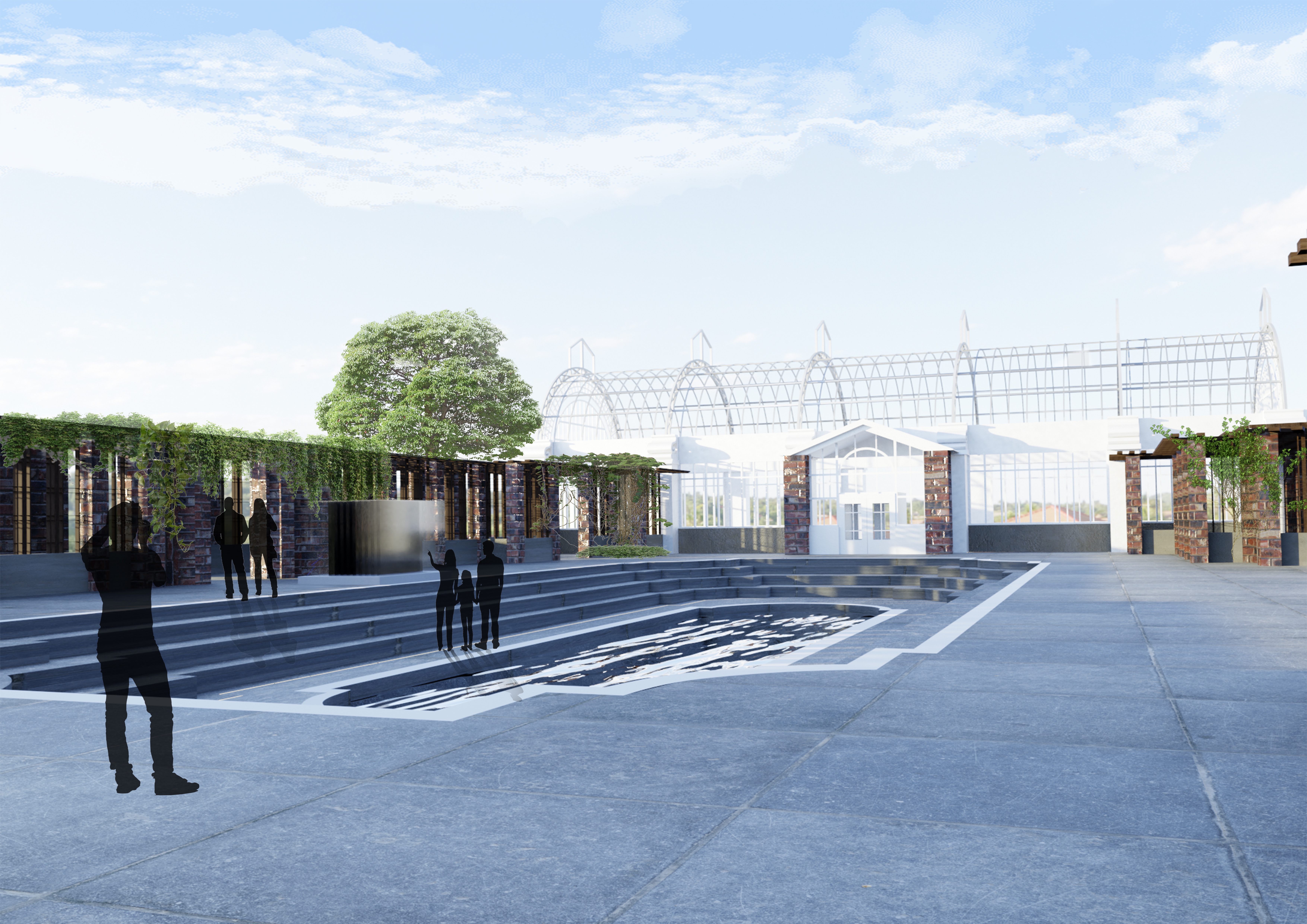
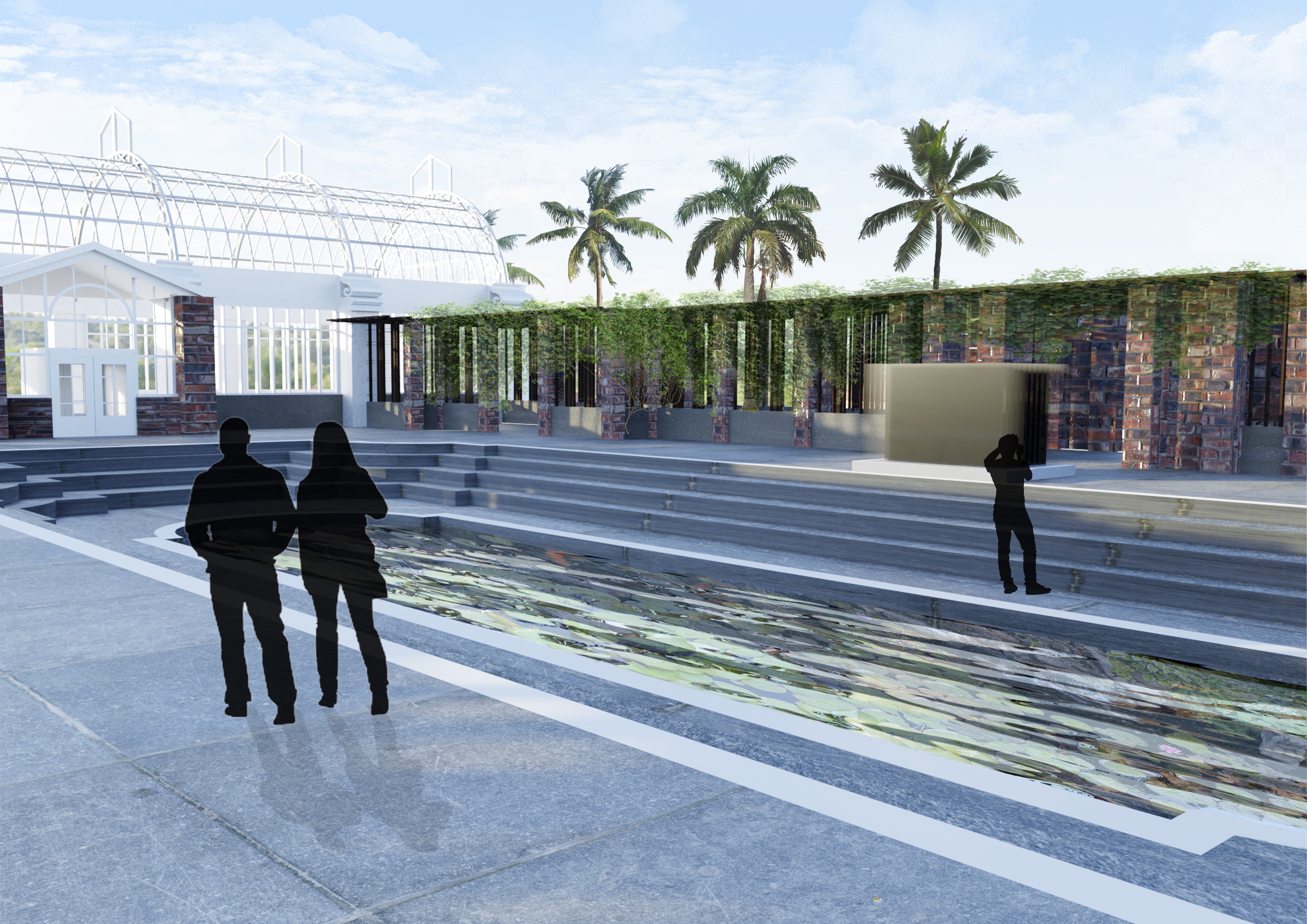
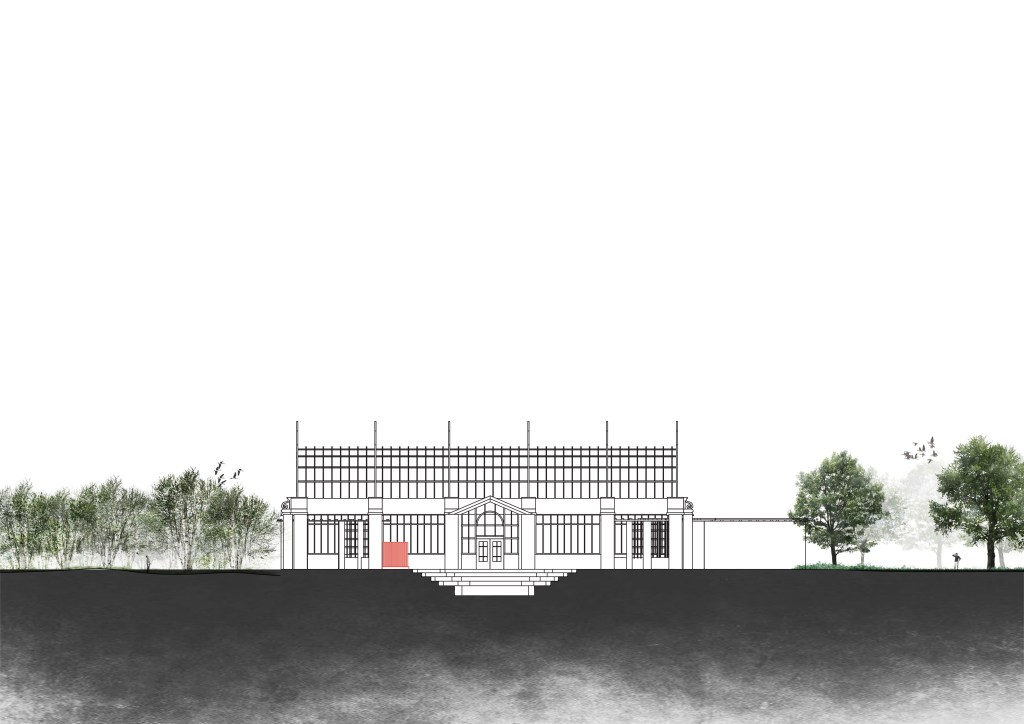
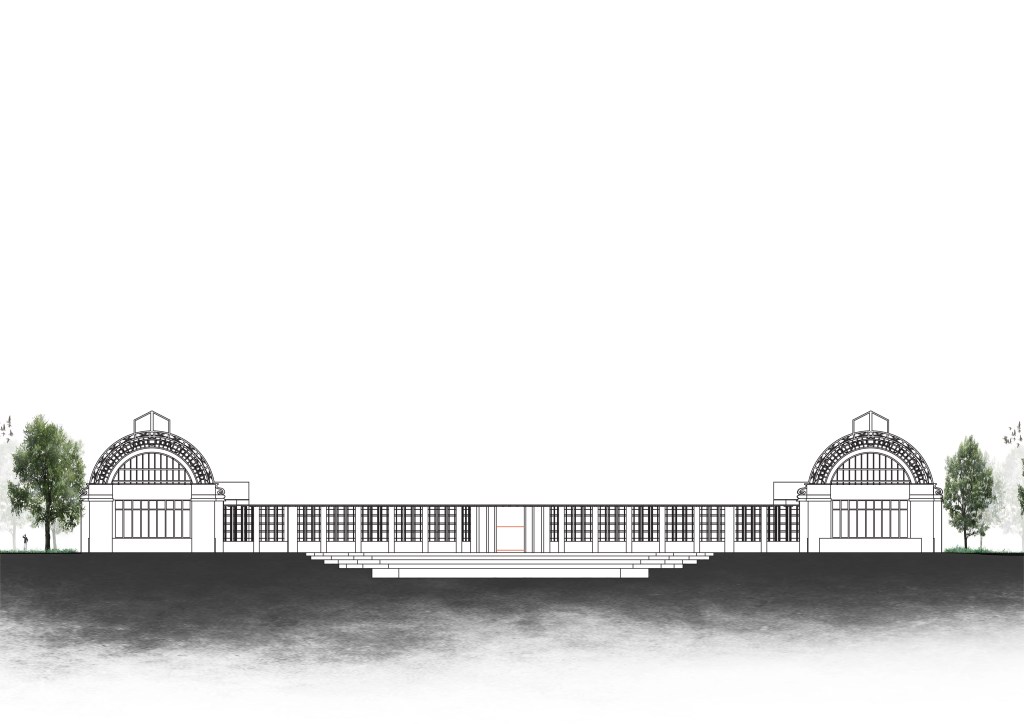
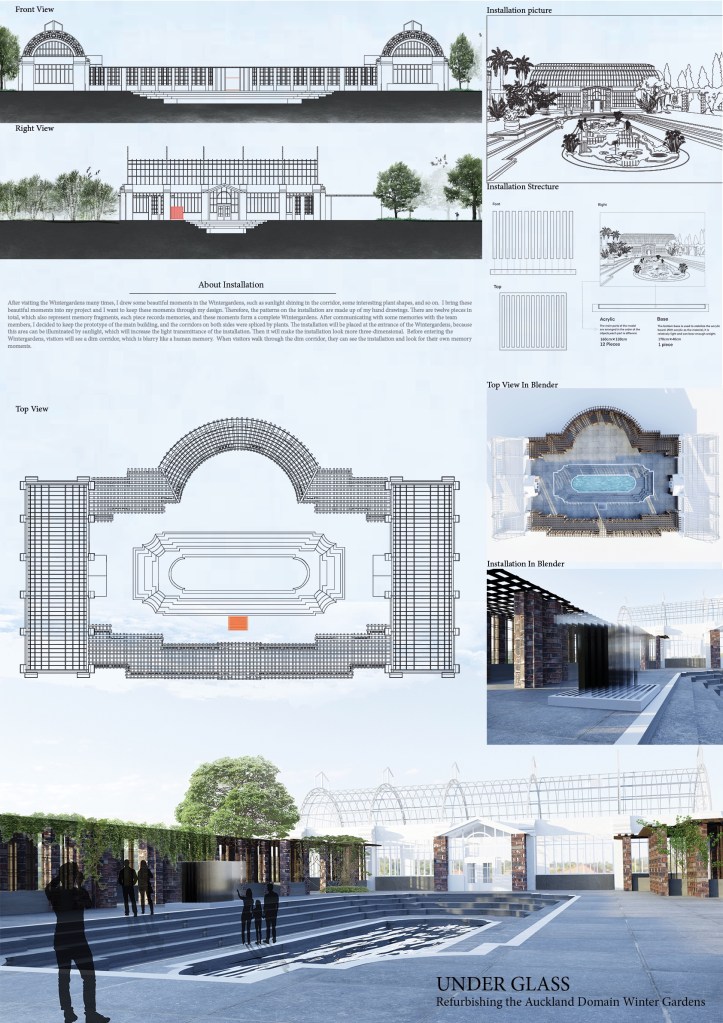
After visiting the Wintergardens many times, I drew some beautiful moments in the Wintergardens, such as sunlight in the corridor, some interesting plants shapes, and so on. I bring these beautiful moments into my project and I want to keep these moments through my design. Therefore, the pattern on the installation are made up of my hand drawing. There are twelve pieces in total, which also represent memory fragments, each piece records memories, and these moments form a complete Wintergardens. After communicating with some memories with the team members, I decided to keep the prototype of the main building, and the corridors on both sides were spliced by plants. The installation will be placed at the entrance of the Wintergardens, because this area can be illuminated by sunlight, which will increase the light transmittance of the installation. Then it will make the installation look more three-dimensional. Before entering the Wintergardens, visitors will see a dim corridor, which is blurry like a human memory. When visitors walk through the dim corridor, they can see the installation and look for their own memory moments.
Final Presentation
Statement
My inspiration is from the history of Wintergardens. The Wintergardens is a meaningful place for the Aucklander, and is called the most romantic park by the public. Because it carries the memories and stories of many people. Some deep memories may be worthy of a lifetime. My project is to stitch these fragmentary memories together to complete the Wintergardents through my hand drawings, so that visitors can understand what the Wintergardens look like in others. The glass material of the Wintergardens attracts many people, including myself. When I visited the Wintergardens for the first time, the most fascinating part was the glass outside. Through the glass, I can see the patterns of the plants inside. This is also the source of inspiration for my project.
I often recall a certain period of time or a place because of hearing a familiar song or smelling a familiar smell. So in this project I want to design an installation that can increase other people’s interest in the memories of the Wintergardens. First of all, the Wintergardens have many different kinds of plants, and these plants grow in the tropics. The second thing that impressed me the most was the glass houses on both sides. Because I like to use sketches to record a certain moment or some interesting patterns. So every time I visit the Wintergardens, I draw some plants or patterns that I find interesting. I think the hand- drawing has the feelings of the author, so I used my hand-drawings to complete the installation.
The main purpose of this project is to record some certain moments through the installation, allowing visitors to increase the memory of the Wintergardens. Visitors can feel the multi-faceted of the Wintergardens through this installation, to understand that it’s an inclusive, public and romantic place. The attraction of this installation is that it looks three-dimensional and looks different from every angle. It has a total of twelve layers and each layer has a different pattern. Superimposing them together will reveal a complete Wintergardens. It’s like a human memory, which is composed of fuzzy fragments for each memory. Each layer in the installation represents a fragment of memory. Combining these together is a complete memory. Two glass houses in the Wintergardens are considered the most romantic, so I use acrylic as the material, and the base part still uses acrylic to ensure the integrity of the installation. When the sunlight shines on the acrylic, the reflection is like glass, which looks gorgeous and colorful. This is also to not destroy the original nature of the garden and also continue to maintain its romance.
 SUMMER’S Blog